
Circumcision, the surgical removal of the foreskin that covers the head (glans) of the penis, is most commonly performed in newborns for cultural, religious, or medical reasons. But many adults also consider or need the procedure. Suppose you’re reading this because you’re curious, considering circumcision, or preparing for surgery. This guide explains what circumcision surgery is for adults, who performs it, how it’s done, how long it takes, safety and recovery facts, and answers the most common questions.

Quick summary
- What it is: Circumcision is the surgical removal of the foreskin (prepuce) covering the glans.
- Who does it: Adult circumcisions are usually performed by a urologist or a surgeon experienced in genitourinary procedures; in some settings, a general surgeon or trained physician may perform it.
- Why adults get it: Medical reasons (phimosis, recurrent infections, paraphimosis, painful erections), personal/cultural reasons, or as part of disease-risk reduction discussions.
- How long it takes: The actual surgical time is generally short, often 5–30 minutes, depending on technique and whether more complex steps or anaesthesia are used. Total time in the operating area may be longer.
- Safety and recovery: Circumcision is generally safe when done by experienced clinicians, but adult procedures carry a slightly higher risk of bleeding, infection, and longer recovery versus infant circumcision. Typical recovery: initial healing in 1–2 weeks and full recovery in ~4–6 weeks.
Why would an adult consider circumcision?
Adults seek circumcision for several legitimate reasons:
- Phimosis is a tight foreskin that cannot be retracted and causes pain, urinary problems, or hygiene issues.
- Recurrent balanitis or balanoposthitis (infections of the glans/foreskin) despite conservative treatment.
- Paraphimosis (when a retracted foreskin cannot go forward and causes swelling) is recurrent.
- Personal or cultural reasons, sexual hygiene preferences, or cosmetic choice.
- Risk-reduction discussions: epidemiological studies show circumcision can reduce the risk of some penile infections and lower, but not eliminate, the risk of certain sexually transmitted infections; these are part of a broader prevention strategy.
If your reason is medical, your clinician will usually discuss non-surgical options (topical steroids, stretching/dilation, hygiene measures) before recommending definitive surgery unless immediate intervention is required.
Who performs circumcision surgery for adults?
In modern healthcare settings, adult circumcision is most commonly performed by:
- Urologists — specialists in urinary and male genital surgery. They commonly perform adult circumcisions, especially for complex problems.
- General surgeons: In some hospitals or clinics, a general surgeon or surgical team performs the procedure.
- Practitioners in private clinics — experienced physicians in outpatient surgical centres may perform routine adult circumcisions.
Your referral pathway will depend on local practice: primary care may refer you to urology or an outpatient surgical clinic for assessment and consent.
Best Seller
-
Cenforce 100 Mg
Best Seller$24.00 – $215.00Price range: $24.00 through $215.00Rated 5.00 out of 5Shop Now This product has multiple variants. The options may be chosen on the product page -
Vidalista 5 Mg
best sellers$18.00 – $182.00Price range: $18.00 through $182.00Rated 4.00 out of 5Shop Now This product has multiple variants. The options may be chosen on the product page -
Vidalista 40 Mg
Best Seller$28.00 – $276.00Price range: $28.00 through $276.00Rated 4.00 out of 5Shop Now This product has multiple variants. The options may be chosen on the product page -
Cenforce 200 Mg
best sellers$31.00 – $335.00Price range: $31.00 through $335.00Rated 4.00 out of 5Shop Now This product has multiple variants. The options may be chosen on the product page -

Cenforce Fm
best sellers$33.00 – $218.00Price range: $33.00 through $218.00Rated 4.00 out of 5Shop Now This product has multiple variants. The options may be chosen on the product page -
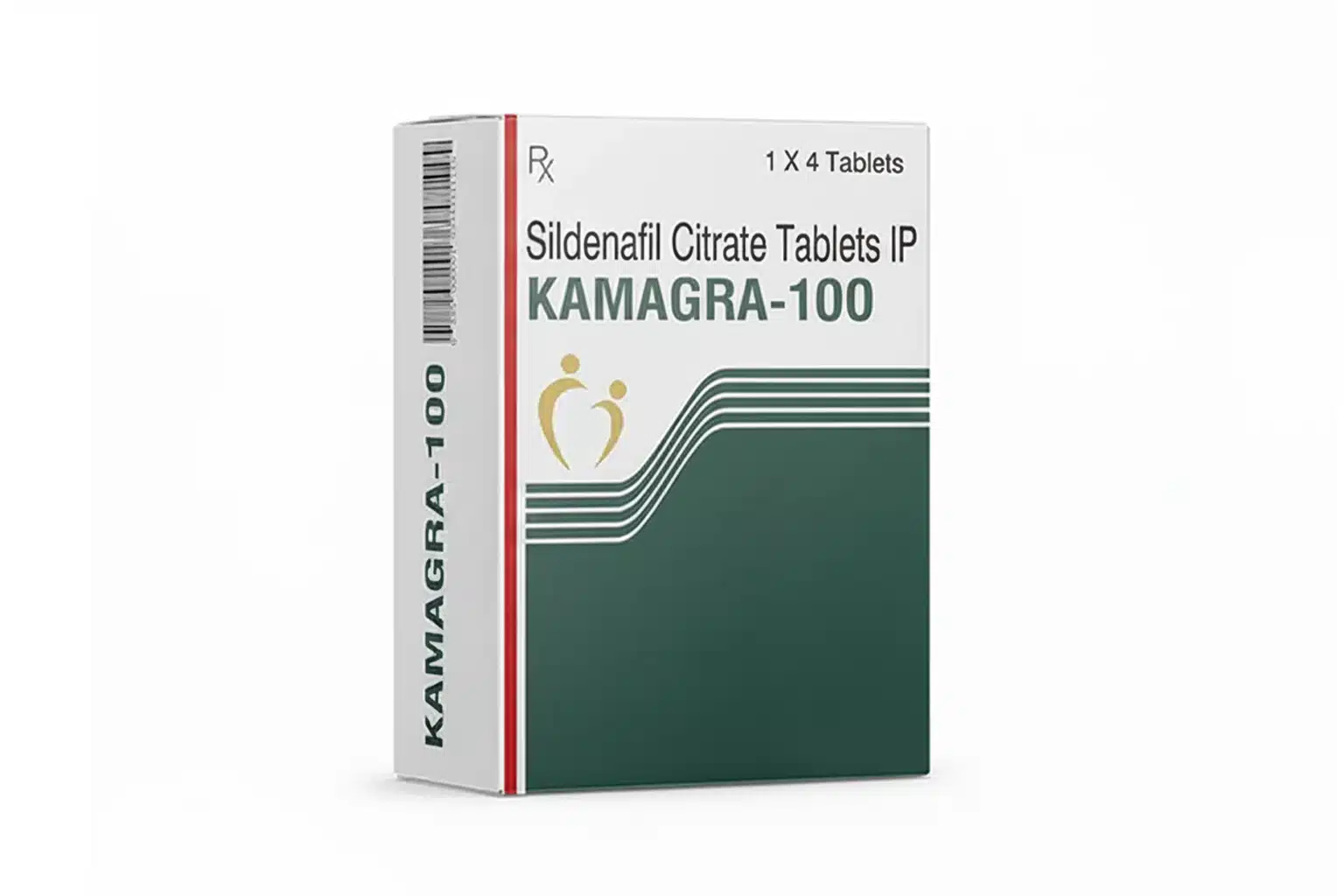
Kamagra 100 mg
best sellers$24.00 – $125.00Price range: $24.00 through $125.00Rated 5.00 out of 5Shop Now This product has multiple variants. The options may be chosen on the product page -

Fildena 100 mg
best sellers$24.00 – $244.00Price range: $24.00 through $244.00Rated 4.00 out of 5Shop Now This product has multiple variants. The options may be chosen on the product page -

Malegra Oral Jelly 100 Mg
best sellers$8.00 – $44.00Price range: $8.00 through $44.00Rated 5.00 out of 5Shop Now This product has multiple variants. The options may be chosen on the product page -

Super Kamagra Oral Jelly
best sellers$25.00 – $120.00Price range: $25.00 through $120.00Rated 4.00 out of 5Shop Now This product has multiple variants. The options may be chosen on the product page -

Tadarise Oral Jelly
best sellers$19.00 – $72.00Price range: $19.00 through $72.00Rated 4.00 out of 5Shop Now This product has multiple variants. The options may be chosen on the product page -
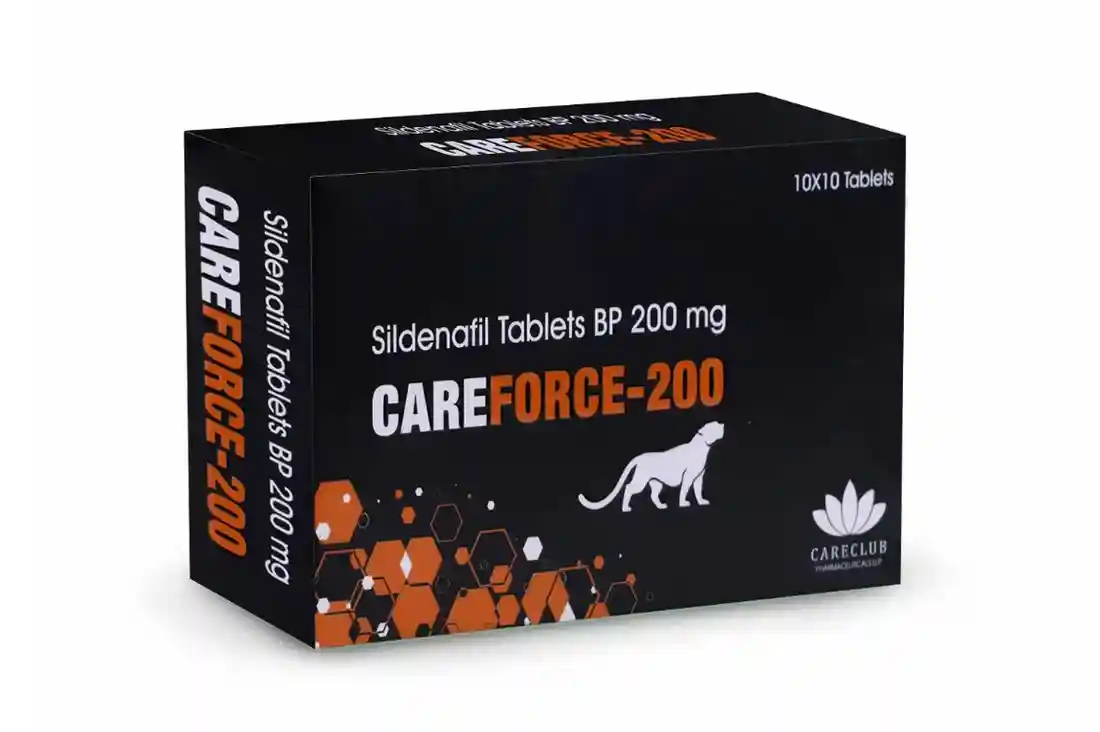
Careforce 200 Mg
best sellers$29.00 – $332.00Price range: $29.00 through $332.00Rated 5.00 out of 5Shop Now This product has multiple variants. The options may be chosen on the product page -
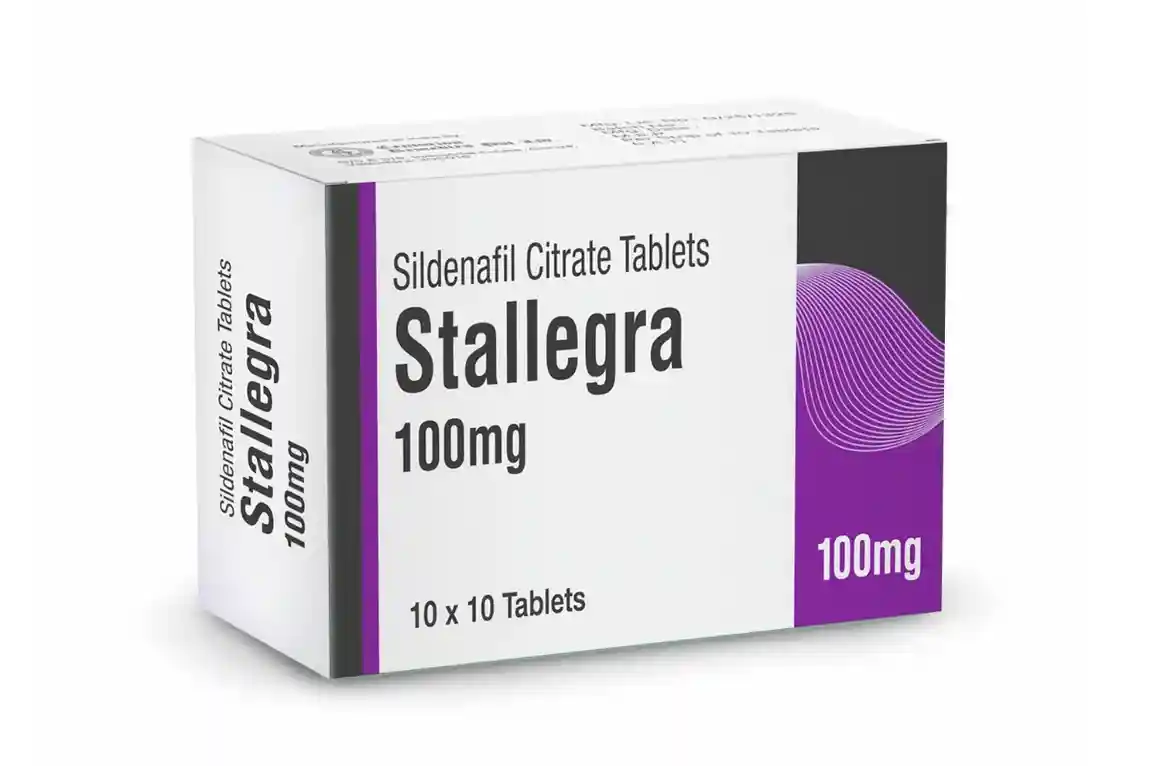
Stallegra 100 Mg
best sellers$88.00 – $224.00Price range: $88.00 through $224.00Rated 5.00 out of 5Shop Now This product has multiple variants. The options may be chosen on the product page -
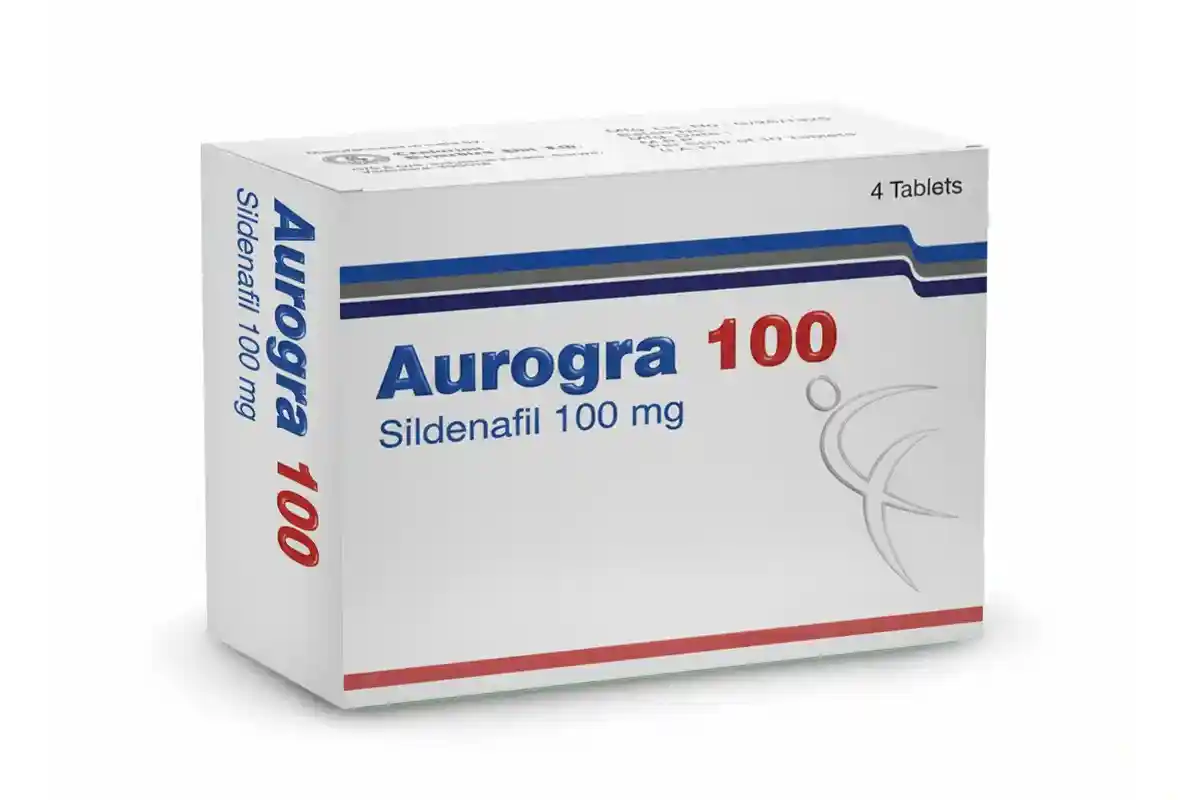 Exclusive
Aurogra 100 Mg
best sellers$29.00 – $76.00Price range: $29.00 through $76.00Rated 4.00 out of 5Shop Now This product has multiple variants. The options may be chosen on the product page -
Priligy 30 mg
best sellers$22.00 – $156.00Price range: $22.00 through $156.00Rated 4.00 out of 5Shop Now This product has multiple variants. The options may be chosen on the product page
How do they perform a circumcision surgery in adults?
There are several surgical techniques, but the main goals are the same: remove the foreskin and create a neat edge that heals without tension. The typical steps are:
- Assessment and consent: medical history, exam, discussion of risks and alternatives, and pre-op instructions.
- Anaesthesia: adult circumcisions are usually done under local anaesthesia with a penile block for most cases, or general anaesthesia if preferred/needed (e.g., anxiety, concurrent procedures). A dorsal nerve block or ring block is commonly used.
- Exposing and measuring the foreskin: the surgeon marks the excision line.
- Excision: the foreskin is removed with a scalpel or scissors; alternative methods and devices exist, but in adults, traditional surgical excision is common. Bleeding is controlled (electrocautery/cauterisation as needed).
- Closure: edges are sutured with dissolvable stitches. The penis may be dressed with ointment and gauze.
Commonly named techniques include the sleeve technique, which allows precise excision and haemostasis, and other surgeon-preferred approaches described in urology literature.
How long does a circumcision surgery take for adults?
- Actual operative time: often 5–30 minutes, depending on technique, complexity, and whether other procedures are performed. For straightforward adult circumcisions, many centres report times on the lower end (around 10–30 minutes).
- Total visit time: Pre-op checks, anaesthesia, recovery and discharge can span several hours in a hospital setting, making the whole appointment. Expect to be there longer than the “cutting” time.
Is circumcision possible for adults? Is it safe?
Yes, circumcision is routinely performed in adults worldwide and is considered a safe surgical procedure when performed by trained clinicians. That said:
- Risks are higher in adults than in neonates. Adults can have more bleeding, pain, and longer healing times.
- Potential complications include bleeding, infection, poor cosmetic outcome, adhesions, and, rarely, more serious complications described in surgical literature. Most complications are minor and manageable.
- Outcomes are generally good, with patient satisfaction being high when expectations are realistic and care instructions are followed.
Your surgeon will review your individual risk based on your medical history (including bleeding disorders, diabetes, smoking, and certain medications) and provide pre-operative instructions to reduce the risk.
Best circumcision method for adults, which one is right?
There is no single “best” universal method; the choice depends on:
- Surgeon experience and training (what the surgeon does well).
- Clinical need (e.g., severe scarring may need a particular technique).
- Setting (office-based local anaesthesia vs hospital theatre with general anaesthesia).
Commonly used adult techniques include the sleeve excision and standard dorsal incision with circumferential removal. Devices used for newborn circumcision (like Plastibell) are not typically used in adults. Evidence-based guidelines emphasise choosing the technique that gives good haemostasis and acceptable cosmetic results while minimising complications.
What to expect after surgery
- Immediate post-op: dressing applied, analgesia given. Most adults go home the same day.
- First 48–72 hours: swelling and bruising are common; take pain medication as prescribed, keep the area clean, and follow dressing instructions. Avoid heavy activity.
- Stitches: usually dissolvable and start to fall away in 1–2 weeks.
- Initial healing: 10–14 days for closure of the wound in many cases.
- Full recovery: typically 4–6 weeks before you resume sexual activity or strenuous exercise; your surgeon will confirm when it’s safe.
If you notice increasing redness, pus, fever, severe pain, or uncontrolled bleeding, contact your surgical team promptly.
Pain control and aftercare
- Pain relief: over-the-counter analgesics (paracetamol/acetaminophen and NSAIDs unless contraindicated) and stronger prescription pain meds if needed. Local anaesthesia reduces immediate postoperative pain.
- Wound care: keep the area clean, apply prescribed ointment, change dressings as instructed, and avoid soaking in baths until cleared.
- Sexual activity: typically resumed after 4–6 weeks when fully healed. Follow your surgeon’s advice.
Realistic expectations and making the decision
- Discuss alternatives: before surgery, ask about steroid creams, stretching exercises, and other non-surgical treatments if your issue is phimosis or mild recurrent infection.
- Ask about surgeon experience: ask how many adult circumcisions the surgeon has performed, which technique they recommend, and expected complication rates.
- Understand recovery: plan downtime (a few days off work for comfort, 4–6 weeks before sexual activity) and arrange aftercare and support.
When to seek urgent care after circumcision
Contact your surgical team or emergency services if you have:
- Heavy or uncontrolled bleeding.
- High fever, spreading redness, or signs of wound infection (pus).
- Severe uncontrolled pain despite medication.
- Loss of sensation or other acute changes you didn’t expect.
Final note
Circumcision is a standard, commonly performed procedure in adults when indicated. It’s usually quick, effective, and well tolerated when done by experienced clinicians — but it’s still surgery, and it’s important to make an informed, personalised decision with your healthcare provider. If you’re considering circumcision, book a consultation with a urologist or surgical clinic: they’ll examine you, discuss options (including non-surgical treatments), explain the risks and recovery, and answer any private or practical questions you have.
FAQ's
Q1: What is circumcision surgery?
A: Surgical removal of the foreskin (prepuce) covering the glans of the penis. It’s a short surgical procedure performed for medical, cultural, or personal reasons.
Q2: Circumcision surgery done by which doctor?
A: Usually a urologist or an experienced surgeon. In many settings general surgeons or trained physicians in outpatient clinics may perform adult circumcisions.
Q3: What is circumcision treatment for?
A: Treats phimosis, recurrent infections, some trauma or scarring, and can be elective for hygiene or cultural reasons. Conservative treatments may be tried first if appropriate.
Q4: Is circumcision in adults is it different from infant circumcision?
A: Yes. Adults usually need local or general anaesthesia; surgical excision techniques differ, and healing takes longer. Devices commonly used in babies are not standard for adults.
Q5: Is circumcision safe for adults?
A: Generally, yes, when performed by trained clinicians, but adults face somewhat higher risks (bleeding, infection, longer recovery) than newborns. Pre-op assessment reduces risk.
References
- StatPearls. “Circumcision.” NCBI Bookshelf (StatPearls). NCBI
- NHS. “Circumcision in men.” NHS patient information. nhs.uk
- British/Local NHS patient leaflets — adult circumcision patient information. MKUH
- American Urological Association (AUA) statements and updates on circumcision and indications. American Urological Association
- Peer-reviewed surgical literature on adult circumcision complications (example review). PMC article on rare complications. PMC