
When you use an inhaler, it feels simple.
- You shake it.
- You press it.
- You breathe in.
And hopefully, within minutes, your chest feels lighter.
Have you ever wondered what actually happens after that puff of medicine enters your lungs?
The journey from inhaler to relief is more fascinating than most people realize. It’s a complex biological process involving lung structure, practical science, airflow, and cellular absorption that underlies each tiny spray.
A medical degree is not necessary to comprehend airway medication mechanisms. It just requires curiosity. So let’s walk through what really happens from the moment medication leaves the inhaler to the moment you feel relief.
Step One: Deposition – Where the Medication Lands
The first stage in Airway Medication Mechanisms is deposition. This simply means where the medication particles settle after you inhale them. When you breathe in an inhaled drug, tiny particles travel through your mouth and into your airways. But not all of them reach deep into your lungs.
Several things influence deposition:
- Particle size
- Speed of inhalation
- Airway narrowing
- Inhaler technique
If particles are too large, they may stick to the back of your throat. If inhalation is too fast, they might crash into the upper airways instead of reaching deeper lung tissue. That’s why proper inhaler technique matters so much. The better the deposition in the lower airways, the more effective the treatment.
This is the very first checkpoint in Airway Medication Mechanisms, and it sets the stage for everything that follows.
Inhalers
-
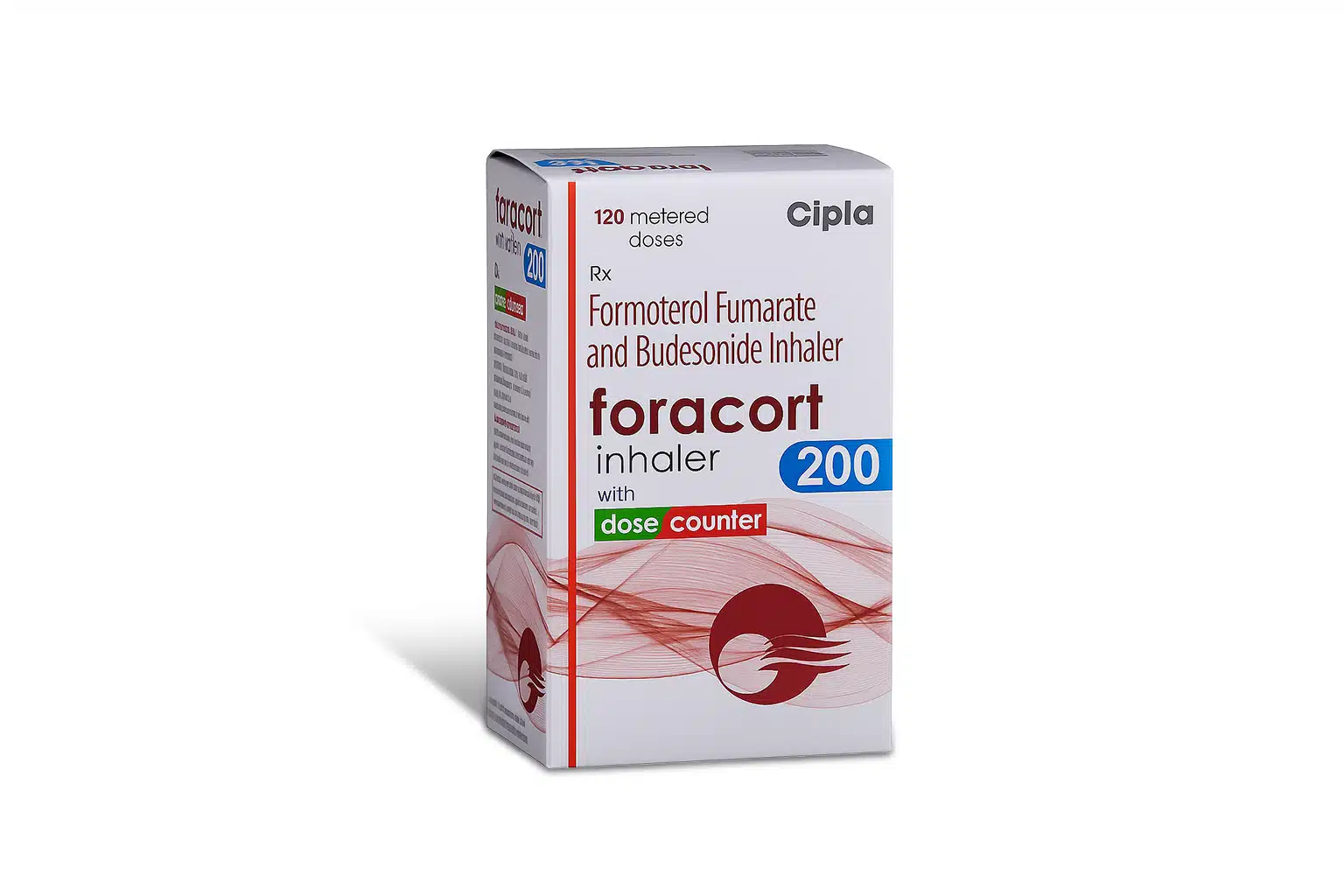
Foracort Inhaler 6/200 Mcg
Inhalers$11.52 – $34.20Price range: $11.52 through $34.20Rated 4.00 out of 5Shop Now This product has multiple variants. The options may be chosen on the product page -
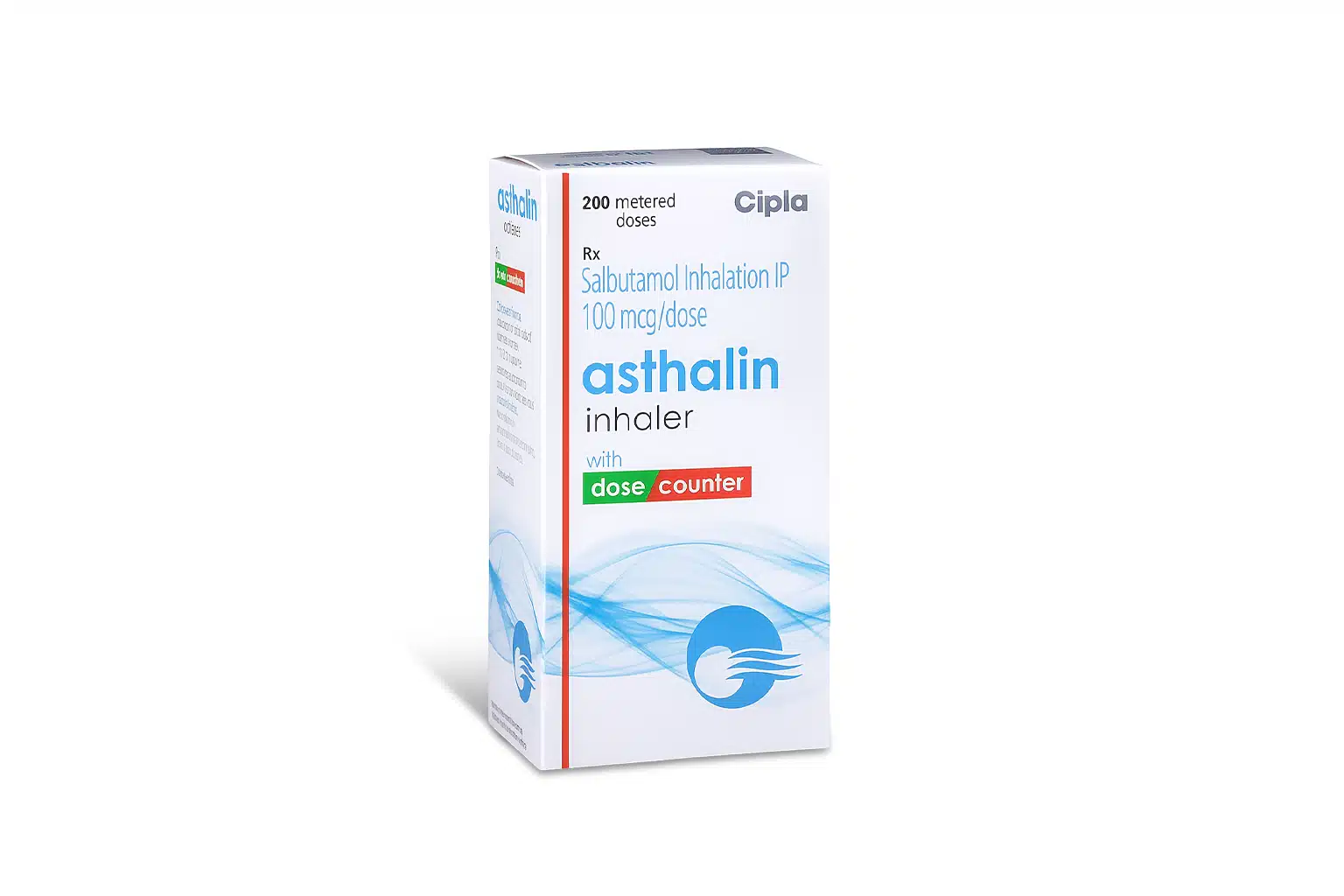
Asthalin HFA Inhaler 100 Mcg (200 mdi)
Inhalers$8.28 – $21.96Price range: $8.28 through $21.96Rated 4.00 out of 5Shop Now This product has multiple variants. The options may be chosen on the product page -
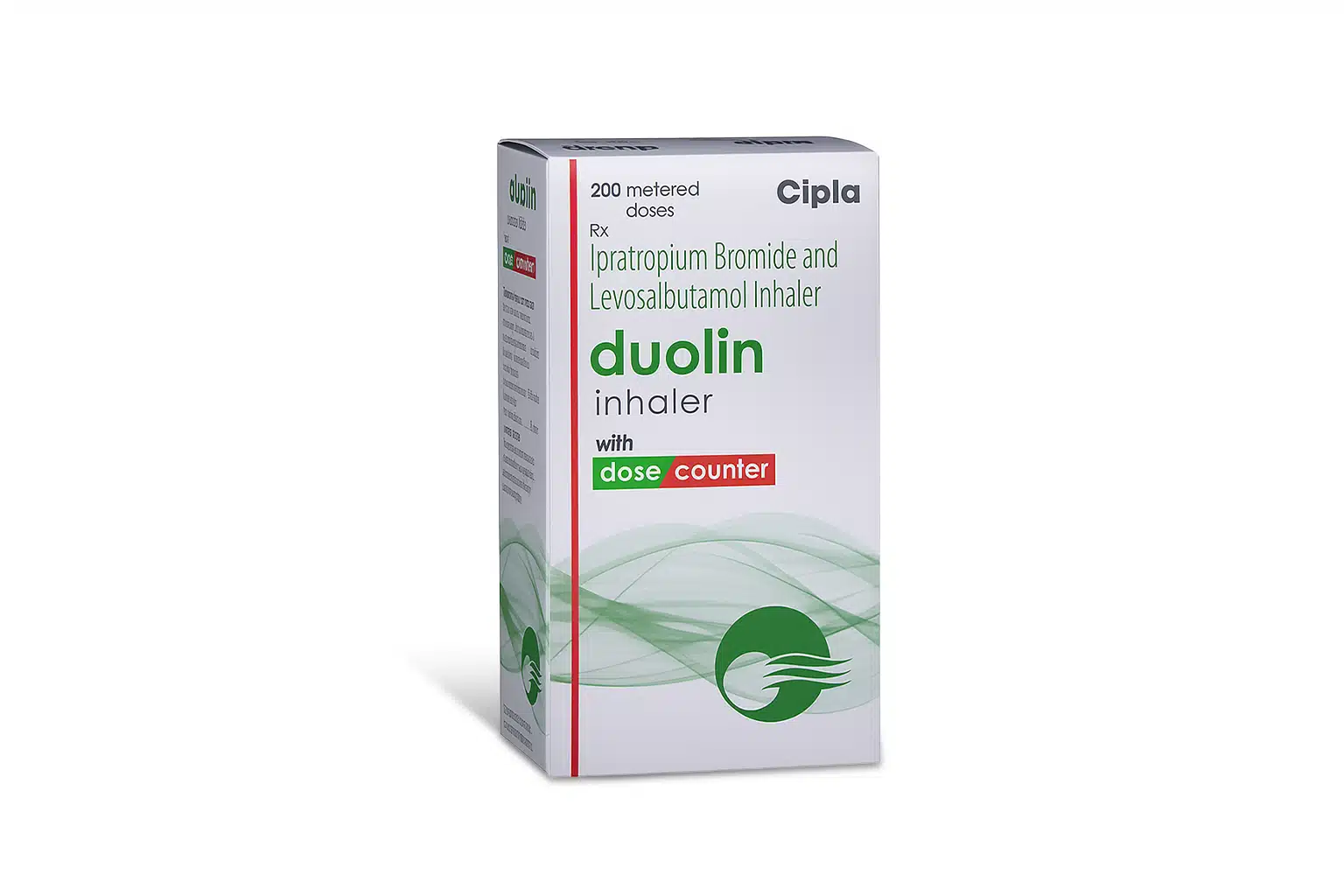
Duolin Inhaler 50 Mcg + 20 Mcg
Inhalers$38.03 – $99.39Price range: $38.03 through $99.39Rated 5.00 out of 5Shop Now This product has multiple variants. The options may be chosen on the product page -
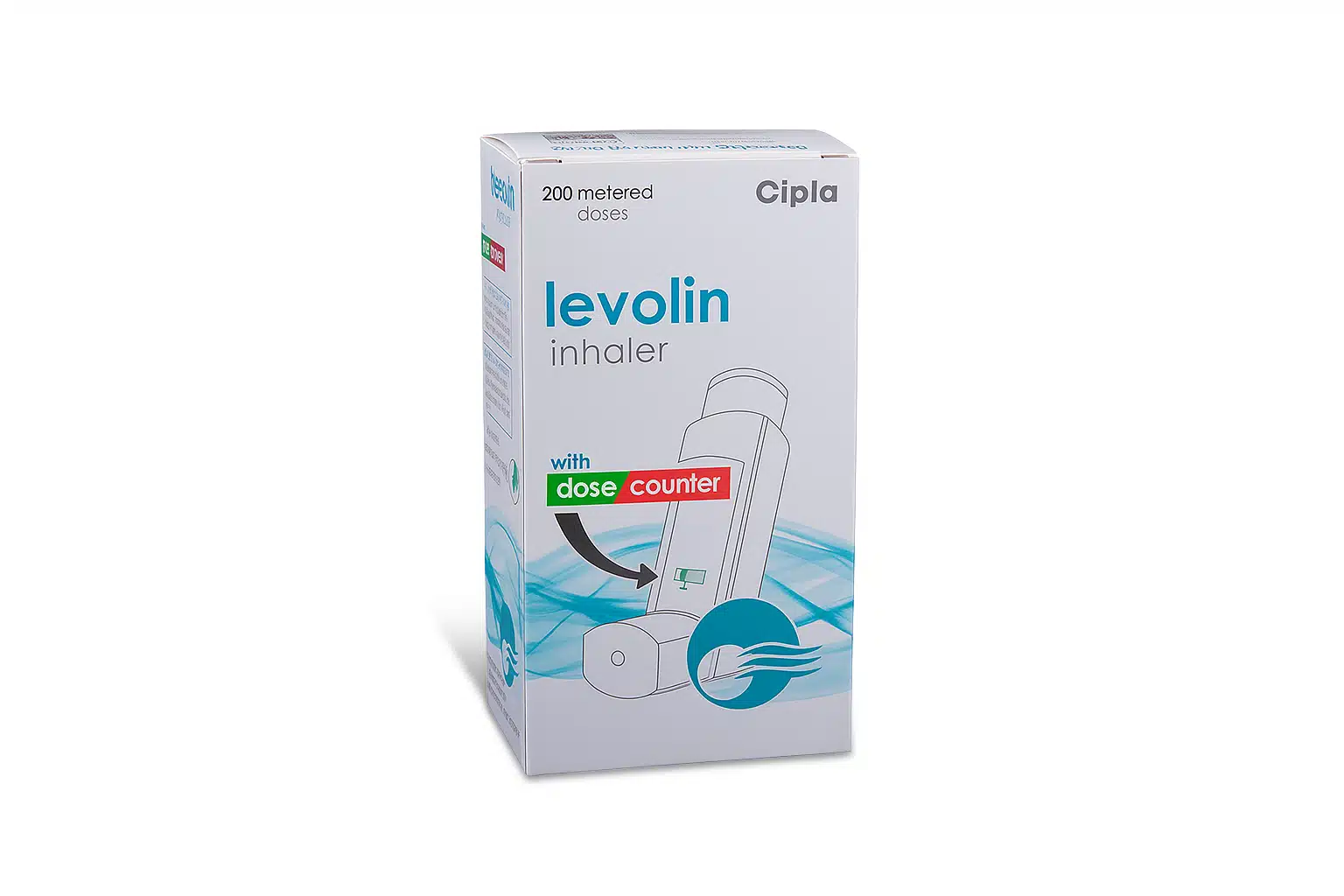
Levolin 50 Mcg (200mdi) Inhaler
Inhalers$6.77 – $34.49Price range: $6.77 through $34.49Rated 5.00 out of 5Shop Now This product has multiple variants. The options may be chosen on the product page -
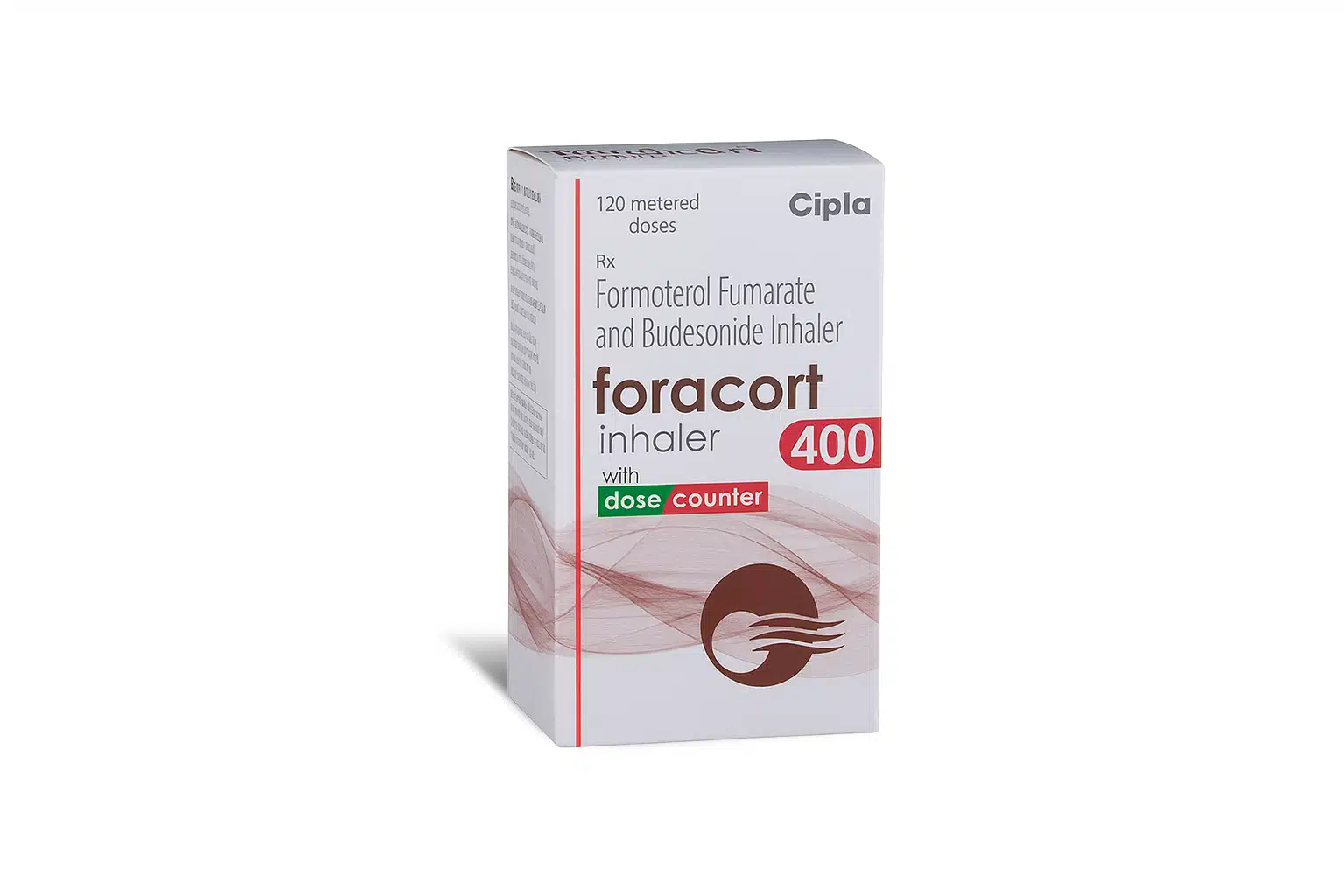
Foracort Inhaler 6/400 Mcg
Inhalers$17.98 – $49.25Price range: $17.98 through $49.25Rated 4.00 out of 5Shop Now This product has multiple variants. The options may be chosen on the product page -
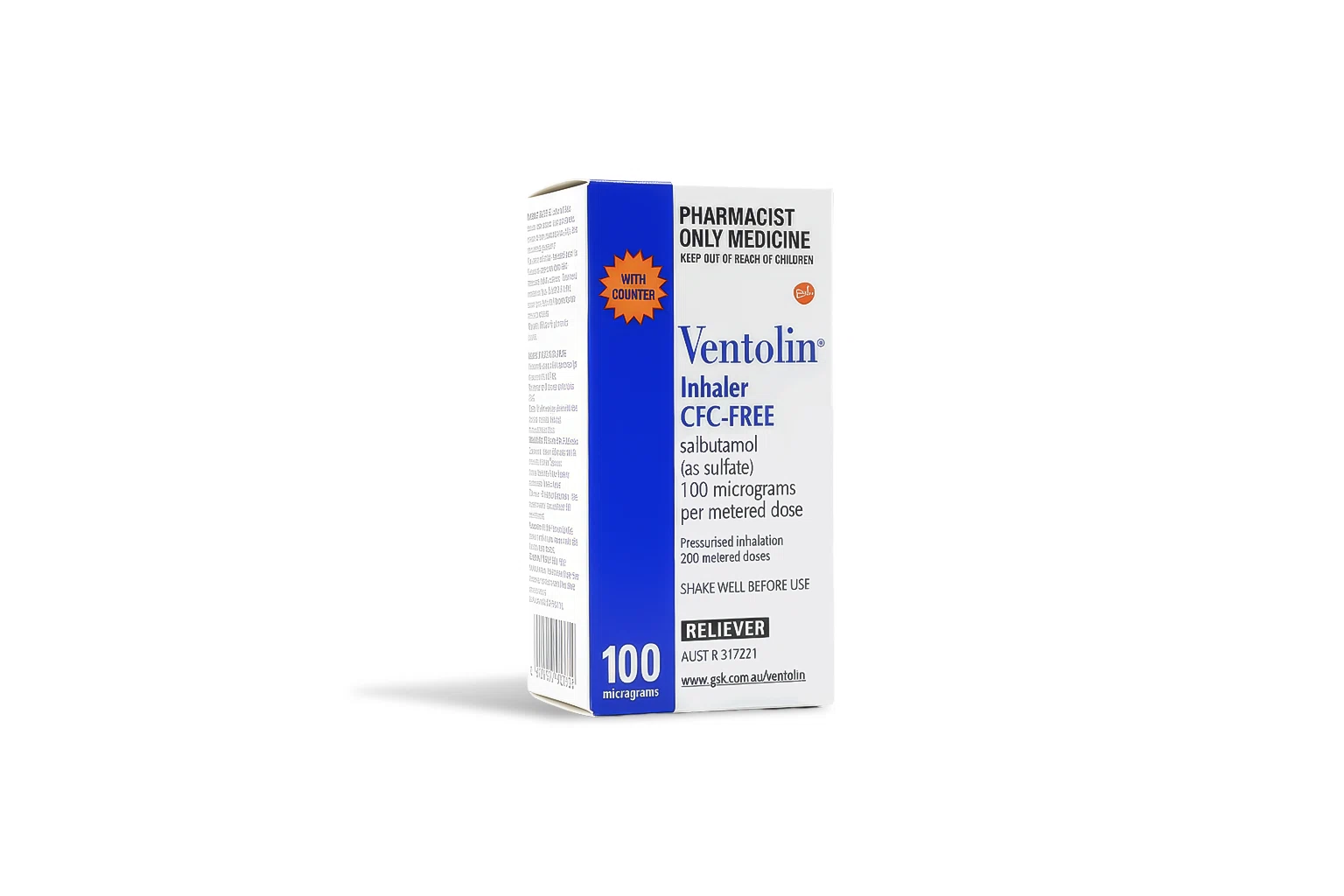
Ventorlin CFC Free Inhaler 100 Mcg/18 Mg
Inhalers$14.25 – $28.80Price range: $14.25 through $28.80Rated 5.00 out of 5Shop Now This product has multiple variants. The options may be chosen on the product page -
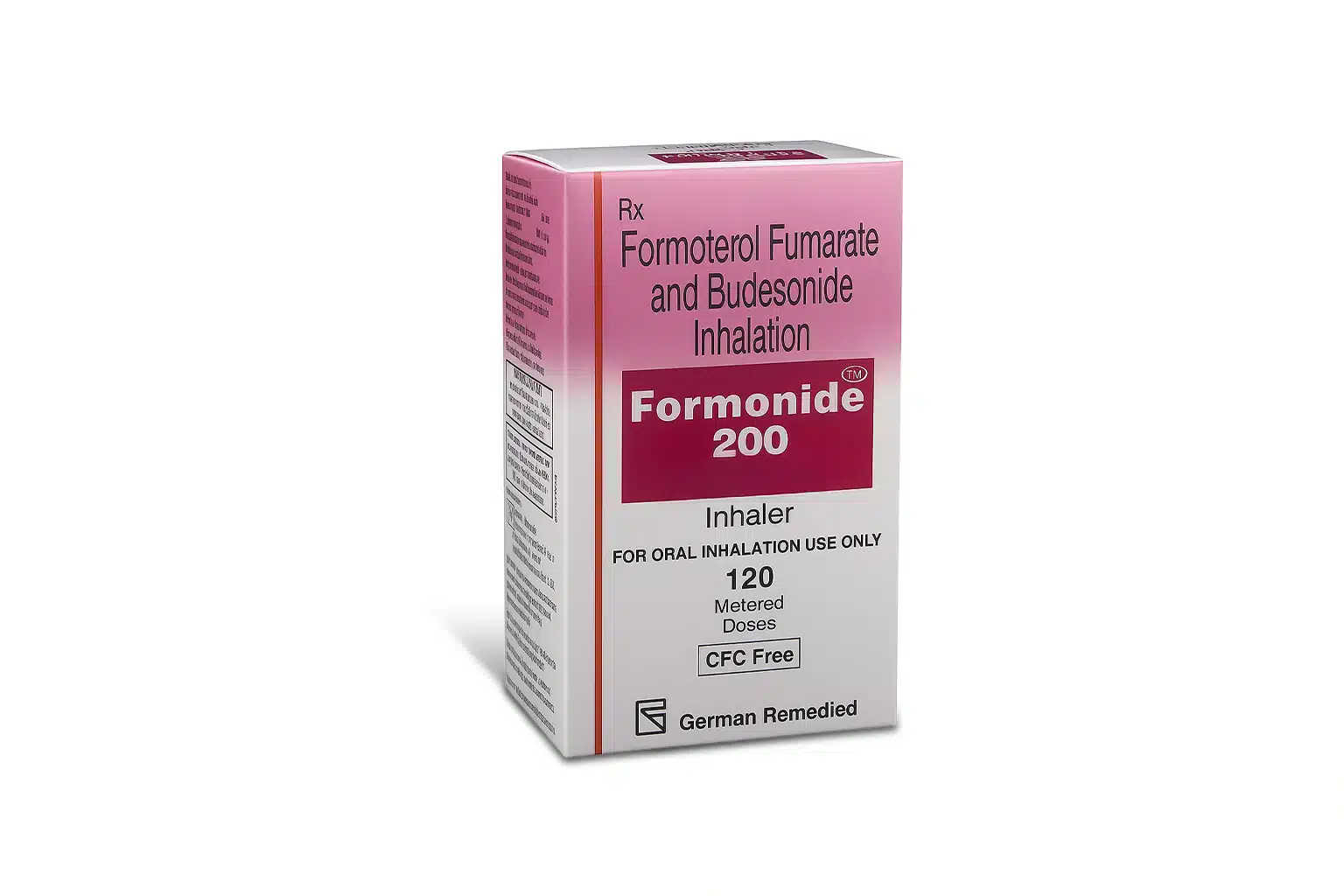
Formonide 200 Inhaler
Inhalers$69.61 – $142.73Price range: $69.61 through $142.73Rated 4.00 out of 5Shop Now This product has multiple variants. The options may be chosen on the product page -
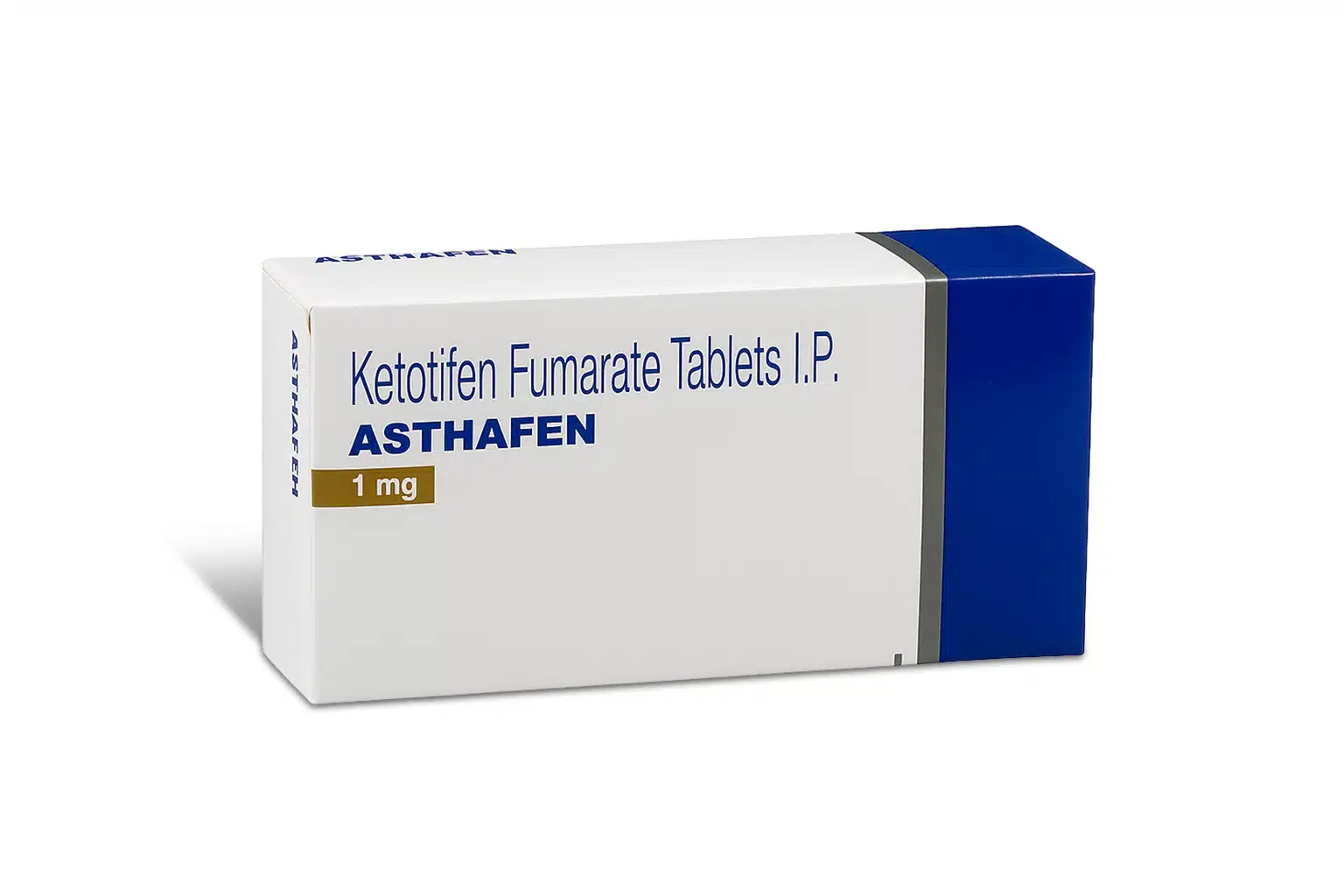
Asthafen 1 Mg
Inhalers$13.44 – $22.21Price range: $13.44 through $22.21Rated 4.00 out of 5Shop Now This product has multiple variants. The options may be chosen on the product page -
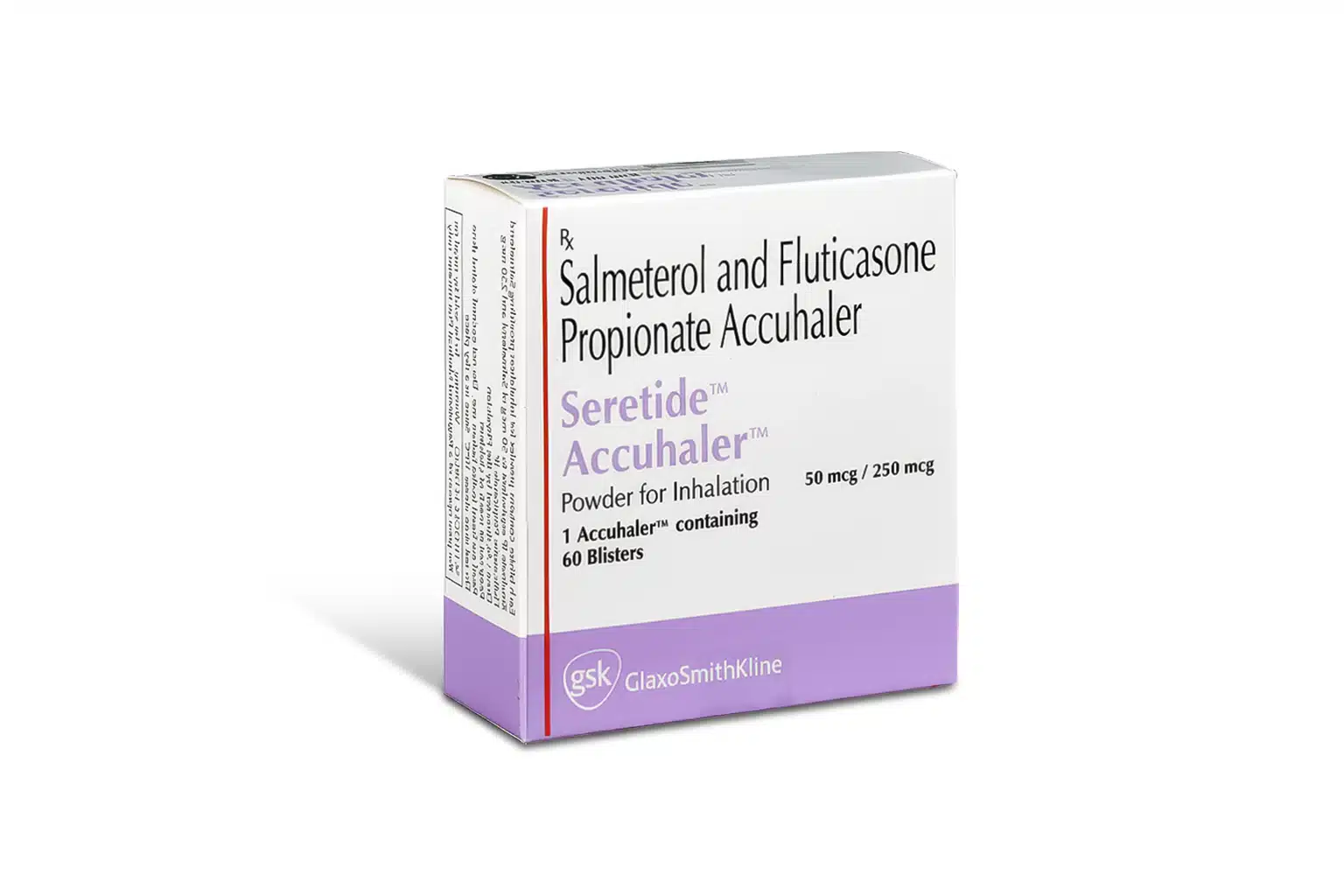
Seretide 50 Mcg/250 Mcg Accuhaler
Inhalers$41.47 – $117.99Price range: $41.47 through $117.99Rated 4.00 out of 5Shop Now This product has multiple variants. The options may be chosen on the product page -
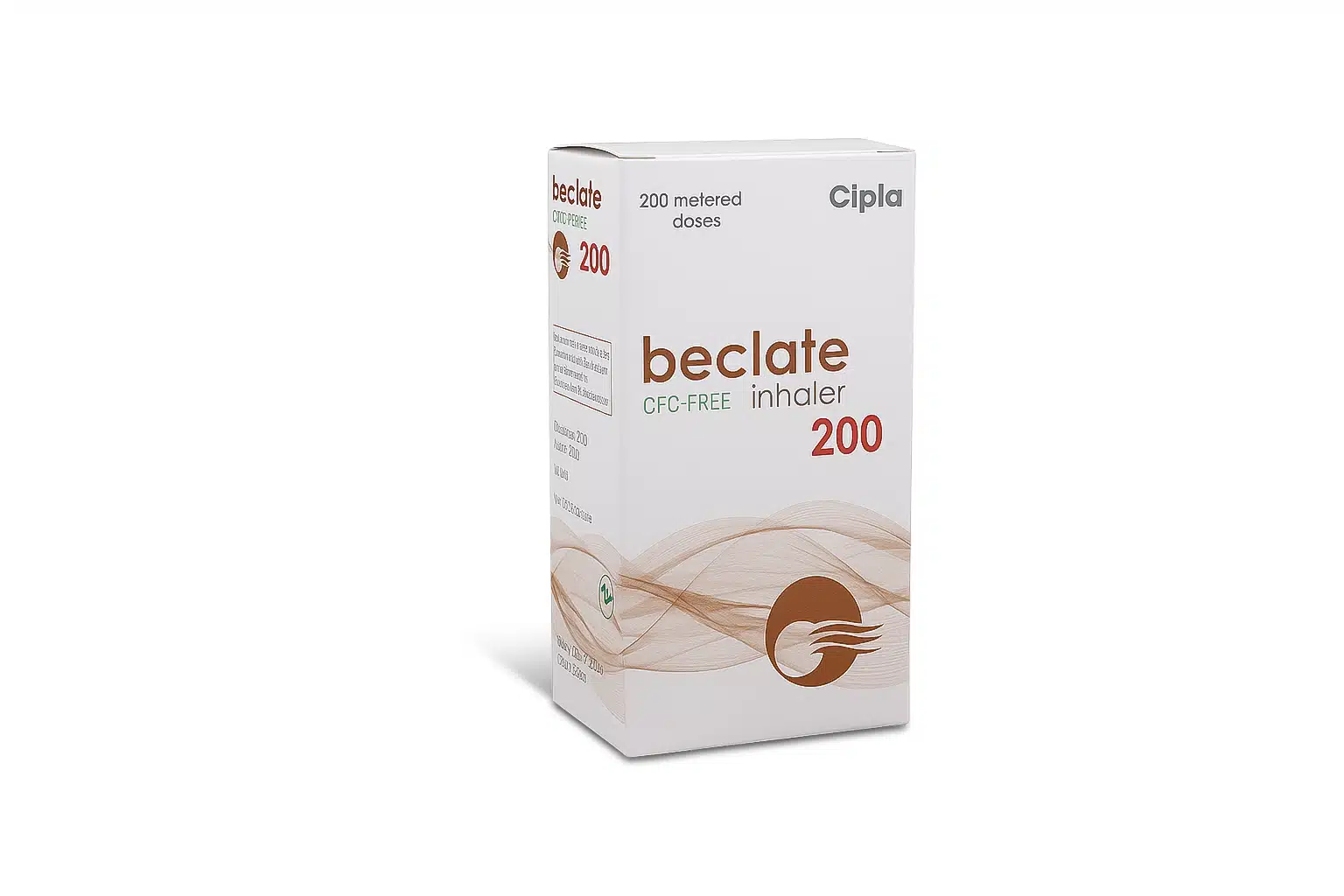
Beclate Inhaler 200 Mcg
Inhalers$13.60 – $36.80Price range: $13.60 through $36.80Rated 4.00 out of 5Shop Now This product has multiple variants. The options may be chosen on the product page -
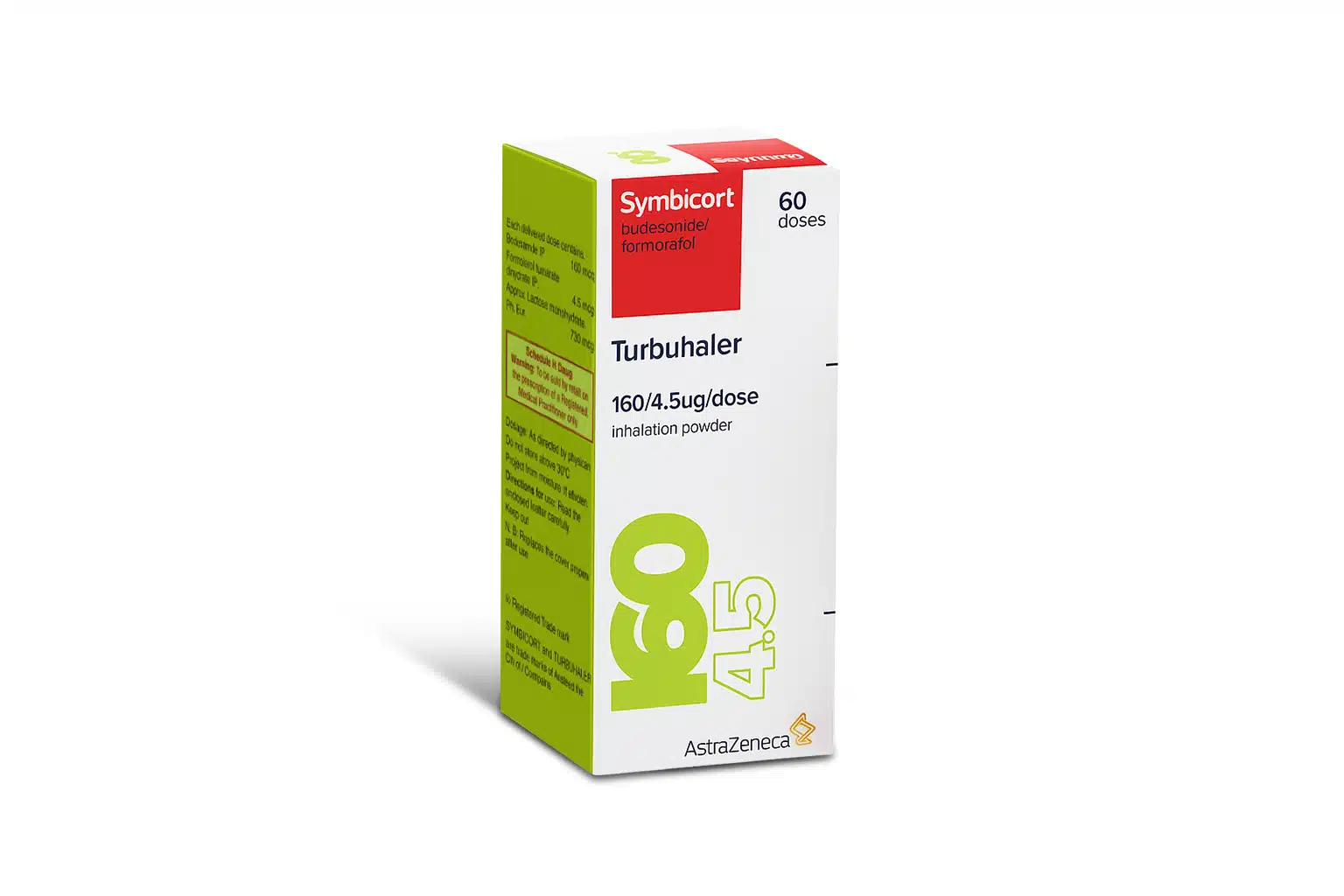
Symbicort 160 Turbuhaler
Inhalers$85.94 – $205.05Price range: $85.94 through $205.05Rated 4.00 out of 5Shop Now This product has multiple variants. The options may be chosen on the product page -
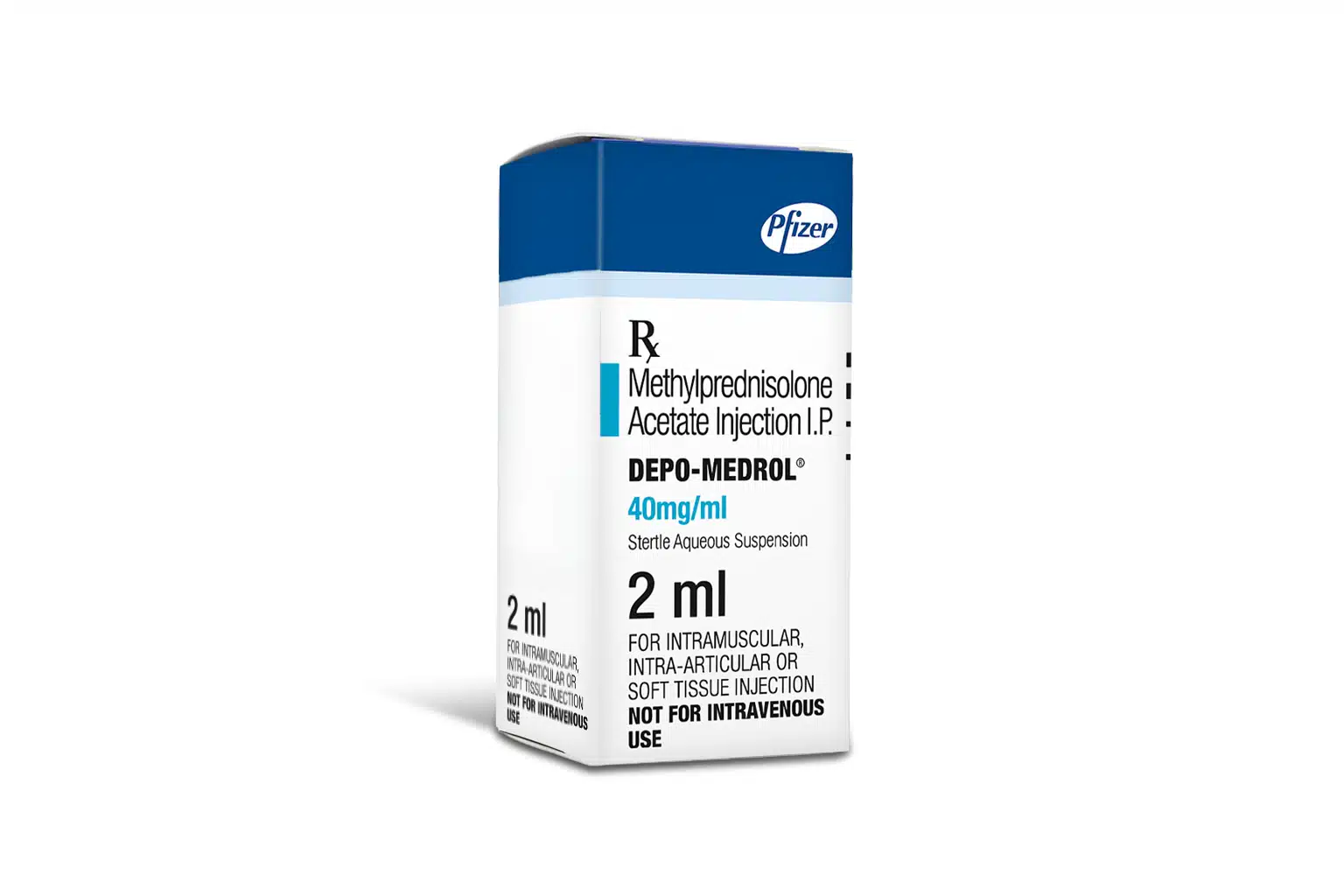
Depo-Medrol 40 Mg/ML Injection 2 ml
Inhalers$17.28 – $44.10Price range: $17.28 through $44.10Rated 5.00 out of 5Shop Now This product has multiple variants. The options may be chosen on the product page -
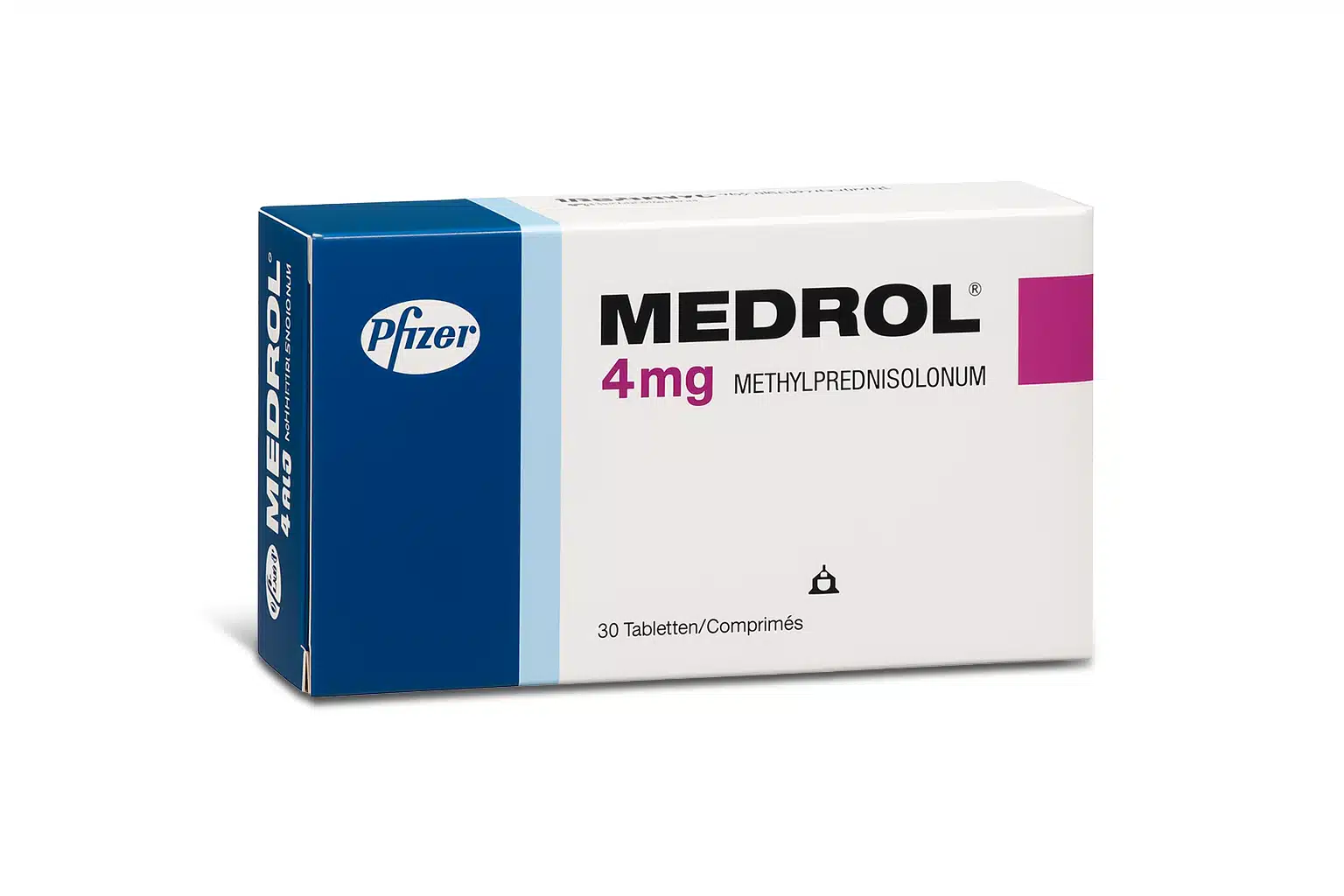
Medrol 4 Mg Tablet
Inhalers$13.44 – $26.13Price range: $13.44 through $26.13Rated 4.00 out of 5Shop Now This product has multiple variants. The options may be chosen on the product page -
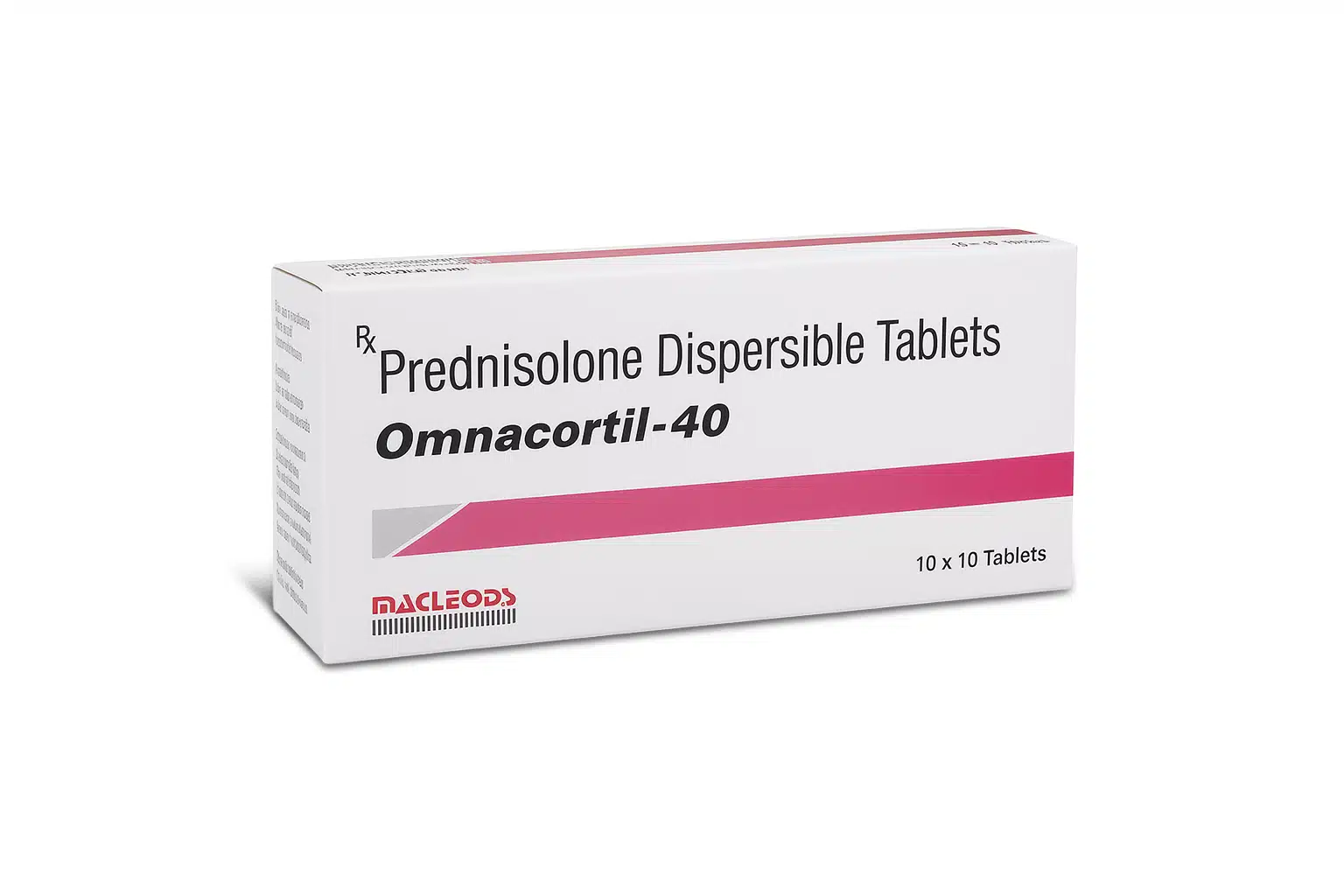
Omnacortil 40 Mg Tablet
Inhalers$57.60 – $164.64Price range: $57.60 through $164.64Rated 4.00 out of 5Shop Now This product has multiple variants. The options may be chosen on the product page
Why Particle Size Is So Important
In respiratory medicine, size truly matters.
Smaller particles (often called fine particles) can travel deeper into the bronchial tree, the branching network of airways inside your lungs.
Larger particles tend to settle earlier.
Think of it like dust floating in a room. The lightest particles stay in the air longer and go farther. The heavier ones fall quickly. Modern inhalers are made with great care to get this balance just right. The right particle size makes sure that the medicine gets to the inflamed or narrowed airways, where it is most needed. This is a very important part of airway medication mechanisms.
When medication particles settle on the lining of the airway, they don’t start working right away.
Step Two: Dissolution – Turning Particles into Action
Once medication particles deposit along the airway lining, they don’t instantly start working.
They must dissolve into the thin layer of fluid covering the airway surface. Your lungs are lined with a moist membrane. This moisture allows particles to dissolve and interact with cells beneath the surface.
This dissolving stage is often overlooked, but it’s essential in Airway Medication Mechanisms because medication cannot activate receptors until it’s in a usable, dissolved form. Humidity levels, mucus thickness, and airway inflammation can all affect how smoothly this process happens.
Step Three: Absorption – Entering the Cells
After dissolving, medication molecules cross the airway lining and enter surrounding cells.
This is absorption, the next major phase in Airway Medication Mechanisms.
Depending on the drug type, it may:
- Bind directly to receptors on airway smooth muscle
- Enter cells and influence inflammation
- Travel into local circulation
Some medications act locally within the lungs. Others may enter systemic circulation in small amounts. The goal in inhaled therapy is usually targeted action with a strong effect in the lungs, minimal effect elsewhere in the body.
This targeted delivery is what makes inhalers so efficient compared to oral medications.
How Bronchodilators Work
Let’s understand it simply.
When you have asthma or COPD, and your chest feels tight, it’s not just “in your head”. The tiny muscles around your airways actually tighten up. Picture your airways like soft tubes. Now imagine someone gently squeezing those tubes. Air can still pass through it, but harder. That’s the tight, heavy feeling.
Bronchodilators are basically the relaxation signal.
When you take a puff from your inhaler, the medicine travels down into your lungs and tells those squeezed muscles to loosen up. That’s it. No drama. No magic. Just a message that says, “Hey, you can calm down now.”
And when those muscles relax, the tubes open wider. More space means air flows in and out more easily. That’s why you suddenly feel like you can take a deeper breath.
Some bronchodilators work really fast within minutes, which is why people call them rescue inhalers. You use them when things feel tight right now. Others work more slowly but keep things relaxed for hours, helping prevent that tight feeling from starting in the first place.
In simple term they just give your lungs some breathing room. They don’t permanently treat asthma or COPD.
How Anti-Inflammatory Medications Work
Think of your airways like a hallway that gets irritated. When you have asthma or COPD, that hallway isn’t just narrow, it’s swollen. To get relief from that irritation is one such anti inflammatory medication that works differently for COPD and asthma is corticosteroids.
They gradually lessen inflammation rather than instantly relaxing muscles. After absorption, they enter airway cells and influence gene expression, essentially telling cells to produce fewer inflammatory chemicals.
This reduces swelling and mucus production. Unlike bronchodilators, these effects build gradually. Understanding this difference is important when discussing Airway Medication Mechanisms because not all medications provide instant relief. Some provide long-term control.
The Role of Mucus and Airway Structure
The structure of the airways varies in diseases like asthma and COPD.
Because of :
- They tend to produce more mucus
- Thickened airway walls
- Narrowing
- Reduced airflow
These structural changes may have an impact on the absorption and deposition of medication.
For example, thick mucus may trap particles before they reach deeper lung tissue. This is why managing inflammation and mucus is part of optimizing Airway Medication Mechanisms. Healthy airway surfaces improve medication effectiveness.
Systemic Absorption: The Small Portion That Travels Beyond
Although inhaled medications aim to act locally, some portion may enter the bloodstream.
This happens after absorption through the airway tissues.
In contrast to oral medications, inhaled therapy significantly lowers systemic exposure.
That’s one reason inhalers are preferred, and they maximize lung benefit while minimizing whole-body side effects.
Balancing local and systemic exposure is a delicate part of Airway Medication Mechanisms, and modern pharmaceutical design carefully considers this.
Why Technique Can Change Everything
Let’s pause here.
All of this science deposition, dissolution, and absorption depends heavily on one thing:
How do you use the inhaler?
Incorrect technique can reduce lung deposition significantly.
Common mistakes include:
- Inhaling too quickly
- Not shaking the inhaler
- Not holding breath after inhalation
- Poor coordination
Improving technique can enhance Airway Medication Mechanisms more than switching medications in some cases, and that’s powerful.
Time: Immediate vs Sustained Action
Different timelines are intended for different airway medications.
- Quick absorption
- Rapid activation of receptors
- Short duration
- Delayed onset
- Prolonged binding of the receptor
- Longer duration
Inhaled corticosteroids:
- Slow alterations at the gene level
- Long-term management of inflammation
Understanding time dynamics adds another layer to Airway Medication Mechanisms, showing that not all respiratory relief follows the same pathway.
The Human Side of the Science
Behind all this biology is something simple:
Relief.
When someone struggling to breathe takes a medication and feels their chest open, that’s science meeting humanity. The simplicity of Airway Medication Mechanisms lies in how precisely medication travels from inhaler to airway muscle to cellular receptor, all within moments.
- It’s not magic.
- It’s finely tuned respiratory pharmacology.
- And yet, it feels almost magical when it works.
Why This Knowledge Matters
You don’t need to memorize molecular pathways.
You can simply know how airway medications work:
- Use inhalers properly
- Understand the importance of taking medication every day
- Understand why some drugs act quickly while others take time
- Communicate properly with healthcare providers
Knowledge builds confidence. And confidence supports better disease management.
The Bottom Line
From the moment medication leaves the inhaler to the moment you breathe easier, a remarkable journey unfolds.
Particles deposit.
They dissolve.
They absorb.
They bind.
They act.
These well-coordinated actions turn tiny molecules into significant relief and serve as the cornerstone of airway medication mechanisms. The next time you inhale, keep in mind that a meticulously planned pathway is developing inside your lungs. All the above action leads to a single objective: helping you breathe.
FAQ's
1. What are Airway Medication Mechanisms in simple terms?
Airway Medication Mechanisms refer to the step-by-step process that inhaled medicines go through after you breathe them in. Which includes the particles deposited in your lungs, which dissolve in airway fluid, get absorbed into cells, and then activate receptors to reduce inflammation or relax airway muscles.
2. Why does my doctor keep correcting how I use my inhaler?
Honestly!! Because it really makes a difference. Even small mistakes like breathing in too fast or not holding your breath after inhaling can stop the medicine from reaching deep into your lungs. The medication can’t help much if it never gets where it needs to go. A tiny technique adjustment can sometimes improve results more than switching to a new drug.
3. Do all inhaled medications work the same way?
No. Some medications, like bronchodilators, work quickly by relaxing airway muscles. Others, such as inhaled corticosteroids, reduce inflammation gradually over time.
4. Does all of the inhaled medicine stay in my lungs?
Not completely, Most of it is designed to work locally in the lungs, which is the goal. A very small amount may enter your bloodstream, but inhaled medications are created to minimize whole-body exposure compared to pills. That’s one reason inhalers are often preferred.
5. Does inhaled medication enter the bloodstream?
A small portion may enter the bloodstream after absorption, but inhaled medications are designed to act mainly in the lungs. This targeted delivery reduces the risk of whole-body side effects compared to oral medications.

Dr. Lucifier is a men’s health specialist with over 12 years of experience in sexual wellness and ED treatment. He holds an MBBS, MD in Internal Medicine, and DM in Urology, and focuses on safe, personalized care using proven therapies like Sildenafil and Tadalafil.