Imagine you’re walking half asleep in your house, and all of a sudden you’re hit with a wall that wasn’t there before. It’s disorienting, a sudden pause in your routine you didn’t expect, and this wall refuses to move too, so now it’s persistent. That’s what suddenly noticing one’s alopecia or hair loss feels like. You’re looking at your recent photos, and suddenly you’re hit with how less or thin your hair looks like in the crown area.
But rest be assured, this is not a unique experience that you have to go through alone. This type of hair loss, i.e., androgenic alopecia, is something that most men experience, and fortunately modern medicine has made it possible to treat the condition non-invasively to some extent.
It’s worrying, and understandably so, to gradually and helplessly lose something that makes up so much of our appearance, especially in a world that rewards youth, but knowing that you’re not alone in this is the first step to effectively deal with this.
A lot of people at this stage ask questions like, “Is this happening because of my genes?” The short answer? Often, yes. But the full story is far more interesting. So buckle in and let’s break down the world of hair loss.
Best Seller
-
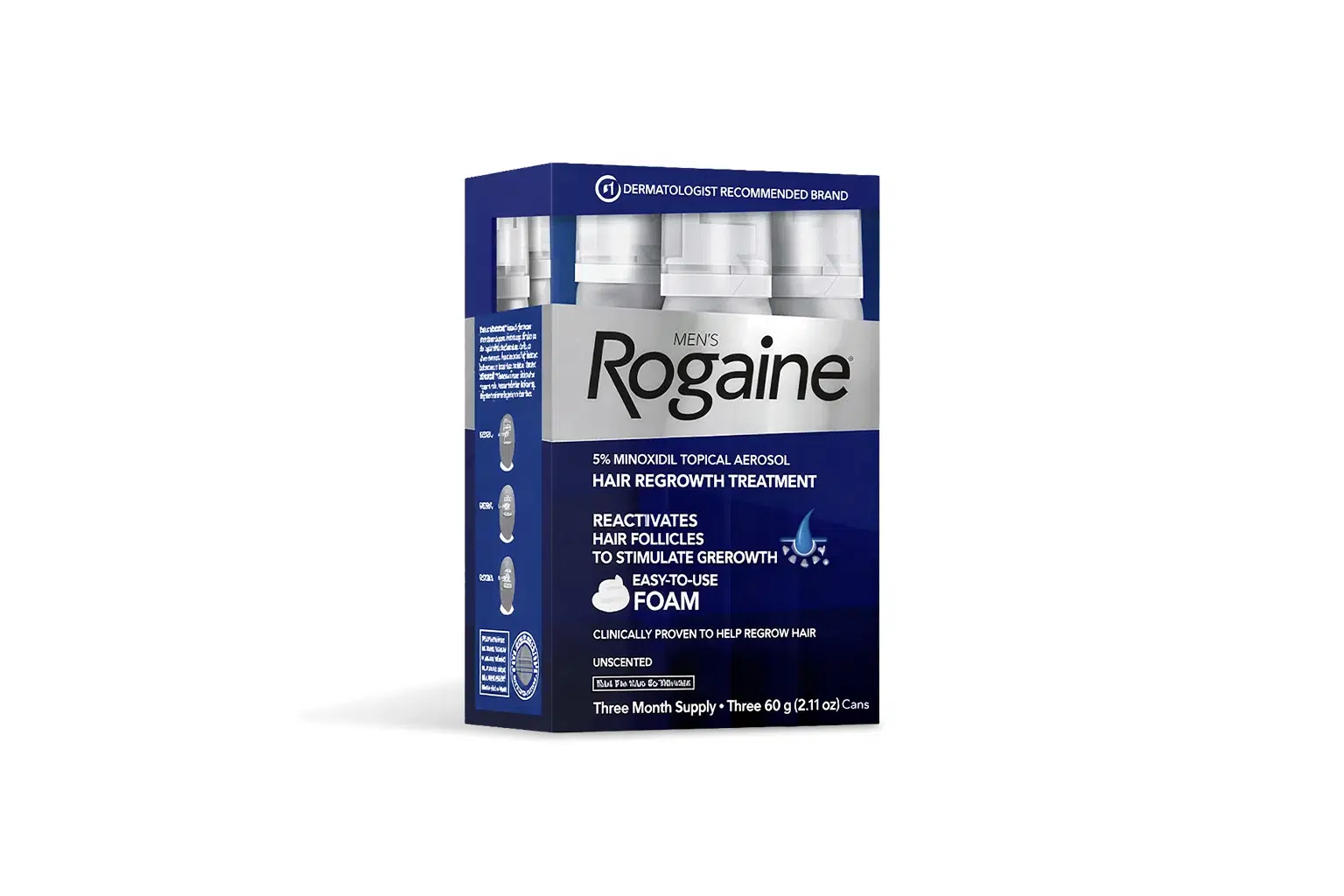
Rogaine Men’s 5% Minoxidil Foam for Hair Regrowth (Male)
Hair Care$30.00 – $50.00Price range: $30.00 through $50.00Rated 5.00 out of 5Shop Now This product has multiple variants. The options may be chosen on the product page -
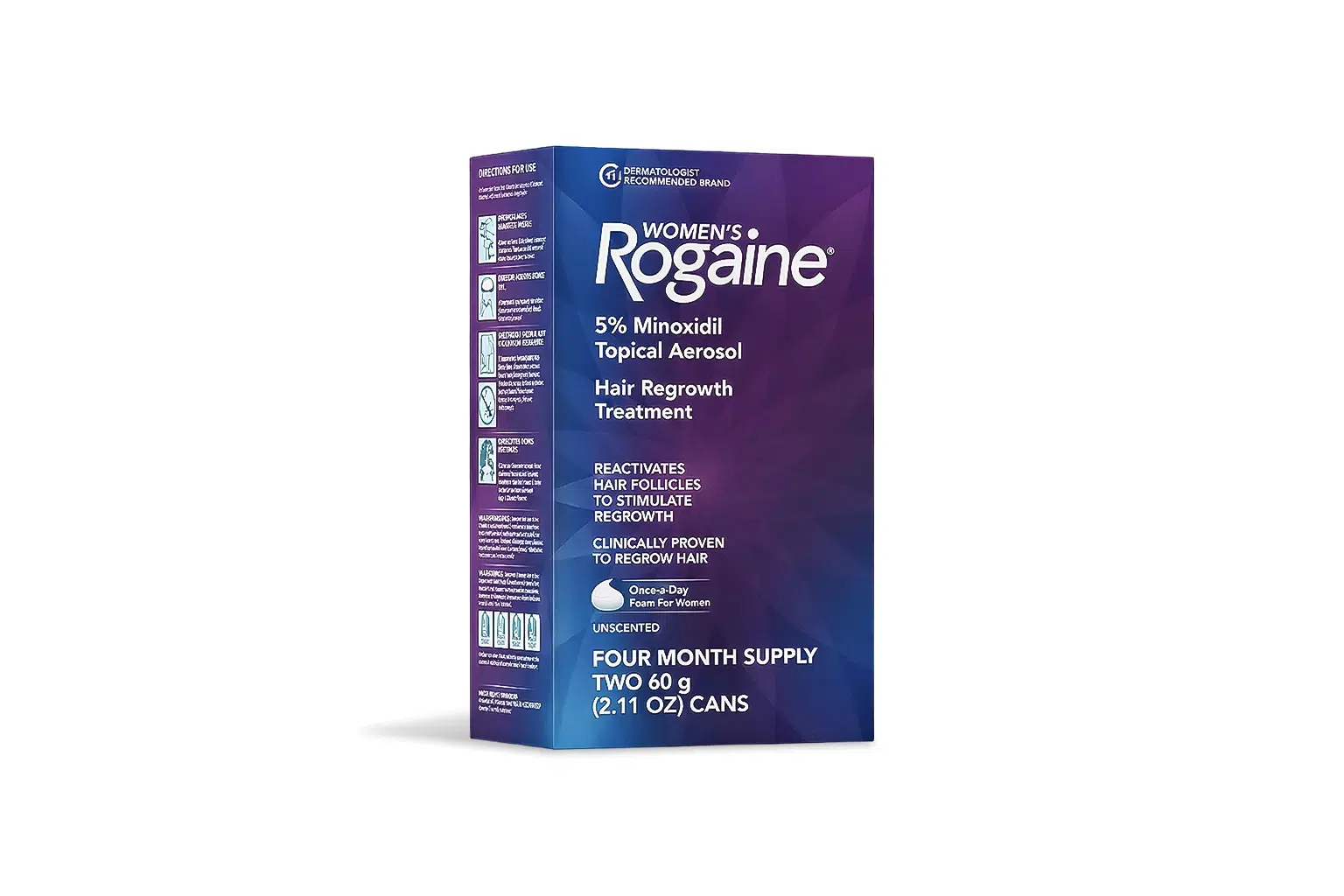
Rogaine Women’s 5% Minoxidil Foam for Hair Regrowth (Female)
Hair Care$30.00 – $57.00Price range: $30.00 through $57.00Rated 4.50 out of 5Shop Now This product has multiple variants. The options may be chosen on the product page -
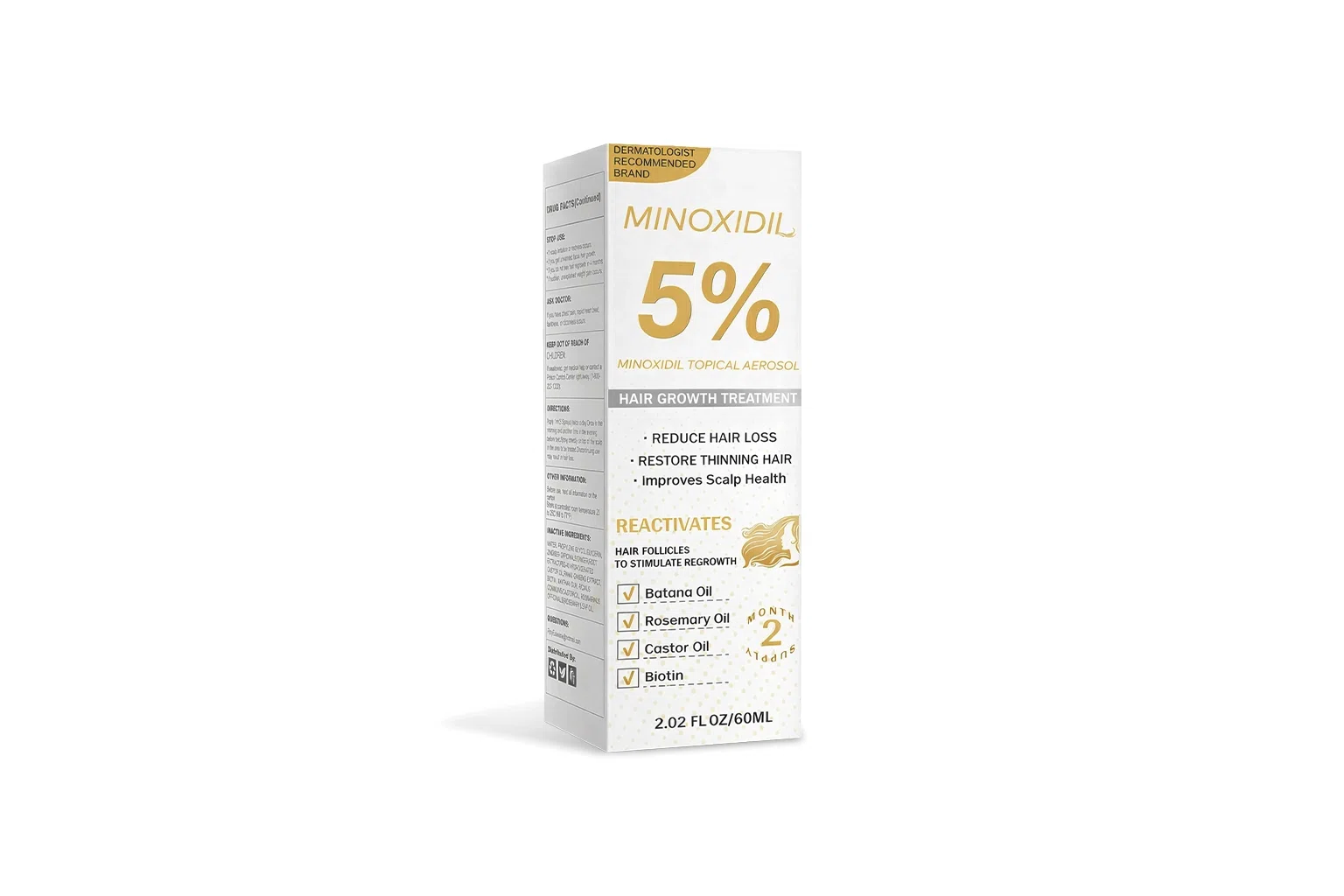
Minoxidil for Men and Women, Hair Growth Biotin Serum
Hair Care$12.00Rated 4.00 out of 5Shop Now This product has multiple variants. The options may be chosen on the product page -
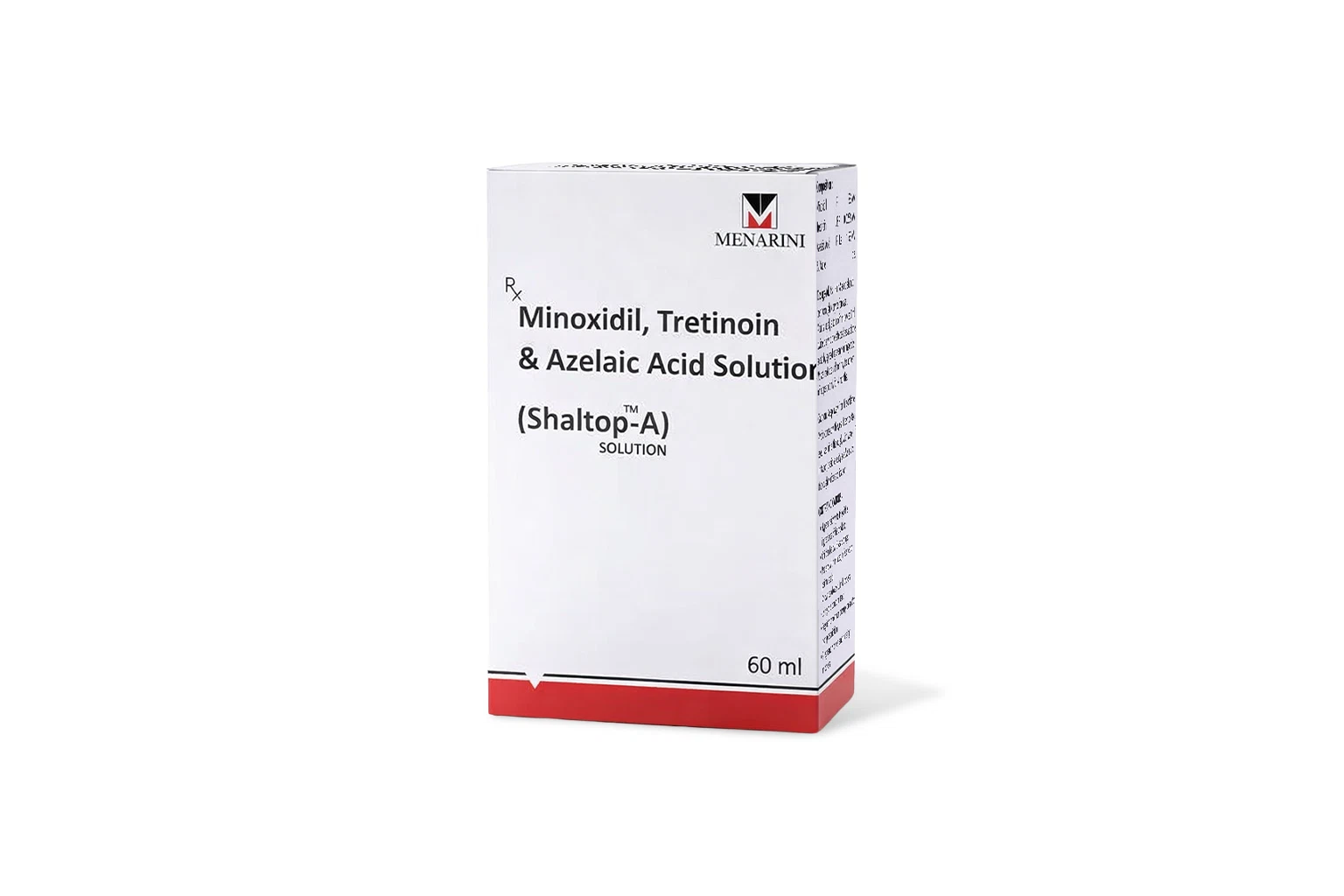
Shaltop A Solution 60 ml
Hair Care$13.00 – $39.00Price range: $13.00 through $39.00Rated 5.00 out of 5Shop Now This product has multiple variants. The options may be chosen on the product page -
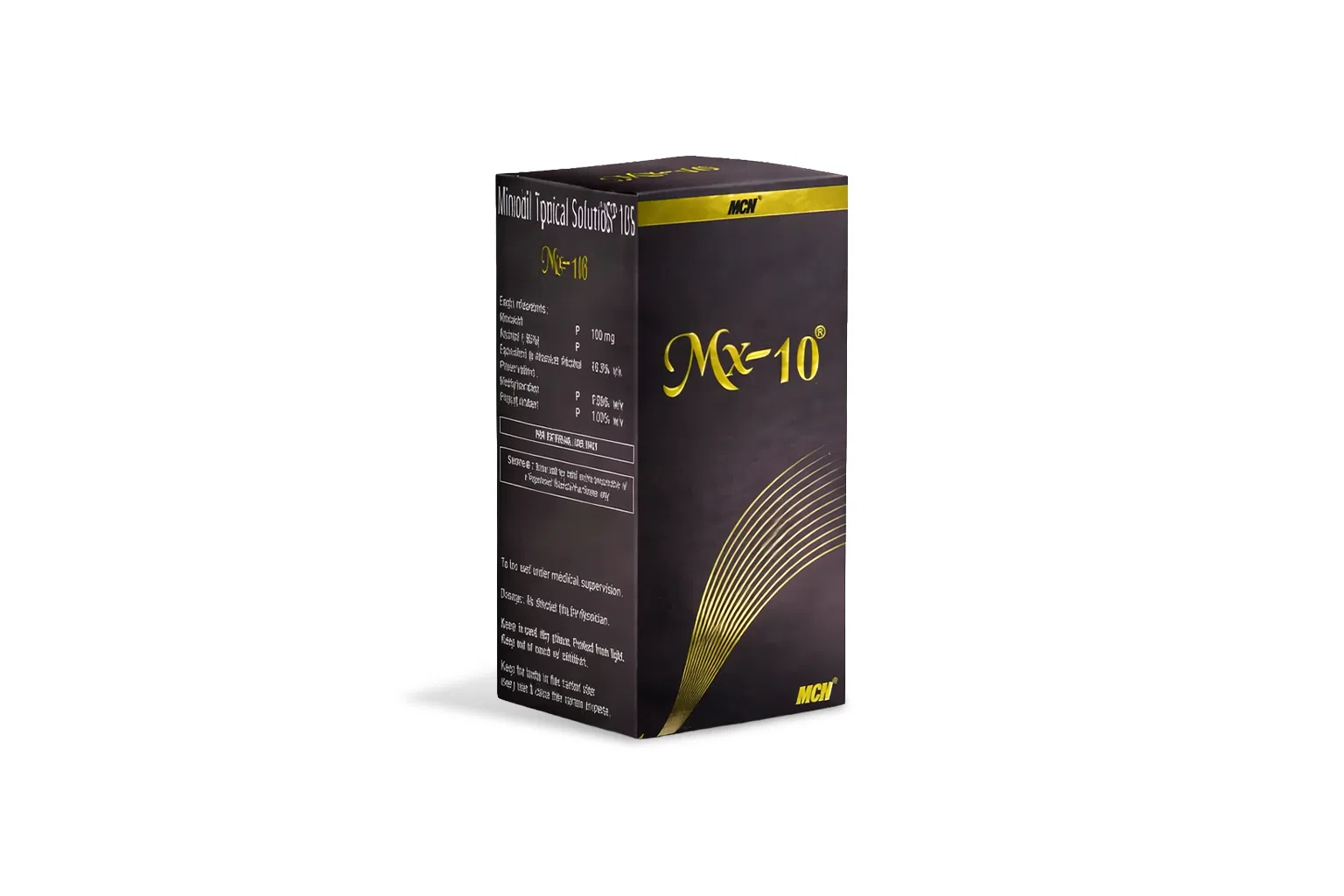
MX 10 Topical Solution Minoxidil
Hair Care$50.00 – $140.00Price range: $50.00 through $140.00Rated 4.00 out of 5Shop Now This product has multiple variants. The options may be chosen on the product page -
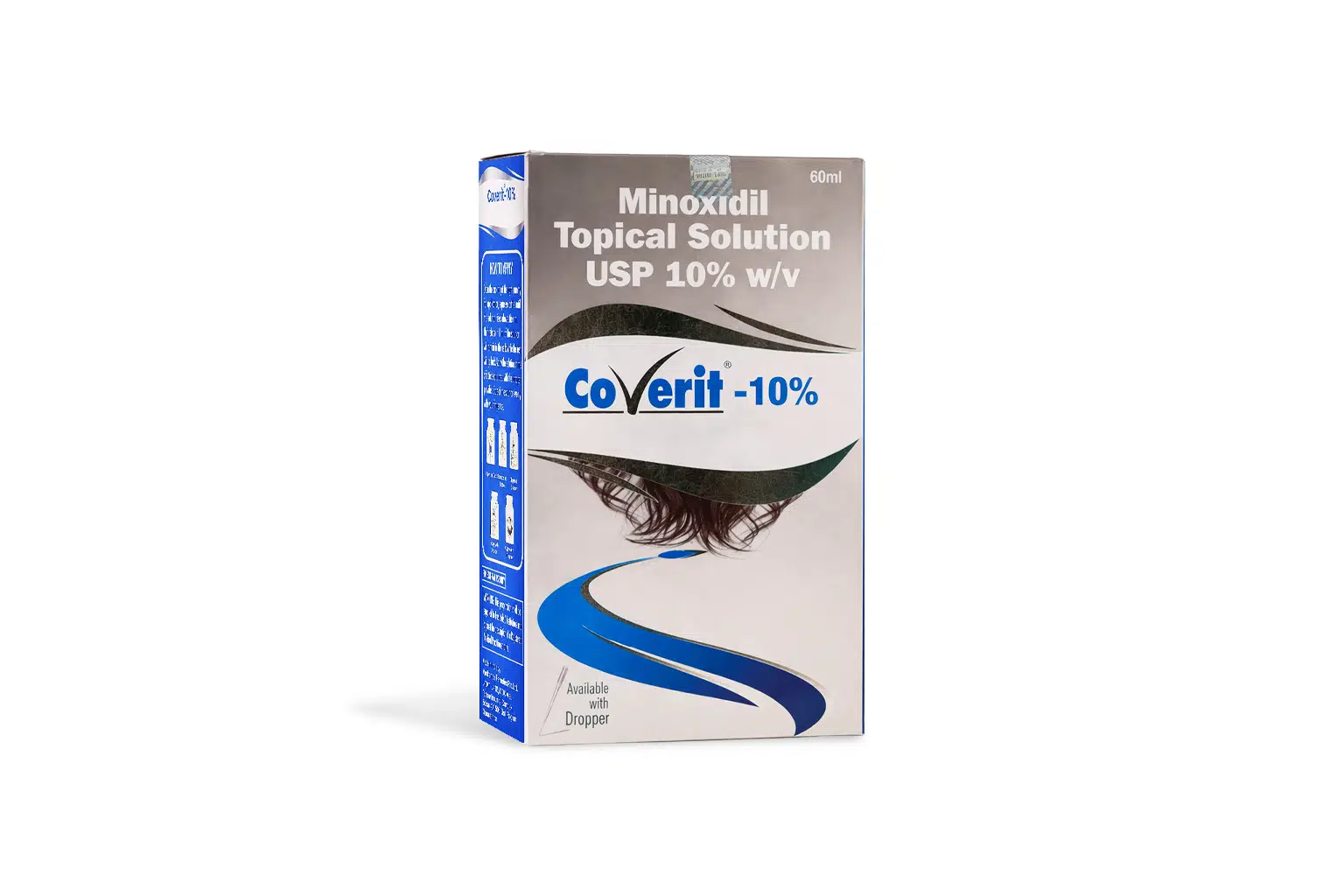
Coverit 10% Solution
Hair Care$43.00 – $119.00Price range: $43.00 through $119.00Rated 5.00 out of 5Shop Now This product has multiple variants. The options may be chosen on the product page -
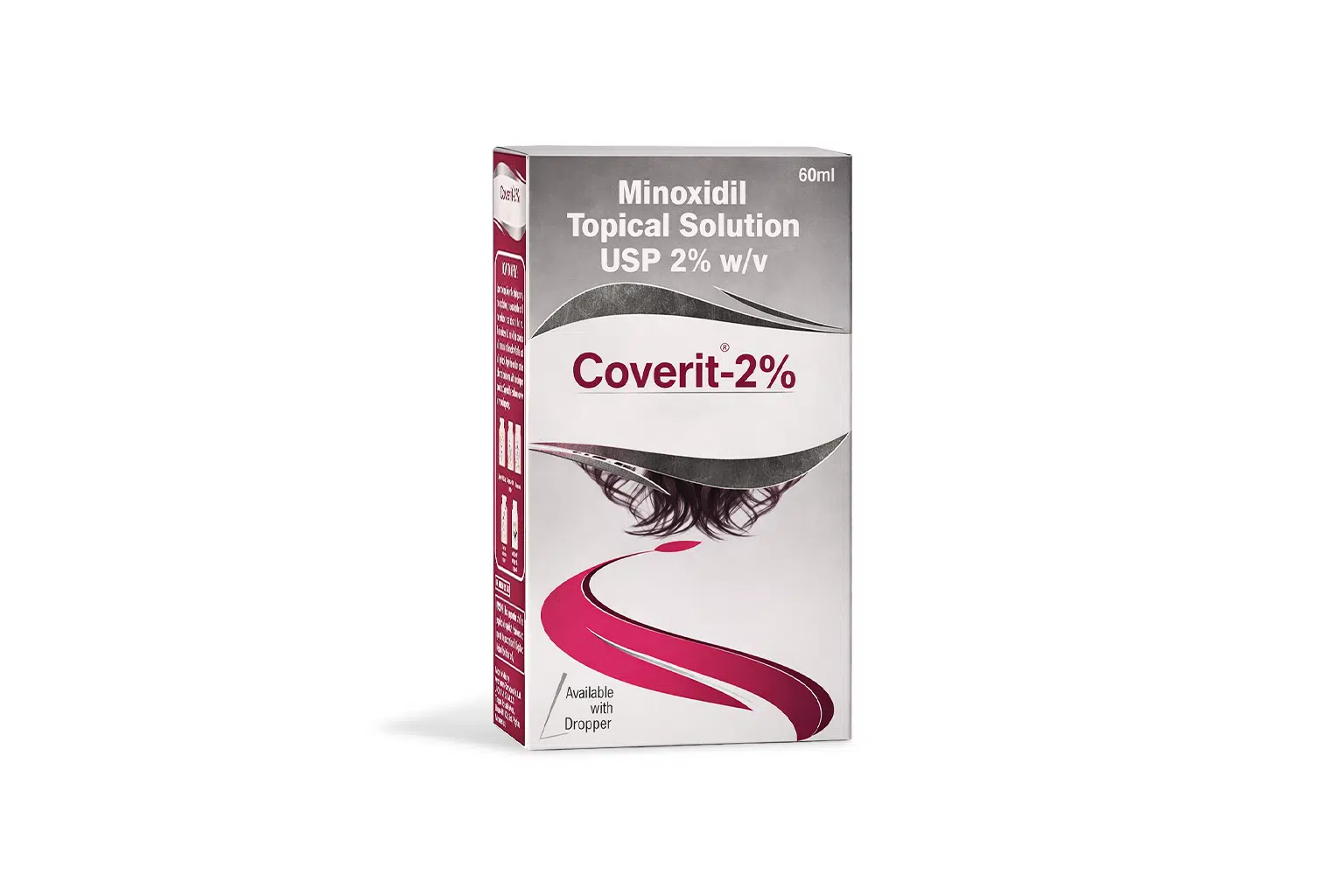
Coverit 2% 60ml
Hair Care$10.00 – $57.00Price range: $10.00 through $57.00Rated 5.00 out of 5Shop Now This product has multiple variants. The options may be chosen on the product page -
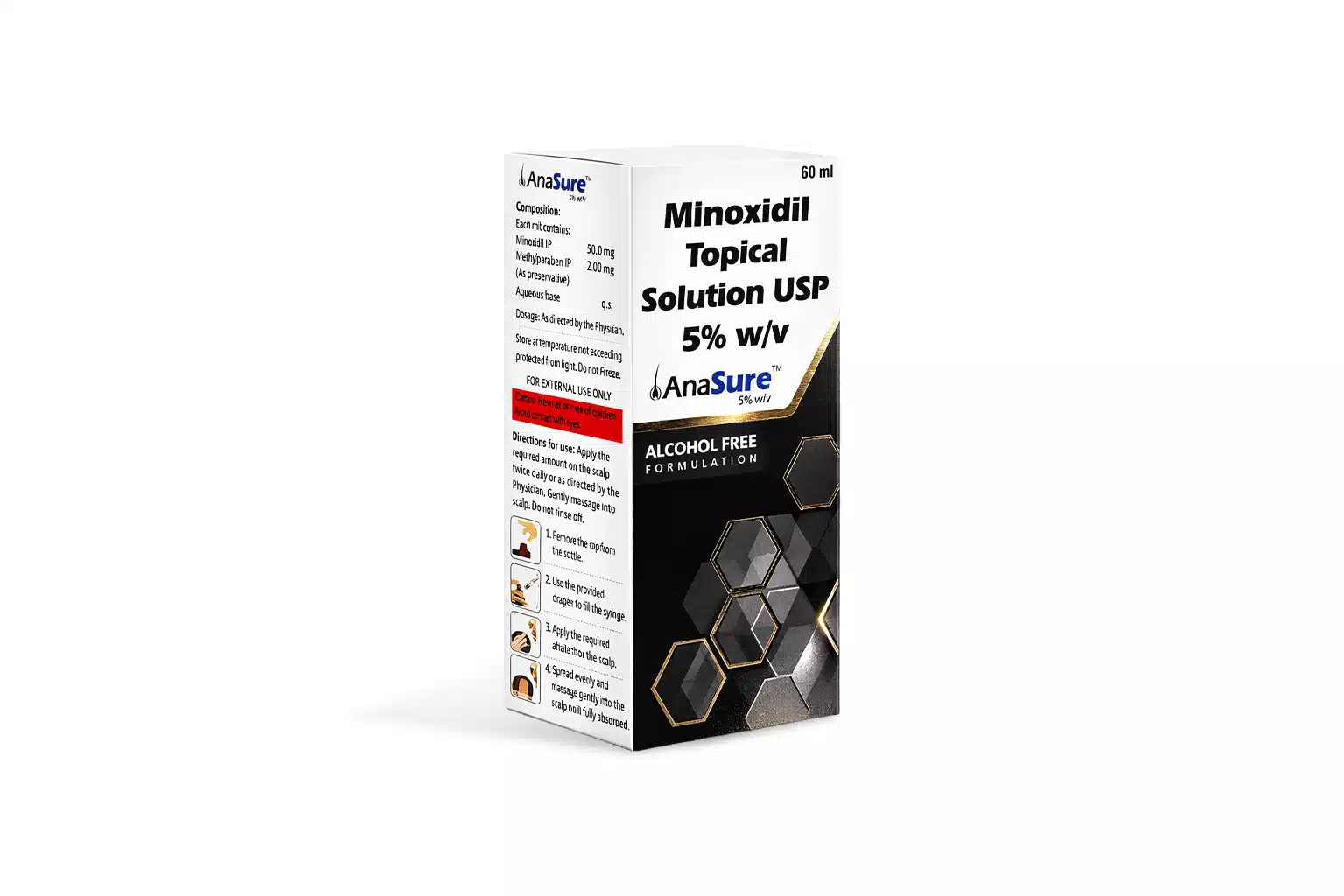
Anasure 5% Solution 60 ml
Hair Care$48.00 – $132.00Price range: $48.00 through $132.00Rated 5.00 out of 5Shop Now This product has multiple variants. The options may be chosen on the product page -
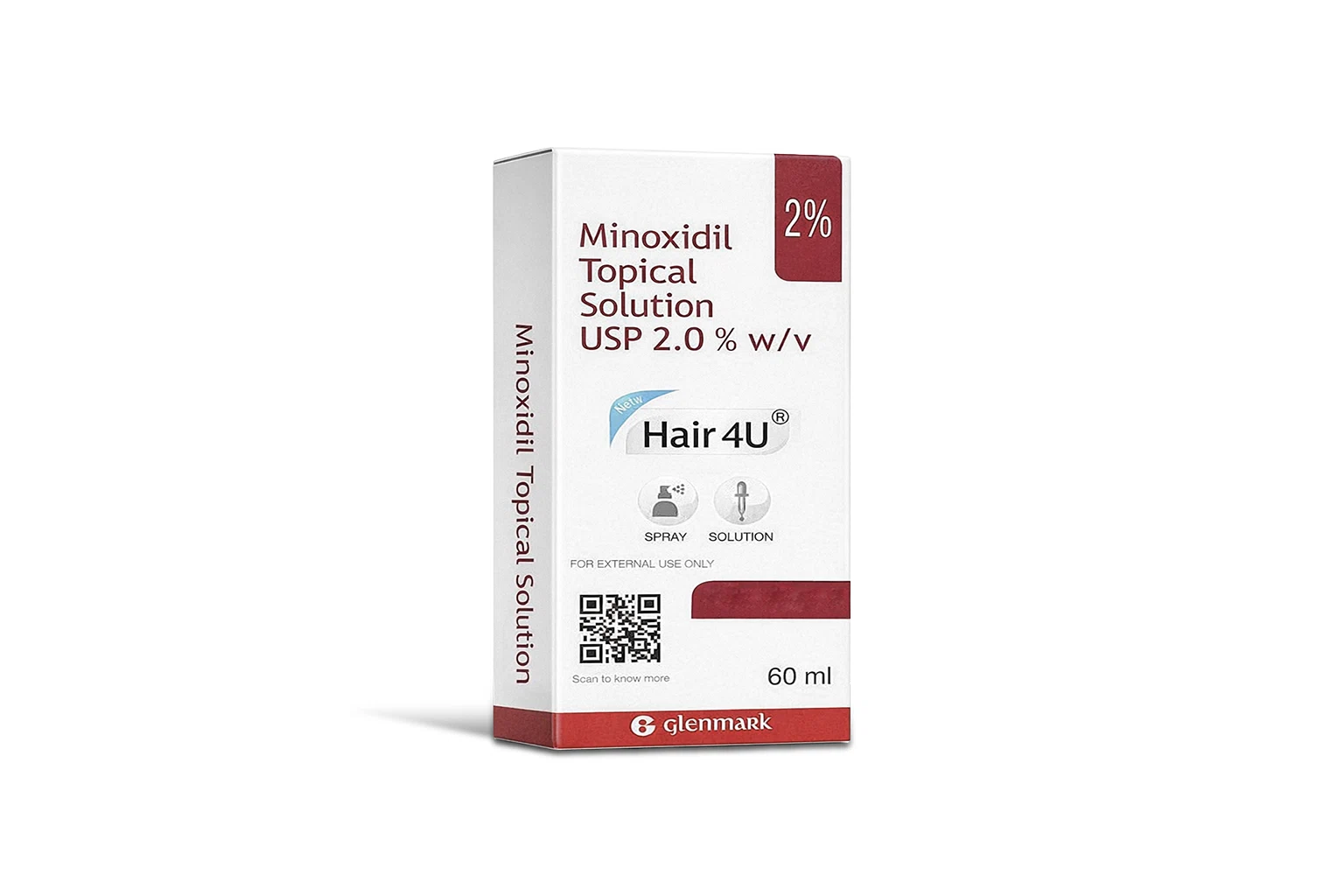
New Hair 4U 2% Solution
Hair Care$20.00 – $54.00Price range: $20.00 through $54.00Rated 4.00 out of 5Shop Now This product has multiple variants. The options may be chosen on the product page -
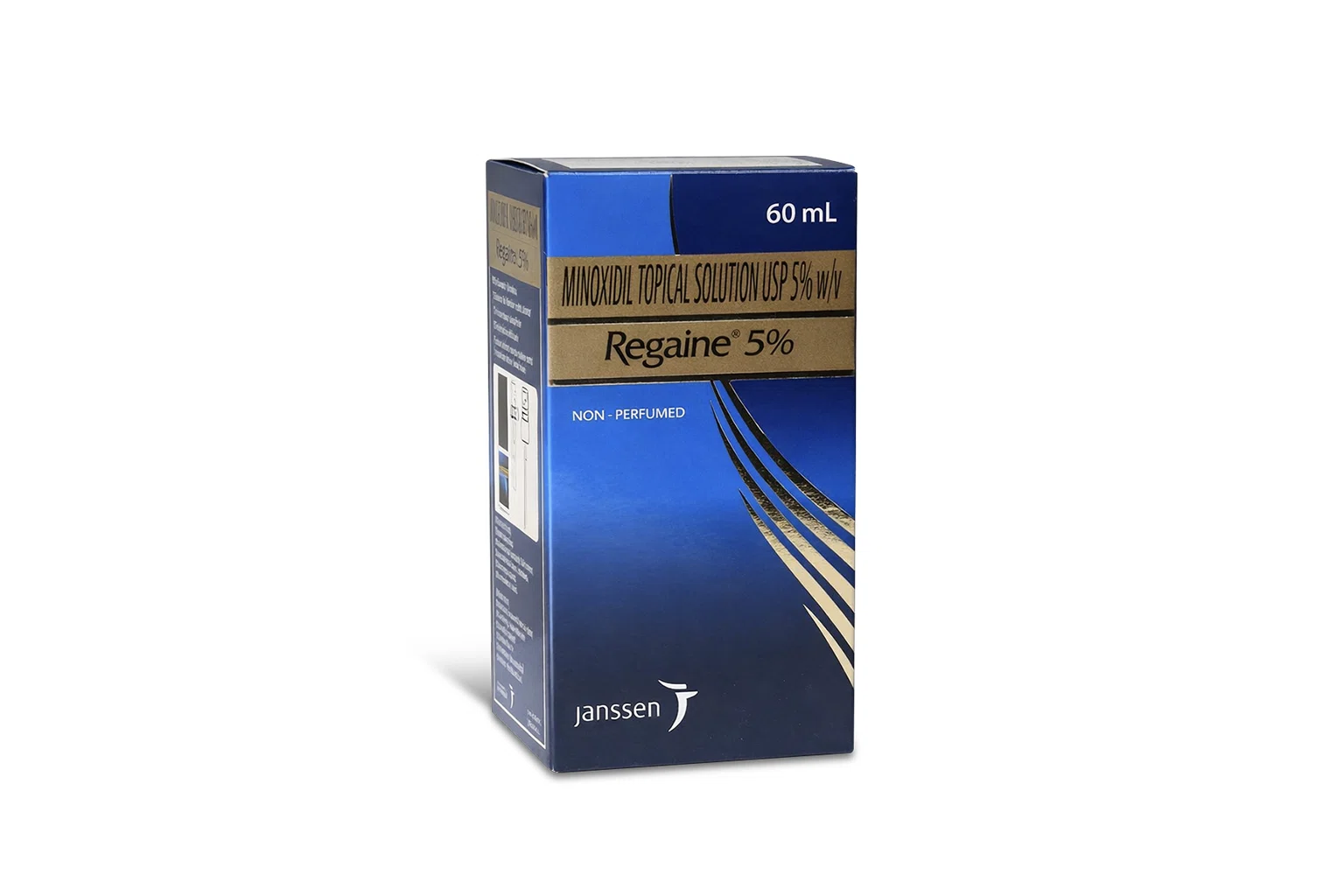
Regaine 5% Solution 60 ml
Hair Care$61.00 – $169.00Price range: $61.00 through $169.00Rated 4.00 out of 5Shop Now This product has multiple variants. The options may be chosen on the product page -
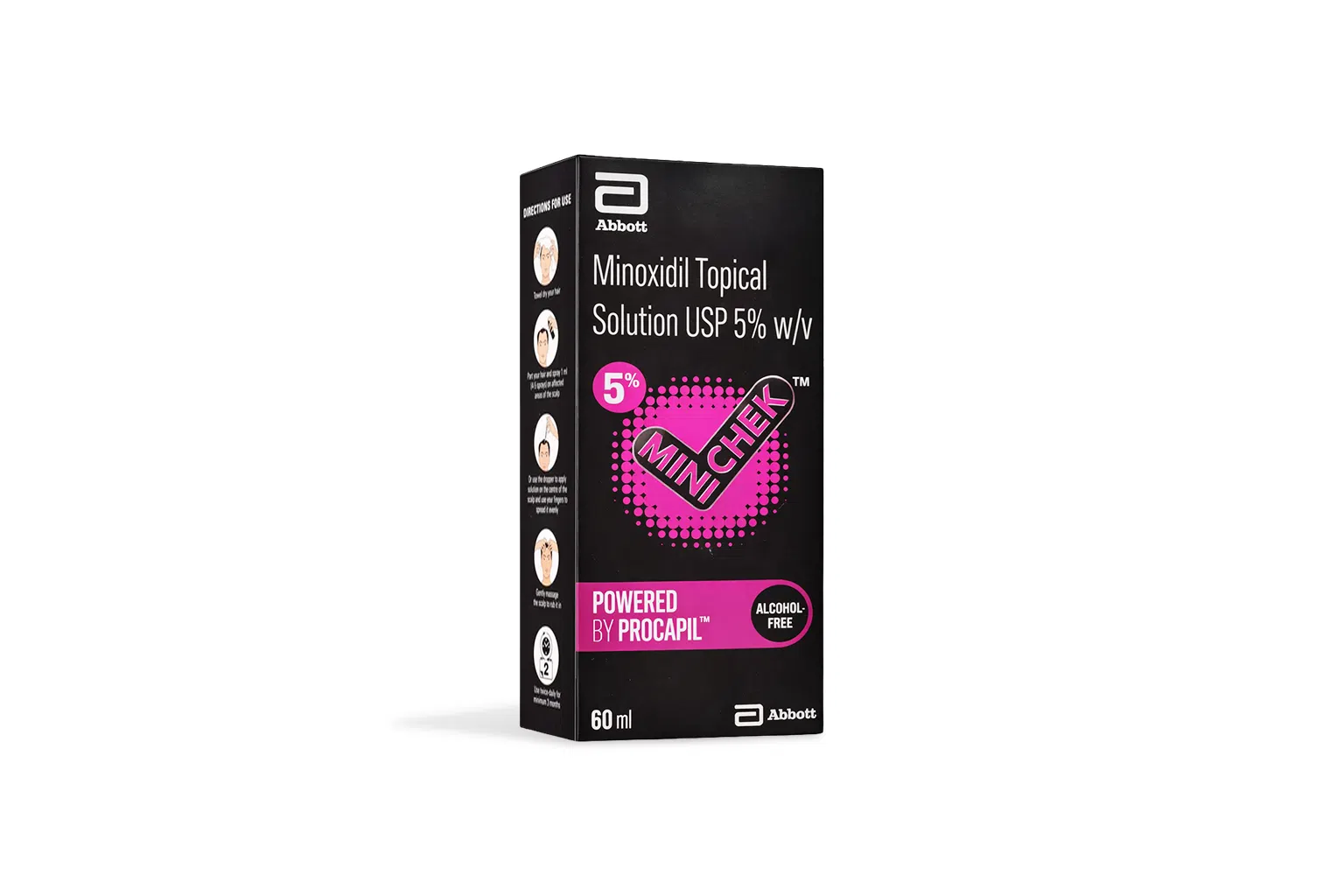
Minichek 5% Solution 60 ml
Hair Care$46.00 – $126.00Price range: $46.00 through $126.00Rated 5.00 out of 5Shop Now This product has multiple variants. The options may be chosen on the product page -
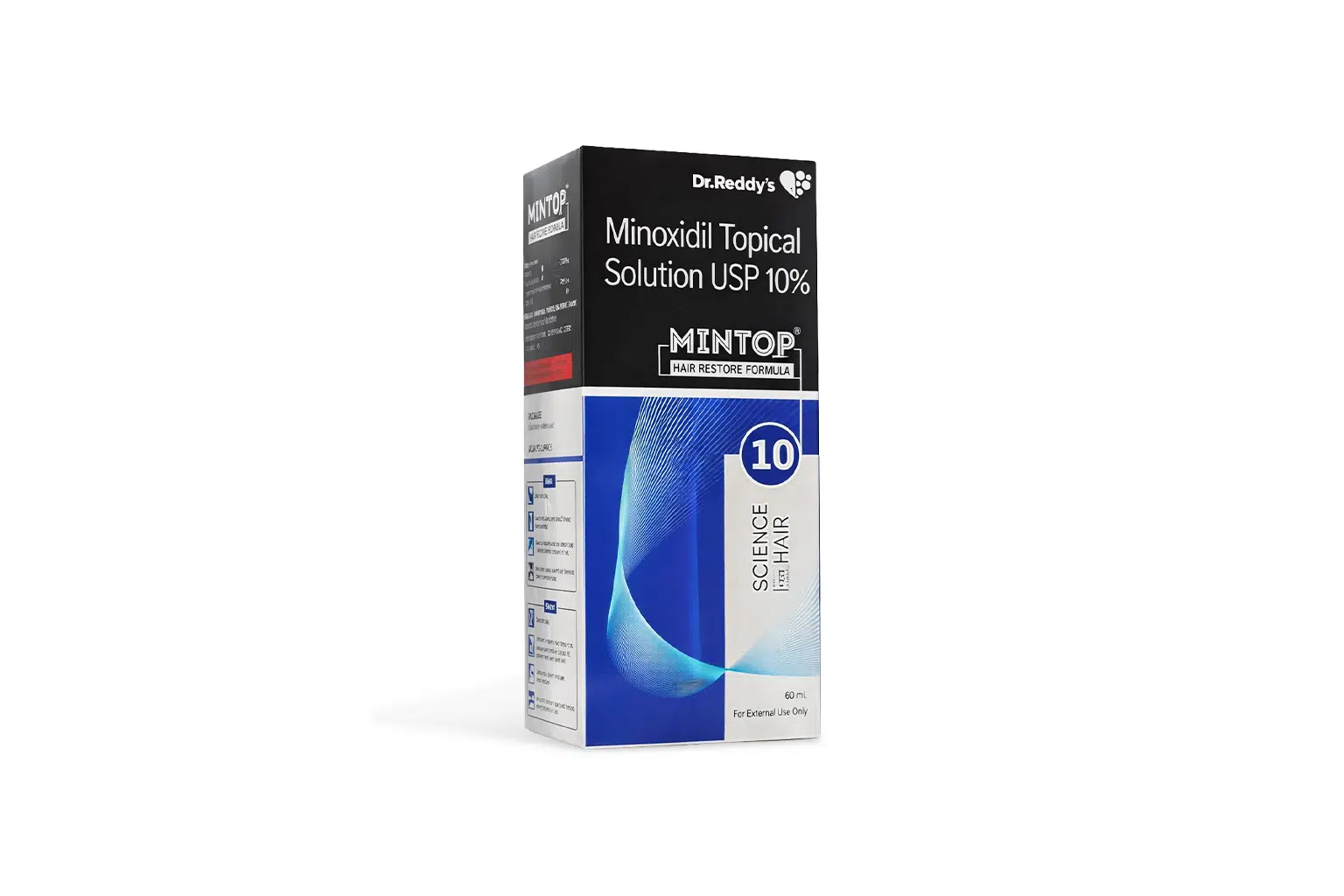
Mintop 10 Hair Restore Formula
Hair Care$22.00 – $62.00Price range: $22.00 through $62.00Rated 5.00 out of 5Shop Now This product has multiple variants. The options may be chosen on the product page -
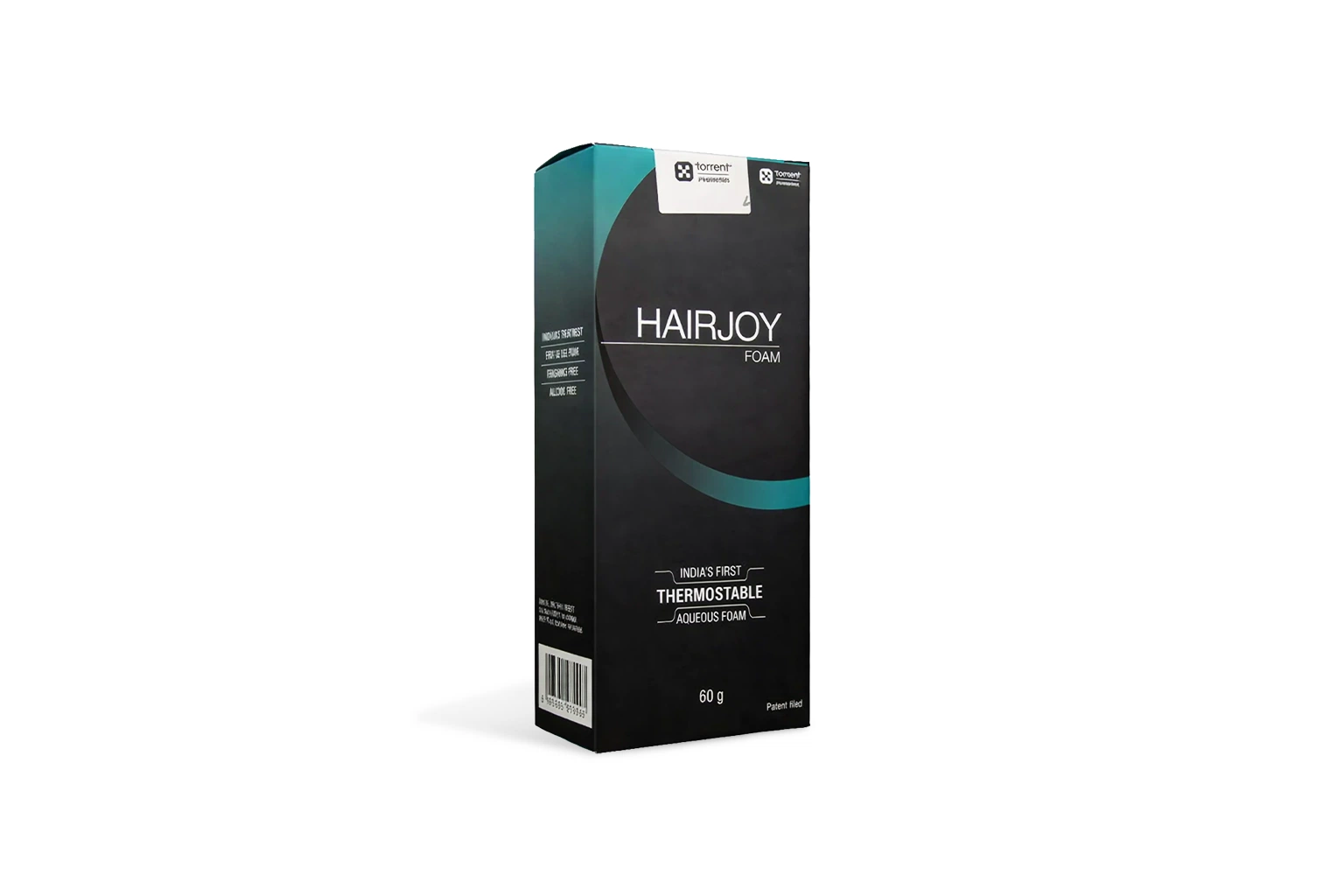
Hairjoy Foam
Hair Care$35.00 – $93.00Price range: $35.00 through $93.00Rated 4.00 out of 5Shop Now This product has multiple variants. The options may be chosen on the product page -
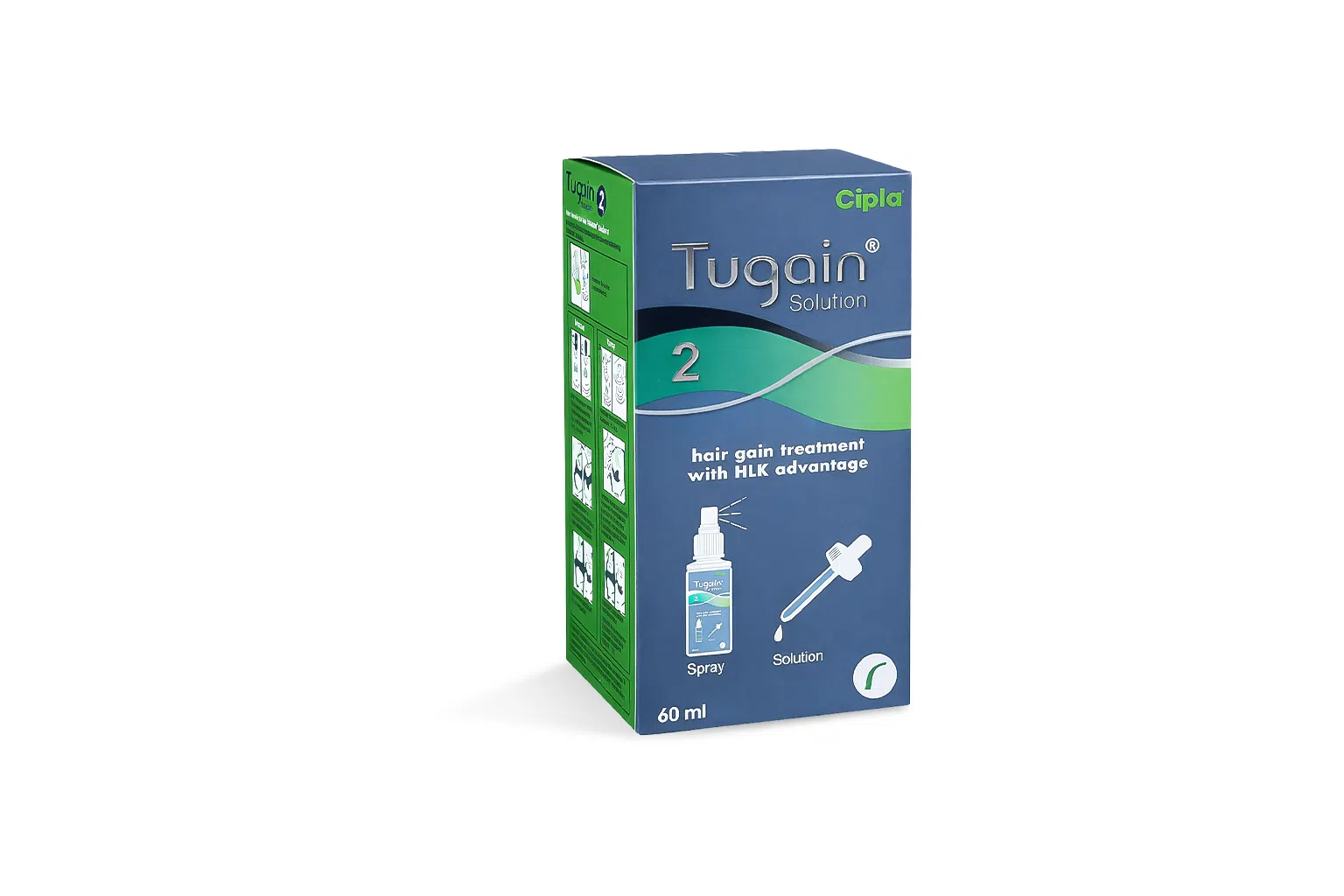
Tugaine 2% Solution
Hair Care$65.00 – $190.00Price range: $65.00 through $190.00Rated 4.00 out of 5Shop Now This product has multiple variants. The options may be chosen on the product page
What exactly is Androgenic alopecia?
Male pattern baldness, also known as androgenic alopecia, is a kind of hair loss that primarily affects men, as the name suggests, and is also a very common cause of hair loss in men worldwide.
Androgenic alopecia is progressive in nature; it usually begins after puberty and continues to cause gradual hair loss if it’s not noticed and treated on time. Once the hair has shed, it doesn’t typically grow back on its own. A primary characteristic of androgenic alopecia is that it’s caused by a genetic sensitivity to androgens, i.e., male hormones. People who experience this kind of hair loss have a body that is sensitive to and responds excessively to androgens.
As the name suggests, this condition follows a similar pattern of hair loss across people. In men, you go through certain stages of hair loss where you experience a receding hairline and your hair thins out in your crown as well. It doesn’t all happen suddenly; it’s a very gradual process.
And here’s the thing you should know: this hair loss is not random. There’s a biological mechanism behind it that causes so many men to lose their hair.
The role of Genetics
If hair loss runs in your family, be it maternal or paternal, then there’s a strong chance that you may also develop androgenic alopecia.
If your maternal grandfather has male pattern baldness, then there’s a good chance that you may have it as well, and if it’s your father who has it, then you’re even twice as likely to experience it. In fact, one study done on twins even suggested that genetics has about an 80% likelihood of contributing to androgenic alopecia.
But with most things, genes alone aren’t the whole story.
Hormones + sensitivity
At its core, androgenic alopecia is affected by a hormone called DHT (dihydrotestosterone). People with androgenic alopecia have heightened levels of DHT.
Now, what’s DHT?
DHT is a by-product of testosterone. Increased activity of an enzyme, 5-alpha-reductase, in the scalp converts testosterone into DHT. This DHT then binds to the androgen receptors that are present in hair follicles. People who are genetically sensitive to androgens start experiencing follicle shrinkage, a process that is called miniaturization.
Due to this process of miniaturization:
- A person’s thick, healthy hair becomes thinner
- Their growth cycles become shorter
- And eventually, the follicles stop producing visible hair
This is why androgenic alopecia doesn’t cause sudden baldness but, in fact, is gradual and progressive.
What’s your hair cycle like?
To really understand what androgenic alopecia is, it might be helpful to look at the hair growth cycle in most people.
Each hair strand more or less goes through 4 stages:
- Anagen (growth)
- Catagen (transition)
- Telogen (resting)
- Exogen (shedding)
In androgenic alopecia, something very important shifts. The growth stage becomes shorter, more hair enters the shedding phase earlier than it’s supposed to, and new hair grows back thinner and weaker. Eventually, the hair becomes so fine that it may not even reach the surface of the scalp.
This is why thinning looks gradual but becomes pretty apparent once someone has noticed the difference.
Can Androgenic alopecia be treated?
This is one of the most common questions that has been asked, and what most people don’t realize is that you cannot alter your genes; your genetic makeup is what it is. But fret not; that’s not the end-all of this conversation.
While you cannot really change your genes and prevent this from happening, you can slow down, stop, or even sometimes reverse some of the effects of androgenic alopecia.
It’s good to keep in mind that for this to happen, one needs to initiate an early intervention, since that’s the biggest advantage you may have.
The Gold Standard Treatment: Minoxidil
When it comes down to treating androgenic alopecia, one of the most trusted and commonly used treatment options is Minoxidil Topical Hair Regrowth Solution.
How does Minoxidil help?
Minoxidil essentially works by focusing on the exact signs that male pattern baldness causes.
- It improves blood flow to the hair follicles
- Extends the anagen phase, i.e., growth phase, of the hair follicles
- Reactivates miniaturized follicles
In simple terms, it essentially creates an environment that’s better for your hair, an environment that can encourage your hair to grow.
What results can I expect?
When you’re dealing with something that has been in the works for a long time like androgenic alopecia, patience and consistency are the key.
Your typical timeline should look like this:
- Weeks 1–8: Temporary shedding (don’t worry, it’s a sign that the treatment is working)
- 3–4 months: Early regrowth begins
- 6+ months: There’s a noticeable improvement in thickness
Since androgenic alopecia is persistent, the treatment for it needs to be continuous too.
Why does early treatment matter?
One of the biggest mistakes you could make for yourself regarding this condition is waiting too long. Once your hair follicles have been inactive for too long, it’s all the way more harder to revive them.
When you start early, your hair follicles are still active, there’s more potential for a better growth process, and your hair loss even slows down early on.
While you can’t prevent male pattern baldness, there are certainly some precautionary measures you can take for yourself.
Where should I start?
We know that the thought of losing your hair is scary; that’s why starting treatment sooner can make a significant difference.
You can find the Minoxidil Topical Hair Regrowth Solution through trusted online platforms like edpillsforever, making it easy to begin treatment without any major hitches in the way.

Frequently Asked Questions
1.How long does it take to see results?
You will see some visible results within around 3-6 months of using the solution consistently. Remember, consistency is key with this.
2. Can Minoxidil regrow hair that’s completely lost?
Minoxidil is designed to work the best on areas where there’s hair thinning, where hair follicles are still somewhat active. It may not be able to regrow hair in completely bald areas.
3.Are there any alternatives to Minoxidil?
There are a few other alternatives like oral medications, laser therapy, and hair transplants. However, Minoxidil has been one of the most accessible and effective treatments over the past years.
4.Does stress cause androgenic alopecia?
While stress doesn’t directly cause the condition, it can definitely worsen the hair loss or hair thinning situation. It’s always important to exercise and maintain a balanced diet that’s high in protein, iron, and biotin.