
Let’s be real for a second, orgasms are often portrayed as something that just happens.
Like breathing. Or blinking. Or finding a Starbucks on every other corner.
But for a surprising number of people, climax isn’t automatic.
It’s not even predictable. Sometimes it doesn’t happen at all.
There’s an actual medical term for this: Anorgasmia.
And here’s the thing… it’s way more common than most people think.
I remember interviewing a therapist a few years ago who told me, “Most people assume something is wrong with their body. But often, something else is happening under the surface.”
Interestingly, that “something else” can be physical, psychological, relational, hormonal, or… honestly, a mix of everything.
Before we get into those layers, let’s slow down.
Because if you’ve ever been in a moment where everything should feel good, the mood is right, the stimulation is there, your body is responding and still nothing happens?
You’re not “broken.” You’re not alone. And you’re not doomed.
This is simply what Anorgasmia can feel like.
What Exactly Is Anorgasmia?
You might be wondering: What even counts as Anorgasmia?
Is it when orgasms are irregular? Does it only apply if they never happen? What if it happens sometimes but not always?
The short answer: it’s not as simple as you think.
Anorgasmia is a persistent difficulty or complete inability to reach orgasm despite adequate sexual stimulation.
Adequate is subjective, yes, but in clinical terms, it means the kind of stimulation that would normally be enough for most people.
It affects all genders, though the experience can look a bit different when speaking about Female anorgasmia versus Male anorgasmia. And honestly, the stigma is different, too. Women are often told it’s “normal” not to orgasm. Men, on the other hand, feel like they’re failing some imaginary “performance test.”
Both assumptions do more harm than good.
How Does It Feel? The Less Talked-About Reality
When I first started digging into sexual-health reporting, one thing that surprised me was how many people silently struggle with Anorgasmia symptoms but assume it’s their fault.
Things like:
- “I must not be doing it right.”
- “Is it because I’m thinking too much?”
- “Is my partner bored? Am I?”
- “Maybe I’m just not a sexual person.”
These thoughts can spiral, and trust me, spiraling never helps anyone orgasm.
Symptoms can include:
- High arousal but no climax
• Feeling physically close but mentally blocked
• Needing extremely specific or intense stimulation
• Feeling numbness instead of pleasure
• Taking unusually long to orgasm
• Or simply never reaching the peak at all
Some describe it as “running toward a finish line that keeps moving further each time you get close.”
Others say it feels like their body and mind are playing two different songs, out of sync.
Best Seller
-
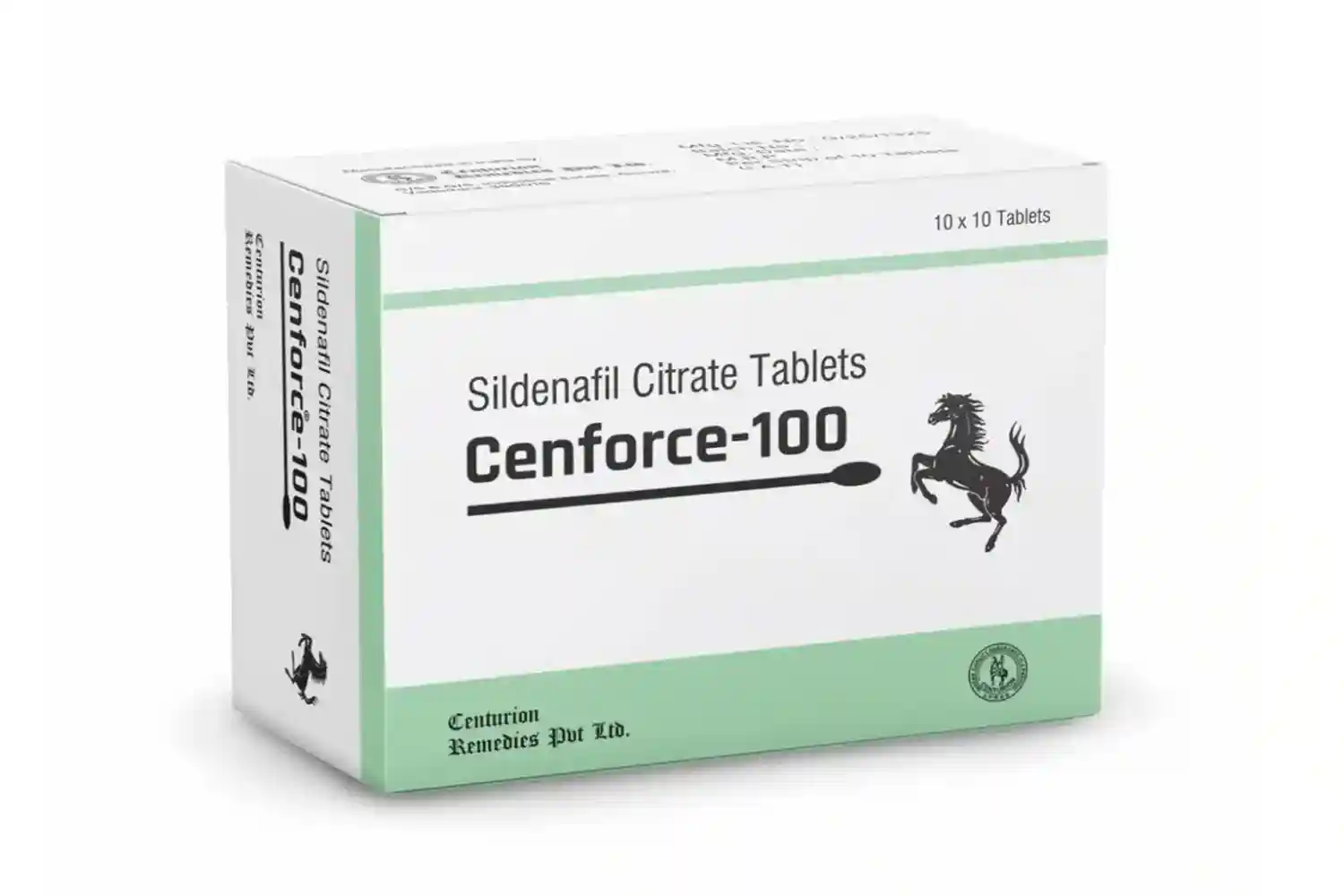
Cenforce 100 Mg
Best Seller$24.00 – $215.00Price range: $24.00 through $215.00Rated 5.00 out of 5Shop Now This product has multiple variants. The options may be chosen on the product page -
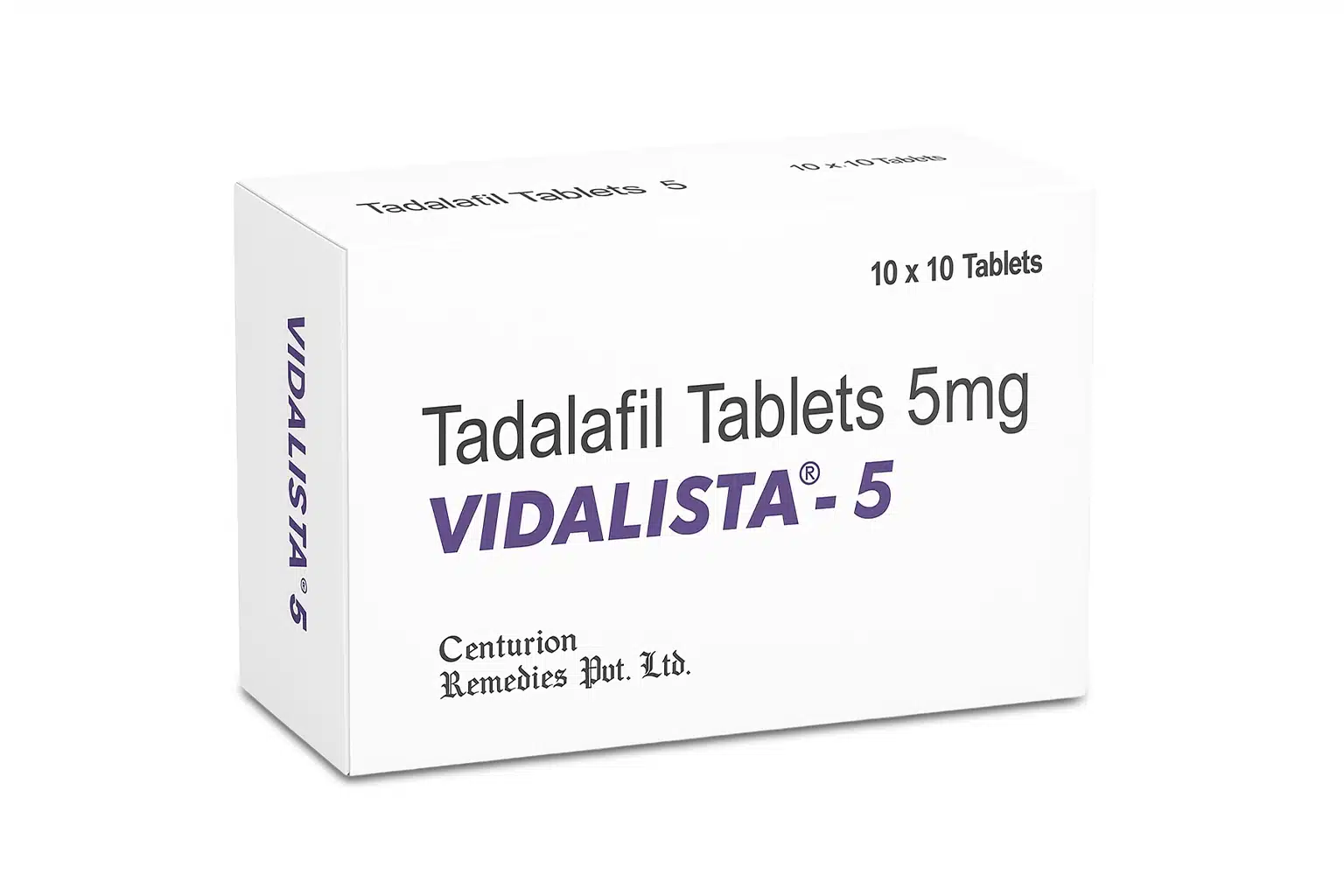
Vidalista 5 Mg
best sellers$18.00 – $182.00Price range: $18.00 through $182.00Rated 4.00 out of 5Shop Now This product has multiple variants. The options may be chosen on the product page -
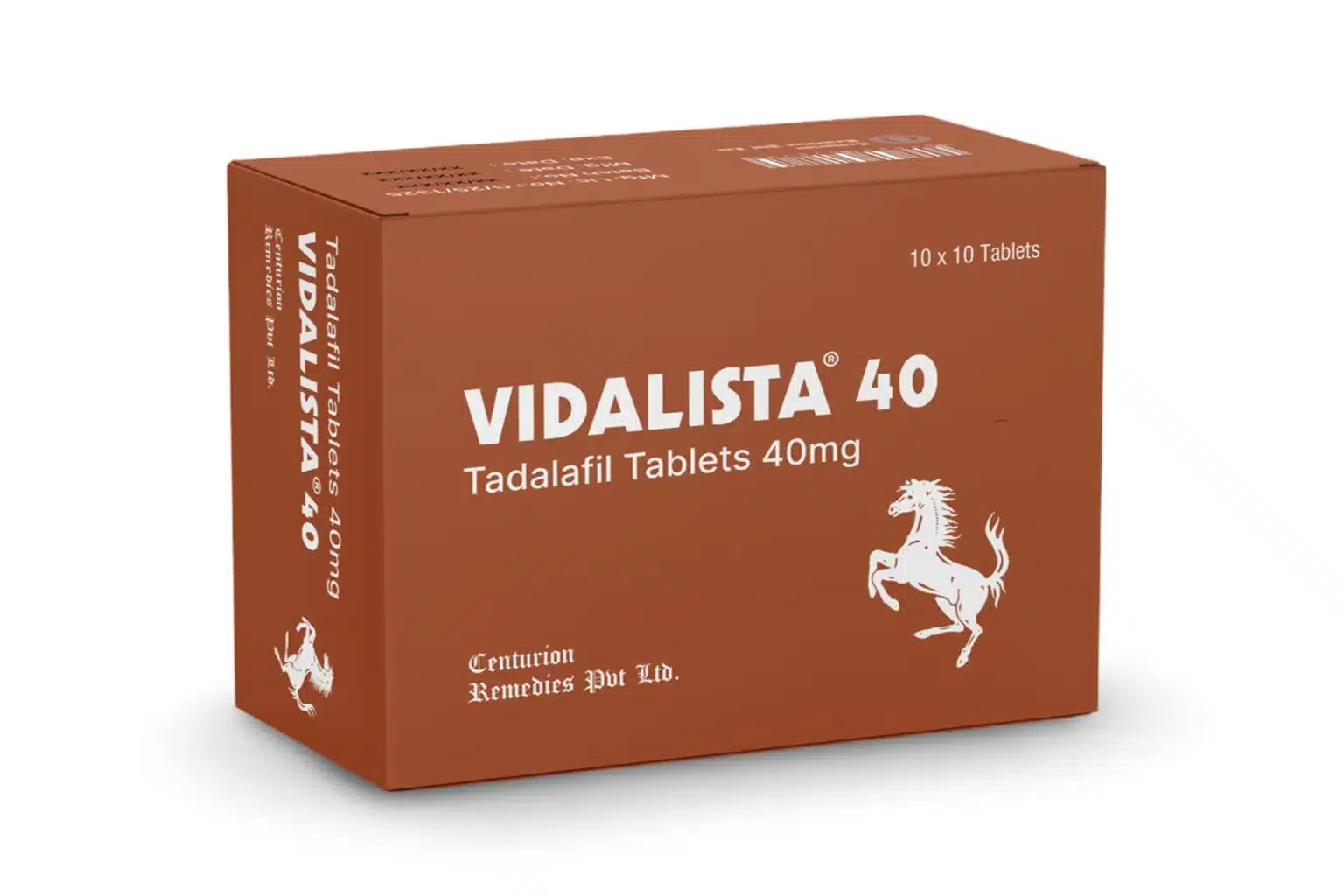
Vidalista 40 Mg
Best Seller$28.00 – $276.00Price range: $28.00 through $276.00Rated 4.00 out of 5Shop Now This product has multiple variants. The options may be chosen on the product page -
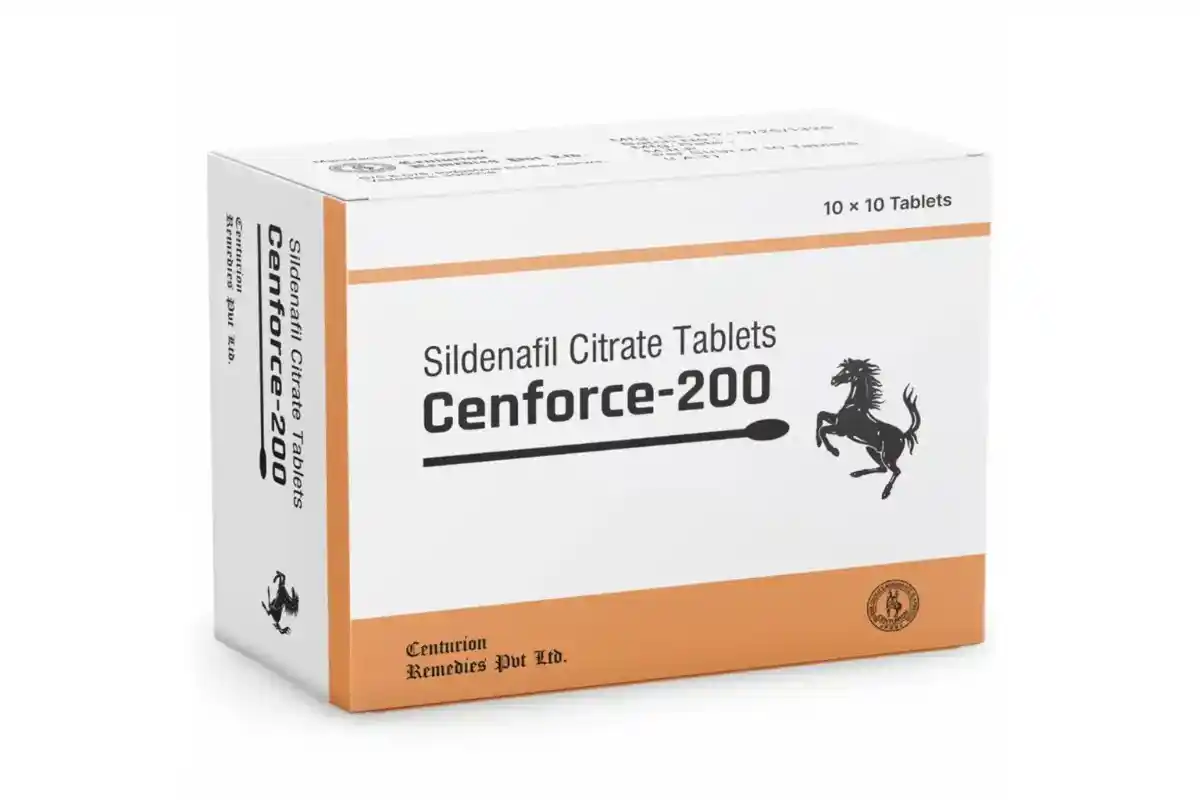
Cenforce 200 Mg
best sellers$31.00 – $335.00Price range: $31.00 through $335.00Rated 4.00 out of 5Shop Now This product has multiple variants. The options may be chosen on the product page -

Cenforce Fm
best sellers$33.00 – $218.00Price range: $33.00 through $218.00Rated 4.00 out of 5Shop Now This product has multiple variants. The options may be chosen on the product page -
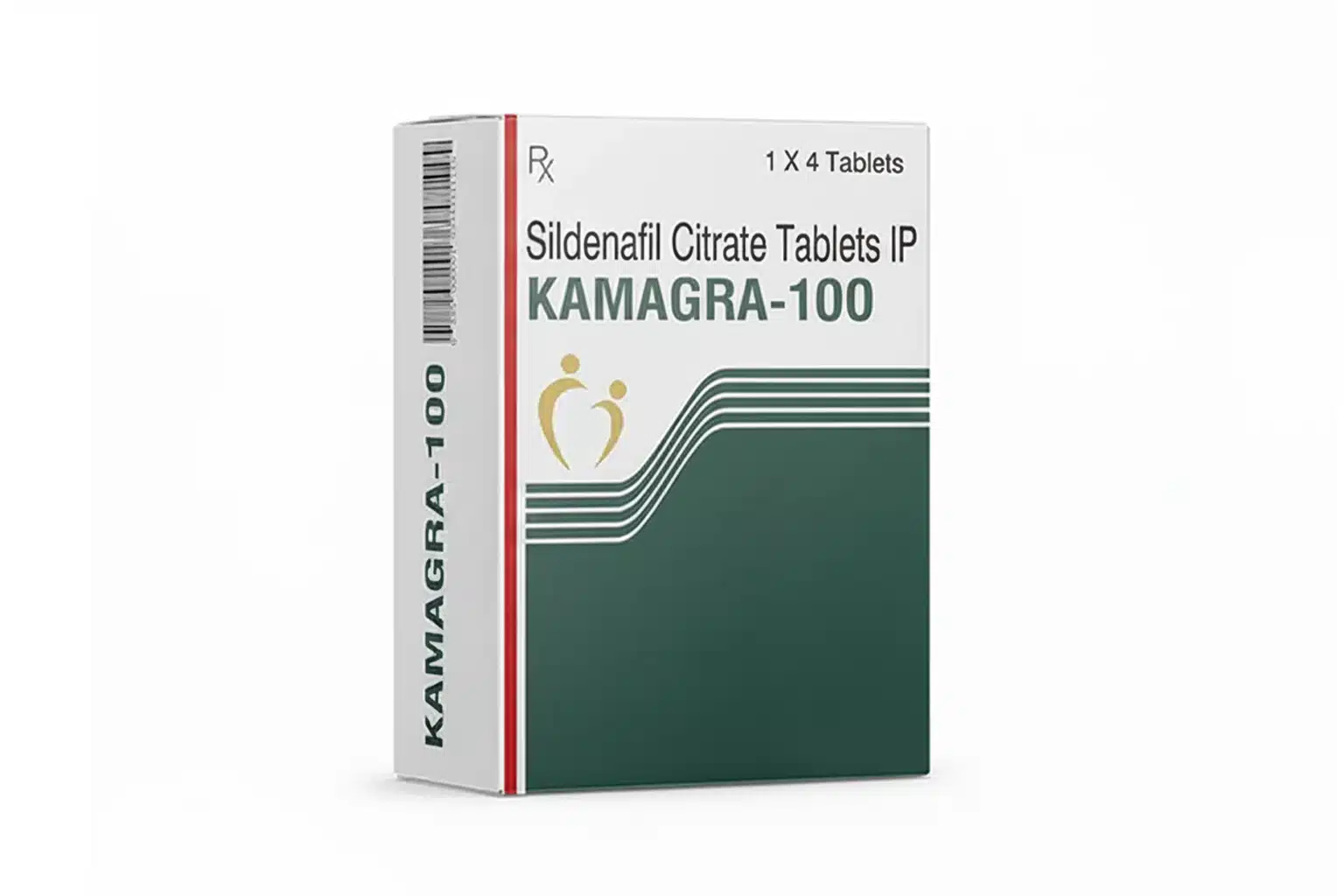
Kamagra 100 mg
best sellers$24.00 – $125.00Price range: $24.00 through $125.00Rated 5.00 out of 5Shop Now This product has multiple variants. The options may be chosen on the product page -

Fildena 100 mg
best sellers$24.00 – $244.00Price range: $24.00 through $244.00Rated 4.00 out of 5Shop Now This product has multiple variants. The options may be chosen on the product page -

Malegra Oral Jelly 100 Mg
best sellers$8.00 – $44.00Price range: $8.00 through $44.00Rated 5.00 out of 5Shop Now This product has multiple variants. The options may be chosen on the product page -

Super Kamagra Oral Jelly
best sellers$25.00 – $120.00Price range: $25.00 through $120.00Rated 4.00 out of 5Shop Now This product has multiple variants. The options may be chosen on the product page -
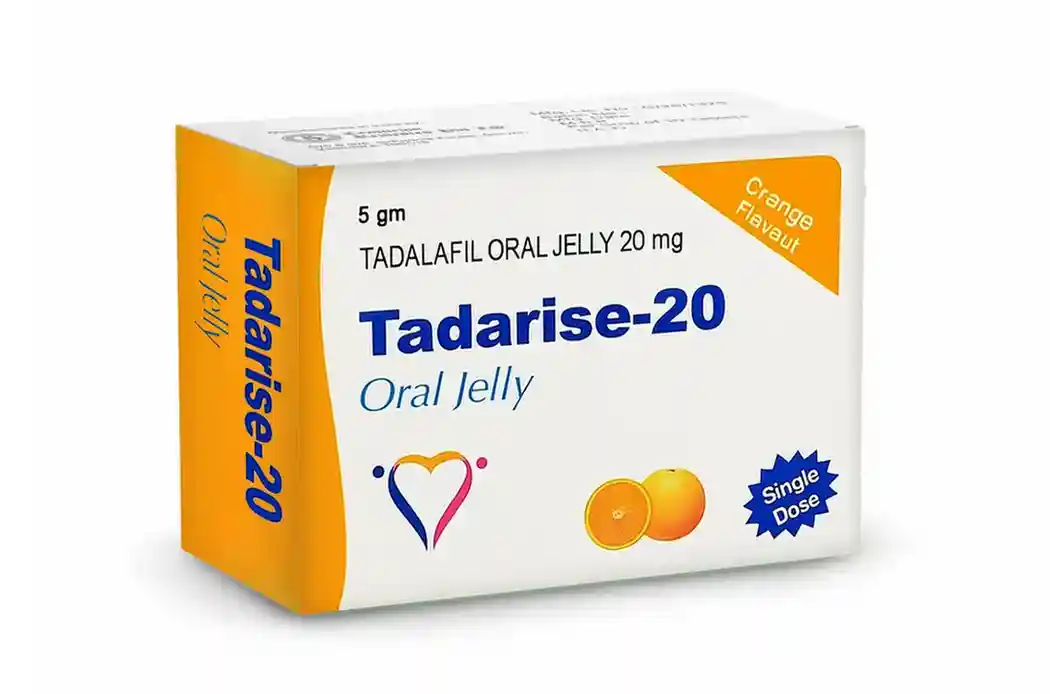
Tadarise Oral Jelly
best sellers$19.00 – $72.00Price range: $19.00 through $72.00Rated 4.00 out of 5Shop Now This product has multiple variants. The options may be chosen on the product page -
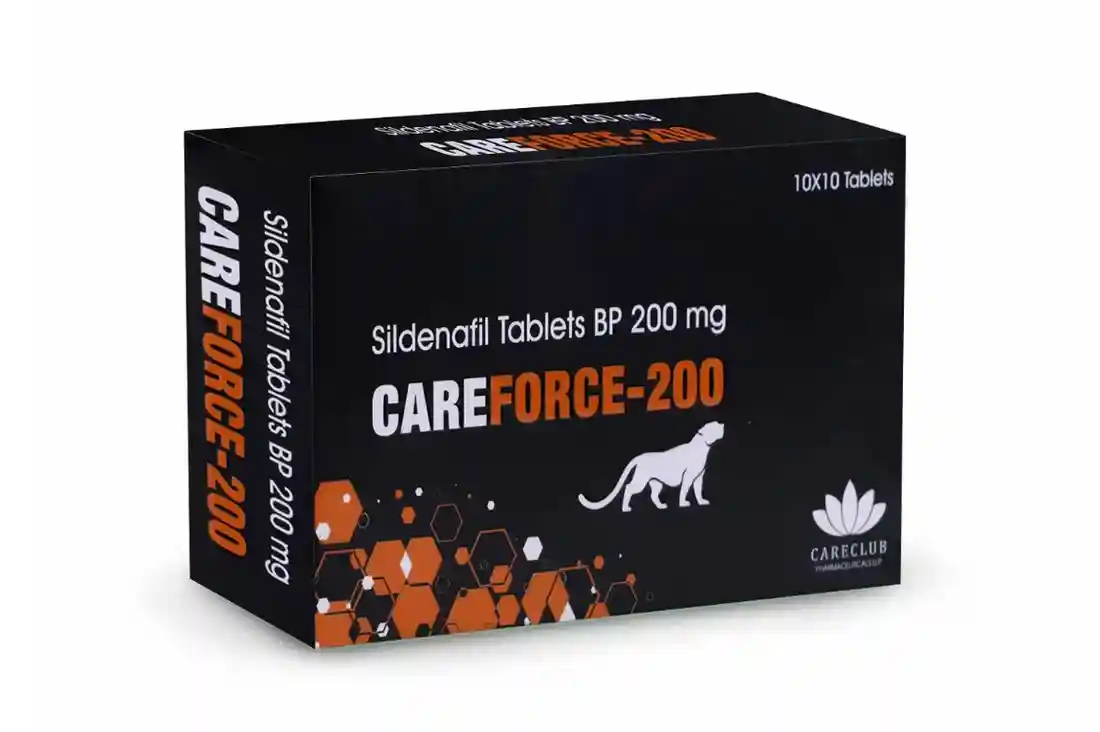
Careforce 200 Mg
best sellers$29.00 – $332.00Price range: $29.00 through $332.00Rated 5.00 out of 5Shop Now This product has multiple variants. The options may be chosen on the product page -
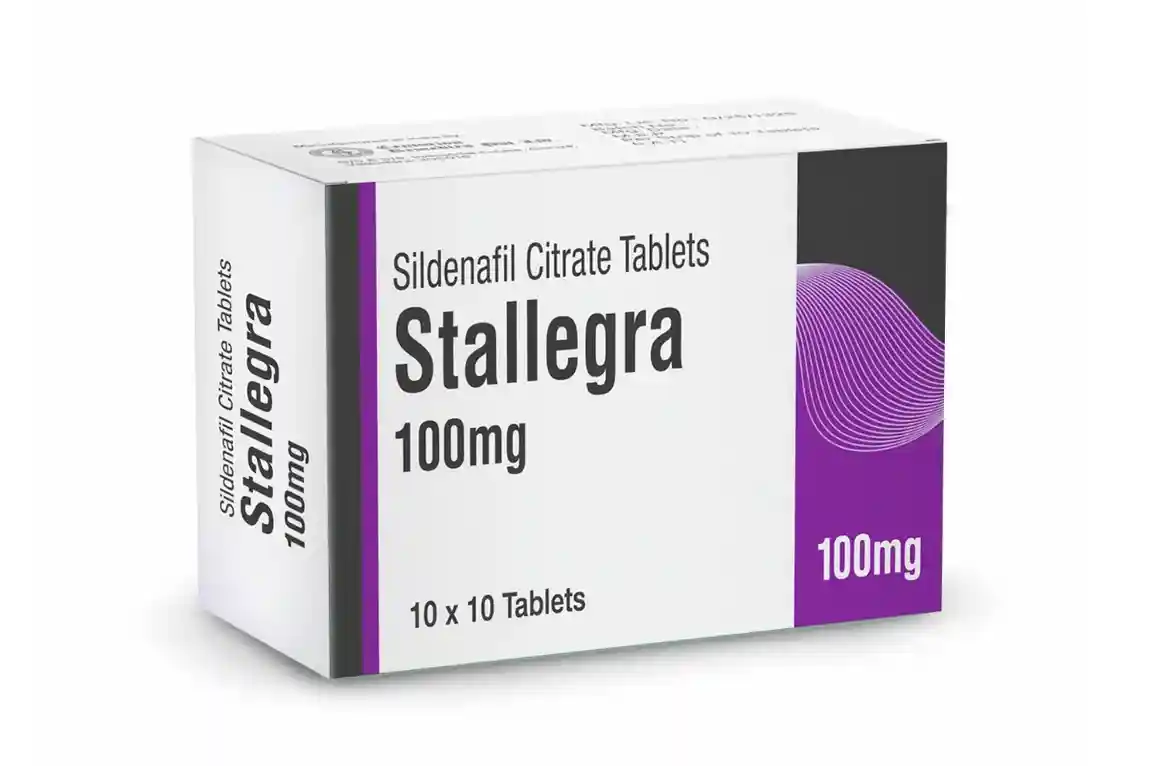
Stallegra 100 Mg
best sellers$88.00 – $224.00Price range: $88.00 through $224.00Rated 5.00 out of 5Shop Now This product has multiple variants. The options may be chosen on the product page -
 Exclusive
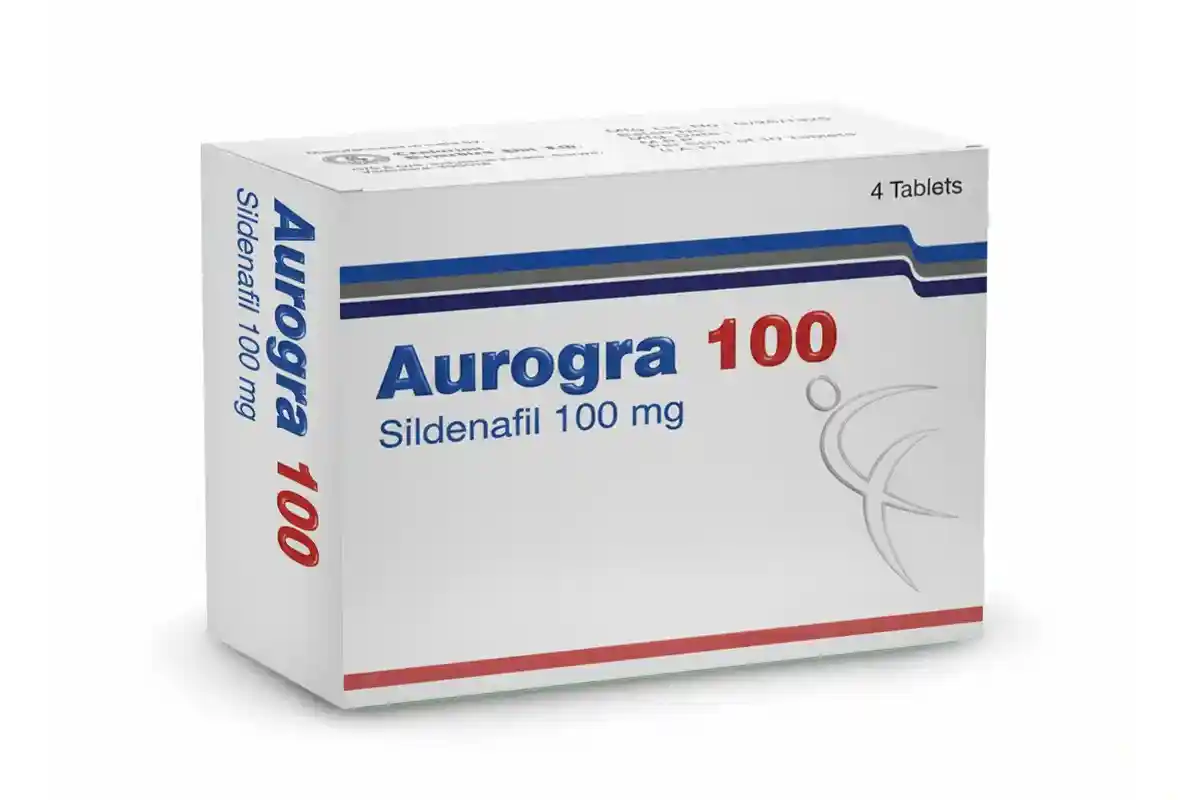
Aurogra 100 Mg
best sellers$29.00 – $76.00Price range: $29.00 through $76.00Rated 4.00 out of 5Shop Now This product has multiple variants. The options may be chosen on the product page -
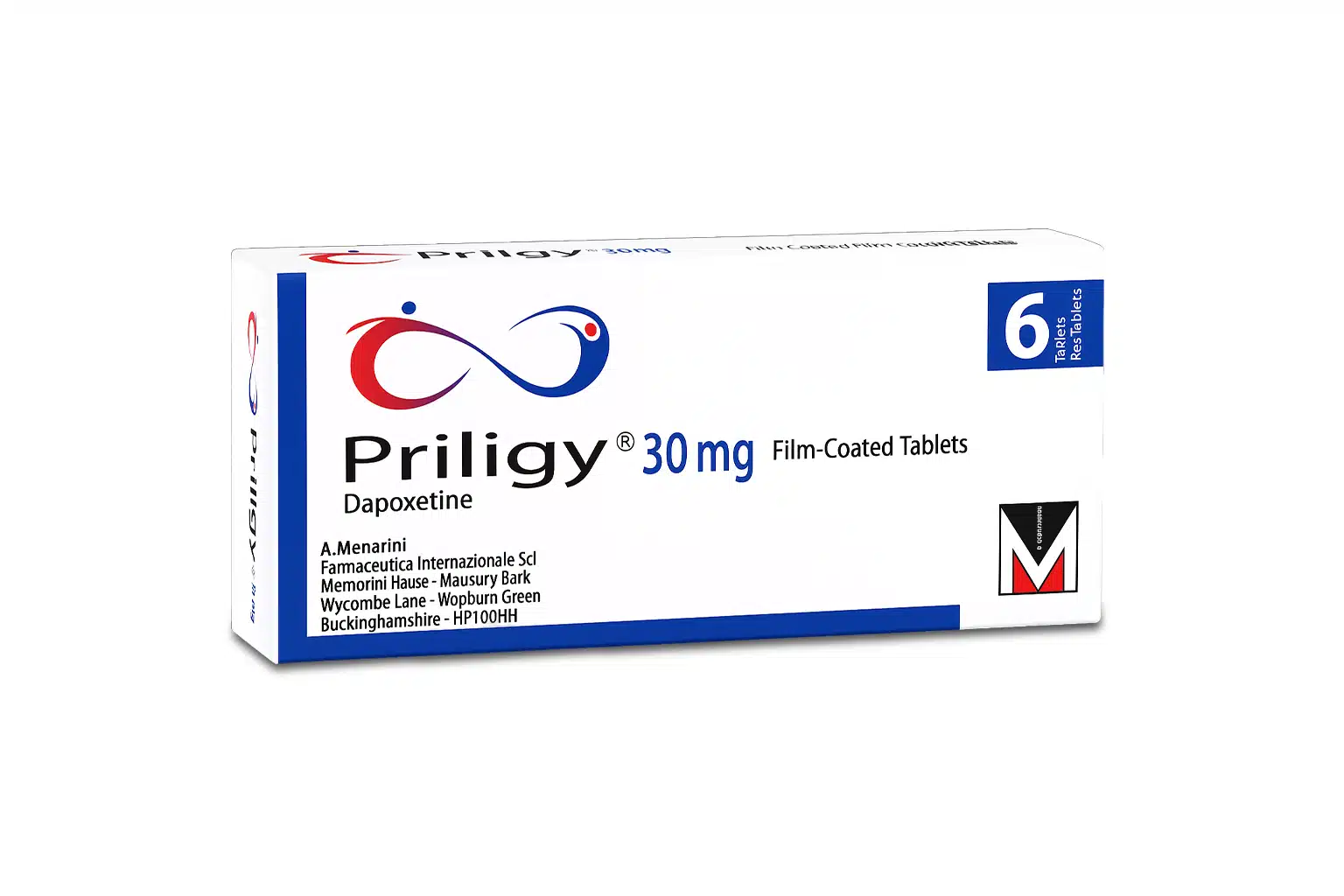
Priligy 30 mg
best sellers$22.00 – $156.00Price range: $22.00 through $156.00Rated 4.00 out of 5Shop Now This product has multiple variants. The options may be chosen on the product page
Are There Different Types of Anorgasmia?
Sounds weird, right? Something as specific as orgasm difficulty has categories.
But clinicians actually classify it into several Types of anorgasmia, mostly based on when it happens and what triggers it.
And honestly, this helps people understand themselves better.
There’s lifelong vs. acquired.
Generalized vs. situational.
And then the kind that only happens with partners but not solo (which many people quietly relate to).
Some people can orgasm through masturbation but not sex.
Others only climax through one type of stimulation, say, clitoral or penile, but not others.
A few never orgasm at all, even though they feel aroused.
None of these experiences makes you abnormal.
They’re just different manifestations of the same broader condition: Anorgasmia.
So… What Causes It?
Here’s where things get messy and human.
Because the causes of anorgasmia rarely exist in isolation.
It’s usually a mix of physical and emotional ingredients simmering together in ways people never notice.
Let’s break down the most common contributors (without making it sound like a stiff medical lecture):
1. Medication Side Effects
SSRIs (common antidepressants) are the biggest culprits. They can flatline sexual responses like putting noise-cancelling headphones on your nervous system.
Some blood pressure medications, neuro medications, and hormonal treatments also interfere.
2. Low PDE5 Response or ED Issues in Men
For men dealing with erectile difficulties, reaching climax can be harder.
I spoke with a urologist who said that when men use ED meds like Cenforce 100 Mg, they’re often shocked to discover that it helps not just erections, but overall sexual confidence, which indirectly supports orgasm.
3. Hormonal Changes
This can impact all genders.
Estrogen dips, testosterone changes, postpartum fluctuations, and menopause/perimenopause can all affect orgasm intensity and frequency.
4. Psychological Factors (the big one)
Here’s the thing: if your mind is distracted, stressed, or emotionally disconnected, your body won’t “let go.”
It’s a biological safety mechanism.
Trauma, anxiety, performance pressure, guilt, or even religious conditioning can play a major role.
5. Relationship Dynamics
To be honest, people underestimate how much relational tension affects sexual response.
Lack of trust, unresolved conflicts, resentment, or simply feeling unseen can contribute to Anorgasmia.
6. Lack of proper stimulation or understanding of one’s body
This applies especially in cases of Female anorgasmia.
Many women aren’t taught what their bodies actually respond to.
Clitoral stimulation, the primary route to orgasm for most women, is chronically misunderstood or ignored in sexual culture.
7. Medical Conditions
Things like diabetes, multiple sclerosis, pelvic pain disorders, nerve damage, and chronic illness can all interfere with orgasm pathways.
Each factor alone doesn’t necessarily cause trouble.
But stack two or three together, and the ability to orgasm can get complicated quickly.
Male vs. Female: How Anorgasmia Shows Up Differently
Even though both genders experience orgasm difficulty, the journey tends to be different.
Female anorgasmia
Women often describe orgasms as something they “build toward.” If the mental focus breaks, the excitement drops fast. It’s like losing your Wi-Fi signal right before hitting “send” on an important email.
For many women, hormones, stress, pelvic floor dysfunction, and inadequate stimulation are major triggers.
Male anorgasmia
Men often feel confused or embarrassed because the assumption is: “If you’re aroused, orgasm is automatic.”
Not true. Men can physically respond to erections, desire, arousal and still be unable to climax.
Sometimes it’s due to medication. Sometimes anxiety.
Sometimes it shows up after years of specific masturbation patterns the body becomes adapted to.
There’s a lot of overlap between genders, but the emotional pressure men experience tends to be higher because of cultural expectations.
The Mental Health Connection
One of the most overlooked aspects of Anorgasmia is the psychological load it puts on a person.
The link between Anorgasmia and mental health goes both ways — it can cause emotional distress and also come from emotional distress.
People often report feeling:
- Inadequate
• Afraid of disappointing partners
• Ashamed of their bodies
• Disconnected during intimacy
• Guilty for “taking too long.”
If you’ve ever felt any of that, you’re human. Not flawed.
A therapist once told me, “The orgasm is the last domino in a very long chain reaction. If one domino is out of place, the whole thing stops.”
And honestly, that metaphor stayed with me.
So… Can Anorgasmia Be Managed? Yeah. In Most Cases, Yes.
The good news and it is good news is that Anorgasmia is usually treatable.
But people often assume it requires a dramatic medical intervention.
Not really.
Here’s how I’ve heard specialists and therapists frame it:
1. Understand your body (for real).
Most people skip this step.
Learning your own anatomy, triggers, rhythms, and turn-ons matters more than any technique your partner learned on Reddit.
Solo exploration helps people identify what sensations actually build toward orgasm.
This is especially true for individuals experiencing Female anorgasmia.
2. Slow down – like, seriously.
Your mind needs time to catch up to physical arousal.
If you’re stressed, tired, or mentally scattered, climax becomes biologically difficult.
3. Adjust medications if needed.
If SSRIs or other medications are affecting orgasm, a doctor may switch doses or types.
Never adjust meds on your own but do have the conversation.
4. Strengthen pelvic floor muscles.
You’ve probably heard of Kegels.
They help.
When pelvic floor muscles contract well, orgasm becomes easier, stronger, and more predictable.
5. Communication with your partner.
Tell them what feels good.
Tell them what doesn’t.
Tell them what you think might help.
And if you feel awkward saying it aloud, write it privately first to understand what you’re trying to express.
6. Address emotional or psychological barriers.
Performance anxiety is huge.
Sex therapy or cognitive-behavioral therapy can help disconnect negative thoughts from physical response.
7. ED treatment for men (if relevant).
For those dealing with erectile dysfunction, medicines like Cenforce 100 Mg can improve function and confidence.
And yes confidence absolutely affects orgasm.
8. Explore new types of stimulation.
Sometimes orgasm is less about trying harder and more about trying differently.
Using hands, toys, different rhythms, pressure, or sensations can help re-train the nervous system.
A Personal Note
As someone who’s interviewed countless clinicians, sex therapists, and even a few couples who navigated this together, one thing always stands out:
Most people wait way too long to talk about it and in that silence, the problem feels bigger than it actually is.
I remember a woman in her 40s telling me during an interview, “I spent 20 years pretending everything was fine because I felt ashamed. It took one honest conversation for everything to finally change.”
That stuck with me because it highlights something we forget:
Shame thrives in silence, but intimacy thrives in honesty.
And if there’s one thing I’ve learned covering sexual-health topics, it’s that pleasure becomes easier when people stop treating orgasm like a performance test and start seeing it as an experience to explore.
When Should You Seek Help?
If Anorgasmia has been persistent for six months or more, or if it’s affecting your relationship, confidence, or sense of pleasure it’s worth speaking with a clinician, gynecologist, urologist, or sex therapist.
Not because something is “wrong.”
But because support exists, and it works.
Final Thoughts
Anorgasmia isn’t a failure.
It’s a quiet, frustrating, sometimes confusing signal that something in your sexual ecosystem needs attention.
The solution is rarely one-size-fits-all.
But the moment people stop blaming their bodies and start understanding them, everything begins to shift.
And honestly? Pleasure becomes possible again.
FAQ's
1. Can Anorgasmia suddenly appear even if someone never had trouble before?
Yes and it surprises a lot of people.
Acquired Anorgasmia can show up after life changes like stress, medication shifts, hormonal fluctuations, relationship issues, or even postpartum recovery. It doesn’t always mean something serious is wrong, but it does mean your body is flagging that something’s off. Think of it like your phone lagging after too many apps are running in the background. It’s overwhelmed, not broken.
2. Is it true that women need clitoral stimulation to orgasm?
For most women, yes. This is one of the biggest reasons Female anorgasmia goes unnoticed. People assume penetration alone should “do the job,” but that’s not how female anatomy works. The clitoris is the main powerhouse for orgasm, and skipping it is a bit like trying to start a car without a key. Possible? Maybe. Likely? Not really.
3. Can men have Anorgasmia even if they have erections?
Absolutely. Male anorgasmia often gets misunderstood because people assume erections automatically equal orgasm. They don’t. Men can be fully aroused, have strong erections, and still struggle to climax. Sometimes it’s medication-related, sometimes mental, and sometimes it’s tied to ED issues where treatments like Cenforce 100 Mg help indirectly.
4. Should I worry if I can orgasm alone but not with a partner?
Absolutely. Male anorgasmia often gets misunderstood because people assume erections automatically equal orgasm. They don’t. Men can be fully aroused, have strong erections, and still struggle to climax. Sometimes it’s medication-related, sometimes mental, and sometimes it’s tied to ED issues where treatments like Cenforce 100 Mg help indirectly.
5. Can therapy actually help with Anorgasmia? Or is that overhyped?
Therapy helps more than most people expect.
When therapists address emotional blocks, trauma, relationship tension, or performance anxiety, orgasm becomes easier because the mind no longer feels like it’s “guarding the door.” Sex therapy, CBT, and even mindfulness-based approaches often help people overcome long-standing Anorgasmia sometimes faster than they imagined.