What Is Rogaine and How Does It Work?
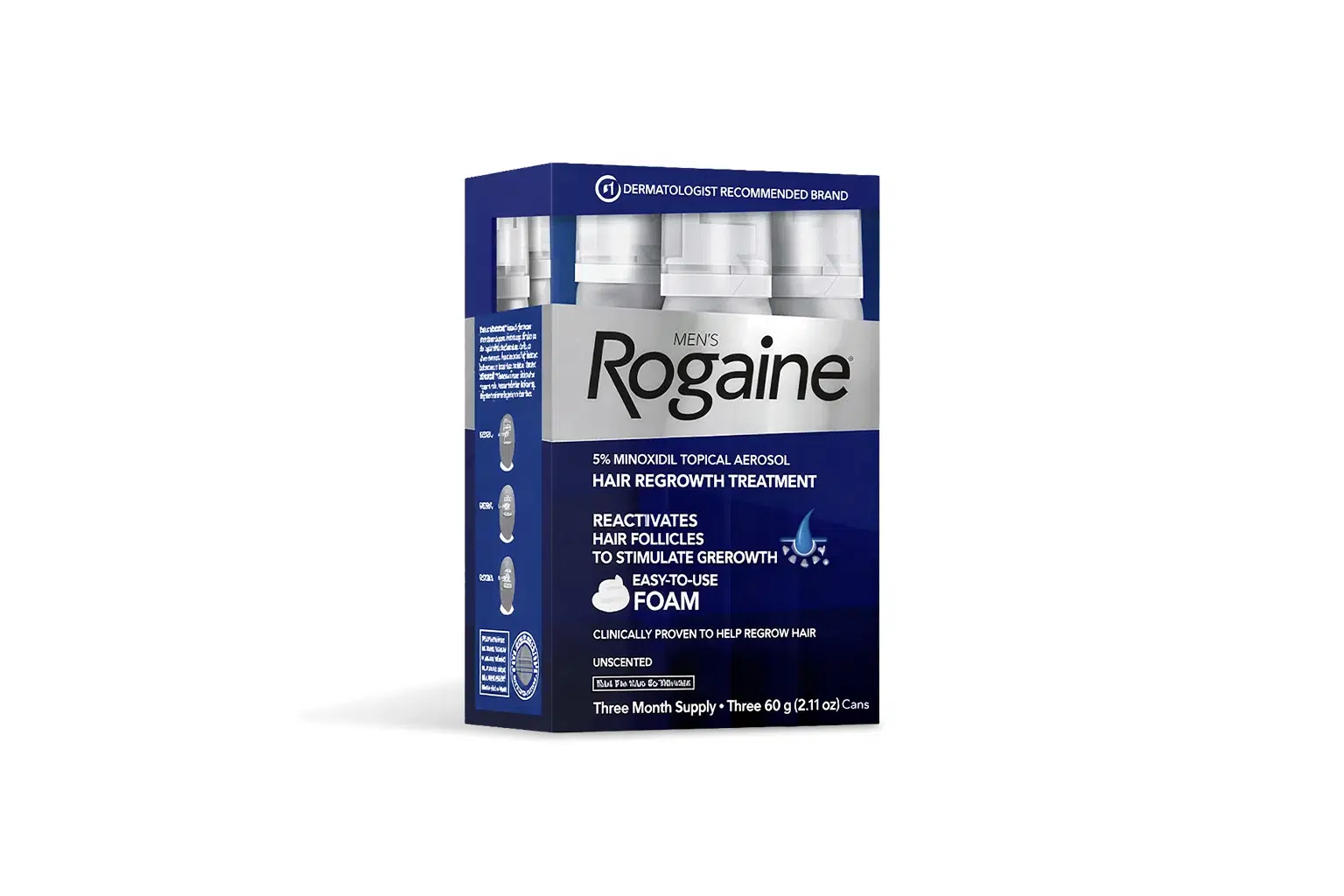
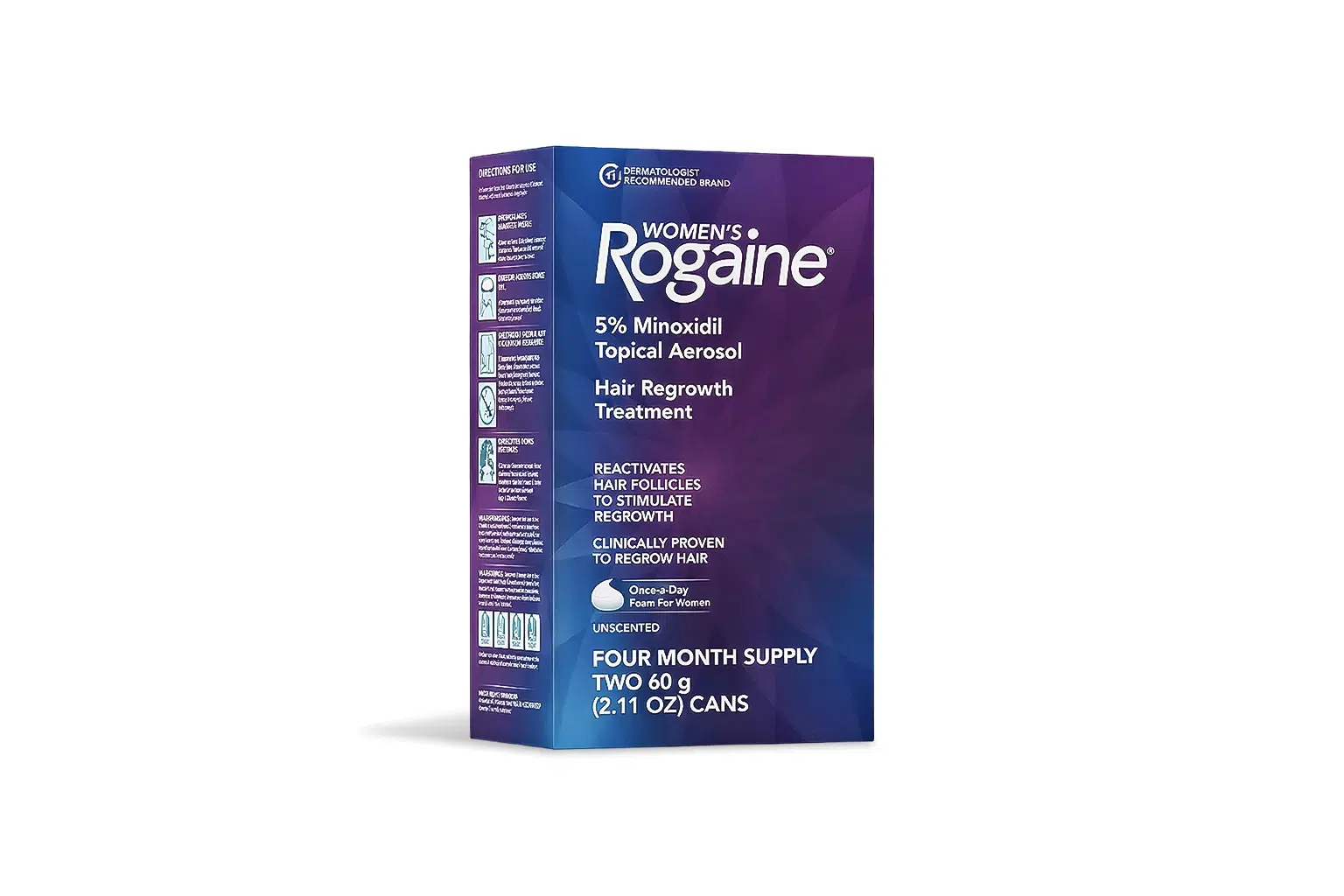
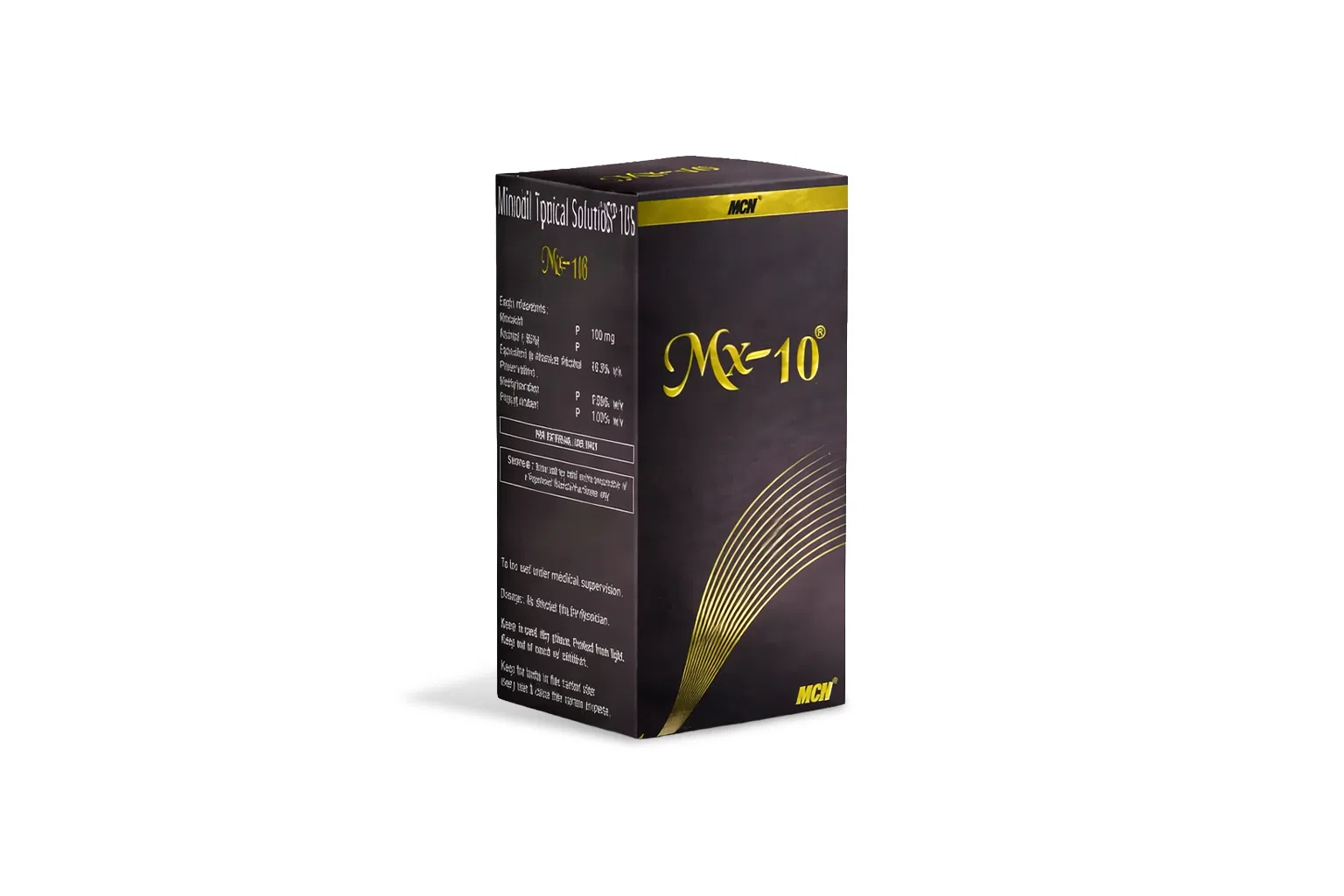
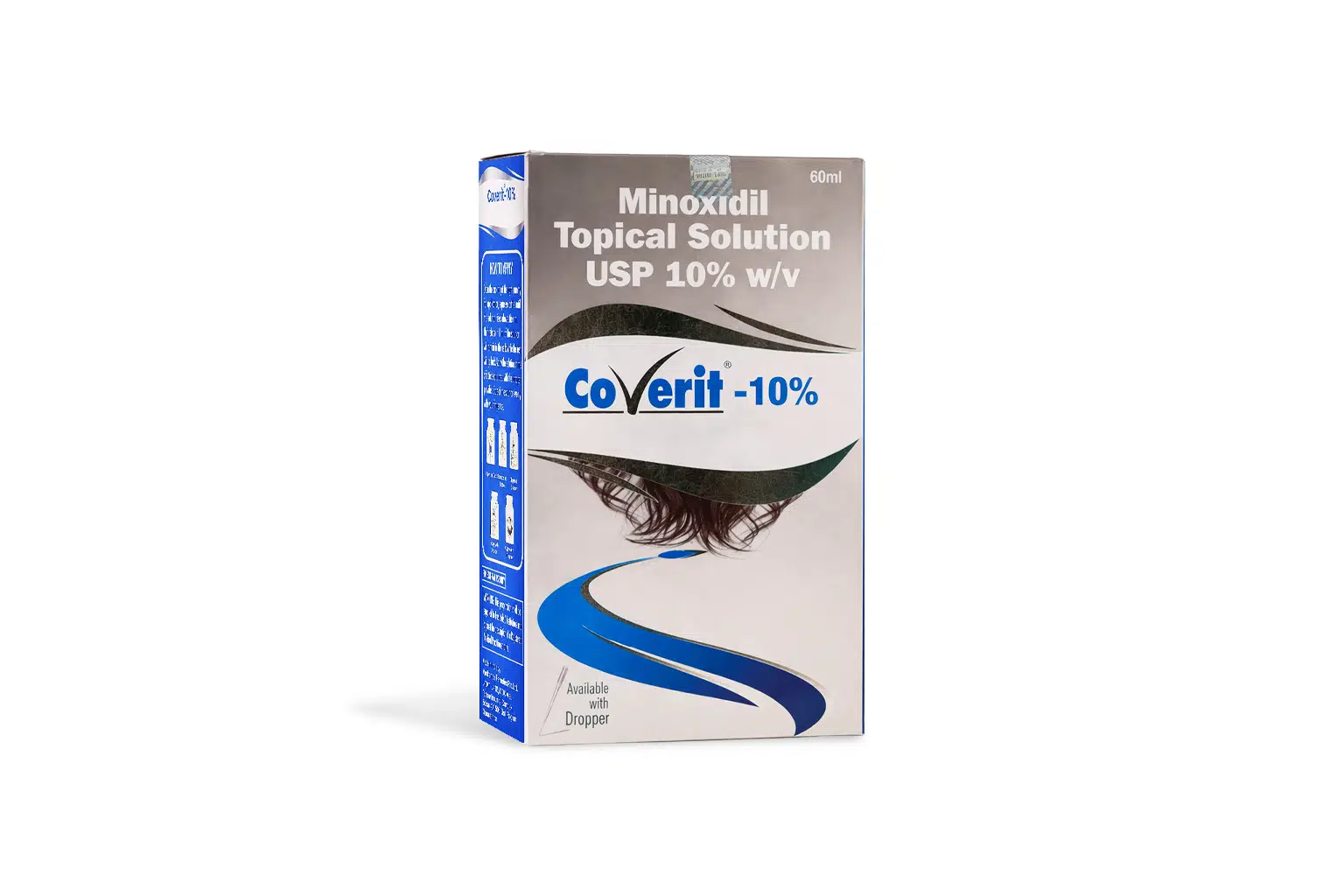
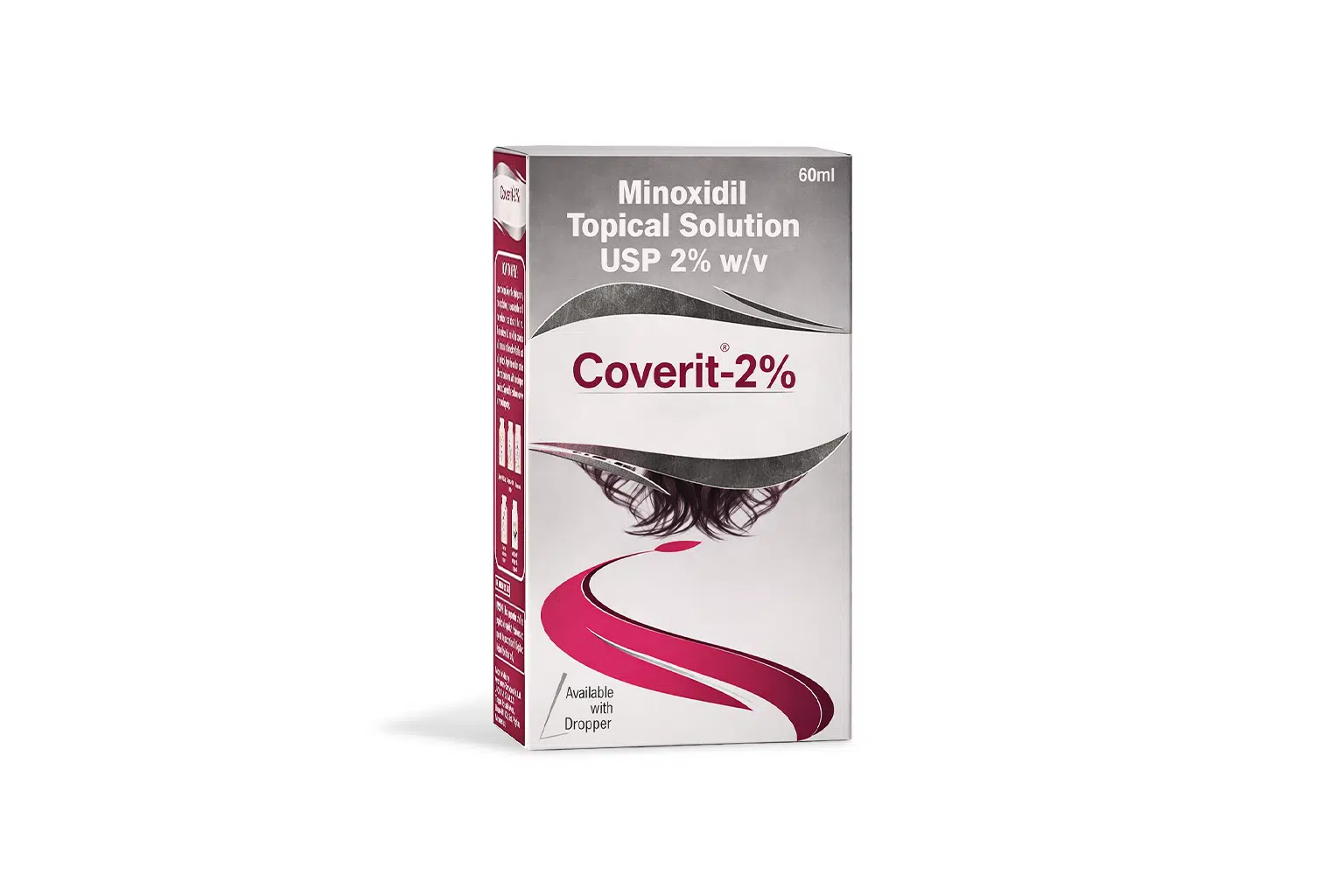
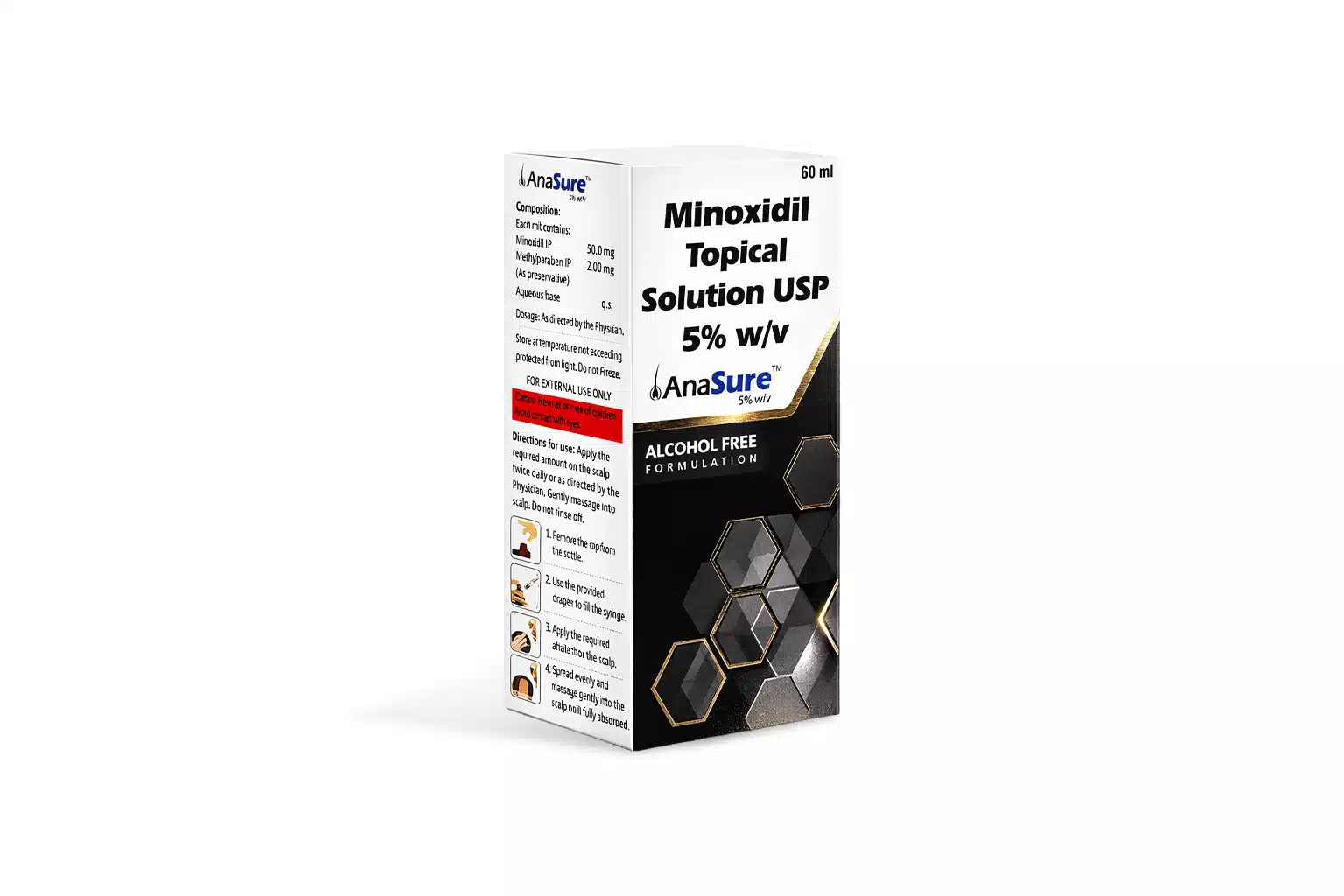
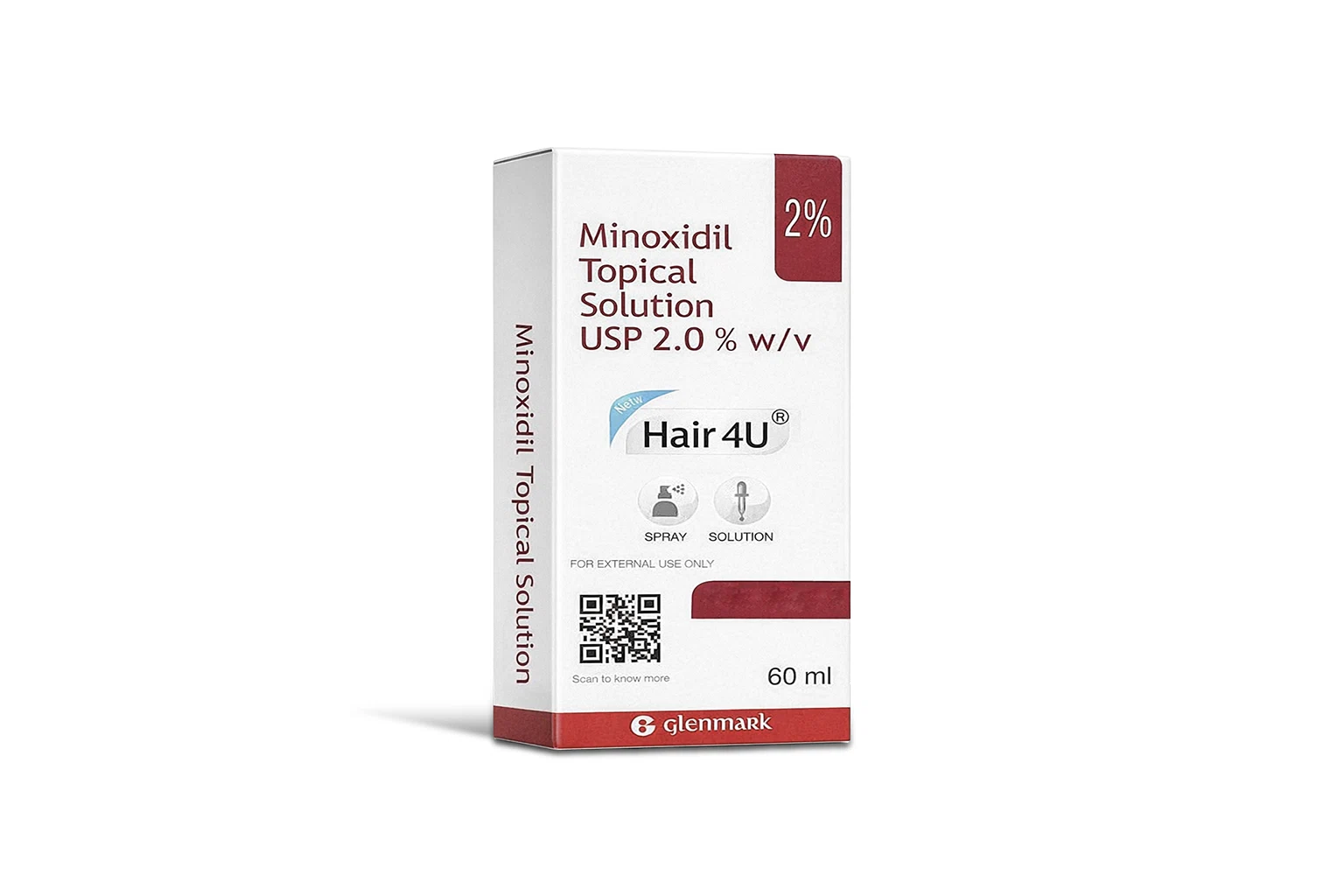
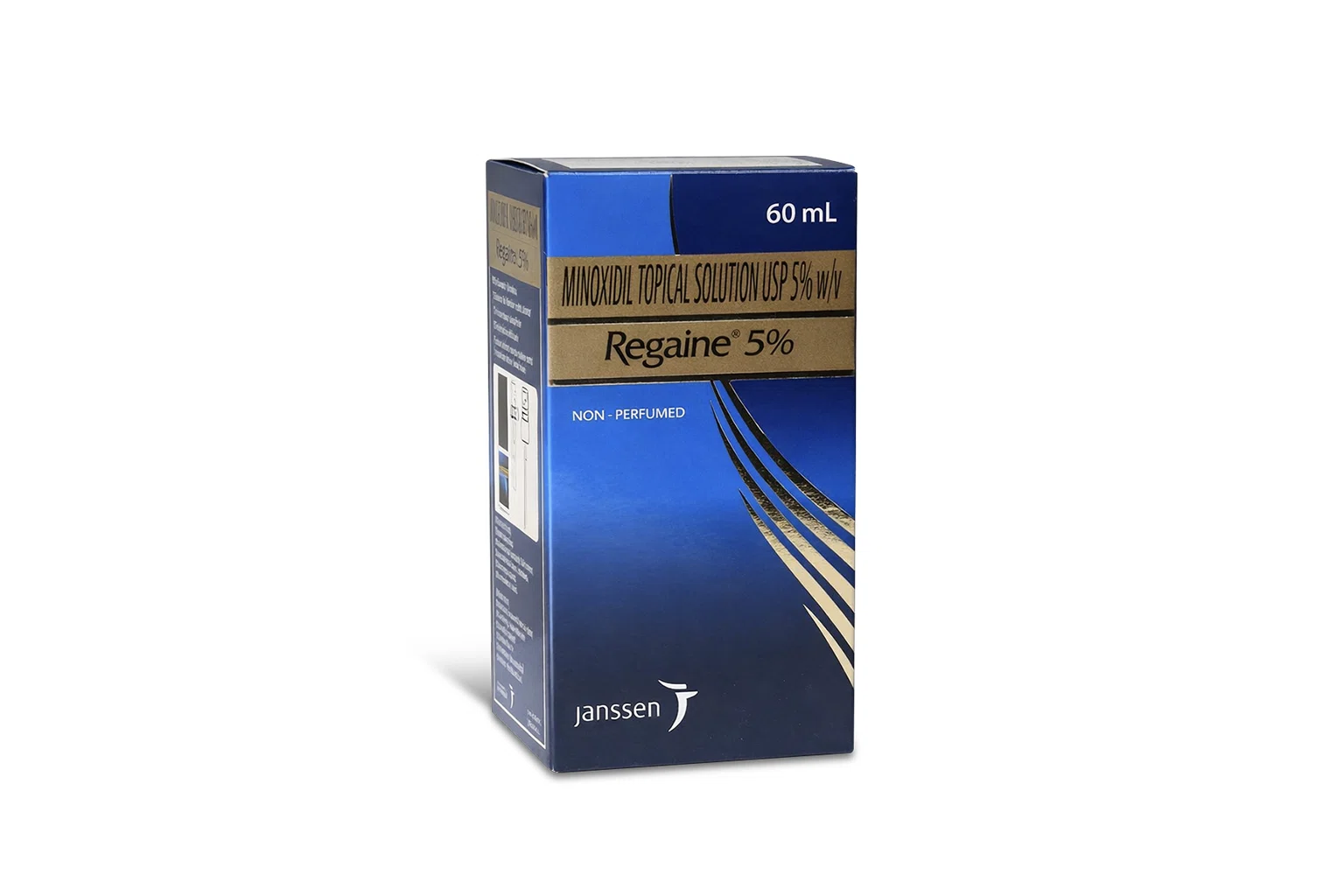
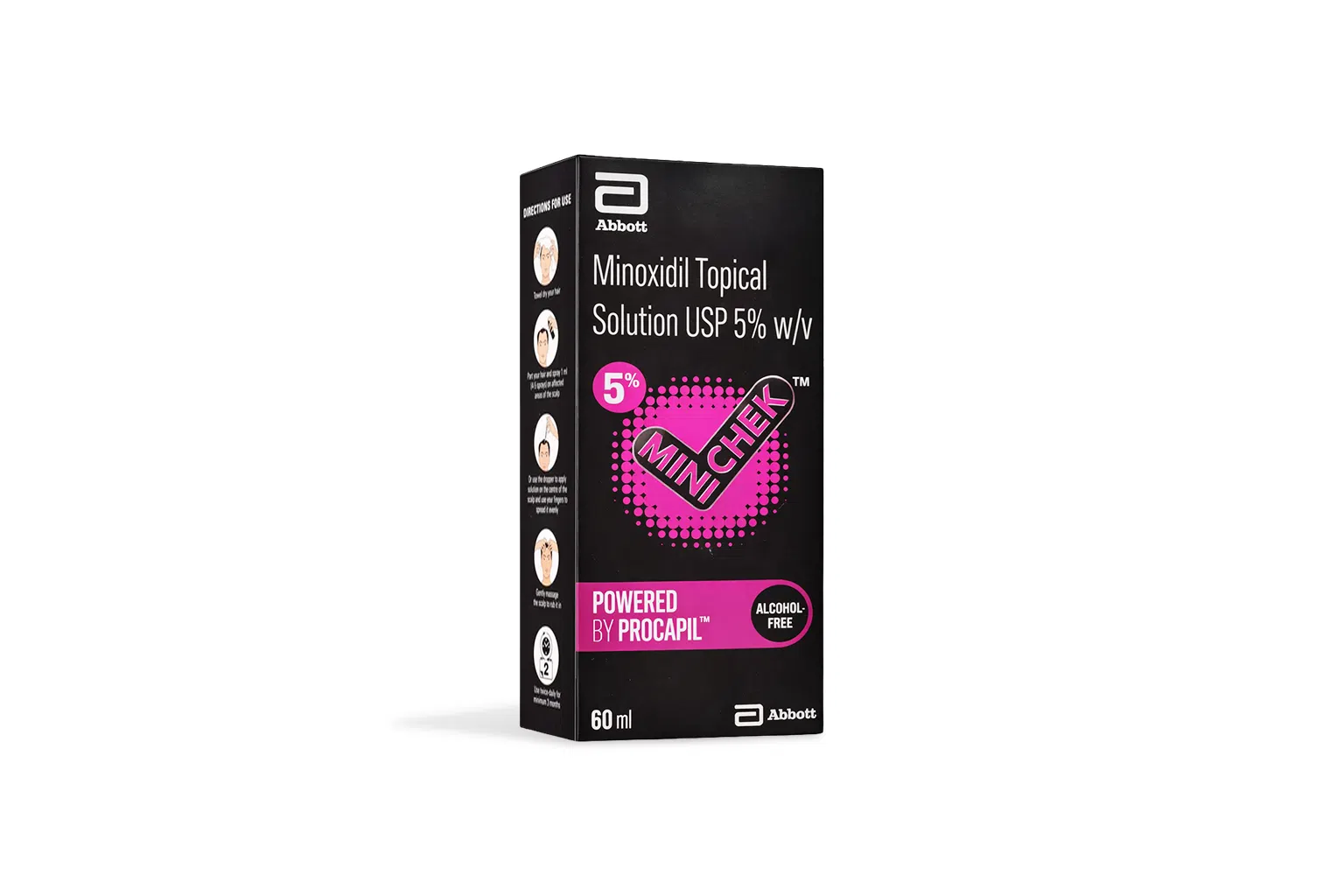
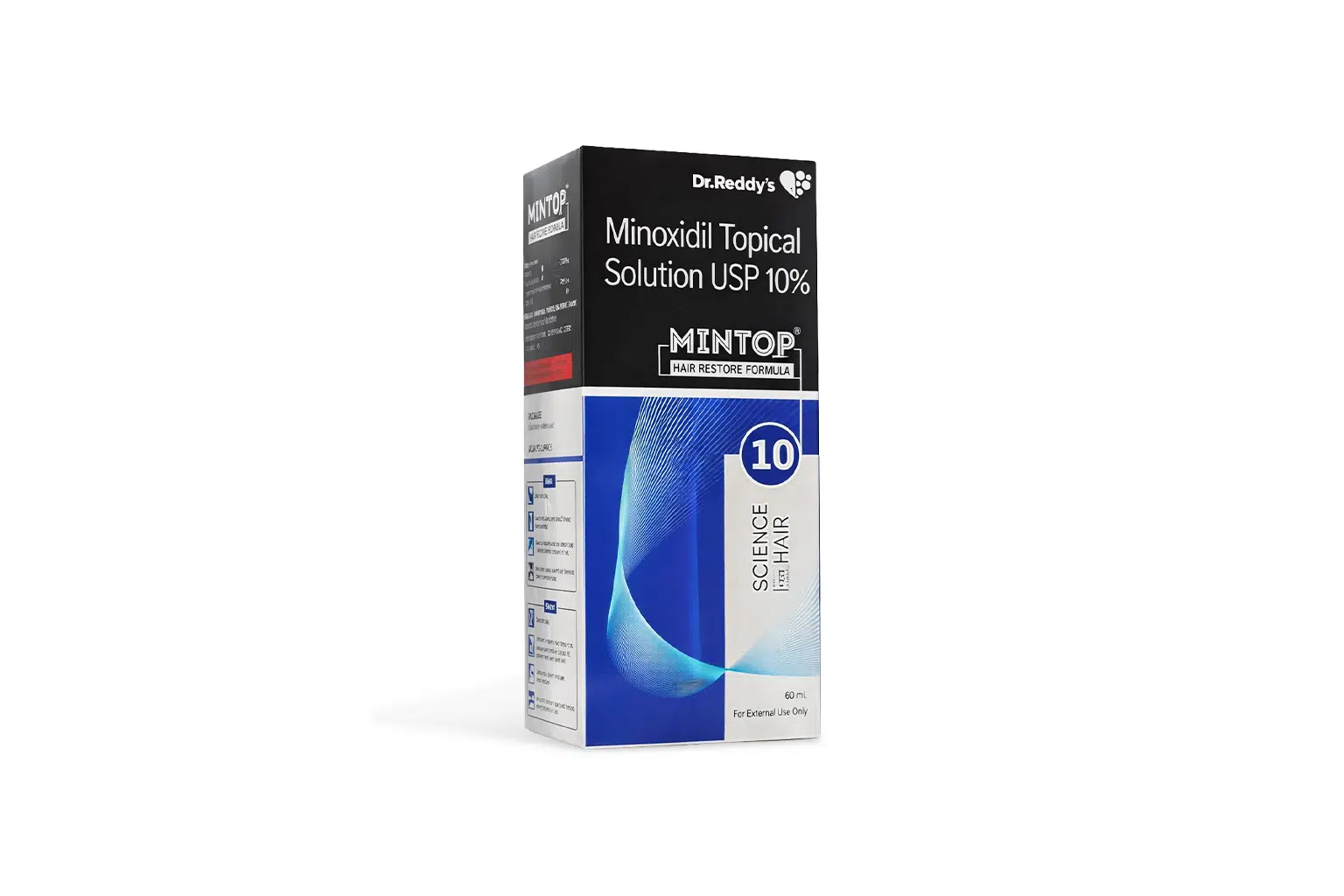
Rogaine Men’s hair regrowth treatment is a topical solution that contains minoxidil, a vasodilator that widens blood vessels near the hair follicles and promotes hair growth in men and women. It’s popularly used for male pattern baldness.
Minoxidil, as mentioned above, increases the flow of blood to the hair follicles. It extends the anagen phase, i.e., the growth phase of the hair cycle. This is the only phase where our hair sees any growth; other phases are all either resting or shedding phases. Minoxidil also stimulates the follicles, which eventually leads to thicker strands of hair.
Unlike other treatments that may target hormones. Rogaine Men’s hair regrowth treatment works a little differently. It directly targets the scalp and doesn’t block DHT. The solution just creates a better environment for hair growth.
As for when BPH is concerned, Rogaine doesn’t work there. BPH requires hormonal intervention to an extent, and Rogaine doesn’t do that. So, if you’re dealing with BPH and hair loss, Rogaine can only address the hair loss side of the equation. While there are medications available to deal with both BPH and hair loss, this isn’t really one of them.
Why is Rogaine still part of the conversation?
While Rogaine doesn’t necessarily treat prostate issues, it’s still ever-present in the conversations around them, and the main reason is how compatible it is with treatments.
Men are recommended different kinds of medications that target the DHT levels and help with hair loss as well, but the problem arises when not everyone’s body feels suited to these medications. Not everyone is able to tolerate them.
This is where Rogaine Men’s hair regrowth treatment becomes useful. It can be used along with DHT medications; it can regrow hair with a non-hormonal approach, which is preferred a lot by most people; and it can be used by men who cannot take DHT blockers.
This is why it’s such an important asset in the process of treating BPH and hair loss and not just a standalone solution.
What results can you expect from Rogaine?
When the Rogaine Men’s treatment is used consistently, one can see some significant results with their hair loss. The timeline usually goes like this.
- Initial shedding: You may experience an initial shedding of hair in the first 2-8 weeks as the follicles reset and old hair is pushed out by new hair.
- One can see a visible improvement in their hair loss in the next 3-6 months after first use.
- Rogaine works the best for areas like the crown and top of the scalp with the hair thickness restored and no signs of lost hair.
While Rogaine is pretty effective, the effects can vary for different people. Some may experience an extreme regrowth, while in some cases it may only slow down the process of hair loss.
This consistency factor becomes very essential when one is managing long-term concerns like BPH and hair loss.
Side effects
Like every medication, Rogaine has a few mild and tolerable side effects too that one can deal with. Some of them are:
- Scalp irritation like itching and dryness
- Temporary increase in hair shedding, only in the initial phase
- Hair growth in other areas, for example, facial hair growth. This is not that common but can happen
- Dizziness or palpitation, these are very rare
If you are already dealing with BPH and hair loss, it’s important to make note of a few things:
- Avoid applying the solution on broken or inflamed skin
- Always make sure to apply the recommended dosage
- Get immediate medical assistance if any unusual symptoms appear
Practical tips for best results
If you’re considering Rogaine Men’s hair regrowth treatment as part of managing BPH and hair loss, keep these tips in mind:
If you’re considering using Rogaine Men’s hair regrowth treatment as part of your regimen of treating BPH and hair loss, then it’s helpful to keep these tips in mind:
- Apply the medication on a clean and dry scalp
- Use once a day, and consistently
- Avoid washing your hair immediately after applying it
Consistency is what sets apart those who see results from those who don’t.
Final Thoughts
So, at the end of the conversation, is Rogaine useful in treating BPH and hair loss?
While Rogaine is highly effective for hair loss, it does not work for BPH.
However, in the broader context of BPH and hair loss, it does play a huge role. It’s a non-hormonal medication, works well with other BPH medications, and helps those who cannot tolerate DHT blockers. These factors make it a very safe and effective option
So while it’s not a dual-purpose treatment, it still manages to keep its position as an important treatment method that can be used in combination with other medications to treat BPH and hair loss.