
Diabetic retinopathy (DR) is one of the most common microvascular complications of diabetes and a leading cause of vision loss in working-age adults worldwide. The short answer to the question “Can diabetic retinopathy be reversed?” is: not completely in the sense of restoring every damaged retinal cell to a pre-disease state, but many aspects of the disease can be halted, improved, or even show meaningful regression with modern therapies and tight systemic control. This post explains what “reversal” can realistically mean, how current eye treatments and systemic care play complementary roles, and what patients can do to protect vision.

What is diabetic retinopathy?
Diabetic retinopathy results from damage to the small blood vessels in the retina caused by chronic high blood sugar. It progresses through stages:
- Mild–moderate non-proliferative DR (NPDR): microaneurysms, dot-blot hemorrhages, retinal swelling.
- Severe NPDR → Proliferative DR (PDR): ischemia stimulates growth of fragile new blood vessels (neovascularization) that can bleed, scar, and cause tractional retinal detachment.
- Diabetic macular edema (DME): fluid accumulation in the central retina (macula) that reduces central vision.
The severity at the time of diagnosis, how well diabetes and other conditions are controlled, and how promptly treatment is started all affect outcomes. Regular retinal screening is essential because early stages are often symptomless.
(For treatment reviews and natural history of DR, see the clinical literature.)
What reversal actually means in DR
“Reversal” can be interpreted differently:
- Complete cellular reversal: restoring all previously damaged retinal cells and microvasculature to their original healthy state. This is not currently achievable.
- Clinical regression: measurable improvement on retinal exam or imaging (improved DR severity score, reduced retinal hemorrhages, decreased macular thickness).
- Functional improvement: improvement of visual acuity or symptoms after treatment.
- Arrest of progression: stopping further damage so that vision is preserved.
Modern therapies and systemic control can produce clinical regression and functional improvement in many patients and can halt or significantly slow progression, outcomes that most clinicians and patients would consider meaningful “reversal” in a practical sense. Several randomized trials and real-world studies show that anti-VEGF therapy and other treatments can improve diabetic retinopathy severity scores and vision.
Treatments that can produce regression or improvement
1. Anti-VEGF intravitreal injections
Anti-VEGF (vascular endothelial growth factor) agents such as ranibizumab, aflibercept, and bevacizumab are injected directly into the vitreous cavity of the eye. They reduce abnormal vessel leakage and neovascularization and are the mainstay for diabetic macular edema and increasingly for moderate-to-severe NPDR and PDR to reduce vision-threatening changes.
- Clinical trials and long-term data show improvements in retinopathy severity (measured by DR severity scales) after repeated anti-VEGF therapy; many patients show regression of neovascularization and reduced macular edema.
If your ophthalmologist mentions Accentrix or similar agents, they are referring to this anti-VEGF approach. (Always follow local product labels and specialist advice.)
2. Panretinal photocoagulation
Laser photocoagulation has been the traditional therapy for PDR for decades. It doesn’t “cure” DR, but it reduces the risk of severe vision loss by causing regression of neovascularization and preventing hemorrhagic complications. In many eyes, lasers can produce durable stabilization and regression of proliferative disease.
3. Vitrectomy surgery
For eyes with vitreous hemorrhage or tractional retinal detachment, vitrectomy (surgical removal of the vitreous gel and scar tissue) can restore or stabilize vision when non-surgical therapy is insufficient.
4. Steroid therapies
Sustained-release corticosteroid implants can reduce macular edema in some patients, especially where anti-VEGF is contraindicated or less effective. They come with an extra risk of cataract progression and raised intraocular pressure.
Role of systemic control
Even the most advanced ocular therapy works best when blood glucose, blood pressure, and lipids are controlled. The classic diabetes trials (DCCT in type 1 diabetes and UKPDS in type 2) and many subsequent studies show that intensive glycemic control reduces the risk and slows progression of diabetic retinopathy. Modern diabetes technologies (CGM, insulin pumps), individualized glycemic targets, BP control, and lipid management all lower the risk of vision-threatening complications. This connection is why “glycemic control and retina health” is a critical pairing for clinicians and patients.
Importantly, rapid improvement of blood glucose in long-standing poorly controlled diabetes can sometimes lead to a transient worsening of retinopathy (a recognized phenomenon). That’s why retinal monitoring is advised when major glucose reductions are planned so treatment can be adjusted if necessary.
Eye Care
-

Bimat 0.03% w/v
Eye Drops$12.24 – $60.98Price range: $12.24 through $60.98Rated 5.00 out of 5Shop Now This product has multiple variants. The options may be chosen on the product page -
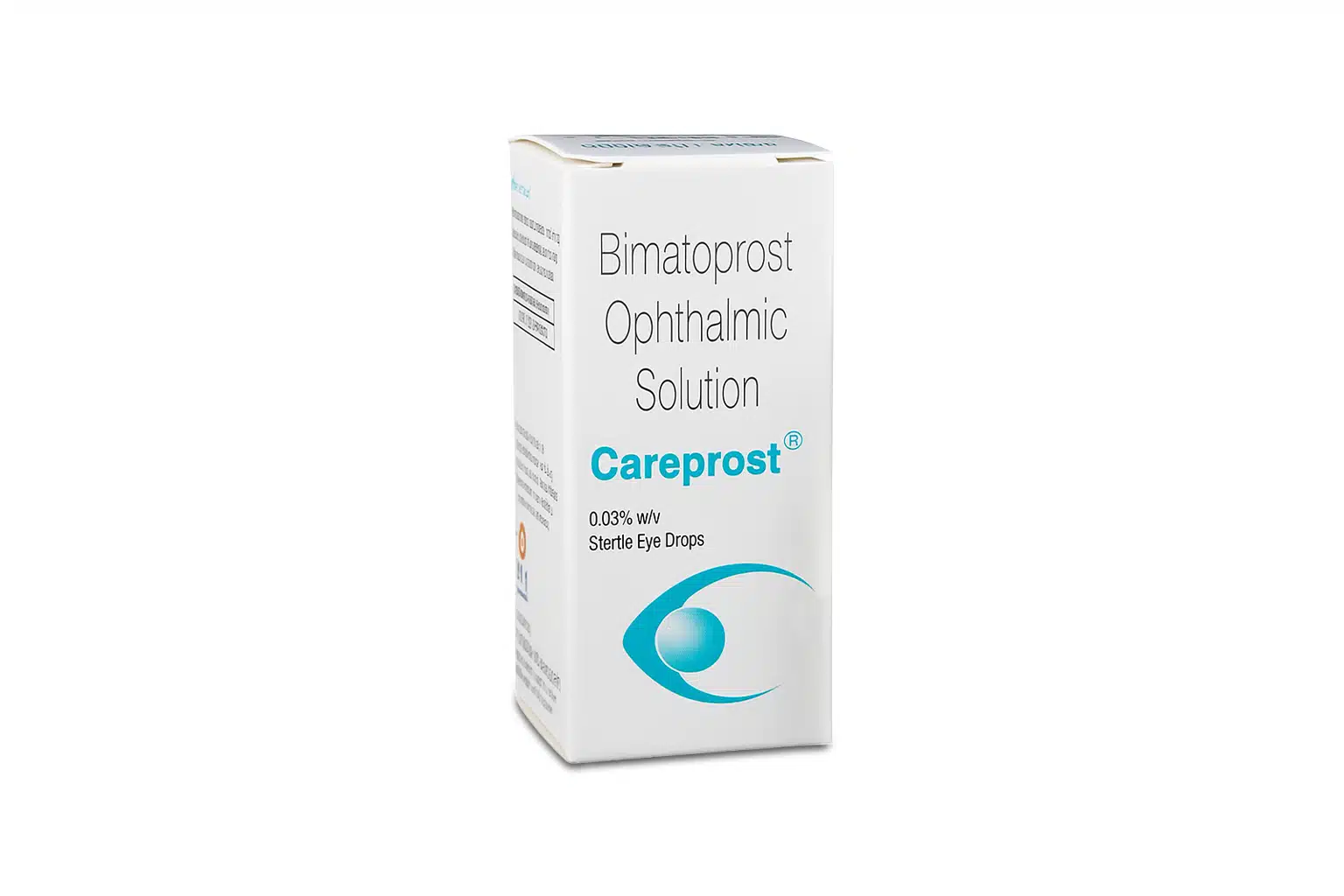
Careprost 3 ml. of 0.03%
Eye Drops$18.41 – $105.77Price range: $18.41 through $105.77Rated 4.00 out of 5Shop Now This product has multiple variants. The options may be chosen on the product page -

Dorzox Eye Drop 2% (5 ml) Eye Drop
Eye Drops$8.90 – $47.75Price range: $8.90 through $47.75Rated 4.00 out of 5Shop Now This product has multiple variants. The options may be chosen on the product page -
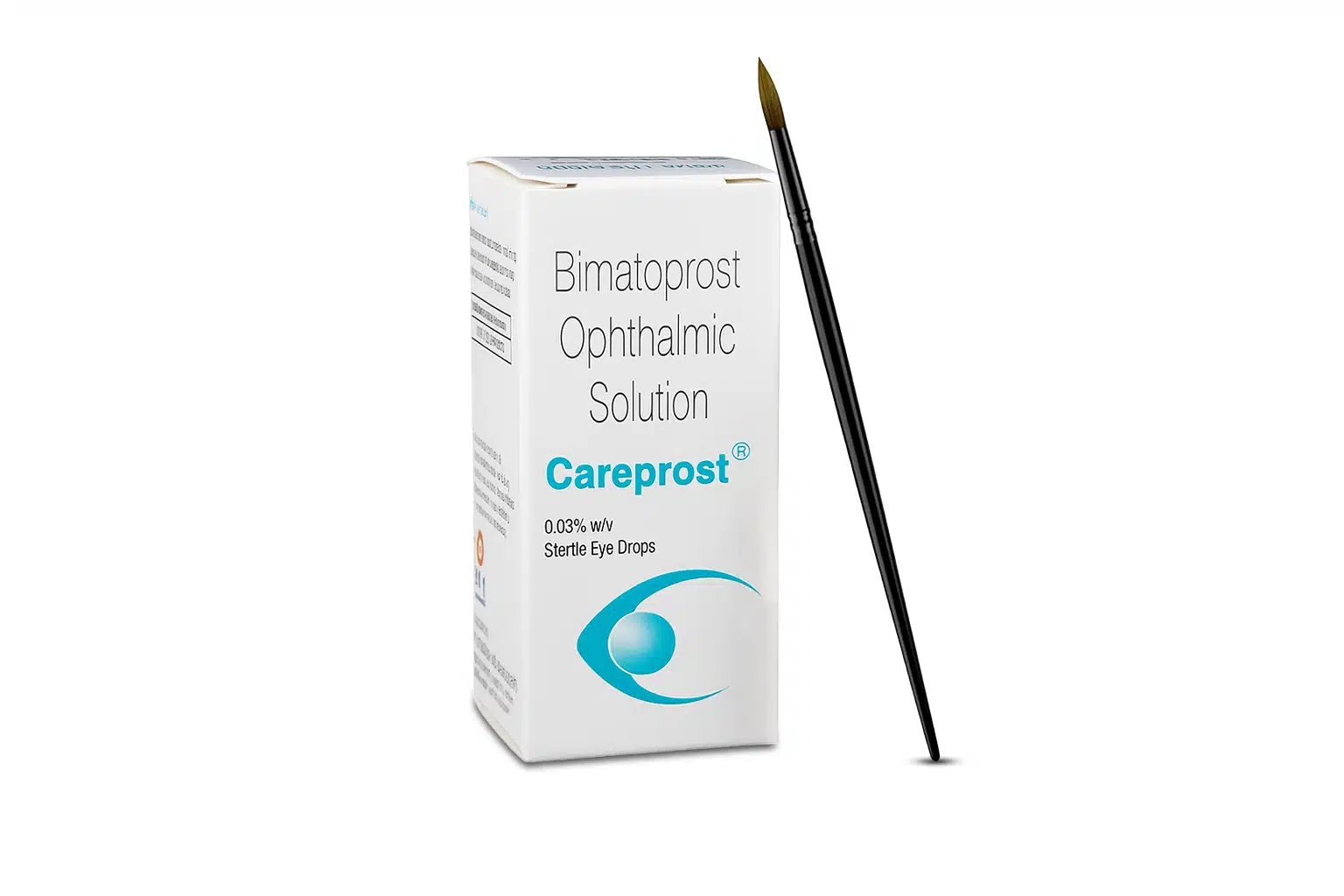
Careprost (With Brush) 3ml 0.03%
Eye Drops$51.50 – $156.20Price range: $51.50 through $156.20Rated 5.00 out of 5Shop Now This product has multiple variants. The options may be chosen on the product page -
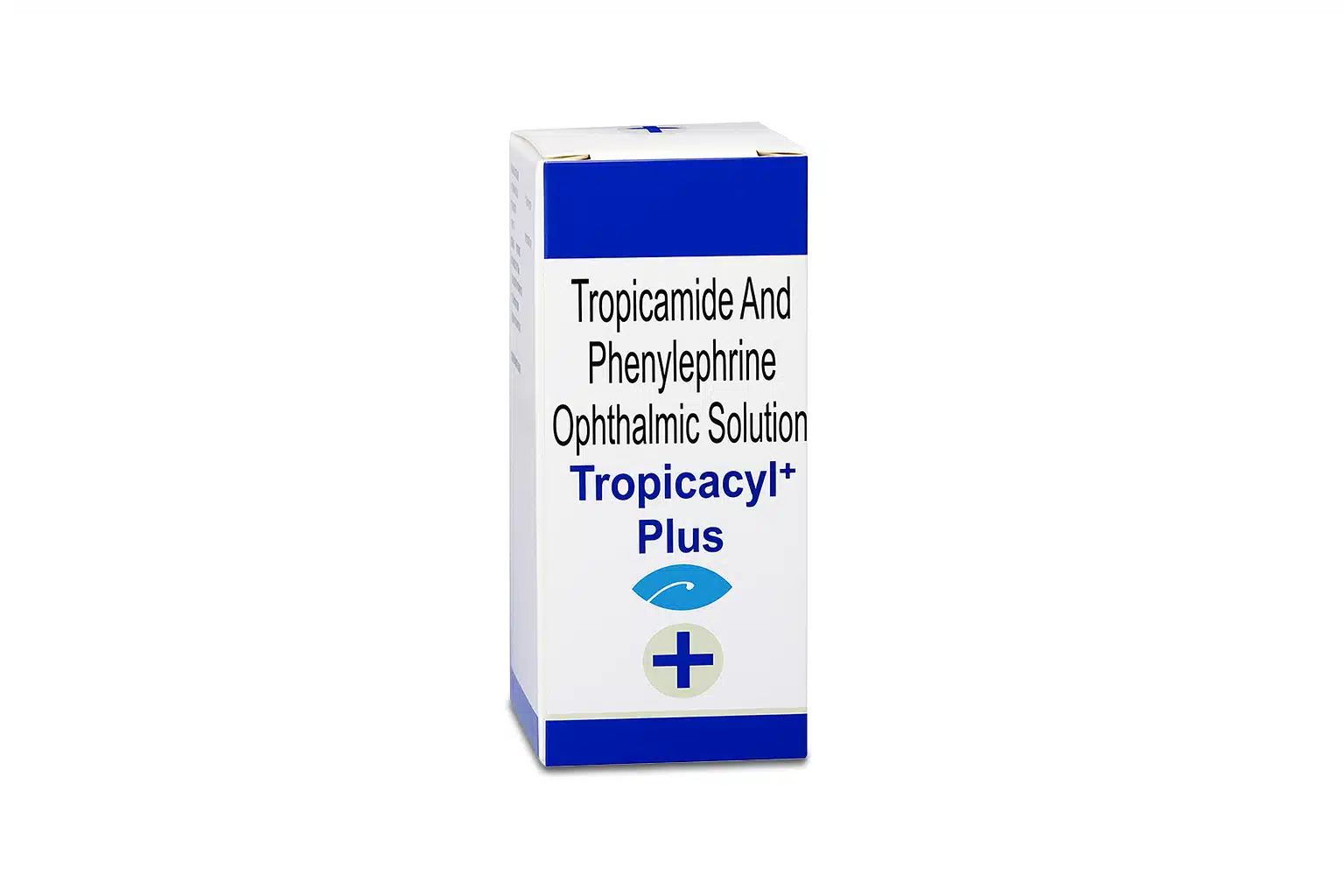
Tropicacyl Plus 3 ml
Eye Drops$2.90 – $15.21Price range: $2.90 through $15.21Rated 4.00 out of 5Shop Now This product has multiple variants. The options may be chosen on the product page -
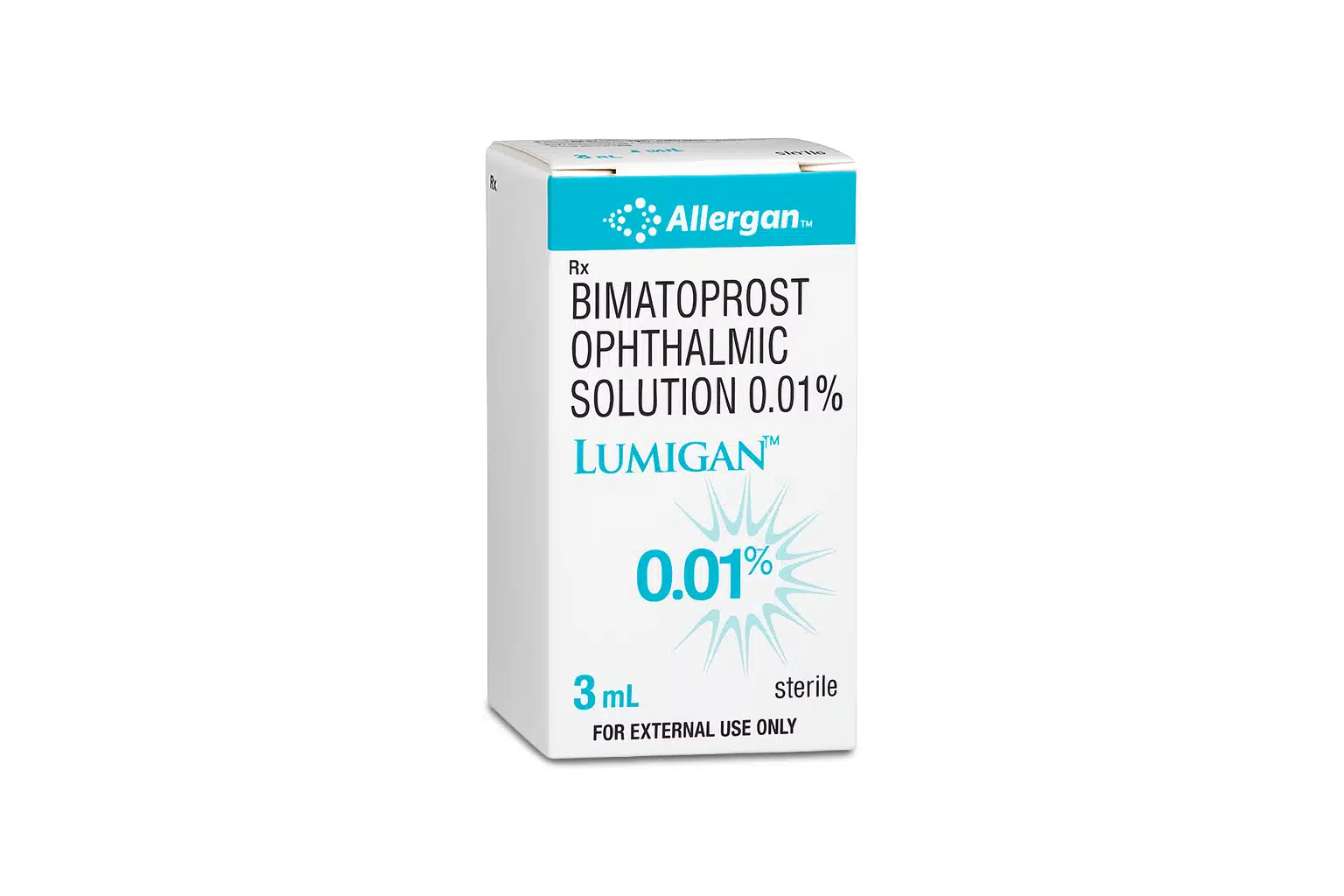
Lumigan 3 ml (0.01%)
Eye Drops$54.15 – $322.56Price range: $54.15 through $322.56Rated 5.00 out of 5Shop Now This product has multiple variants. The options may be chosen on the product page -

Vigamox 5 ml
Eye Drops$24.20 – $72.30Price range: $24.20 through $72.30Rated 4.00 out of 5Shop Now This product has multiple variants. The options may be chosen on the product page -

Latoprost Eye Drop
Eye Drops$48.45 – $288.00Price range: $48.45 through $288.00Rated 0 out of 5Shop Now This product has multiple variants. The options may be chosen on the product page -
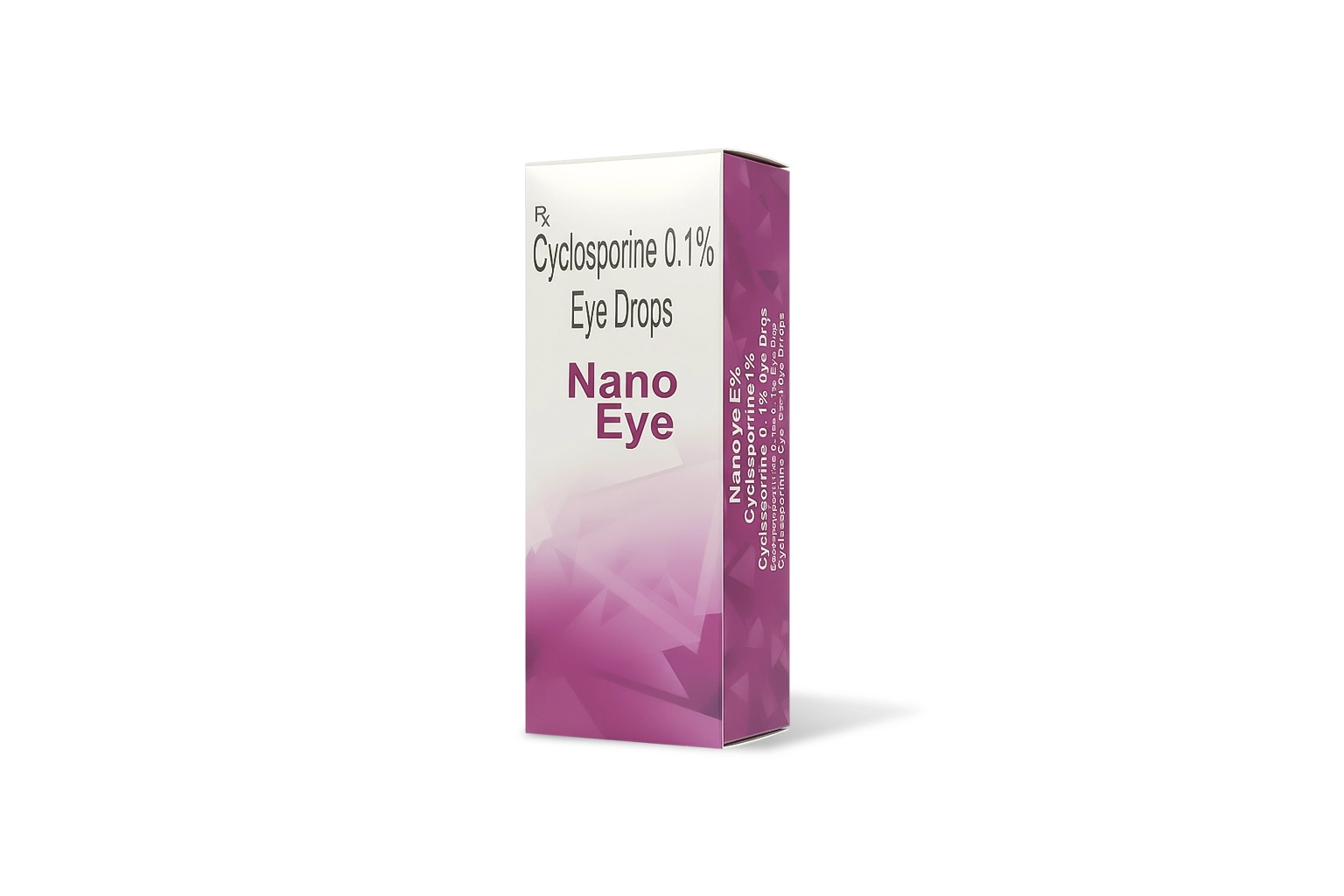
Nano Tears 0.1% 3 ml
Eye Drops$34.20 – $201.60Price range: $34.20 through $201.60Rated 0 out of 5Shop Now This product has multiple variants. The options may be chosen on the product page -
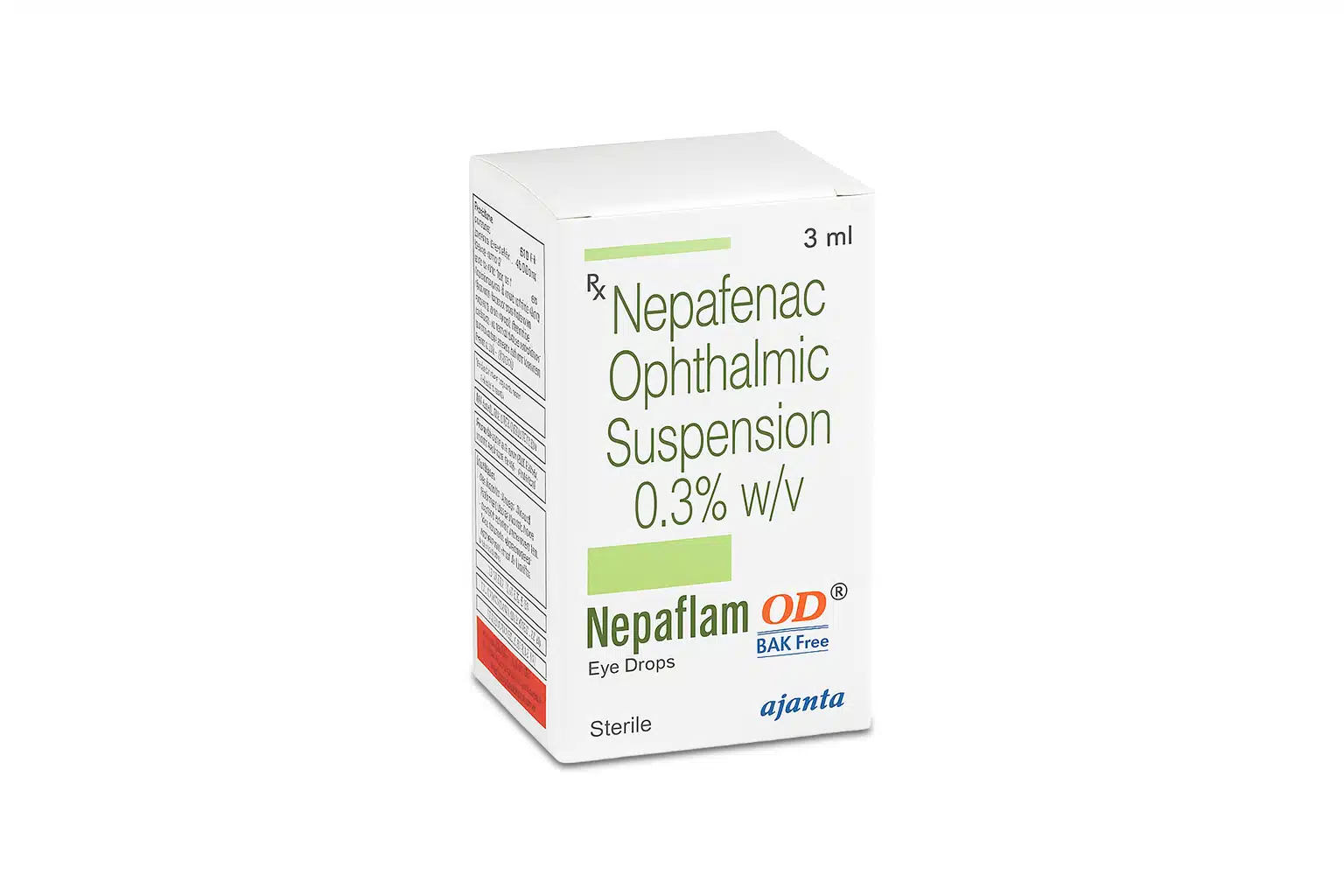
Nepaflam OD 3 ml
Eye Drops$20.40 – $61.10Price range: $20.40 through $61.10Rated 0 out of 5Shop Now This product has multiple variants. The options may be chosen on the product page -

Dorzox T 5 ml Eye Drop
Eye Drops$12.05 – $64.66Price range: $12.05 through $64.66Rated 4.00 out of 5Shop Now This product has multiple variants. The options may be chosen on the product page -
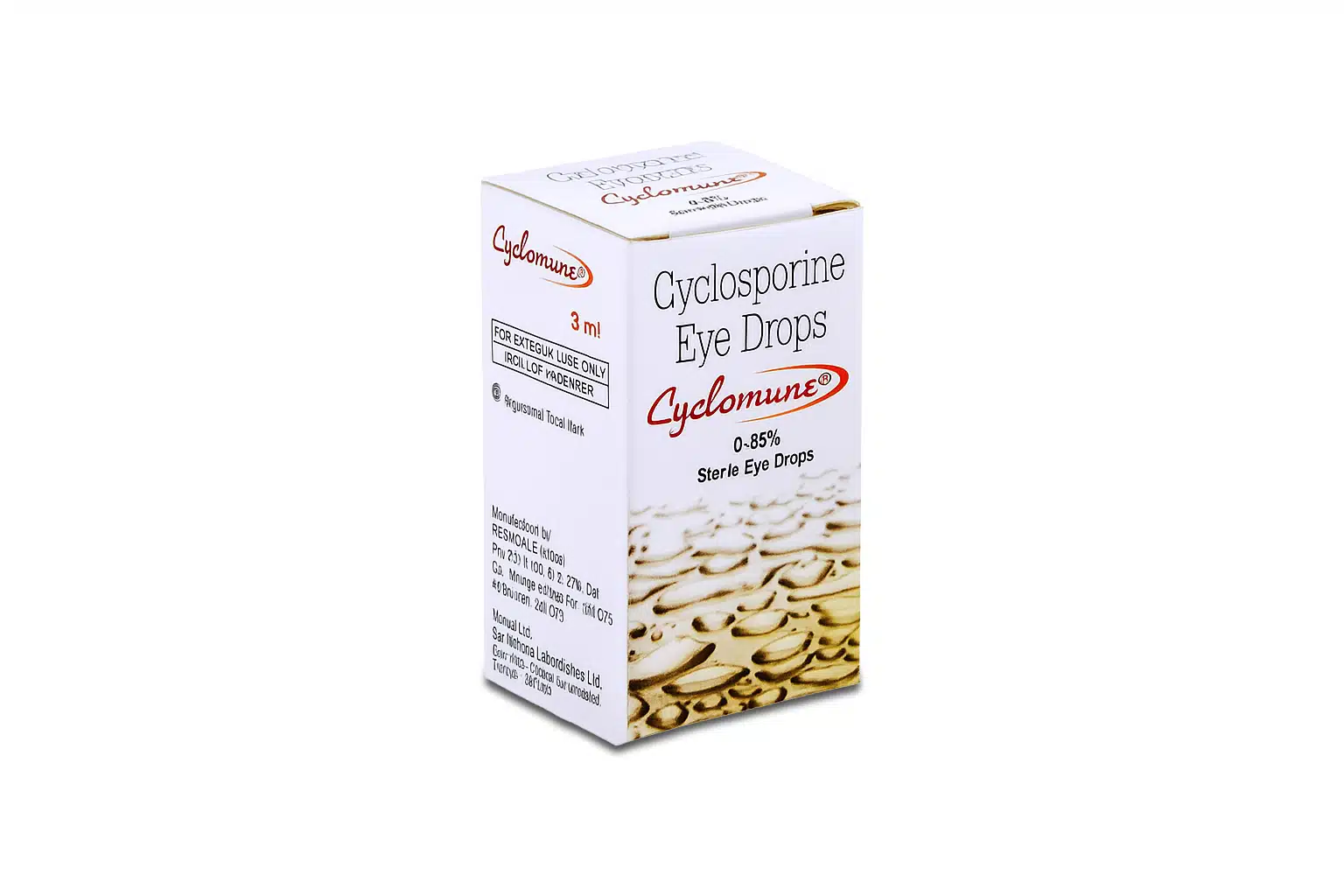
Cyclomune 0.05%
Eye Drops$9.74 – $48.02Price range: $9.74 through $48.02Rated 4.00 out of 5Shop Now This product has multiple variants. The options may be chosen on the product page -

Ganfort Eye Drop
Eye Drops$32.47 – $82.50Price range: $32.47 through $82.50Rated 4.00 out of 5Shop Now This product has multiple variants. The options may be chosen on the product page -
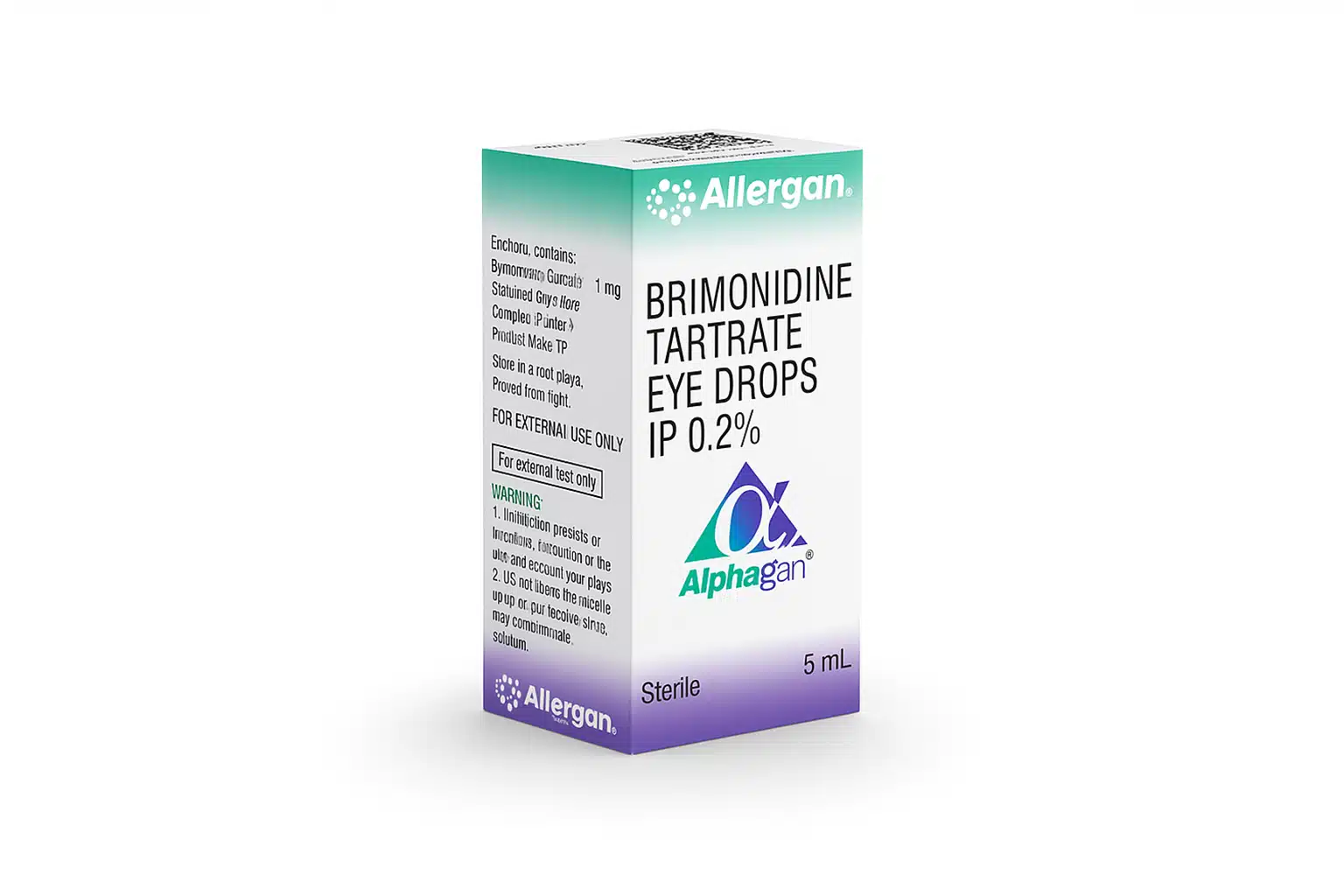
Alphagan 0.20% Eye Drop
Eye Drops$35.41 – $101.91Price range: $35.41 through $101.91Rated 4.00 out of 5Shop Now This product has multiple variants. The options may be chosen on the product page
Evidence that disease can regress
A growing body of evidence shows measurable regression in retinopathy severity and macular thickness with therapy:
- Trials comparing anti-VEGF agents for diabetic macular edema and proliferative disease documented improvements in DR severity scores and reduced progression to vision-threatening stages. Patients receiving ranibizumab or aflibercept often show two-step or greater improvements on standardized scales compared to sham treatment.
- Observational and trial data also demonstrate that timely anti-VEGF injections can cause neovascular regression and reduce the need for panretinal laser in many eyes; that is, the retina’s appearance and function can improve with therapy.
- Intensive glycemic control in trial settings has reduced microvascular complications and, in some cases, led to improved retinal outcomes. However, the methods used in trials (very tight control with intensive monitoring) are hard to replicate in routine practice, and benefits must be balanced against risks like hypoglycemia.
So, while a complete cellular “reset” is unrealistic with current tools, clinical and functional reversal, meaning fewer hemorrhages, reduced edema, regression of neovascularization, and better vision, is achievable for many patients with the right combination of ocular therapy and systemic management.
How doctors decide which treatment to use
Retina specialists use findings from retinal imaging (fundus photos, optical coherence tomography/OCT, fluorescein angiography), the DR stage, presence of macular edema, visual acuity, and systemic factors to craft a plan:
- DME with vision loss: Anti-VEGF injections are typically first-line.
- Severe NPDR or early PDR without macular edema: Many specialists now consider anti-VEGF therapy to reduce progression, although laser may still be used.
- Established PDR with vitreous hemorrhage or traction: Vitrectomy or combined approaches may be necessary.
- Poor response to one anti-VEGF: Switching agents or combining therapies is common in real-world practice.
Suppose your ophthalmologist prescribes an anti-VEGF agent such as Accentrix Solution for Injection. In that case, they believe VEGF-driven leakage or neovascularization is a major contributor to your eye disease and that injections can meaningfully improve outcomes.
Practical steps patients can take right now
- Screen regularly. Annual (or more frequent) retinal exams, as recommended by your eye doctor, catch problems early.
- Optimize glycemic control. Work with your diabetes team. The phrase “glycemic control and retina health” isn’t just a slogan; better long-term control lowers microvascular risk. Use CGM or frequent monitoring if recommended.
- Control blood pressure and lipids. Treating hypertension and dyslipidemia reduces retinopathy progression.
- Follow the ophthalmologist’s plan. If injections, laser, or surgery are recommended, timely treatment gives the best chance of stabilization or improvement.
- Report vision changes immediately. Sudden floaters, flashes, curtain-like vision loss, or rapid blurring require urgent assessment.
- Lifestyle basics. Smoking cessation, regular exercise, and a balanced diet support vascular health.
Risks, limitations, and realistic expectations
- Some retinal damage (e.g., extensive photoreceptor loss or long-standing ischemia) may not recover even after optimal treatment.
- Anti-VEGF injections require multiple visits and sometimes long-term dosing; not every patient achieves full anatomic or visual recovery.
- Poor systemic control, late presentation, and comorbidities (kidney disease, uncontrolled hypertension) limit the chance of reversal.
- New therapies and protocols are improving outcomes, but there is no universal cure at a cellular level today.
Emerging areas and hope for the future
Research continues into longer-acting anti-VEGF formulations, sustained-release implants, molecules targeting other pathways, and regenerative approaches. Gene therapy and novel biologics are under investigation and may expand our ability to restore retinal structure and function in future decades. Meanwhile, combining systemic advances in diabetes care with ophthalmic innovations is the most promising route to reduce the global burden of vision loss.
Bottom line
- Complete cellular reversal of diabetic retinopathy is not currently possible, but meaningful clinical regression and functional improvement are achievable for many patients.
- Anti-VEGF therapies (including products marketed under names such as Accentrix Solution for Injection, where available) have changed outcomes, allowing regression of neovascularization and improved macular anatomy and vision in many cases.
- In systemic diabetes management, the partnership between “glycemic control and retina health” remains essential. Good blood sugar, blood pressure, and lipid control reduce risk and improve the effectiveness of ocular treatments.
If you or a loved one is living with diabetic retinopathy, the most important actions are prompt specialist assessment, adherence to treatment, regular retinal monitoring, and optimized systemic diabetes care. Talk to your retina specialist about whether an anti-VEGF regimen (such as Accentrix, where indicated), laser, or surgery is appropriate for your eye, and involve your diabetologist/endocrinologist to align systemic targets with ocular monitoring.
FAQ's
1. Can Accentrix Solution for Injection “cure” diabetic retinopathy?
Accentrix (ranibizumab-containing preparations in some markets) is an anti-VEGF therapy that can reduce macular edema, cause regression of abnormal vessels, and improve vision in many patients. It’s not a universal cure that reverses every form of retinal damage, but it is an important and effective tool that often produces measurable disease regression and functional improvement when used appropriately. Discuss the expected outcomes and treatment schedule with your retina specialist.
2. If I normalize my blood sugar, will my retinopathy go away?
Tight and sustained glycemic control reduces the risk of retinopathy progression and may improve some retinal changes over time, but normalizing blood sugar rarely makes all prior retinal damage disappear. Also, rapid glucose lowering in someone with long-standing poor control can sometimes transiently worsen retinopathy, so coordinate glucose changes with your care team and ophthalmologist.
3. How often will I need injections?
Frequency varies; initial monthly or bimonthly injections are common, then intervals may be extended depending on response. Some patients require long-term injections; others can reduce frequency or switch to laser or observation when stable. Your retina specialist will tailor the plan.
4. Are there side effects to intravitreal injections like Accentrix?
Injections are generally safe but carry small risks: eye infection (endophthalmitis), increased intraocular pressure, cataract progression, retinal detachment, and transient discomfort. Clinics follow strict sterile protocols to minimize risks. Discuss safety and monitoring with your doctor.
5. What is the role of laser now that anti-VEGF exists?
Laser still has an important role, especially in advanced proliferative disease or when injections are not available/feasible. Many modern strategies combine treatments depending on the individual’s eyes and responses
References
- NEJM: Aflibercept, Bevacizumab, or Ranibizumab for Diabetic Macular Edema. (Randomized comparisons and outcomes with anti-VEGF agents.) New England Journal of Medicine
- Wykoff C.C., et al. Ranibizumab Induces Regression of Diabetic Retinopathy. Studies showing DR severity improvement with ranibizumab. ScienceDirect
- MDPI review: Update on the Management of Diabetic Retinopathy: Anti-VEGF and other therapeutic advances (2023). MDPI
- Tecce N., et al. Exploring the Impact of Glycemic Control on Diabetic Retinopathy overview of glycemic technologies and microvascular outcomes. PMC