
If you’ve ever experienced the persistent discomfort of dry, gritty eyes that feel like sandpaper, you understand how significantly this condition can impact daily life. From struggling to read on a computer screen to dealing with constant irritation and redness, dry eye syndrome affects millions of people worldwide. Fortunately, medical science has developed targeted solutions, and Cyclomune 0.05% eye drop has emerged as a clinically proven option for managing this challenging condition.

Understanding Dry Eye Syndrome
Dry eye syndrome, medically termed keratoconjunctivitis sicca, occurs when your eyes fail to produce adequate tears or when tears evaporate too quickly. This isn’t merely a minor inconvenience—it’s a legitimate medical condition that can significantly diminish quality of life and, if left untreated, potentially damage the eye’s surface.
The symptoms are often unmistakable: persistent dryness, burning or stinging sensations, redness and inflammation, feeling of grittiness or something in your eye, sensitivity to light, blurred vision that improves with blinking, difficulty wearing contact lenses, and eye fatigue, especially after reading or screen time.
Multiple factors contribute to dry eyes, including aging (tear production naturally decreases with age), environmental conditions like wind, smoke, or dry climates, prolonged screen time reducing blink rate, certain medications including antihistamines and blood pressure medications, medical conditions such as diabetes, thyroid disorders, or autoimmune diseases, hormonal changes particularly in women during menopause, and previous eye surgeries like LASIK.
What Makes Cyclomune 0.05% Eye Drop Different
While artificial tears provide temporary relief by adding moisture to the eye’s surface, they don’t address the underlying inflammation that drives chronic dry eye disease. This is where Cyclomune 0.05% eye drop distinguishes itself through its unique mechanism of action.
Cyclomune contains cyclosporine as its active ingredient at a concentration of 0.05%. Cyclosporine belongs to a class of medications called immunosuppressants, originally developed to prevent organ transplant rejection. When formulated for ophthalmic use, however, it works locally in the eye without significant systemic absorption.
The medication targets the inflammatory processes that perpetuate dry eye syndrome. Chronic dry eyes create a vicious cycle: insufficient tears lead to eye surface damage, which triggers inflammation, which further reduces tear production. Cyclomune breaks this cycle by modulating the immune response in the eye’s tissues.
Specifically, cyclosporine inhibits the activation and proliferation of T-cells—white blood cells that play a central role in inflammation. By reducing inflammatory activity in the lacrimal (tear) glands and on the ocular surface, Cyclomune allows the eyes to naturally produce more of their own tears. This represents a fundamental treatment approach rather than just symptom management.
Best Seller
-

Cenforce 100 Mg
Best Seller$24.00 – $215.00Price range: $24.00 through $215.00Rated 5.00 out of 5Shop Now This product has multiple variants. The options may be chosen on the product page -
Vidalista 5 Mg
best sellers$18.00 – $182.00Price range: $18.00 through $182.00Rated 4.00 out of 5Shop Now This product has multiple variants. The options may be chosen on the product page -
Vidalista 40 Mg
Best Seller$28.00 – $276.00Price range: $28.00 through $276.00Rated 4.00 out of 5Shop Now This product has multiple variants. The options may be chosen on the product page -

Cenforce 200 Mg
best sellers$31.00 – $335.00Price range: $31.00 through $335.00Rated 4.00 out of 5Shop Now This product has multiple variants. The options may be chosen on the product page -

Cenforce Fm
best sellers$33.00 – $218.00Price range: $33.00 through $218.00Rated 4.00 out of 5Shop Now This product has multiple variants. The options may be chosen on the product page -
Kamagra 100 mg
best sellers$24.00 – $125.00Price range: $24.00 through $125.00Rated 5.00 out of 5Shop Now This product has multiple variants. The options may be chosen on the product page -

Fildena 100 mg
best sellers$24.00 – $244.00Price range: $24.00 through $244.00Rated 4.00 out of 5Shop Now This product has multiple variants. The options may be chosen on the product page -

Malegra Oral Jelly 100 Mg
best sellers$8.00 – $44.00Price range: $8.00 through $44.00Rated 5.00 out of 5Shop Now This product has multiple variants. The options may be chosen on the product page -

Super Kamagra Oral Jelly
best sellers$25.00 – $120.00Price range: $25.00 through $120.00Rated 4.00 out of 5Shop Now This product has multiple variants. The options may be chosen on the product page -
Tadarise Oral Jelly
best sellers$19.00 – $72.00Price range: $19.00 through $72.00Rated 4.00 out of 5Shop Now This product has multiple variants. The options may be chosen on the product page -

Careforce 200 Mg
best sellers$29.00 – $332.00Price range: $29.00 through $332.00Rated 5.00 out of 5Shop Now This product has multiple variants. The options may be chosen on the product page -

Stallegra 100 Mg
best sellers$88.00 – $224.00Price range: $88.00 through $224.00Rated 5.00 out of 5Shop Now This product has multiple variants. The options may be chosen on the product page -
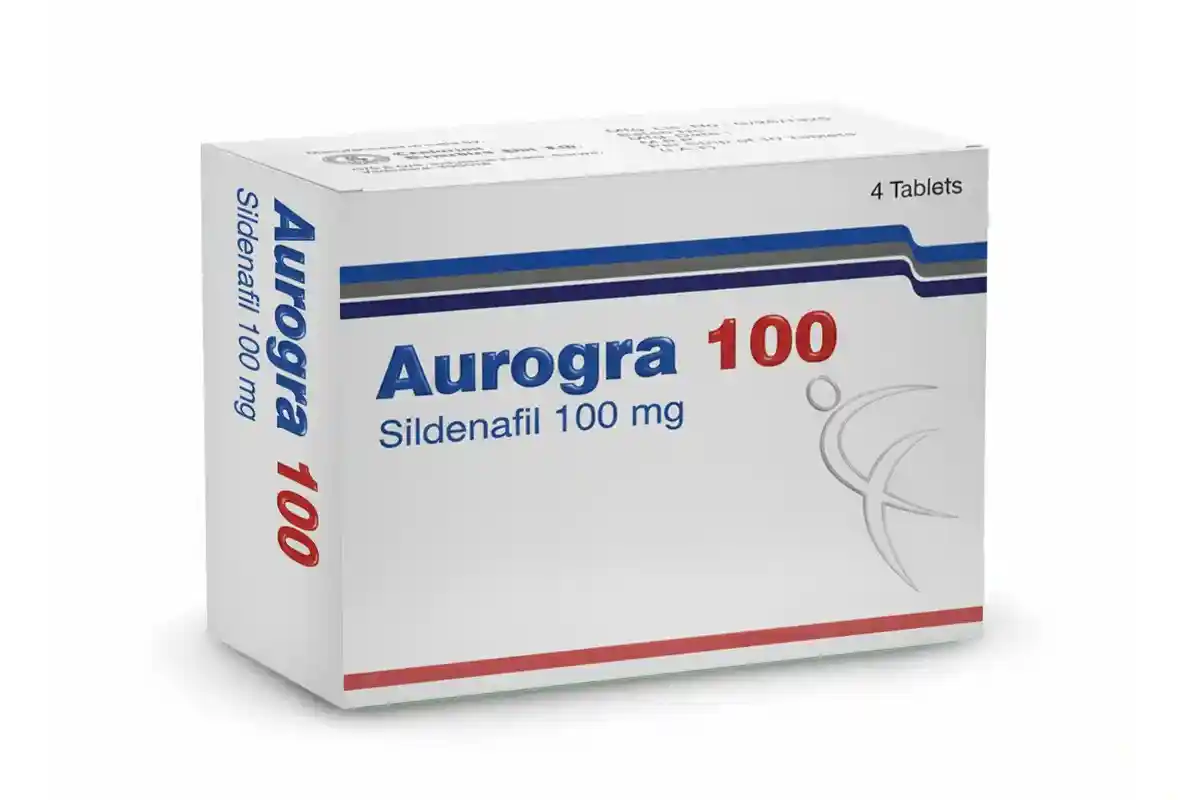 Exclusive
Aurogra 100 Mg
best sellers$29.00 – $76.00Price range: $29.00 through $76.00Rated 4.00 out of 5Shop Now This product has multiple variants. The options may be chosen on the product page -
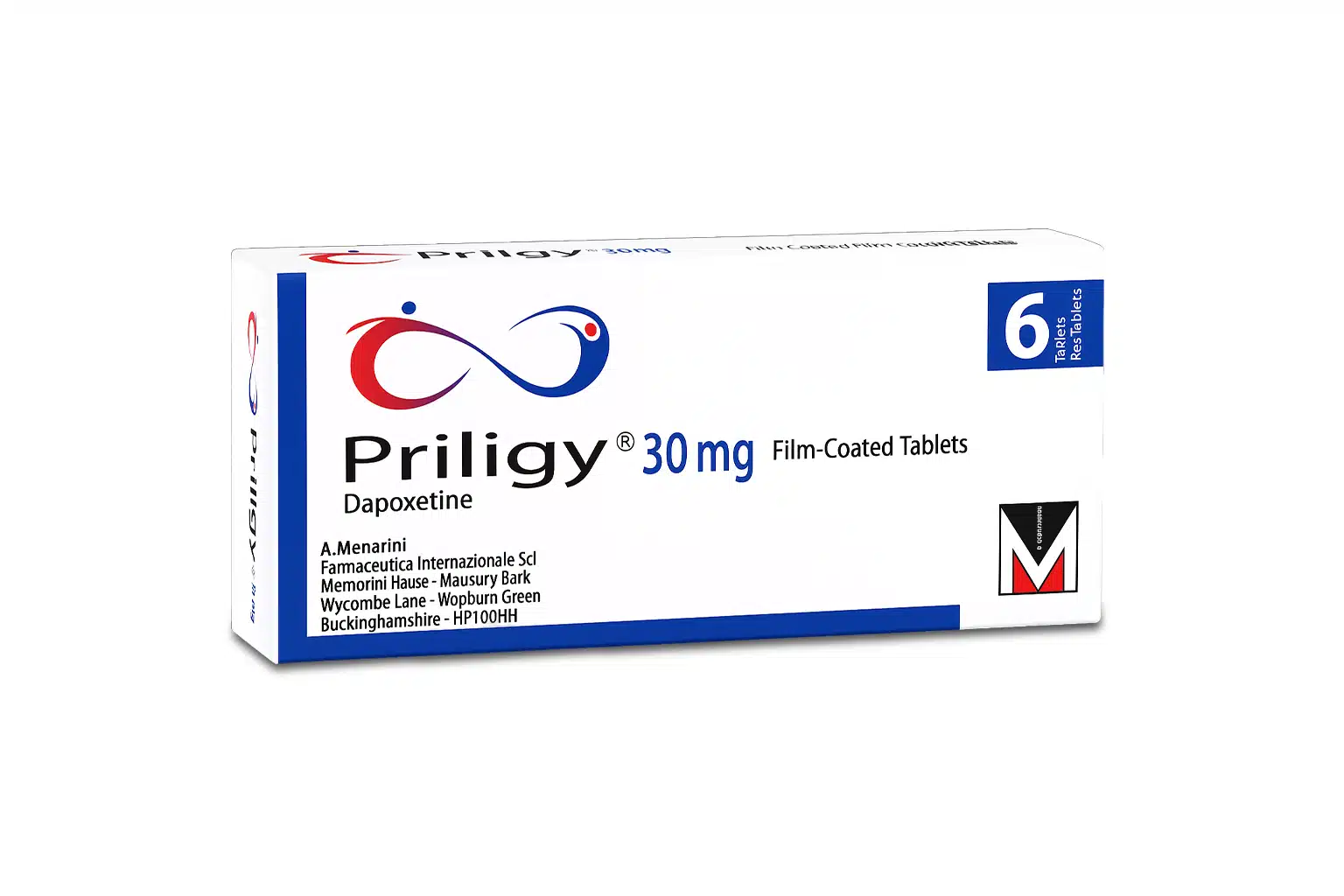
Priligy 30 mg
best sellers$22.00 – $156.00Price range: $22.00 through $156.00Rated 4.00 out of 5Shop Now This product has multiple variants. The options may be chosen on the product page
The Science Behind Effective Dry Eye Treatment
Research has consistently demonstrated cyclosporine’s effectiveness for moderate to severe dry eye disease. Clinical trials show that patients using cyclosporine eye drops experience measurable improvements in both objective signs and subjective symptoms of dry eyes.
Studies reveal that cyclosporine consistently decreases corneal staining—a measure of damage to the eye’s surface—and increases Schirmer test scores, which measure tear production. While symptom improvement can vary among individuals, ocular dryness shows the most consistent improvement across patient populations.
What makes this particularly significant is that Cyclomune doesn’t just mask symptoms temporarily. By addressing the underlying inflammatory component, it helps restore the eye’s natural tear production capability. This means that with consistent use, many patients experience progressively improving comfort and eye health.
The medication’s formulation is specifically designed to overcome cyclosporine’s natural hydrophobicity (water-repelling nature). Cyclomune uses an emulsion system that allows the active ingredient to partition into ocular tissues effectively, maintaining therapeutic concentrations for immune modulation while ensuring the medication stays on the eye surface long enough to work.
How to Use Cyclomune 0.05% Eye Drop Correctly
Proper administration is crucial for maximizing the benefits of dry eye treatment. Here’s a comprehensive guide to using Cyclomune 0.05% eye drop effectively:
Preparation: Always wash your hands thoroughly before handling the eye drops. Check that the seal on the bottle is intact before first use—never use a bottle with a broken seal. If you wear contact lenses, remove them before applying the drops and wait at least 15 minutes before reinserting them.
Application Technique: Shake the bottle well before each use to ensure proper mixing of the emulsion. Tilt your head back slightly and look upward. Gently pull down your lower eyelid to create a small pocket. Hold the dropper close to your eye without touching it. Squeeze one drop into the pocket formed by the lower eyelid. Close your eyes gently and press the inner corner of your eye (near your nose) for 1-2 minutes. This prevents the medication from draining through your tear duct. Repeat for the other eye if directed. Avoid blinking excessively or squeezing your eyes shut.
Important Precautions: Never touch the dropper tip to any surface, including your eye, to prevent contamination. Do not rinse or wipe the dropper. Replace the cap immediately after use. If using multiple eye medications, wait at least 15 minutes between different drops. Use eye drops before ointments if you use both types of eye medications.
The typical dosing schedule is one drop in each affected eye twice daily, approximately 12 hours apart. Consistency is key—try to use the drops at the same times each day to maintain steady therapeutic levels.
What to Expect: Timeline and Results
Understanding realistic expectations helps ensure treatment success. Cyclomune 0.05% eye drop is not a quick fix—it works progressively over time as it reduces inflammation and allows tear production to recover.
Most patients begin noticing some improvement within 2-4 weeks of consistent use, though optimal benefits typically emerge after 3-6 months of regular treatment. Some individuals with severe dry eyes may require even longer to achieve maximum improvement.
This gradual response reflects the medication’s mechanism—it’s fundamentally altering the inflammatory environment rather than providing instant symptomatic relief. During the initial treatment period, you may want to continue using preservative-free artificial tears for additional comfort while Cyclomune’s effects build.
It’s essential to continue treatment as prescribed even if you don’t notice immediate improvement. Many patients who discontinue too early miss out on the substantial benefits that emerge with persistent use. Your eye care professional will monitor your progress through regular follow-up appointments to assess both objective improvements in eye health and subjective symptom relief.
Managing Side Effects
Like all medications, Cyclomune 0.05% eye drop can cause side effects, though most are mild and temporary. The most common side effect is a burning or stinging sensation immediately after instillation. This typically occurs in 15-30% of patients but usually diminishes with continued use as the eyes adapt to the medication.
Other potential side effects include temporary blurred vision, eye redness or irritation, feeling of something in the eye (foreign body sensation), watery or itchy eyes, and eye discharge. These effects are generally mild and resolve on their own.
If you experience persistent burning that doesn’t improve, severe eye pain, vision changes that don’t resolve quickly, signs of eye infection including increased redness and discharge, or any symptoms of an allergic reaction such as severe itching, swelling, or difficulty breathing, contact your healthcare provider promptly.
The vast majority of patients tolerate Cyclomune well, and the benefits for dry eye symptoms typically far outweigh the temporary discomfort some experience initially.
Who Should Use Cyclomune and Who Shouldn’t
Cyclomune 0.05% eye drop is specifically indicated for treating chronic dry eye disease (keratoconjunctivitis sicca) when inflammation is a contributing factor. It’s particularly beneficial for individuals with moderate to severe symptoms who haven’t achieved adequate relief from artificial tears alone, patients with autoimmune conditions affecting tear production such as Sjögren’s syndrome, those experiencing dry eyes following certain eye surgeries, and individuals with chronic dry eyes from various causes including environmental factors or aging.
However, certain individuals should not use this medication. Contraindications include known allergy or hypersensitivity to cyclosporine or any component of the formulation, active eye infections (the medication should not be used until the infection is treated), and presence of cancer in or around the eyes (ocular or periocular malignancies).
Special considerations apply for pregnant or breastfeeding women, as the safety of cyclosporine eye drops during pregnancy and lactation hasn’t been fully established. Children under 18 years (in many regions) may have limited safety data, though some formulations are approved for children as young as 4 years. Individuals with other eye conditions like glaucoma should inform their eye care provider, as monitoring may be necessary.
Always disclose all medications and eye drops you’re currently using to avoid potential interactions. While systemic interactions are unlikely with topical eye drops, your healthcare provider needs a complete picture of your treatment regimen.
Complementary Strategies for Managing Dry Eyes
While Cyclomune 0.05% eye drop addresses the inflammatory component of dry eye disease, combining it with lifestyle modifications and other supportive measures enhances overall outcomes.
Environmental modifications can significantly reduce symptoms. Use a humidifier in dry indoor environments, position air vents away from your face, wear wraparound sunglasses outdoors to protect against wind, and take regular breaks during screen time using the 20-20-20 rule (every 20 minutes, look at something 20 feet away for 20 seconds).
Lifestyle adjustments support eye health in multiple ways. Stay well-hydrated by drinking adequate water throughout the day, consume omega-3 fatty acids found in fish, flaxseed, and walnuts which support healthy tear film, practice good eyelid hygiene by gently cleaning eyelids to prevent blepharitis, and ensure adequate sleep as rest is essential for eye health.
Complementary treatments may include warm compresses applied to closed eyes to help unclog oil glands, eyelid massage to improve meibomian gland function, preservative-free artificial tears for additional moisture between Cyclomune doses, and in some cases, prescription interventions like punctal plugs to reduce tear drainage.
Your eye care professional can recommend which combination of approaches best suits your specific situation and symptom severity.
The Importance of Professional Guidance
While this information provides a comprehensive overview of Cyclomune 0.05% eye drop and its role in dry eye treatment, it’s not a substitute for professional medical advice. Dry eye syndrome can have multiple underlying causes, and proper diagnosis is essential for effective treatment.
An eye care professional will conduct a thorough evaluation including your symptom history and triggers, comprehensive eye examination, tear film assessment through tests like Schirmer test or tear break-up time, evaluation of your eyelids and meibomian glands, and ruling out other conditions that might contribute to symptoms.
Based on this evaluation, they can determine whether Cyclomune 0.05% eye drop is appropriate for your situation and develop a comprehensive treatment plan tailored to your needs. Regular follow-up appointments allow monitoring of your progress and adjustment of treatment if necessary.
FAQ's
1. How long does it take for Cyclomune 0.05% to work?
While some patients notice improvement within 2-4 weeks, optimal benefits typically emerge after 3-6 months of consistent use. The medication works gradually by reducing inflammation and allowing your eyes to naturally produce more tears. Don’t be discouraged if you don’t see immediate results—continued use is essential for achieving the full therapeutic effect.
2. Can I use Cyclomune with other eye drops?
Yes, Cyclomune can generally be used alongside other eye medications, including artificial tears. However, wait at least 15 minutes between different eye drops to prevent dilution and ensure proper absorption of each medication. Always inform your eye care provider about all eye drops you’re using to avoid potential interactions.
3. Is the burning sensation normal?
Yes, mild to moderate burning or stinging immediately after instillation is the most common side effect, occurring in 15-30% of patients. This typically decreases with continued use as your eyes adapt to the medication. If burning is severe or doesn’t improve over time, consult your eye care provider—they may have suggestions for minimizing discomfort.
4. Can I wear contact lenses while using Cyclomune?
You should remove contact lenses before applying Cyclomune 0.05% eye drop and wait at least 15 minutes before reinserting them. However, many eye care professionals recommend avoiding contact lens wear while actively treating dry eye syndrome, as lenses can exacerbate symptoms. Discuss your specific situation with your provider.
5. What happens if I miss a dose?
If you miss a dose, apply it as soon as you remember. However, if it’s almost time for your next scheduled dose, skip the missed dose and return to your regular schedule. Never double up on doses to make up for a missed application. Consistency is important for optimal results, so set reminders if needed.