
Most people don’t think about their eyes until something feels off.
A mild heaviness behind the eyes.
Occasional headaches that feel different from stress.
Vision that seems fine, but not as sharp or relaxed as it used to be.
Eye pressure isn’t something you can feel clearly. That’s what makes it dangerous. And that’s why conditions related to eye pressure often progress quietly, without warning, until damage has already started.
As conversations around preventive health grow stronger in 2026, eye health is finally getting the attention it deserves. One medication that frequently appears in this discussion is latoprost. Not as a miracle cure, but as a carefully studied option in Glaucoma and Eye Pressure management.
This blog is not about rushing to medication. It’s about understanding pressure, awareness, and where Latoprost Eye Drop Uses fit into responsible eye care.

The Silent Nature of Eye Pressure
Unlike pain or inflammation, increased eye pressure doesn’t always announce itself. Many people live with elevated intraocular pressure for years without noticing any unusual symptoms.
That’s the risk.
The eye is delicate. Pressure inside it affects the optic nerve directly. Over time, even slightly elevated pressure can reduce blood flow and damage nerve fibers responsible for vision.
What makes this worse is the assumption that “good vision” equals “healthy eyes.” In reality, vision tests alone don’t measure pressure. Someone can read the smallest letters on a chart and still have developing eye damage.
This is why pressure not vision, is the real concern in many eye conditions.
Understanding Glaucoma Without Fear
Glaucoma is often misunderstood. People imagine sudden blindness or dramatic symptoms. In reality, glaucoma is usually slow, gradual, and quiet.
In most cases, glaucoma develops because the fluid inside the eye does not drain efficiently. As fluid builds up, pressure increases. Over time, this pressure damages the optic nerve.
This is where Glaucoma and Eye Pressure management become critical. The goal is not to restore lost vision, that’s rarely possible, but to slow or stop further damage.
Early intervention changes everything.
Why Eye Pressure Rises in the First Place
Eye pressure increases when fluid production and drainage fall out of balance. The eye continuously produces a clear fluid to maintain shape and function. When drainage channels don’t work efficiently, pressure builds.
Several factors influence this:
- Age-related structural changes
- Family history of glaucoma
- Long-term steroid use
- Certain medical conditions
- Eye injuries
- Lifestyle factors like poor sleep and stress
Pressure doesn’t spike overnight. It creeps up gradually, which is why routine eye exams matter far more than people realize.
Where Latoprost Enters the Picture
Latoprost is commonly prescribed to help reduce intraocular pressure. It doesn’t cure glaucoma. It doesn’t reverse damage. What it does is help the eye drain fluid more effectively.
This distinction matters.
The role of latoprost is preventive. It aims to protect what vision remains by lowering pressure and reducing stress on the optic nerve.
When people talk about Latoprost Eye Drop Uses, this is the core purpose: pressure control, not vision enhancement.
Best Seller
-

Bimat 0.03% w/v
Eye Drops$12.24 – $60.98Price range: $12.24 through $60.98Rated 5.00 out of 5Shop Now This product has multiple variants. The options may be chosen on the product page -
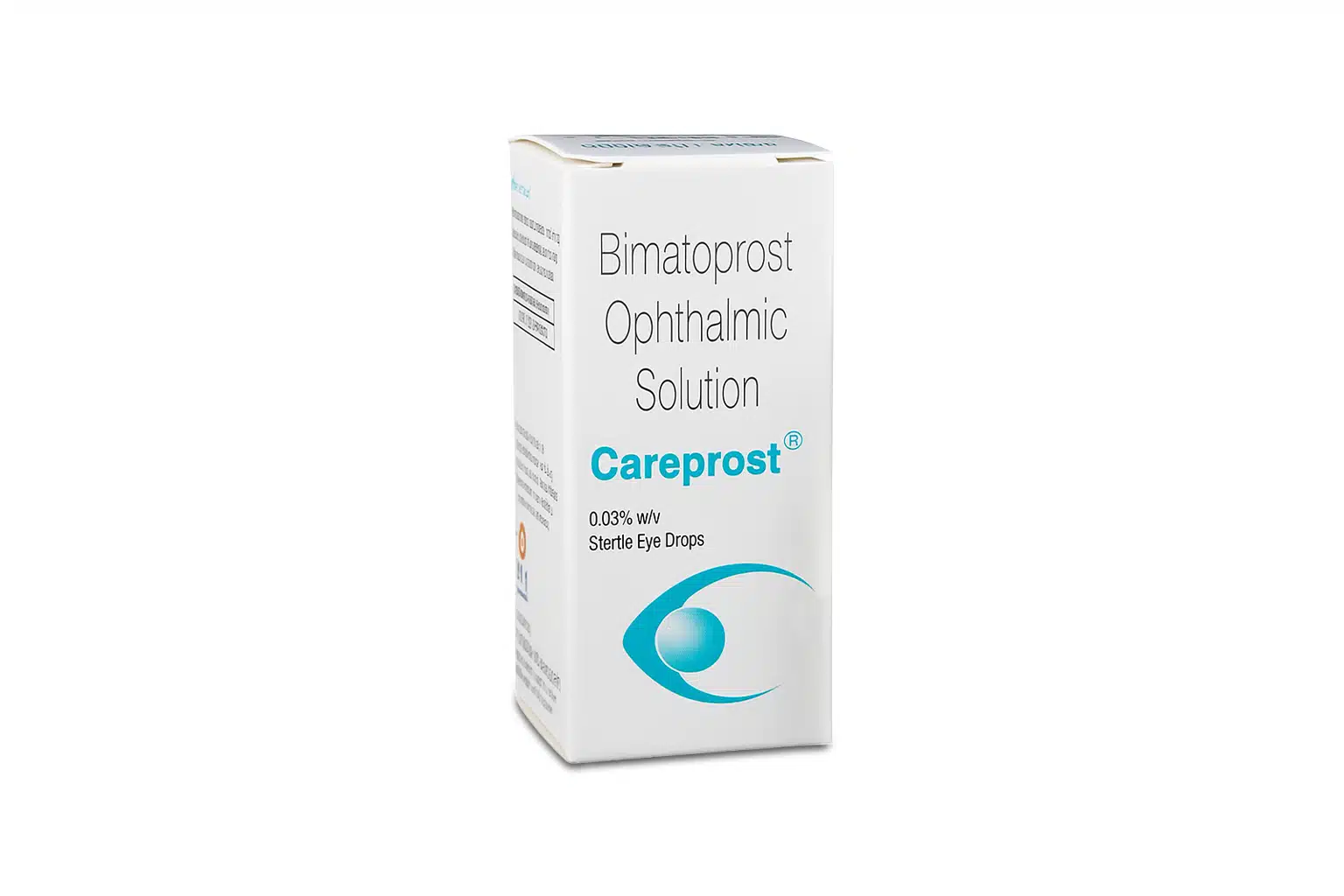
Careprost 3 ml. of 0.03%
Eye Drops$18.41 – $105.77Price range: $18.41 through $105.77Rated 4.00 out of 5Shop Now This product has multiple variants. The options may be chosen on the product page -

Dorzox Eye Drop 2% (5 ml) Eye Drop
Eye Drops$8.90 – $47.75Price range: $8.90 through $47.75Rated 4.00 out of 5Shop Now This product has multiple variants. The options may be chosen on the product page -
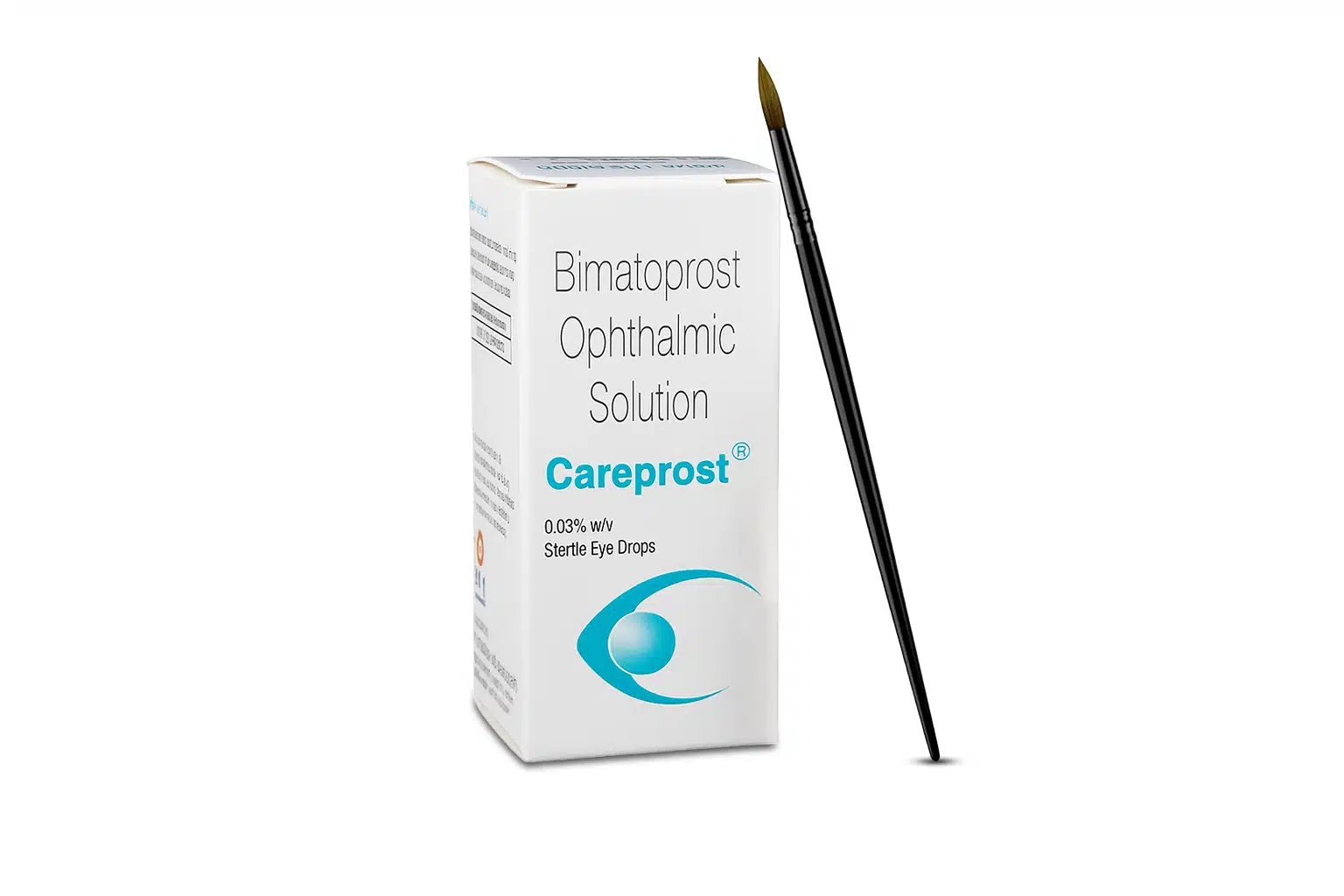
Careprost (With Brush) 3ml 0.03%
Eye Drops$51.50 – $156.20Price range: $51.50 through $156.20Rated 5.00 out of 5Shop Now This product has multiple variants. The options may be chosen on the product page -
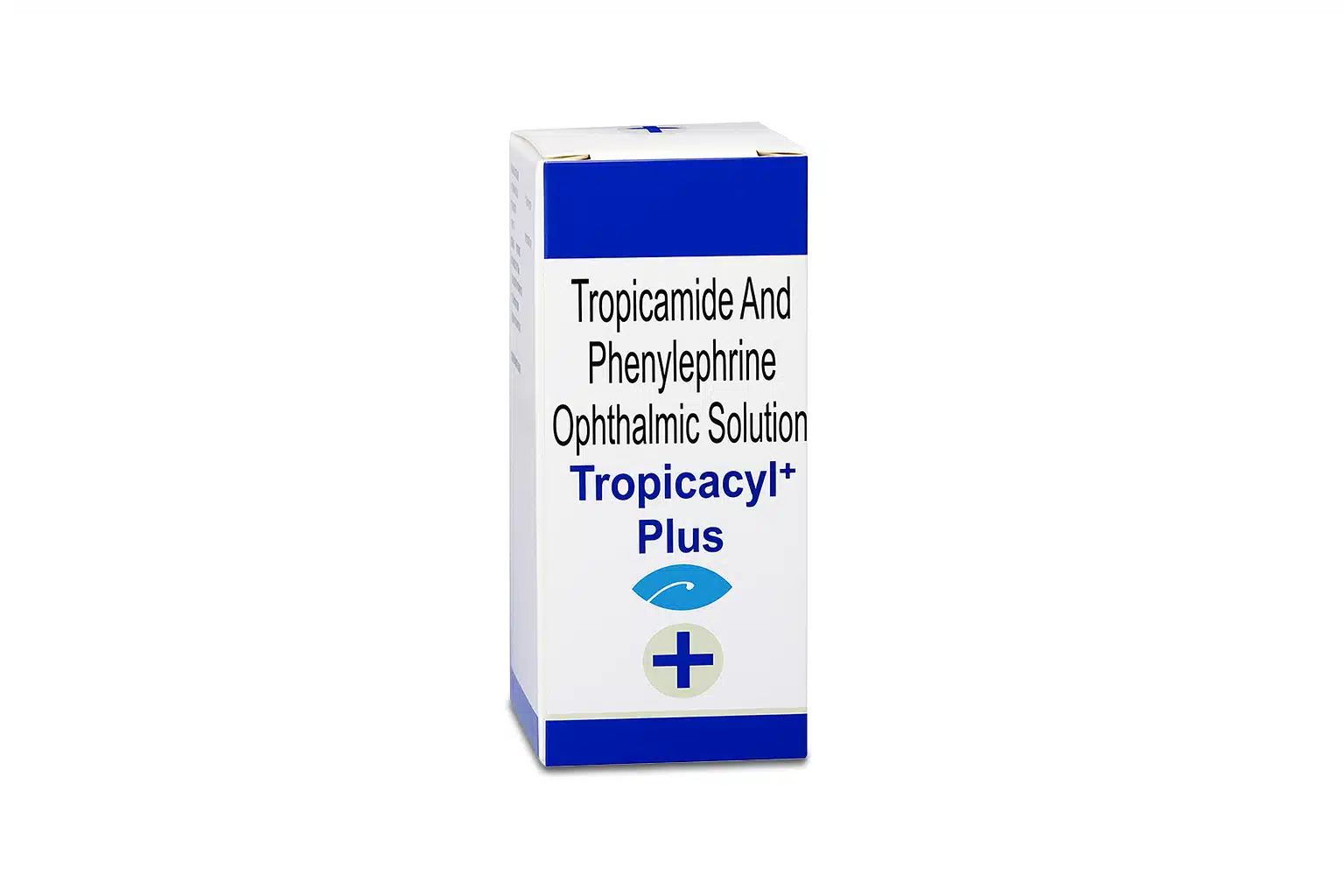
Tropicacyl Plus 3 ml
Eye Drops$2.90 – $15.21Price range: $2.90 through $15.21Rated 4.00 out of 5Shop Now This product has multiple variants. The options may be chosen on the product page -
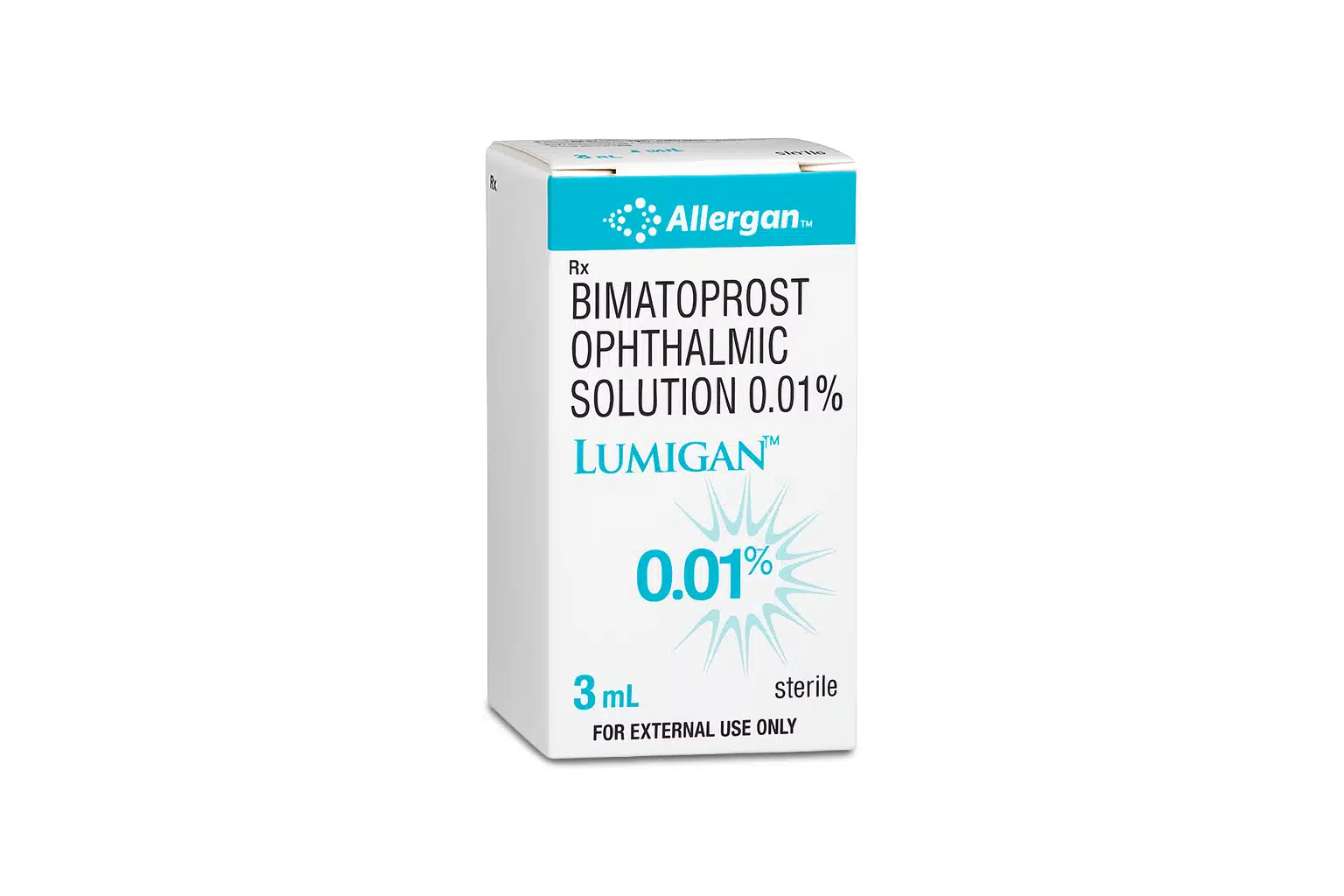
Lumigan 3 ml (0.01%)
Eye Drops$54.15 – $322.56Price range: $54.15 through $322.56Rated 5.00 out of 5Shop Now This product has multiple variants. The options may be chosen on the product page -

Vigamox 5 ml
Eye Drops$24.20 – $72.30Price range: $24.20 through $72.30Rated 4.00 out of 5Shop Now This product has multiple variants. The options may be chosen on the product page -

Latoprost Eye Drop
Eye Drops$48.45 – $288.00Price range: $48.45 through $288.00Rated 0 out of 5Shop Now This product has multiple variants. The options may be chosen on the product page -
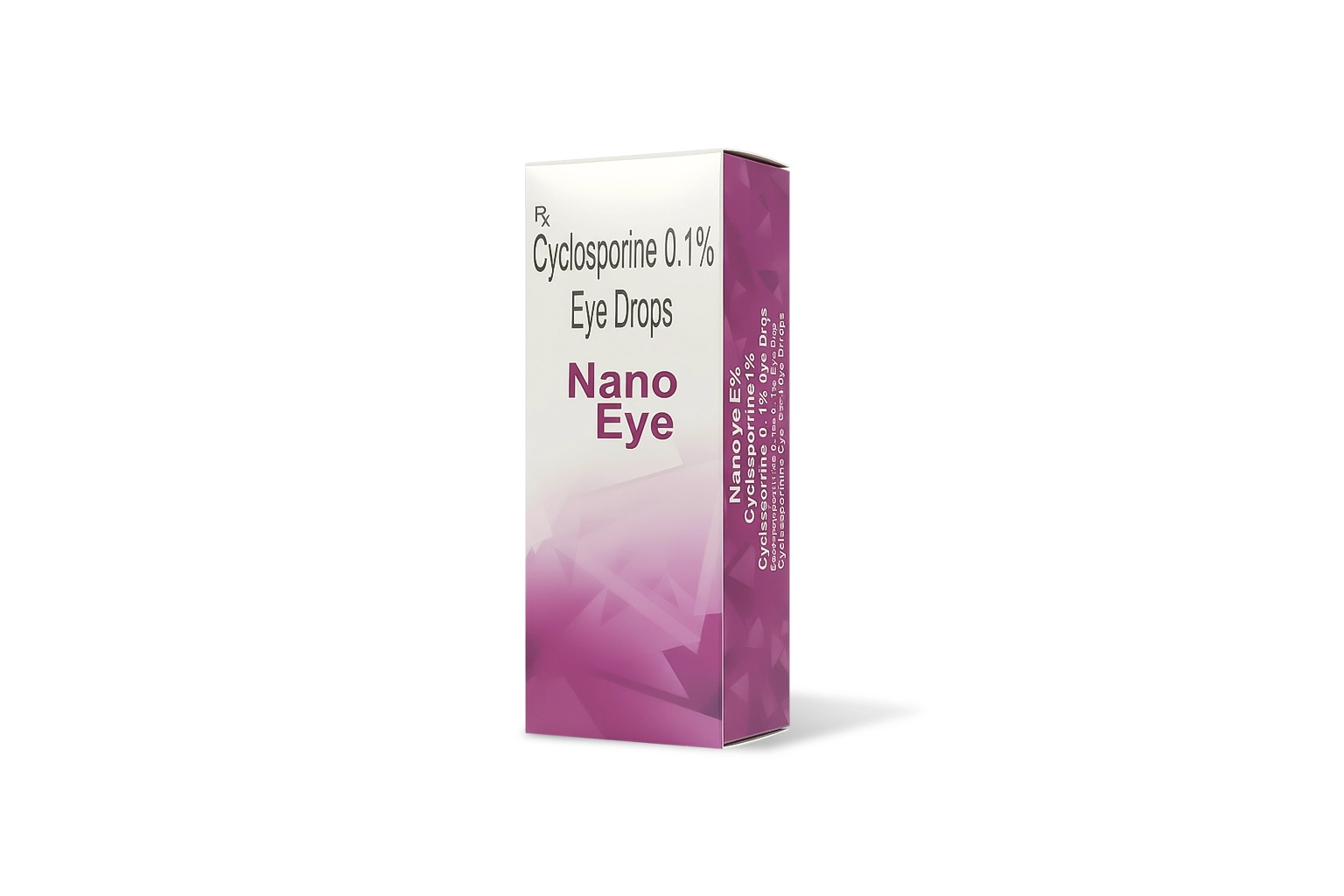
Nano Tears 0.1% 3 ml
Eye Drops$34.20 – $201.60Price range: $34.20 through $201.60Rated 0 out of 5Shop Now This product has multiple variants. The options may be chosen on the product page -
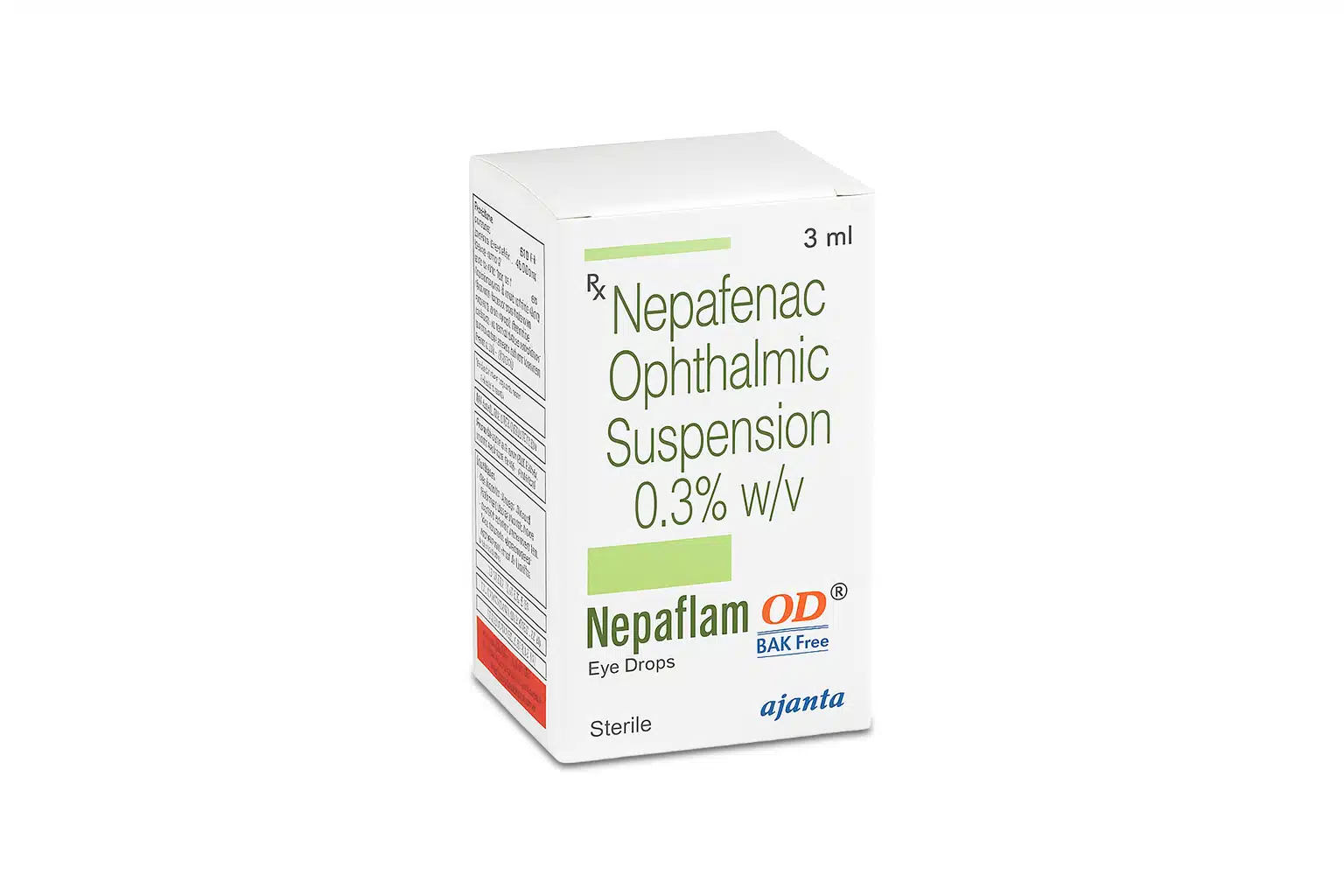
Nepaflam OD 3 ml
Eye Drops$20.40 – $61.10Price range: $20.40 through $61.10Rated 0 out of 5Shop Now This product has multiple variants. The options may be chosen on the product page -

Dorzox T 5 ml Eye Drop
Eye Drops$12.05 – $64.66Price range: $12.05 through $64.66Rated 4.00 out of 5Shop Now This product has multiple variants. The options may be chosen on the product page -
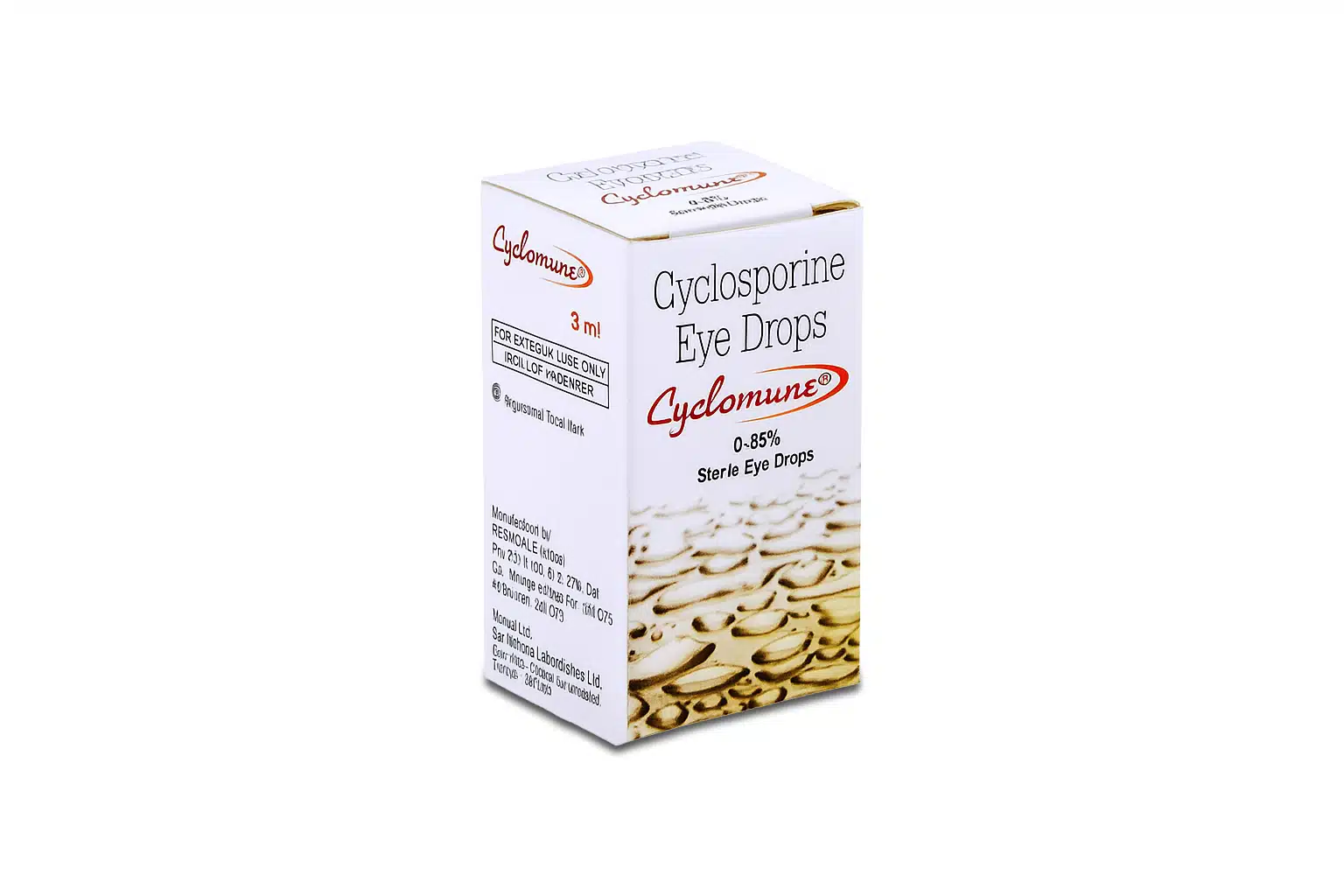
Cyclomune 0.05%
Eye Drops$9.74 – $48.02Price range: $9.74 through $48.02Rated 4.00 out of 5Shop Now This product has multiple variants. The options may be chosen on the product page -

Ganfort Eye Drop
Eye Drops$32.47 – $82.50Price range: $32.47 through $82.50Rated 4.00 out of 5Shop Now This product has multiple variants. The options may be chosen on the product page -
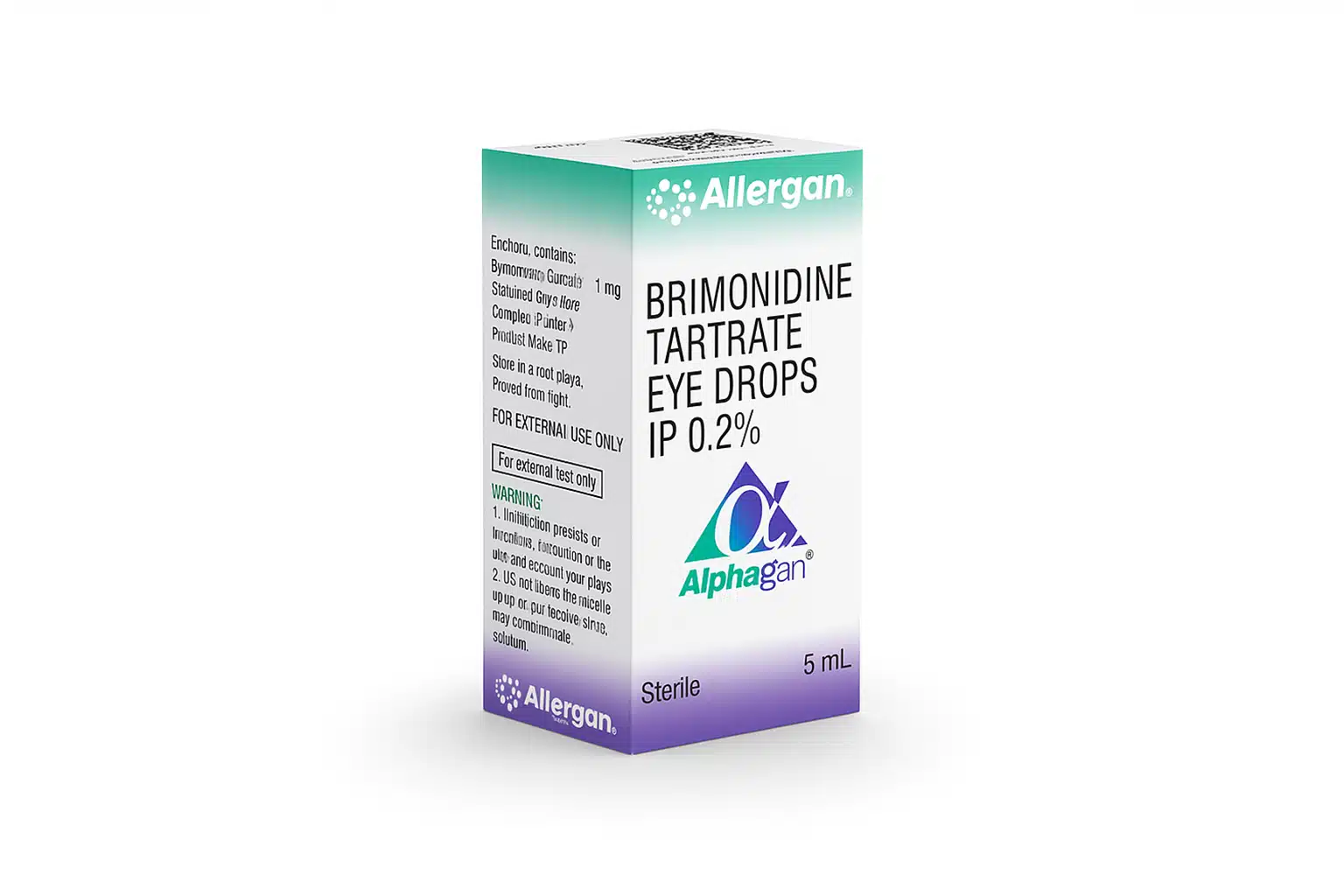
Alphagan 0.20% Eye Drop
Eye Drops$35.41 – $101.91Price range: $35.41 through $101.91Rated 4.00 out of 5Shop Now This product has multiple variants. The options may be chosen on the product page
Latoprost Eye Drop Uses Explained Simply
Latoprost belongs to a class of medications that increase fluid outflow from the eye. Instead of reducing fluid production, it improves drainage.
Doctors often prefer it because:
- It is effective with once-daily use
- It maintains steady pressure control
- It has a long history of clinical use
For many patients, latoprost becomes part of a daily routine, similar to brushing teeth. Not dramatic. Just consistent.
This consistency is what protects vision over time.
The Emotional Side of Eye Pressure Diagnosis
Being told you have high eye pressure or early glaucoma can be unsettling. There’s fear around words like “nerve damage” and “irreversible.”
But perspective matters.
Glaucoma managed early is not a life-altering diagnosis for most people. It becomes a condition you manage, not something that controls you.
Medications like latoprost exist so people can continue living normally while protecting their eyesight quietly in the background.
Why Pressure Control Matters More Than Symptoms
Many patients stop medication because they “feel fine.” That’s one of the biggest mistakes in eye care.
Eye pressure doesn’t cause pain in most cases. Damage occurs silently. Stopping treatment because symptoms are absent is like removing a smoke alarm because there’s no fire.
Glaucoma and Eye Pressure management works only when pressure is controlled consistently, not occasionally.
Lifestyle and Eye Pressure: Often Ignored
Medication alone isn’t the full picture. While latoprost plays a role, lifestyle also influences eye health more than people expect.
Habits that support healthy eye pressure include:
- Regular sleep cycles
- Managing stress levels
- Staying hydrated
- Avoiding excessive caffeine
- Maintaining healthy blood pressure
These factors don’t replace medication, but they support its effectiveness.
Addressing Common Misconceptions About Latoprost
One common misconception is that latoprost is needed only when vision worsens. That’s incorrect. The medication is prescribed based on pressure readings, not visual complaints.
Another misunderstanding is that eye drops are temporary. In reality, glaucoma treatment is often long-term. That doesn’t mean things are getting worse; it means they’re being controlled.
Understanding this prevents frustration and improves adherence.
Side Effects: Honest, Not Alarmist
Like any medication, latoprost can have side effects. Some people notice mild redness, slight irritation, or changes in eyelash growth.
These effects vary. Many people experience none at all.
What matters is communication. Reporting changes early allows doctors to adjust treatment if necessary. The goal is balance, effective pressure control with minimal disruption to daily life.
The Role of Regular Eye Exams
Medication without monitoring is incomplete care.
Eye pressure needs to be measured regularly. The optic nerve needs to be observed over time. Small changes can signal whether treatment is working or needs adjustment.
Routine exams transform Glaucoma and Eye Pressure management from guesswork into precision.
Eye Health in 2026: A Shift Toward Prevention
The biggest change in eye care today is the mindset. People are no longer waiting for vision loss before acting.
Preventive eye health is becoming normal. Just as people monitor blood sugar or cholesterol, eye pressure is joining the list of silent markers worth tracking.
Latoprost fits into this shift, not as a dramatic solution, but as a steady one.
Living With Long-Term Eye Care
For many, using eye drops daily feels inconvenient at first. Over time, it becomes routine.
The key is reframing. This isn’t about illness, it’s about preservation.
Vision is one of the most relied-upon senses. Protecting it quietly, day after day, is not a burden. It’s an investment.
Final Thoughts: Drop the Pressure, Keep the Vision
Eye pressure doesn’t demand attention loudly. It erodes slowly, patiently.
Understanding Latoprost Eye Drop Uses and the importance of Glaucoma and Eye Pressure management allows people to act before damage becomes permanent.
This isn’t about fear.
It’s about foresight.
Dropping the pressure today protects the vision you’ll need tomorrow.
FAQ's
1. Why is eye pressure such a serious concern even if my vision feels normal?
Eye pressure can damage the optic nerve without affecting vision at first. That’s why glaucoma often progresses silently. Glaucoma and Eye Pressure management focuses on preventing future vision loss, not fixing current eyesight. Regular pressure checks matter even when everything seems fine.
2. What are the most common Latoprost Eye Drop Uses?
The primary Latoprost Eye Drop Uses involve lowering intraocular pressure by improving fluid drainage from the eye. It’s commonly prescribed for people with glaucoma or consistently high eye pressure. Its purpose is protection, helping preserve vision over time rather than improving eyesight instantly.
3. Do I need to use latoprost even if I don’t feel any eye discomfort?
Yes, in many cases. High eye pressure usually doesn’t cause pain or noticeable symptoms. Latoprost is prescribed based on pressure readings and optic nerve health, not discomfort. Using it consistently supports long-term Glaucoma and Eye Pressure management, even when your eyes feel completely normal.
4. Can lifestyle changes replace latoprost for eye pressure control?
Lifestyle habits like good sleep, stress control, and hydration support eye health, but they usually can’t replace medication when pressure is elevated. Latoprost works directly on fluid drainage inside the eye. Healthy habits enhance results, but treatment decisions should always be guided by an eye specialist.
5. Is long-term use of latoprost common and safe?
Long-term use is very common for people managing glaucoma or chronic eye pressure. Most patients tolerate it well with minimal side effects. Regular follow-ups help ensure the medication remains effective and appropriate. Consistency is key in maintaining stable pressure and protecting vision over time.