
Dry eye is one of the most common reasons people see an eye doctor. It can be a mild nuisance, gritty, tired eyes after screen time, or a chronic, vision-affecting problem that needs medical care. This long-form guide explains how dry eyes are diagnosed, the full range of treatments, and practical steps for how to relieve dry eyes at home.
Quick takeaway
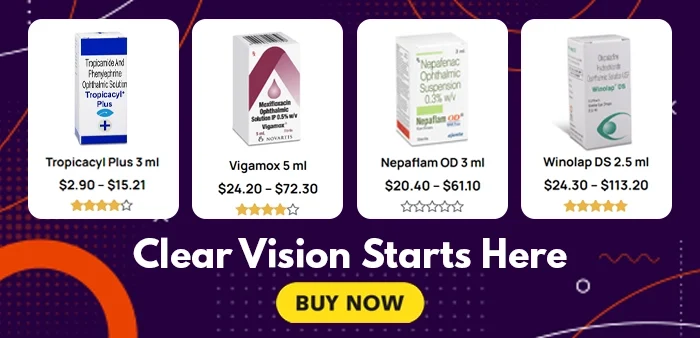
Dry eye is a failure of the tear film to keep the ocular surface comfortable and clear. Diagnosis is based on symptoms plus tests (tear breakup time, staining, Schirmer, osmolarity, meibography). Most cases are treated first with lifestyle changes and artificial tears; persistent or inflammatory dry eye may need prescription anti-inflammatory drops, devices, or in-office procedures. Vigamox (moxifloxacin) is an antibiotic for bacterial eye infections. It is not a standard treatment for dry eye and may even cause ocular irritation as a side effect.
What is “dry eye”?
“Dry eye disease” (also called keratoconjunctivitis sicca or ocular surface disease) arises when the tear film is inadequate in quantity or quality, or when tear evaporation is excessive. Tears have three layers (lipid, aqueous, mucin), and problems in any layer, from meibomian gland dysfunction (affecting oil/lipid) to low aqueous production (from lacrimal glands), can produce symptoms. Dry eye can be driven by aging, medications, environment, systemic disease (e.g., Sjögren’s), eyelid problems, or inflammation.
How dry eyes are diagnosed, the tests your eye doctor will use
Diagnosis blends what you describe (symptoms) with the objective tests the clinician performs.
1. Symptom assessment and history
Expect questions about:
- Dryness, burning, foreign-body/gritty sensation, fluctuating vision, tearing (yes, reflex tearing is a symptom), light sensitivity.
- Triggers: screen use, windy/dry environments, contact lens wear, recent eye surgery, allergies, medications (antihistamines, antidepressants, isotretinoin), systemic conditions.
2. Fluorescein dye and Tear Break-Up Time (TBUT)
A fluorescein dye drop shows tear-film stability and surface staining. The tear breakup time measures how long the tear film stays intact; a short TBUT suggests unstable tears (evaporative dry eye). This is a standard, quick office test.
3. Schirmer test (tear production)
A filter-paper strip is placed at the lid margin to measure tear production over a few minutes. Low wetting suggests aqueous deficiency. The Schirmer test (with or without a topical anesthetic) remains a common tool.
4. Ocular surface staining (fluorescein/lissamine green)
Staining patterns on the cornea and conjunctiva reveal areas of epithelial damage and help guide treatment choices.
5. Tear osmolarity and biomarkers (modern options)
Elevated tear osmolarity indicates unstable, hyperosmolar tears, a marker of dry eye severity. Other office tests (MMP-9 inflammation test, lactoferrin) can help detect ocular-surface inflammation.
6. Meibography and gland evaluation
Meibomian gland imaging/expressibility evaluates MGD (the common evaporative type). Blocking or dropout of gland points to treatments targeted at the glands.
In practice, clinicians choose a subset of these tests and combine them with the patient’s story. The 2019 AAO Preferred Practice Pattern recommends tailoring the workup to suspected disease drivers (aqueous deficiency vs evaporative/MDG vs mixed).
Treatment: stepwise, targeted, and often multimodal
Treatments are chosen based on cause and severity. Many people benefit from combining simple self-care with medical therapies.
A. Immediate, low-risk measures (first-line)
These are the easiest ways to relieve dry eyes and often reduce symptoms quickly:
- Artificial tears (preservative-free preferred for frequent use): use as needed; gels/ointments at night for more severe cases. These restore moisture and relieve symptoms.
- Environmental adjustments: humidifiers, avoiding direct air (fans, car vents), sunglasses/goggles outdoors to reduce evaporation.
- Blinking breaks: conscious, full blinks and regular breaks when using screens (20-20-20 rule or micro-breaks) reduce evaporative losses.
- Warm compresses and lid hygiene: for meibomian gland dysfunction, warm compresses soften oils, and gentle lid massage/expression helps free clogged glands. Daily lid hygiene reduces bacterial lipases that destabilize the tear film.
B. Nutritional & lifestyle supports
- Omega-3 fatty acids: Some evidence supports omega-3 supplements for reducing inflammation and improving lipid quality (still debated, but commonly recommended).
- Medication review: stop or change systemic drugs that worsen dryness when possible (discuss with your prescribing clinician).
C. Prescription topical therapies
When simple measures fail, prescription options target inflammation or stimulate tear production:
- Topical anti-inflammatory agents
- Cyclosporine (e.g., Restasis, Cequa) — reduces ocular surface inflammation and can increase tear production over weeks.
- Lifitegrast (Xiidra) — another anti-inflammatory approach approved for dry eye.
Both are intended for inflammatory dry eye and may take several weeks to work. - Short-term corticosteroids (e.g., loteprednol/Eysuvis): helpful for flares but not for long-term continuous use because of steroid risks (pressure rise, cataract).
- Secretagogues & newer agents: nasal sprays that stimulate tear production (e.g., newly approved therapies) and other emerging treatments are expanding options.
D. Procedural and device-based treatments (for moderate → severe disease)
- Punctal plugs conserve tears by blocking drainage. Useful when tear production is low or to retain artificial tears.
- Thermal/meibomian gland treatment (e.g., LipiFlow, intense pulsed light/IPL, vectored thermal therapies): these target MGD and can improve symptoms and tear stability; studies show benefit over warm compress alone for selected patients.
- Autologous serum tears or amniotic membrane: for severe ocular surface disease and epithelial defects.
Eye Care
-

Bimat 0.03% w/v
Eye Drops$12.24 – $60.98Price range: $12.24 through $60.98Rated 5.00 out of 5Shop Now This product has multiple variants. The options may be chosen on the product page -
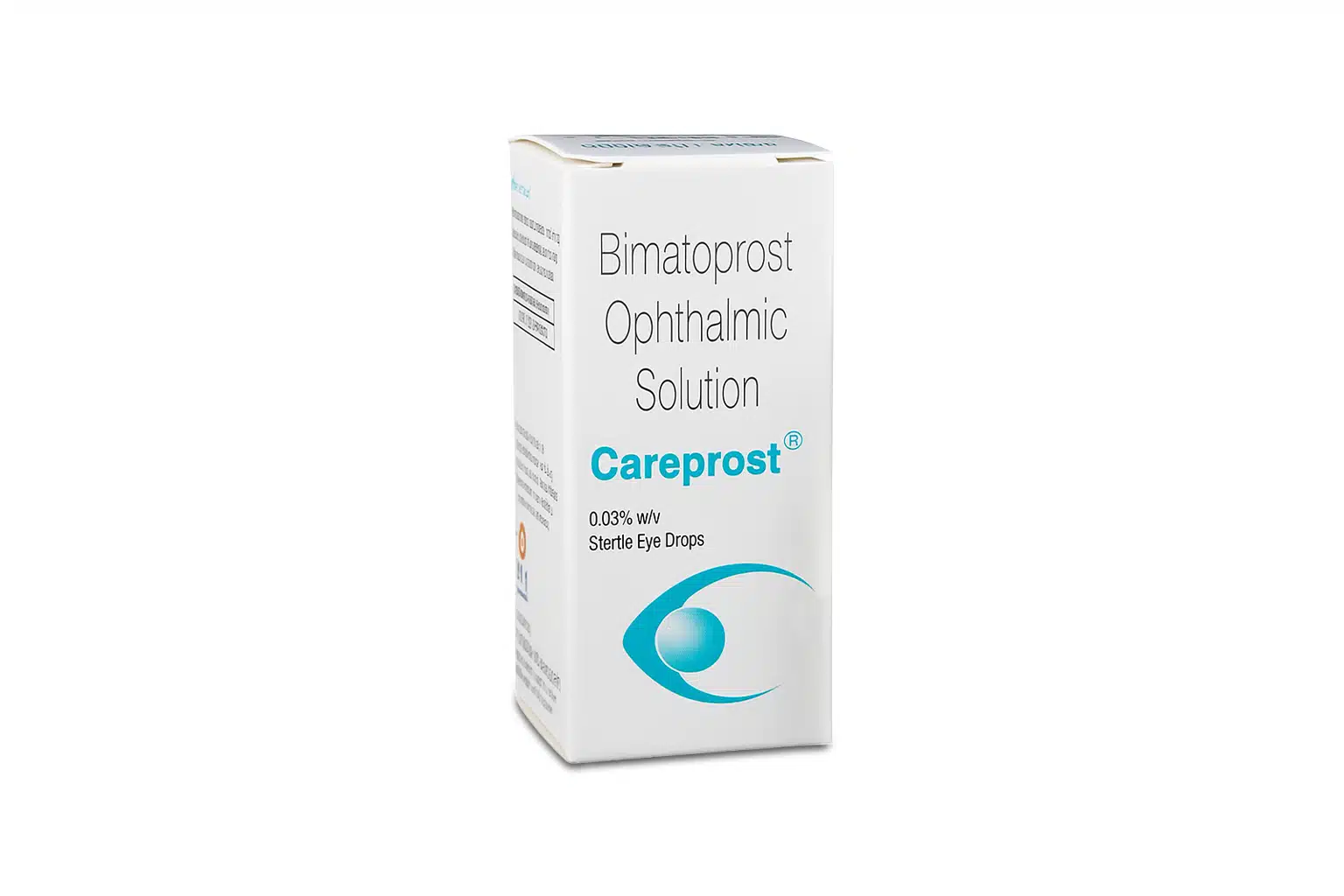
Careprost 3 ml. of 0.03%
Eye Drops$18.41 – $105.77Price range: $18.41 through $105.77Rated 4.00 out of 5Shop Now This product has multiple variants. The options may be chosen on the product page -

Dorzox Eye Drop 2% (5 ml) Eye Drop
Eye Drops$8.90 – $47.75Price range: $8.90 through $47.75Rated 4.00 out of 5Shop Now This product has multiple variants. The options may be chosen on the product page -
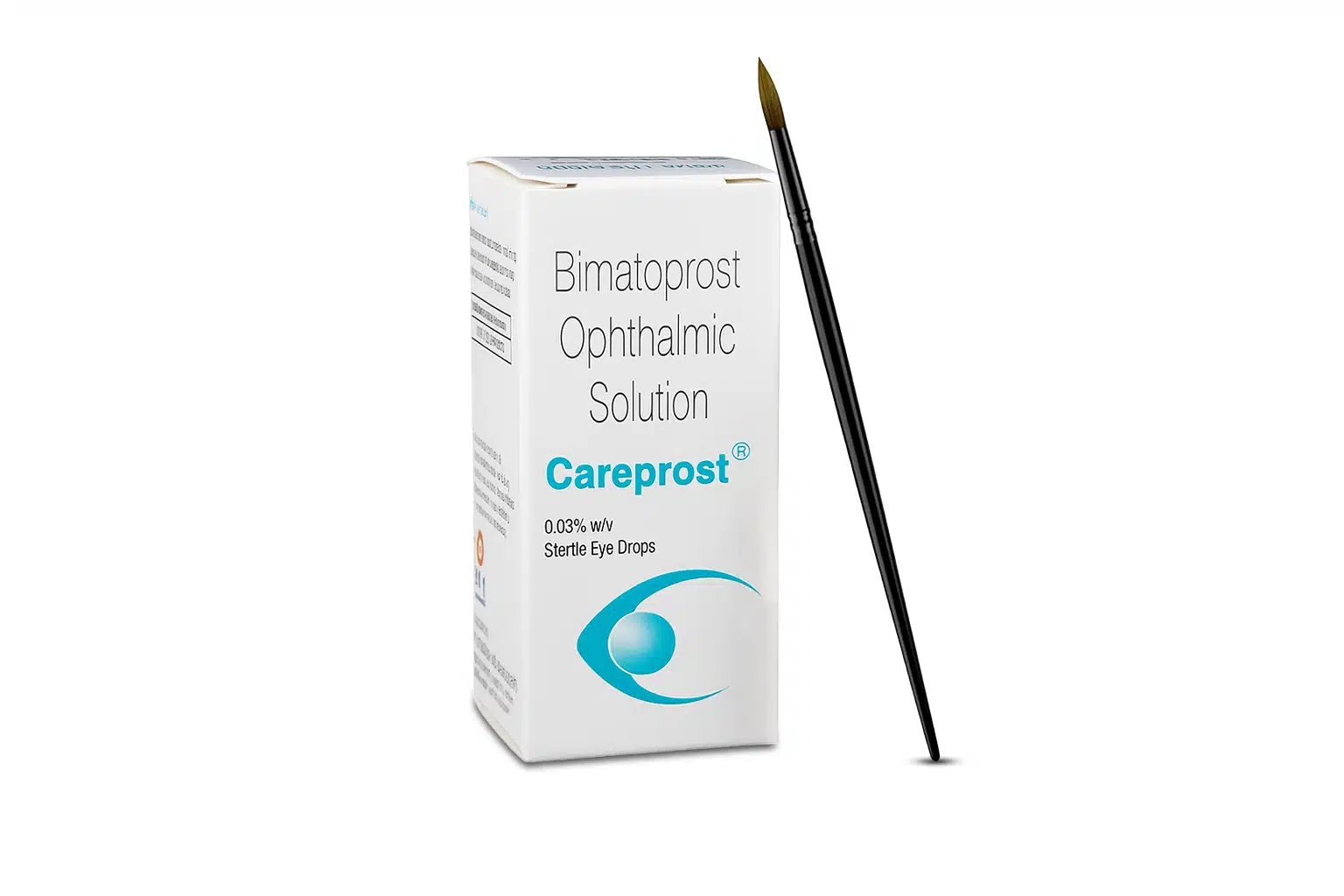
Careprost (With Brush) 3ml 0.03%
Eye Drops$51.50 – $156.20Price range: $51.50 through $156.20Rated 5.00 out of 5Shop Now This product has multiple variants. The options may be chosen on the product page -
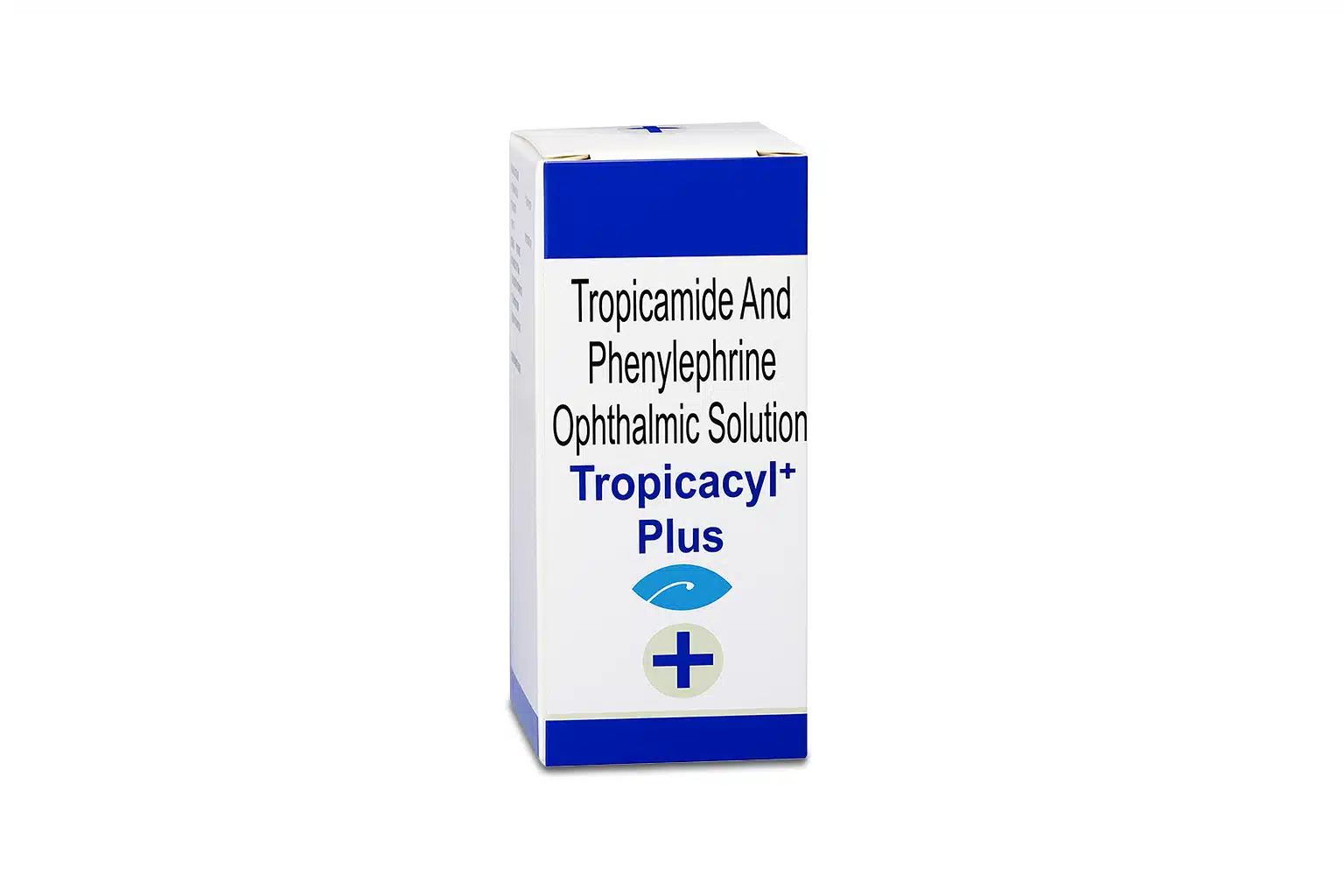
Tropicacyl Plus 3 ml
Eye Drops$2.90 – $15.21Price range: $2.90 through $15.21Rated 4.00 out of 5Shop Now This product has multiple variants. The options may be chosen on the product page -
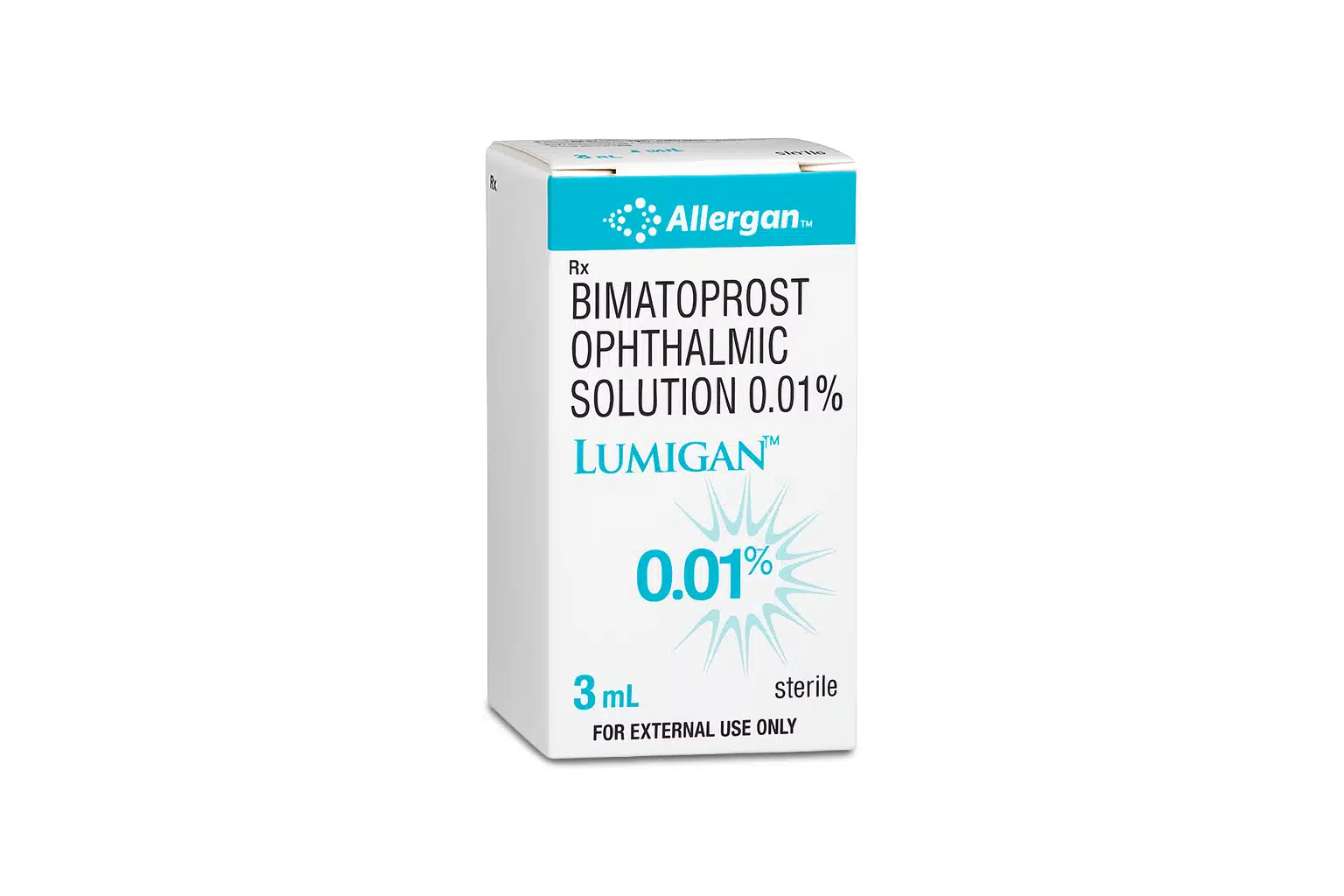
Lumigan 3 ml (0.01%)
Eye Drops$54.15 – $322.56Price range: $54.15 through $322.56Rated 5.00 out of 5Shop Now This product has multiple variants. The options may be chosen on the product page -

Vigamox 5 ml
Eye Drops$24.20 – $72.30Price range: $24.20 through $72.30Rated 4.00 out of 5Shop Now This product has multiple variants. The options may be chosen on the product page -

Latoprost Eye Drop
Eye Drops$48.45 – $288.00Price range: $48.45 through $288.00Rated 0 out of 5Shop Now This product has multiple variants. The options may be chosen on the product page -
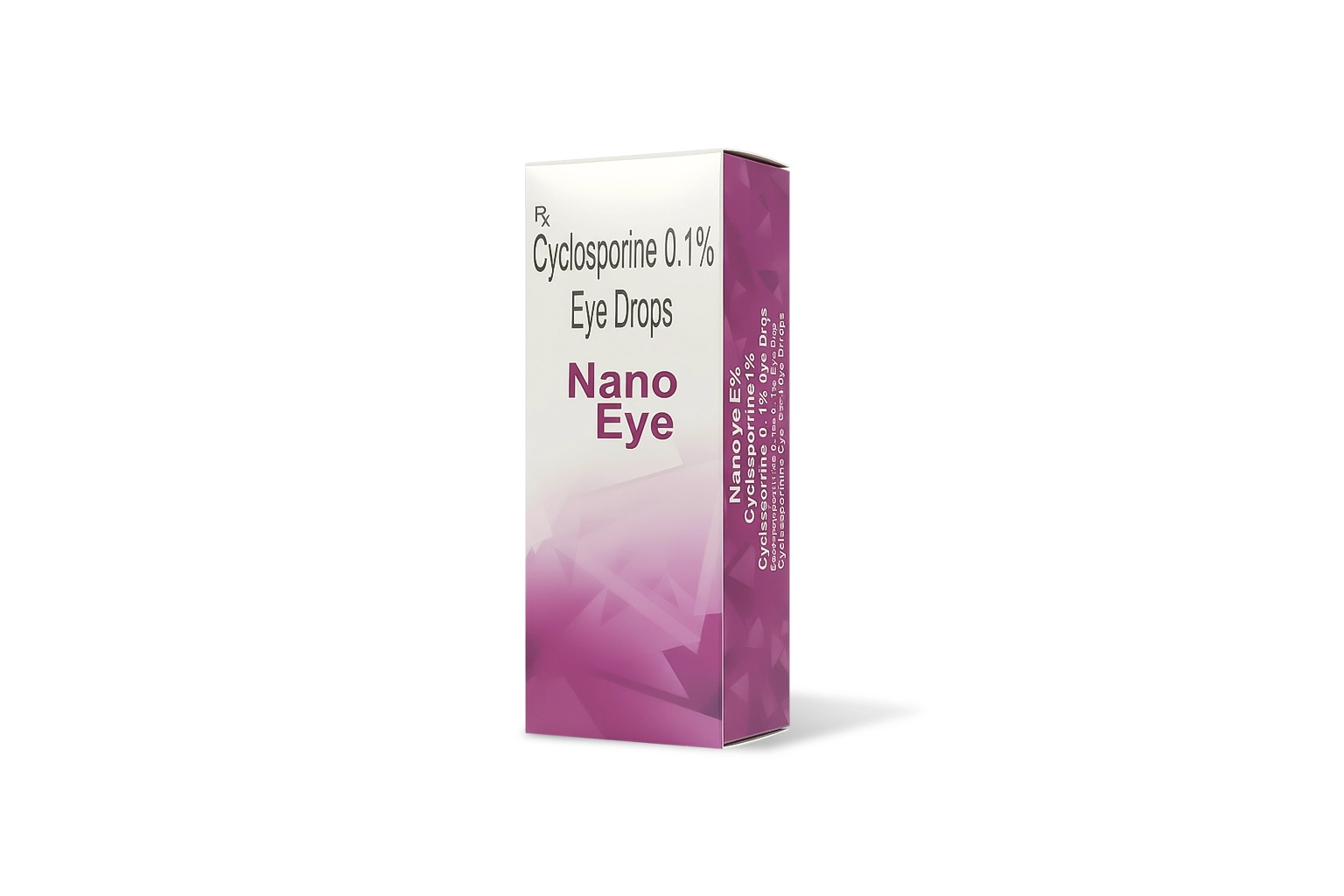
Nano Tears 0.1% 3 ml
Eye Drops$34.20 – $201.60Price range: $34.20 through $201.60Rated 0 out of 5Shop Now This product has multiple variants. The options may be chosen on the product page -
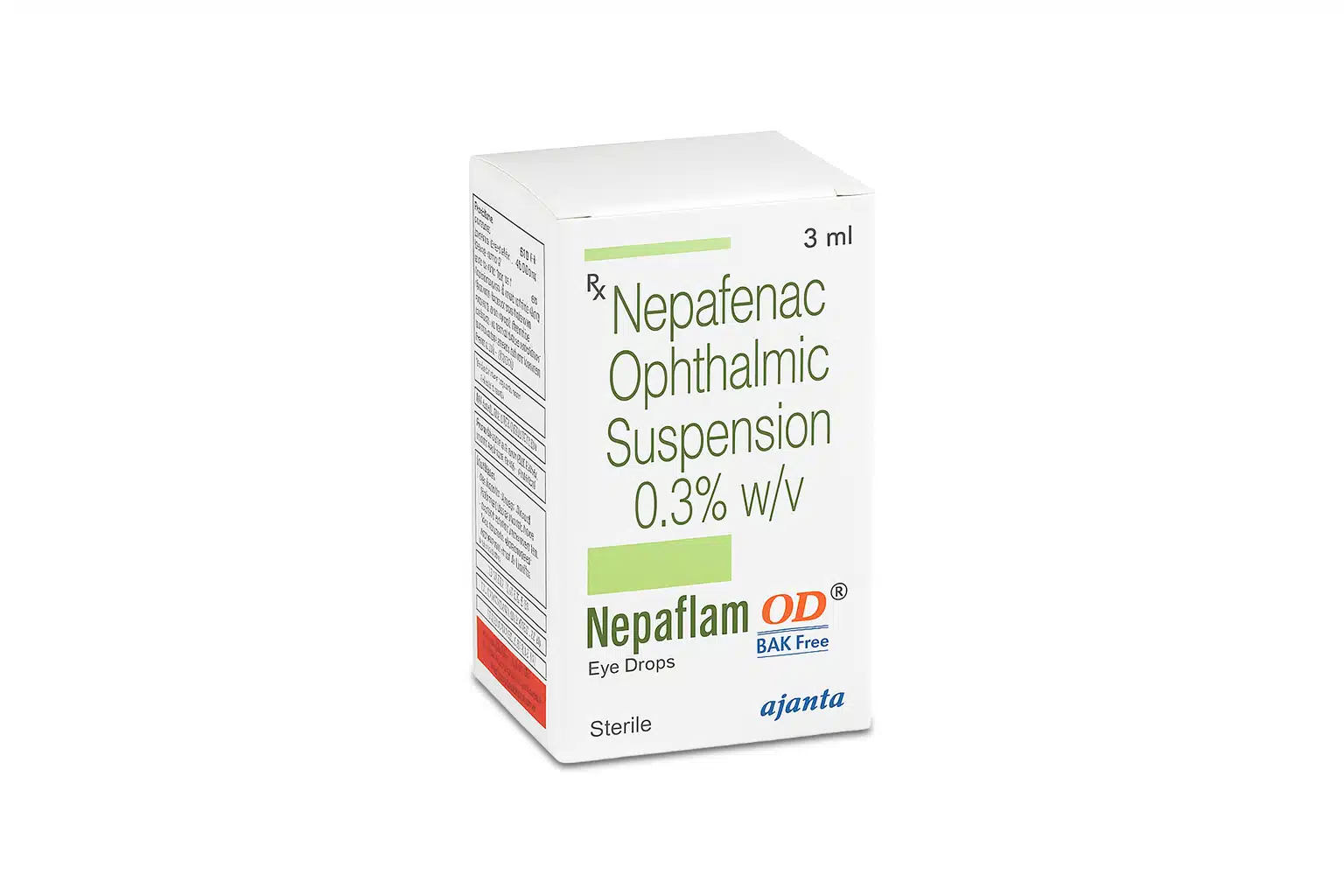
Nepaflam OD 3 ml
Eye Drops$20.40 – $61.10Price range: $20.40 through $61.10Rated 0 out of 5Shop Now This product has multiple variants. The options may be chosen on the product page -

Dorzox T 5 ml Eye Drop
Eye Drops$12.05 – $64.66Price range: $12.05 through $64.66Rated 4.00 out of 5Shop Now This product has multiple variants. The options may be chosen on the product page -
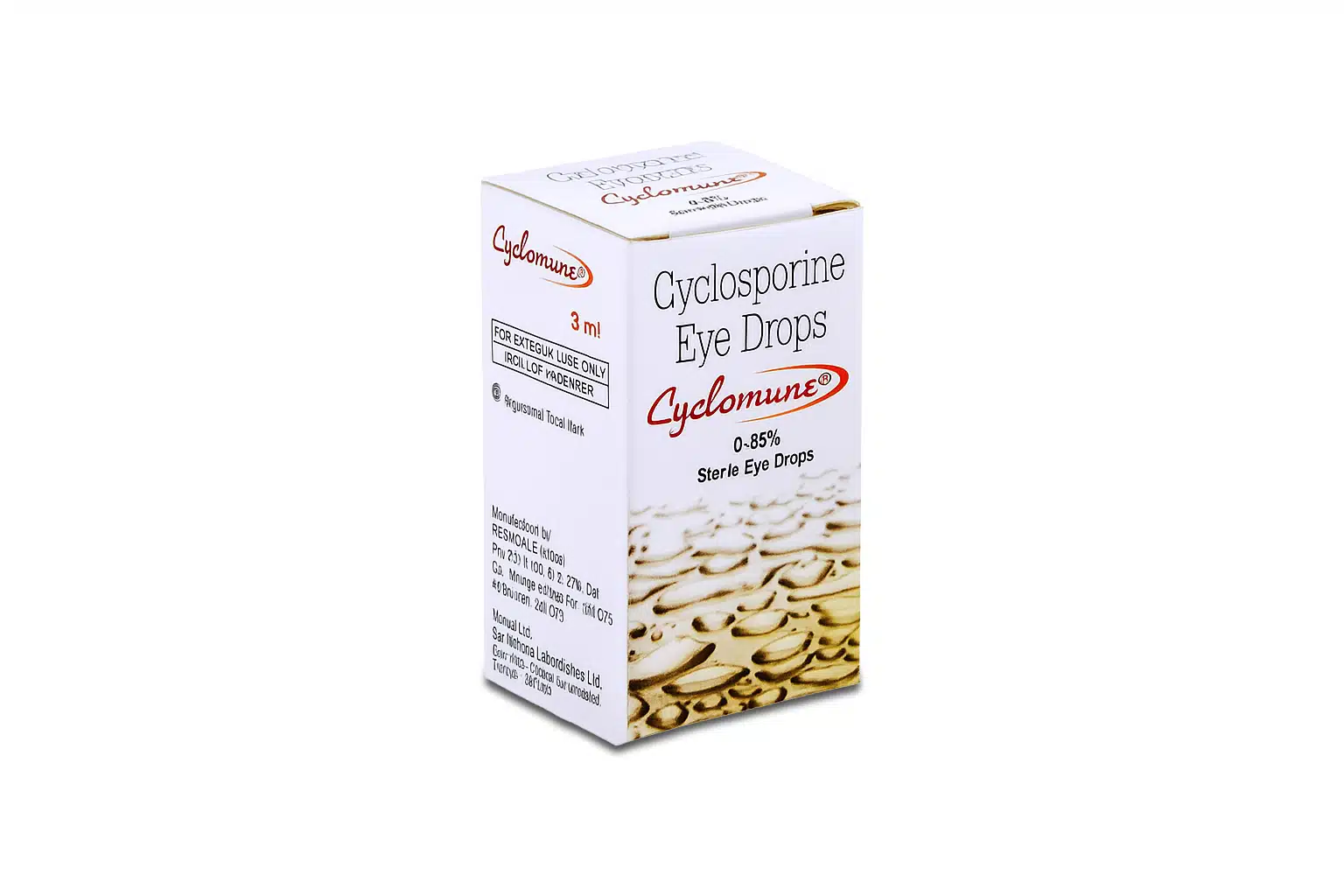
Cyclomune 0.05%
Eye Drops$9.74 – $48.02Price range: $9.74 through $48.02Rated 4.00 out of 5Shop Now This product has multiple variants. The options may be chosen on the product page -

Ganfort Eye Drop
Eye Drops$32.47 – $82.50Price range: $32.47 through $82.50Rated 4.00 out of 5Shop Now This product has multiple variants. The options may be chosen on the product page -
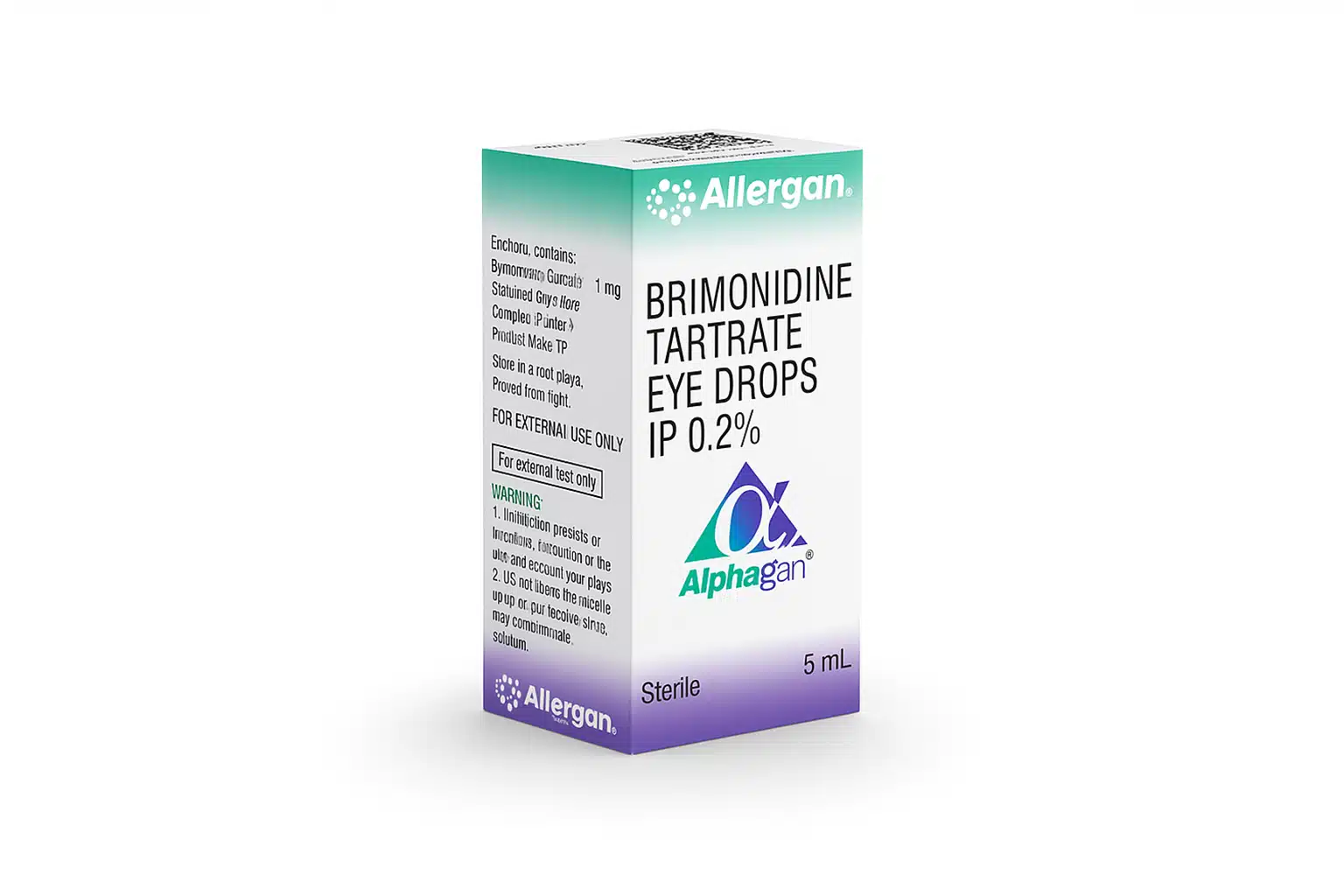
Alphagan 0.20% Eye Drop
Eye Drops$35.41 – $101.91Price range: $35.41 through $101.91Rated 4.00 out of 5Shop Now This product has multiple variants. The options may be chosen on the product page
Which eye drop for dry eyes?
- Start with environment & behavior
Add a humidifier in dry rooms; avoid direct vents; wear wraparound sunglasses on windy days.
Follow the 20-20-20 rule when using screens: every 20 minutes look 20 feet away for 20 seconds and blink deliberately.
- Lubrication
Keep preservative-free artificial tears at hand; use several times daily. For moderate symptoms, use 4–6 times/day; for severe or overnight, use a gel/ointment at bedtime.
- Lid care (if lids/glands are involved)
Warm compresses for 5–10 minutes once to twice daily; gently massage lids to express oils. Use commercial warming devices or a warmed washcloth. Daily lid scrubs (baby shampoo or OTC lid cleansers) can help with blepharitis.
- Nutrition & medication check
Discuss omega-3 supplements with your clinician and review systemic medications that cause dryness.
- When symptoms persist or vision is affected
See an eye doctor for tests (TBUT, Schirmer, osmolarity, meibography). They can tailor therapy: anti-inflammatories (cyclosporine/lifitegrast), punctal plugs, in-office meibomian treatments, or autologous tears for severe cases.
When to see a doctor urgently
Seek immediate care if you have severe pain, sudden vision loss, intense light sensitivity, or a discharge suggesting infection. These are not typical dry-eye symptoms and require urgent evaluation.
FAQ's
Q1: Can I use Vigamox 5ml eye drops for dry eyes?
A: No, Vigamox is an antibiotic for bacterial eye infections, not a dry-eye medication. It should only be used when an infection is present and prescribed by a doctor. Using antibiotics unnecessarily can cause irritation and other risks.
Q2: Which over-the-counter drops are best for dry eye?
A: Preservative-free artificial tears are preferred if you need frequent dosing. Gels or ointments are better at night. Choose a brand that suits your comfort; if one type doesn’t help after several days, try a different formulation.
Q3: How long until prescription dry-eye drops work?
A: Anti-inflammatory drugs like cyclosporine or lifitegrast can take several weeks (often 4–12) to show benefit. Short-course steroids may help quickly for flares, but aren’t for long-term use.
Q4: Are meibomian gland procedures worth it?
A: For MGD-driven evaporative dry eye, targeted treatments (LipiFlow, IPL) often produce measurable improvements vs warm compresses alone, particularly when glands are obstructed. Discuss candidacy and cost with your specialist.
Q5: Could my contact lenses cause dry eyes?
A: Yes, lens wear can reduce tear film stability and cause symptoms. Consider reducing wear time, switching lens type, or using rewetting drops; consult your eye care provider.
References
- AAO — Ocular Surface Disease Diagnosis and Treatments (Preferred Practice Pattern). AAO Journal
- FDA prescribing information — VIGAMOX (moxifloxacin ophthalmic solution) 0.5% label. FDA Access Data
- McCann P., et al. Interventions for Dry Eye — Overview of Systematic Reviews (PMC / 2024). Evidence for devices and therapies. PMC
- StatPearls / NCBI — Schirmer Test (tear production measurement). NCBI
- Miller D., Review of moxifloxacin ophthalmic solution (pharmacology and tolerability). PMC