
The word “injection” alone is enough to make most people uncomfortable. Add the word “eye” to it, and the fear multiplies instantly. That reaction is completely natural. Yet, for millions of people worldwide, intravitreal injections are not something extreme or experimental. They are routine, vision-saving treatments that quietly protect eyesight every single day.
If you or someone close to you has been diagnosed with a retinal disease, chances are this treatment has come up in conversation. Understanding why these injections are used, what they do inside the eye, and how they help slow or stop vision loss can reduce fear and replace it with clarity.
This is not a technical lecture. It’s a grounded explanation of how intravitreal injections actually help real people see better or preserve the vision they still have.

Understanding the Retina and Why It Matters So Much
The retina is a thin, light-sensitive layer at the back of the eye. It acts like a camera sensor, converting light into signals that the brain interprets as images. When the retina is healthy, vision feels effortless. When it’s damaged, vision slowly, or sometimes rapidly, begins to fail.
Retinal diseases affect this delicate tissue in different ways. Some cause swelling. Some cause abnormal blood vessel growth. Others damage retinal cells over time. What they all share is this: once retinal cells are damaged, they do not easily regenerate.
That’s why early and targeted treatment is critical.
Why Retinal Diseases Are Difficult to Treat
Unlike many other parts of the body, the retina is protected by natural barriers. These barriers are helpful because they protect the eye from infections and toxins. However, they also make it harder for medications taken orally or injected into the bloodstream to reach the retina in effective amounts.
Eye drops, which many people assume should work, barely reach the retina at all. This limitation is exactly why intravitreal injections exist.
They bypass the barriers.
What Is an Intravitreal Injection?
An intravitreal injection is a procedure where medication is injected directly into the vitreous, the gel-like substance inside the eye. This places the medicine right next to the retina, where it’s needed most.
The goal is precision. Instead of flooding the entire body with medication and hoping some reaches the eye, intravitreal injections deliver treatment exactly where the disease is active.
This targeted approach is one of the biggest reasons these injections are so effective in treating retinal disease.
How the Injection Process Actually Feels
One of the biggest fears patients have is pain. The reality is very different from what most imagine.
Before the injection:
- The eye is numbed with anesthetic drops
- The area is cleaned thoroughly to prevent infection
- The procedure is explained step by step
During the injection:
- Most patients feel pressure, not pain
- The injection itself takes only a few seconds
After the procedure:
- Mild irritation or a scratchy feeling is common
- Vision may appear slightly blurry for a short time
- Normal activities usually resume quickly
For most patients, the anticipation is far worse than the experience itself.
How Intravitreal Injections Work Inside the Eye
Once injected, the medication spreads through the vitreous and reaches the retina. Depending on the condition being treated, the drug may work in different ways.
Common actions include:
- Reducing inflammation
- Blocking abnormal blood vessel growth
- Decreasing retinal swelling
- Protecting retinal cells from further damage
Medications like Accentrix Solution for Injection are designed to act locally, minimizing effects on the rest of the body while maximizing benefit to the eye.
Conditions Commonly Treated With Intravitreal Injections
Intravitreal injections are used in several retinal conditions, including:
- Diabetic macular edema
- Age-related macular degeneration
- Retinal vein occlusion
- Certain inflammatory retinal disorders
In each case, the goal is similar: control the disease process before irreversible damage occurs.
Why Timing Matters So Much in Retinal Disease
Retinal disease often progresses quietly. Vision loss may begin subtly, with slight blurring, distortion, or difficulty reading. By the time symptoms feel severe, damage may already be advanced.
Intravitreal injections help by:
- Slowing disease progression
- Stabilizing vision
- In some cases, improving visual clarity
Delaying treatment can mean missing the window where vision can still be preserved.
Best Seller
-

Bimat 0.03% w/v
Eye Drops$12.24 – $60.98Price range: $12.24 through $60.98Rated 5.00 out of 5Shop Now This product has multiple variants. The options may be chosen on the product page -
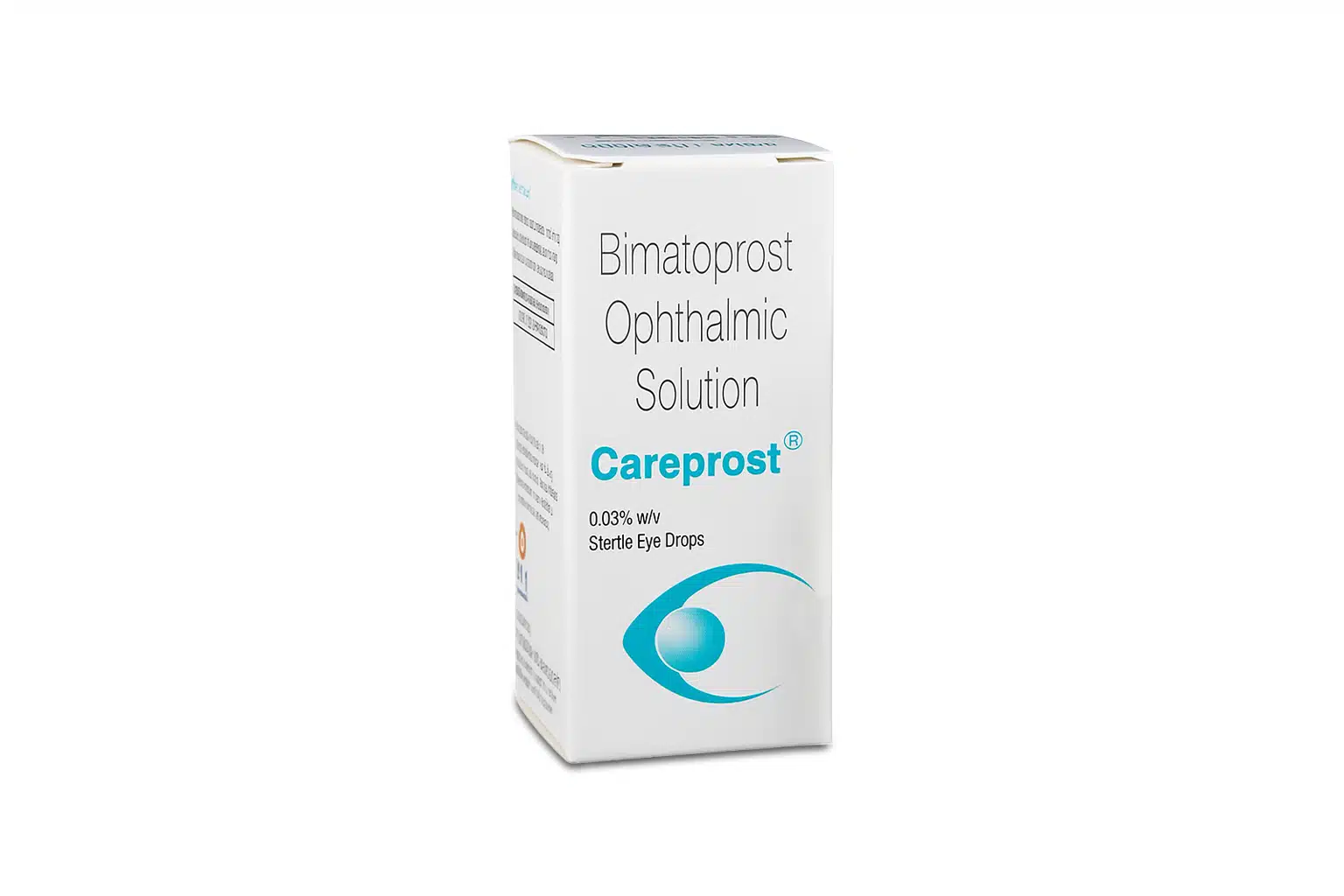
Careprost 3 ml. of 0.03%
Eye Drops$18.41 – $105.77Price range: $18.41 through $105.77Rated 4.00 out of 5Shop Now This product has multiple variants. The options may be chosen on the product page -

Dorzox Eye Drop 2% (5 ml) Eye Drop
Eye Drops$8.90 – $47.75Price range: $8.90 through $47.75Rated 4.00 out of 5Shop Now This product has multiple variants. The options may be chosen on the product page -
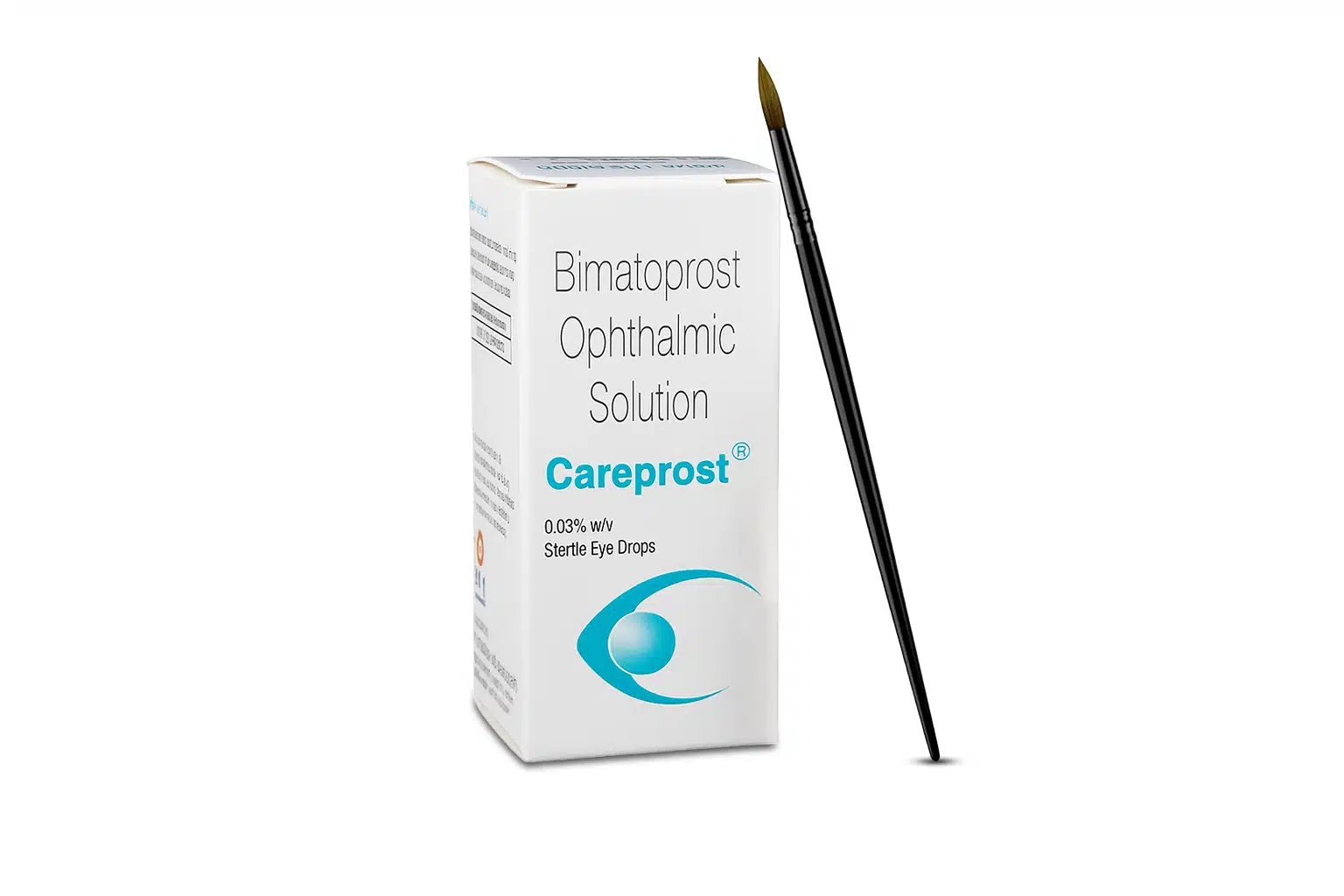
Careprost (With Brush) 3ml 0.03%
Eye Drops$51.50 – $156.20Price range: $51.50 through $156.20Rated 5.00 out of 5Shop Now This product has multiple variants. The options may be chosen on the product page -
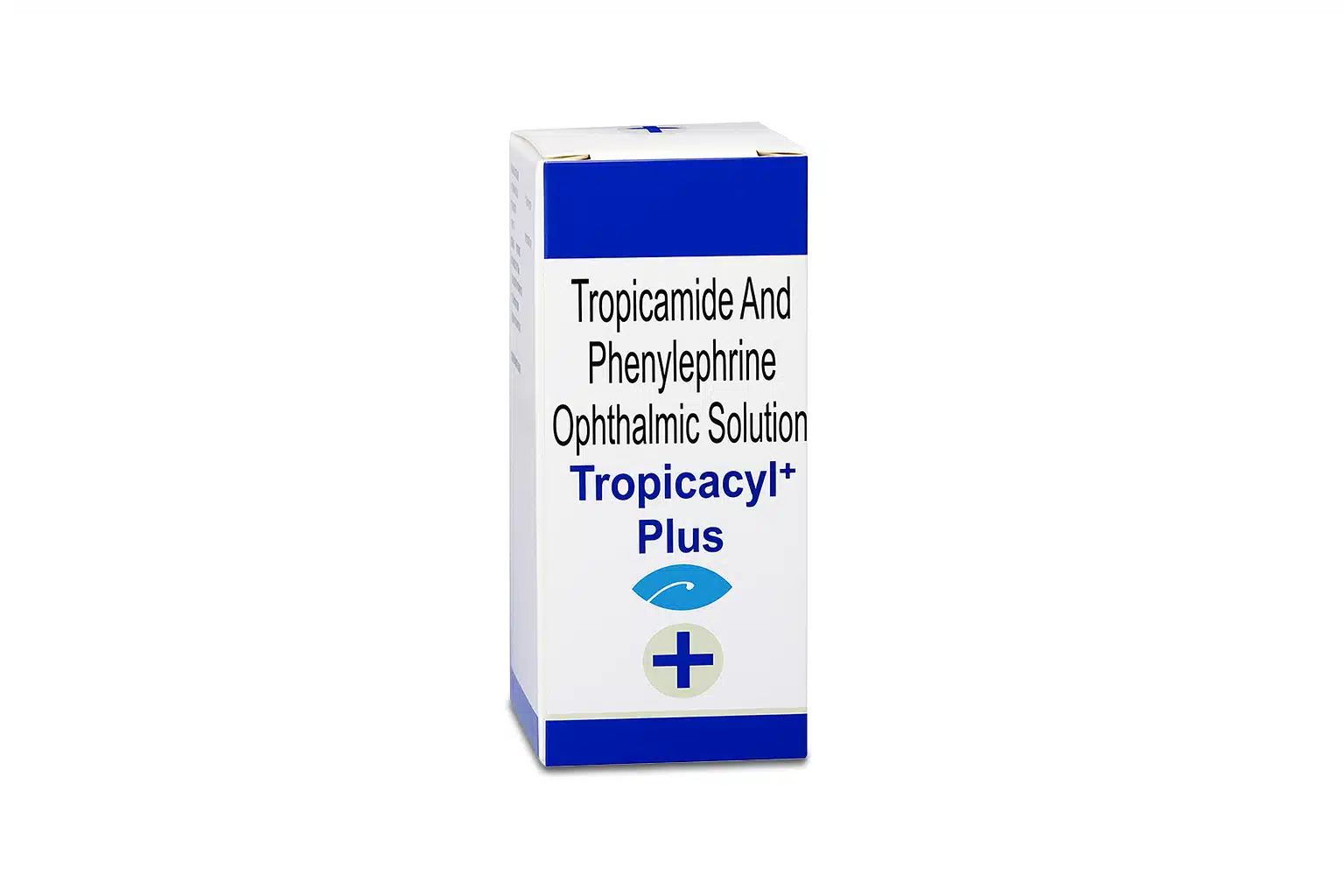
Tropicacyl Plus 3 ml
Eye Drops$2.90 – $15.21Price range: $2.90 through $15.21Rated 4.00 out of 5Shop Now This product has multiple variants. The options may be chosen on the product page -
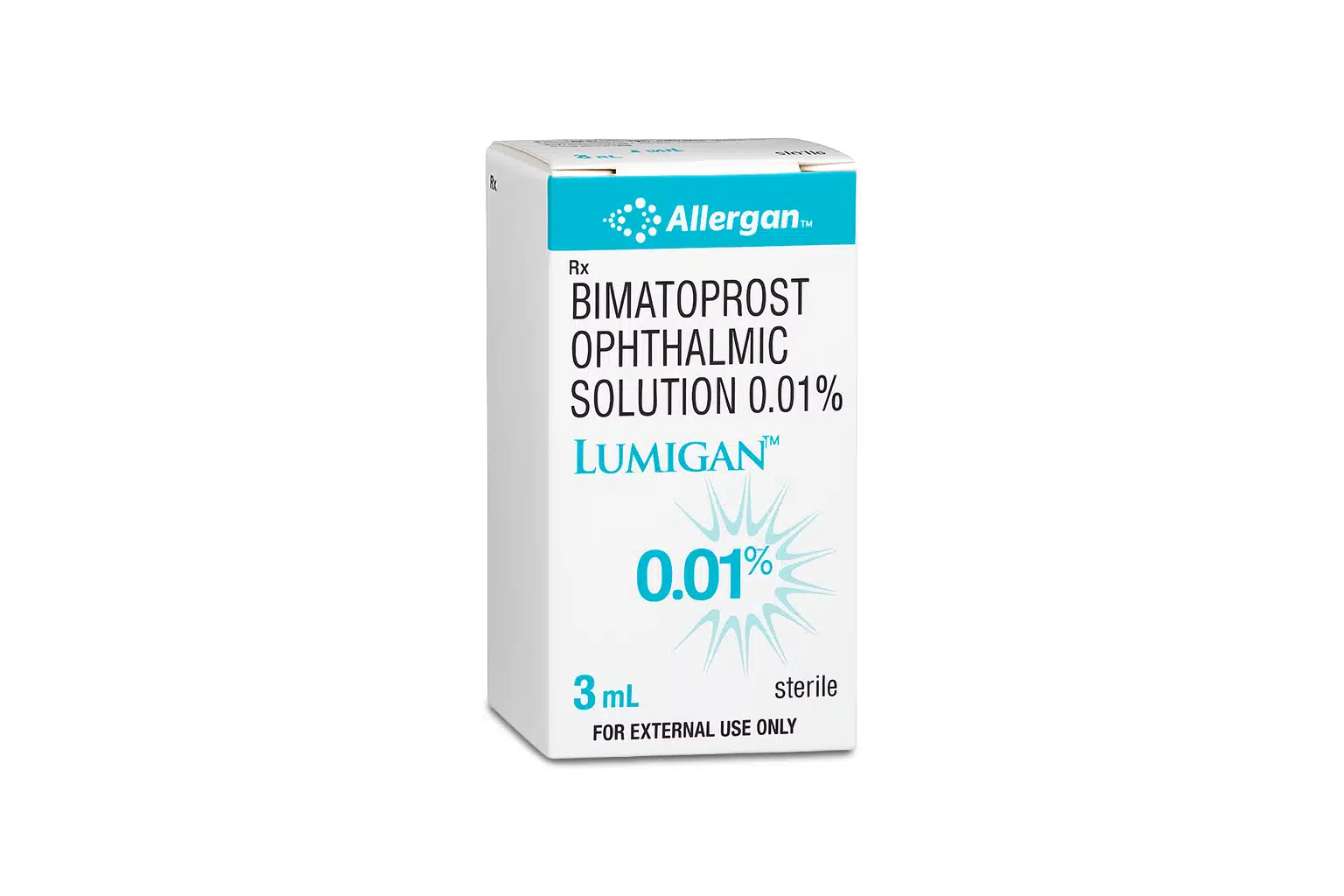
Lumigan 3 ml (0.01%)
Eye Drops$54.15 – $322.56Price range: $54.15 through $322.56Rated 5.00 out of 5Shop Now This product has multiple variants. The options may be chosen on the product page -

Vigamox 5 ml
Eye Drops$24.20 – $72.30Price range: $24.20 through $72.30Rated 4.00 out of 5Shop Now This product has multiple variants. The options may be chosen on the product page -

Latoprost Eye Drop
Eye Drops$48.45 – $288.00Price range: $48.45 through $288.00Rated 0 out of 5Shop Now This product has multiple variants. The options may be chosen on the product page -
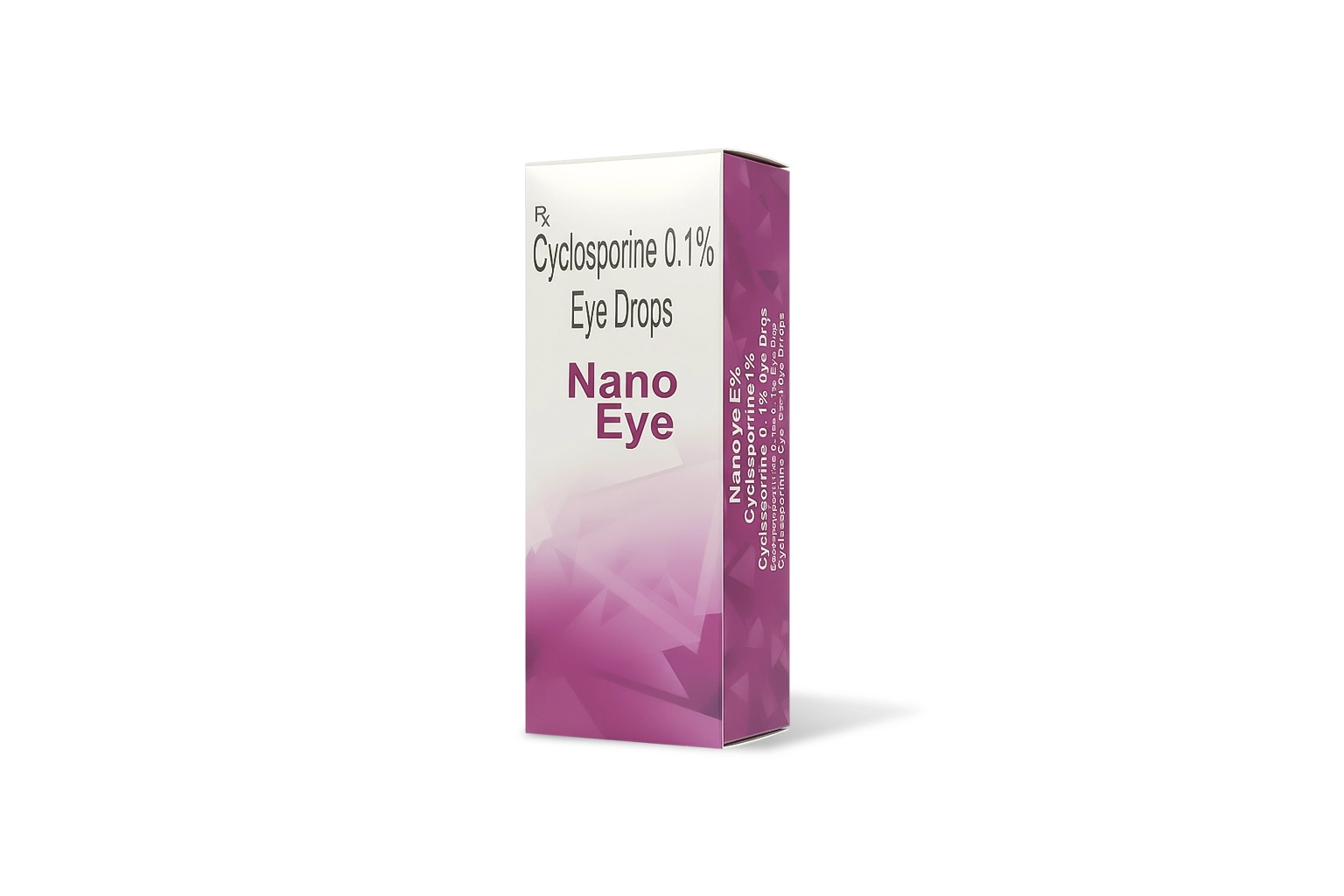
Nano Tears 0.1% 3 ml
Eye Drops$34.20 – $201.60Price range: $34.20 through $201.60Rated 0 out of 5Shop Now This product has multiple variants. The options may be chosen on the product page -
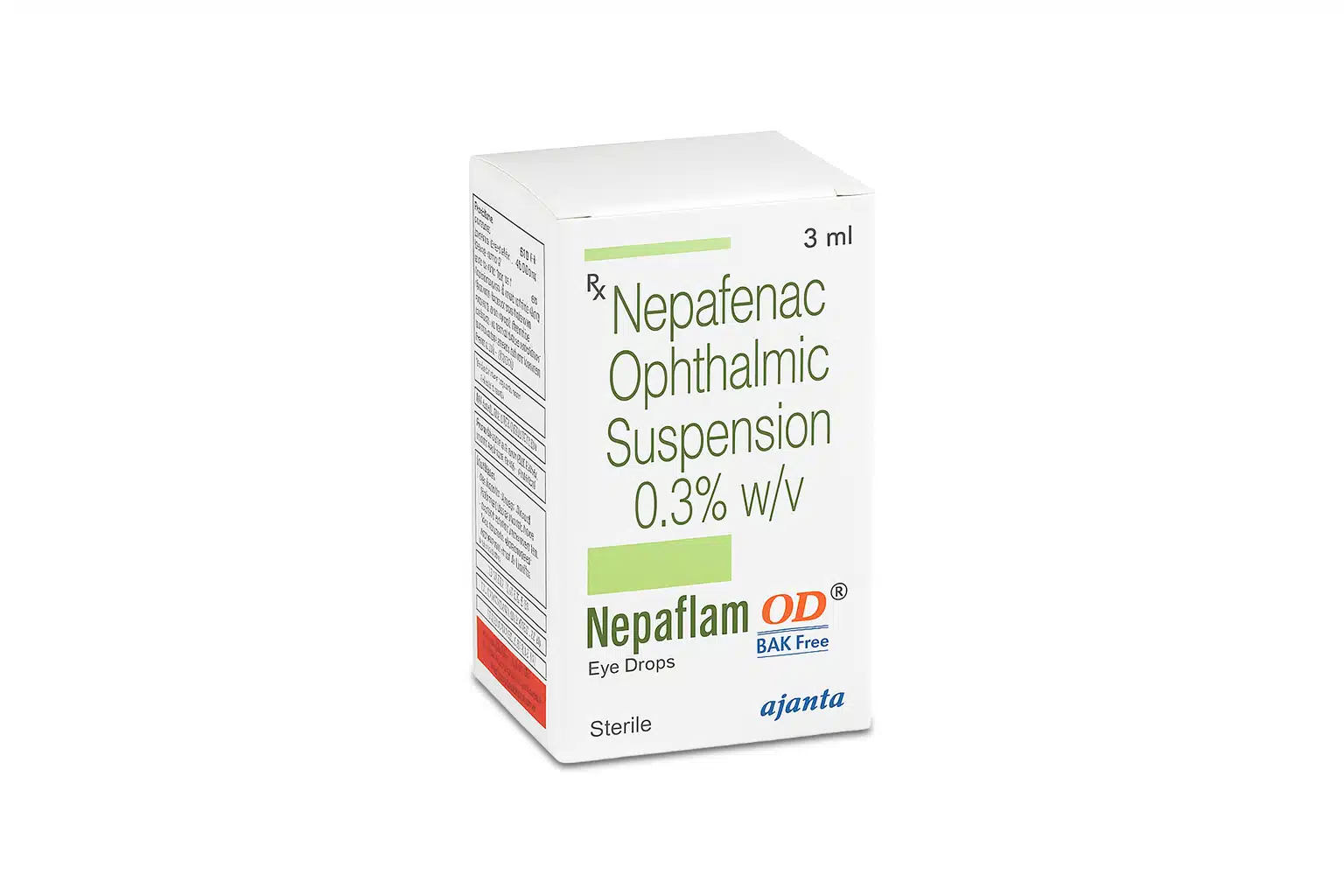
Nepaflam OD 3 ml
Eye Drops$20.40 – $61.10Price range: $20.40 through $61.10Rated 0 out of 5Shop Now This product has multiple variants. The options may be chosen on the product page -

Dorzox T 5 ml Eye Drop
Eye Drops$12.05 – $64.66Price range: $12.05 through $64.66Rated 4.00 out of 5Shop Now This product has multiple variants. The options may be chosen on the product page -
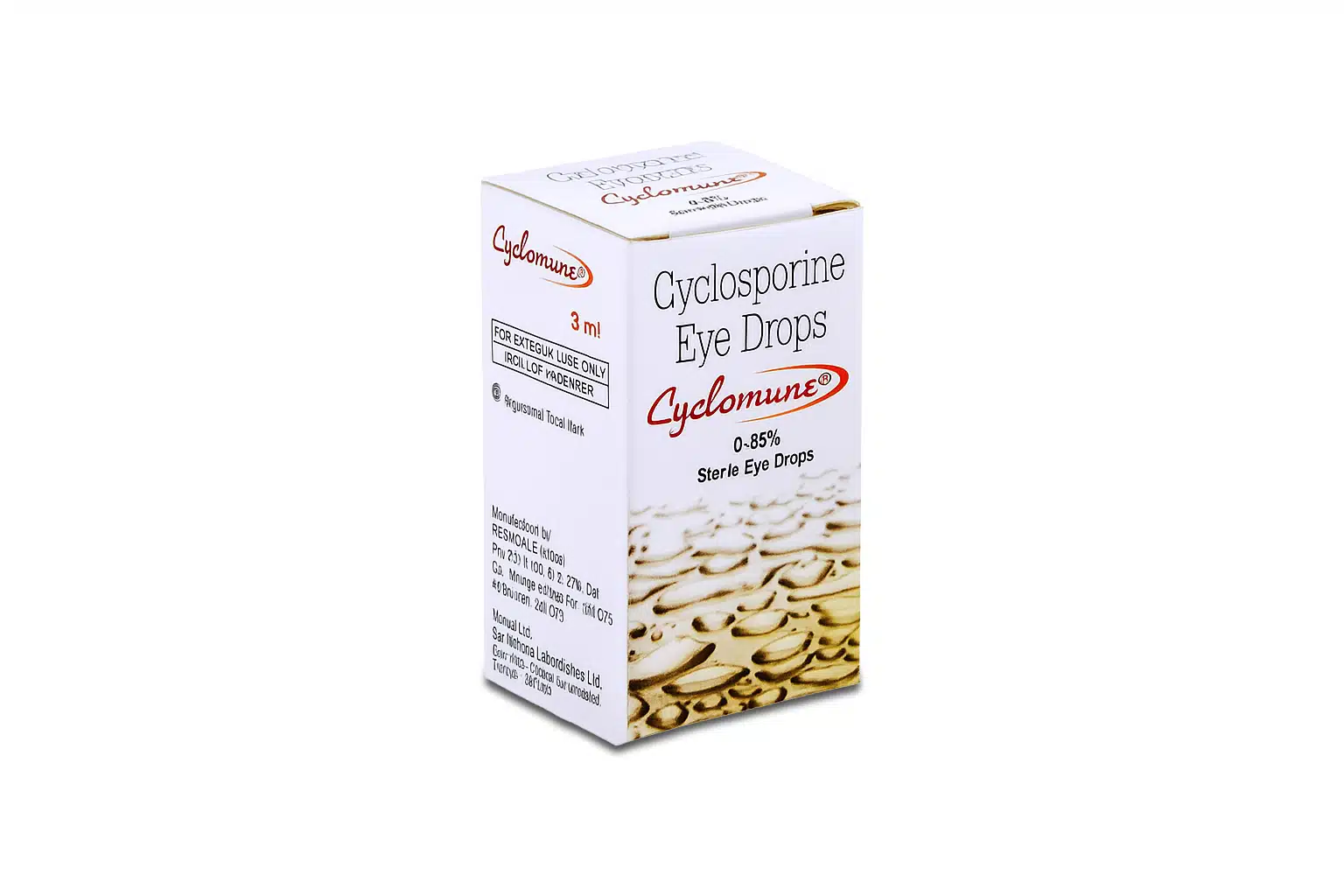
Cyclomune 0.05%
Eye Drops$9.74 – $48.02Price range: $9.74 through $48.02Rated 4.00 out of 5Shop Now This product has multiple variants. The options may be chosen on the product page -

Ganfort Eye Drop
Eye Drops$32.47 – $82.50Price range: $32.47 through $82.50Rated 4.00 out of 5Shop Now This product has multiple variants. The options may be chosen on the product page -
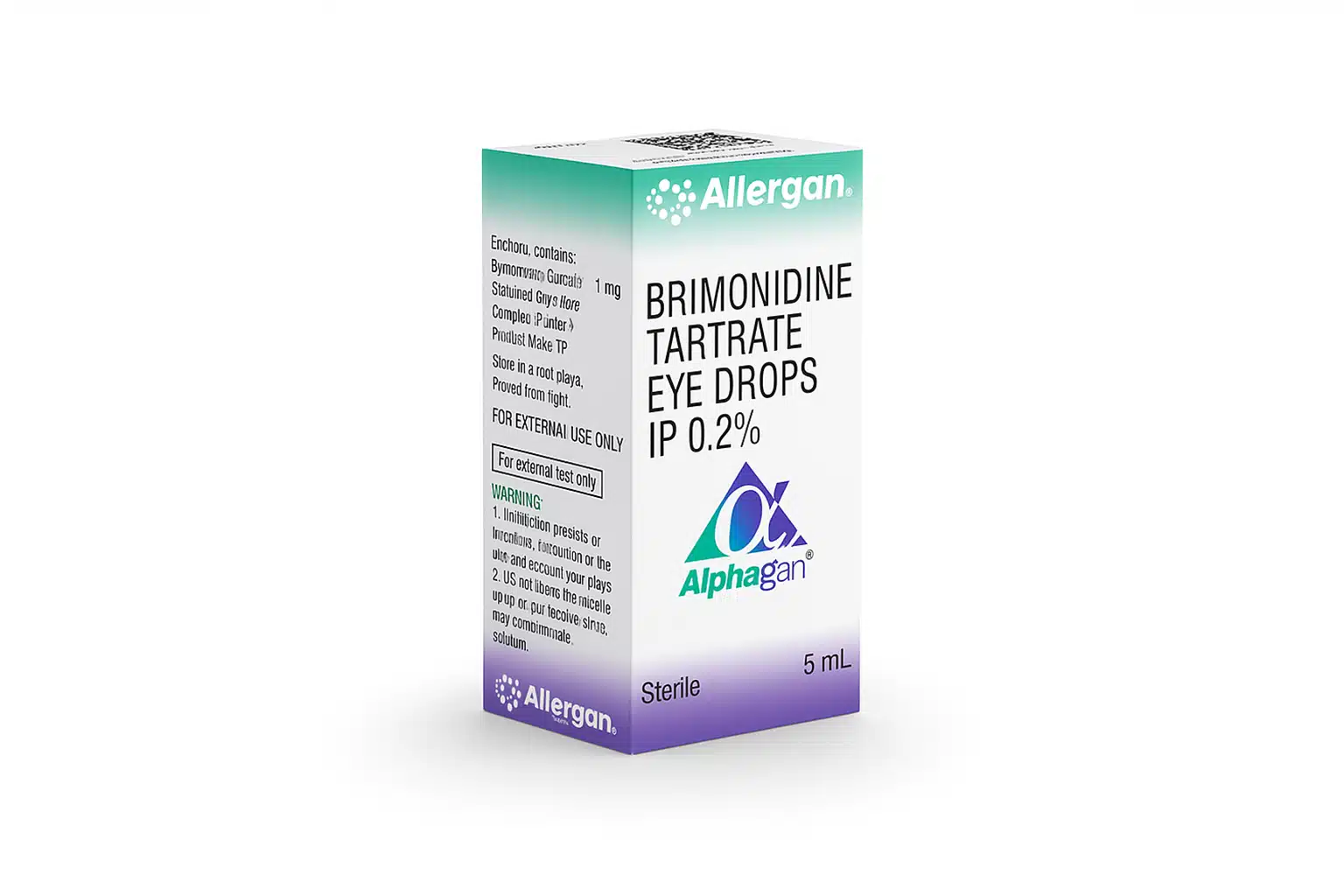
Alphagan 0.20% Eye Drop
Eye Drops$35.41 – $101.91Price range: $35.41 through $101.91Rated 4.00 out of 5Shop Now This product has multiple variants. The options may be chosen on the product page
Why Repeated Injections Are Sometimes Needed
Patients often ask why injections must be repeated.
The answer is simple: the eye slowly clears medication over time. Retinal diseases are often chronic, meaning they don’t disappear after a single treatment.
Repeated injections:
- Maintain therapeutic drug levels
- Keep abnormal processes under control
- Prevent flare-ups of disease activity
This doesn’t mean the treatment isn’t working. It means it is working and needs maintenance.
Safety and Monitoring
Intravitreal injections are among the most studied procedures in ophthalmology. When performed correctly, they have a strong safety profile.
Doctors carefully monitor:
- Eye pressure
- Signs of infection
- Retinal response to treatment
Patients are also educated on warning signs to watch for, such as increasing pain or sudden vision changes, ensuring issues are addressed quickly if they arise.
Emotional Impact of Retinal Treatment
Vision problems affect more than eyesight. They affect independence, confidence, and emotional well-being.
For many patients, starting intravitreal injections brings relief, not because the disease disappears overnight, but because there is finally a plan. A way forward. A sense of control.
Understanding the purpose of treatment helps reduce anxiety and improve long-term cooperation with care.
The Role of the Patient in Treatment Success
Intravitreal injections are powerful, but they work best when patients:
- Attend follow-up appointments consistently
- Report changes in vision promptly
- Follow post-treatment instructions
Retinal care is a partnership. The medication does its part inside the eye, and the patient supports the process through awareness and consistency.
Why Intravitreal Injections Have Changed Retinal Care
Before these treatments were available, many retinal diseases led inevitably to severe vision loss. Today, that trajectory has changed.
Intravitreal injections have:
- Transformed once-blinding conditions into manageable ones
- Extended functional vision for millions
- Allowed earlier and more precise intervention
Medications such as Accentrix Solution for Injection represent this shift toward targeted, effective retinal therapy.
Final Thoughts
Intravitreal injections may sound intimidating, but their purpose is simple: protect the retina and preserve vision.
For anyone facing a retinal disease, understanding how these injections work removes fear and replaces it with informed confidence. They are not extreme measures. They are carefully designed solutions for delicate problems, used every day, with real results.
When vision is at stake, precision matters.
And that’s exactly what intravitreal injections provide.
FAQ's
1. What are intravitreal injections and why are they used for retinal disease?
Intravitreal injections are treatments where medication is injected directly into the eye’s vitreous to reach the retina. They are used for retinal disease because oral medicines or eye drops cannot deliver enough drug to this area. This direct approach helps control swelling, inflammation, and abnormal blood vessel growth.
2. How do intravitreal injections help protect vision in retinal disease?
Intravitreal injections help by delivering medication exactly where retinal damage is occurring. They reduce fluid leakage, slow disease progression, and protect remaining retinal cells. In many cases, these injections stabilize vision and may even improve clarity when treatment is started early and followed consistently
3. Are intravitreal injections painful or risky?
Most patients report pressure rather than pain during intravitreal injections because the eye is numbed beforehand. When performed by an experienced specialist, the procedure is considered safe. Risks like infection are rare and closely monitored, making this treatment widely trusted for managing retinal disease.
4. Why do retinal disease treatments often require repeated intravitreal injections?
Retinal diseases are usually long-term conditions, and the eye gradually clears medication over time. Repeated intravitreal injections help maintain effective drug levels inside the eye, preventing disease activity from returning. Regular treatment schedules are essential to preserve vision and avoid further retinal damage.
5. What role does Accentrix Solution for Injection play in retinal disease treatment?
Accentrix Solution for Injection is used as an intravitreal therapy to manage certain retinal disease conditions. By acting directly inside the eye, it targets disease mechanisms locally while limiting effects on the rest of the body, supporting long-term retinal health and vision preservation under medical supervision.