
Eye infections don’t give warnings.
They don’t send reminders or ease their way in. One day your eye feels normal. The next it’s red, sticky, irritated, and refusing to let you forget about it for even five minutes. Every blink feels wrong. Light feels too bright. Even keeping the eye open feels like work.
If you’ve ever dealt with a bacterial eye infection, you know how quickly it takes over your day.
And once the discomfort starts, the first question most people ask is simple:
What will actually help this go away?
That’s usually when antibiotic eye drops enter the picture, and when names like Mahaflox come up. Understanding Mahaflox 5 gm uses, and why doctors recommend certain drops as the Best Antibiotic Eye drop for conjunctivitis can make the situation feel far less overwhelming.
This isn’t about rushing to medication blindly. It’s about knowing what’s happening and why treatment matters.

When an Eye Infection Is More Than “Just Irritation”
People often underestimate eye infections. Redness gets blamed on screen time. Watering eyes get blamed on dust or allergies. Discharge gets wiped away and ignored.
But bacterial eye infections don’t behave politely.
They spread.
They intensify.
And they rarely improve on their own.
Bacteria thrive in warm, moist environments, and the eye is exactly that. Once bacteria settle in, inflammation follows quickly. The eye tries to protect itself, which is why discharge forms and eyelids swell.
Ignoring it doesn’t make it disappear. It usually makes it worse.
Signs That Point Toward a Bacterial Infection
Not every red eye is bacterial, but bacterial infections tend to have a few tell-tale patterns.
People often notice:
- Thick yellow or green discharge
- Eyelids stuck together after sleeping
- Redness that doesn’t calm down
- A gritty, sand-like feeling
- Swelling around the eye
Unlike allergies, bacterial infections don’t come and go with exposure. And unlike viral infections, they often worsen steadily without treatment.
That’s usually when a doctor decides antibiotics are necessary.
Why Antibiotic Eye Drops Are Sometimes Necessary
There’s a lot of hesitation around antibiotics today, and rightly so. Overuse causes problems. But avoiding them when they’re truly needed causes different problems.
With bacterial eye infections, the goal isn’t comfort alone. It’s control.
Antibiotic eye drops stop bacteria from multiplying. They don’t magically erase symptoms overnight, but they remove the cause so healing can actually begin.
That’s where Mahaflox is often prescribed.
Understanding Mahaflox 5 gm uses without complications
When people search for Mahaflox 5 gm uses, they’re usually dealing with:
- Confirmed or suspected bacterial conjunctivitis
- Persistent discharge
- Increasing redness
- Worsening irritation
Mahaflox is an antibiotic eye drop used specifically for bacterial infections of the eye. It’s not meant for dryness. It’s not for allergies. And it’s not something to use “just in case.”
Its job is simple: reduce bacterial activity so inflammation can settle and the eye can recover.
Conjunctivitis Isn’t One Single Condition
“Pink eye” gets thrown around casually, but conjunctivitis isn’t one thing.
There’s:
- Viral conjunctivitis
- Allergic conjunctivitis
- Bacterial conjunctivitis
Only bacterial conjunctivitis responds to antibiotics. That distinction matters.
Using antibiotic drops for the wrong type doesn’t speed up healing, it delays proper care. That’s why doctors are careful when deciding what qualifies as the Best Antibiotic Eye drop for conjunctivitis in a given case.
What Makes an Antibiotic Drop the “Best”?
There’s no universal winner.
The Best Antibiotic Eye drop for conjunctivitis depends on:
- The bacteria involved
- How severe the infection is
- Whether one or both eyes are affected
- Patient sensitivity
Mahaflox is often chosen because it targets bacteria commonly responsible for eye infections and is generally well tolerated when used correctly.
“Best” doesn’t mean strongest. It means appropriate.
Why People Expect Eye Drops to Work Instantly
One of the biggest frustrations with antibiotic eye drops is expectation.
People assume:
Drop goes in → eye feels better immediately.
That’s not how antibiotics work.
The first day or two are often about stopping progression, not reversing damage. Redness may linger. Discharge may slowly decrease. Comfort returns gradually.
Improvement feels subtle until one day you realize blinking doesn’t hurt anymore.
Best Seller
-

Bimat 0.03% w/v
Eye Drops$12.24 – $60.98Price range: $12.24 through $60.98Rated 5.00 out of 5Shop Now This product has multiple variants. The options may be chosen on the product page -
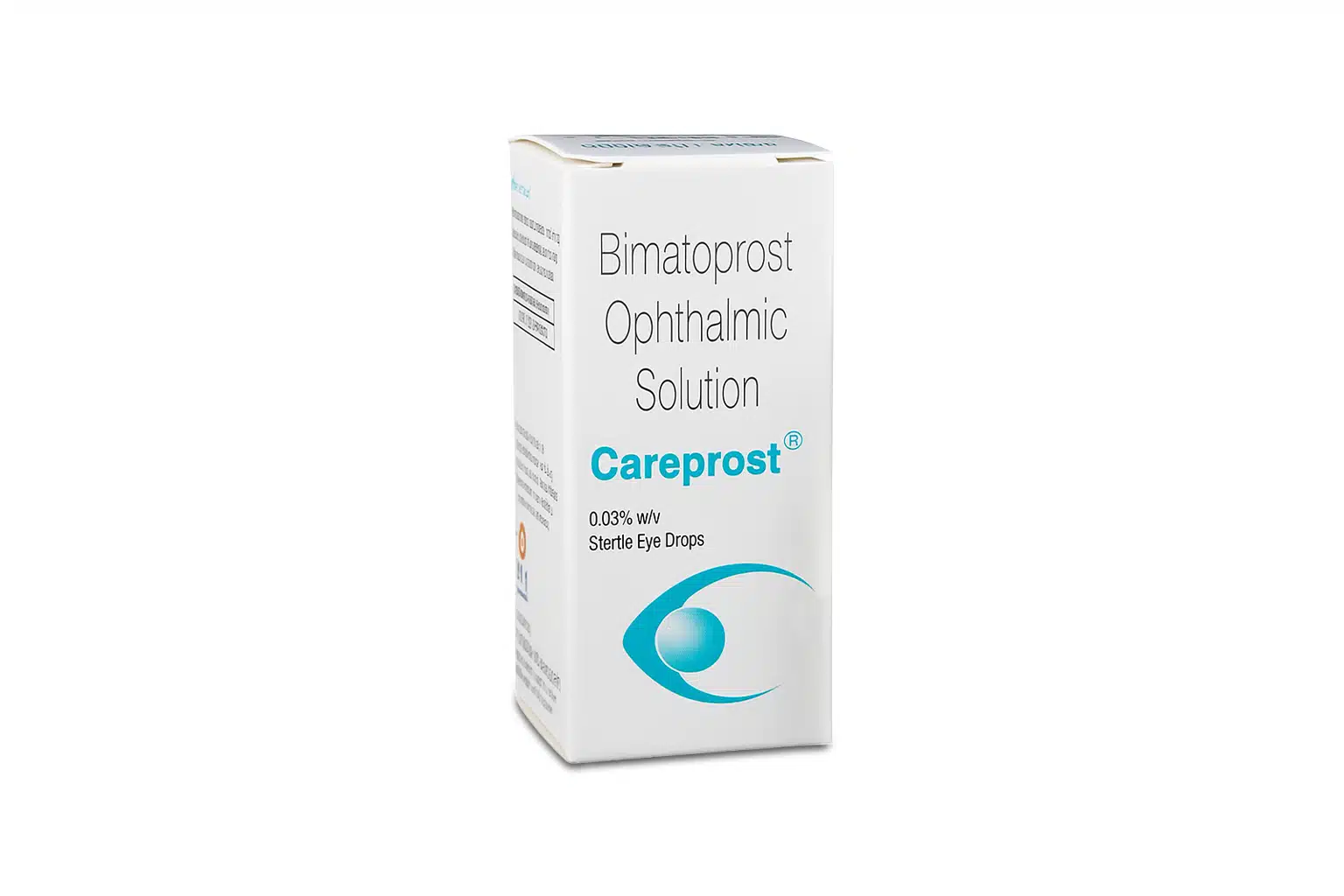
Careprost 3 ml. of 0.03%
Eye Drops$18.41 – $105.77Price range: $18.41 through $105.77Rated 4.00 out of 5Shop Now This product has multiple variants. The options may be chosen on the product page -

Dorzox Eye Drop 2% (5 ml) Eye Drop
Eye Drops$8.90 – $47.75Price range: $8.90 through $47.75Rated 4.00 out of 5Shop Now This product has multiple variants. The options may be chosen on the product page -
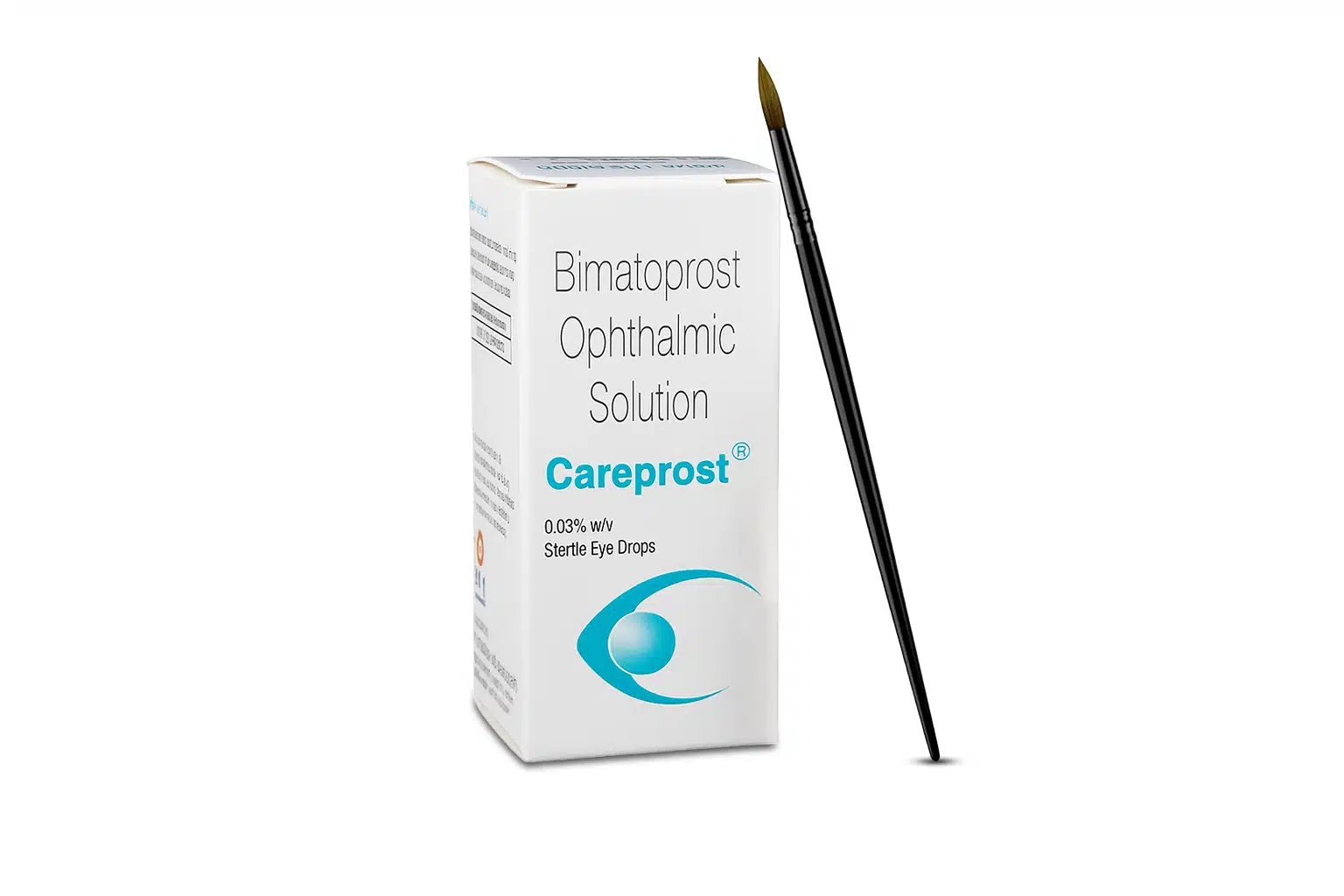
Careprost (With Brush) 3ml 0.03%
Eye Drops$51.50 – $156.20Price range: $51.50 through $156.20Rated 5.00 out of 5Shop Now This product has multiple variants. The options may be chosen on the product page -
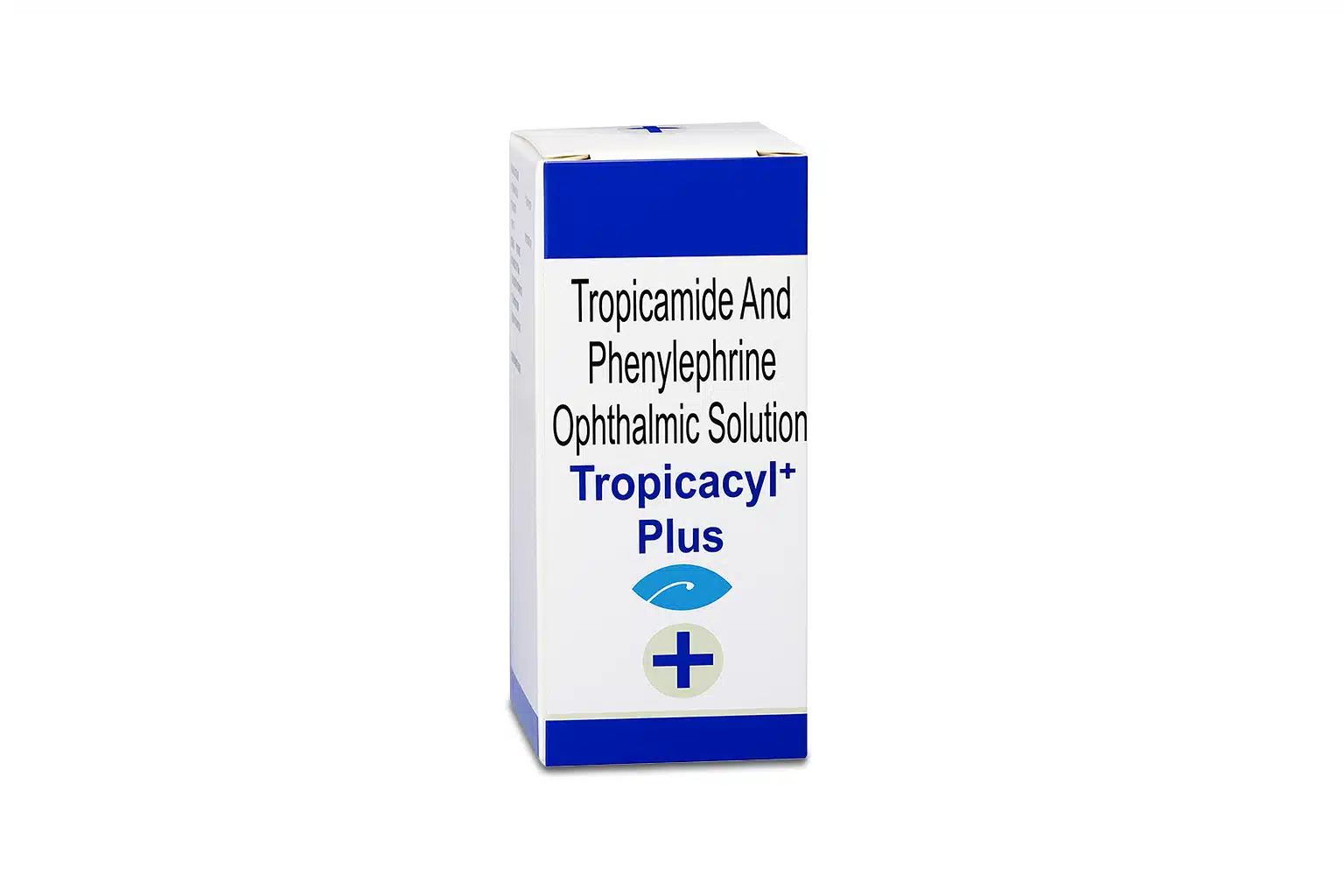
Tropicacyl Plus 3 ml
Eye Drops$2.90 – $15.21Price range: $2.90 through $15.21Rated 4.00 out of 5Shop Now This product has multiple variants. The options may be chosen on the product page -
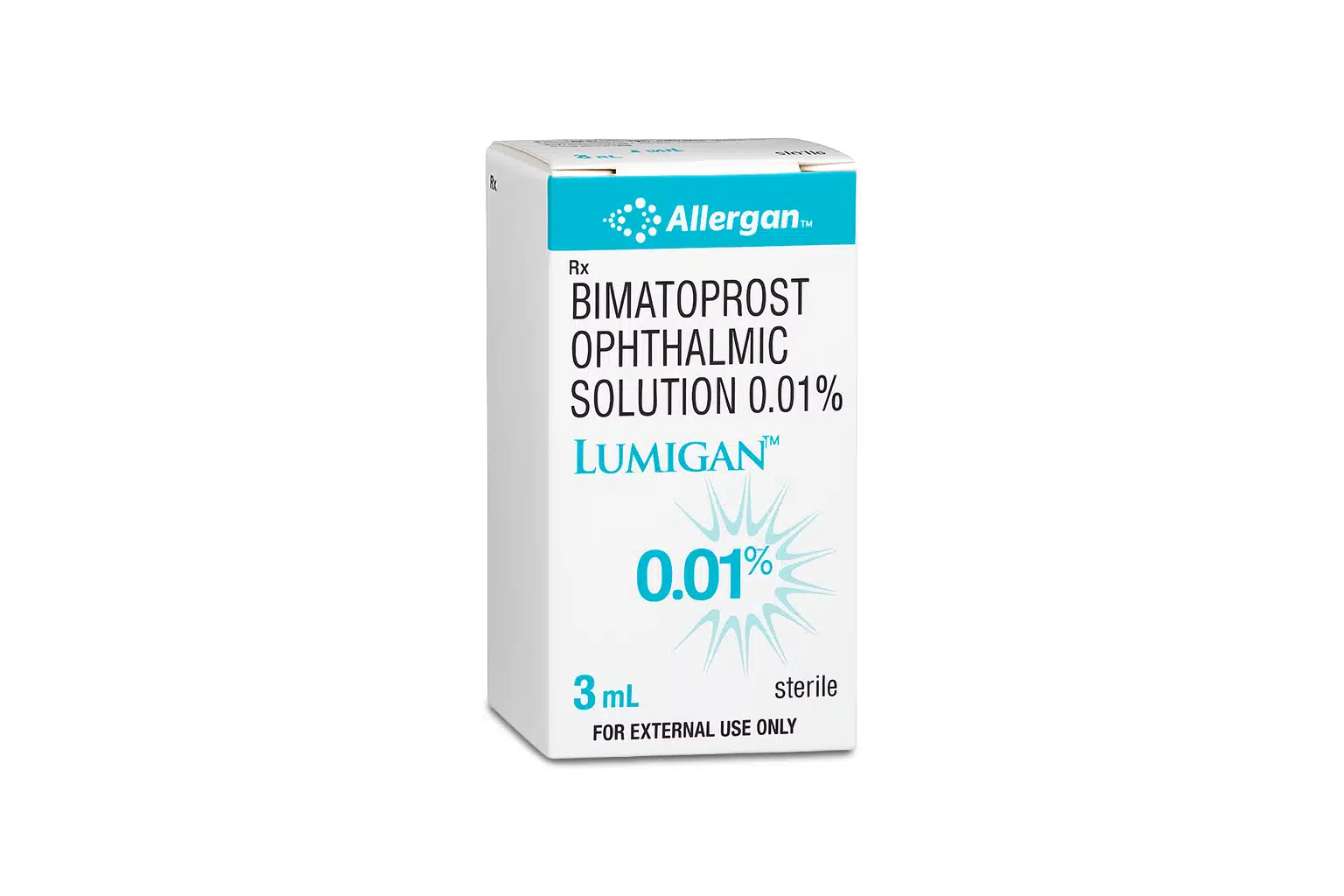
Lumigan 3 ml (0.01%)
Eye Drops$54.15 – $322.56Price range: $54.15 through $322.56Rated 5.00 out of 5Shop Now This product has multiple variants. The options may be chosen on the product page -

Vigamox 5 ml
Eye Drops$24.20 – $72.30Price range: $24.20 through $72.30Rated 4.00 out of 5Shop Now This product has multiple variants. The options may be chosen on the product page -

Latoprost Eye Drop
Eye Drops$48.45 – $288.00Price range: $48.45 through $288.00Rated 0 out of 5Shop Now This product has multiple variants. The options may be chosen on the product page -
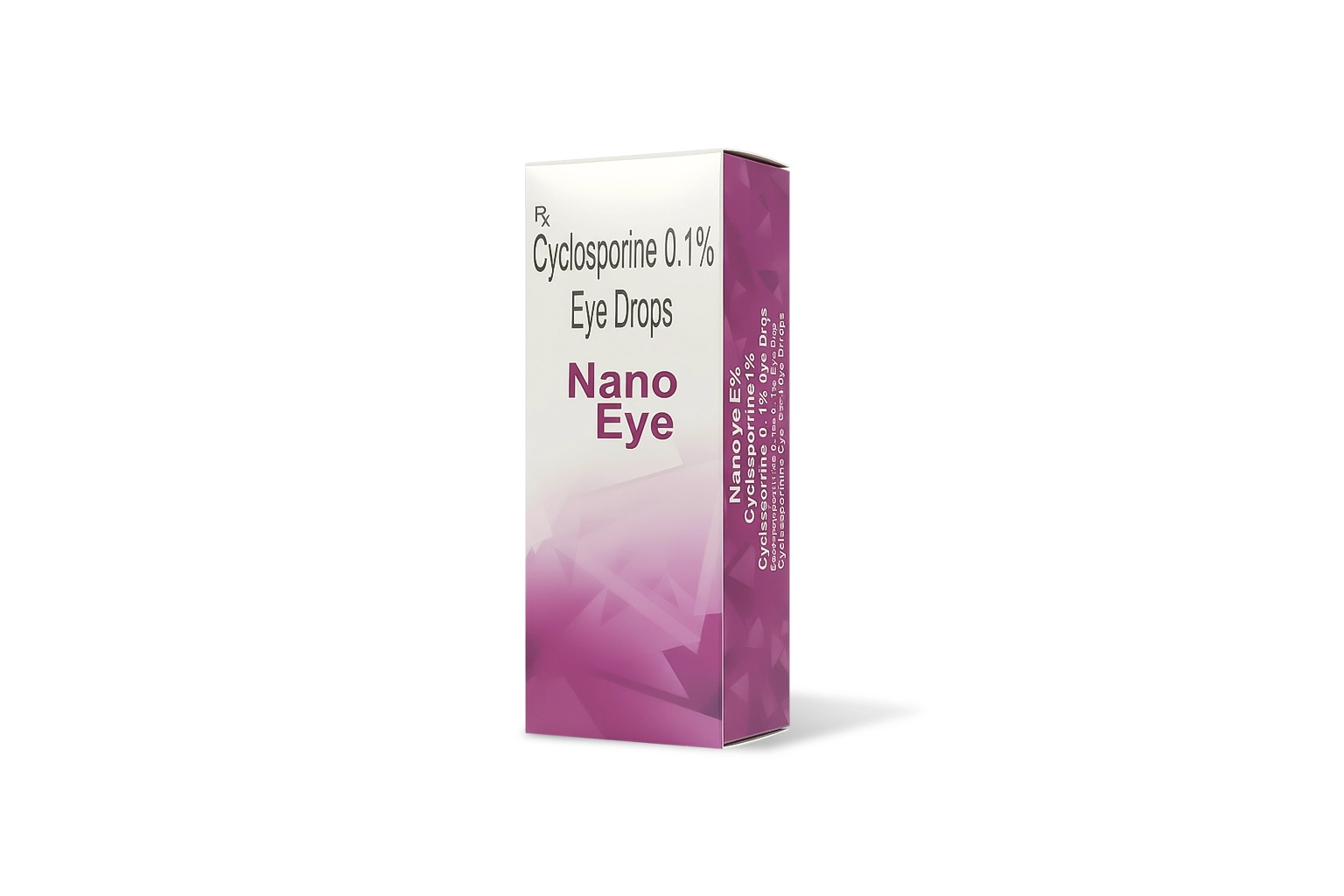
Nano Tears 0.1% 3 ml
Eye Drops$34.20 – $201.60Price range: $34.20 through $201.60Rated 0 out of 5Shop Now This product has multiple variants. The options may be chosen on the product page -
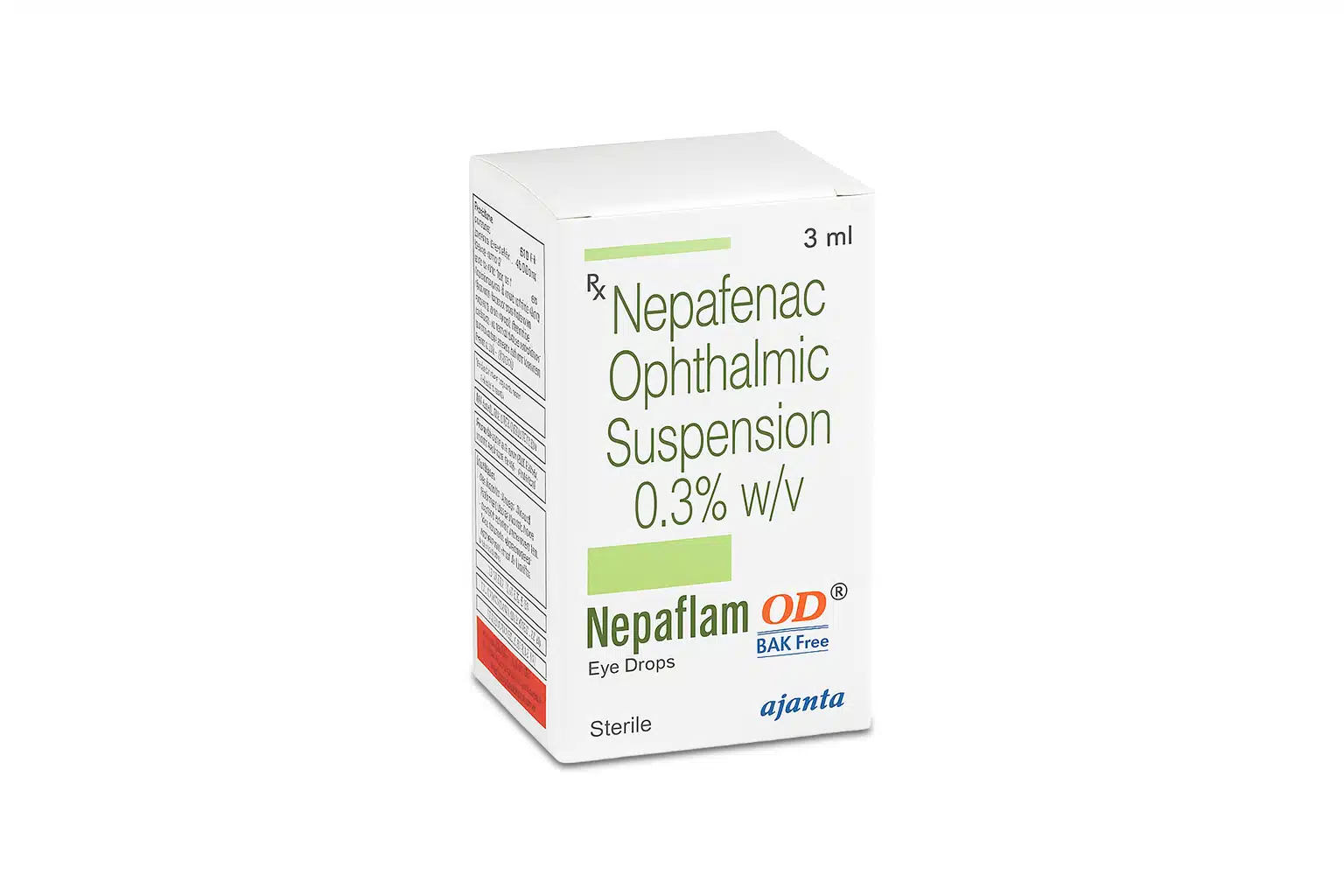
Nepaflam OD 3 ml
Eye Drops$20.40 – $61.10Price range: $20.40 through $61.10Rated 0 out of 5Shop Now This product has multiple variants. The options may be chosen on the product page -

Dorzox T 5 ml Eye Drop
Eye Drops$12.05 – $64.66Price range: $12.05 through $64.66Rated 4.00 out of 5Shop Now This product has multiple variants. The options may be chosen on the product page -
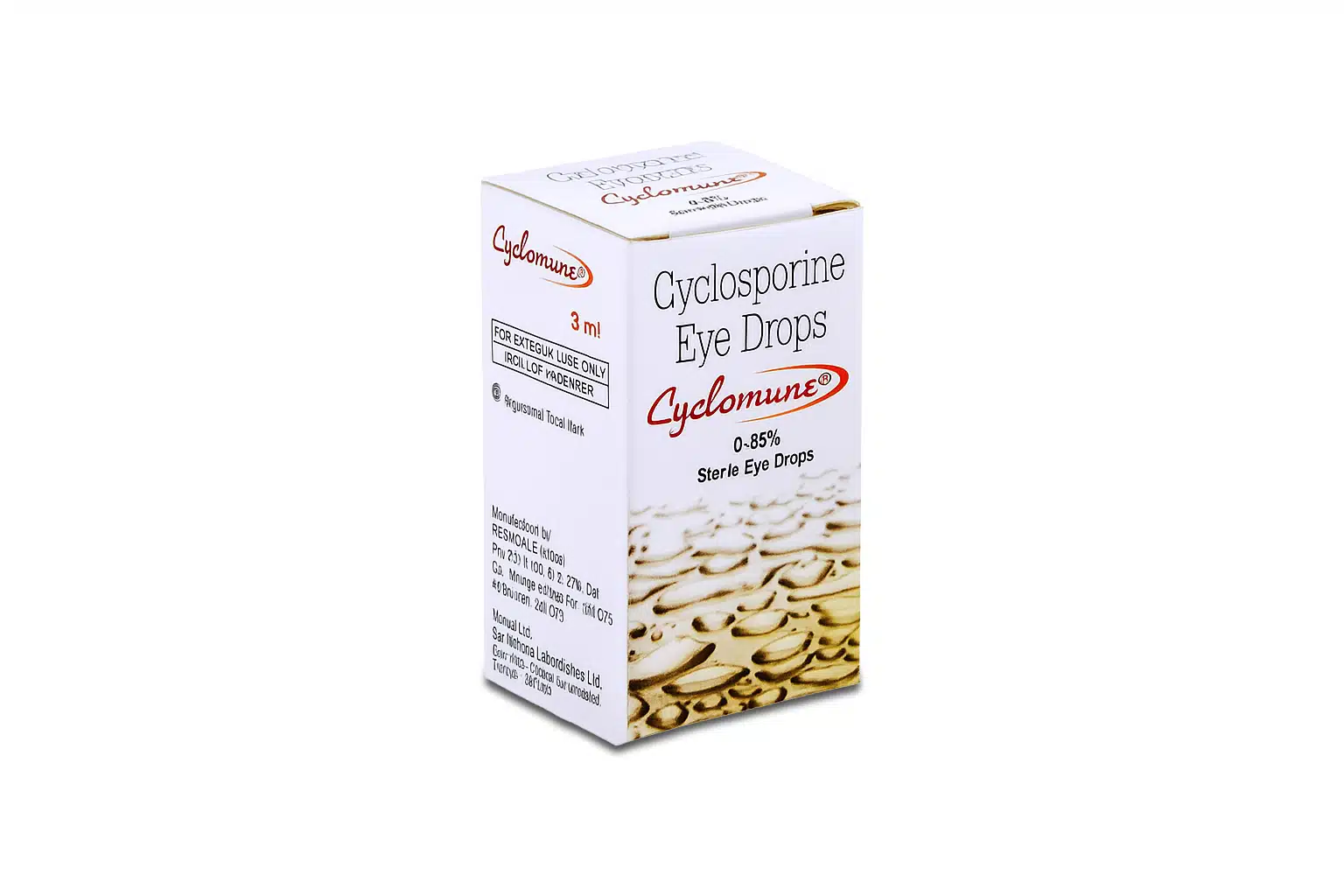
Cyclomune 0.05%
Eye Drops$9.74 – $48.02Price range: $9.74 through $48.02Rated 4.00 out of 5Shop Now This product has multiple variants. The options may be chosen on the product page -

Ganfort Eye Drop
Eye Drops$32.47 – $82.50Price range: $32.47 through $82.50Rated 4.00 out of 5Shop Now This product has multiple variants. The options may be chosen on the product page -
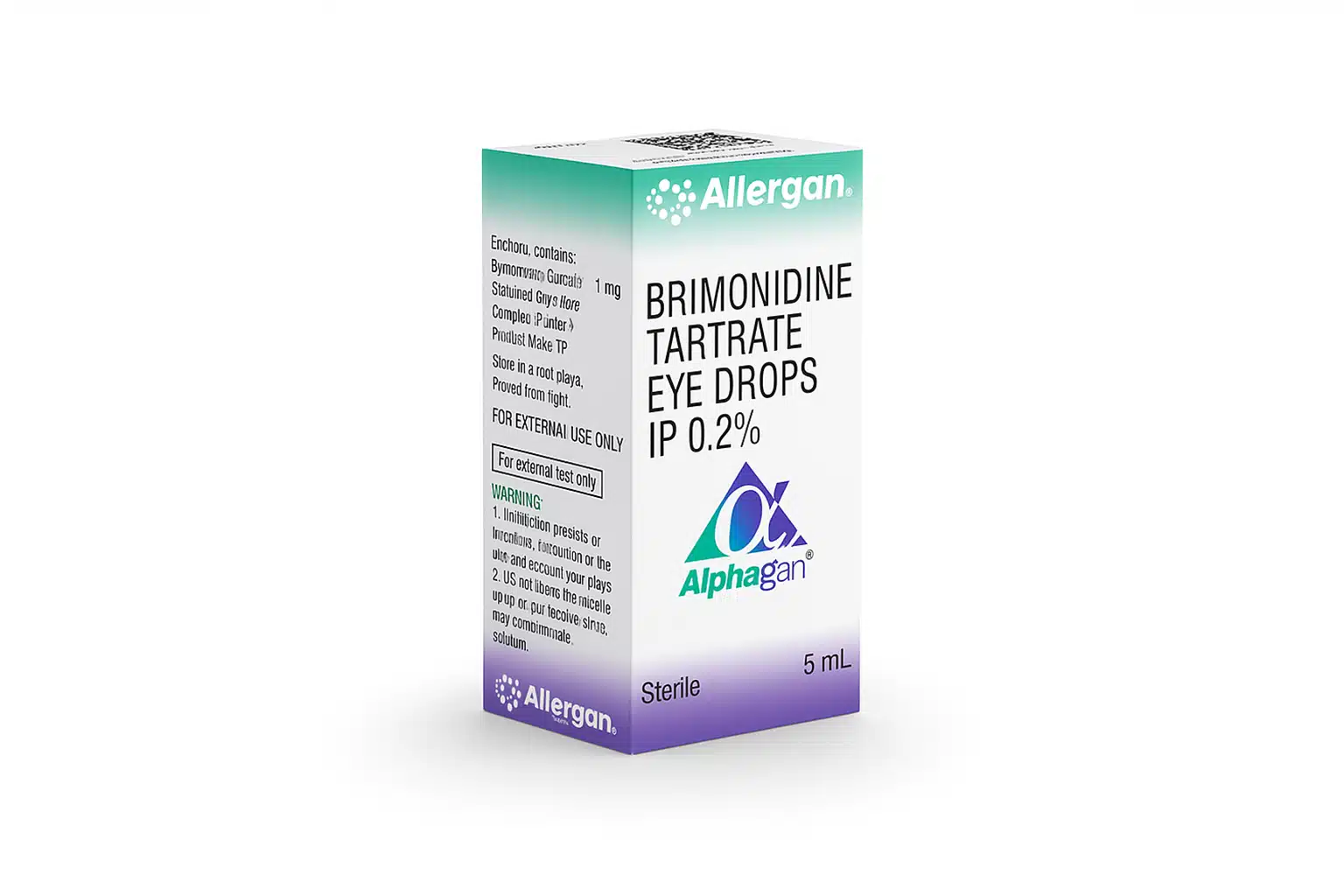
Alphagan 0.20% Eye Drop
Eye Drops$35.41 – $101.91Price range: $35.41 through $101.91Rated 4.00 out of 5Shop Now This product has multiple variants. The options may be chosen on the product page
The Importance of Finishing the Course
This part gets ignored more than it should.
Once symptoms improve, many people stop using the drops. The eye feels better, so they assume the infection is gone.
But bacteria don’t always disappear completely that fast.
Stopping early can:
- Allow bacteria to rebound
- Increase recurrence
- Make future infections harder to treat
This is why doctors emphasize completing the full course, even when the eye looks normal again.
Hygiene Matters More Than People Realize
Medication alone won’t fix an eye infection if hygiene is poor.
During infection:
- Hands should be washed before touching the eye
- Eye makeup should be avoided
- Towels and pillowcases should not be shared
- Discharge should be cleaned gently
Reintroducing bacteria through dirty hands or old makeup can undo progress quickly.
Contact Lens Wearers: Extra Caution Required
Contact lenses increase infection risk. During an active bacterial infection, lenses usually need to be avoided entirely.
Wearing lenses too soon can:
- Trap bacteria against the eye
- Slow healing
- Increase discomfort
In many cases, lenses and cases should be replaced after recovery to prevent reinfection.
What Recovery Usually Feels Like
Recovery isn’t dramatic.
First, discharge reduces.
Then irritation settles.
Redness fades last.
Some people feel improvement within a couple of days. Others take longer. Healing speed depends on severity, hygiene, and consistency with treatment.
Patience matters more than people expect.
When Things Don’t Improve
If symptoms don’t improve after several days, something else may be going on.
Possible reasons include:
- Incorrect diagnosis
- Resistant bacteria
- Missed doses
- Reinfection through poor hygiene
This isn’t failure, it’s information. Follow-up matters when progress stalls.
Why Antibiotics Shouldn’t Be Used Casually
Antibiotic eye drops aren’t soothing drops. They’re targeted tools.
Using them unnecessarily:
- Disrupts natural eye bacteria
- Increases resistance risk
- Delays correct treatment
That’s why professional guidance matters. Treating the right condition the right way protects future eye health.
The Emotional Side of Eye Infections
Eye infections aren’t just uncomfortable; they’re unsettling.
Vision feels vulnerable.
Appearance changes.
Daily routines are disrupted.
Understanding what’s happening reduces fear. Knowing why Mahaflox 5 gm uses are appropriate in bacterial cases helps people trust the process instead of second-guessing every symptom.
Preventing Future Eye Infections
Once healed, prevention becomes the focus.
Simple habits make a difference:
- Avoid touching your eyes unnecessarily
- Replace old eye makeup
- Clean contact lenses properly
- Wash your hands frequently
Most bacterial eye infections don’t happen randomly. They’re usually preventable.
Final Thoughts
Bacterial eye infections don’t need panic; they need proper attention.
Knowing when antibiotics are necessary, understanding Mahaflox 5 gm uses, and recognizing what qualifies as the Best Antibiotic Eye drop for conjunctivitis allows people to respond calmly and correctly.
Eyes heal best with:
- Timely treatment
- Consistent use
- Clean habits
- A little patience
Relief doesn’t come from rushing.
It comes from doing the right thing, steadily.
FAQ's
1. How do I know if my eye infection is actually bacterial and not just irritation?
Honestly, most people don’t know at first. Thick discharge, eyelids sticking together after sleep, and redness that keeps getting worse are common clues. That said, only a doctor can be sure. Guessing at home often delays proper treatment and prolongs discomfort.
2. How quickly should I expect relief after starting Mahaflox eye drops?
Relief usually isn’t instant. The first couple of days are more about stopping the infection from spreading. Discharge often reduces first, then irritation, and redness last. If things aren’t improving at all after several days, follow-up is important.
3. Can I stop using the drops once my eye looks normal again?
This is tempting, but risky. Even if your eye looks fine, bacteria may still be present. Stopping early can cause the infection to return. Finishing the prescribed course gives your eye the best chance to heal completely and stay healthy.
4. Why do doctors insist so much on hygiene during eye infections?
Because medication can’t fight reinfection on its own. Touching your eye with unwashed hands, using old makeup, or reusing towels can reintroduce bacteria. Good hygiene works quietly in the background but makes a huge difference in recovery speed.
5. Is it normal to feel anxious when an eye infection affects vision?
Yes, very normal. Anything involving vision feels scary. Even temporary blurriness can trigger anxiety. Understanding what’s happening and why treatment is being used helps a lot. Most bacterial eye infections heal well when managed correctly and calmly.