What Is a Rescue Inhaler?
A rescue inhaler is meant for immediate relief. This is the inhaler you grab when you start wheezing, your chest feels tight, you have a coughing fit, or you have trouble breathing.
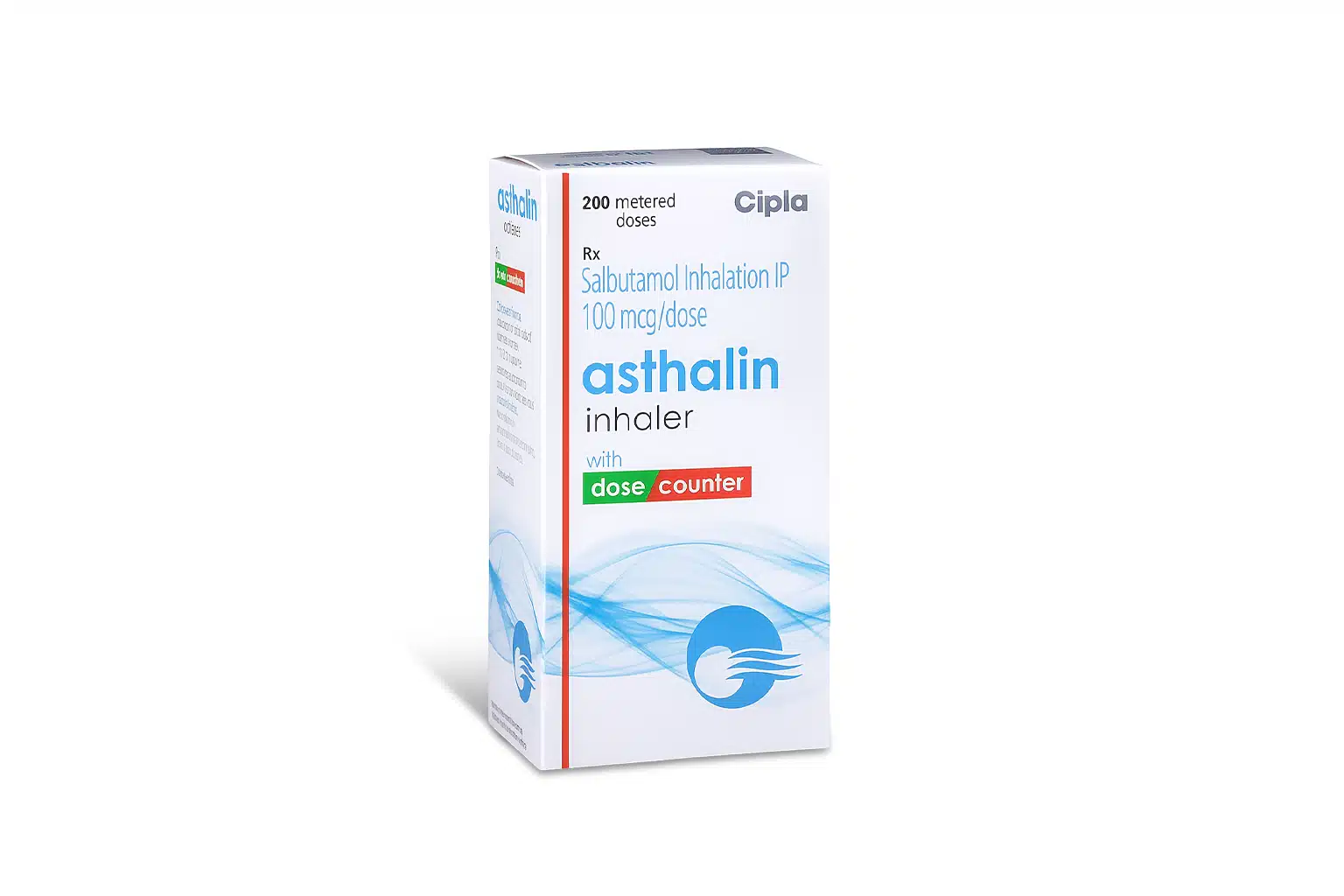
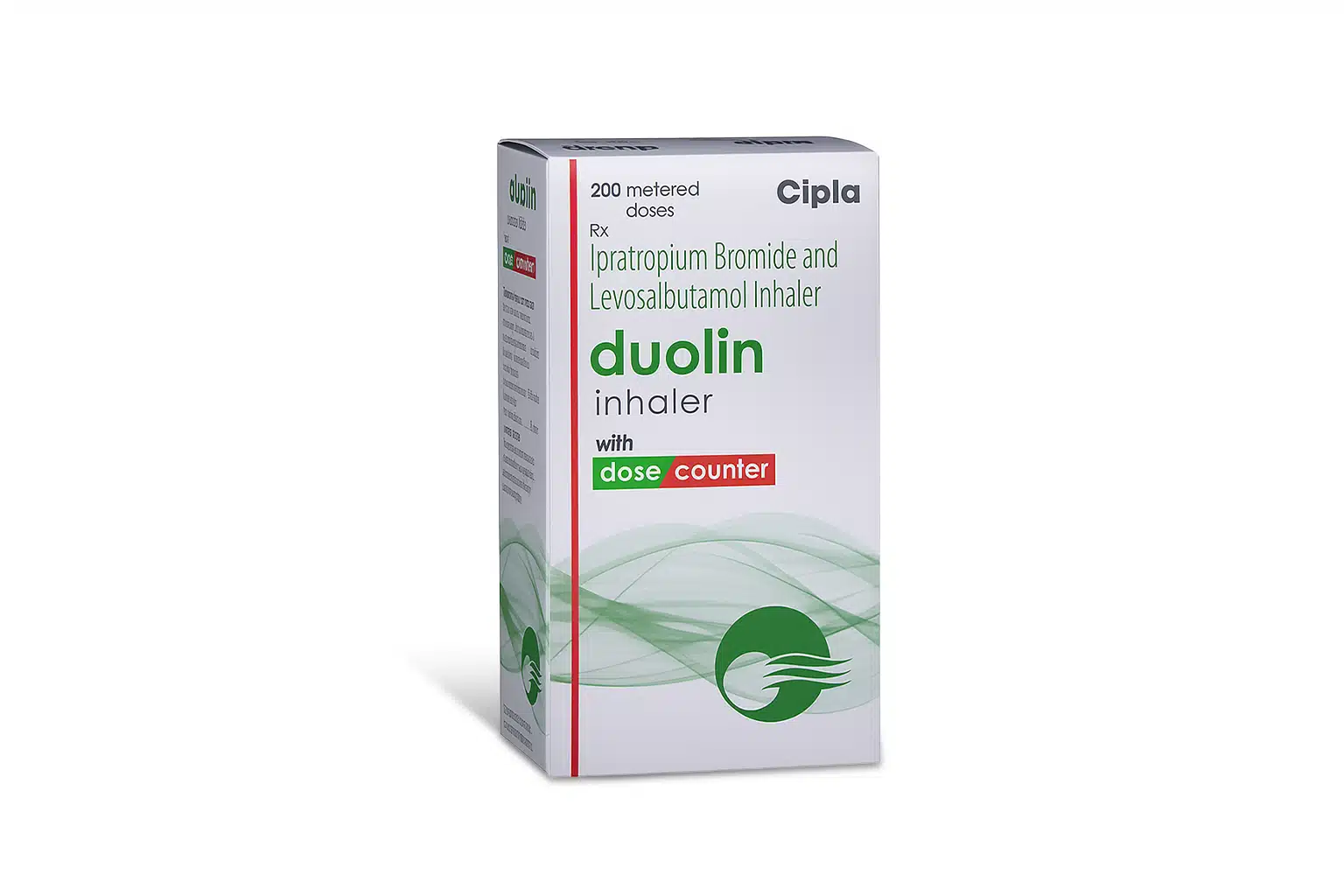
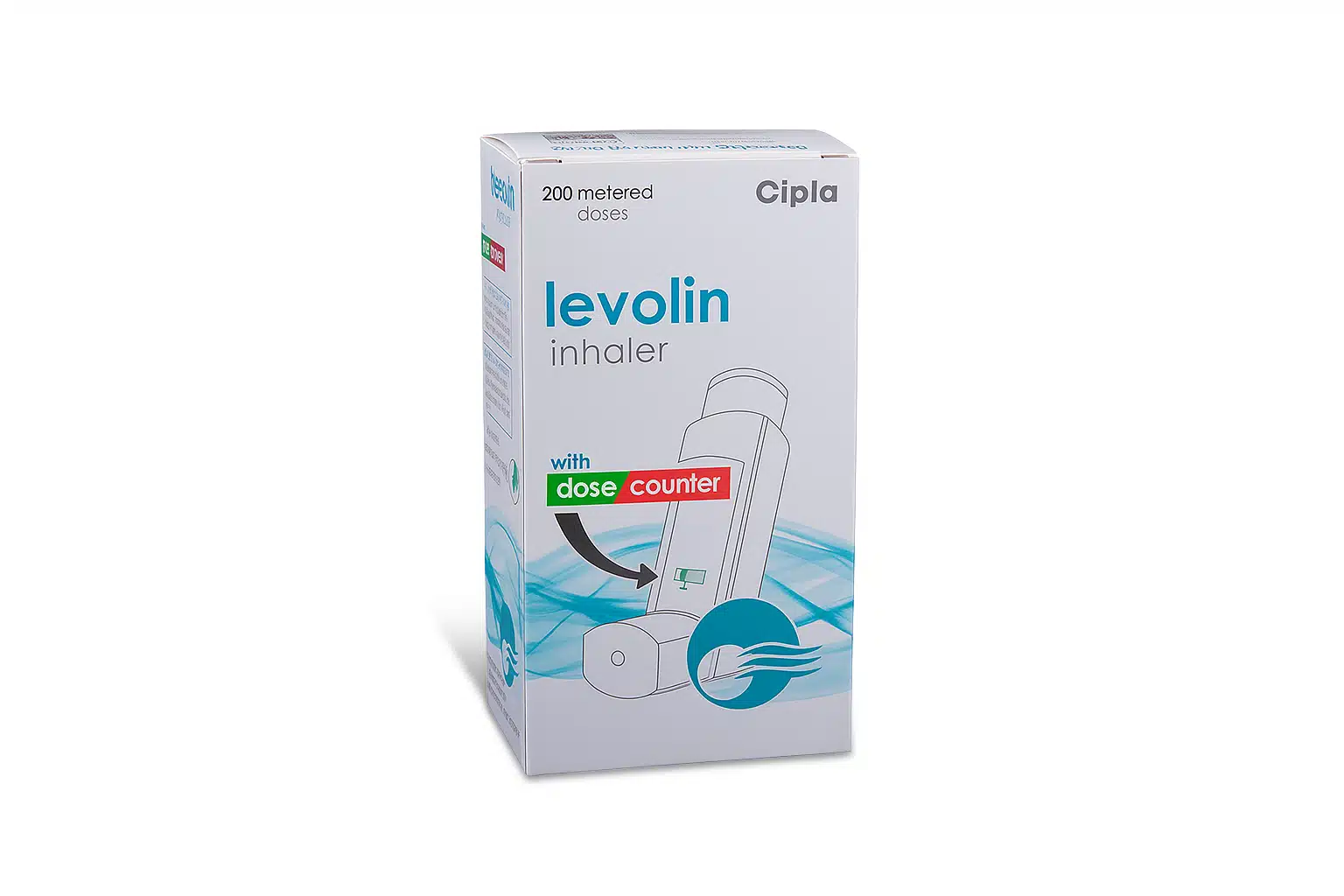
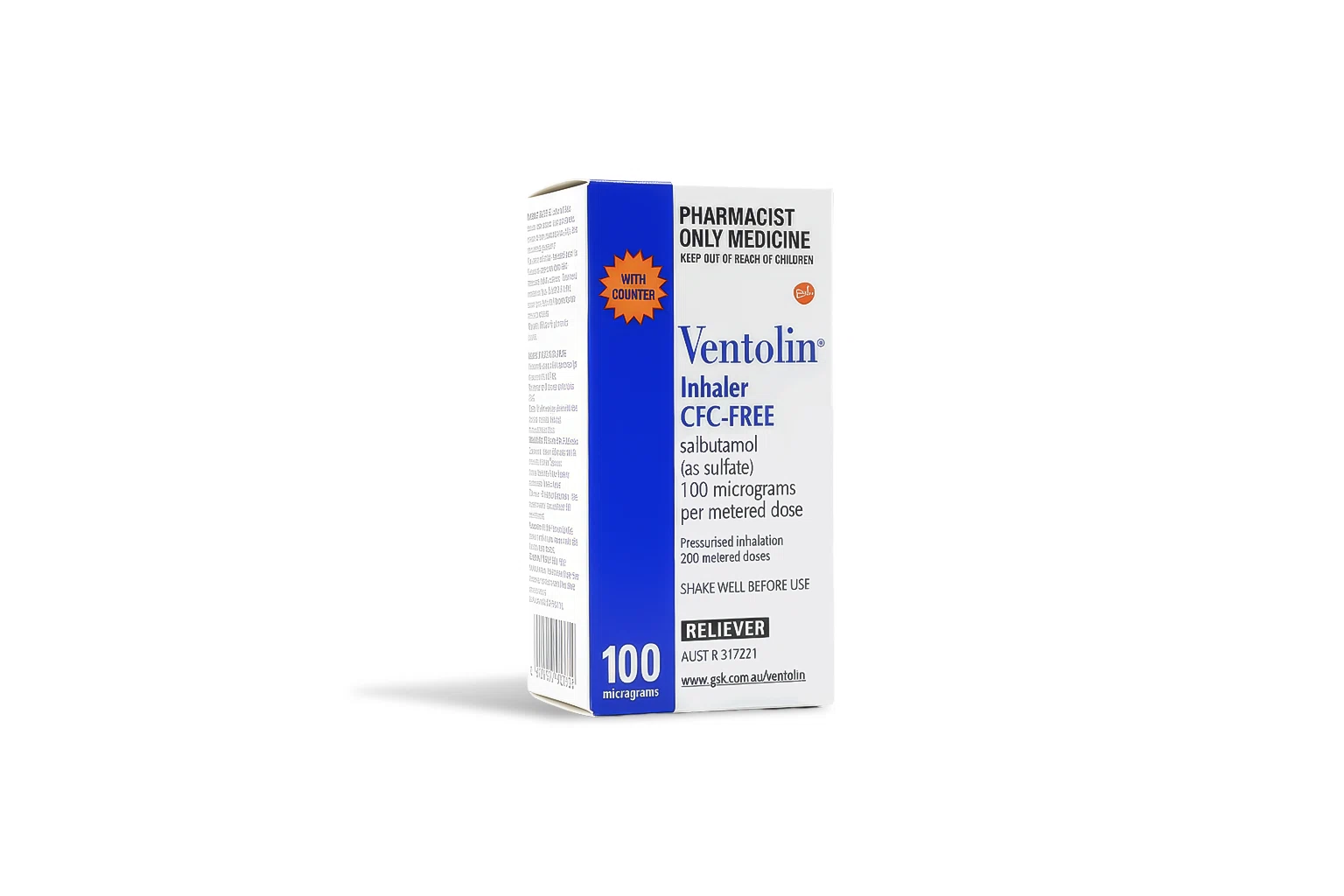
Rescue inhalers work quickly because they relax the muscles around the airways, which lets them open up in a matter of minutes. People often call them quick relief bronchodilator inhalers because they are meant to work quickly when symptoms appear.
They are essential, but they are not meant to treat inflammation or prevent future attacks.
What Is a Maintenance Inhaler?
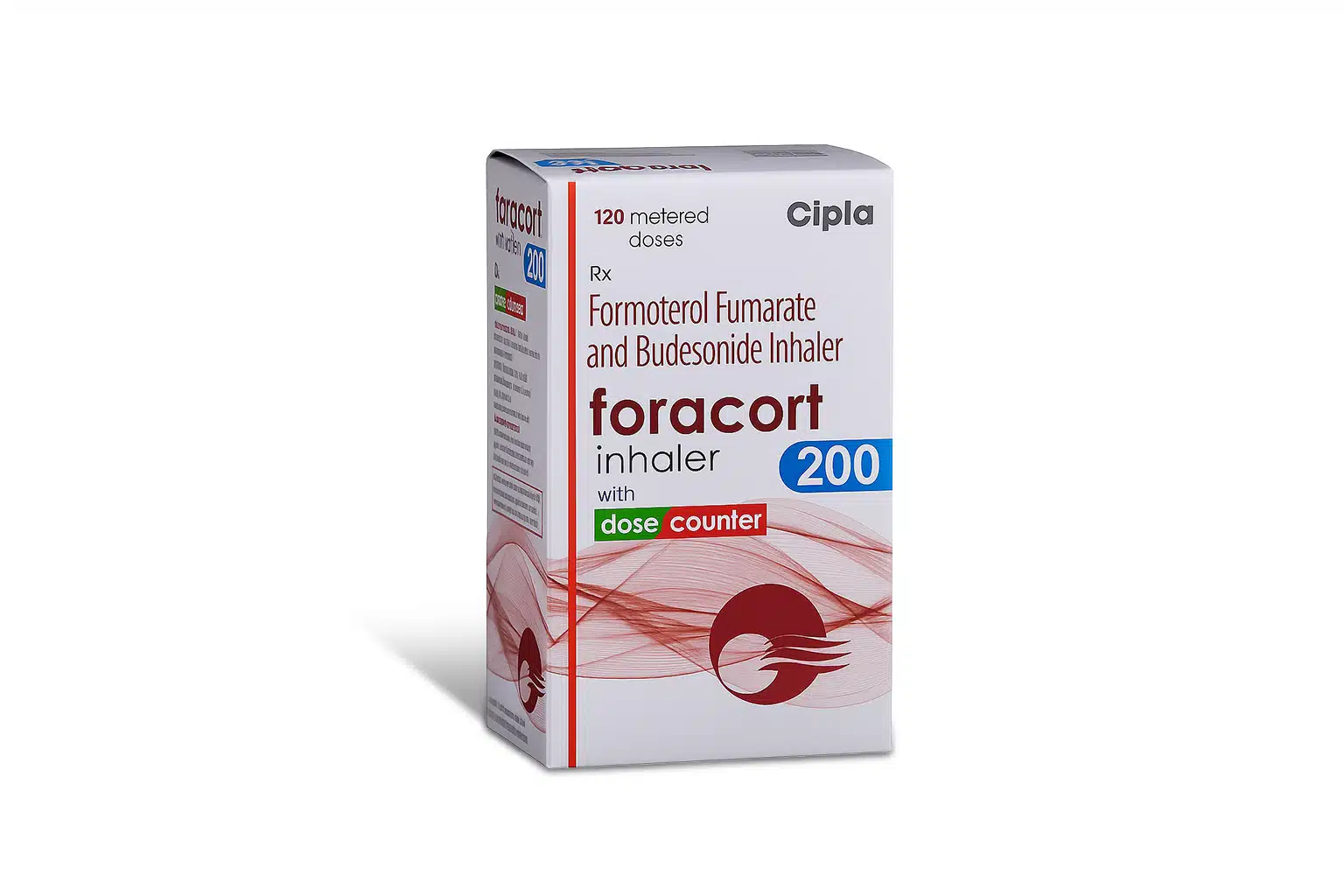
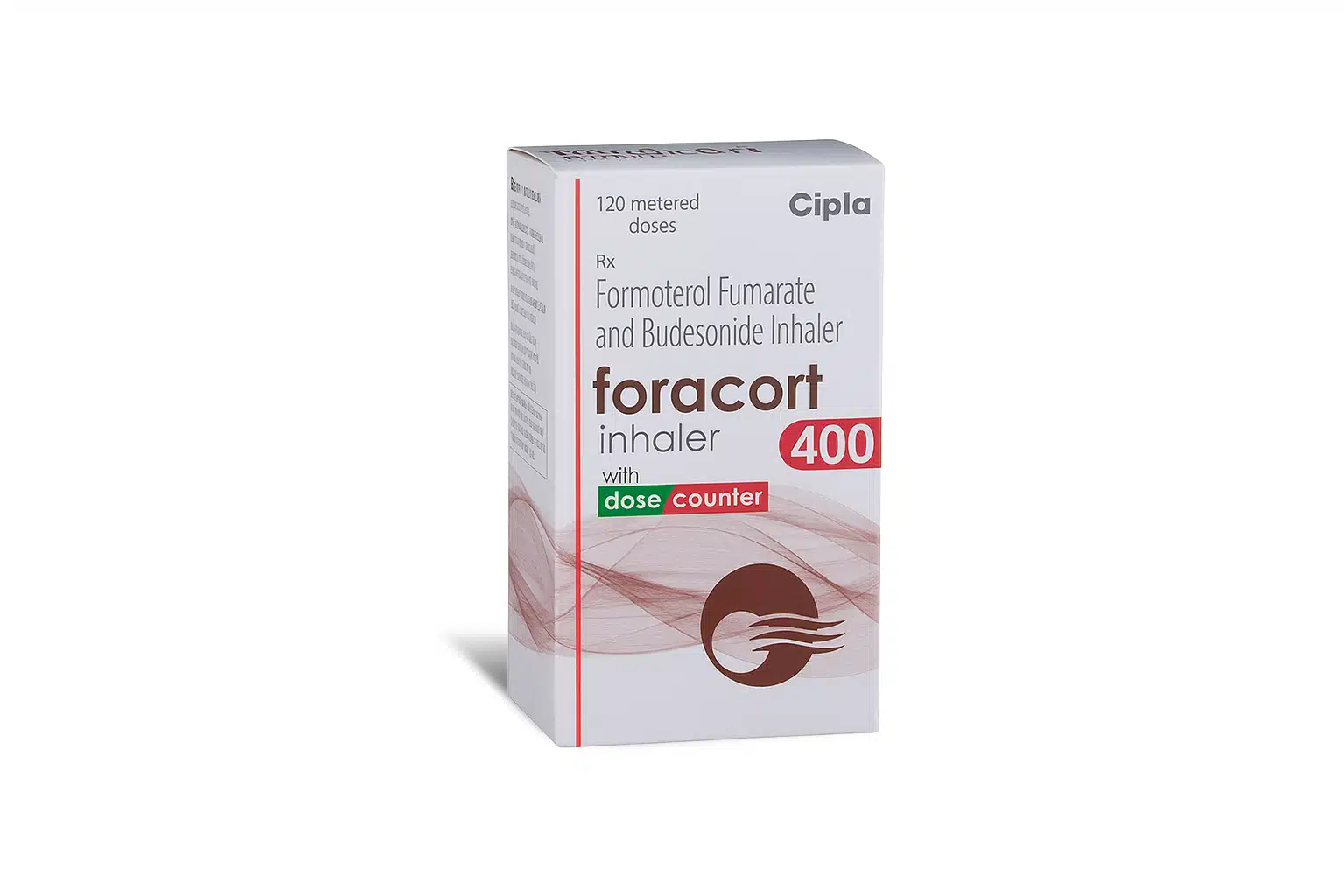
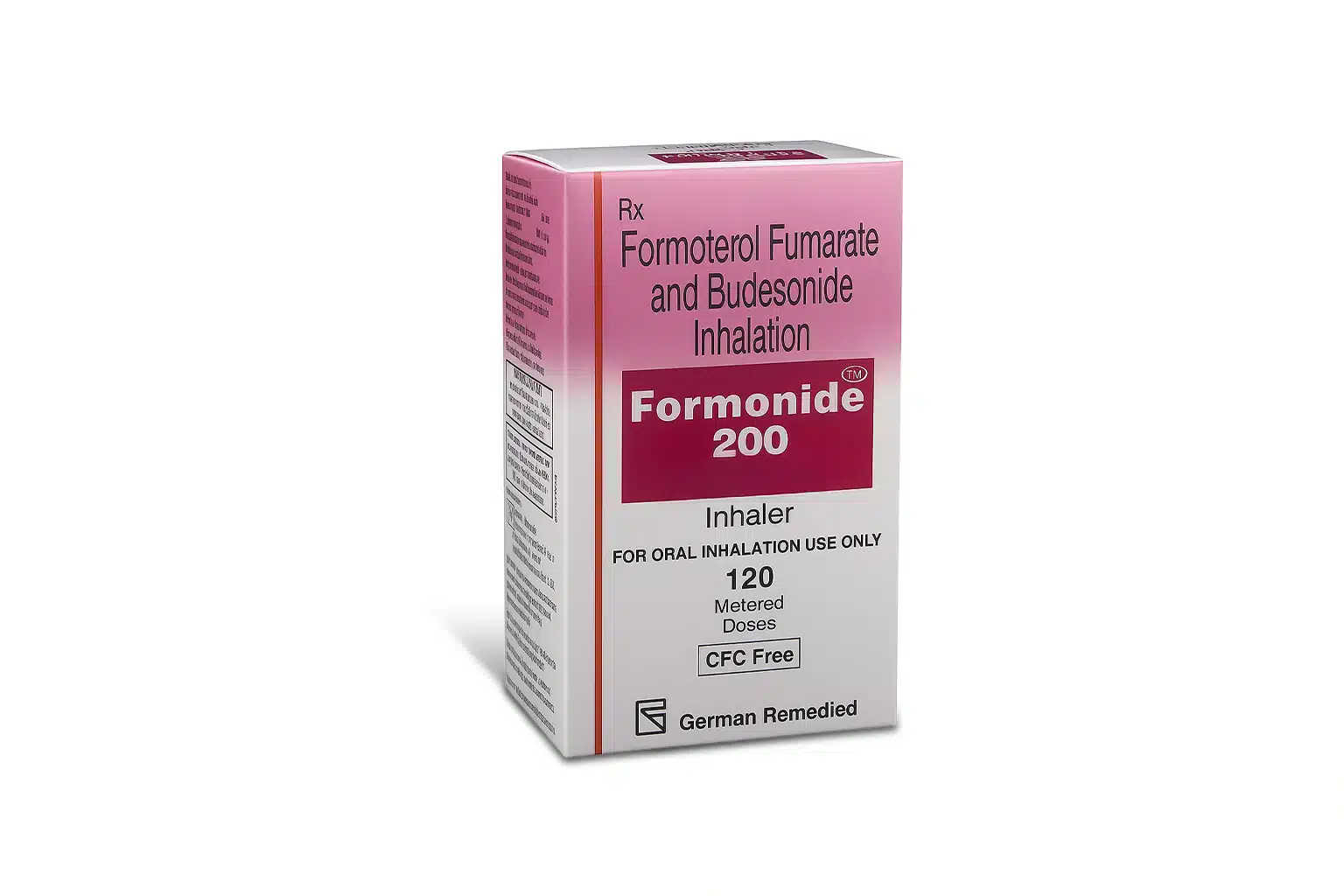
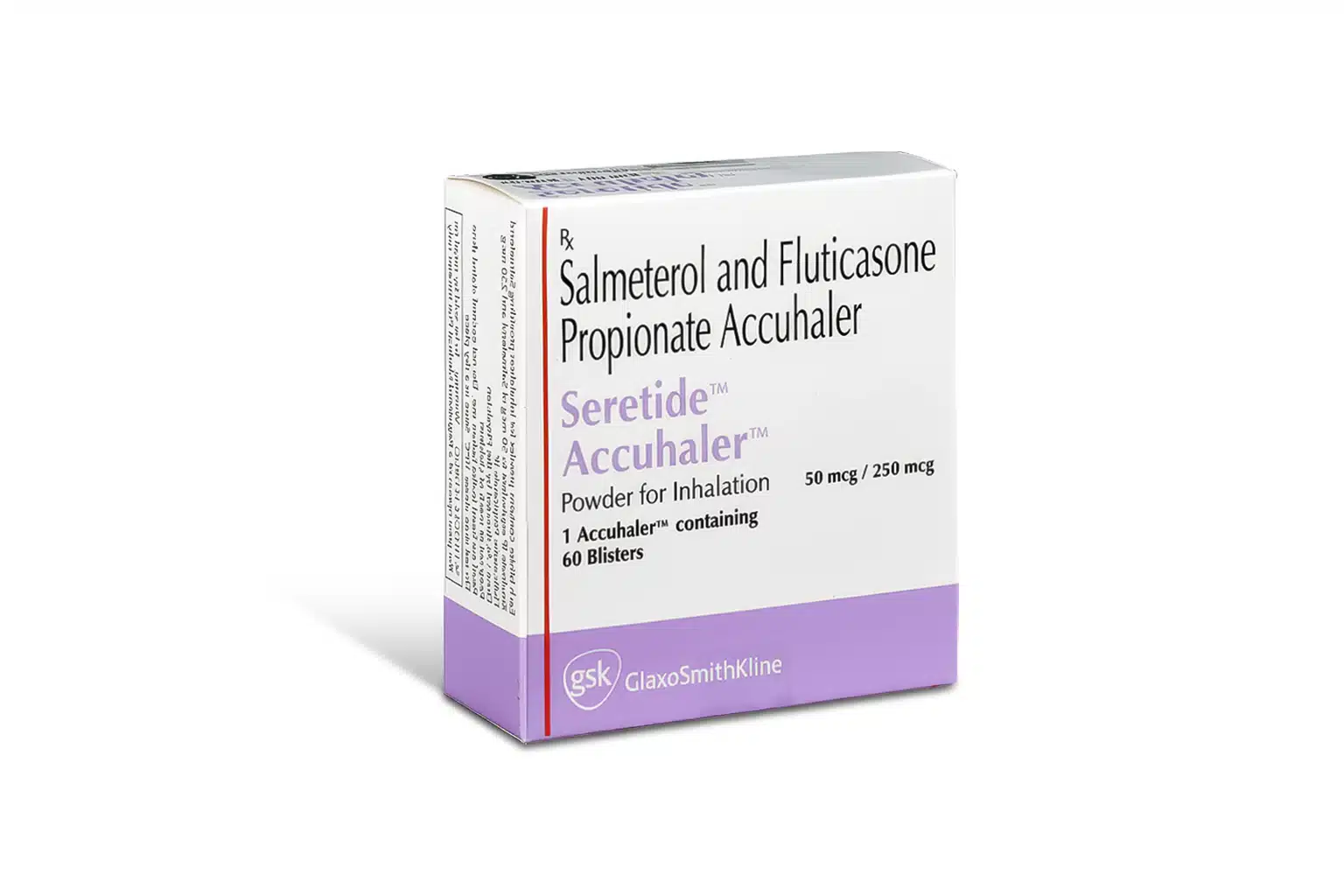
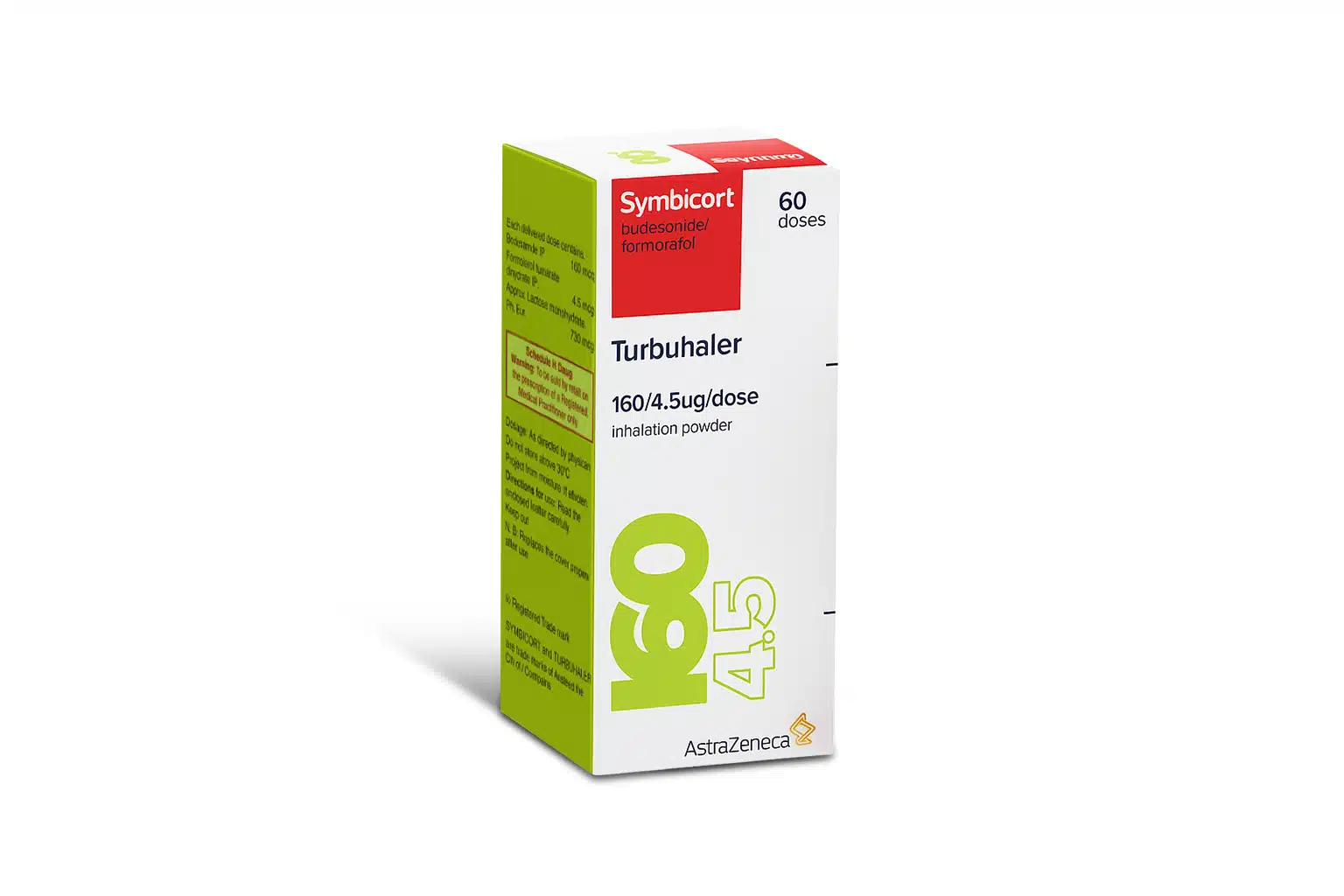
A maintenance inhaler (which is also called a controller inhaler) is used to manage asthma or COPD on a daily basis.This inhaler helps people lower inflammation, irritation, and sensitivity in the airways and stop symptoms from happening, rather than giving quick relief. These inhalers have long-acting drugs like corticosteroids in them that stop flare-ups.
This inhaler gives you immediate relief, they just stop symptoms from getting worse in the first place.Maintenance inhalers are all about prevention.Because of this,the effects don’t happen right away, but with regular use, they help keep breathing steady and make flare-ups less common, even on days when symptoms aren’t obvious.
This is the main difference between maintenance inhalers vs rescue inhalers.
The Core Difference: Prevention vs Emergency Relief
The easiest way to understand maintenance inhalers vs rescue inhalers is to think about timing.
Rescue inhalers are reactive.They respond to sudden symptoms.
Maintenance inhalers are proactive.They work quietly in the background to reduce how often those symptoms happen in the first place.
This distinction explains the difference between maintenance inhalers and rescue inhalers better than any medical definition.
Why Rescue Inhalers Feel More “Effective” (But Aren’t Enough)
A lot of people think that rescue inhalers are the best treatment because they work so quickly.
The relief is:
- Noticeable
- Fast
- Comforting.
But if you rely only on rescue drugs, you might not treat the underlying inflammation.
This is why doctors say that maintenance inhalers vs rescue inhalers should be used together, not as substitutes.
Using rescue inhalers too much can actually mean that your disease is not under control.
What Happens If You Skip Maintenance Treatment?
If you Ignore maintenance inhalers that can lead to:
- More frequent flare-ups
- Increased dependence on rescue medication
- Nighttime symptoms
- Reduced lung function over time
This is why maintenance therapy is often described as daily control inhalers for asthma, even when symptoms aren’t obvious.
Consistency matters more than how you feel on a given day.
Long-Term Control vs Short-Term Relief
Doctors often talk about maintenance inhalers vs rescue inhalers as long-acting vs short-acting inhalers.
This comparison shows how long the medication works in the body.
Rescue inhalers give quick but short relief, while maintenance inhalers keep control all day.
Both are valuable but only if you use them the right way.
Do Most People Need Both Types?
Yes, many patients are given both.
People with moderate to severe asthma and COPD often use both maintenance and rescue inhalers at the same time.
Maintenance inhalers lower inflammation and sensitivity, and rescue inhalers are still available for symptoms that come unexpectedly. This combination keeps you safe while also giving you stability.
If you use both, it doesn’t mean your condition is worse; it means it’s being handled correctly.
A Common Source of Confusion
One reason people struggle with maintenance inhalers vs rescue inhalers is that maintenance medications don’t always produce a noticeable feeling. You don’t feel an immediate change, so it’s easy to question whether they’re working.
In reality, their success is measured by what doesn’t happen: fewer attacks, fewer night awakenings, and less need for rescue medication.
This is the same concept behind preventive inhalers vs reliever inhaler use prevention doesn’t feel dramatic, but it’s incredibly powerful.
Signs Your Treatment Plan Is Working
Good control usually means:
- Rare need for rescue inhaler
- Minimal daytime symptoms
- No frequent nighttime coughing or wheezing
- Ability to exercise and move comfortably
If these goals aren’t being met, the balance between maintenance inhalers vs rescue inhalers may need adjustment.
Inhaler Technique Makes a Big Difference
If the medicine doesn’t get to the lungs right, it won’t work. One of the most common reasons people think their inhalers don’t work is that they don’t use them correctly.
Simple things like breathing in at the right speed, holding your breath for a short time, and using a spacer if advised to make a big difference in how well you do.
The Emotional Effects of Breathing Problems
If you’ve had trouble breathing, it can make you feel anxious, angry, and scared, especially if it happens out of the blue.
If you know the difference between maintenance inhalers and rescue inhalers, you’ll be more sure of what to do.
Once you know what each inhaler does, you won’t have to guess anymore. You are responsible for your own health.
The Bottom Line
Knowing the difference between maintenance inhalers and rescue inhalers can help you breathe more easily and with less stress.
So, to be clear, simple rescue inhalers are good for short-term symptoms, but you need maintenance inhalers to keep your asthma under control over time.
When used correctly and consistently, this combination lowers the number of flare-ups, keeps your lungs healthy, and lets you live more freely.
If you’re unsure when or how to use your inhaler,ask your doctor.
Breathing well isn’t just about medication it’s about understanding your treatment and using it wisely.