
For too long, conversations about male sexual health issues have been whispered behind closed doors or avoided altogether. The silence surrounding male impotence has created an environment where millions of men suffer in isolation, too embarrassed to seek help for a condition that is both common and treatable. It’s time we change this narrative and bring erectile dysfunction awareness to the forefront of public health discussions.

Understanding the Silence
The impotence stigma in men runs deep, rooted in centuries of societal expectations that equate masculinity with sexual performance. Men are often conditioned from a young age to view their sexual function as a measure of their worth, creating an environment where admitting to difficulties feels like admitting to failure. This toxic association has prevented countless men from seeking medical attention, damaged relationships, and contributed to mental health challenges including depression and anxiety.
Breaking the taboo of male impotence isn’t just about normalizing a medical condition; it’s about dismantling harmful stereotypes that prevent men from living their healthiest, most authentic lives. When we treat impotence as an unspeakable shame rather than a health concern, we do a disservice to the estimated 30 million men in the United States alone who experience this condition.
What Exactly Is Male Impotence?
Male impotence, clinically known as erectile dysfunction, is the consistent inability to achieve or maintain an erection sufficient for satisfactory sexual activity. It’s important to note that occasional difficulties are normal and don’t constitute erectile dysfunction. However, when the issue becomes persistent, affecting your quality of life and relationships, it’s time to address it head-on.
The condition exists on a spectrum. Some men may struggle to achieve an erection at all, while others might lose firmness during intercourse. Both scenarios are valid medical concerns that deserve attention and treatment.
The Many Causes of Male Impotence
Understanding the causes of male impotence is crucial to removing stigma because it reveals that this condition is rarely about willpower or masculinity. Instead, it’s typically linked to legitimate physical or psychological factors.
Physical Causes
The physical causes are diverse and often interconnected. Cardiovascular disease is one of the leading contributors, as erections depend on healthy blood flow. When arteries become clogged or damaged, blood cannot reach the penis effectively. This is why erectile dysfunction is sometimes an early warning sign of heart disease.
Diabetes affects erectile function by damaging nerves and blood vessels throughout the body. Studies suggest that men with diabetes are two to three times more likely to develop impotence than those without the condition. High blood pressure, high cholesterol, and obesity also significantly increase risk.
Hormonal imbalances, particularly low testosterone, can affect sexual desire and erectile function. Neurological conditions such as multiple sclerosis, Parkinson’s disease, and spinal cord injuries can interfere with the nerve signals necessary for erections. Additionally, certain medications including antidepressants, blood pressure drugs, and antihistamines list erectile dysfunction as a potential side effect.
Lifestyle factors play a substantial role too. Smoking damages blood vessels, excessive alcohol consumption affects the nervous system, and drug use can impair sexual function. Even inadequate sleep and lack of exercise contribute to the problem by affecting overall health and hormone levels.
Best Seller
-
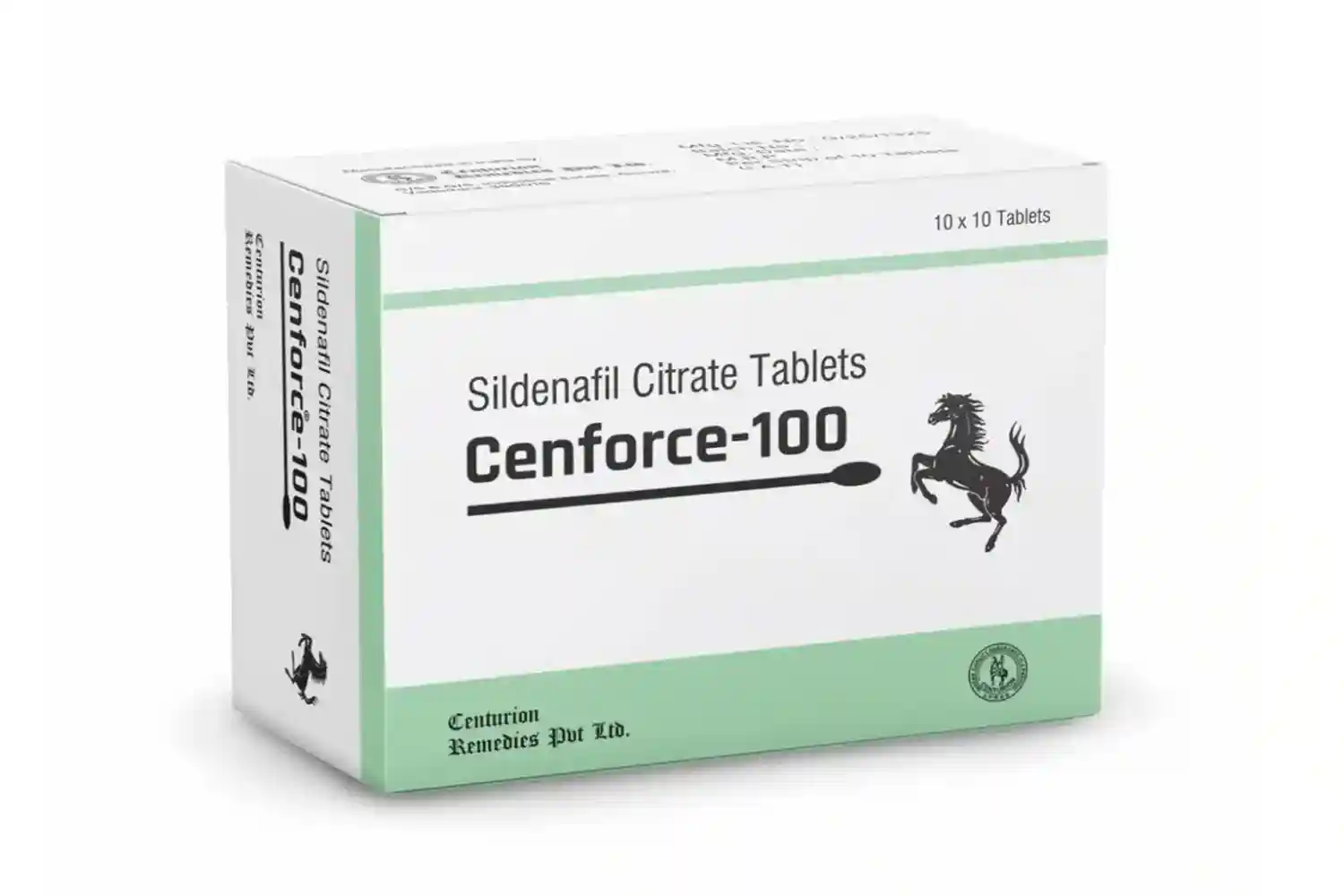
Cenforce 100 Mg
Best Seller$24.00 – $215.00Price range: $24.00 through $215.00Rated 5.00 out of 5Shop Now This product has multiple variants. The options may be chosen on the product page -
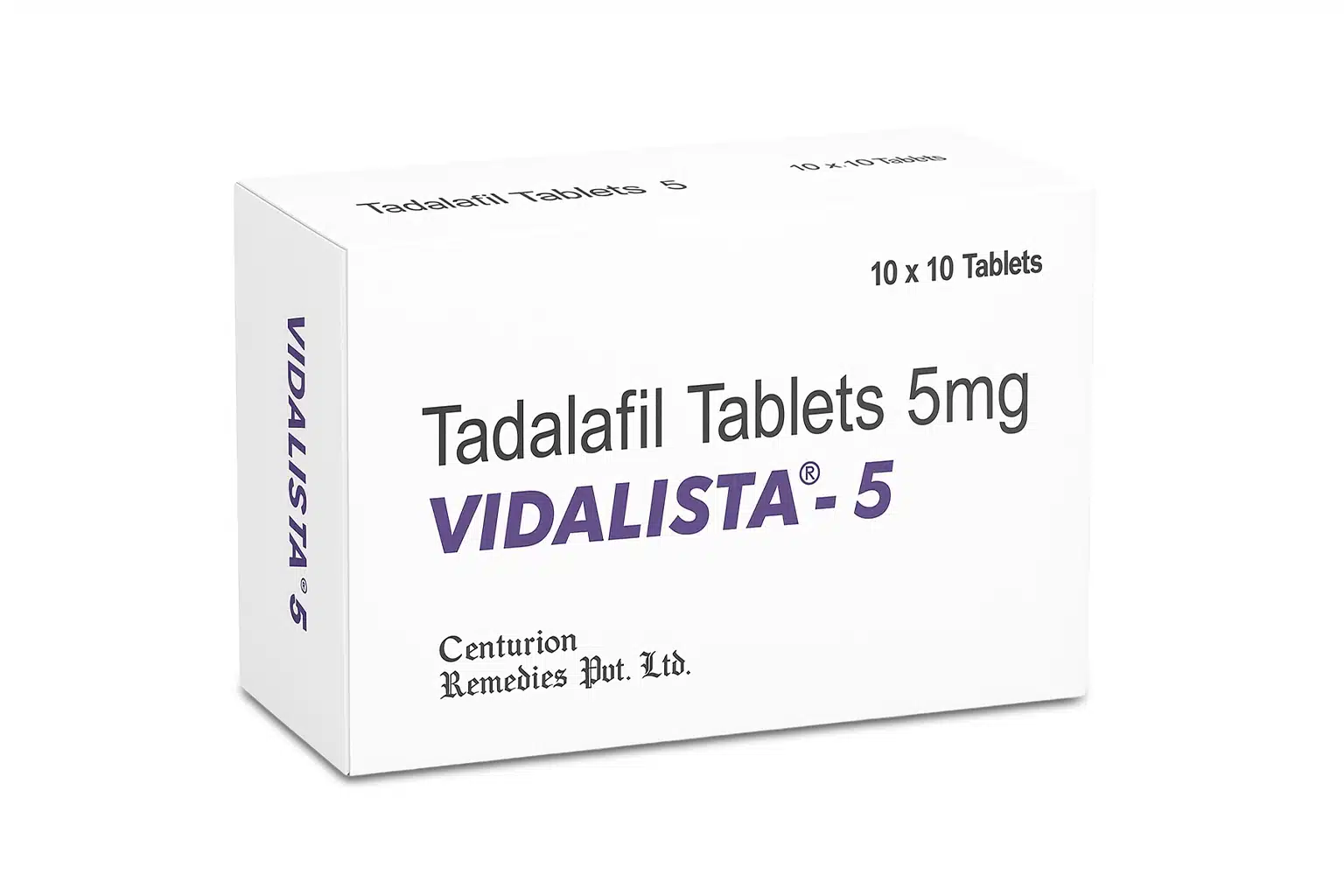
Vidalista 5 Mg
best sellers$18.00 – $182.00Price range: $18.00 through $182.00Rated 4.00 out of 5Shop Now This product has multiple variants. The options may be chosen on the product page -
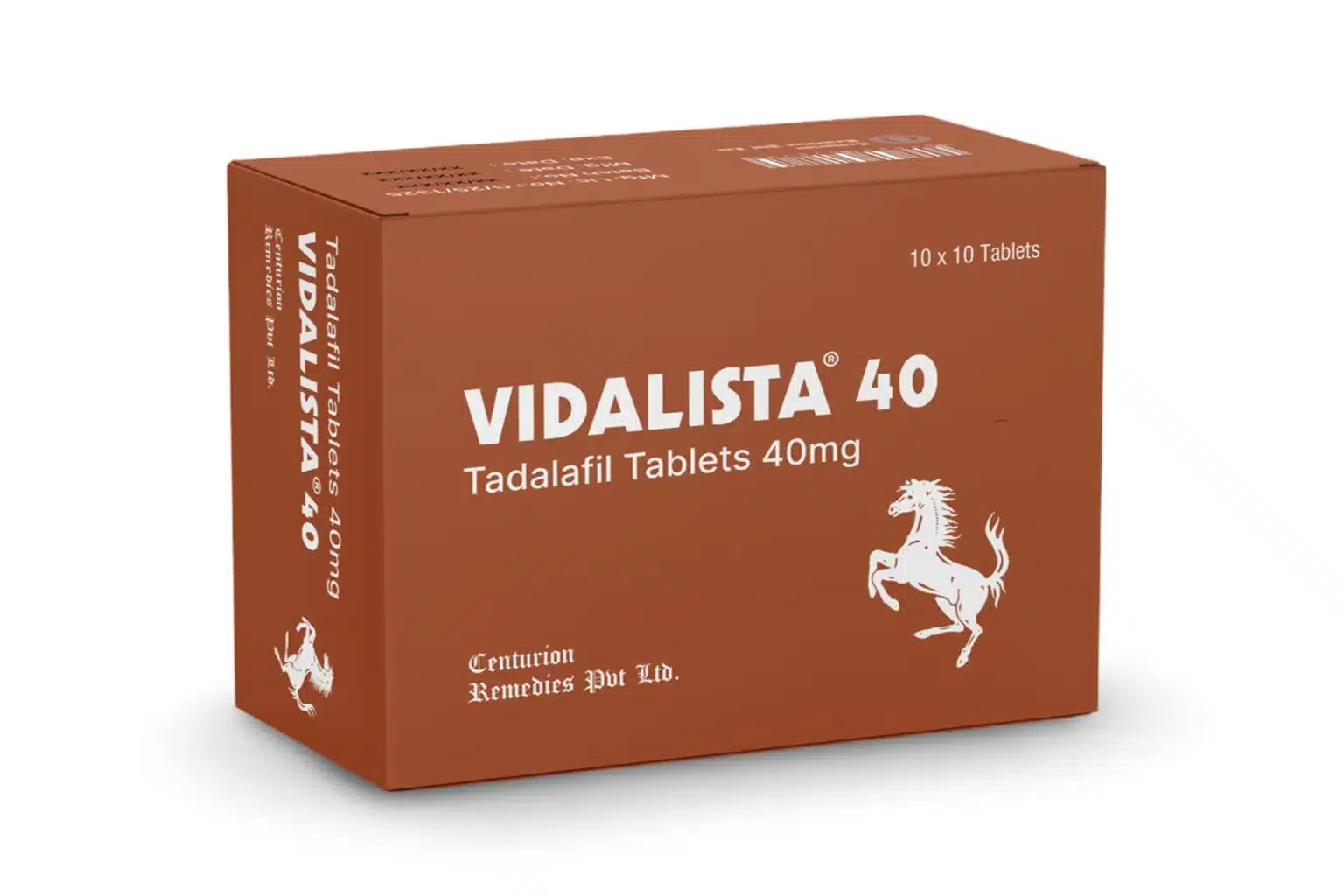
Vidalista 40 Mg
Best Seller$28.00 – $276.00Price range: $28.00 through $276.00Rated 4.00 out of 5Shop Now This product has multiple variants. The options may be chosen on the product page -
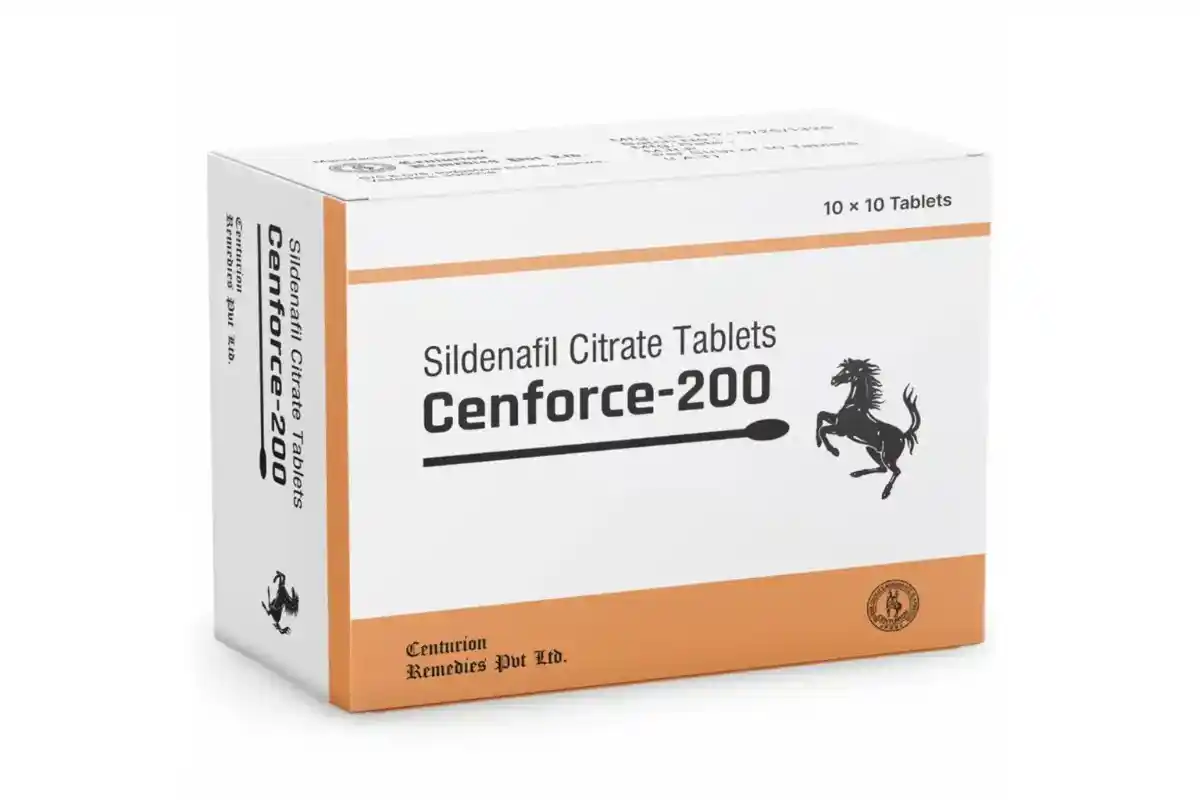
Cenforce 200 Mg
best sellers$31.00 – $335.00Price range: $31.00 through $335.00Rated 4.00 out of 5Shop Now This product has multiple variants. The options may be chosen on the product page -

Cenforce Fm
best sellers$33.00 – $218.00Price range: $33.00 through $218.00Rated 4.00 out of 5Shop Now This product has multiple variants. The options may be chosen on the product page -
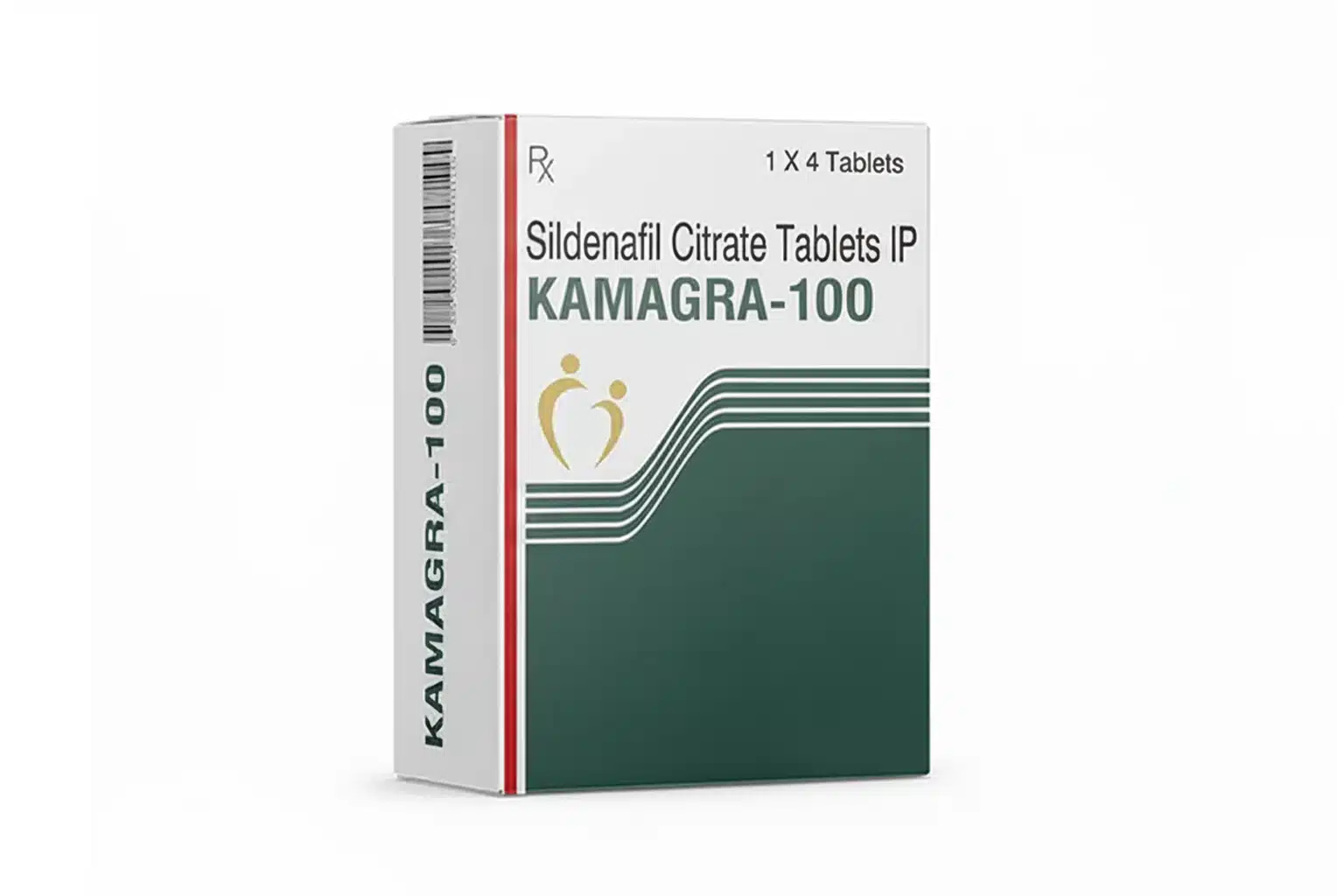
Kamagra 100 mg
best sellers$24.00 – $125.00Price range: $24.00 through $125.00Rated 5.00 out of 5Shop Now This product has multiple variants. The options may be chosen on the product page -

Fildena 100 mg
best sellers$24.00 – $244.00Price range: $24.00 through $244.00Rated 4.00 out of 5Shop Now This product has multiple variants. The options may be chosen on the product page -

Malegra Oral Jelly 100 Mg
best sellers$8.00 – $44.00Price range: $8.00 through $44.00Rated 5.00 out of 5Shop Now This product has multiple variants. The options may be chosen on the product page -

Super Kamagra Oral Jelly
best sellers$25.00 – $120.00Price range: $25.00 through $120.00Rated 4.00 out of 5Shop Now This product has multiple variants. The options may be chosen on the product page -
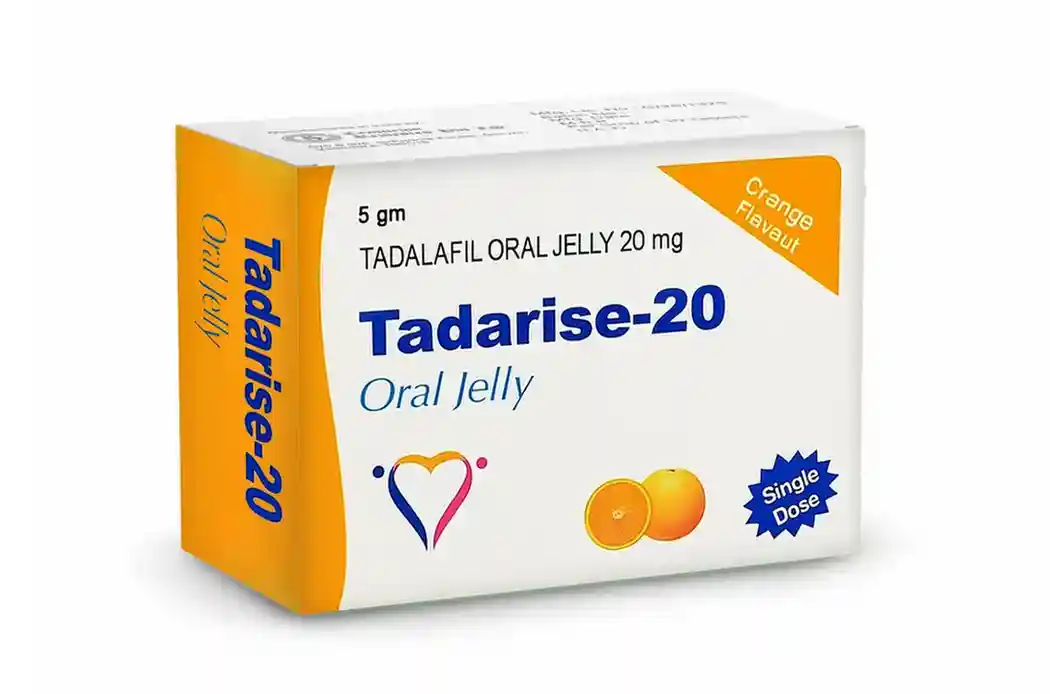
Tadarise Oral Jelly
best sellers$19.00 – $72.00Price range: $19.00 through $72.00Rated 4.00 out of 5Shop Now This product has multiple variants. The options may be chosen on the product page -
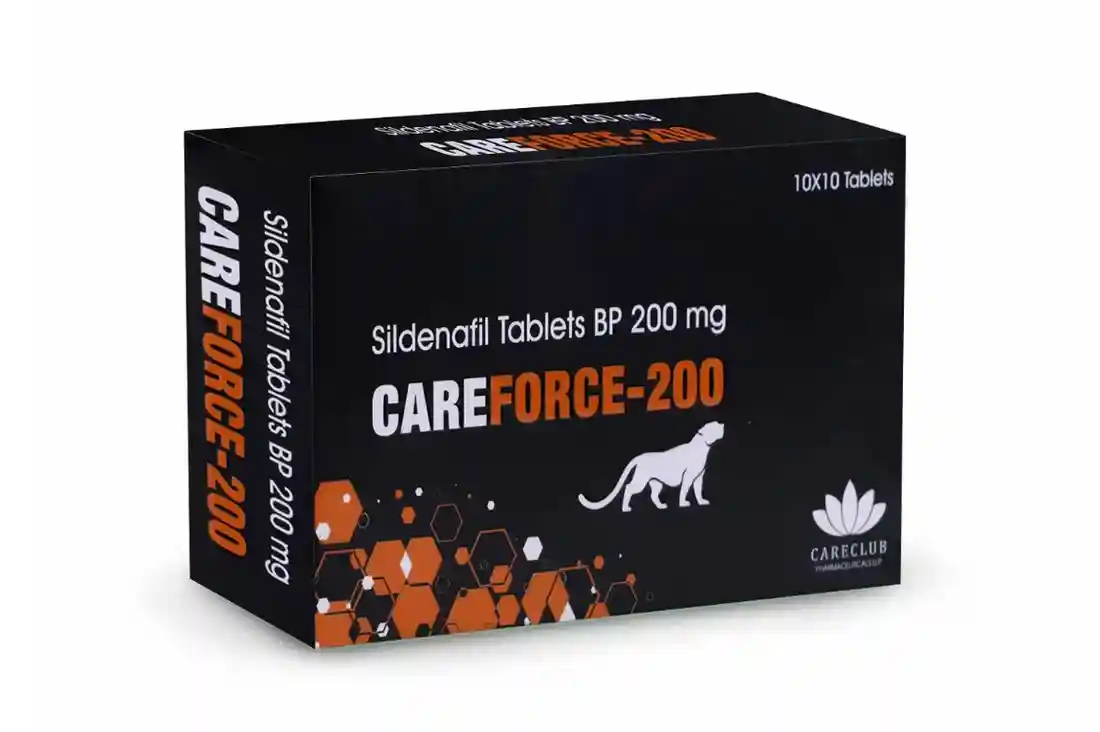
Careforce 200 Mg
best sellers$29.00 – $332.00Price range: $29.00 through $332.00Rated 5.00 out of 5Shop Now This product has multiple variants. The options may be chosen on the product page -
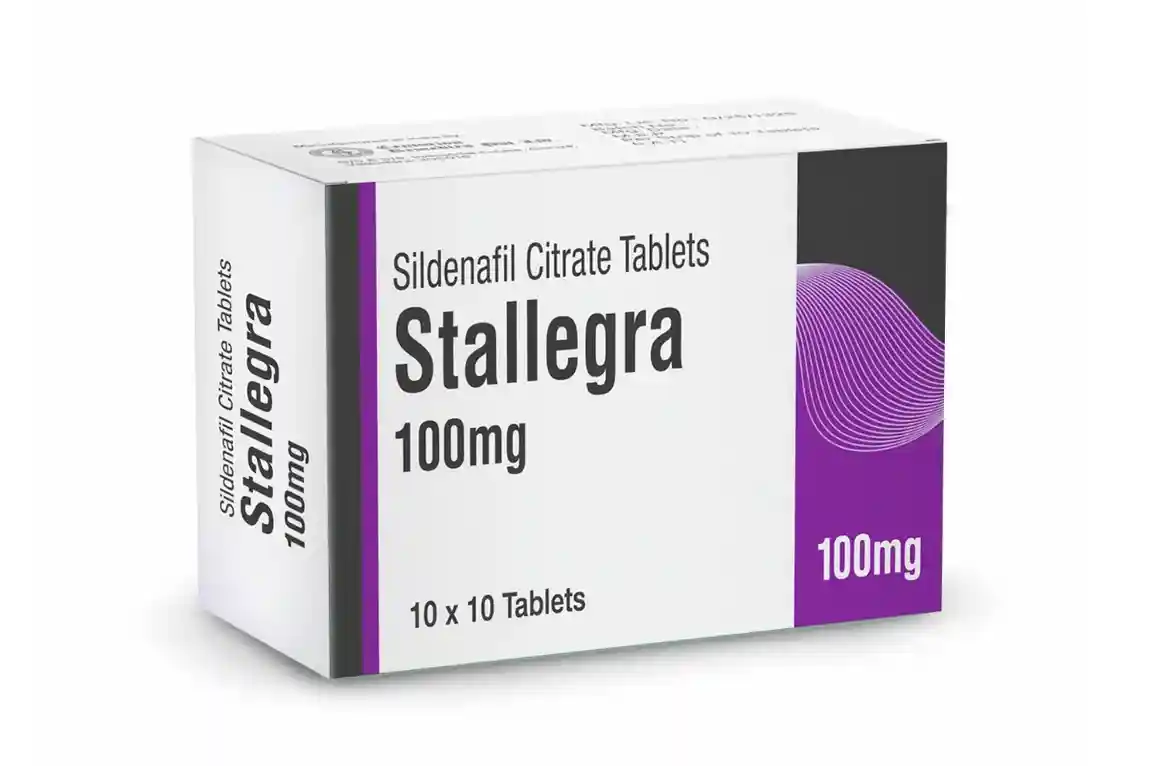
Stallegra 100 Mg
best sellers$88.00 – $224.00Price range: $88.00 through $224.00Rated 5.00 out of 5Shop Now This product has multiple variants. The options may be chosen on the product page -
 Exclusive
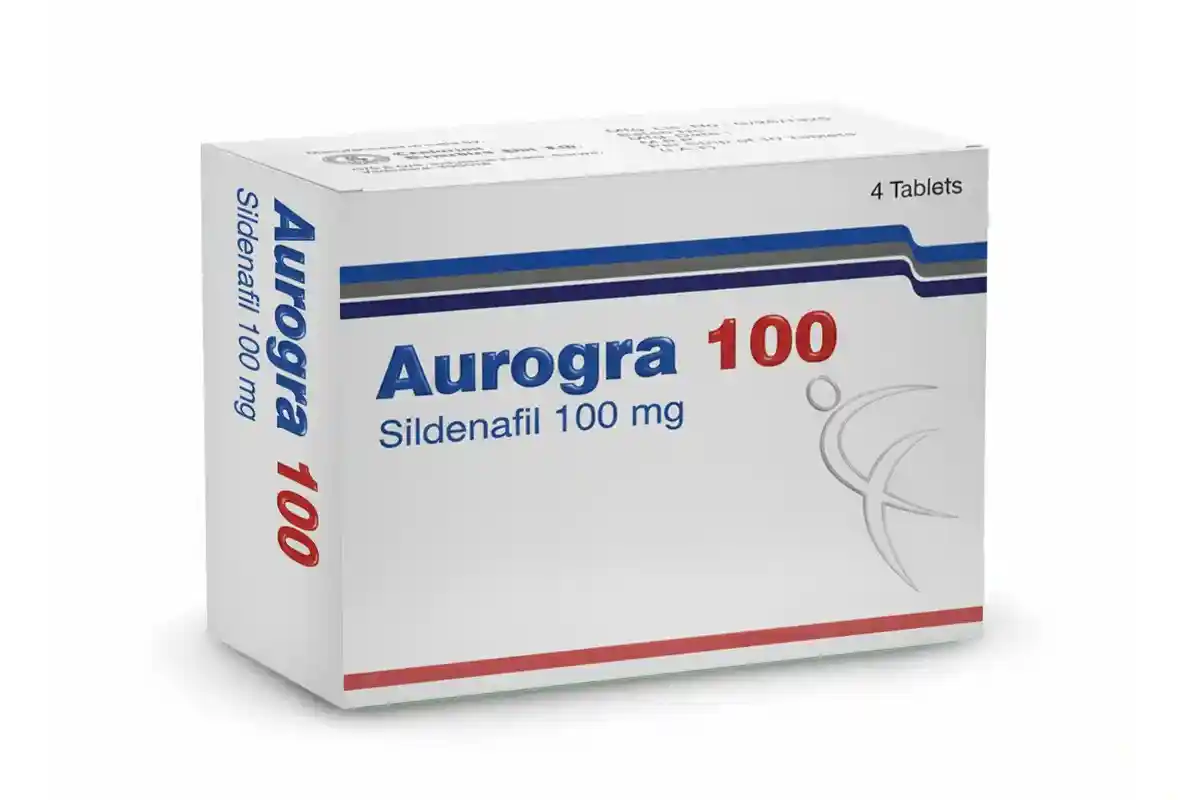
Aurogra 100 Mg
best sellers$29.00 – $76.00Price range: $29.00 through $76.00Rated 4.00 out of 5Shop Now This product has multiple variants. The options may be chosen on the product page -
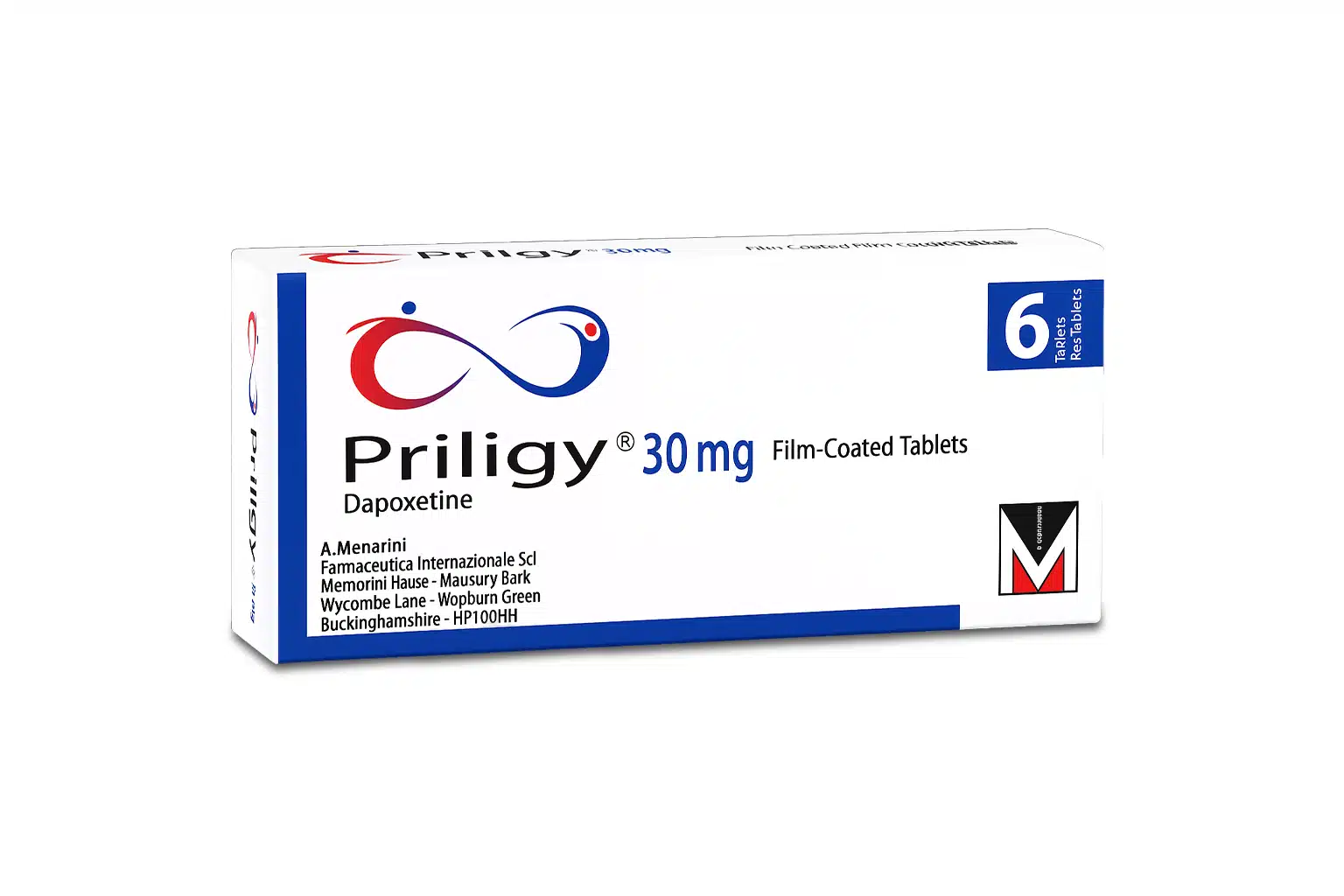
Priligy 30 mg
best sellers$22.00 – $156.00Price range: $22.00 through $156.00Rated 4.00 out of 5Shop Now This product has multiple variants. The options may be chosen on the product page
Psychological Causes
The mind-body connection in sexual function is profound. Stress, anxiety, and depression can all manifest as erectile difficulties. Performance anxiety creates a vicious cycle where fear of impotence actually causes it, which then reinforces the anxiety.
Relationship issues, past trauma, and low self-esteem also contribute to psychological impotence. Sometimes, what begins as a physical issue develops a psychological component, making treatment more complex but still achievable.
Why Breaking the Silence Matters
When men remain silent about their experiences, they miss opportunities for early intervention. Erectile dysfunction can be an important indicator of underlying health conditions that require attention. By addressing it promptly, men may catch serious diseases like heart disease or diabetes in their early stages.
Moreover, silence breeds isolation. Men who believe they’re alone in their struggles are more likely to experience relationship problems, avoid intimacy altogether, and suffer from diminished self-esteem. When we talk openly about male sexual health issues, we create communities of support where men realize they’re not alone and that help is available.
Partners also benefit from open dialogue. When impotence becomes the elephant in the room, relationships suffer. Honest communication allows couples to work through challenges together, exploring solutions that might include medical treatment, therapy, or lifestyle changes.
Moving Toward Solutions
The good news is that male impotence is highly treatable. Medical advances have created numerous effective options, from oral medications and hormone therapy to vacuum devices and surgical interventions. Lifestyle modifications such as exercise, diet improvements, stress management, and quitting smoking can dramatically improve erectile function.
Counseling and sex therapy help address psychological components, while couples therapy can strengthen relationships strained by sexual difficulties. The key is taking that first step: talking to a healthcare provider.
Creating Cultural Change
Breaking the taboo of male impotence requires collective effort. Healthcare providers must create welcoming environments where men feel comfortable discussing sexual health. Media representation should normalize these conversations rather than perpetuating jokes that reinforce stigma. Educational initiatives should teach young men that sexual health is an integral part of overall wellness, not a taboo subject.
Men themselves can contribute by sharing their experiences when comfortable, supporting friends who open up about their struggles, and modeling vulnerability. Every conversation chips away at the wall of silence.
The Path Forward
Erectile dysfunction awareness isn’t just about educating people on symptoms and treatments; it’s about fundamentally changing how we view male sexuality and vulnerability. Men deserve to seek help without shame, just as they would for any other health condition.
If you’re experiencing erectile difficulties, remember that you’re not broken, weak, or less of a man. You’re simply dealing with a common medical condition that responds well to treatment. The courage to seek help isn’t a sign of weakness; it’s an act of self-care and strength.
By continuing to break down the impotence stigma in men, we create a healthier society where men can access the care they need, maintain fulfilling relationships, and live without the burden of unnecessary shame.
FAQ's
1. How common is male impotence?
Erectile dysfunction is extremely common, affecting approximately 30 million men in the United States. The prevalence increases with age, with about 40% of men experiencing some degree of erectile dysfunction by age 40, and nearly 70% by age 70. However, it can affect men at any age.
2.At what age should I be concerned about erectile dysfunction?
While erectile dysfunction becomes more common with age, it can occur at any point in adult life and should never be dismissed as “just getting older.” If you’re consistently unable to achieve or maintain erections sufficient for sexual activity, regardless of your age, it’s worth discussing with a healthcare provider.
3.Can erectile dysfunction be reversed?
In many cases, yes. When caused by lifestyle factors, addressing issues like obesity, smoking, excessive drinking, or lack of exercise can significantly improve or even reverse erectile dysfunction. If caused by medications, switching to alternatives may help. However, when related to chronic conditions or physical damage, ongoing management may be necessary.
4.Will talking to my doctor about impotence be embarrassing?
While it might feel uncomfortable initially, remember that healthcare providers are trained professionals who discuss these issues regularly. Erectile dysfunction is a medical condition like any other, and doctors are there to help, not judge. Most men report feeling relieved after finally discussing their concerns.
5.Does erectile dysfunction mean I have heart disease?
Not necessarily, but erectile dysfunction can be an early warning sign of cardiovascular problems. Because erections depend on healthy blood flow, issues with blood vessels often show up in erectile function before causing heart symptoms. This makes it important to get checked out even if you feel otherwise healthy.
6. Can stress really cause physical erectile dysfunction?
Absolutely. Stress triggers hormonal changes that can affect erectile function. Additionally, stress and anxiety can interfere with the brain signals needed for erections. Many men experience temporary erectile difficulties during particularly stressful periods, which typically resolve once stress levels decrease.