
When someone is diagnosed with asthma or another chronic respiratory condition, the first wave of confusion often isn’t about the disease itself. It’s about the device. Inhaler? Which one? Spray or powder? Nebulizer at home or something portable?
Suddenly, terms like MDI, DPI, and nebulizer enter daily life, and most patients are expected to understand them quickly. Unfortunately, many don’t, and that misunderstanding can directly affect treatment results.
This is where a clear discussion around MDI vs DPI vs nebulizer treatment becomes essential. These devices may deliver similar medicines, but how they work, who they suit, and how effective they feel can differ greatly.
This blog breaks it all down calmly and practically, without medical overload or exaggerated claims.
Why the Device Matters as Much as the Medicine
Asthma and other airway conditions are not treated by pills alone for a reason. Inhaled therapy delivers medicine directly to the lungs, where it’s needed most. But the success of inhaled treatment depends heavily on how the medicine enters the lungs.
A perfectly prescribed drug can fail if the device is not used correctly or does not suit the patient’s lifestyle, age, or breathing pattern. That’s why understanding the difference between MDI vs DPI and how nebulizers fit into the picture is not optional; it’s fundamental.
Inhalers
-
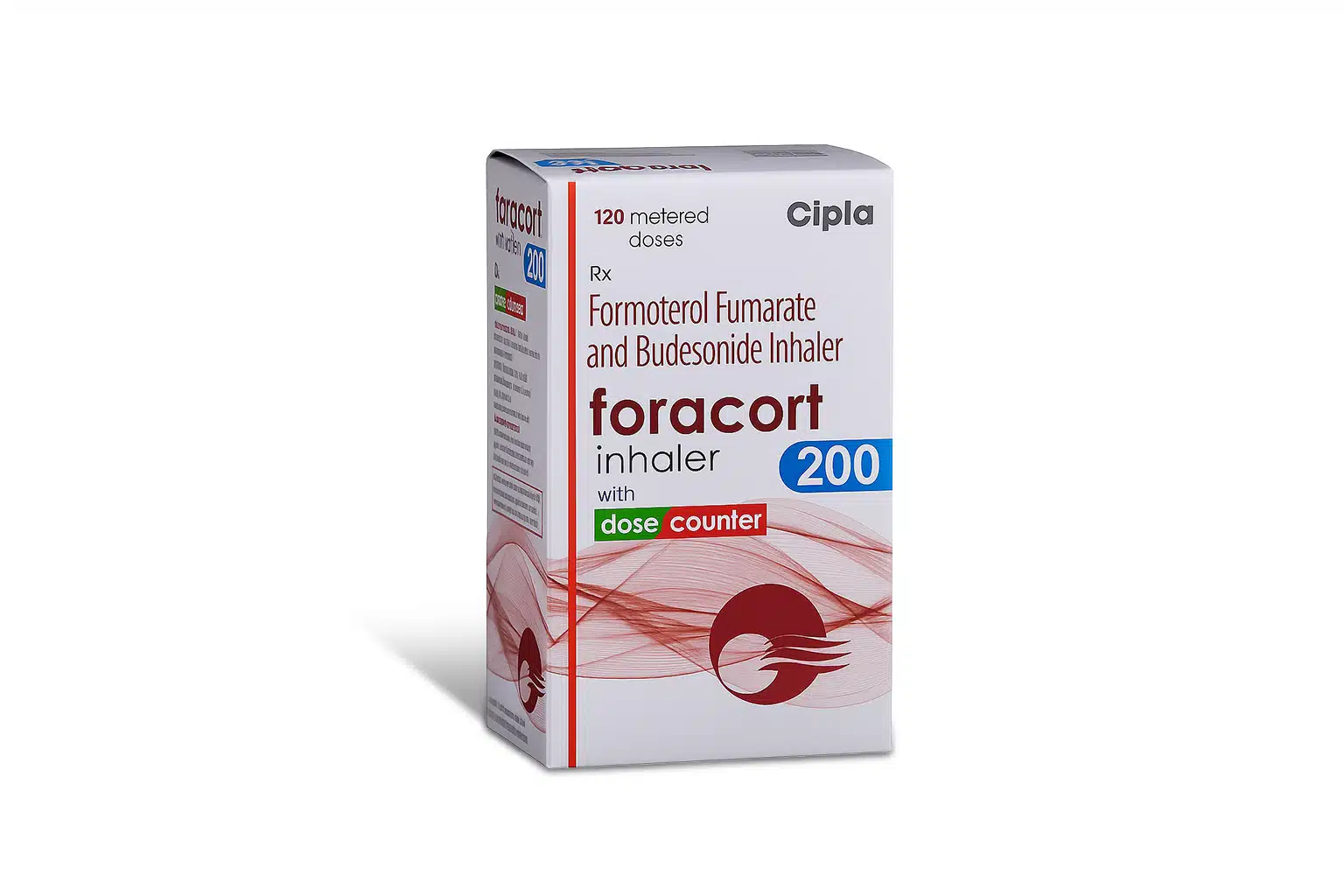
Foracort Inhaler 6/200 Mcg
Inhalers$11.52 – $34.20Price range: $11.52 through $34.20Rated 4.00 out of 5Shop Now This product has multiple variants. The options may be chosen on the product page -
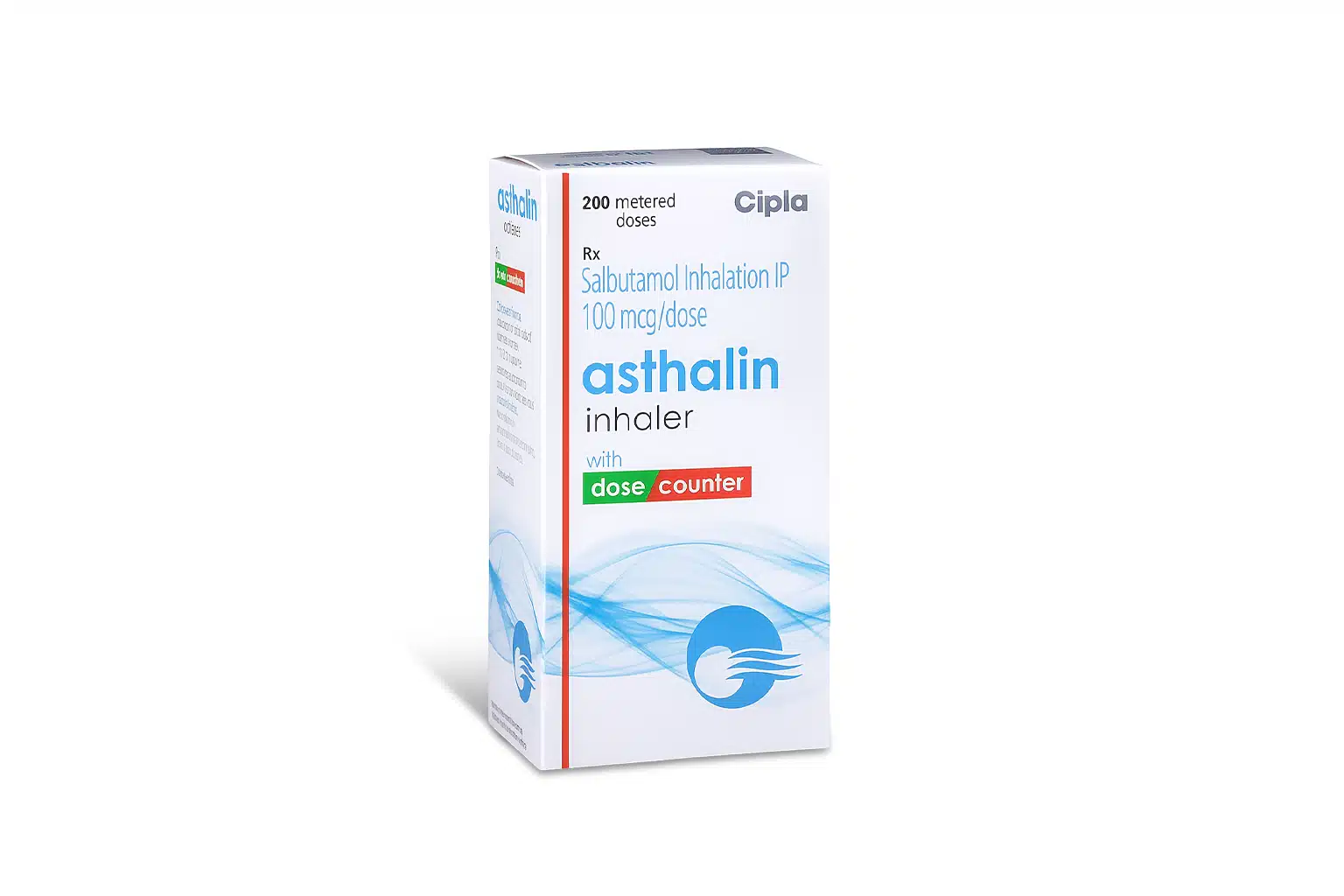
Asthalin HFA Inhaler 100 Mcg (200 mdi)
Inhalers$8.28 – $21.96Price range: $8.28 through $21.96Rated 4.00 out of 5Shop Now This product has multiple variants. The options may be chosen on the product page -
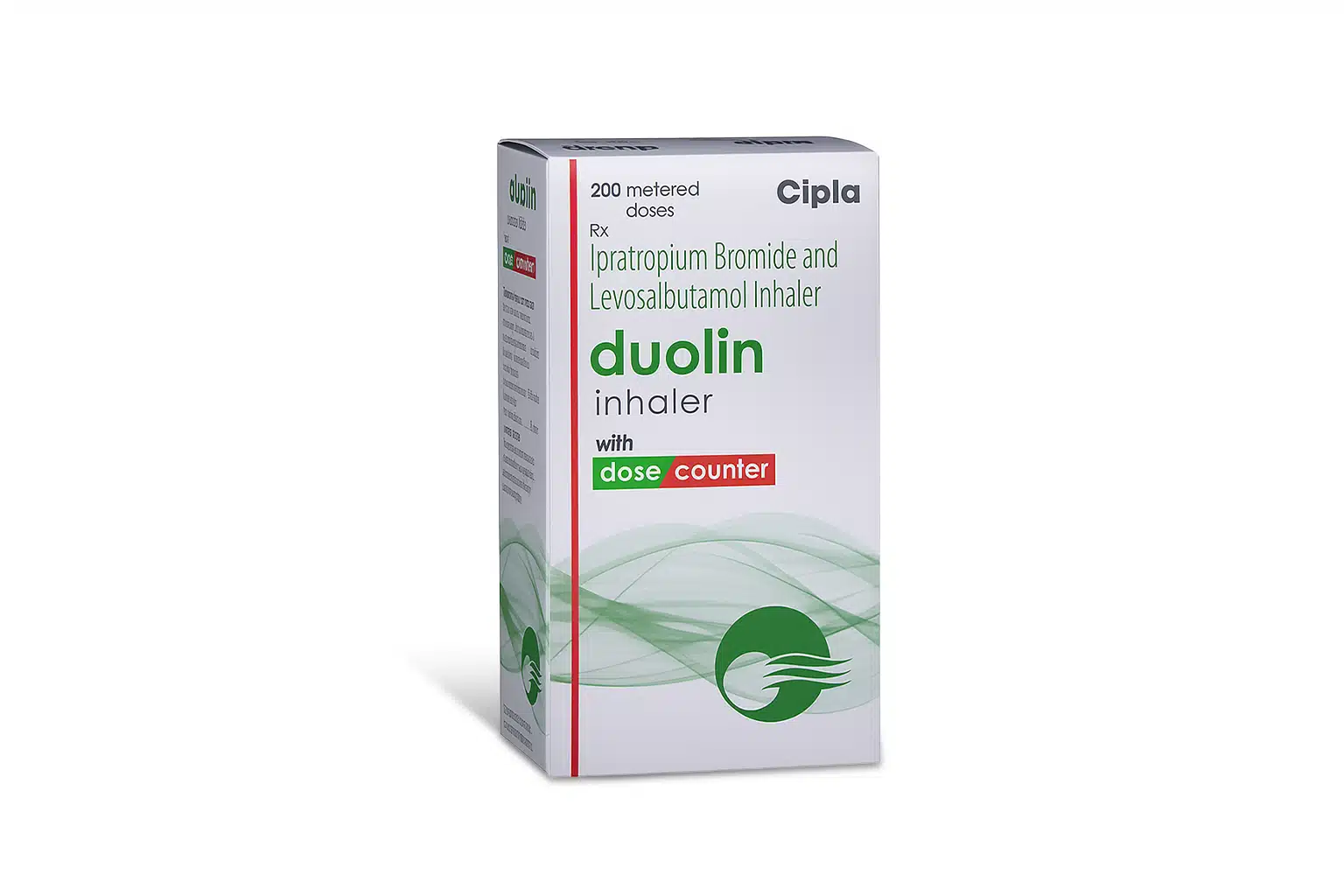
Duolin Inhaler 50 Mcg + 20 Mcg
Inhalers$38.03 – $99.39Price range: $38.03 through $99.39Rated 5.00 out of 5Shop Now This product has multiple variants. The options may be chosen on the product page -
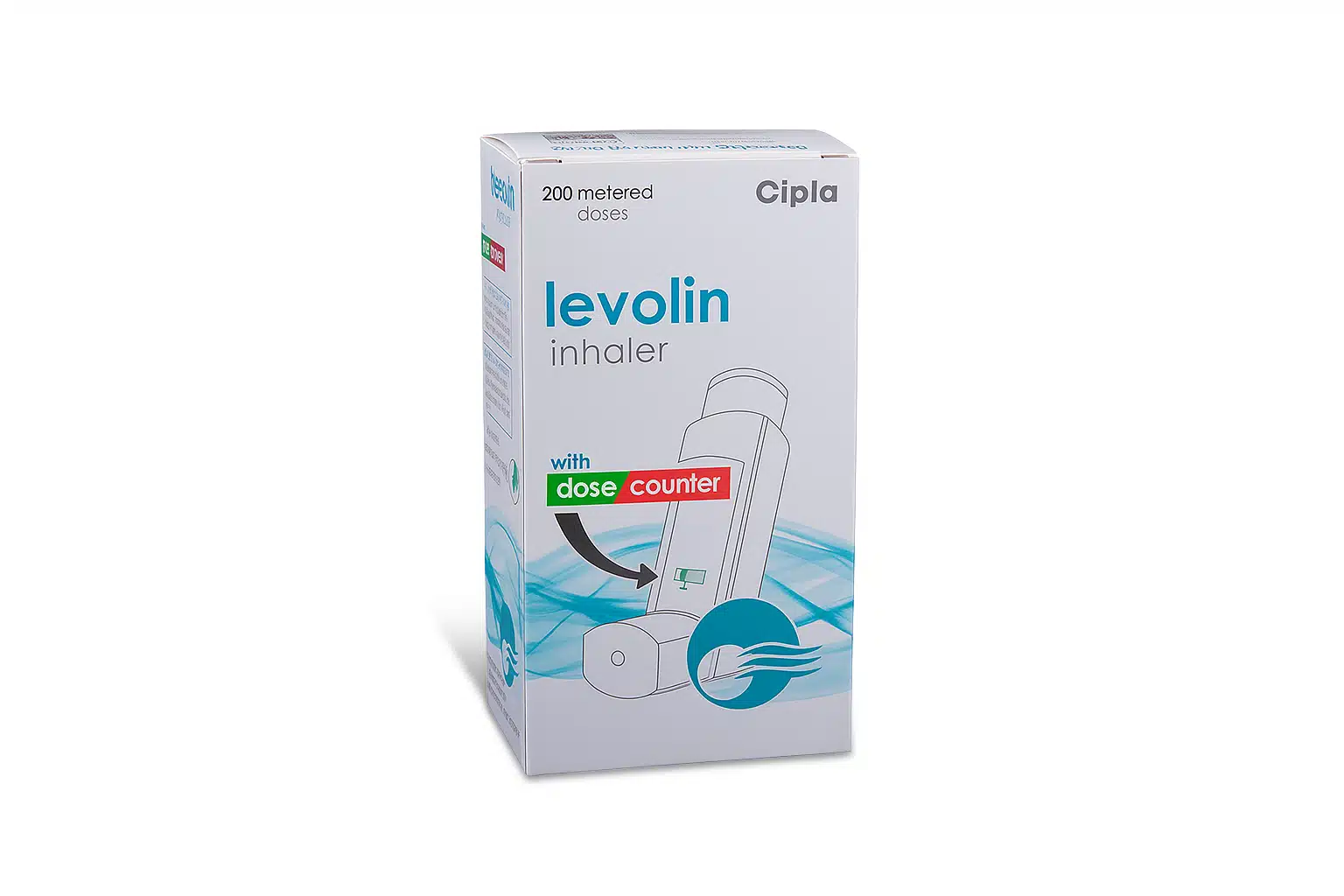
Levolin 50 Mcg (200mdi) Inhaler
Inhalers$6.77 – $34.49Price range: $6.77 through $34.49Rated 5.00 out of 5Shop Now This product has multiple variants. The options may be chosen on the product page -
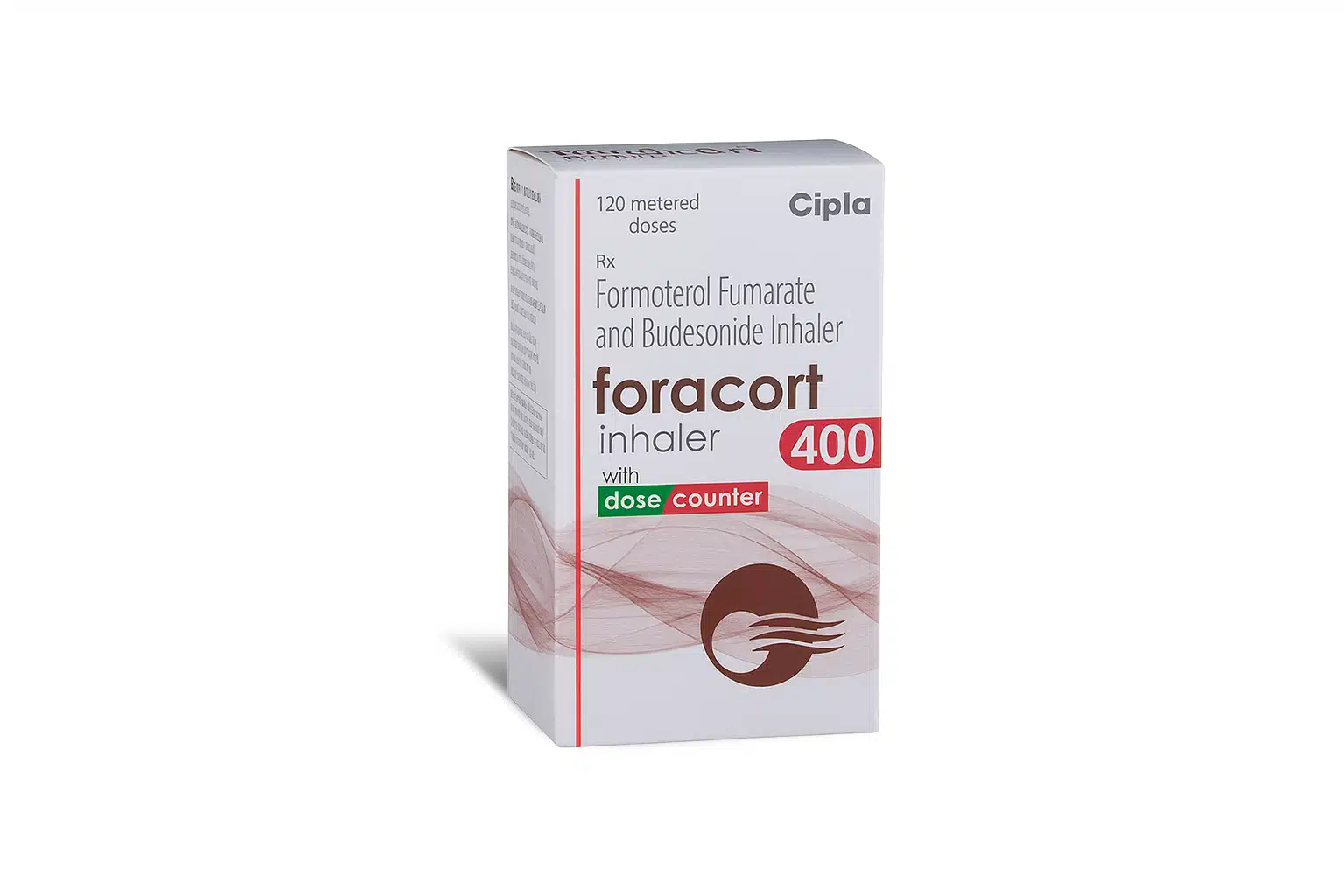
Foracort Inhaler 6/400 Mcg
Inhalers$17.98 – $49.25Price range: $17.98 through $49.25Rated 4.00 out of 5Shop Now This product has multiple variants. The options may be chosen on the product page -
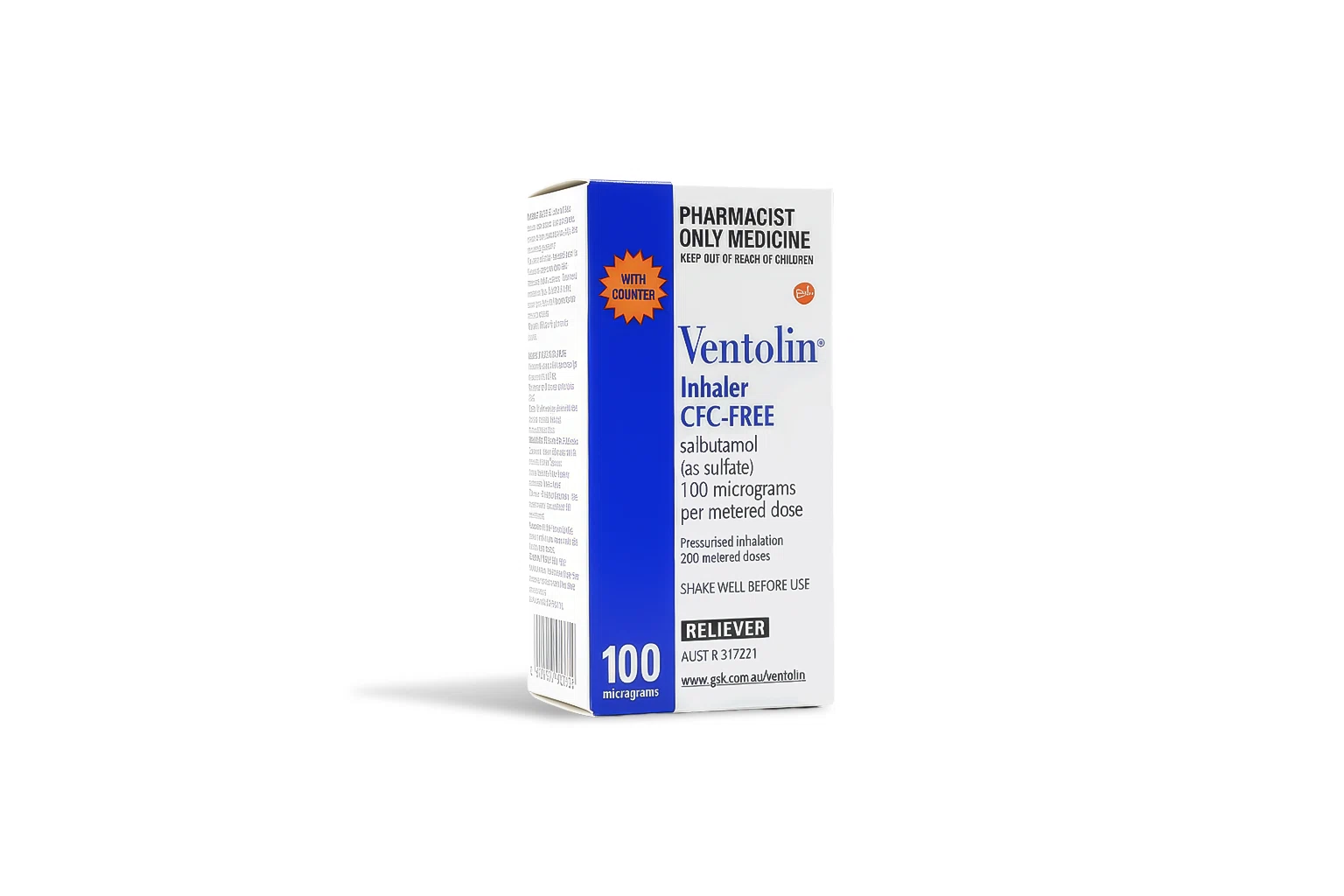
Ventorlin CFC Free Inhaler 100 Mcg/18 Mg
Inhalers$14.25 – $28.80Price range: $14.25 through $28.80Rated 5.00 out of 5Shop Now This product has multiple variants. The options may be chosen on the product page -
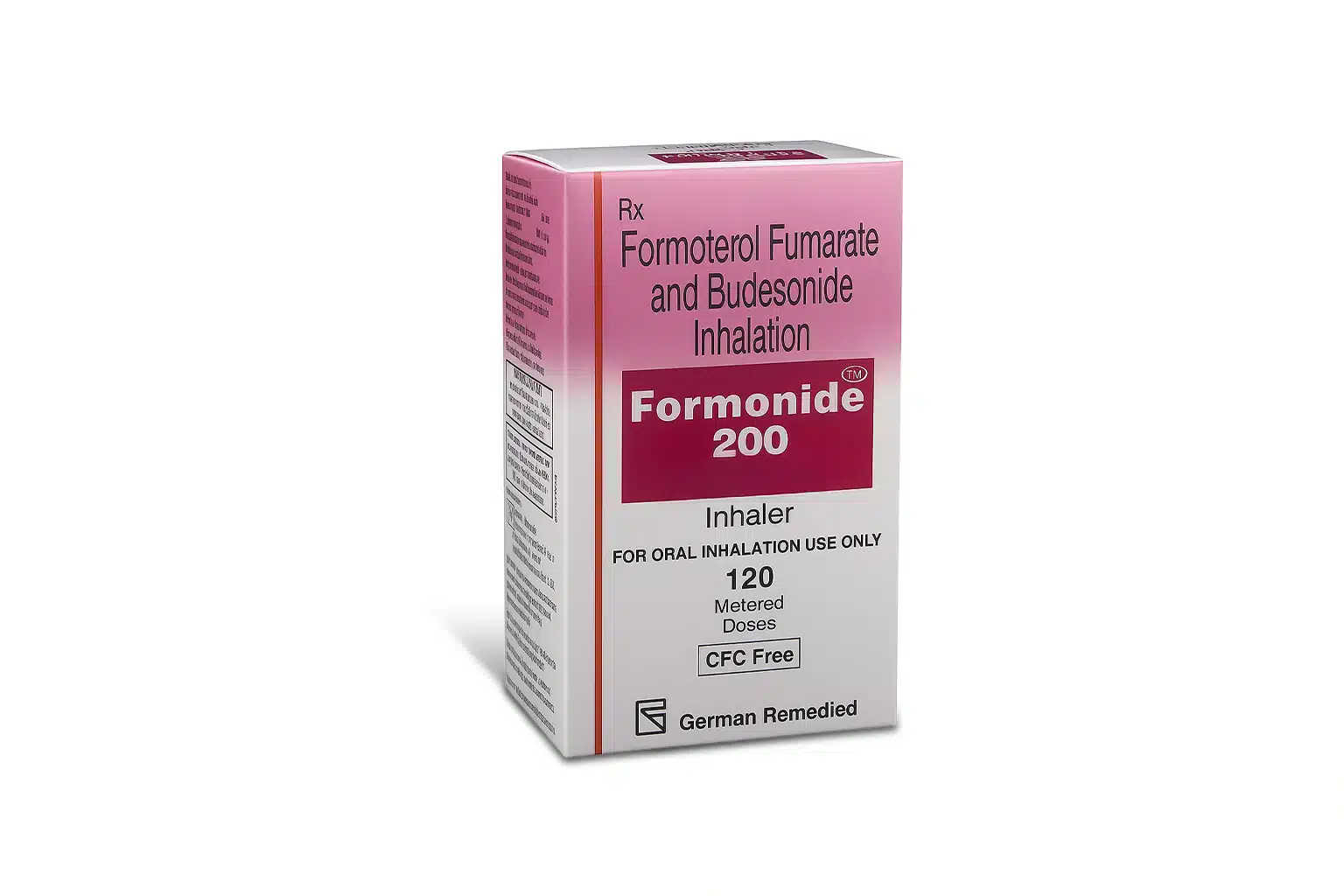
Formonide 200 Inhaler
Inhalers$69.61 – $142.73Price range: $69.61 through $142.73Rated 4.00 out of 5Shop Now This product has multiple variants. The options may be chosen on the product page -
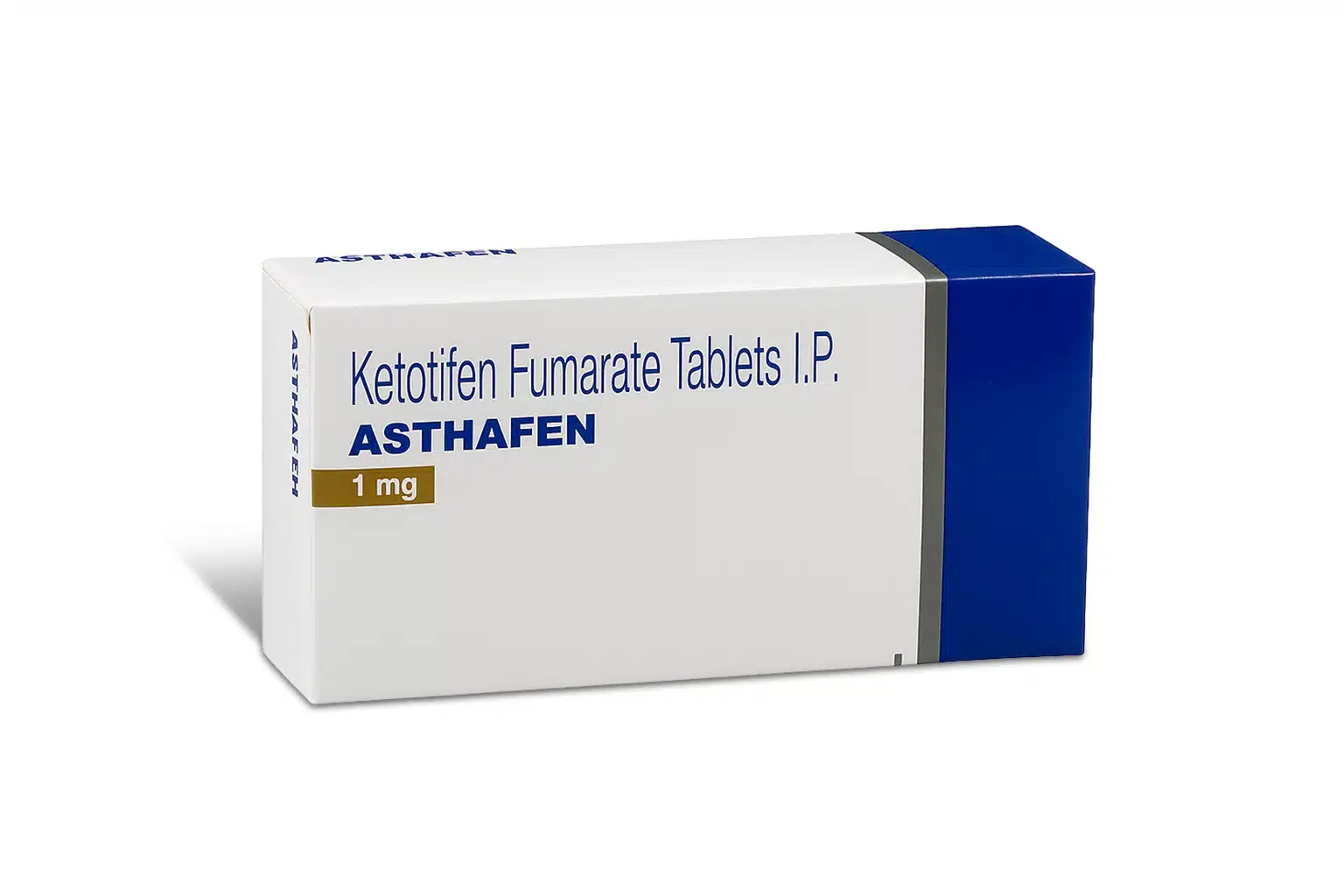
Asthafen 1 Mg
Inhalers$13.44 – $22.21Price range: $13.44 through $22.21Rated 4.00 out of 5Shop Now This product has multiple variants. The options may be chosen on the product page -
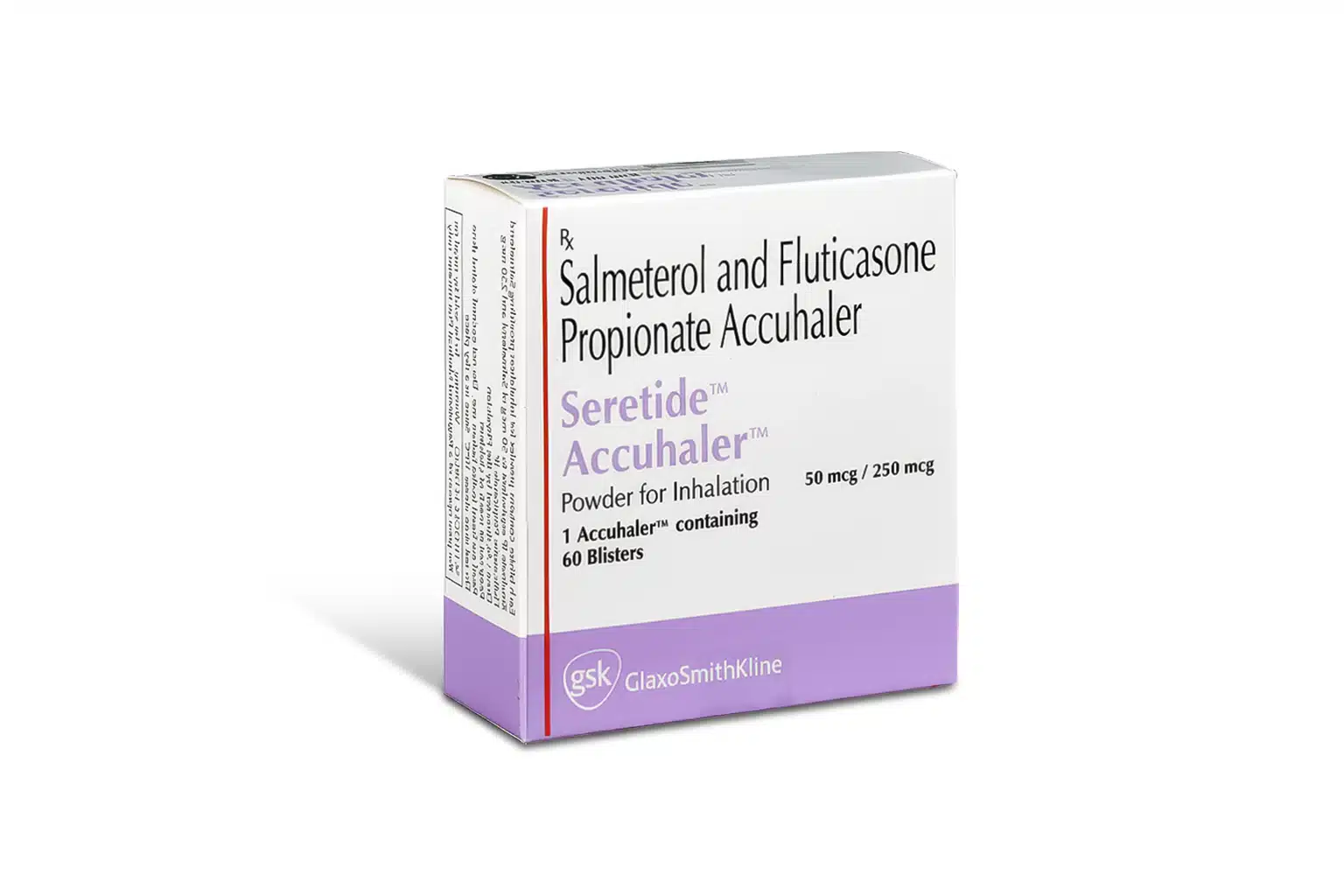
Seretide 50 Mcg/250 Mcg Accuhaler
Inhalers$41.47 – $117.99Price range: $41.47 through $117.99Rated 4.00 out of 5Shop Now This product has multiple variants. The options may be chosen on the product page -
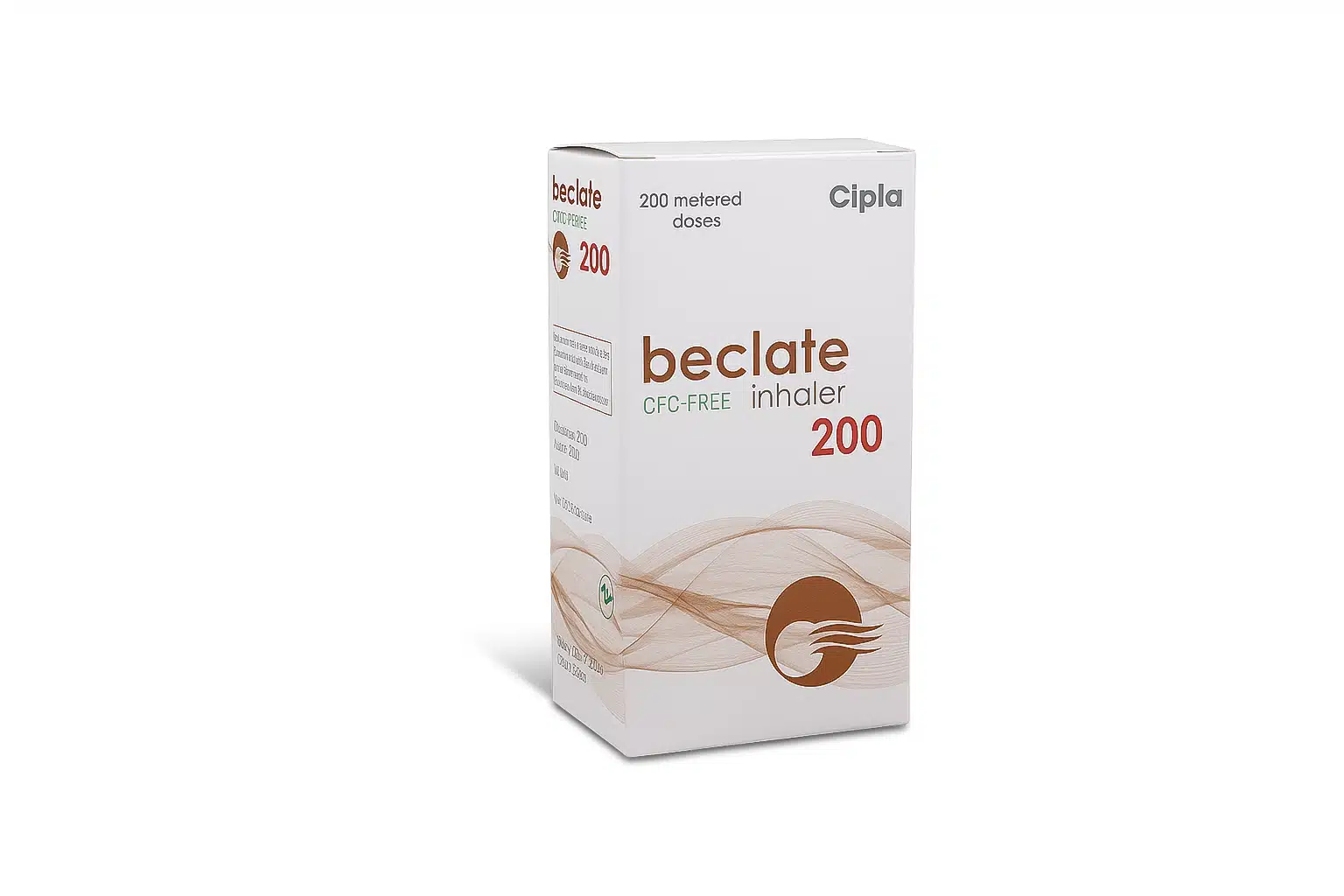
Beclate Inhaler 200 Mcg
Inhalers$13.60 – $36.80Price range: $13.60 through $36.80Rated 4.00 out of 5Shop Now This product has multiple variants. The options may be chosen on the product page -
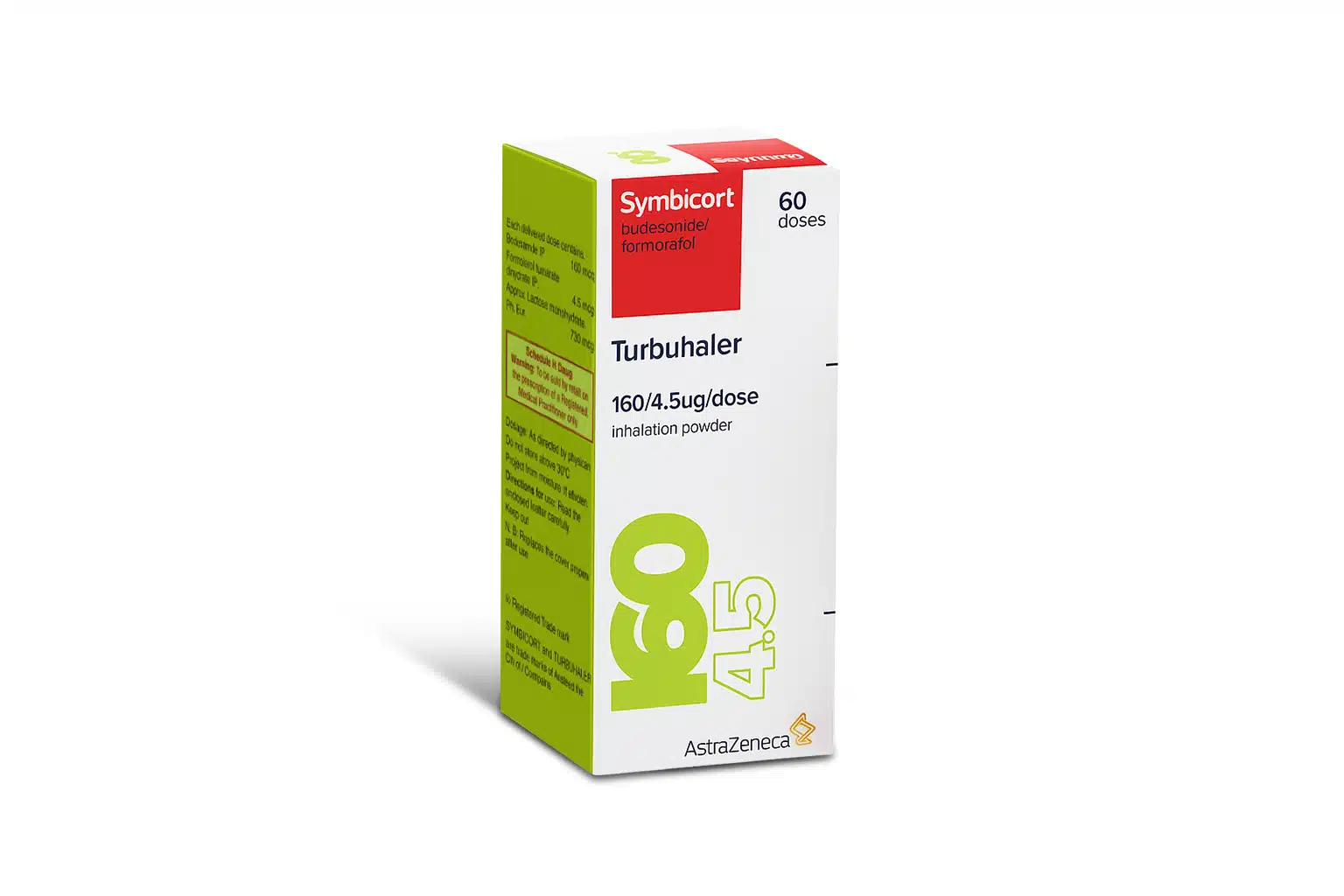
Symbicort 160 Turbuhaler
Inhalers$85.94 – $205.05Price range: $85.94 through $205.05Rated 4.00 out of 5Shop Now This product has multiple variants. The options may be chosen on the product page -
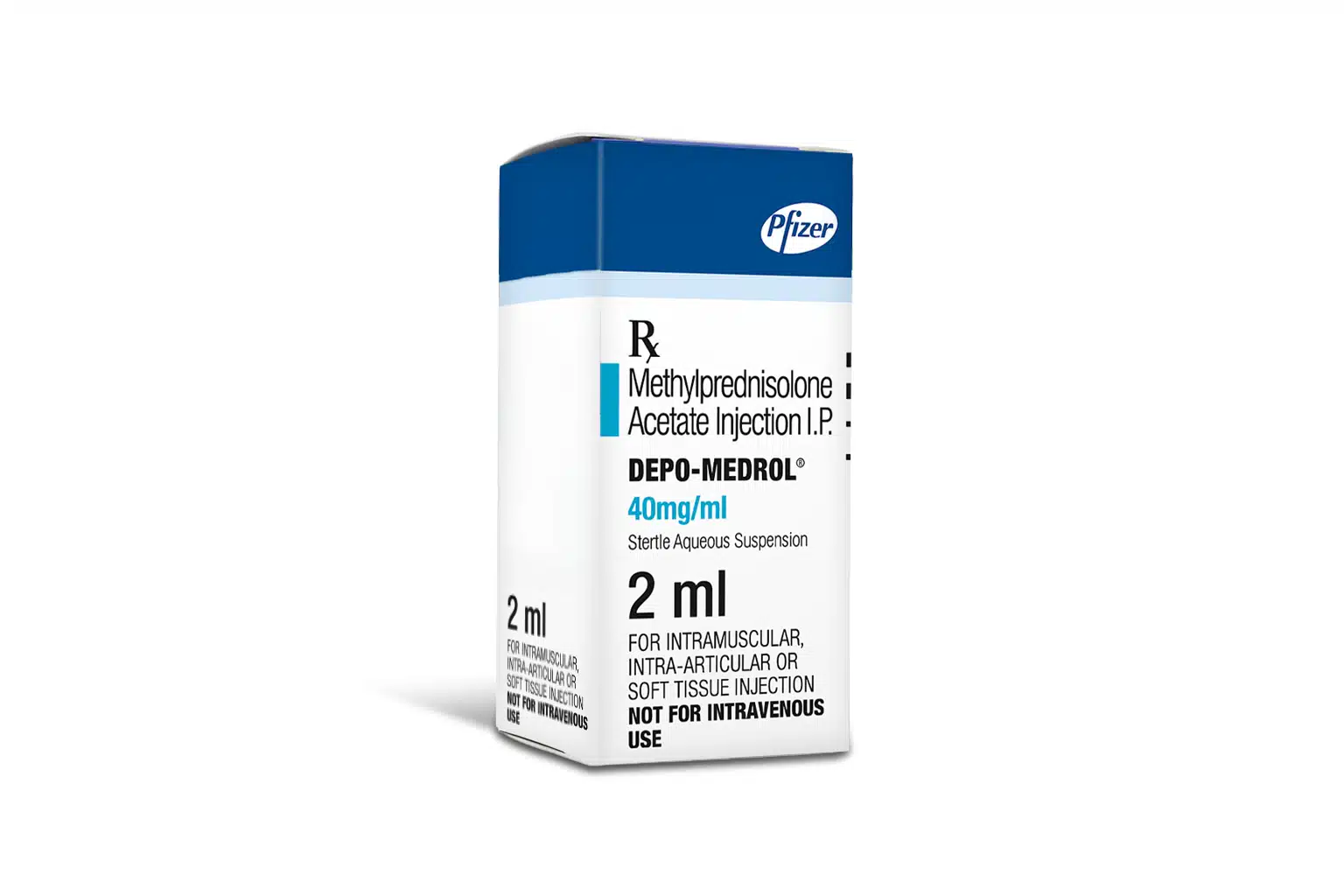
Depo-Medrol 40 Mg/ML Injection 2 ml
Inhalers$17.28 – $44.10Price range: $17.28 through $44.10Rated 5.00 out of 5Shop Now This product has multiple variants. The options may be chosen on the product page -
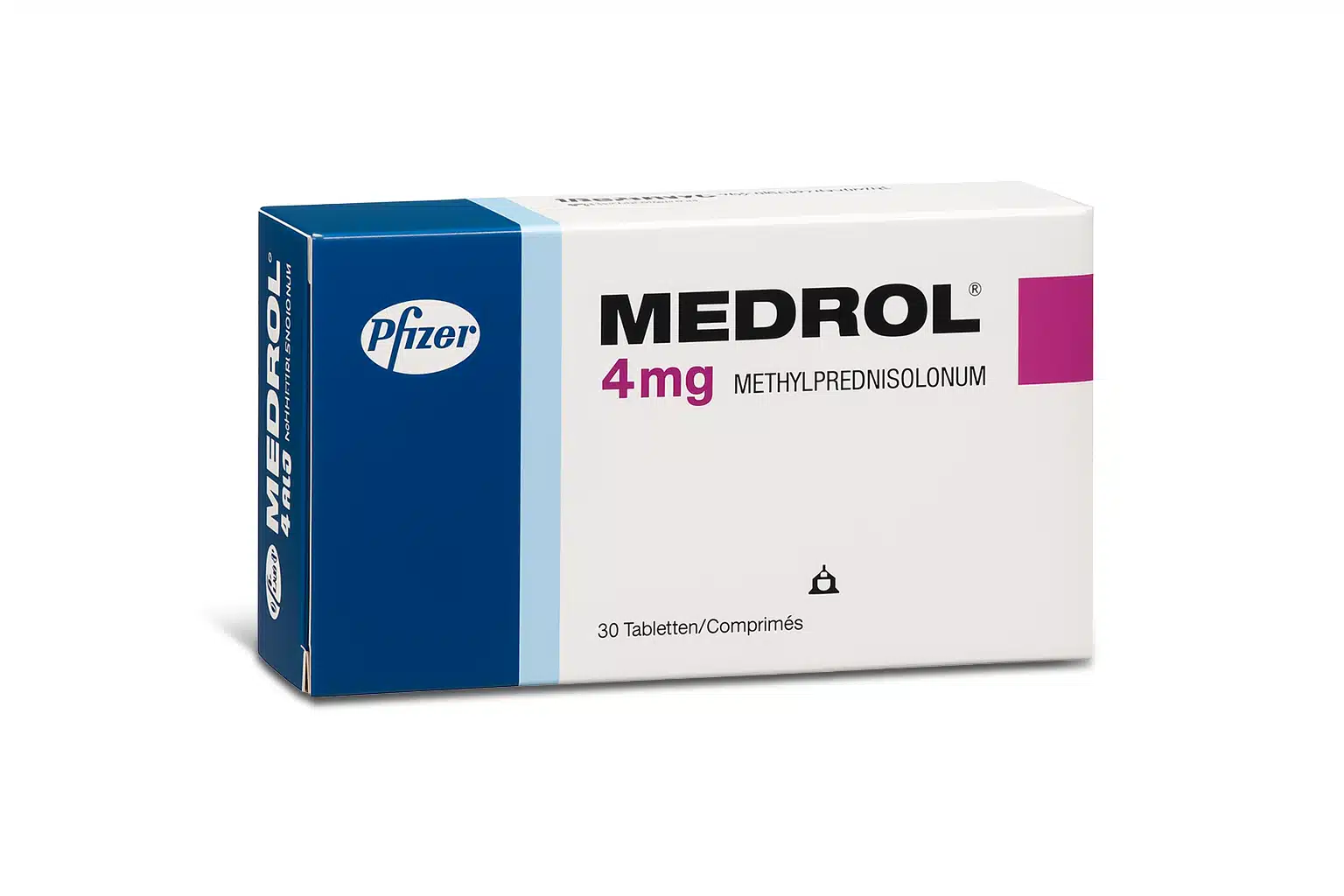
Medrol 4 Mg Tablet
Inhalers$13.44 – $26.13Price range: $13.44 through $26.13Rated 4.00 out of 5Shop Now This product has multiple variants. The options may be chosen on the product page -
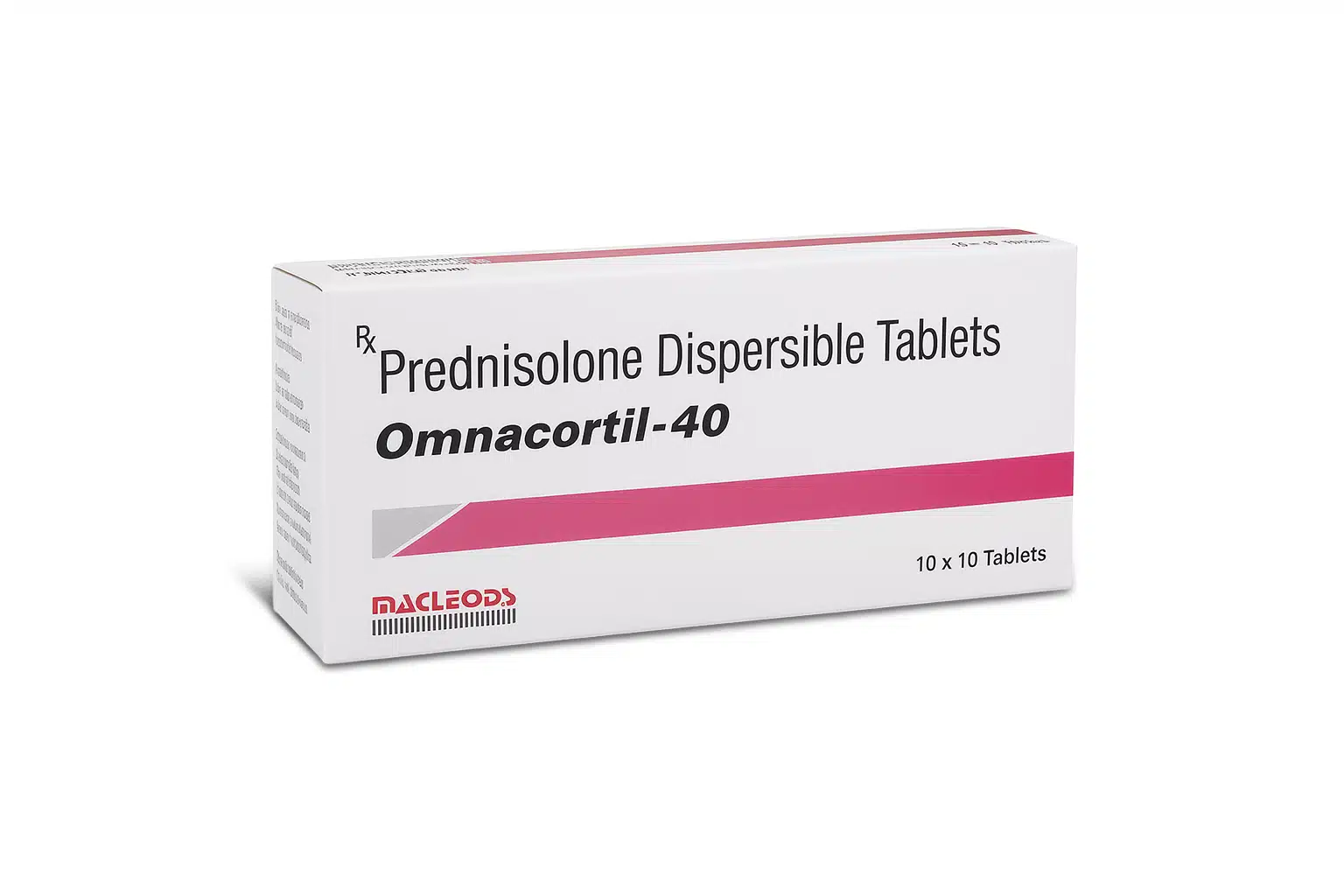
Omnacortil 40 Mg Tablet
Inhalers$57.60 – $164.64Price range: $57.60 through $164.64Rated 4.00 out of 5Shop Now This product has multiple variants. The options may be chosen on the product page
What Is an MDI?
MDI stands for Metered Dose Inhaler. It’s the classic press-and-breathe inhaler most people recognize.
An MDI releases a fixed dose of medication in aerosol form when pressed. The medicine is propelled out of the inhaler and must be inhaled at the same time to reach the lungs effectively.
MDIs are widely prescribed because they are:
- Compact and portable
- Fast acting
- Suitable for both rescue and maintenance medications
However, their effectiveness depends heavily on proper coordination.
How MDI Use Feels in Real Life
Using an MDI requires timing. You press the inhaler and inhale slowly at the same moment. For many adults, this can be learned easily. For children, elderly patients, or people in acute distress, this coordination can be challenging.
That’s why spacers are often recommended. A spacer holds the medication momentarily, making it easier to inhale correctly and reducing medicine loss.
In discussions around MDI vs DPI, this coordination requirement is often the biggest deciding factor.
What Is a DPI?
DPI stands for Dry Powder Inhaler. Unlike MDIs, DPIs do not use a propellant. Instead, the medication is in powder form and is inhaled through the patient’s own breath.
To use a DPI, the patient must inhale quickly and deeply to pull the medicine into the lungs. This makes DPIs breath-actuated rather than pressurized.
DPIs are popular because:
- They don’t require hand-breath coordination
- They are propellant-free
- Many patients find them simpler to use
But simplicity doesn’t mean suitability for everyone.
The Key Difference Between MDI and DPI
The difference between MDI and DPI lies primarily in how the medication enters the lungs.
MDI:
- Requires slow, controlled inhalation
- Needs coordination (or a spacer)
- Works even with low breathing strength
DPI:
- Requires fast, forceful inhalation
- No pressing or coordination
- Needs sufficient inspiratory effort
This difference becomes critical during asthma attacks, in very young children, or in elderly patients with reduced lung strength.
Understanding Nebulizer Treatment
Nebulizers work very differently from inhalers.
A nebulizer converts liquid medication into a fine mist that is inhaled over several minutes through a mask or mouthpiece. The patient breathes normally during the process, without needing to time or control inhalation.
Nebulizers are commonly used:
- In hospitals and emergency settings
- For young children
- For severe asthma or COPD cases
- When inhalers are not effective or practical
In comparisons of MDI vs DPI vs nebulizer treatment, nebulizers are often seen as the most “effortless” option, but they come with trade-offs.
What Nebulizer Use Is Like Day to Day
Nebulizer treatments take time. A single session may last 10–15 minutes. The device needs electricity or batteries, cleaning after use, and regular maintenance.
While nebulizers are excellent for delivering medication without technique issues, they are less portable and less discreet. This makes them less practical for daily use outside the home.
They are powerful tools, but not always convenient ones.
Effectiveness: Is One Device More Powerful?
A common myth is that nebulizers are “stronger” than inhalers. In reality, when used correctly, MDIs and DPIs can be just as effective as nebulizers for many patients.
The difference lies not in strength, but in delivery consistency.
Nebulizers:
- Reduce technique errors
- Deliver medicine steadily over time
Inhalers:
- Are faster
- Depend more on correct usage
So in the debate over which is better, MDI or DPI, or whether nebulizers are superior, the answer is rarely absolute. It depends on the person, not the device alone.
Choosing the Best Treatment Device for Asthma
The best treatment device for asthma is the one a patient can use correctly, consistently, and confidently.
Factors that influence this choice include:
- Age
- Severity of symptoms
- Coordination ability
- Lung strength
- Lifestyle and mobility
- Frequency of use
No single device wins in every category.
MDI vs DPI for Daily Asthma Management
For daily controller therapy, many patients prefer DPIs because they feel simpler and more intuitive. There’s no pressing, no timing, just inhale.
However, DPIs may be less effective during severe attacks when inhalation strength is reduced. In those moments, MDIs with spacers or nebulizers often work better.
This is why some patients use more than one device type, depending on the situation.
Managing Acute Symptoms: Which Device Works Best?
During sudden asthma symptoms:
- MDIs (with or without spacers) are often first-line
- Nebulizers are used when inhalers are ineffective or when symptoms are severe
DPIs may be harder to use during acute breathlessness because they require forceful inhalation.
This practical reality plays a major role in deciding which is better MDI or DPI for emergency use.
Ease of Use vs Long-Term Adherence
Ease of use affects consistency. Consistency affects outcomes.
A device that feels confusing, uncomfortable, or inconvenient is more likely to be skipped. Over time, missed doses lead to poor asthma control, regardless of how effective the medicine itself is.
This is why doctors often demonstrate inhaler technique repeatedly and reassess it during follow-ups.
Environmental and Lifestyle Considerations
DPIs are often considered more environmentally friendly because they don’t use propellants. MDIs, while improving in this area, still rely on pressurized delivery.
Nebulizers require electricity and cleaning, which may not suit all living situations.
Lifestyle matters:
- Frequent travelers may prefer compact inhalers
- Home-bound patients may manage well with nebulizers
- School-going children may need simple, fast options
Again, the “best” choice is personal.
Why Many Patients Switch Devices Over Time
Asthma is not static. Symptoms change. Life circumstances change.
A child may start with a nebulizer, move to an MDI with a spacer, and later transition to a DPI. An adult may prefer a DPI for daily use but keep an MDI for emergencies.
This flexibility is normal and often beneficial.
The Importance of Technique Training
Across all device types, incorrect technique is one of the biggest reasons for poor asthma control.
Common issues include:
- Inhaling too fast or too slow
- Not holding breath after inhalation
- Incorrect device positioning
- Skipping maintenance or cleaning
Device choice matters, but education matters just as much.
Final Perspective: Comparing Without Competing
The debate around MDI vs DPI vs nebulizer treatment is not about declaring a winner. It’s about matching the right tool to the right person at the right time.
Understanding the difference between MDI and DPI, knowing when nebulizer treatment is appropriate, and recognizing what works best in real-life conditions empowers patients to take control of their respiratory health.
Asthma management is not about perfection.
It’s about consistency, comfort, and confidence.
And the right device, used correctly, makes all the difference.
FAQ's
1. What is the main difference between MDI and DPI inhalers?
The main difference between MDI and DPI inhalers is how medication is delivered to the lungs. MDIs release a pressurized spray that requires slow, coordinated inhalation, while DPIs deliver dry powder activated by a fast, deep breath. Choosing between them depends on breathing ability and inhaler technique.
2. MDI vs DPI vs nebulizer treatment: which is more effective for asthma?
MDI vs DPI vs nebulizer treatment effectiveness depends on correct usage rather than device strength. When used properly, MDIs and DPIs can be as effective as nebulizers. Nebulizers are often preferred for severe symptoms or patients who struggle with inhaler technique, especially children or elderly individuals.
3. Which is better, MDI or DPI for daily asthma control?
Whether MDI or DPI for daily asthma control depends on patient comfort and consistency. DPIs are easier for many adults because they don’t require coordination, while MDIs may be better for people with low breathing strength or during asthma attacks. Correct technique matters most.
4. What is considered the best treatment device for asthma?
The best treatment device for asthma is one that a patient can use correctly and consistently. Age, symptom severity, coordination, lung strength, and lifestyle all influence device choice. No single device works best for everyone, and some patients may use more than one device type.
5. Why are nebulizers still used when inhalers are available?
Nebulizers are still used because they deliver medication steadily without requiring special breathing techniques. They are especially helpful during severe asthma episodes, for young children, or for patients unable to use inhalers effectively. Although less portable, nebulizers remain valuable in certain treatment situations.