
Male sexual health concerns are a critical aspect of overall well-being, yet they are often overlooked or dismissed due to embarrassment or a lack of information. The penis, a vital organ, is susceptible to a range of conditions, from common irritations to serious diseases, many of which necessitate prompt medical evaluation and treatment. Ignoring persistent or severe symptoms related to penile pain and swelling, changes in appearance, or sexual function can lead to prolonged discomfort, complications, and potentially indicate underlying systemic health issues.
This comprehensive guide aims to shed light on several key male sexual health concerns that demand professional medical attention. By enhancing awareness and providing authoritative information, we hope to encourage timely consultation with a healthcare professional, such as a urologist or a general practitioner, to ensure accurate diagnosis and effective management. Early intervention is often the most significant factor in achieving successful outcomes for these conditions.

Erectile Dysfunction Symptoms: More Than Just a Bedroom Problem
Erectile dysfunction (ED), the consistent or recurrent inability to achieve or maintain an erection firm enough for satisfactory sexual performance, is one of the most common male sexual health concerns. While occasional difficulty is normal and often linked to stress or fatigue, persistent ED should be viewed as a medical issue requiring investigation, as it frequently acts as an early warning sign for more serious underlying health problems.
Understanding the Symptoms of Erectile Dysfunction
The core erectile dysfunction symptoms include:
- Difficulty getting an erection.
- Difficulty keeping an erection for long enough to have sex.
- Reduced sexual desire or libido (although ED primarily relates to the mechanical function, psychological distress can lower libido).
It is crucial to understand that ED is rarely solely psychological, especially in men over 50. It often points to issues with blood flow or nerve signals essential for an erection.
The Critical Connection to Systemic Health
The arteries supplying blood to the penis are smaller than those leading to the heart or brain. Consequently, plaque buildup or damage to blood vessels, known as atherosclerosis, often manifests first as ED. Therefore, ED can be an initial indicator of:
- Cardiovascular Disease: Including high blood pressure (hypertension) and high cholesterol. ED can precede a major cardiac event, like a heart attack or stroke, by several years.
- Diabetes: Uncontrolled blood sugar levels damage both blood vessels and nerves (neuropathy), severely impacting erectile function.
- Hormonal Imbalances: Notably, low testosterone (hypogonadism) can contribute to ED and reduced libido.
- Neurological Conditions: Diseases such as multiple sclerosis, Parkinson’s disease, and spinal cord injuries can disrupt the nerve impulses required for an erection.
Seeking treatment for ED is not just about improving sexual function; it is an essential opportunity to screen for and address these potentially life-threatening systemic health conditions. A doctor will perform a thorough history, physical exam, and often blood tests to check for diabetes, cholesterol, and hormone levels.
Penile Pain and Swelling: Signs of Acute Issues
Experiencing penile pain and swelling is a symptom that should never be ignored, as it can indicate both common infections and urological emergencies. The severity and accompanying symptoms – such as redness, discharge, or difficulty urinating – help determine the underlying cause and the urgency of treatment.
Common Causes of Pain and Swelling
- Balanitis: This is the inflammation of the glans (head of the penis) and is a frequent cause of discomfort. Symptoms often include redness, swelling, soreness, and a foul-smelling discharge. It is one of the most common balanitis and infections seen in uncircumcised males.
- Urethritis: Inflammation of the urethra (the tube that carries urine) can cause pain during urination (dysuria), a frequent urge to urinate, and sometimes a discharge. It is often caused by sexually transmitted infections (STIs) like chlamydia or gonorrhoea.
- Posthitis/Balanoposthitis: Posthitis is the inflammation of the foreskin (prepuce), and balanoposthitis is the inflammation of both the glans and the foreskin. Both are causes of penile pain and swelling, often related to poor hygiene, irritation, or infection.
Urological Emergencies Requiring Immediate Care
Certain causes of penile pain and swelling constitute medical emergencies where blood flow is compromised or there is a risk of permanent damage.
Priapism
A prolonged and often painful erection lasting four hours or more that is not caused by sexual stimulation. This is an emergency because the trapped blood is deoxygenated, and if not drained promptly, it can lead to permanent damage and severe erectile dysfunction. It is a critical condition demanding immediate emergency room care.
Paraphimosis
This occurs exclusively in uncircumcised males when the retracted foreskin becomes trapped behind the glans, leading to a tight ring that restricts blood flow. The glans quickly swells, becoming engorged, painful, and discoloured. This is an emergency requiring immediate manual reduction or surgical intervention (like a dorsal slit or circumcision) to restore blood flow and prevent necrosis.
Penile Fracture
Despite its name, the penis has no bone. This injury refers to the rupture of the tunica albuginea, the fibrous tissue that maintains the erection, usually occurring during vigorous intercourse. It is characterised by a sudden cracking sound, acute pain, rapid swelling, and discolouration (often described as an “aubergine deformity”). It requires urgent surgical repair.
Any sudden, severe, or persistent penile pain and swelling, particularly when accompanied by difficulty urinating, fever, or discolouration, necessitates an immediate visit to the emergency department or a urologist.
Best Seller
-

Cenforce 100 Mg
Best Seller$24.00 – $215.00Price range: $24.00 through $215.00Rated 5.00 out of 5Shop Now This product has multiple variants. The options may be chosen on the product page -
Vidalista 5 Mg
best sellers$18.00 – $182.00Price range: $18.00 through $182.00Rated 4.00 out of 5Shop Now This product has multiple variants. The options may be chosen on the product page -
Vidalista 40 Mg
Best Seller$28.00 – $276.00Price range: $28.00 through $276.00Rated 4.00 out of 5Shop Now This product has multiple variants. The options may be chosen on the product page -

Cenforce 200 Mg
best sellers$31.00 – $335.00Price range: $31.00 through $335.00Rated 4.00 out of 5Shop Now This product has multiple variants. The options may be chosen on the product page -

Cenforce Fm
best sellers$33.00 – $218.00Price range: $33.00 through $218.00Rated 4.00 out of 5Shop Now This product has multiple variants. The options may be chosen on the product page -

Kamagra 100 mg
best sellers$24.00 – $125.00Price range: $24.00 through $125.00Rated 5.00 out of 5Shop Now This product has multiple variants. The options may be chosen on the product page -

Fildena 100 mg
best sellers$24.00 – $244.00Price range: $24.00 through $244.00Rated 4.00 out of 5Shop Now This product has multiple variants. The options may be chosen on the product page -

Malegra Oral Jelly 100 Mg
best sellers$8.00 – $44.00Price range: $8.00 through $44.00Rated 5.00 out of 5Shop Now This product has multiple variants. The options may be chosen on the product page -

Super Kamagra Oral Jelly
best sellers$25.00 – $120.00Price range: $25.00 through $120.00Rated 4.00 out of 5Shop Now This product has multiple variants. The options may be chosen on the product page -
Tadarise Oral Jelly
best sellers$19.00 – $72.00Price range: $19.00 through $72.00Rated 4.00 out of 5Shop Now This product has multiple variants. The options may be chosen on the product page -

Careforce 200 Mg
best sellers$29.00 – $332.00Price range: $29.00 through $332.00Rated 5.00 out of 5Shop Now This product has multiple variants. The options may be chosen on the product page -

Stallegra 100 Mg
best sellers$88.00 – $224.00Price range: $88.00 through $224.00Rated 5.00 out of 5Shop Now This product has multiple variants. The options may be chosen on the product page -
 Exclusive
Aurogra 100 Mg
best sellers$29.00 – $76.00Price range: $29.00 through $76.00Rated 4.00 out of 5Shop Now This product has multiple variants. The options may be chosen on the product page -
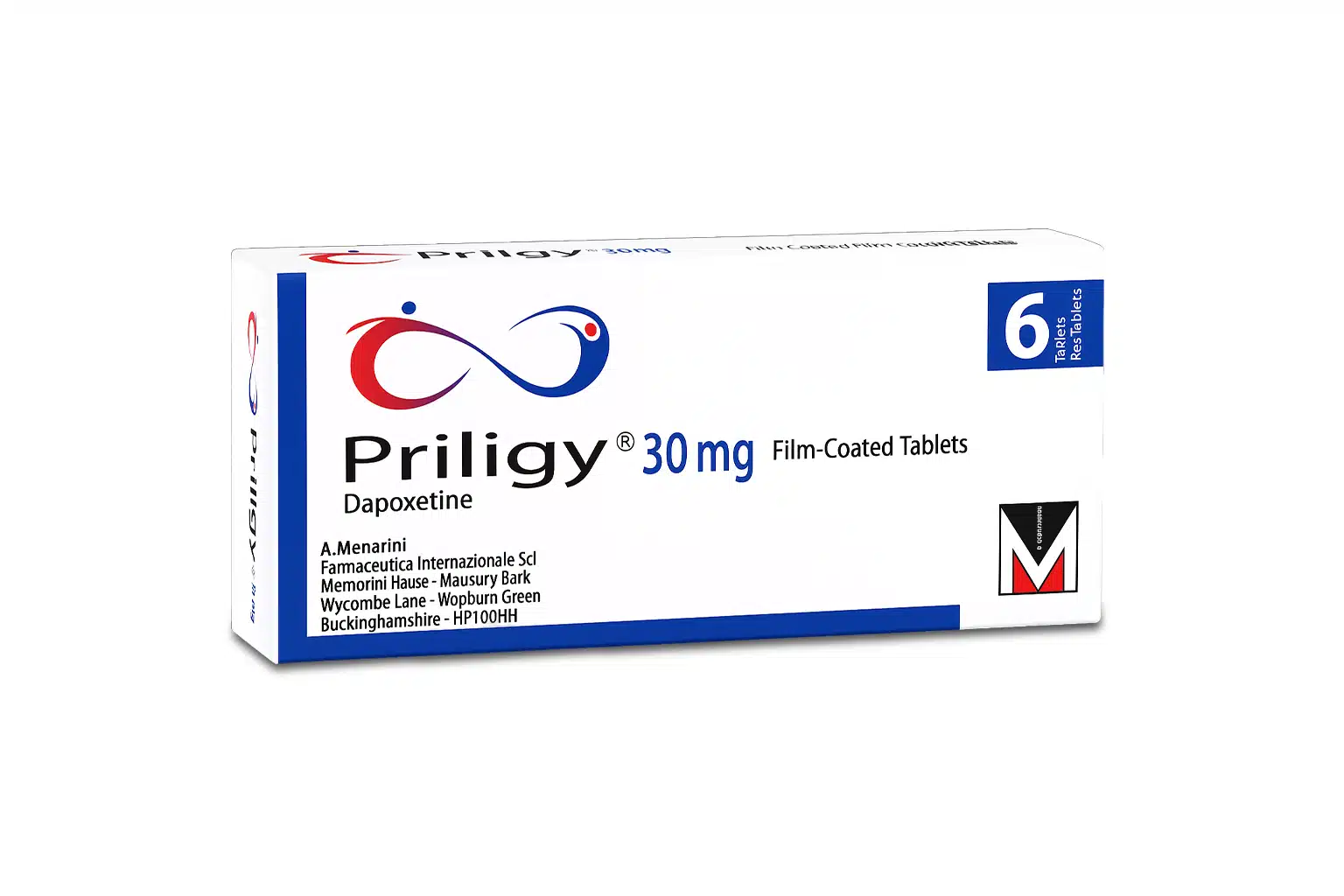
Priligy 30 mg
best sellers$22.00 – $156.00Price range: $22.00 through $156.00Rated 4.00 out of 5Shop Now This product has multiple variants. The options may be chosen on the product page
Balanitis and Infections: Addressing the Root Cause
Balanitis and infections are highly common, particularly in uncircumcised men, where the warm, moist environment under the foreskin can foster the growth of microorganisms. These conditions are not only uncomfortable but, if left untreated, can lead to scarring, tightness of the foreskin (phimosis), and difficulty with urination or erections.
Causes and Symptoms of Balanitis and Related Infections
- Candidal Balanitis (Thrush): The most frequent cause of balanitis is an overgrowth of the yeast Candida albicans. Symptoms often include intense itching, a rash, redness, swelling, soreness, and sometimes a white, cheesy discharge (smegma). Diabetes, which increases glucose in the urine and on the skin, significantly increases the risk.
- Bacterial Balanitis: Caused by various bacteria, this typically presents with a thicker, foul-smelling discharge, redness, and pain. Poor hygiene is a primary factor.
- Sexually Transmitted Infections (STIs): Many STIs, including Chlamydia, Gonorrhoea, Genital Herpes (blisters or sores), and Syphilis (painless chancre), can present with inflammation, discharge, or sores that mimic other infections. Any suspicious symptom following unprotected sex warrants STI testing.
Foreskin Irritation Causes: Beyond Infection
Foreskin irritation causes are often non-infectious, stemming from contact with allergens or irritants. This is known as contact dermatitis.
Common irritants include:
- Harsh soaps, shower gels, or perfumes.
- Laundry detergents are not thoroughly rinsed from underwear.
- Latex condoms or spermicides.
- Lubricants or personal care products.
In these cases, the irritation presents as redness, dryness, and itchiness. The treatment focuses on identifying and eliminating the irritant, coupled with gentle hygiene practices. However, because the symptoms overlap with infections and STIs, a medical consultation is necessary to rule out a more serious cause.
The Role of Hygiene and Underlying Conditions
Poor hygiene, which allows for the accumulation of moisture, dead skin cells, and residue (smegma), is a significant risk factor for both balanitis and general irritation. Conversely, over-washing with harsh soaps can also strip the skin’s natural oils, leading to irritation.
Diabetes management is crucial for men with recurrent balanitis, as high blood sugar promotes fungal growth. Treatment typically involves topical antifungal or antibiotic creams, improved hygiene, and addressing any underlying medical conditions.
Lumps and Bumps on Penis: When to Worry
Finding lumps and bumps on the penis can be a source of significant anxiety, largely due to fear of cancer or STIs. While many are benign, normal anatomical variations, or minor skin conditions, distinguishing them from potentially serious concerns requires a professional examination.
Benign Lumps and Bumps
Many penile lumps are harmless and do not require treatment:
- Pearly Penile Papules (PPP): Small, dome-shaped, or thread-like bumps appearing in one or more rows around the edge of the glans. They are a normal anatomical variant, are not contagious, and are not related to hygiene or sexual activity.
- Fordyce Spots: Small, white, or yellowish bumps that are essentially visible sebaceous (oil) glands. They can appear on the shaft or glans. They are harmless.
- Hair Follicles and Pimples: Blocked or inflamed hair follicles, particularly at the base of the shaft, are common and resemble typical body pimples. They are generally temporary.
Lumps and Bumps Requiring Medical Attention
Lumps and bumps on the penis that are concerning often display specific characteristics:
Sexually Transmitted Infections (STIs)
- Genital Warts (HPV): Fleshy, soft, sometimes cauliflower-like growths that can be singular or clustered. The Human Papillomavirus causes them.
- Genital Herpes: Small, painful, fluid-filled blisters that rupture and form crusty sores. These are recurrent.
- Syphilis (Chancre): A firm, round, painless ulcer or sore that appears at the site of infection. Because it is painless, it can be easily overlooked.
Peyronie’s Disease
This condition involves a hard, fibrous scar tissue (plaque) forming under the skin of the penis, typically on the shaft. It is palpable as a distinct hard lump or band. This plaque does not stretch like the rest of the penile tissue during an erection, leading to characteristic symptoms.
Penile Cancer (Rare but Serious)
Although rare, a persistent lump, ulcer, sore, or abnormal skin growth (such as a wart-like growth that discharges fluid) that does not heal, is hard, or is located on the glans or foreskin must be investigated urgently. Early detection is critical for a favourable outcome.
Any lumps and bumps on the penis that change rapidly, are painful, bleed, are accompanied by discharge, or do not resolve within a few weeks should be evaluated by a healthcare provider. Self-diagnosis and self-treatment of suspicious lesions are strongly discouraged.
Peyronie’s Disease Signs: Curvature and Pain
Peyronie’s disease is a connective tissue disorder of the penis that results in the formation of non-elastic scar tissue, known as plaque, in the tunica albuginea—the outer sheath of the erectile bodies. This disease is characterised by a classic triad of Peyronie’s disease signs: a palpable plaque, penile curvature, and painful erections.
The Key Signs of Peyronie’s Disease
- Palpable Plaque/Lump: The first sign is often a hard lump and bump on penis shaft, which is the scar tissue (plaque) felt beneath the skin.
- Penile Curvature or Deformity: The non-stretching plaque pulls on the erectile tissue during an erection, causing the penis to bend, most commonly upward, but it can also be downward or to the side. In severe cases, it can cause an hourglass deformity, where the penis is constricted in the middle.
- Painful Erections: The penis pain is often most pronounced during the acute, inflammatory phase of the disease and usually diminishes or resolves within a year or two.
- Penile Shortening: As the plaque hardens and contracts, the length of the penis may noticeably decrease, both when flaccid and erect.
- Erectile Dysfunction: Erectile dysfunction symptoms are common in men with Peyronie’s disease, often appearing before the onset of the curve or due to the compromised integrity of the erectile tissue (veno-occlusive dysfunction).
Stages and Treatment
Peyronie’s disease typically has two phases:
- Acute Phase: Painful erections and the curvature may worsen. This phase can last up to 18 months.
- Chronic Phase: The pain usually resolves, and the plaque and curvature stabilise.
Treatment is tailored to the phase and severity. While mild cases may only require monitoring, more severe cases, especially those causing pain or rendering intercourse difficult or impossible, may involve oral medications, intralesional injections (to break down the plaque), or surgical correction (plaque incision/grafting or plication procedures). Early consultation is important, as intervention during the acute phase can sometimes slow progression.
Male Sexual Health Concerns: The Importance of a Urology Specialist
The landscape of male sexual health concerns is broad, ranging from anxiety and performance-related issues to complex urological diseases. The common thread is that any persistent change in function, appearance, or comfort warrants a visit to a medical professional.
Symptoms That Demand Medical Evaluation
In summary, you should seek medical attention if you experience any of the following:
- Persistent or Worsening Erectile Dysfunction Symptoms: Especially if you have not been screened for cardiovascular risk factors.
- Any Penile Pain and Swelling that is sudden, severe, or does not resolve within a couple of days. Immediate emergency care is required for priapism or paraphimosis.
- Any Discharge or Sores: Discharge, particularly with a foul odour, or unhealing sores/ulcers, are red flags for balanitis and infections or STIs.
- New, Changing, or Hard Lumps and Bumps on Penis: Any hard lump felt on the shaft, particularly in the presence of curvature, points to Peyronie’s disease signs. Any persistent, non-healing, firm sore should be evaluated for cancer.
- Foreskin Irritation Causes that cannot be managed with simple hygiene and irritant avoidance.
- Changes in Urination: Including pain, burning, increased frequency, or blood in the urine or semen.
FAQ's
Q1 Is Erectile Dysfunction always a sign of poor health?
Persistent erectile dysfunction symptoms are frequently an early warning sign of underlying systemic health conditions, particularly cardiovascular disease (heart disease and blood vessel problems) and diabetes. While psychological factors, stress, and lifestyle choices (like smoking or excessive alcohol) contribute, any ongoing difficulty warrants a medical check-up to rule out physical causes, which are responsible for the majority of ED cases.
Q2 What is the first thing I should do if I notice a lump on my penis?
You should schedule an appointment with a doctor, preferably a urologist or a sexual health clinic, as soon as possible. Do not attempt to self-diagnose. While most lumps and bumps on the penis are benign (Pearly Penile Papules, Fordyce spots), a professional is needed to differentiate between harmless lesions, STIs (like Genital Warts or Herpes), Peyronie’s disease signs (hard plaque), or, rarely, penile cancer.
Q3 How can I tell if my foreskin irritation is balanitis or just simple irritation?
Simple foreskin irritation (contact dermatitis) often improves quickly once the irritant (e.g., harsh soap, condom lubricant) is removed. Balanitis and infections (fungal or bacterial) typically present with more severe symptoms, including noticeable swelling, intense itching, significant redness, and often a visible discharge or odour. If symptoms are severe, persist beyond a day or two, or include discharge, you must see a doctor, as you likely require specific antifungal or antibiotic treatment.
Q4 When does penile curvature require treatment?
A slight, mild curve is normal, but treatment is necessary when Peyronie’s disease signs are present, meaning the curvature is severe enough to:
- Causes significant pain during erections.
- Prevent or make sexual intercourse difficult or impossible.
- It is accompanied by significant penile shortening. If the curve is minor, painless, and stable, monitoring may be sufficient. A urologist will assess the degree of curvature and the impact on sexual function to determine the best course of action (e.g., injections, traction, or surgery).
Q5 What constitutes a urological emergency involving the penis?
Two conditions are immediate, life-threatening urological emergencies that require a trip to the emergency room (A&E) immediately:
- Priapism: A painful erection lasting four hours or more that is not related to sexual stimulation. This can cause permanent erectile dysfunction due to a lack of oxygen.
- Paraphimosis: The foreskin is stuck behind the glans and cannot be returned to its normal position, causing acute penile pain and swelling and restricting blood flow to the glans. Also, any suspected penile fracture (sudden “pop,” severe pain, and swelling) is an emergency requiring immediate surgical attention.
References
- NHS (UK) – Balanitis. nhs.uk
- American Urological Association – Peyronie’s disease guideline. American Urological Association
- A. Nehra et al., Peyronie’s disease: Clinical review (PubMed Central). PMC
- Medical News Today — Lump on penis: 16 causes and treatments. Medical News Today
- Royal Australian College of General Practitioners / AFP article — Penile appearance, lumps and bumps (diagnosis guidance). RACGP