
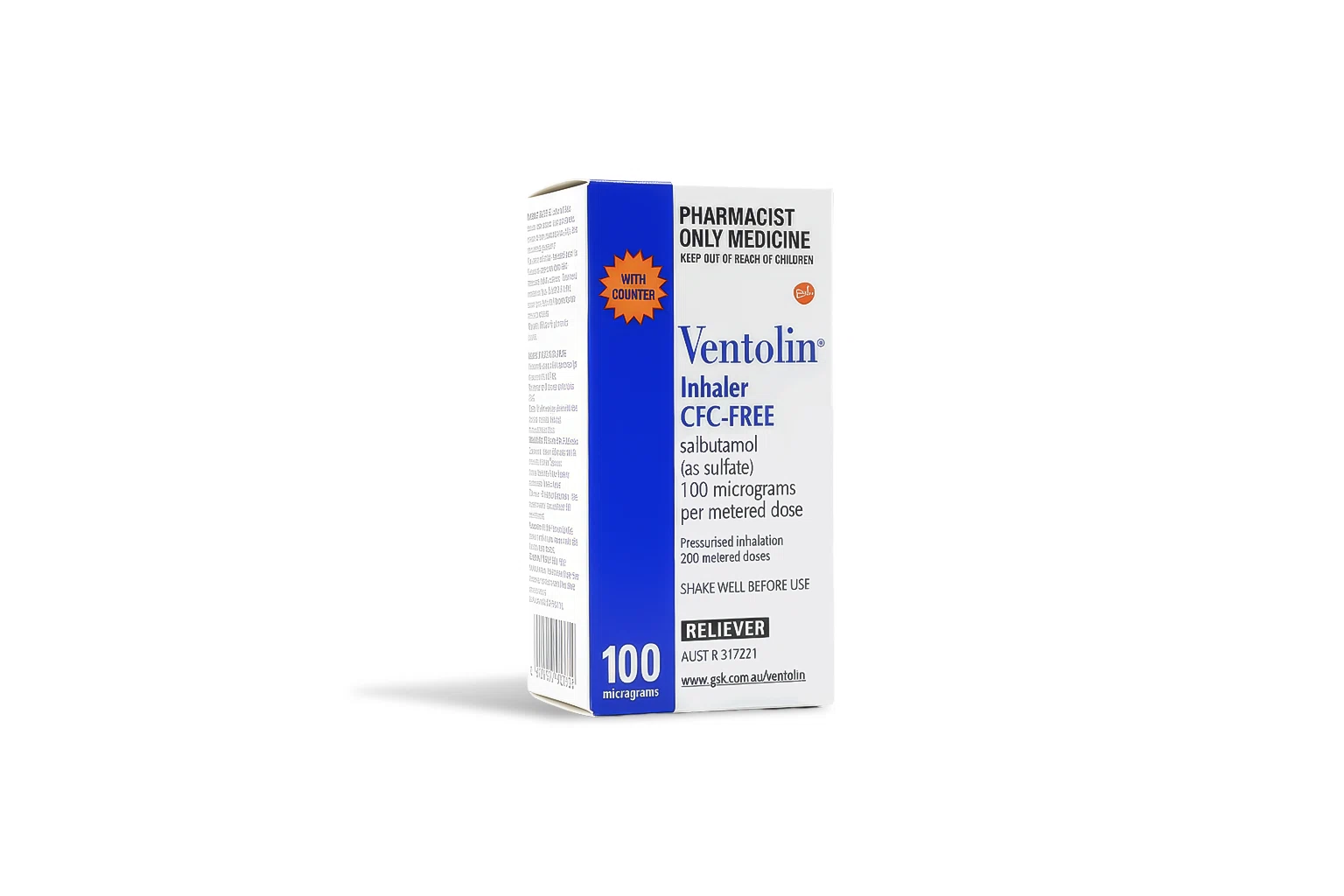
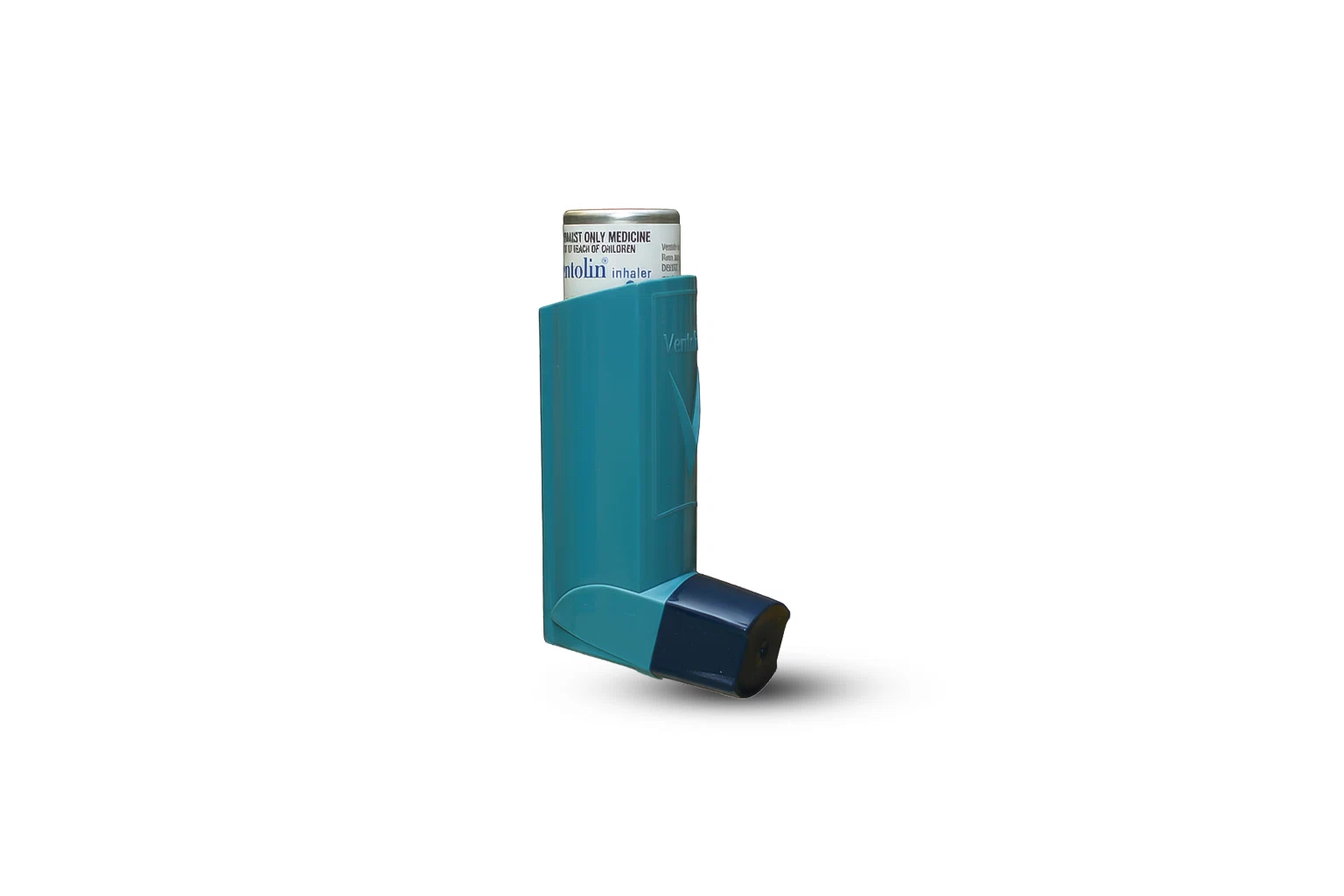
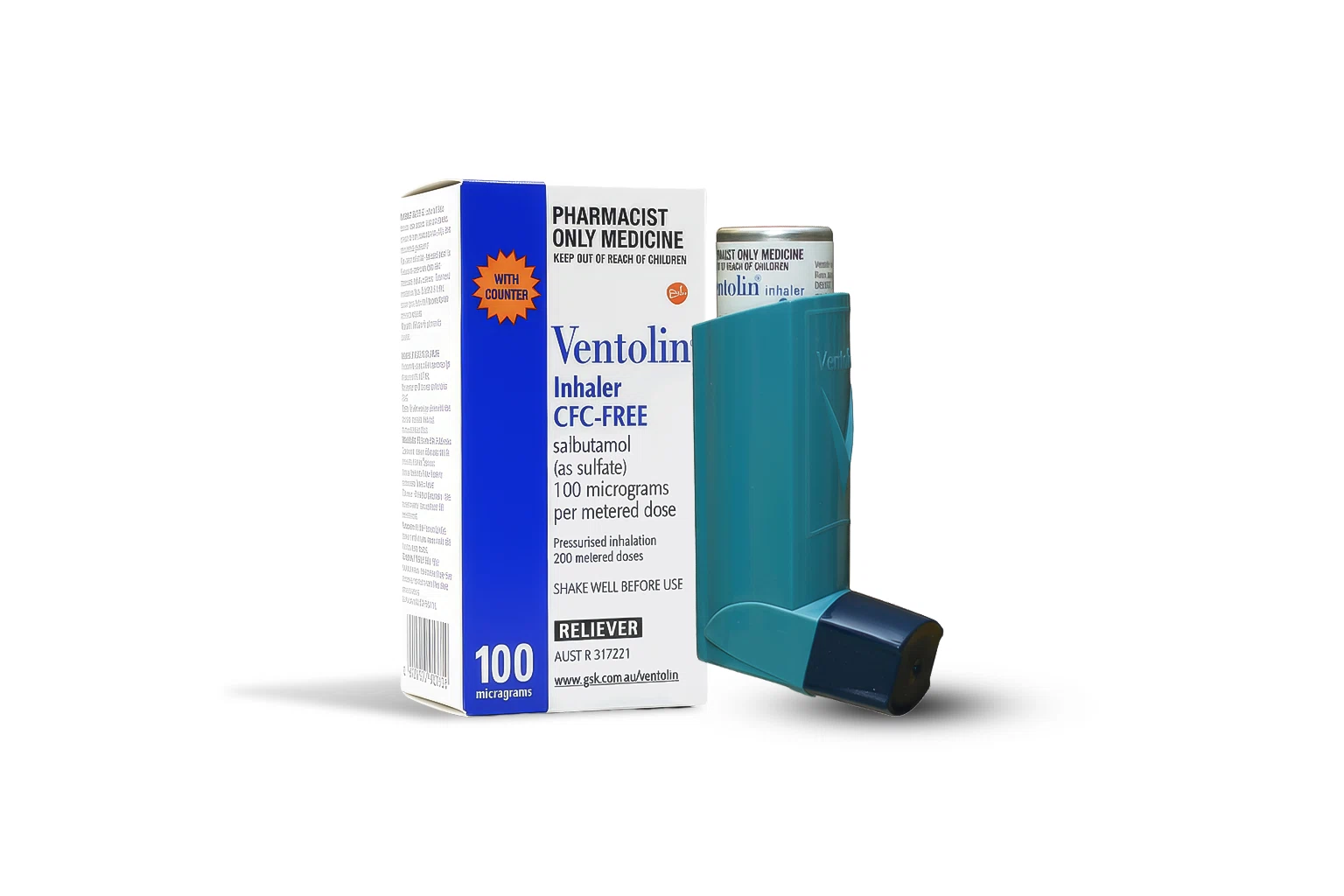
Ventorlin CFC Free Inhaler 100 mcg/18 mg is an inhaler which is used for the treatment of asthma and Chronic Obstructive pulmonary disease. It’s a short‑acting β₂‑agonist delivered by a Hydrofluoroalkane (HFA) propellant. As you inhale, salbutamol binds to β₂‑receptors in airway smooth muscle, inducing relaxation and thus rapid bronchodilation the reliever effect in asthma or COPD flare‑ups.
Key Features
| About | |
|---|---|
| Drug Class | Respiratory agents |
| Subclass | Inhaled corticosteroid (ICS) + long-acting beta2-agonist (LABA) + long-acting muscarinic antagonist (LAMA) combination |
| Product Details | |
|---|---|
| Composition | Active ingredients:
Inactive ingredients:
|
| Packaging Type | Metered-dose inhaler (MDI) |
| Pack Size | 200 metered actuations (puffs) per inhaler |
| Dosage | 1–2 puffs twice a day |
| Therapeutic Class | Anti-asthmatic and COPD management |
| Action Class | Bronchodilation (SABA) + anti-inflammatory (corticosteroid) |
| Chemical Class | Salbutamol and Beclometasone dipropionate |
| Manufacturer | Cipla Ltd (India) |
| Shelf Life | 2–3 years from the date of manufacturing |
| Usages | Treatment of asthma and Chronic Obstructive Pulmonary Disease (COPD) symptom. |
| Country of Origin | India |
| Storage | Store at room temperature (20°C–25°C) in a cool and dry place, protected from direct sunlight, moisture, and heat |
How does Ventorlin CFC Free Inhaler work?
CFC-free inhalers represent the replacement for older chlorofluorocarbon-based metered-dose inhalers. As CFCs are known to damage the ozone layer, they were phased out under the Montreal Protocol, and the majority of today’s rescue and maintenance inhalers use propellants such as hydrofluoroalkane (HFA) or are breath-actuated dry-powder devices.
- Salbutamol is a short‑acting β₂‑adrenergic agonist.
- When inhaled, it binds to β₂‑receptors in airway smooth muscle, causing relaxation, bronchodilation, and rapid relief of wheeze or breathlessness.
- It also modestly reduces airway inflammation by inhibiting mast‑cell mediator release.
Usage
- Relief of acute bronchospasm in asthma or COPD.
- Prevention of exercise‑induced bronchoconstriction, prophylactic dose 10‑15 min before activity.
Dosage
- Adults & adolescents: 1–2 puffs (100–200 µg) PRN, up to 4 puffs every 4–6 h.
- Children (4‑12 yr): 1 puff (100 µg) prn, max 2 puffs every 4–6 h.
- Shake well before each use; exhale fully, actuate, inhale slowly, hold breath 10 s, then rinse mouth.
Side‑effects
- Tremor
- Palpitations
- Headache
- Nervousness
- Throat irritation.
- Tachycardia
- Hypokalemia
- Paradoxical bronchospasm
Interaction
- β‑blockers particularly non‑selective may blunt bronchodilation.
- Other sympathomimetics (e.g., other bronchodilators, stimulants) may add to cardiovascular effects (tachycardia, tremor).
- Diuretics, corticosteroids, xanthine’s increase the risk of hypokalaemia associated with their high dose use.
Pharmacokinetics
- Onset: 5-15 min (peak effect 30–60 min).
- Duration: 4-6 h.
- Absorption: Poor systemic; drug acts mostly locally in lungs.
- Metabolism: Hepatic via sulfation; half‑life approx. 4–6 h.
- Elimination: Mainly renal (approx. 60 %) and fecal.
Precautions
- Not a replacement for controller therapy. Increased use signals worsening asthma Should seek medical prescription.
- Caution in patients with heart disease, hypertension, hyperthyroidism, diabetes, or known arrhythmias.
- Avoid excessive dosing; paradoxical bronchospasm is rare but serious. Specific populations, use only if clearly needed under medical guidance, pregnancy, breastfeeding.
- Ventorlin CFC‑Free Inhaler provides rapid symptomatic relief of bronchospasm, its HFA propellant is also a far greener, environmentally safer alternative to the old CFCs.
- Monitor drug interactions-carefully use only as a rescue inhaler-and make sure your doctor knows if you are needing it more often than usual.
Conclusion
Ventorlin CFC‑Free Inhaler offers quick bronchodilation due to salbutamol, and it is, therefore, a very effective rescue therapy in acute symptoms of asthma or COPD. Safe use includes proper inhaler technique, adherence to dosing limits, and knowledge of cardiovascular and metabolic side‑effects. CFC-free inhalers are the best alternatives of older chlorofluorocarbon-based metered-dose inhalers. As CFCs are known to damage the ozone layer, they were phased out under the Montreal Protocol, and the majority of today’s rescue and maintenance inhalers use propellants such as hydrofluoroalkane (HFA) or are breath-actuated dry-powder devices.
References
https://doi.org/10.1001/archpedi.154.12.1219
https://doi.org/10.1016/S1081-1206(10)63302-9
FAQ’s
2) How does Ventorlin CFC Free Inhaler work?
Ventorlin CFC-Free Inhaler binds to β₂‑receptors in airway smooth muscle, causing relaxation, bronchodilation, and rapid relief of wheeze or breathlessness.
3) What can be the possible side effects of Ventorlin Inhaler?
The possible side effects can be Tremor, Palpitations, Headache, Nervousness, Throat irritation, Tachycardia, Hypokalemia.
4) Is Ventorlin safe for everyone?
Yes, Ventorlin is generally safe but it is recommended to consult a medical professional or doctor prior using Ventorlin for the best result.
Emma Collins –
Classic reliever. Works fast, no issues with taste or side effects