
Sexual health is more than the absence of disease; it’s physical, mental, and social well-being in relation to sexuality. For gay men and lesbian women, longstanding social stigma, gaps in clinical care, and specific behavioral and biological risk factors create unique sexual health challenges. This long-form guide explains what those challenges are, why they matter, and how individuals, clinicians, and communities can act to improve outcomes for gay sexual health, gay men’s sexual health issues, HIV prevention for gay men, lesbian sexual health issues, and broader LGBTQ sexual wellness.

Why does this matter need separate attention?
Gay men and lesbian women share many of the same sexual health needs as heterosexual people: safer sex, access to prevention and treatment, routine screening, and respectful clinical care. But sexual orientation intersects with social factors (discrimination, criminalization in some places, uneven access to services) to produce measurable health disparities. For example, sexual minority populations experience higher rates of depression, anxiety, substance use, and barriers to preventive care, all of which influence sexual health outcomes. Addressing these differences requires both culturally competent clinical services and structural change.
Key sexual health challenges for gay men
1. HIV and STI prevention remains a top priority
Gay, bisexual, and other men who have sex with men (GBMSM) bear a disproportionate burden of HIV in many countries. Prevention tools have expanded (condoms, routine testing, and pre-exposure prophylaxis, PrEP), but access, awareness, and stigma still limit uptake in many communities. Daily oral PrEP reduces the risk of HIV transmission by about 99% when taken as prescribed for sexual exposure, making it one of the most effective biomedical prevention tools available. Still, uptake remains uneven because of structural, financial, and social barriers.
2. Barriers to PrEP and prevention services
Even where PrEP is available, barriers such as cost, lack of insurance coverage, clinic access, medical mistrust, and PrEP-related stigma reduce its use, particularly among younger men, men of color, bisexual men, and those in rural areas. Programs that reduce costs, expand telehealth delivery, and pair PrEP with sexual-health counseling increase reach and acceptance.
3. Sexualized substance use (“chemsex”) and risk behaviors
In some settings, drug use linked to sexual activity, often called chemsex, correlates with higher STI and HIV risk because it can lower inhibitions, reduce condom use, and increase the number of partners. Harm-reduction approaches and integration of substance-use services into sexual-health clinics are important responses.
4. Mental health, minority stress, and syndemics
Depression, anxiety, trauma, and internalized stigma are more common in sexual minority men. These mental-health challenges interact with sexual-risk behaviors and substance use in syndemic clusters that raise HIV/STI vulnerability. Robust mental-health services and trauma-informed sexual-health care are therefore essential components of HIV prevention.
5. Access gaps for bisexual and MSMW (men who have sex with men and women)
Men who have sex with both men and women can be less likely to access gay-targeted services and may have lower PrEP awareness; programs must be inclusive, non-judgmental, and responsive to diverse sexual identities and behaviors.
Best Seller
-
Cenforce 100 Mg
Best Seller$24.00 – $215.00Price range: $24.00 through $215.00Rated 5.00 out of 5Shop Now This product has multiple variants. The options may be chosen on the product page -
Vidalista 5 Mg
best sellers$18.00 – $182.00Price range: $18.00 through $182.00Rated 4.00 out of 5Shop Now This product has multiple variants. The options may be chosen on the product page -
Vidalista 40 Mg
Best Seller$28.00 – $276.00Price range: $28.00 through $276.00Rated 4.00 out of 5Shop Now This product has multiple variants. The options may be chosen on the product page -

Cenforce 200 Mg
best sellers$31.00 – $335.00Price range: $31.00 through $335.00Rated 4.00 out of 5Shop Now This product has multiple variants. The options may be chosen on the product page -

Cenforce Fm
best sellers$33.00 – $218.00Price range: $33.00 through $218.00Rated 4.00 out of 5Shop Now This product has multiple variants. The options may be chosen on the product page -

Kamagra 100 mg
best sellers$24.00 – $125.00Price range: $24.00 through $125.00Rated 5.00 out of 5Shop Now This product has multiple variants. The options may be chosen on the product page -

Fildena 100 mg
best sellers$24.00 – $244.00Price range: $24.00 through $244.00Rated 4.00 out of 5Shop Now This product has multiple variants. The options may be chosen on the product page -

Malegra Oral Jelly 100 Mg
best sellers$8.00 – $44.00Price range: $8.00 through $44.00Rated 5.00 out of 5Shop Now This product has multiple variants. The options may be chosen on the product page -

Super Kamagra Oral Jelly
best sellers$25.00 – $120.00Price range: $25.00 through $120.00Rated 4.00 out of 5Shop Now This product has multiple variants. The options may be chosen on the product page -
Tadarise Oral Jelly
best sellers$19.00 – $72.00Price range: $19.00 through $72.00Rated 4.00 out of 5Shop Now This product has multiple variants. The options may be chosen on the product page -
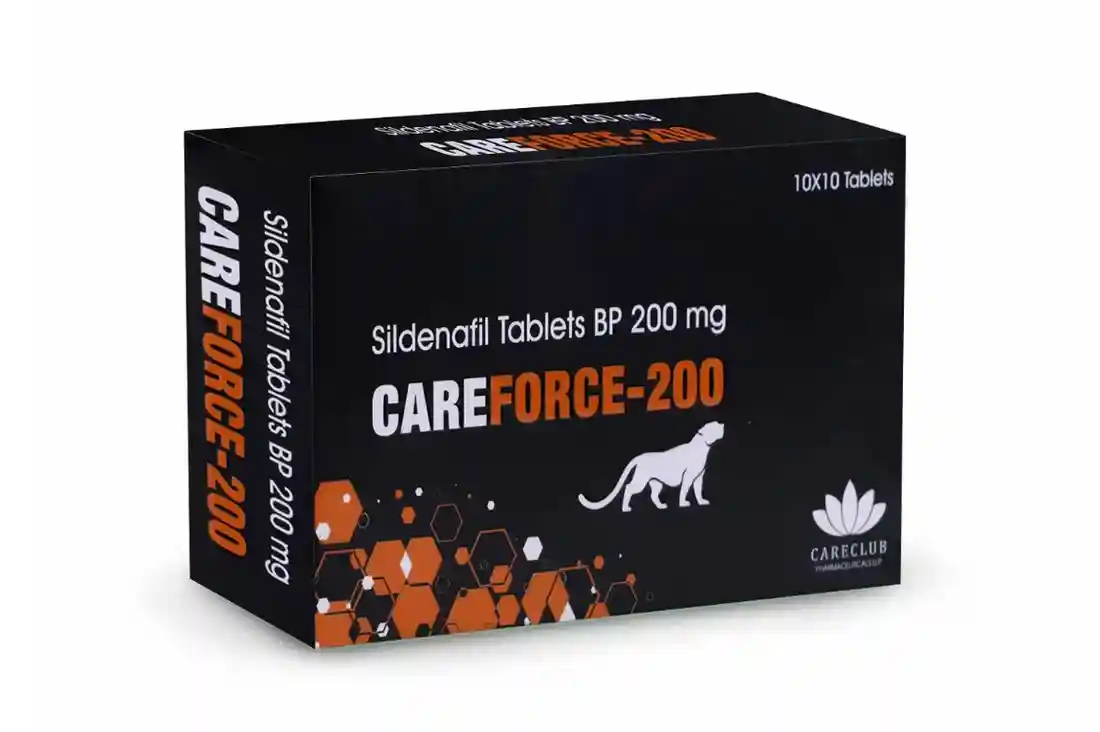
Careforce 200 Mg
best sellers$29.00 – $332.00Price range: $29.00 through $332.00Rated 5.00 out of 5Shop Now This product has multiple variants. The options may be chosen on the product page -
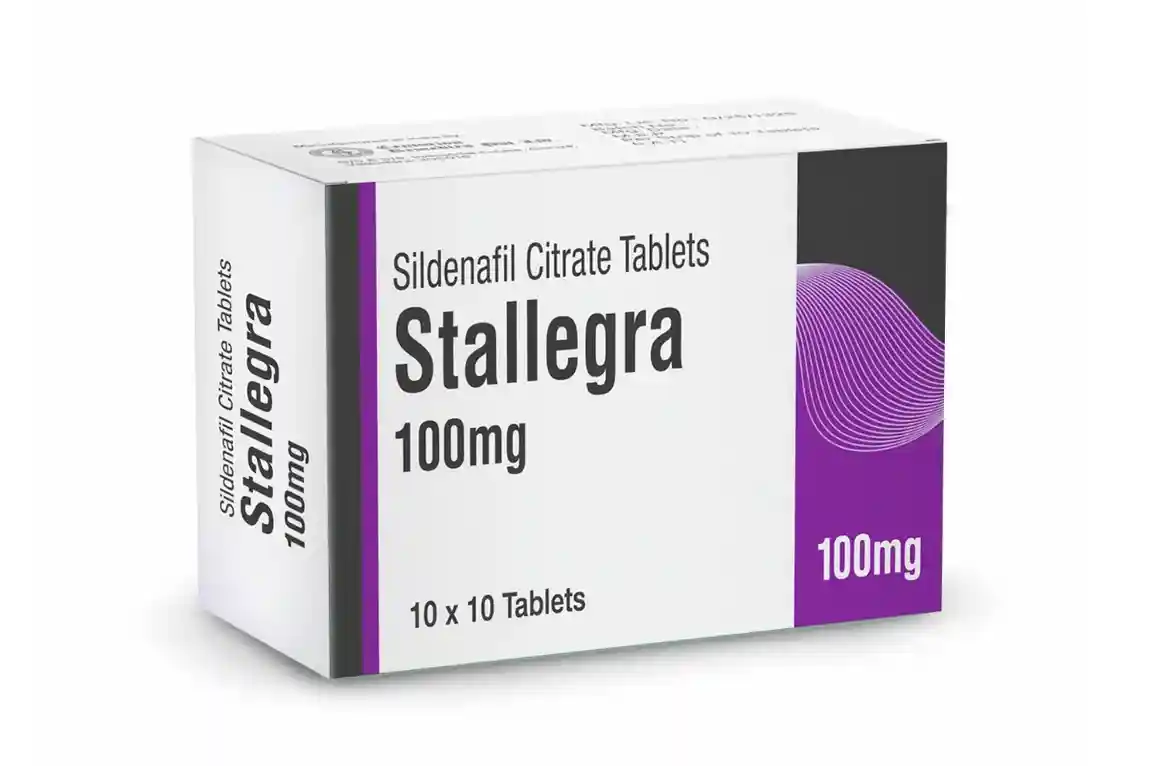
Stallegra 100 Mg
best sellers$88.00 – $224.00Price range: $88.00 through $224.00Rated 5.00 out of 5Shop Now This product has multiple variants. The options may be chosen on the product page -
 Exclusive
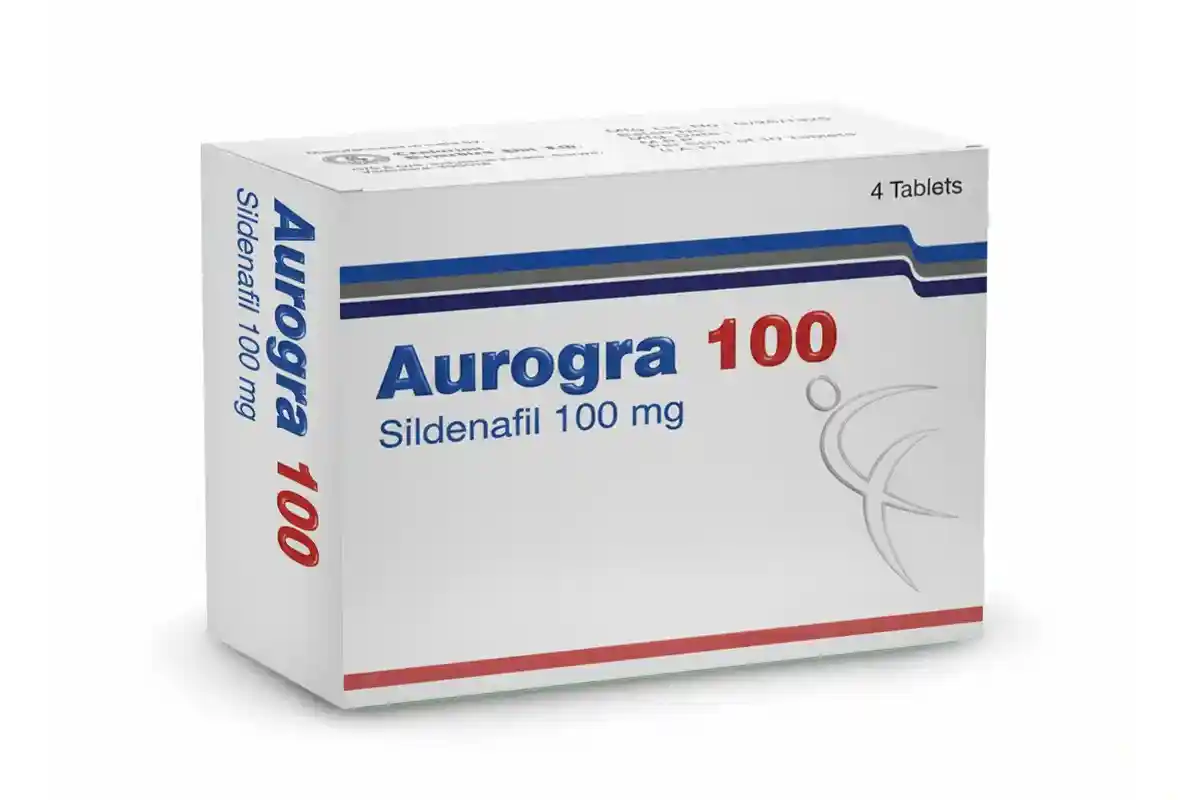
Aurogra 100 Mg
best sellers$29.00 – $76.00Price range: $29.00 through $76.00Rated 4.00 out of 5Shop Now This product has multiple variants. The options may be chosen on the product page -
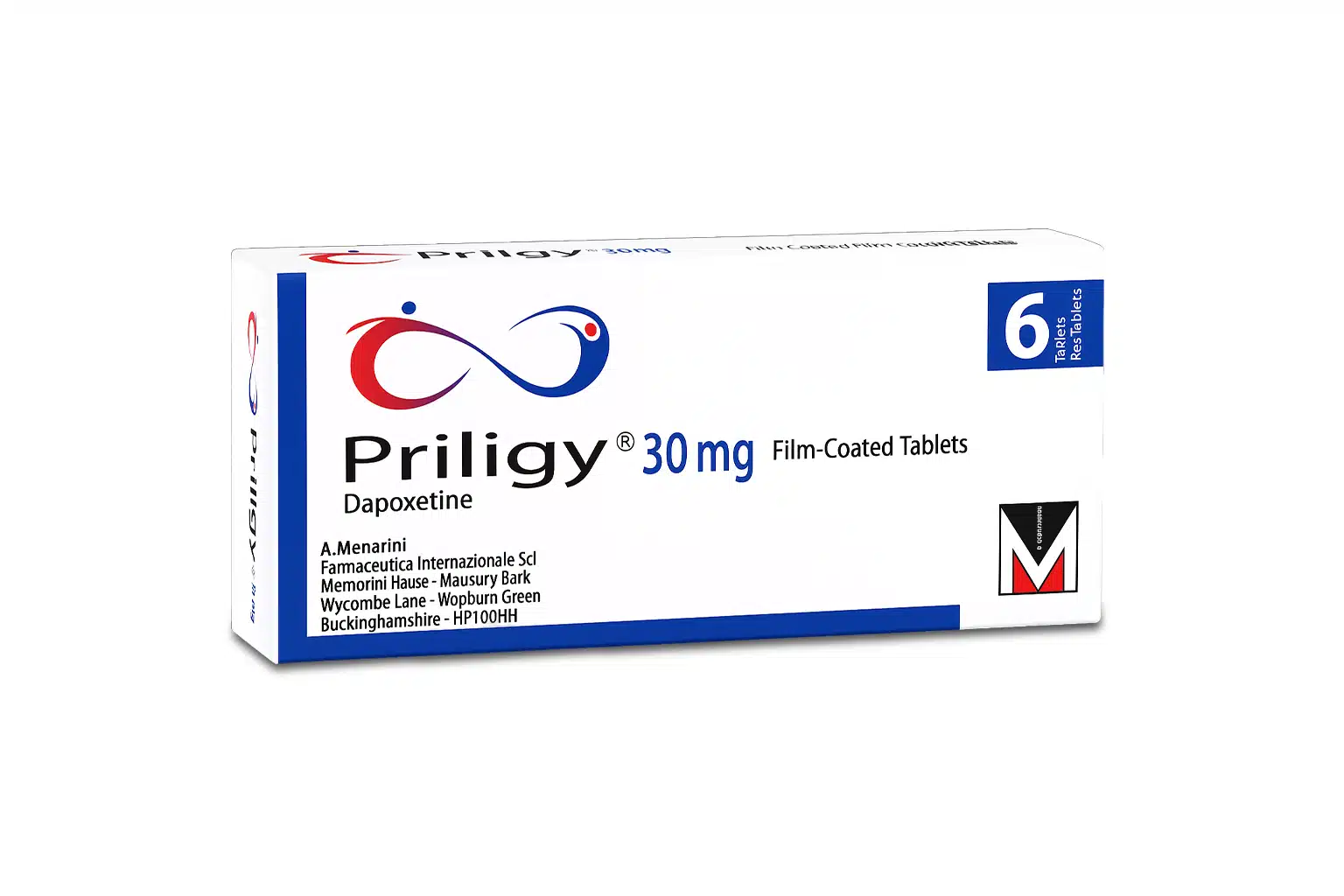
Priligy 30 mg
best sellers$22.00 – $156.00Price range: $22.00 through $156.00Rated 4.00 out of 5Shop Now This product has multiple variants. The options may be chosen on the product page
Key sexual health challenges for lesbian women
1. Misconceptions that reduce preventive care
A common myth, that women who have sex with women (WSW) are at low risk for STIs or cervical cancer, has led to lower rates of screening among some lesbian and bisexual women. In reality, WSW can and do acquire HPV and other STIs, and they benefit from routine cervical screening and HPV vaccination. Clinician assumptions about sexual orientation can unintentionally reduce appropriate testing and counseling. Improving provider training and collecting sexual orientation and behavior information sensitively helps close this gap.
2. Lower screening and vaccination uptake
Research repeatedly shows that lesbian and bisexual women may attend cervical screening less often than heterosexual women, for reasons including stigma, prior negative experiences with healthcare, and misinformation about risk. Ensuring accessible, respectful screening services and promoting HPV vaccination for eligible patients are vital.
3. Sexual function, lubrication, and intimacy concerns
Lesbian women face the same range of sexual function issues (pain, low desire, arousal concerns) as heterosexual women. Still, they may be less likely to seek help due to privacy concerns or fear of judgment. Clinicians should ask open, non-assumptive questions about sexual practices rather than making identity-based assumptions. Counseling, pelvic-floor therapy, and appropriate medical management help many. (See resources at the end for sexual-health clinics that are LGBTQ-affirming.)
4. Reproductive health and family planning
Lesbian and bisexual women seeking pregnancy or fertility services face uneven provider knowledge and sometimes discriminatory practices. Clear guidance on fertility options, contraception for those who need it, and respectful care for parenting families is important for reproductive wellness.
Cross-cutting issues across gay men and lesbian women
1. Stigma and structural barriers
Structural stigma, laws, policies, and social norms that discriminate against LGBTQ people are consistently linked to worse mental and sexual health outcomes. Where legal protections are weak and social stigma strong, people are less likely to access prevention, testing and treatment. Community-level interventions, legal reform, and health systems that collect sexual orientation and gender identity (SOGI) data are key to tracking and addressing disparities.
2. Provider knowledge and cultural competence
Many healthcare workers report low confidence in providing LGBTQ-affirming sexual health care. Training clinicians to ask inclusive questions (about partners, practices and prevention needs) and to offer nonjudgmental services increases screening, PrEP uptake and treatment adherence. Clinics that advertise LGBTQ-friendly services and visibly use inclusive intake forms see better engagement.
3. Data gaps and the need for research
Historically, sexual minority populations have been underrepresented in research and health surveillance. Expanding SOGI data collection, disaggregating results by sexual behavior and identity, and funding targeted research will make prevention and treatment programs more effective.
What individuals can do
For gay men (or anyone who has sex with men)
- Consider regular HIV and STI testing (frequency based on behavior; many clinics recommend every 3 months for higher-risk individuals).
- Talk to a clinician about PrEP if you have partners of unknown HIV status or engage in condomless sex. PrEP dramatically reduces HIV risk when taken correctly. If cost or access is a problem, ask about assistance programs or telehealth services.
- Use condoms and lubricants for added protection, and test regularly.
- If substance use is part of your sex life and you feel it’s risky, seek harm-reduction or addiction services integrated with sexual health care.
For lesbian and bisexual women
- Don’t skip cervical screening because of sexual identity; HPV and cervical disease are possible in WSW. Follow national screening guidelines and ask for HPV vaccination if eligible.
- Seek care for sexual pain, low desire, or other intimate issues; pelvic-floor therapy and sex therapy can be very effective.
- If you plan a pregnancy, find fertility providers who are experienced with LGBTQ families and who use inclusive, respectful practices.
For everyone
- Find LGBTQ-affirming clinics: many public-health systems and community organizations list friendly providers. If you’ve had bad experiences, consider asking friends/community groups for referrals.
- Carry a plan for safety and support if you’re in an environment where disclosure could be risky.
- Advocate for inclusive services in your local clinics; patient requests help change practice.
Final thoughts
Sexual health for gay men and lesbian women sits at the intersection of medicine, behavior, and social justice. Biomedical tools like PrEP and HPV vaccination are powerful, but they work best within systems that are accessible, nonjudgmental and informed by the lived realities of LGBTQ people. Reducing stigma, improving provider competency, expanding research, and ensuring equitable access to prevention and care are the steps that lead to better sexual wellness for everyone.
FAQ's
Q1: Is PrEP really effective for gay men?
A: Yes. When taken as prescribed, daily oral PrEP reduces HIV transmission risk by about 99% for sexual exposure among men who have sex with men. However, PrEP doesn’t protect against other STIs; routine testing and condom use remain important. Talk with a clinician about which PrEP formulation is right for you.
Q2: Do lesbians need Pap smears and HPV vaccines?
A: Yes. Women who have sex with women can carry and transmit HPV and should follow national cervical-screening and HPV-vaccination guidelines. If you’re unsure about your screening schedule, ask your healthcare provider, and if you worry about stigma, look for an LGBTQ-friendly clinic.
Q3: How often should gay men get tested for STIs?
A: Testing frequency depends on sexual activity and risk. Many public-health guidelines recommend at least annual testing for sexually active gay men, with some individuals advised to test every 3 months. Discuss a personalised plan with a sexual-health clinic.
Q4: What role does mental health play in sexual health?
A: A big one. Depression, trauma, and minority stress can increase risky sexual behaviors and reduce engagement with prevention services. Integrated care, where mental-health support is offered alongside sexual-health services, improves outcomes.
Q5: My local clinic is not welcoming to LGBTQ people. What can I do?
A: Seek providers with explicit LGBTQ-friendly policies, ask community groups for referrals, or use telehealth and community clinics. You can also give anonymous feedback to clinics and ask for staff training in inclusive care; many health systems respond when enough patients request change.
Where to find help
- Local public health clinics and community sexual-health centers may provide free or low-cost HIV/STI testing and PrEP navigation.
- LGBTQ community centers and national organizations often publish provider lists and patient resources.
- Online telehealth PrEP services, convenient for people in areas with limited local services.
- Mental-health hotlines and LGBTQ-affirming counselors, for crisis support and ongoing care.
References
- CDC — Clinical Guidance for PrEP (HIV Nexus). CDC
- Hudrudchai S., et al. Pre-exposure Prophylaxis Adherence Among Men Who… (PMC meta-analysis). PMC
- Adeagbo O., et al. Barriers and facilitators to PrEP uptake (systematic review). PMC
- Hatzenbuehler ML., Structural stigma and LGBTQ+ health: a narrative review. (2024). ScienceDirect
- Lu JA., Mental Health Disparities by Sexual Orientation and… (2025 review on mental-health disparities). PMC
- Saunders CL., Cervical screening attendance and cervical cancer risk in WSW. (2021). SAGE Journals
- Hong H., HIV Incidence and Transactional Sex Among Men Who Have… (2024). JMIR Public Health
Jiang H., PrEParing for HIV prevention among men who have sex… The Lancet Global Health (2025). The Lancet