
Asthma inhaler control depends on two things that often get overlooked: (1) the right medicine, and (2) delivering that medicine correctly to your lungs. Lots of people who continue to have symptoms aren’t failing the drug; they’re missing the target because of inhaler technique, device mismatch, or inconsistent use. This long, practical guide walks you through exactly what to do: how inhalers differ, step-by-step proper asthma inhaler technique for the main device types, common errors and fixes, how to choose the best inhaler for you, and how modern “smart” inhaler tools can help you improve daily use and outcomes.

Why asthma inhaler technique matters
Inhaled medication works only if the drug reaches your small airways. Studies observing tens of thousands of inhaler uses have shown that major technique errors are common: poor coordination with a pressurised metered-dose inhaler (pMDI), incorrect breath speed/depth, and no post-inhalation breath hold were among the most frequent mistakes. These errors lower drug delivery and are linked to poor control, increased symptoms, and avoidable healthcare visits. The Checking technique is now standard in major asthma guidelines.
Put simply: practising the right steps will often reduce symptoms, improve rescue-free days, and let your inhaler medicine work as intended.
Common types of asthma inhalers
Knowing device types helps you match the ability to the device:
- Pressurised metered-dose inhalers (pMDIs) – small canisters that spray medicine. They require coordination (press + inhale) or use with a spacer. Widely used.
- Dry powder inhalers (DPIs) – breath-activated: you load/prep a dose and inhale quickly and deeply. They need adequate inspiratory flow.
- Soft mist inhalers (SMIs) – produce a slow-moving mist and reduce coordination demands; a middle ground between pMDI and DPI.
Each type has pros/cons. pMDIs are quick and effective when used correctly or with a spacer; DPIs are simpler for patients who can achieve a strong inhalation; SMIs can help those with coordination or weak inhalation.
Step-by-step: proper asthma inhaler technique
Below are simple, clinician-endorsed checklists for the two most common device families. If you have a different brand, follow the manufacturer or pharmacist’s instructions — but these are the universal core steps.
Proper pMDI technique (pressurised metered-dose inhaler)
- Shake the asthma inhaler (if required by the product) and remove the cap.
- Prime if it’s new or unused for a while (spray a test puff into the air as per label).
- Breathe out fully, away from the inhaler, to empty your lungs.
- Position the mouthpiece: two valid options, place the mouthpiece between your teeth and seal with lips (tight seal), or hold the inhaler about 2–4 cm from your open mouth (if taught to use a small gap).
- Start a slow, steady inhalation and at the same time press the canister once to release a dose. Coordination matters; if you struggle, use a spacer (below).
- Continue to inhale slowly and deeply for around 3–5 seconds (to draw medication into the lungs).
- Hold your breath for about 5–10 seconds (or as long as comfortable) to let the drug deposit.
- Exhale slowly. Wait about 30–60 seconds between puffs if you need more than one, and shake/repeat as instructed.
- Replace the cap and store as directed.
Troubleshooting: If you cough, taste the medicine in your mouth, or feel no relief when used correctly, speak with your clinician about device match or control plan.
Proper DPI technique (dry powder inhaler)
- Prepare the dose per your device instructions (load a capsule, click to prime, etc.).
- Breathe out fully away from the device (avoid blowing into the DPI).
- Place the mouthpiece firmly between teeth and seal lips to create a tight seal.
- Inhale quickly and deeply. DPIs rely on strong inspiratory flow to disperse powder.
- Hold your breath for 5–10 seconds if possible, then exhale slowly.
- Check the dose counter (if present) and keep the device dry and clean.
Troubleshooting: If you can’t inhale strongly (e.g., during an exacerbation or if you have low inspiratory flow), a DPI might not deliver the full dose; ask your clinician about alternatives (SMI, pMDI + spacer) or rescue strategies.
Spacers and valved holding chambers
A spacer (valved holding chamber) attaches to pMDIs and catches large droplets, allowing you to inhale the medicine more slowly and easily. This solves coordination problems and reduces mouth-throat deposition (which lowers side effects and improves lung delivery). For children, older adults, or anyone who can’t coordinate a pMDI, a spacer is often the single best solution to fix the technique. Make sure you use the spacer steps: shake, insert into the spacer, fire once, breathe in slowly and hold breath. Clean spacers as the leaflet advises.
The 6 most common asthma inhaler mistakes
- Wrong timing (pressing canister too early or too late with pMDI) — fix: use a spacer or practice the “slow inhale + press” rhythm with a clinician.
- Inhaling too fast or too slow for device type — fix: use slow, steady inhalation for pMDI; quick, deep inhalation for DPI.
- No breath-hold after inhalation — fix: encourage a 5–10 second hold to let particles settle.
- Not priming or shaking when required — fix: follow label instructions; prime new or dropped devices.
- Expired/empty inhaler use or ignoring dose counters — fix: know your inhaler’s counter or track puffs; replace before it’s empty.
- Incorrect device choice for patient ability — fix: ask your clinician to observe you using the inhaler and, if necessary, switch device type.
Studies show many patients (in some reports, only ~10%) demonstrate fully correct pMDI technique without training, which is why face-to-face coaching and checks at every review are essential.
Inhalers
-
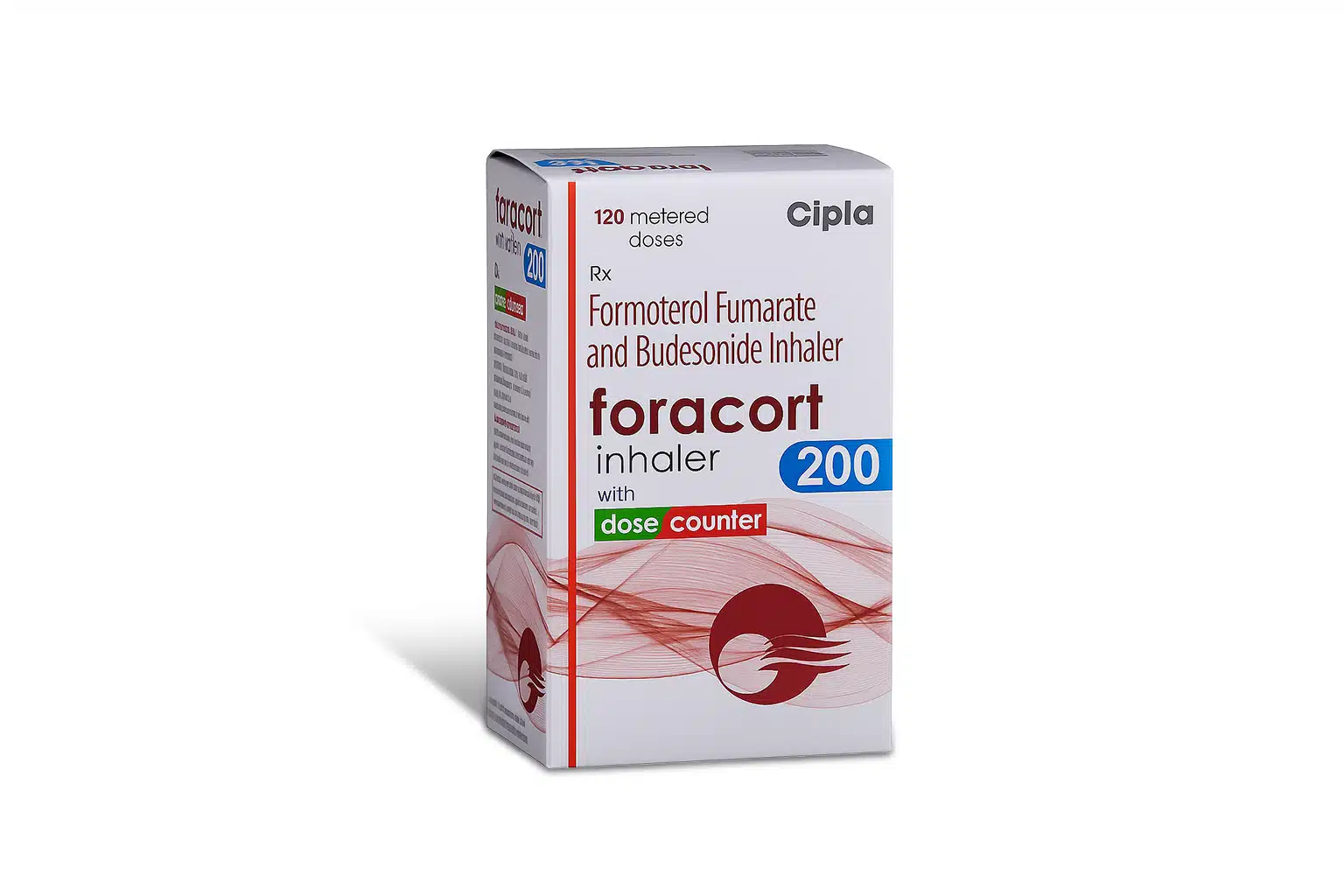
Foracort Inhaler 6/200 Mcg
Inhalers$11.52 – $34.20Price range: $11.52 through $34.20Rated 4.00 out of 5Shop Now This product has multiple variants. The options may be chosen on the product page -
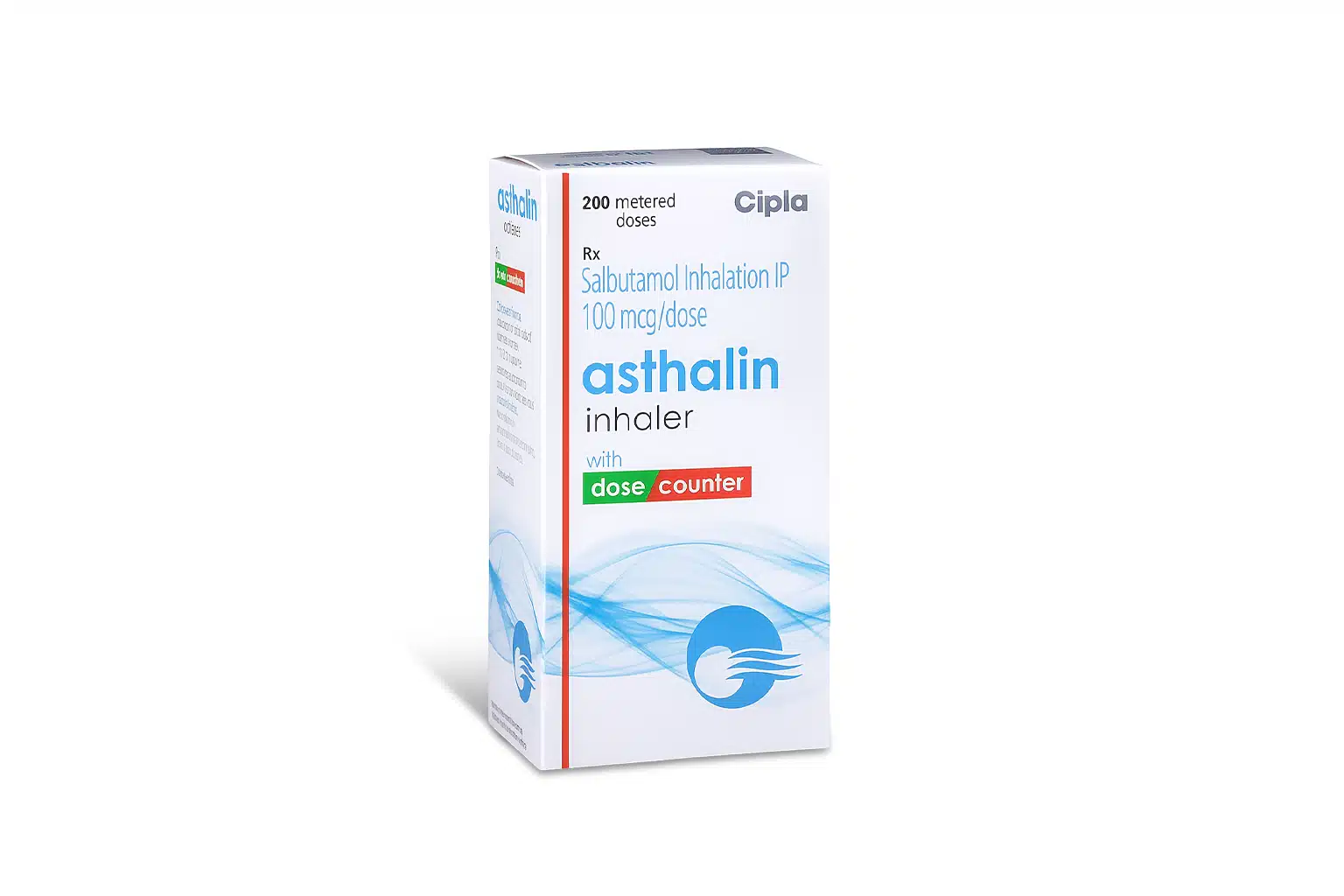
Asthalin HFA Inhaler 100 Mcg (200 mdi)
Inhalers$8.28 – $21.96Price range: $8.28 through $21.96Rated 4.00 out of 5Shop Now This product has multiple variants. The options may be chosen on the product page -
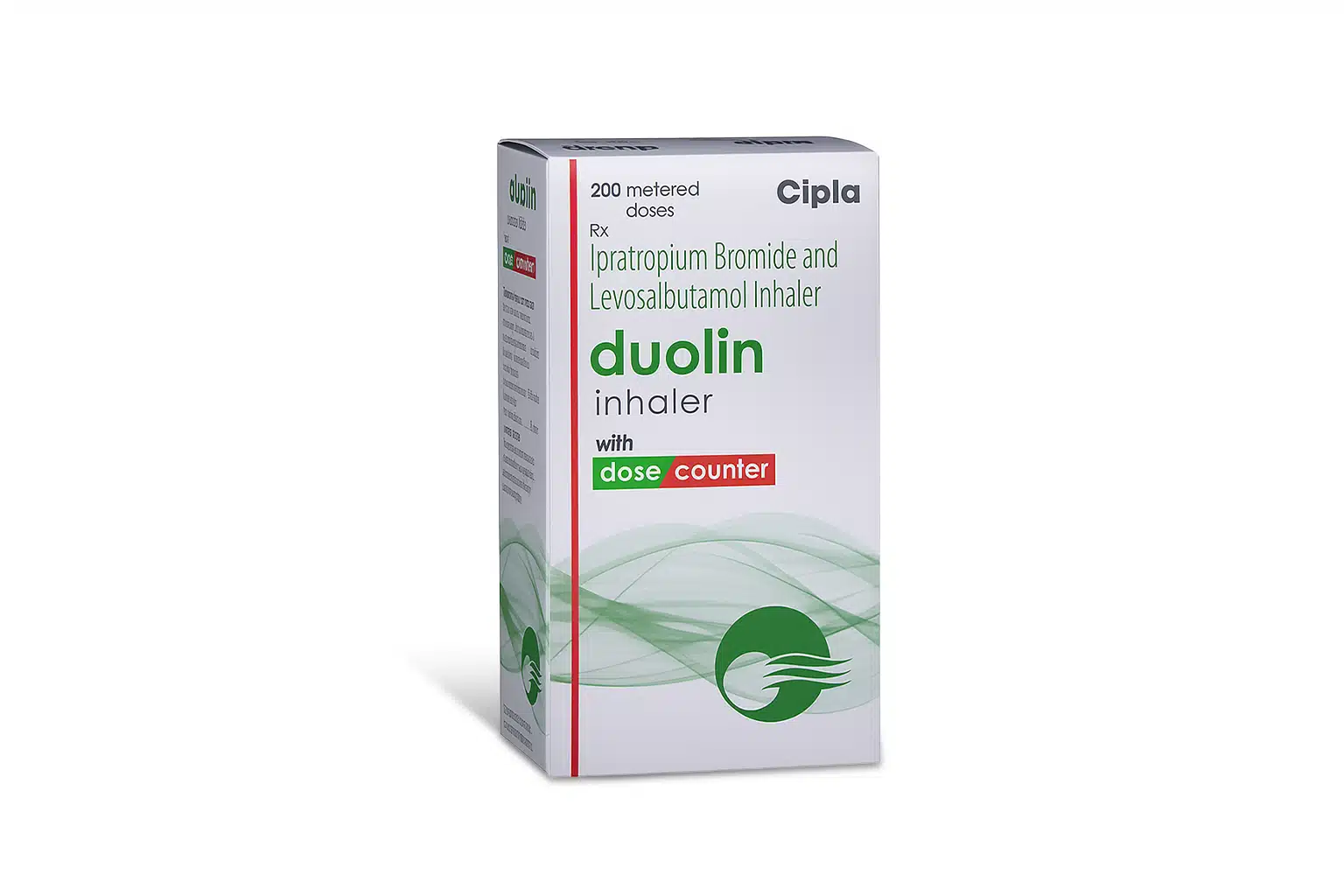
Duolin Inhaler 50 Mcg + 20 Mcg
Inhalers$38.03 – $99.39Price range: $38.03 through $99.39Rated 5.00 out of 5Shop Now This product has multiple variants. The options may be chosen on the product page -
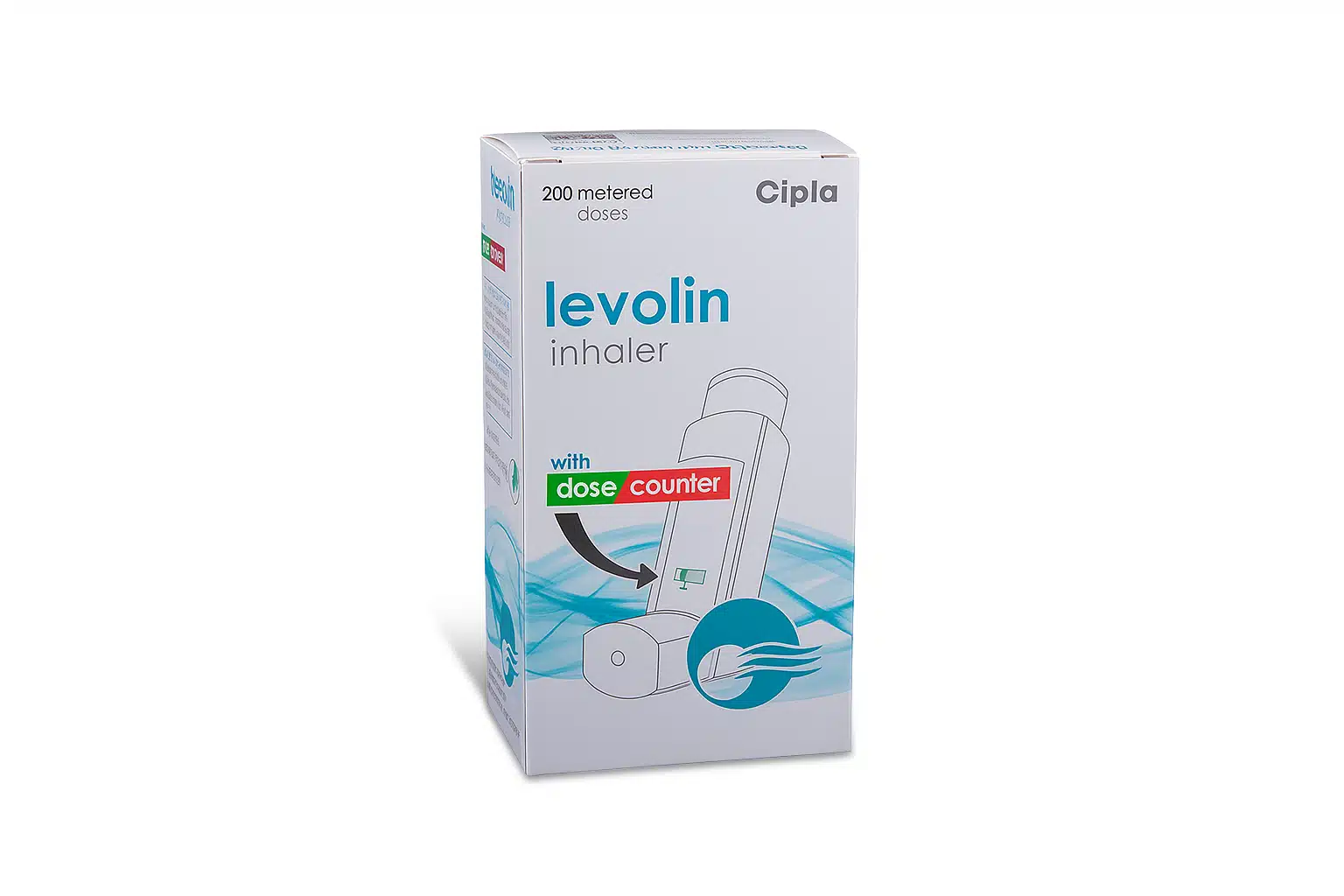
Levolin 50 Mcg (200mdi) Inhaler
Inhalers$6.77 – $34.49Price range: $6.77 through $34.49Rated 5.00 out of 5Shop Now This product has multiple variants. The options may be chosen on the product page -
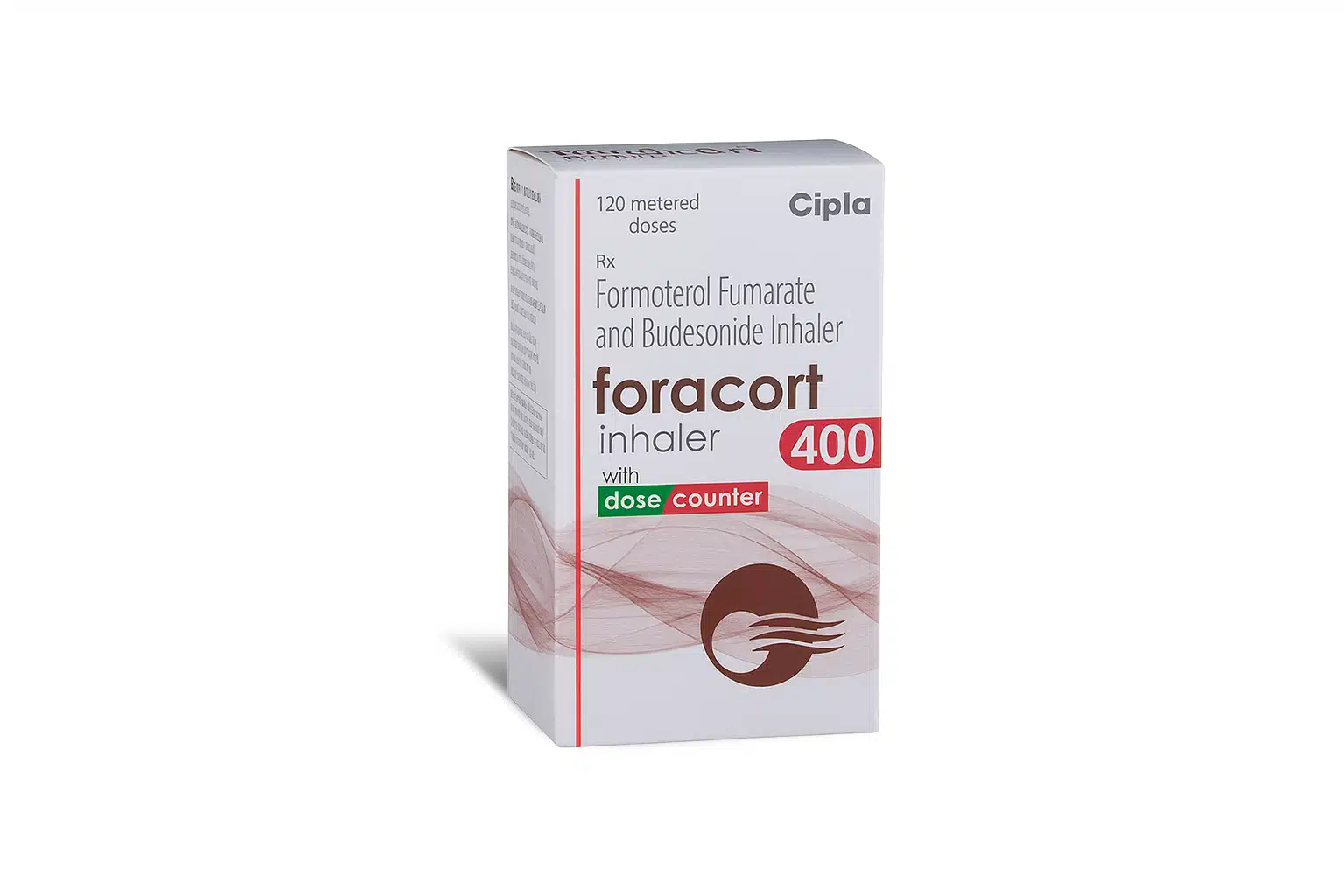
Foracort Inhaler 6/400 Mcg
Inhalers$17.98 – $49.25Price range: $17.98 through $49.25Rated 4.00 out of 5Shop Now This product has multiple variants. The options may be chosen on the product page -

Ventorlin CFC Free Inhaler 100 Mcg/18 Mg
Inhalers$14.25 – $28.80Price range: $14.25 through $28.80Rated 5.00 out of 5Shop Now This product has multiple variants. The options may be chosen on the product page -
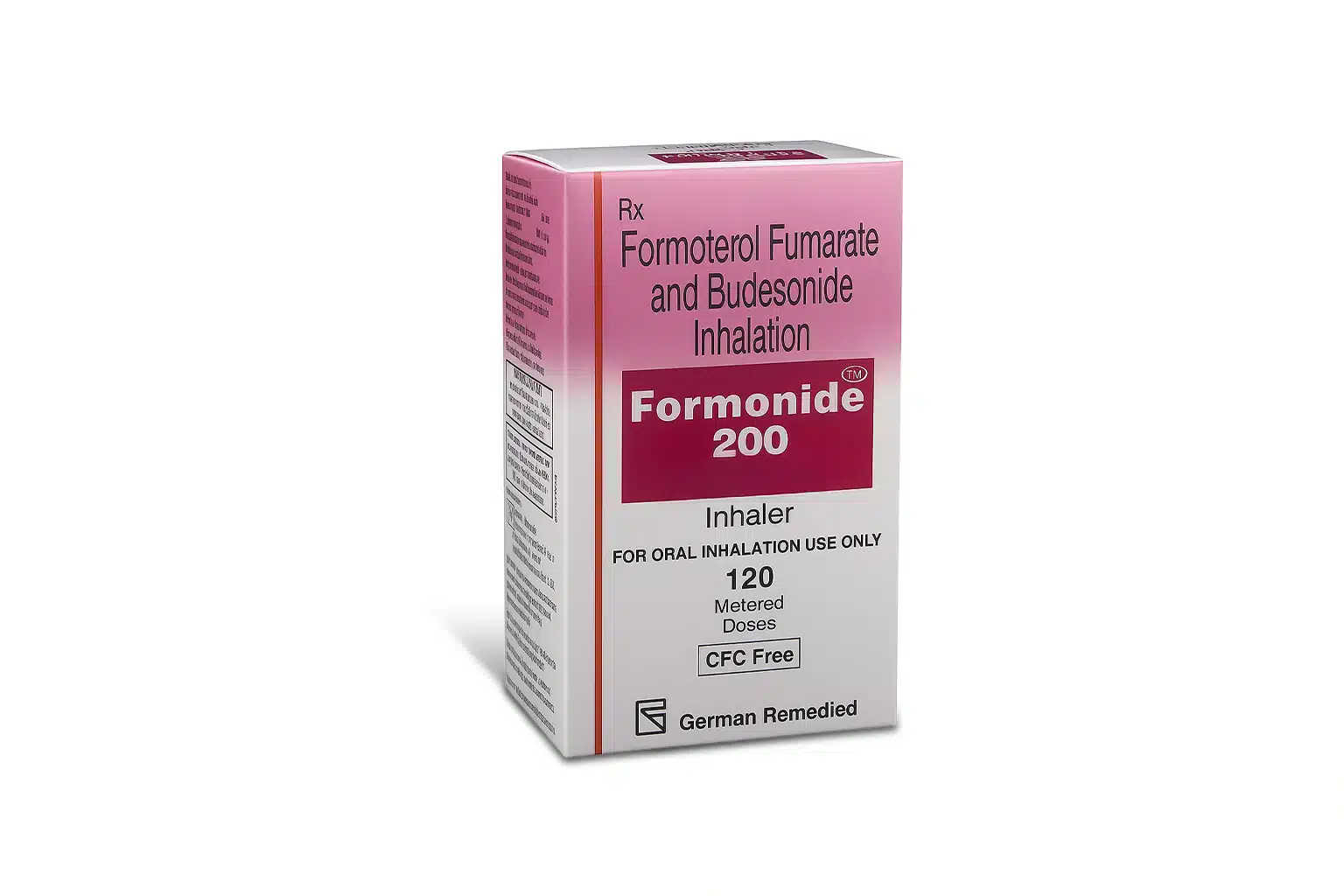
Formonide 200 Inhaler
Inhalers$69.61 – $142.73Price range: $69.61 through $142.73Rated 4.00 out of 5Shop Now This product has multiple variants. The options may be chosen on the product page -

Asthafen 1 Mg
Inhalers$13.44 – $22.21Price range: $13.44 through $22.21Rated 4.00 out of 5Shop Now This product has multiple variants. The options may be chosen on the product page -

Seretide 50 Mcg/250 Mcg Accuhaler
Inhalers$41.47 – $117.99Price range: $41.47 through $117.99Rated 4.00 out of 5Shop Now This product has multiple variants. The options may be chosen on the product page -

Beclate Inhaler 200 Mcg
Inhalers$13.60 – $36.80Price range: $13.60 through $36.80Rated 4.00 out of 5Shop Now This product has multiple variants. The options may be chosen on the product page -
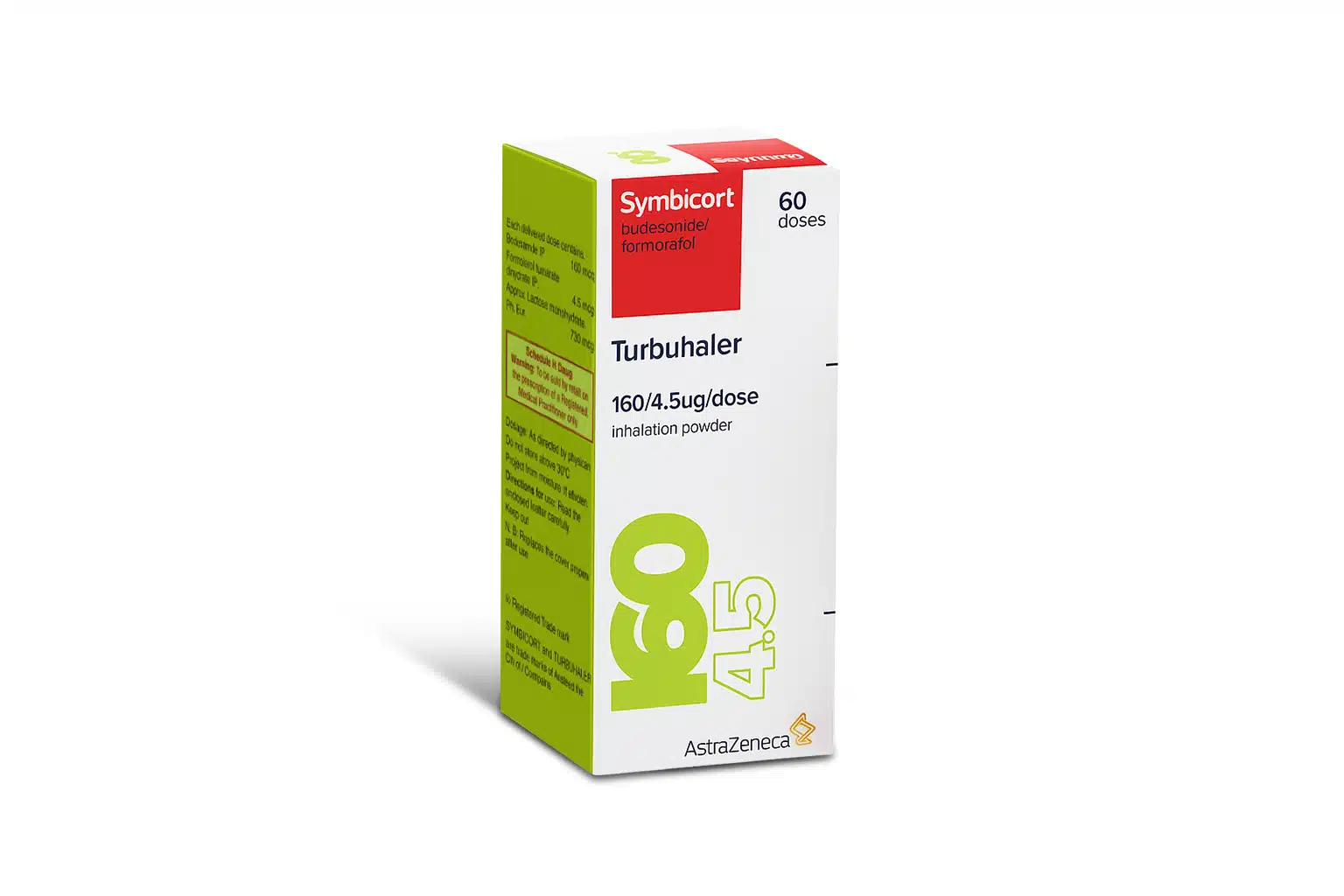
Symbicort 160 Turbuhaler
Inhalers$85.94 – $205.05Price range: $85.94 through $205.05Rated 4.00 out of 5Shop Now This product has multiple variants. The options may be chosen on the product page -

Depo-Medrol 40 Mg/ML Injection 2 ml
Inhalers$17.28 – $44.10Price range: $17.28 through $44.10Rated 5.00 out of 5Shop Now This product has multiple variants. The options may be chosen on the product page -
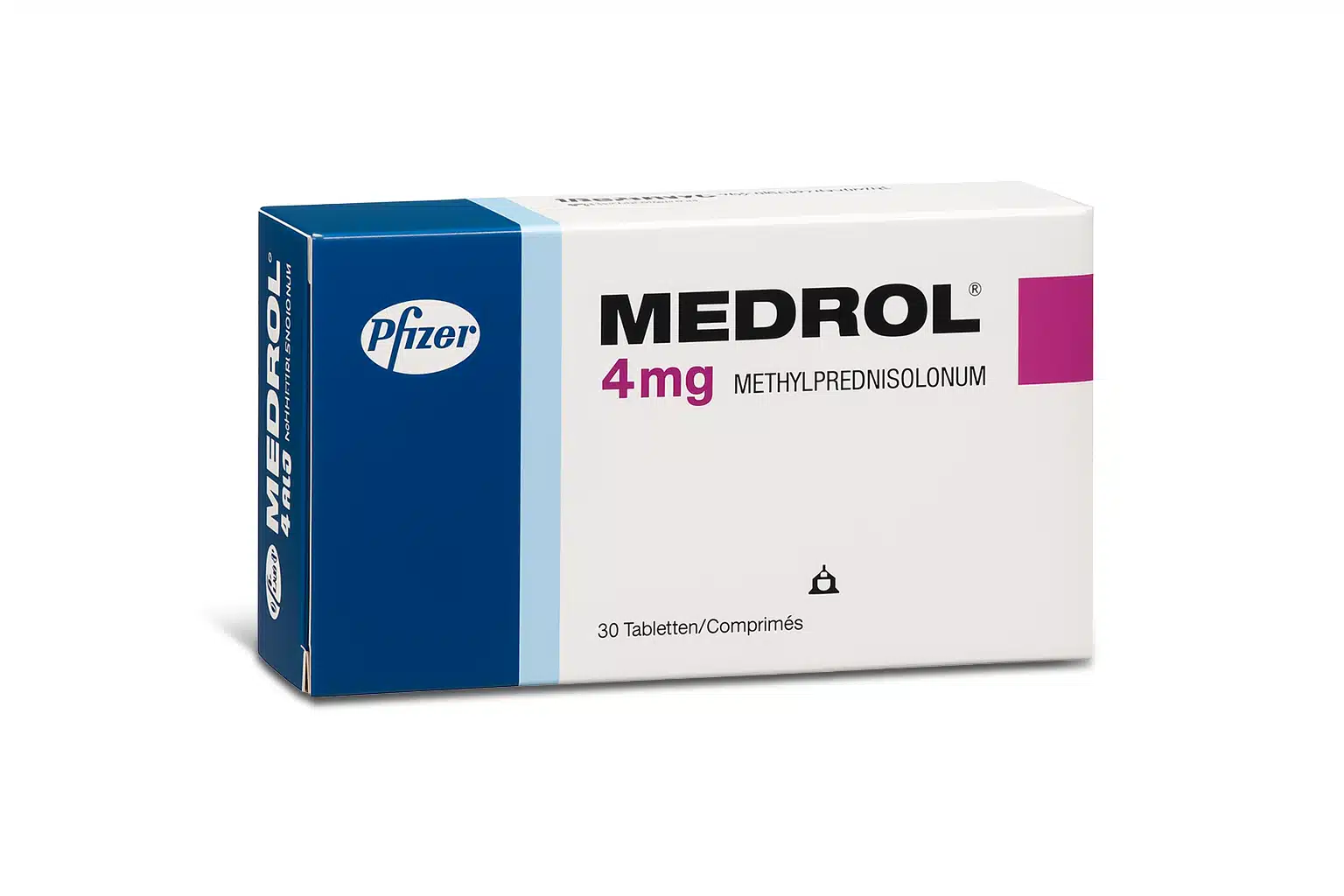
Medrol 4 Mg Tablet
Inhalers$13.44 – $26.13Price range: $13.44 through $26.13Rated 4.00 out of 5Shop Now This product has multiple variants. The options may be chosen on the product page -

Omnacortil 40 Mg Tablet
Inhalers$57.60 – $164.64Price range: $57.60 through $164.64Rated 4.00 out of 5Shop Now This product has multiple variants. The options may be chosen on the product page
Choosing the best asthma inhaler for you
There is no single “best” inhaler for everyone; the best is the one that pairs the right medication with the device you can use correctly, consistently, and safely.
Ask yourself (and your clinician) these questions:
- Can I coordinate a pMDI, or would a spacer help?
- Do I have enough inspiratory flow for a DPI? (Try a practice inhalation under supervision.)
- Do I have arthritis, poor dexterity, or cognitive issues that make handling a device difficult?
- Do I need a device that’s easier to clean or is portable for travel?
- Are environmental concerns (pMDI propellant) important to me and my healthcare system? (Some guidelines encourage considering DPIs/SMIs where clinically appropriate.)
Clinicians should watch you use the device and be willing to swap devices if the technique or symptoms are suboptimal. Device selection should be a shared decision-making process, balancing lung delivery, usability, cost, and sometimes carbon footprint.
Smart inhalers and digital support: what they do and who benefits
“Smart” or digital inhaler systems add sensors and apps to track usage, remind you, and flag patterns (missed doses, rescue use spikes). Recent reviews and trials show digital inhaler platforms often improve adherence and short-term control, though long-term benefits and broad implementation questions remain active areas of research. For people who forget maintenance inhalers, overuse rescue inhalers, or who want objective data to show clinicians, a smart inhaler can be a powerful adherence tool. Features often include dose counters, real-time reminders, inhalation audio/flow feedback, and exportable adherence reports for clinicians.
Caveats: Smart inhalers help with behaviour and monitoring but don’t replace checks on technique; some users report initial tech-friction or privacy concerns. Integration into care pathways and reimbursement are ongoing challenges.
Practical daily habits to improve inhaler use
- Get a technique check at every review. Ask your clinician to watch you use the device (this simple step is recommended in major guidelines).
- Use a spacer if you have coordination problems, are a child, or receive frequent oral thrush from inhaled steroids.
- Keep a rescue inhaler accessible and a maintenance inhaler in a visible place to build routines (but store both away from heat).
- Set phone reminders or use smart inhaler reminders to avoid missed maintenance doses.
- Record rescue inhaler use spikes — frequent reliever use often precedes exacerbations and should trigger a review.
- Clean your device as instructed (DPIs must remain dry; pMDI mouthpieces need periodic cleaning).
- Carry a written action plan and know when to seek urgent care. GINA and national guidelines emphasise having an asthma action plan.
Environmental note
pMDIs use propellants with higher greenhouse gas potential than DPIs. Some health systems encourage switching to low-carbon options when clinically appropriate. This is a legitimate consideration but must never compromise asthma control; device suitability comes first. Discuss if this is a priority for you.
FAQ's
1. How often should my inhaler technique be checked?
At diagnosis, after any medication change, after an exacerbation, and at routine reviews (at least annually in many practices). Clinicians should watch the patient use the device; observation is the only reliable assessment method.
2. Do spacers change the dose?
Spacers generally increase lung delivery and reduce mouth-throat deposition; they are recommended when coordination is an issue and for children. Use spacer steps exactly as instructed.
3. My rescue inhaler isn’t helping. What should I do?
If rescue doses don’t relieve symptoms, follow your asthma action plan and seek urgent care. Also, get the technique checked; a rescue inhaler will not help if it’s not reaching your lungs.
4. Are smart inhalers worth it?
For many people who struggle with adherence or need objective monitoring, yes, smart inhalers can improve short-term adherence and provide actionable data for clinicians. They are not a substitute for technique coaching.
5. How do I pick the best inhaler for me?
The “best” is the one you can use correctly every time. Ask your clinician to observe your technique and consider factors like inspiratory flow, coordination, portability, cost and personal preferences.
References
- GINA — Global Initiative for Asthma. GINA Pocket Guide — 2023. (Guidance: check technique at reviews; provide action plans). Global Initiative for Asthma – GINA
- American Lung Association. How to Use a Metered-Dose Inhaler. Practical patient steps and priming advice. American Lung Association
- Sanchis J., et al. Systematic review of errors in inhaler use. CHEST / PubMed (2016): common technique errors and prevalence. PubMed
- Shlomi D., et al. Pressurised Metered-Dose Inhaler Versus Dry Powder Inhaler (review, 2025). Discussion of device usability and implications for adherence. PMC
- Ahmed M., Metered Dose Inhaler Technique: A Priority Catch for… (2020) — observational data showing low rates of correct technique. PubMed
- NHS / ELFT. How to use a spacer — stepwise spacer instructions (patient leaflet). East London NHS Foundation Trust
- van Boven JFM., Digital inhaler implementation in daily asthma management. J Allergy Clin Immunol Pract. (2024) — review of digital inhaler impact on adherence. Jaci In Practice
- Aung HWW., The evolving landscape of digital inhaler platforms (2025 narrative review) — digital inhaler tech, benefits and challenges. PMC