
Dry eyes sound harmless until you actually live with them.
That gritty, sandpaper feeling. The blurry screen halfway through the workday. The strange contradiction where your eyes water even though, technically, they’re dry. I’ve spoken to enough ophthalmologists – and sat in enough waiting rooms myself – to know this isn’t a small annoyance. For many people across the US and UK, dry eye disease quietly shapes daily life.

Dry Eyes Aren’t Just About “Not Enough Tears”
You might be wondering, aren’t dry eyes simply a tear problem?
Interestingly, not always.
Ophthalmologists often explain that dry eye disease is less about quantity and more about quality. Your tears have layers – oil, water, and mucus – and when one layer fails, the whole system struggles. That’s why some people complain of burning and redness even when their eyes look watery.
That said, modern life doesn’t help. Screens reduce blink rates. Air-conditioned offices pull moisture from the air. Contact lenses change tear dynamics. Even certain medications – antihistamines, antidepressants, blood pressure drugs – can quietly worsen symptoms.
It’s not as simple as you think.
The First Things Ophthalmologists Actually Ask
In real consultations, eye doctors often begin with questions that feel oddly casual.
How many hours are you on a screen?
Do you sleep with a fan or heater on?
Are mornings worse, or evenings?
Sounds weird, right?
But these questions matter. A software engineer with evaporative dry eye needs a different plan than a post-menopausal woman with tear deficiency or someone recovering from an eye infection. One ophthalmologist once told me, “If we don’t fix the environment, drops are just temporary relief.” That stuck with me.
Artificial Tears: Recommended, But Not Carelessly
Yes, ophthalmologists almost always recommend artificial tears.
But here’s the nuance many people miss.
Doctors strongly favor preservative-free formulations, especially for long-term use. Preservatives can irritate the ocular surface when used repeatedly, even if they’re safe occasionally.
They also warn against grabbing the cheapest bottle and using it constantly. Overuse can wash away natural tear proteins and destabilize the tear film.
To be honest, many patients are surprised when doctors say, “Less is more – if it’s the right drop.”
When Dry Eyes Overlap With Infection or Inflammation
Dry eyes don’t exist in isolation.
Sometimes they overlap with blepharitis, conjunctivitis, or bacterial buildup around the eyelid margins. In these situations, ophthalmologists may temporarily recommend antibiotic eye ointments to protect the ocular surface while inflammation settles.
This is where Nebracin 3 gm may occasionally come into the picture. It’s not prescribed for dry eye disease itself, but it can be useful when dryness is complicated by surface infection or lid margin inflammation. Used short-term and under supervision, Nebracin 3 gm can help calm irritation so standard dry-eye treatments actually start working.
That distinction matters more than people realize.
Warm Compresses: Boring Advice That Actually Works
Ask most ophthalmologists what they recommend beyond drops, and many will say this almost immediately: warm compresses.
Not lukewarm. Not once in a while. Real warmth, applied consistently.
Heat helps loosen thickened oils in the meibomian glands – the tiny oil producers along your eyelids. When oil flows properly, tears evaporate more slowly. It’s simple physics.
I’ll admit I tried the lazy version at first. Warm towel, two minutes, forget about it. No change. The difference came when I committed to ten minutes nightly for a few weeks. That’s when symptoms finally shifted.
Doctors see this pattern all the time.
Eyelid Hygiene Is Medical, Not Cosmetic
Another recommendation ophthalmologists emphasize is proper eyelid hygiene.
This isn’t about beauty routines. Gentle cleaning of the eyelid margins reduces bacterial load, inflammation, and clogged glands – especially important for people with rosacea or oily skin.
Some doctors suggest diluted baby shampoo. Others prefer commercial lid wipes. The product matters less than consistency.
When medications like Nebracin 3 gm are used, lid hygiene routines are often adjusted so the ointment can work effectively without being wiped away too quickly.
Eye Care
-

Bimat 0.03% w/v
Eye Drops$12.24 – $60.98Price range: $12.24 through $60.98Rated 5.00 out of 5Shop Now This product has multiple variants. The options may be chosen on the product page -
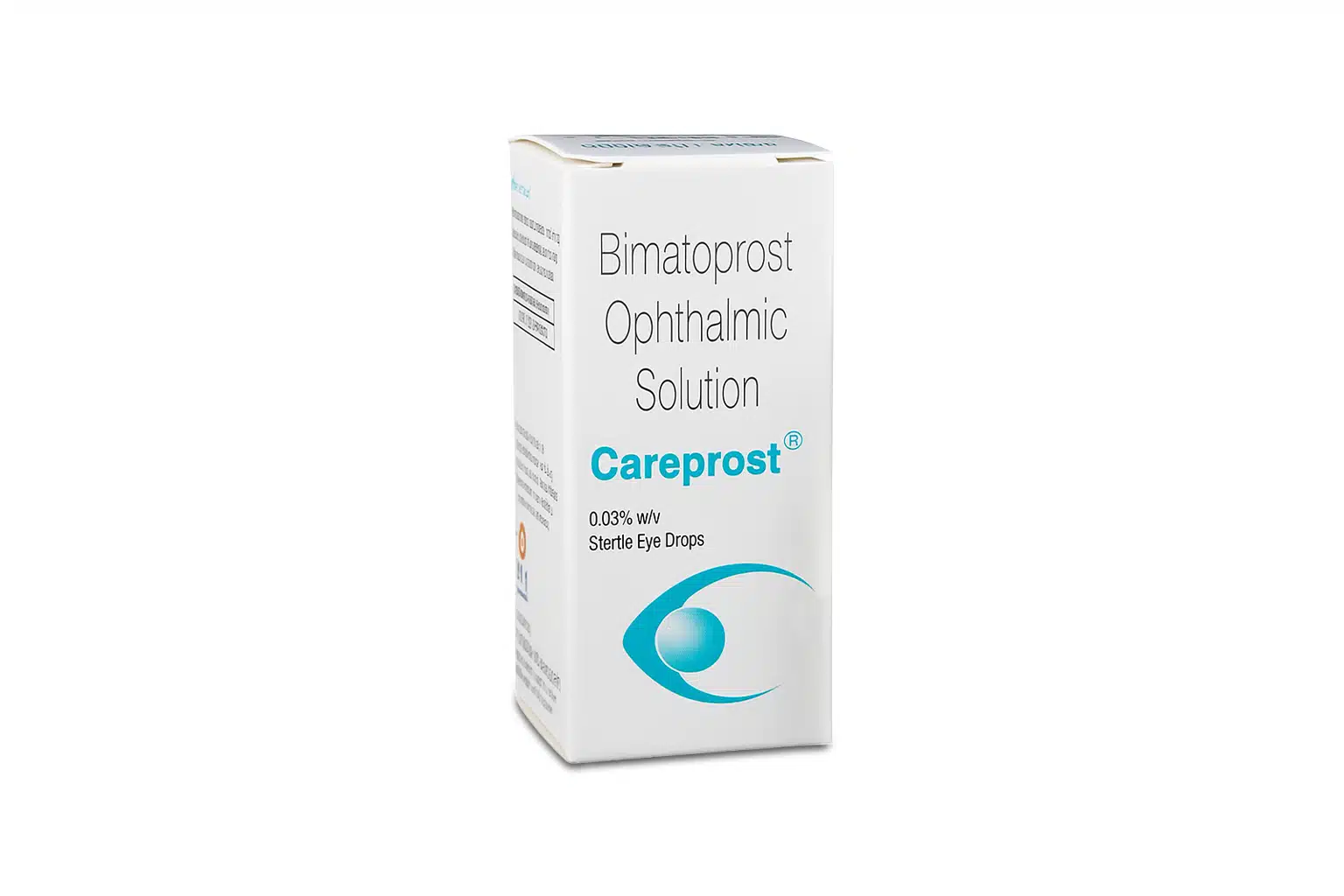
Careprost 3 ml. of 0.03%
Eye Drops$18.41 – $105.77Price range: $18.41 through $105.77Rated 4.00 out of 5Shop Now This product has multiple variants. The options may be chosen on the product page -

Dorzox Eye Drop 2% (5 ml) Eye Drop
Eye Drops$8.90 – $47.75Price range: $8.90 through $47.75Rated 4.00 out of 5Shop Now This product has multiple variants. The options may be chosen on the product page -
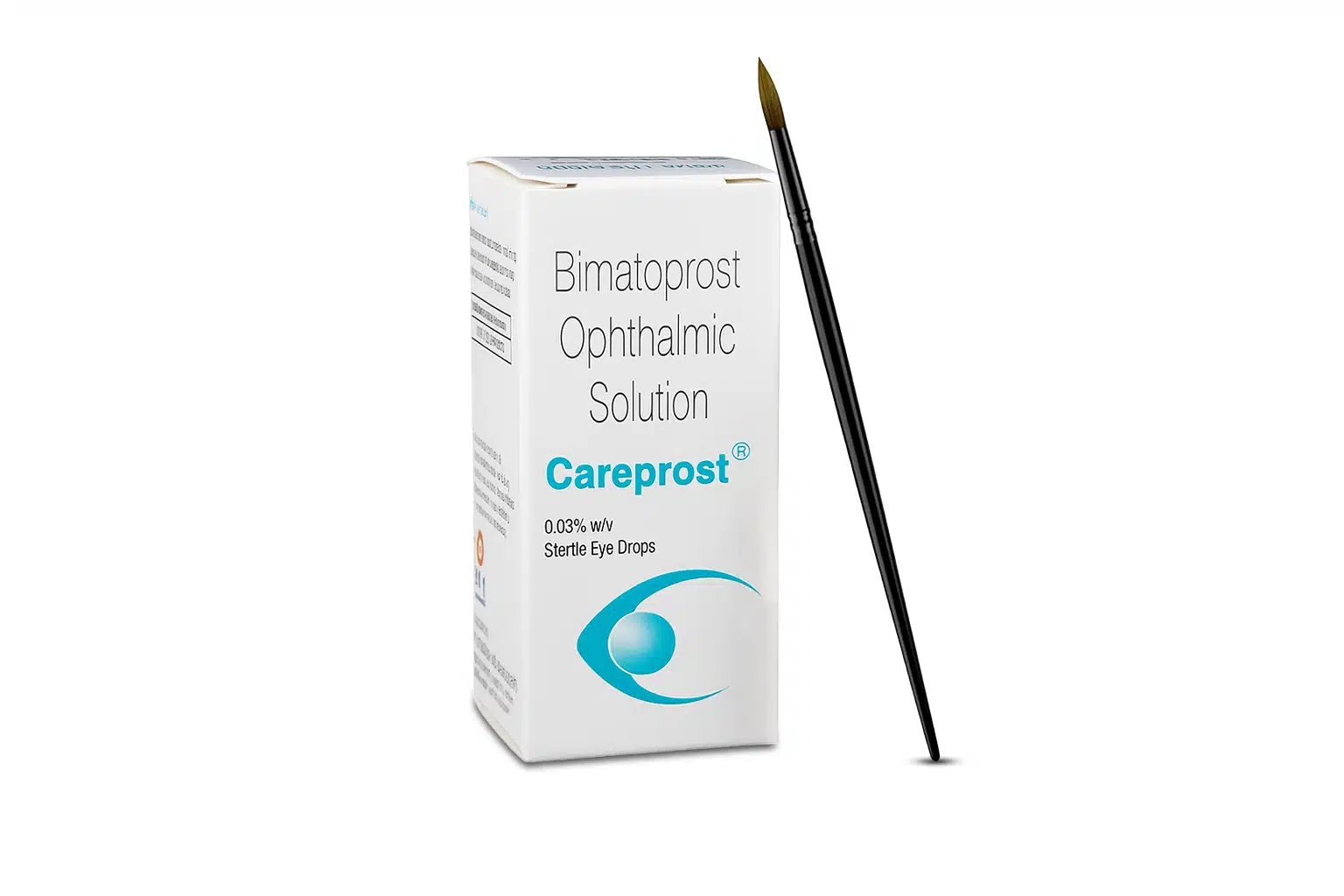
Careprost (With Brush) 3ml 0.03%
Eye Drops$51.50 – $156.20Price range: $51.50 through $156.20Rated 5.00 out of 5Shop Now This product has multiple variants. The options may be chosen on the product page -
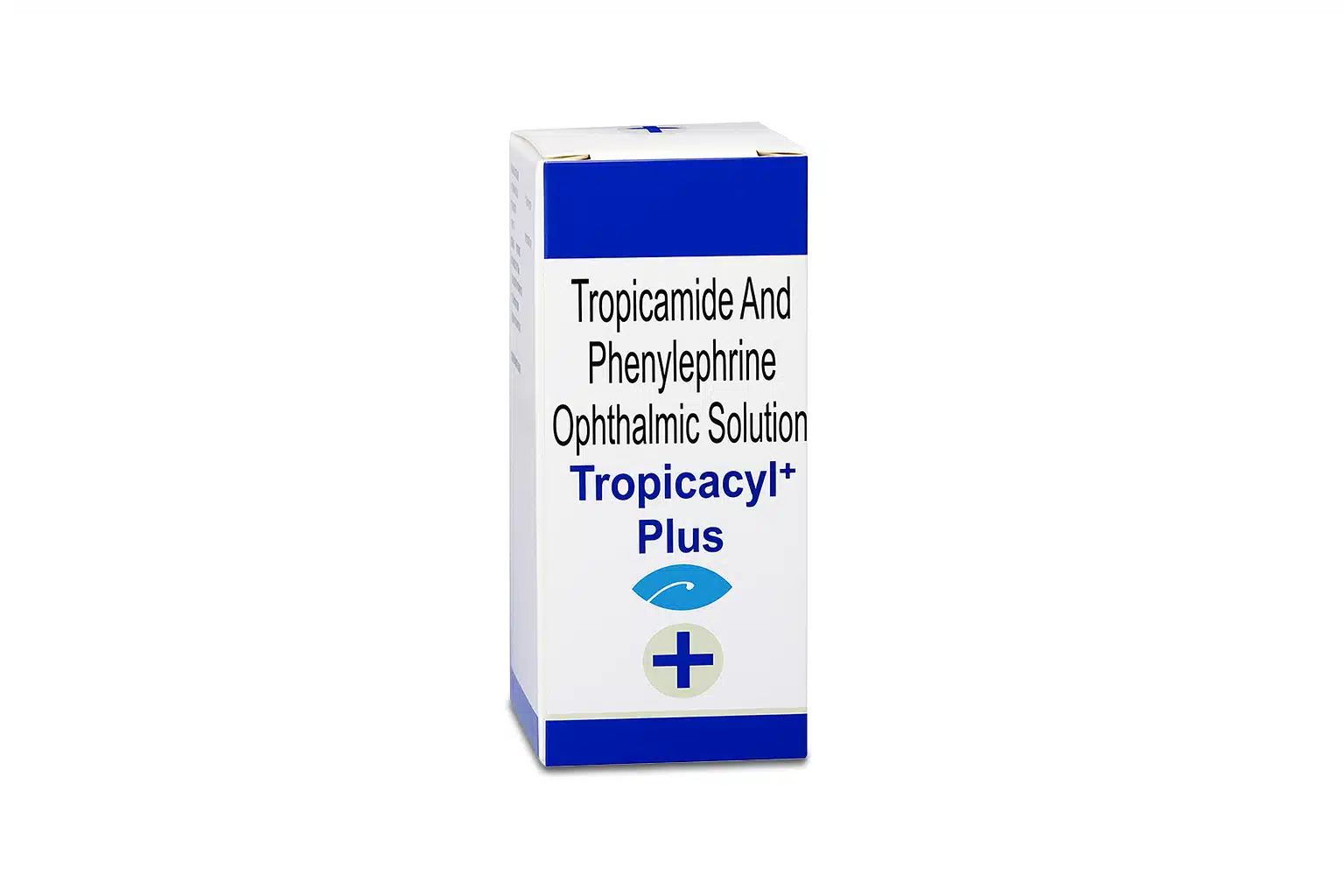
Tropicacyl Plus 3 ml
Eye Drops$2.90 – $15.21Price range: $2.90 through $15.21Rated 4.00 out of 5Shop Now This product has multiple variants. The options may be chosen on the product page -
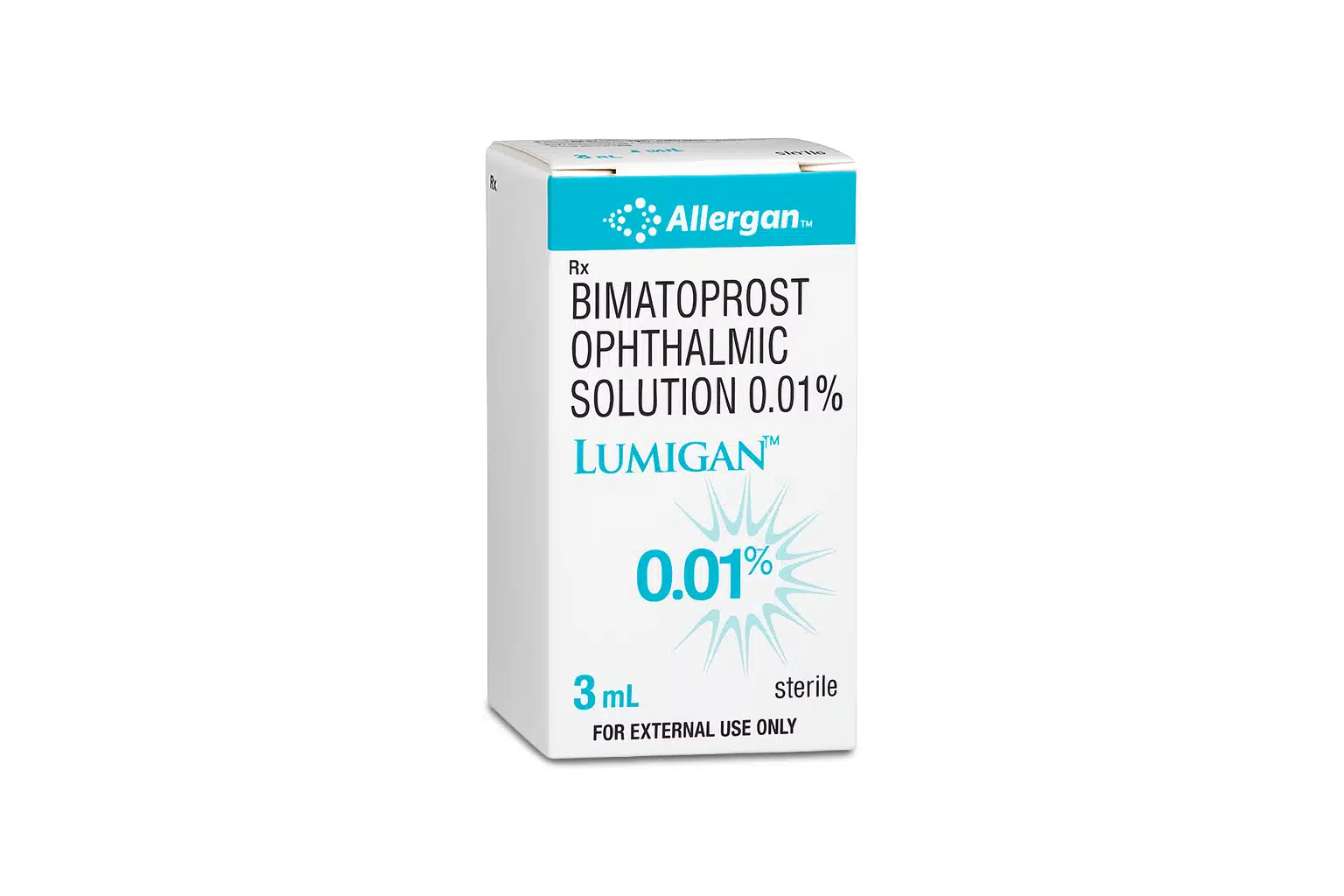
Lumigan 3 ml (0.01%)
Eye Drops$54.15 – $322.56Price range: $54.15 through $322.56Rated 5.00 out of 5Shop Now This product has multiple variants. The options may be chosen on the product page -

Vigamox 5 ml
Eye Drops$24.20 – $72.30Price range: $24.20 through $72.30Rated 4.00 out of 5Shop Now This product has multiple variants. The options may be chosen on the product page -

Latoprost Eye Drop
Eye Drops$48.45 – $288.00Price range: $48.45 through $288.00Rated 0 out of 5Shop Now This product has multiple variants. The options may be chosen on the product page -
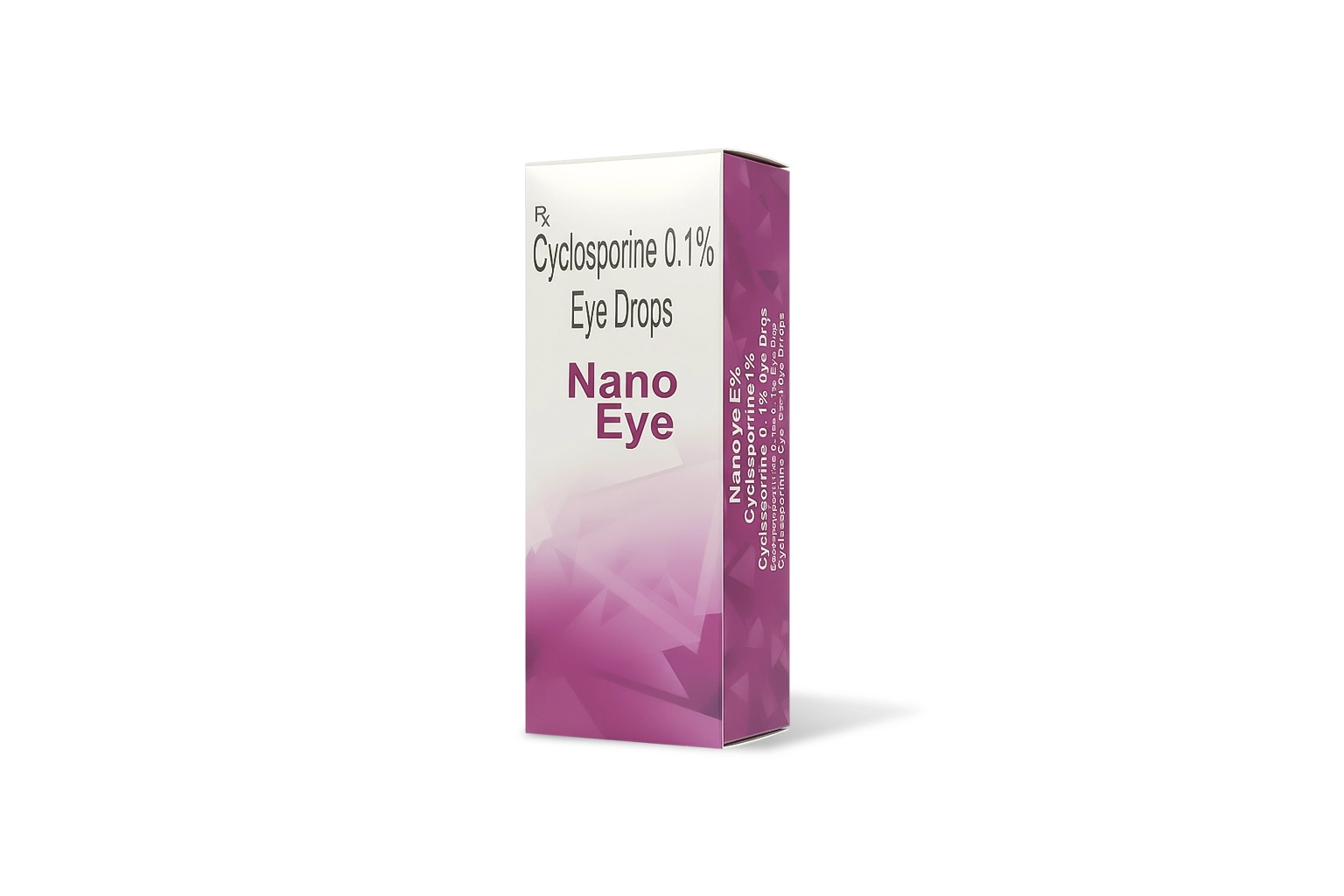
Nano Tears 0.1% 3 ml
Eye Drops$34.20 – $201.60Price range: $34.20 through $201.60Rated 0 out of 5Shop Now This product has multiple variants. The options may be chosen on the product page -
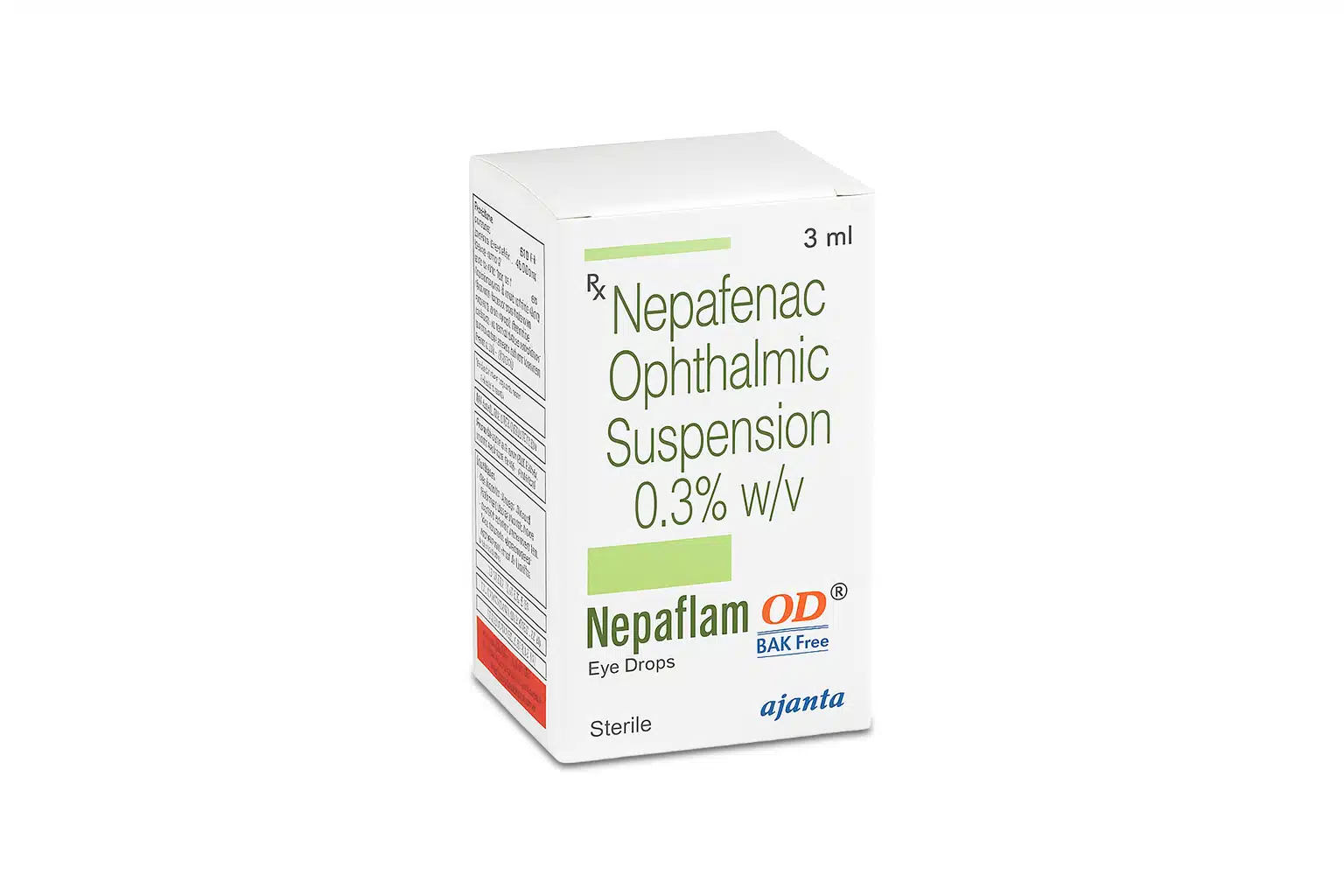
Nepaflam OD 3 ml
Eye Drops$20.40 – $61.10Price range: $20.40 through $61.10Rated 0 out of 5Shop Now This product has multiple variants. The options may be chosen on the product page -

Dorzox T 5 ml Eye Drop
Eye Drops$12.05 – $64.66Price range: $12.05 through $64.66Rated 4.00 out of 5Shop Now This product has multiple variants. The options may be chosen on the product page -
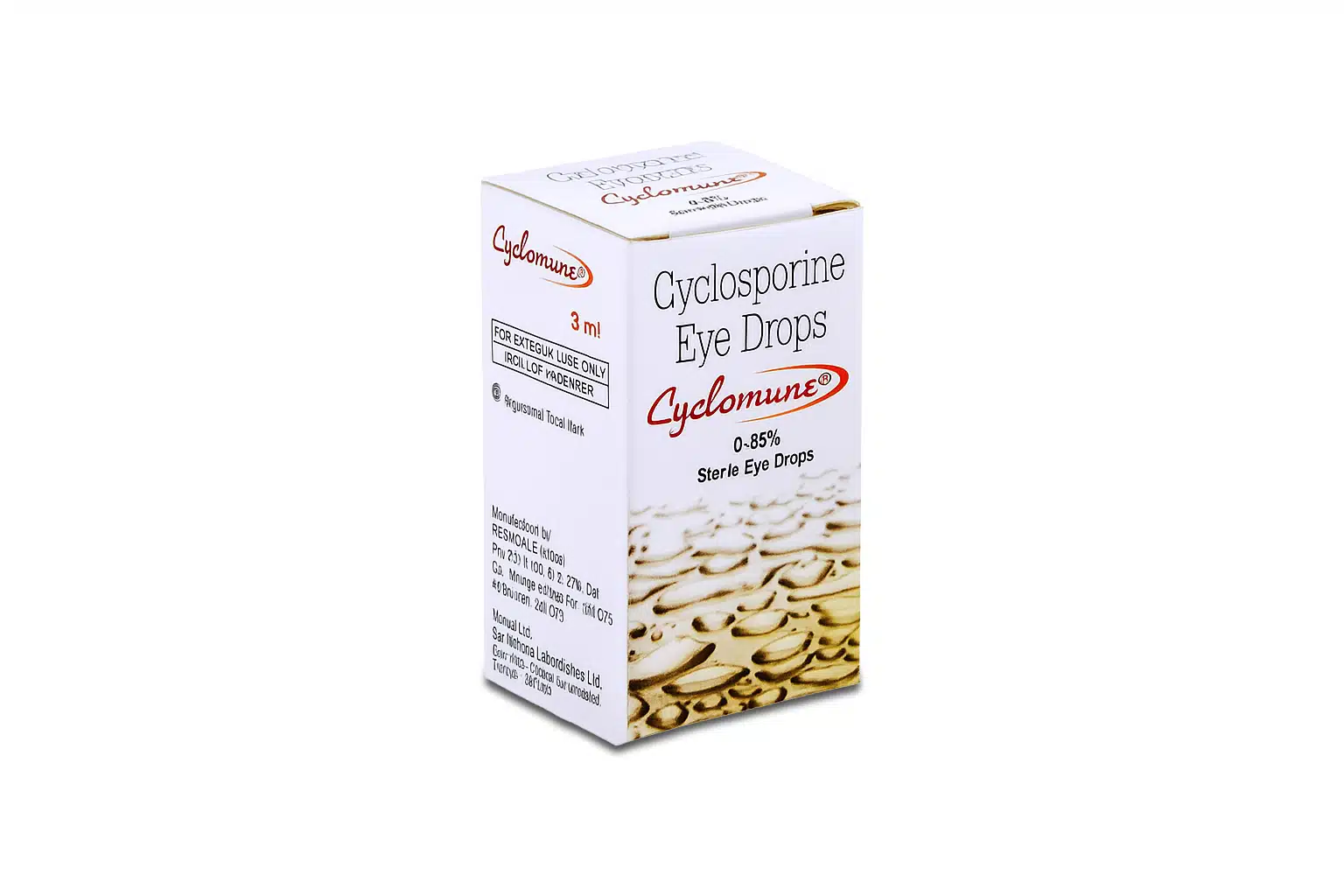
Cyclomune 0.05%
Eye Drops$9.74 – $48.02Price range: $9.74 through $48.02Rated 4.00 out of 5Shop Now This product has multiple variants. The options may be chosen on the product page -

Ganfort Eye Drop
Eye Drops$32.47 – $82.50Price range: $32.47 through $82.50Rated 4.00 out of 5Shop Now This product has multiple variants. The options may be chosen on the product page -
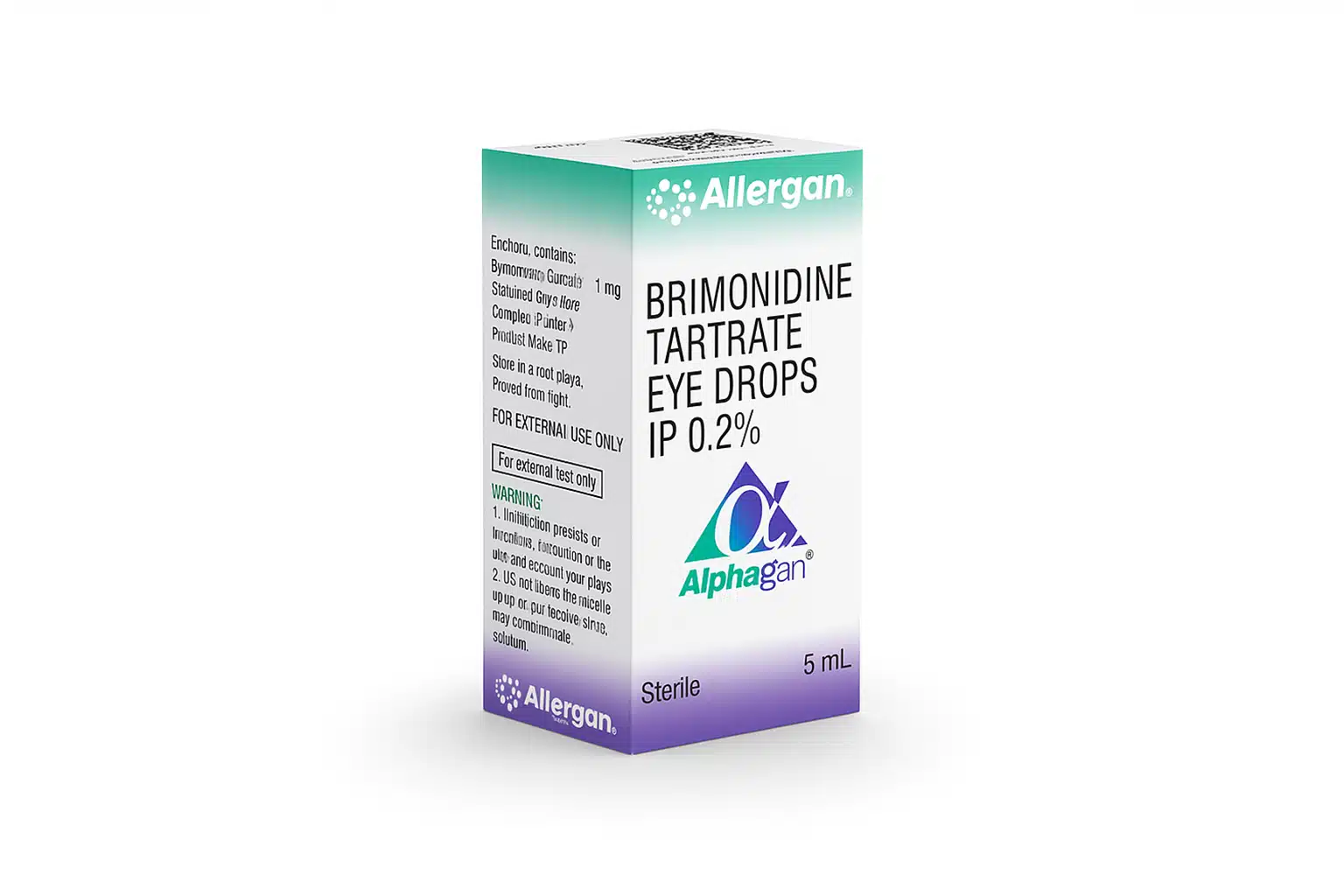
Alphagan 0.20% Eye Drop
Eye Drops$35.41 – $101.91Price range: $35.41 through $101.91Rated 4.00 out of 5Shop Now This product has multiple variants. The options may be chosen on the product page
Screen Habits Ophthalmologists Won’t Stop Talking About
Most eye specialists won’t sugarcoat this.
If you spend all day on screens, dry eye treatment stalls unless habits change.
They frequently recommend:
- Conscious blinking
- The 20-20-20 rule
- Positioning screens slightly below eye level
- Reducing airflow directly toward the face
They frame this as eye ergonomics, not lifestyle blame. Just like posture affects your back, screen behavior affects tear stability.
Omega-3s: Helpful for Some, Not a Miracle
Omega-3 supplements still come up in dry-eye discussions, but with caution.
Some ophthalmologists recommend them, especially for evaporative dry eye. Others cite mixed results from recent studies. What most agree on is honesty: try it for a few months and reassess.
If nothing changes, stop. No pressure, no hype.
Prescription Treatments and Advanced Options
When basic measures fail, ophthalmologists escalate carefully.
Prescription anti-inflammatory drops, tear-stimulating medications, punctal plugs, or in-office gland treatments may be discussed. These decisions are based on exam findings, not just symptoms.
In situations where inflammation or infection complicates treatment, short courses of medications – including Nebracin 3 gm – may be used as part of a broader, carefully monitored plan.
Dry Eyes After Surgery or Illness
Dry eye symptoms are common after LASIK, cataract surgery, or viral eye infections. Tear stability can take months to normalize.
In rare cases where bacterial involvement delays healing, ophthalmologists may briefly use protective ointments such as Nebracin 3 gm to safeguard the healing surface while tears recover.
This isn’t routine – but for the right patient, it can help recovery feel less miserable.
The Emotional Side Ophthalmologists Now Acknowledge
Chronic dry eye affects mood, productivity, and sleep. More doctors recognize this now.
I’ve heard ophthalmologists say, “If your eyes hurt all day, of course you’re exhausted.” That empathy changes how treatment plans are built.
Still, they’re honest about timelines. Improvement is gradual. Patience matters.
What Ophthalmologists Specifically Warn Against
Equally important is what doctors advise not to do:
- Overusing redness-relief drops
- Self-medicating with leftover antibiotics
- Ignoring lid hygiene
- Assuming dry eyes are untreatable
Medications like Nebracin 3 gm are effective in specific situations, but they’re not meant for casual or repeated unsupervised use.
Final Thoughts
If you ask ten ophthalmologists what they recommend for dry eyes, you’ll hear different tools – but the same philosophy.
Identify the cause.
Treat consistently.
Adjust habits.
Use medications thoughtfully.
And while Nebracin 3 gm has a place when infection complicates dryness, it’s never the whole answer.
Dry eye disease isn’t dramatic. It’s persistent. And managing it well requires the same steady approach.
FAQ's
1. Can dry eyes go away on their own, or is treatment always needed?
Sometimes mild dry eye symptoms improve with simple changes – better hydration, fewer screen hours, or improved sleep conditions. But chronic dry eye usually doesn’t resolve on its own. Ophthalmologists often say early treatment matters because untreated dryness can gradually damage the eye surface over time.
2. Are artificial tears safe to use every day?
Yes, but it depends on the type. Most eye doctors recommend preservative-free artificial tears for daily or frequent use. Drops with preservatives can irritate the eyes if used too often, especially in people with sensitive or already inflamed eyes.
3. Why do my eyes feel dry even though they keep watering?
This confuses a lot of people. Excess watering is often a reflex response to irritation. When the tear film is unstable, the eyes send emergency signals to produce more watery tears – but those tears evaporate quickly and don’t fix the underlying dryness.
4. When do ophthalmologists prescribe antibiotic eye ointments for dry eyes?
Antibiotic ointments aren’t used for dry eye itself. They’re prescribed when dryness is complicated by infection, eyelid inflammation, or bacterial overgrowth. In those cases, short-term use helps calm the surface so dry-eye treatments can work properly.
5. How long does it usually take to see improvement with dry eye treatment?
That said, improvement isn’t instant. Many people notice gradual relief over several weeks once they follow a consistent plan – drops, lid hygiene, warm compresses, and habit changes. Ophthalmologists often remind patients that dry eye is managed, not “cured overnight.”