
Let’s be real, talking about prostate problems isn’t exactly pub conversation material. Most men avoid it altogether until they can’t ignore the symptoms anymore. But here’s the thing: Benign Prostatic Hyperplasia (BPH) isn’t some rare, embarrassing condition; it’s something that affects millions of men, especially after hitting their forties or fifties.
And yes, it’s a mouthful. “Benign Prostatic Hyperplasia.” But in plain English, it just means your prostate is enlarged, not cancerous, not dangerous in itself but enough to make your bladder and urinary life… well, frustrating.

So, what exactly is Benign Prostatic Hyperplasia?
To be honest, it’s not as simple as saying your prostate gets “bigger.” The prostate, that small gland sitting right below your bladder naturally grows with age. For some men, that growth presses against the urethra (the tiny tube that carries urine out), making it harder to pee.
You might start noticing small things first. You go to the bathroom more often. Maybe you’re waking up multiple times at night. The urine stream weakens, or worse, it stops and starts mid-flow like a broken faucet. Sounds weird, right? But it’s incredibly common.
Interestingly, Benign Prostatic Hyperplasia doesn’t hit everyone in the same way. Some men have huge prostates and barely any symptoms, while others have smaller enlargements but a lot of trouble. Genetics, hormones, and lifestyle all play a part here.
Early signs most men ignore
You might be wondering, how do I even know if I have BPH?
Well, here’s the thing your body does to send signals. Most of us just shrug them off until they become disruptive.
The most obvious sign? Changes in urination.
You might feel a frequent or urgent need to urinate, even if your bladder isn’t really full. Some men say it’s like their bladder suddenly shrinks overnight.
Other red flags include:
Difficulty starting urination (like your body’s hesitating).
Weak urine stream or dribbling after peeing.
Feeling like your bladder isn’t fully empty.
Frequent nighttime trips to the bathroom.
At first, these symptoms might seem manageable. But gradually, they can interfere with sleep, focus, and overall confidence. To be honest, I once interviewed a middle-aged man who described his nights as “bathroom marathons.” He’d wake up four or five times, and it started affecting his marriage because of constant fatigue and irritability. That’s how sneaky Benign Prostatic Hyperplasia can be. It creeps into every part of your life without you noticing how much it’s changing things.
Best Seller
-

Cenforce 100 Mg
Best Seller$24.00 – $215.00Price range: $24.00 through $215.00Rated 5.00 out of 5Shop Now This product has multiple variants. The options may be chosen on the product page -
Vidalista 5 Mg
Best Seller$18.00 – $182.00Price range: $18.00 through $182.00Rated 4.00 out of 5Shop Now This product has multiple variants. The options may be chosen on the product page -

Vidalista 40 Mg
Best Seller$28.00 – $276.00Price range: $28.00 through $276.00Rated 4.00 out of 5Shop Now This product has multiple variants. The options may be chosen on the product page -

Cenforce 200 Mg
best sellers$31.00 – $335.00Price range: $31.00 through $335.00Rated 4.00 out of 5Shop Now This product has multiple variants. The options may be chosen on the product page -

Cenforce Fm
Best Seller$33.00 – $218.00Price range: $33.00 through $218.00Rated 4.00 out of 5Shop Now This product has multiple variants. The options may be chosen on the product page -
Kamagra 100 mg
best sellers$24.00 – $125.00Price range: $24.00 through $125.00Rated 5.00 out of 5Shop Now This product has multiple variants. The options may be chosen on the product page -

Fildena 100 mg
best sellers$24.00 – $244.00Price range: $24.00 through $244.00Rated 4.00 out of 5Shop Now This product has multiple variants. The options may be chosen on the product page -

Malegra Oral Jelly 100 Mg
Best Seller$8.00 – $44.00Price range: $8.00 through $44.00Rated 5.00 out of 5Shop Now This product has multiple variants. The options may be chosen on the product page -

Super Kamagra Oral Jelly
Best Seller$25.00 – $120.00Price range: $25.00 through $120.00Rated 4.00 out of 5Shop Now This product has multiple variants. The options may be chosen on the product page -
Tadarise Oral Jelly
Best Seller$19.00 – $72.00Price range: $19.00 through $72.00Rated 4.00 out of 5Shop Now This product has multiple variants. The options may be chosen on the product page -
Careforce 200 Mg
Best Seller$29.00 – $332.00Price range: $29.00 through $332.00Rated 5.00 out of 5Shop Now This product has multiple variants. The options may be chosen on the product page -
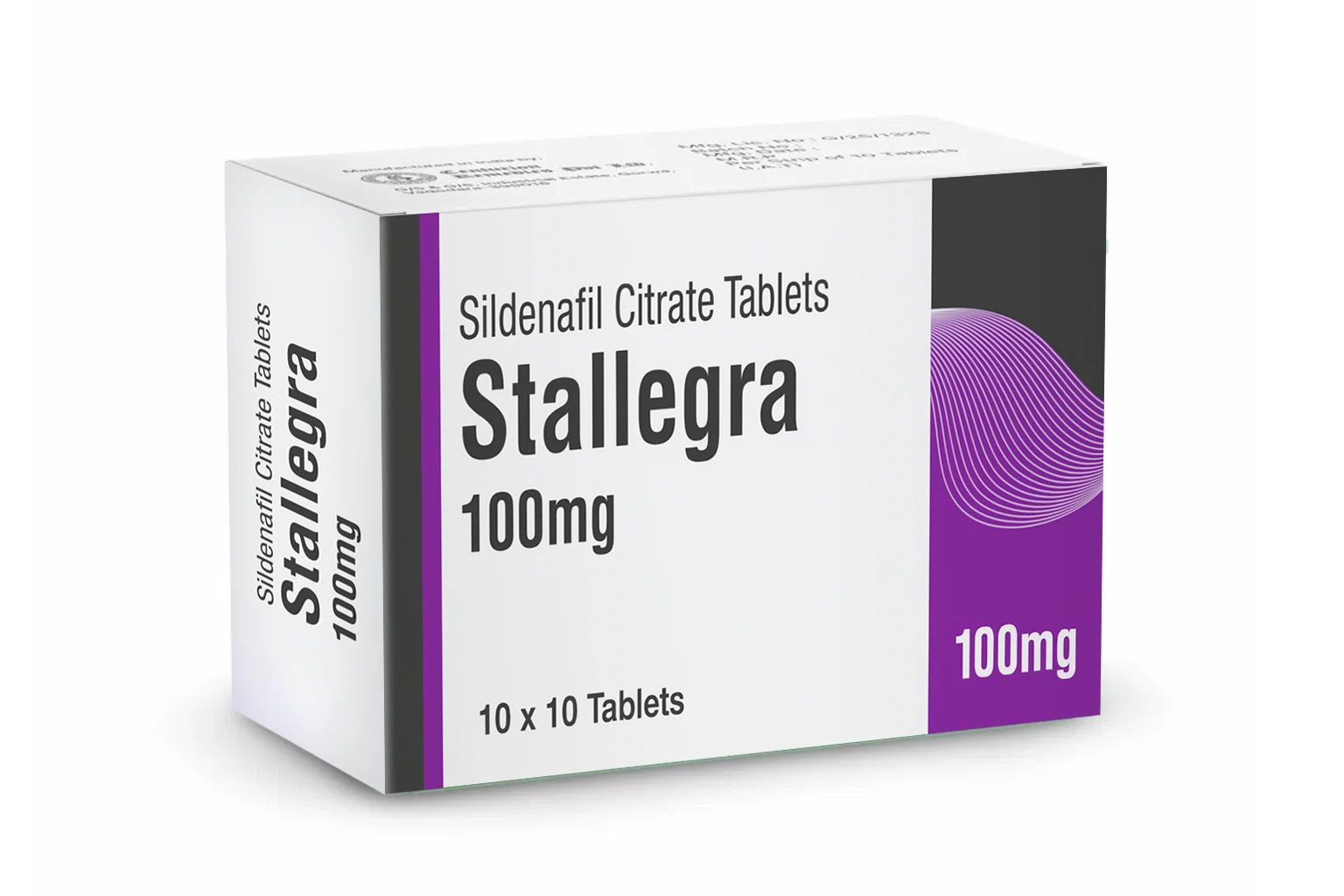
Stallegra 100 Mg
best sellers$88.00 – $224.00Price range: $88.00 through $224.00Rated 5.00 out of 5Shop Now This product has multiple variants. The options may be chosen on the product page -
 Exclusive
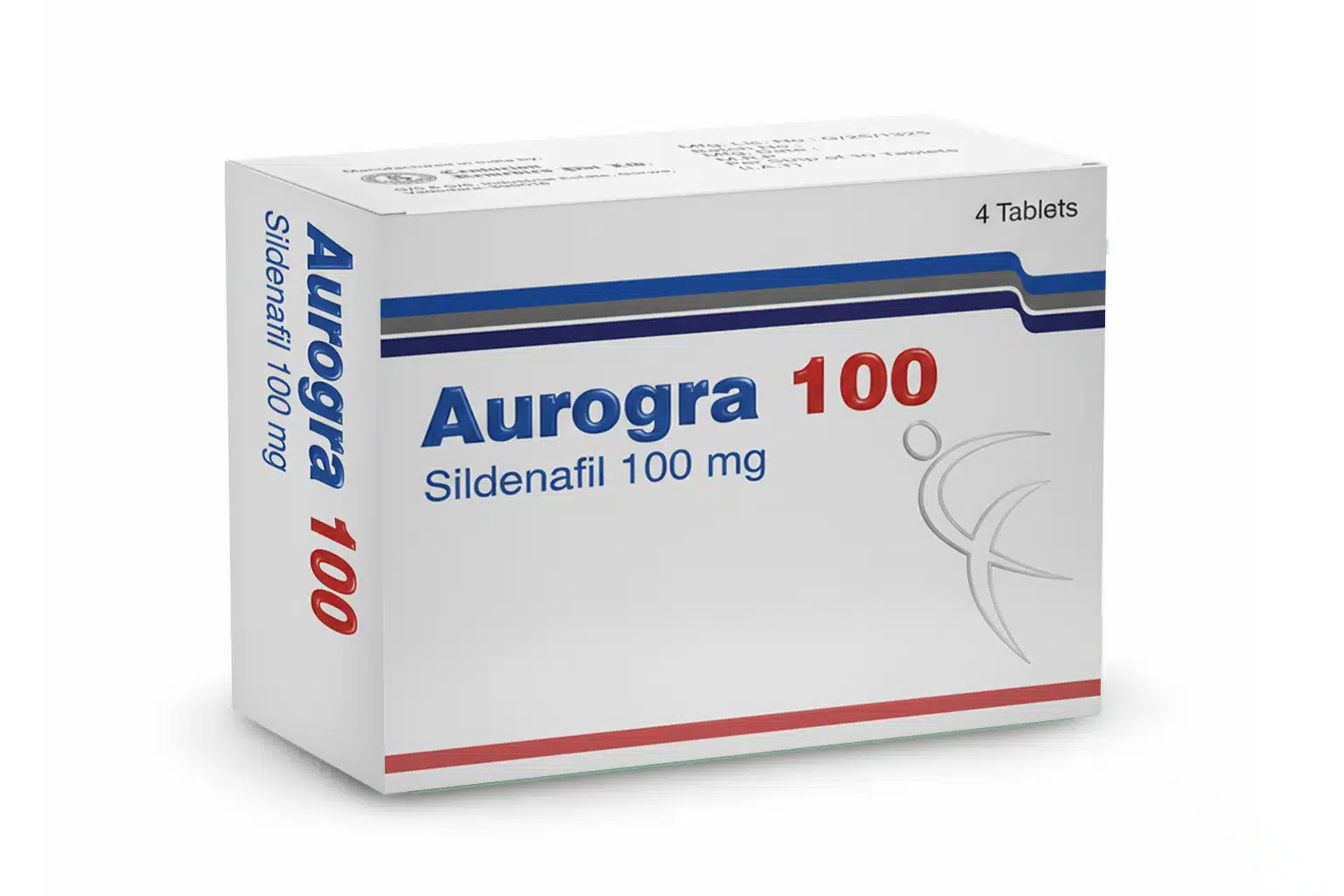
Aurogra 100 Mg
best sellers$29.00 – $76.00Price range: $29.00 through $76.00Rated 4.00 out of 5Shop Now This product has multiple variants. The options may be chosen on the product page -
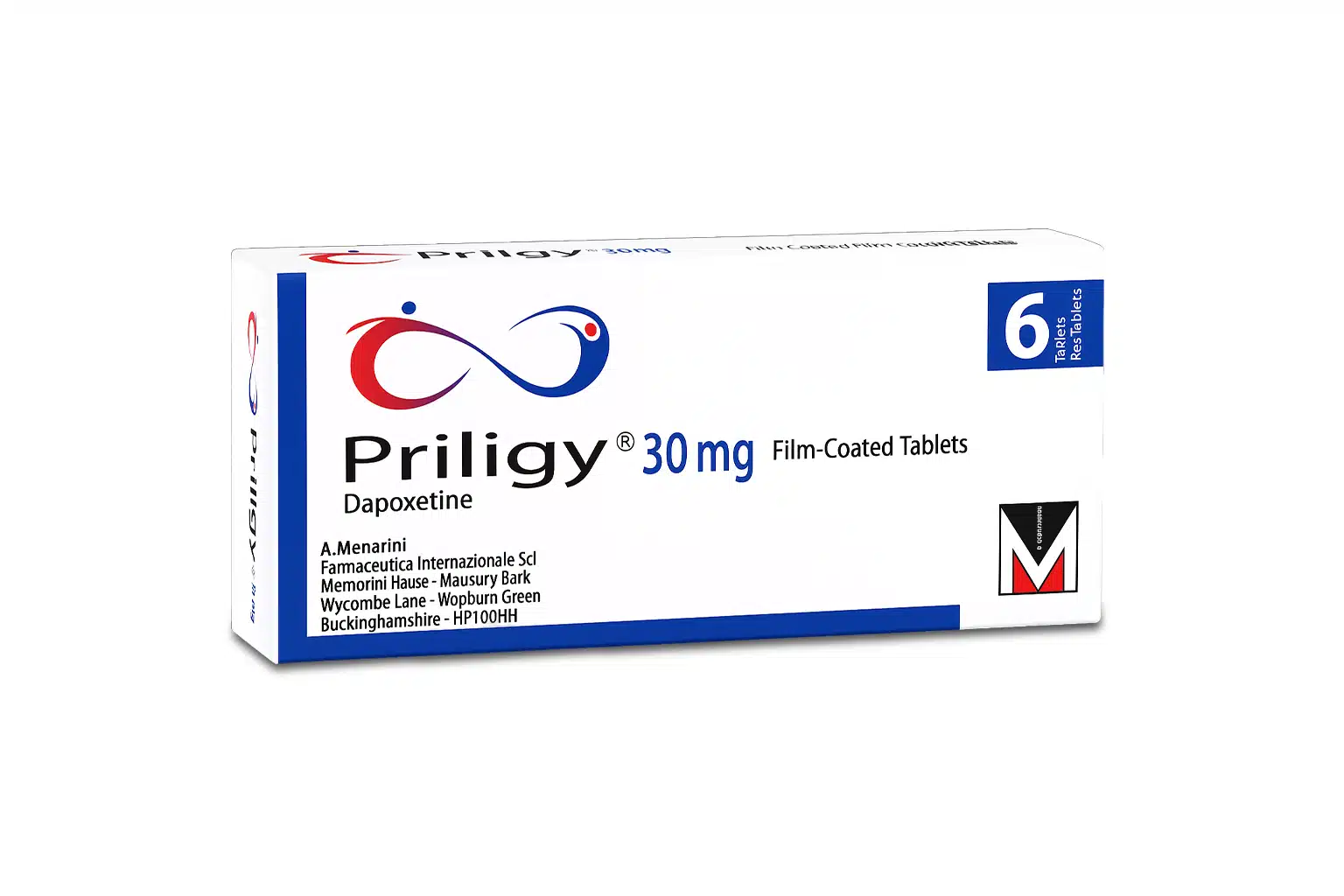
Priligy 30mg
best sellers$22.00 – $156.00Price range: $22.00 through $156.00Rated 4.00 out of 5Shop Now This product has multiple variants. The options may be chosen on the product page
The silent impact on emotional well-being
Here’s something we don’t talk about enough: the psychological toll. Constant discomfort or the fear of leaking in public can really get under your skin. Men start planning their days around the nearest restroom. Some even cut down on social events or travel.
And when that happens, it’s not just about your bladder anymore it’s about your sense of control. I’ve heard doctors compare BPH to a “slow thief of confidence.” You don’t lose it all at once, but over time, it chips away.
That said, there’s a bright side. Once diagnosed, Benign Prostatic Hyperplasia is very treatable. The key is catching it early.
Understanding the diagnostic process
Let’s get practical for a second. If you notice persistent urinary changes, go see a urologist. Please don’t Google your symptoms and panic (we’ve all done it). Instead, expect a few medical tests for BPH simple, non-invasive, and quick.
Here’s how doctors usually confirm it:
Digital Rectal Exam (DRE):
It’s awkward, yes, but takes seconds. The doctor gently checks the size and texture of your prostate.Urine Flow Test:
You’ll pee into a machine that measures how fast and strong your urine stream is.USA Blood Test:
Measures Prostate-Specific Antigen to rule out prostate cancer because BPH and cancer can mimic each other’s symptoms.Ultrasound or Cystoscopy (in some cases):
If needed, imaging tests help visualize the bladder and prostate in detail.
These medical tests for BPH might sound intimidating, but trust me, most men walk out relieved because finally, they understand what’s going on inside their bodies.
Treatment: From lifestyle tweaks to medication
Now we’re at the part everyone wants to know how to fix it. The good news? You’ve got BPH treatment options, and they’re more varied than ever.
1. Lifestyle changes:
For mild symptoms, doctors often recommend reducing caffeine and alcohol (they irritate the bladder). Stay hydrated but avoid drinking too close to bedtime. And yes, regular exercise helps improve prostate health in men studies show it can reduce urinary issues and even slow prostate growth.
2. Medications:
If symptoms persist, prescription drugs like alpha-blockers (e.g., tamsulosin) help relax the prostate muscles. 5-alpha-reductase inhibitors shrink the gland itself over time.
Some men also explore supportive therapies like Cenforce primarily used for erectile dysfunction but sometimes beneficial for men who have both ED and mild urinary symptoms linked to BPH.
3. Surgery or minimally invasive procedures:
For severe cases, procedures like TURP (transurethral resection of the prostate) or newer laser surgeries can remove excess tissue. These aren’t as scary as they sound many are outpatient treatments with fast recovery times.
When BPH meets everyday life
Interestingly, many men don’t even realize how much Benign Prostatic Hyperplasia affects their day-to-day behavior until after they get treated. Suddenly, they’re sleeping better, traveling freely, and even feeling younger.
I remember one patient story where a man said, “I didn’t realize how small my world had become until it expanded again.” That’s powerful.
Of course, not all men experience dramatic turnarounds overnight. Some need time to find the right treatment combo. And that’s okay. Managing Benign Prostatic Hyperplasia is a journey, not a quick fix.
The role of awareness and conversation
Here’s the frustrating part: men rarely talk about prostate issues until they become urgent. It’s the same silence we see around mental health or sexual wellness. But awareness changes outcomes.
Encouraging open dialogue with your partner, doctor, or even a close friend can make all the difference. After all, it’s your body. Understanding how it works isn’t weakness; it’s wisdom.
So, if you’ve noticed those midnight bathroom runs or that “dribbling” problem that just won’t go away, maybe it’s time to listen to your body.
Because ignoring Benign Prostatic Hyperplasia won’t make it disappear. But acknowledging it? That’s where real recovery begins.
Final thoughts
To be honest, we often think of aging as losing control of our bodies, our energy, our routines. But Benign Prostatic Hyperplasia doesn’t have to be one of those silent surrenders. It’s manageable, it’s common, and with modern medicine, it’s highly treatable.
If you’re reading this and thinking, “This sounds familiar,” please talk to your doctor. The earlier you act, the more options you’ll have, and the faster you can reclaim normalcy.
And maybe, just maybe, start that conversation with a friend too. You never know who else is quietly struggling with the same thing.
FAQs
1. What is the main cause of Benign Prostatic Hyperplasia?
BPH usually develops due to hormonal changes as men age, particularly shifts in testosterone and dihydrotestosterone (DHT) levels that cause prostate cell growth.
2. Can BPH lead to prostate cancer?
No. While the symptoms can overlap, Benign Prostatic Hyperplasia is not cancerous and doesn’t increase your cancer risk.
3. How do I know when to see a doctor for BPH symptoms?
If urinary issues like weak flow, frequent urges, or nighttime urination start disrupting your sleep or daily life, it’s time to get checked.
4. Are there natural remedies for improving prostate health in men?
Yes, maintaining a balanced diet (rich in zinc and lycopene), regular exercise, and hydration can help support prostate health in men.
5. Can ED medications like Cenforce help with BPH symptoms?
In some cases, yes. Drugs used for erectile dysfunction like Cenforce can improve urinary flow and relieve mild BPH symptoms due to improved blood circulation in the pelvic area.