
Lubrication is one of those quietly powerful helpers in sex; it reduces friction, increases comfort, and can transform a tense encounter into a relaxed one. Store-bought lubes are convenient and formulated for safety, but many people look for natural lube alternatives, whether out of curiosity, sensitivity, cost, or because they ran out mid-encounter. This guide walks through safe options, DIY ideas, what to avoid, how certain alternatives behave with condoms and toys, and practical tips to protect your sexual health. I’ll finish with a thorough FAQ and a references section you can explore for more details.

Quick safety summary
Condom users: avoid oil-based alternatives (coconut oil, olive oil, petroleum jelly) with latex condoms oils degrade latex and increase the risk of breakage. Use water- or silicone-based options or non-latex condoms.
Vaginal health: the vagina has a delicate pH and microbiome. Harsh household products, fragranced gels, and some homemade recipes can cause irritation or yeast/bacterial infections. Prefer pure, unscented, and preservative-free aloe vera or specifically formulated water-based lubes when unsure.
Allergies: patch-test any DIY or natural product before internal use. Natural doesn’t automatically mean safe.
Toys: Check toy manufacturer guidance. Silicone-based lubes can damage silicone toys; oil-based lubes can leave residues; water-based lubes are usually toy-safe.
Anal use: needs thicker, longer-lasting lubrication; choose accordingly (silicone-based lubes work well). Avoid anything that irritates.
With the basics out of the way, let’s dive into the options.
Why do people look for lube alternatives
There are several common reasons people try alternatives:
Sensitivity or allergies to ingredients in commercial lubes (glycerin, parabens, propylene glycol, or flavors).
Preference for “clean” or more natural ingredient lists.
Availability or cost — a quick kitchen substitute can be tempting in a pinch.
Environmental or ethical reasons — avoiding certain chemicals, supporting natural products.
Curiosity — some people enjoy DIY projects or want to tailor texture and thickness.
Those are valid motivations, but they mean you must be informed about trade-offs: homemade solutions may lack pH balancing, preservatives, or microbial testing. Safety and communication with your partner(s) are essential.
Safe natural lube alternatives
Here are natural or minimal-ingredient options that are widely considered safer for many sexual uses when used correctly.
1. Pure aloe vera gel (food-grade, 100% pure)
Why people use it: Aloe vera gel is soothing, slippery, and often used for sensitive skin. Look for pure aloe vera gel without added alcohol, fragrance, glycerin, or preservatives that can irritate mucous membranes.
How to use: Apply a small amount externally; for internal use, choose a product explicitly labeled as safe for genital use (many “100% aloe” gels still contain stabilizers). Patch-test first. Aloe is water-soluble, easy to wash off, and generally condom-safe (unless additives are present).
Caveats: Some commercial aloe gels include additives that disturb pH or contain preservatives that irritate. Avoid aloe products that list alcohol or fragrance near the top of the ingredient list.
2. Medical-grade or natural water-based lubes
Why people use them: These are the closest match to commercial lubes but with gentler ingredient lists. Many “natural” brands formulate water-based lubes without glycerin (which can promote yeast in sensitive people) or parabens.
How to use: Use exactly like any water-based lube. They’re toy- and condom-safe and easy to wash. Reapply as needed.
Caveats: Water-based lubes can dry out faster than oil or silicone; you can reactivate them with a little water or saliva.
3. Silicone-based lubes
Why people use them: Very long-lasting and excellent for anal sex. Often hypoallergenic and free from sugars or glycerin.
How to use: Use with condoms and non-silicone toys. A small amount goes a long way.
Caveats: Not natural, not easy to wash, and can degrade some silicone toys. Not recommended if you prioritize “all-natural” ingredients.
4. Fractionated coconut oil (MCT oil)
Why people use it: Coconut oil is popular because it’s natural, pleasant-smelling, moisturizing, and has antimicrobial properties in some lab studies.
How to use: For sex without latex condoms and with partners who have no sensitivity, many people use high-quality, fractionated coconut oil (liquid at room temperature).
Caveats & risks:
Condom compatibility: oil-based, so do not use with latex condoms; it can weaken them, leading to breakage. Use non-latex (polyurethane, nitrile) condoms if you plan to use oil.
Vaginal microbiome: oils can change the vaginal environment and sometimes increase the risk of bacterial vaginosis for some people. Evidence is mixed; be cautious.
Allergic reactions: coconut allergy is possible, though less common than other nut allergies. Patch-test.
5. Olive oil, avocado oil, and other kitchen oils
Why people try them: Readily available, slippery, inexpensive.
Caveats: Like coconut oil, these are oil-based and damage latex condoms. They’re thicker, can be harder to wash out, and may trap bacteria or encourage irritation. Generally not recommended for internal genital use.
6. Saliva
Why people use it: Readily available, moist, and often used for quick relief.
How to use: Fine for short, external lubrication or foreplay. Avoid prolonged internal use.
Caveats: Saliva contains bacteria and enzymes; using it as the sole lubricant for receptive vaginal or anal sex can increase infection risk, especially if partners have oral infections or cuts. It dries quickly and often isn’t enough for penetration.
Best Seller
-

Cenforce 100 Mg
Best Seller$24.00 – $215.00Price range: $24.00 through $215.00Rated 5.00 out of 5Shop Now This product has multiple variants. The options may be chosen on the product page -
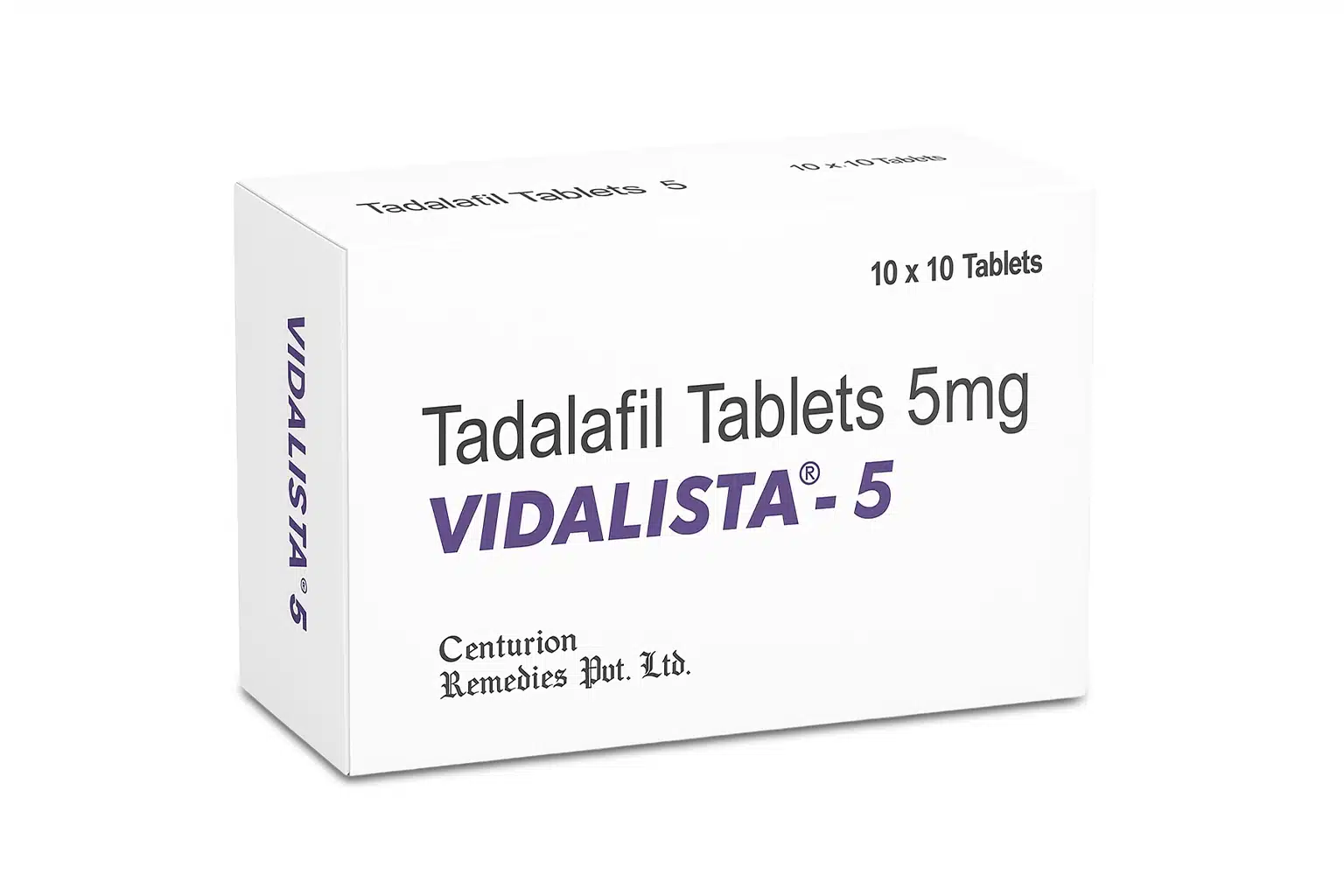
Vidalista 5 Mg
Best Seller$18.00 – $182.00Price range: $18.00 through $182.00Rated 4.00 out of 5Shop Now This product has multiple variants. The options may be chosen on the product page -
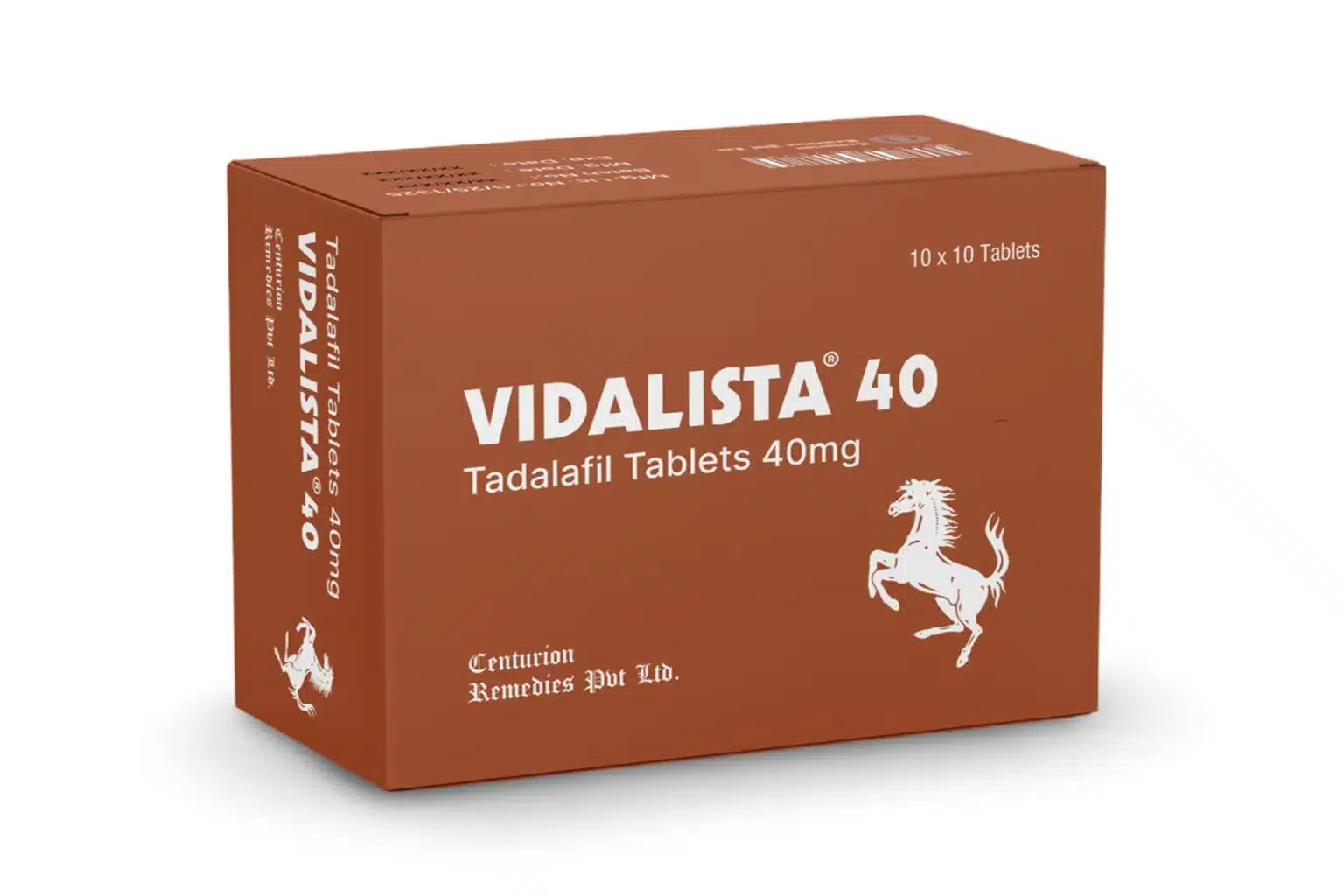
Vidalista 40 Mg
Best Seller$28.00 – $276.00Price range: $28.00 through $276.00Rated 4.00 out of 5Shop Now This product has multiple variants. The options may be chosen on the product page -

Cenforce 200 Mg
best sellers$31.00 – $335.00Price range: $31.00 through $335.00Rated 4.00 out of 5Shop Now This product has multiple variants. The options may be chosen on the product page -

Cenforce Fm
Best Seller$33.00 – $218.00Price range: $33.00 through $218.00Rated 4.00 out of 5Shop Now This product has multiple variants. The options may be chosen on the product page -
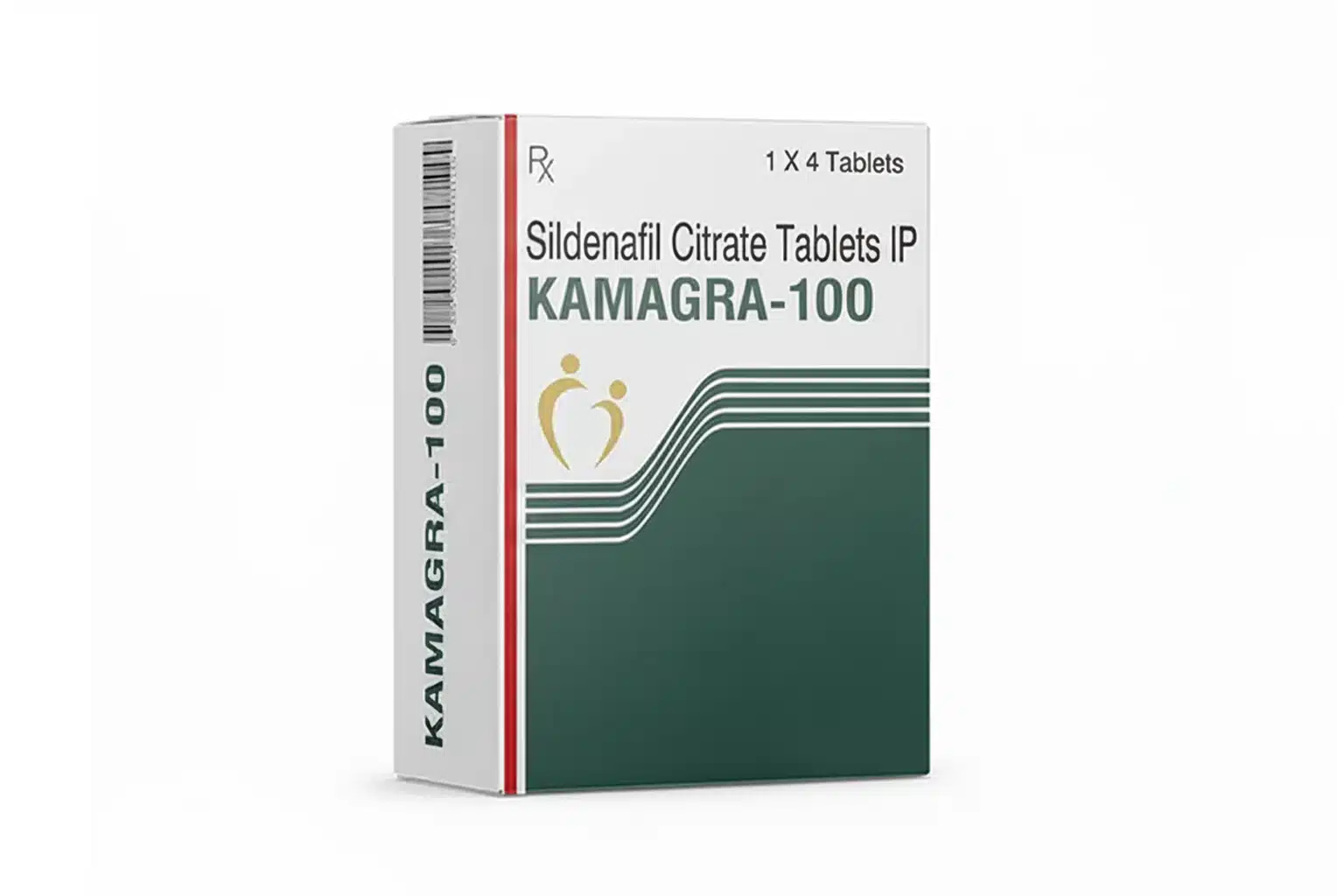
Kamagra 100 mg
best sellers$24.00 – $125.00Price range: $24.00 through $125.00Rated 5.00 out of 5Shop Now This product has multiple variants. The options may be chosen on the product page -

Fildena 100 mg
best sellers$24.00 – $244.00Price range: $24.00 through $244.00Rated 4.00 out of 5Shop Now This product has multiple variants. The options may be chosen on the product page -

Malegra Oral Jelly 100 Mg
Best Seller$8.00 – $44.00Price range: $8.00 through $44.00Rated 5.00 out of 5Shop Now This product has multiple variants. The options may be chosen on the product page -

Super Kamagra Oral Jelly
Best Seller$25.00 – $120.00Price range: $25.00 through $120.00Rated 4.00 out of 5Shop Now This product has multiple variants. The options may be chosen on the product page -
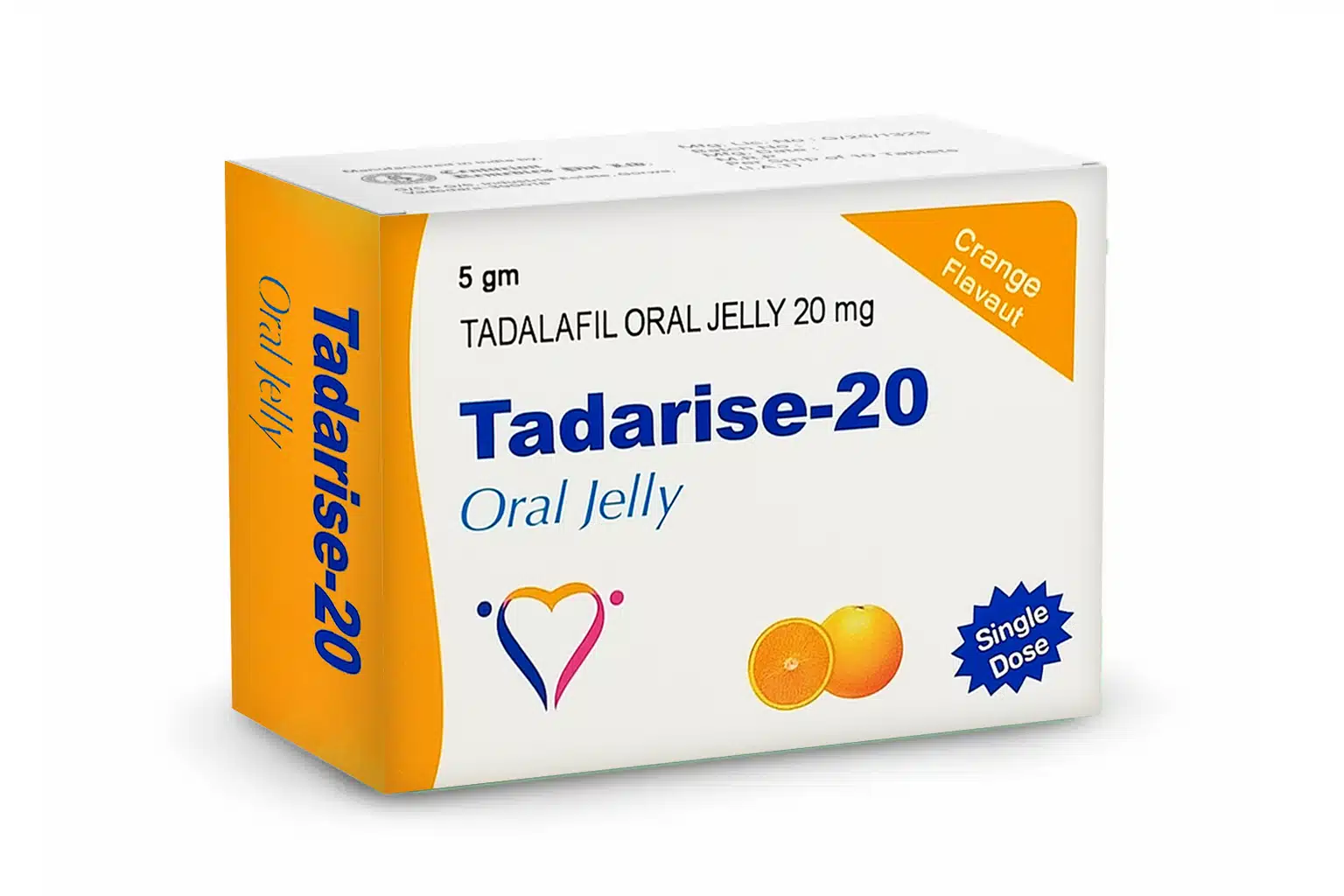
Tadarise Oral Jelly
Best Seller$19.00 – $72.00Price range: $19.00 through $72.00Rated 4.00 out of 5Shop Now This product has multiple variants. The options may be chosen on the product page -
Careforce 200 Mg
Best Seller$29.00 – $332.00Price range: $29.00 through $332.00Rated 5.00 out of 5Shop Now This product has multiple variants. The options may be chosen on the product page -
Stallegra 100 Mg
best sellers$88.00 – $224.00Price range: $88.00 through $224.00Rated 5.00 out of 5Shop Now This product has multiple variants. The options may be chosen on the product page -
 Exclusive
Aurogra 100 Mg
best sellers$29.00 – $76.00Price range: $29.00 through $76.00Rated 4.00 out of 5Shop Now This product has multiple variants. The options may be chosen on the product page -
Priligy 30mg
best sellers$22.00 – $156.00Price range: $22.00 through $156.00Rated 4.00 out of 5Shop Now This product has multiple variants. The options may be chosen on the product page
DIY lube ideas, recipes, and safety notes
If you want to make something at home, follow these safety-first rules:
Use sterile, food-grade ingredients where possible.
Avoid essential oils, fragrances, and strong preservatives.
Patch-test on inner forearm (24–48 hours) for irritation.
Don’t store homemade lubes long-term; microbial growth is a risk. Make small batches and refrigerate; discard after a few days unless a preservative and pH buffer are included.
Consider consulting a healthcare professional if you or your partner has recurring infections.
Here are a few cautious DIY recipes people commonly try:
A. Simple aloe-water lube (gentle, water-based)
Ingredients:
3–4 tablespoons of pure aloe vera gel (no additives)
1–2 tablespoons distilled water (to adjust thickness)
Optional: a pinch of sea salt (to match osmolarity more closely)
Method:
Stir aloe gel and distilled water in a clean container until smooth.
Test a small amount on skin. If no irritation in 24 hours, it’s likely okay for genital use.
Store in refrigerator and use within 3–5 days.
Why this works: It’s water-based, washes easily, and has soothing properties. Avoid if the aloe product contains alcohol, fragrance, or preservatives that bother you.
B. Cornstarch-based (homemade water-based alternative)
Ingredients:
1 cup water
1–2 teaspoons cornstarch
Method:
Mix cornstarch and cold water, heat slowly while stirring until it thickens into a gel.
Cool completely and refrigerate. Use within a few days.
Caveats: This is not sterile, and cornstarch can promote yeast growth if used vaginally. Best for external use or as a last resort for non-vaginal sex.
C. Fractionated coconut oil (simple, for non-latex condom users)
Use a small amount of high-quality, fractionated (liquid) coconut oil without additives. Keep in mind the condom compatibility and vaginal microbiome caveats above.
D. Yogurt? Proceed with caution (not recommended as lube)
Some folk remedies recommend plain yogurt for vaginal comfort (e.g., to rebalance bacteria). Do not use yogurt as a lubricant; it contains sugars, proteins, and bacteria that can alter pH and worsen infections.
What to avoid (common but risky items)
Petroleum jelly (Vaseline): Not condom-safe, can trap bacteria and is difficult to remove. Avoid internal use.
Scented lotions, body creams, or feminine washes: Often contain fragrances, alcohol, or irritants that harm mucous membranes.
Essential oils: Many essential oils (peppermint, cinnamon, clove, tea tree) are irritants and can cause burns or allergic reactions. Never use them neat on genitals.
Foodstuffs like honey, jam, or egg whites: Sugary or protein-rich substances can disrupt flora and promote infections—avoid internal use.
Unlabeled “natural” products: “Natural” is not regulated; read ingredient lists and avoid glycerin, parabens, or other known irritants if you’re sensitive.
Condom and toy compatibility
Latex condoms: Use water-based or silicone-based lubes only. Avoid oils (coconut, olive, petroleum).
Polyurethane or nitrile condoms: Oil-based lubes are safer with these, but check the condom packaging.
Silicone toys: Avoid silicone-based lubricants (they can degrade silicone surfaces). Use water-based lubes instead.
Glass, metal, ABS plastic toys: Most lubes are safe; oils are okay but can be messy.
Always read manufacturer recommendations for toys and condoms.
Special considerations: anal sex and menopause
Anal sex
Anal tissue doesn’t self-lubricate. It needs longer-lasting, thicker lubrication and careful technique to avoid tears:
Prefer silicone-based lubes (long-lasting, slick) or thick water-based gel formulated for anal use.
Use a generous amount and reapply.
Condoms are strongly recommended. If using latex condoms, avoid oil-based lubes.
Menopause and postmenopause
Lower estrogen can cause vaginal dryness and thinning tissue. Gentle, pH-balanced water-based lubes and vaginal moisturizers are often recommended. Some women benefit from local estrogen therapy (under a doctor’s guidance) for chronic dryness; discuss with a gynecologist.
How to choose the best natural lubricant for you
If you use latex condoms: Choose water-based or silicone-based lubes (and avoid oils).
If you have recurrent yeast infections, consider glycerin-free lubricants and avoid sugary or oil-heavy home remedies.
If you have sensitive skin: Look for hypoallergenic, fragrance-free, and preservative-light formulations; test before internal use.
If you prefer “natural”: Pure, additive-free aloe vera or fractionated coconut oil (with condom considerations) are common choices.
If you need long-lasting lube for anal sex: Silicone-based lubes (commercial) are typically best.
Practical tips for safe DIY use
Patch-test first. Apply a small amount on the inner wrist or inner thigh; wait 24–48 hours.
Start small. Use a small amount initially to see the texture and irritation response.
Communicate with your partner. Let them know what you’re using, especially if you’re trying a new homemade mix.
Monitor for symptoms. Burning, unusual discharge, itching, or odor after use? Stop and consult a healthcare provider.
No sharing jars. If you store homemade lube in a jar, don’t double-dip or share with multiple partners; contamination is a risk. Use single-use applicators or wash your hands.
Final thoughts: be practical, cautious, and communicative
Natural and DIY lubricant alternatives can work well when you choose wisely, test carefully, and understand risks. If you use condoms, prioritize condom-safe lubes; if you’re prone to infections or have sensitive mucous membranes, select hypoallergenic, glycerin-free water-based options or consult a clinician before experimenting. When in doubt, a small bottle of trusted, body-safe water-based or silicone-based lube is cheap insurance that keeps sex comfortable and low-risk.
FAQs
Q1): Can I use coconut oil as lube?
A: Yes, but only with non-latex condoms (oil degrades latex) and with caution about potential vaginal flora changes. Use fractionated/filtered coconut oil, patch-test first, and stop if irritation occurs.
Q2): Is aloe vera gel safe for sex?
A: Pure aloe vera gel (no additives) can be a gentle, water-soluble option. Make sure the product is free from alcohol, fragrance, and glycerin if you are sensitive. Patch-test first.
Q3): Are homemade lubes safe for vaginal sex?
A: Some are, but many homemade recipes carry infection or irritation risks if not formulated or stored properly. Water-based, preservative-free mixes should be used briefly and with caution.
Q4): Can I use lotion as lube?
A: No. Most lotions contain fragrances, preservatives, or oils that can irritate mucous membranes and are not formulated for internal use.
Q5): What if I get yeast infections after using a natural oil?
A: Stop using the product and consult a healthcare provider. Oils can alter vaginal ecology and sometimes contribute to infections in susceptible people.
Q6): Is saliva okay to use?
A: In a pinch, saliva can work for short-term external lubrication, but it dries quickly and can introduce bacteria. Not ideal for prolonged internal use.
Q7): Which is the best natural lubricant overall?
A: There’s no single “best”; it depends on needs. For safety and broad compatibility, medical-grade water-based lubes or pure aloe vera gel (carefully selected) are often the most practical natural alternatives.
References & further reading
(Organizations and resources that discuss sexual health, pH, condoms, and lubricant safety)
Centers for Disease Control and Prevention (CDC). (2024). Condom Use: An Overview. Official guidance on condom use and lubricant compatibility. CDC
Workowski, K. A., et al. / CDC. (2021). Sexually Transmitted Infections Treatment Guidelines — Includes explicit recommendations about lubricant types and condom safety. CDC
Geibel, S., et al. (2013). Condoms and condiments: compatibility and safety of personal lubricants. PMC
Voeller, B. (1989). Mineral oil lubricants cause rapid deterioration of latex condoms — Experimental evidence showing oil-based products can weaken latex condoms. PubMed. PubMed
Hung, K. J., et al. (2020). Effect of commercial vaginal products on the growth and viability of uropathogenic and commensal vaginal bacteria. PMC
Albornoz, M. A., et al. (2023). Virgin Coconut Oil in Paste Form as Treatment for Vaginal Dryness. PubMed
Surjushe, A., et al. (2008). Aloe vera: a short review — Review of aloe vera properties and clinical uses PMC