
Let’s be real, if you’ve ever hit the gym hoping for more than just muscle gains, you’re not alone. The connection between exercise and testosterone has been the stuff of gym myths, Reddit debates, and late-night Googling for years. People love to talk about it like it’s some magic switch: “Lift heavy, and boom, testosterone skyrockets.”
But here’s the thing. It’s not that simple. Testosterone is more than a hormone that fuels sex drive or helps build muscle. It’s the biological symphony conductor for men’s energy, mood, metabolism, and, yes, libido. And while exercise definitely plays a role, how much does working out increase testosterone exactly? Let’s break it down honestly.

The Truth About Testosterone and Exercise
Testosterone isn’t just a “man thing.” It exists in both men and women, though in very different amounts. In men, it’s produced mainly in the testes and controlled by a brain-hormone feedback loop involving the hypothalamus and pituitary gland. When you train hard or push your body to its limits, that system reacts.
Now, the question, how much does working out increase testosterone, doesn’t have a one-size-fits-all answer. Studies show that resistance training, like lifting weights, can cause temporary spikes in testosterone right after a workout. These spikes might last for 15 minutes to an hour. But those small bursts can add up over time if you’re consistent.
Interestingly, it’s not just about lifting. High-intensity interval training (HIIT) can also boost your levels, while excessive cardio or overtraining might actually suppress testosterone. Yep, too much of a good thing can backfire.
What Really Happens Inside Your Body
Think of your workout as a stress test for your endocrine system. When you lift, sprint, or push through a tough session, your brain gets a signal: “This body is working hard, let’s fuel recovery.”
That’s where hormones like testosterone come in. They help repair muscle fibers, build lean tissue, and restore energy balance. So, the increase in testosterone isn’t random, it’s your body’s intelligent way of adapting to stress.
Over time, if you maintain regular training and a healthy diet, your baseline testosterone levels might improve slightly. It’s not a miracle, but it’s real.
How Much Does Working Out Increase Testosterone - By the Numbers
Here’s where expectations often go off track. Some research shows men who lift weights regularly can experience a 15–25% increase in testosterone right after training. That sounds big, but remember, it’s a short-term spike. Your resting or baseline testosterone may only go up modestly, maybe 10% or less, after months of consistent training.
That said, these improvements can make a huge difference in how you feel day to day. More energy, better sleep, and improved libido. Some even find it helps their response to medications like Vidalista 60 mg, which is used for managing erectile dysfunction. Because testosterone and sexual function are so closely linked, boosting your hormone levels naturally can sometimes make these treatments more effective.
Why the Type of Exercise Matters
Not all workouts are created equal when it comes to hormones.
Resistance training, especially compound lifts like squats, deadlifts, and bench presses, stimulates the biggest hormonal response. These moves recruit multiple muscle groups and demand more energy, which triggers the body to release testosterone and growth hormone.
In contrast, endurance exercises like long-distance running can lower testosterone if done excessively. It’s the body’s way of conserving energy in a prolonged stress state. Ever seen marathon runners who look wiry and lean rather than muscular? That’s partly due to hormonal adaptation.
So, when people ask how much does working out increase testosterone, the honest answer is: it depends on what kind of “working out” we’re talking about.
Best Seller
-

Cenforce 100 Mg
Best Seller$24.00 – $215.00Price range: $24.00 through $215.00Rated 5.00 out of 5Shop Now This product has multiple variants. The options may be chosen on the product page -
Vidalista 5 Mg
Best Seller$18.00 – $182.00Price range: $18.00 through $182.00Rated 4.00 out of 5Shop Now This product has multiple variants. The options may be chosen on the product page -
Vidalista 40 Mg
Best Seller$28.00 – $276.00Price range: $28.00 through $276.00Rated 4.00 out of 5Shop Now This product has multiple variants. The options may be chosen on the product page -

Cenforce 200 Mg
best sellers$31.00 – $335.00Price range: $31.00 through $335.00Rated 4.00 out of 5Shop Now This product has multiple variants. The options may be chosen on the product page -

Cenforce Fm
Best Seller$33.00 – $218.00Price range: $33.00 through $218.00Rated 4.00 out of 5Shop Now This product has multiple variants. The options may be chosen on the product page -
Kamagra 100 mg
best sellers$24.00 – $125.00Price range: $24.00 through $125.00Rated 5.00 out of 5Shop Now This product has multiple variants. The options may be chosen on the product page -

Fildena 100 mg
best sellers$24.00 – $244.00Price range: $24.00 through $244.00Rated 4.00 out of 5Shop Now This product has multiple variants. The options may be chosen on the product page -

Malegra Oral Jelly 100 Mg
Best Seller$8.00 – $44.00Price range: $8.00 through $44.00Rated 5.00 out of 5Shop Now This product has multiple variants. The options may be chosen on the product page -

Super Kamagra Oral Jelly
Best Seller$25.00 – $120.00Price range: $25.00 through $120.00Rated 4.00 out of 5Shop Now This product has multiple variants. The options may be chosen on the product page -
Tadarise Oral Jelly
Best Seller$19.00 – $72.00Price range: $19.00 through $72.00Rated 4.00 out of 5Shop Now This product has multiple variants. The options may be chosen on the product page -
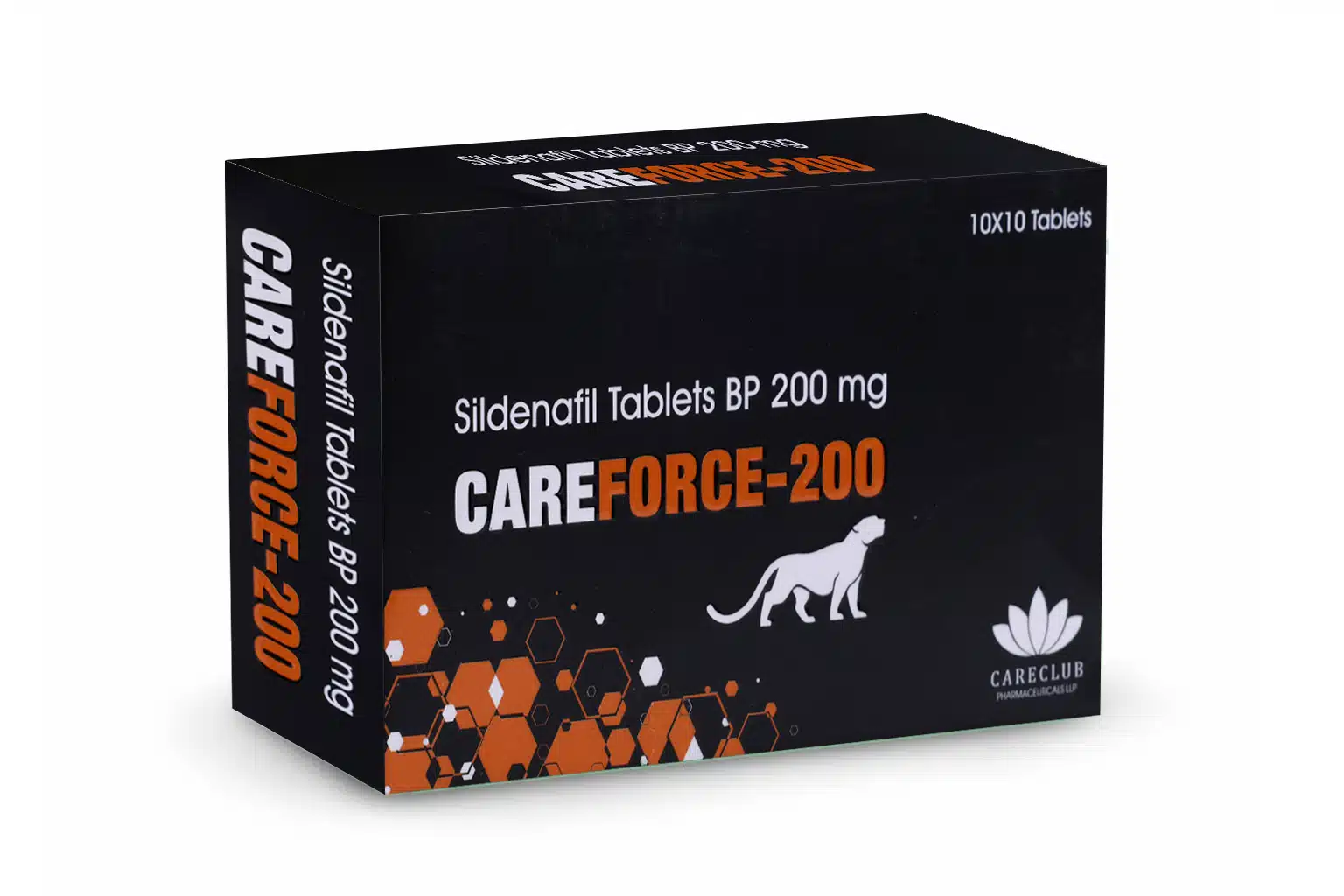
Careforce 200 Mg
Best Seller$29.00 – $332.00Price range: $29.00 through $332.00Rated 5.00 out of 5Shop Now This product has multiple variants. The options may be chosen on the product page -
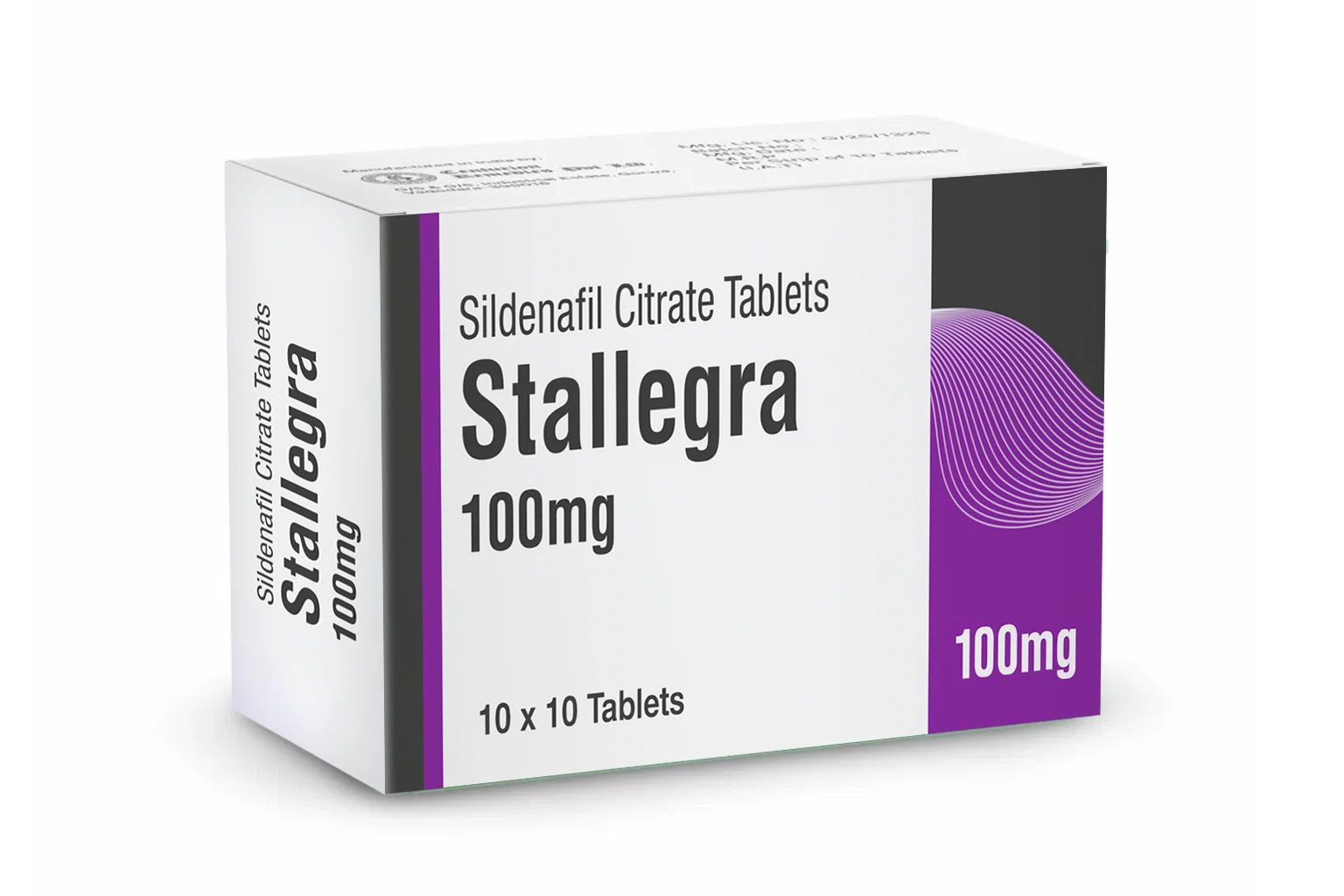
Stallegra 100 Mg
best sellers$88.00 – $224.00Price range: $88.00 through $224.00Rated 5.00 out of 5Shop Now This product has multiple variants. The options may be chosen on the product page -
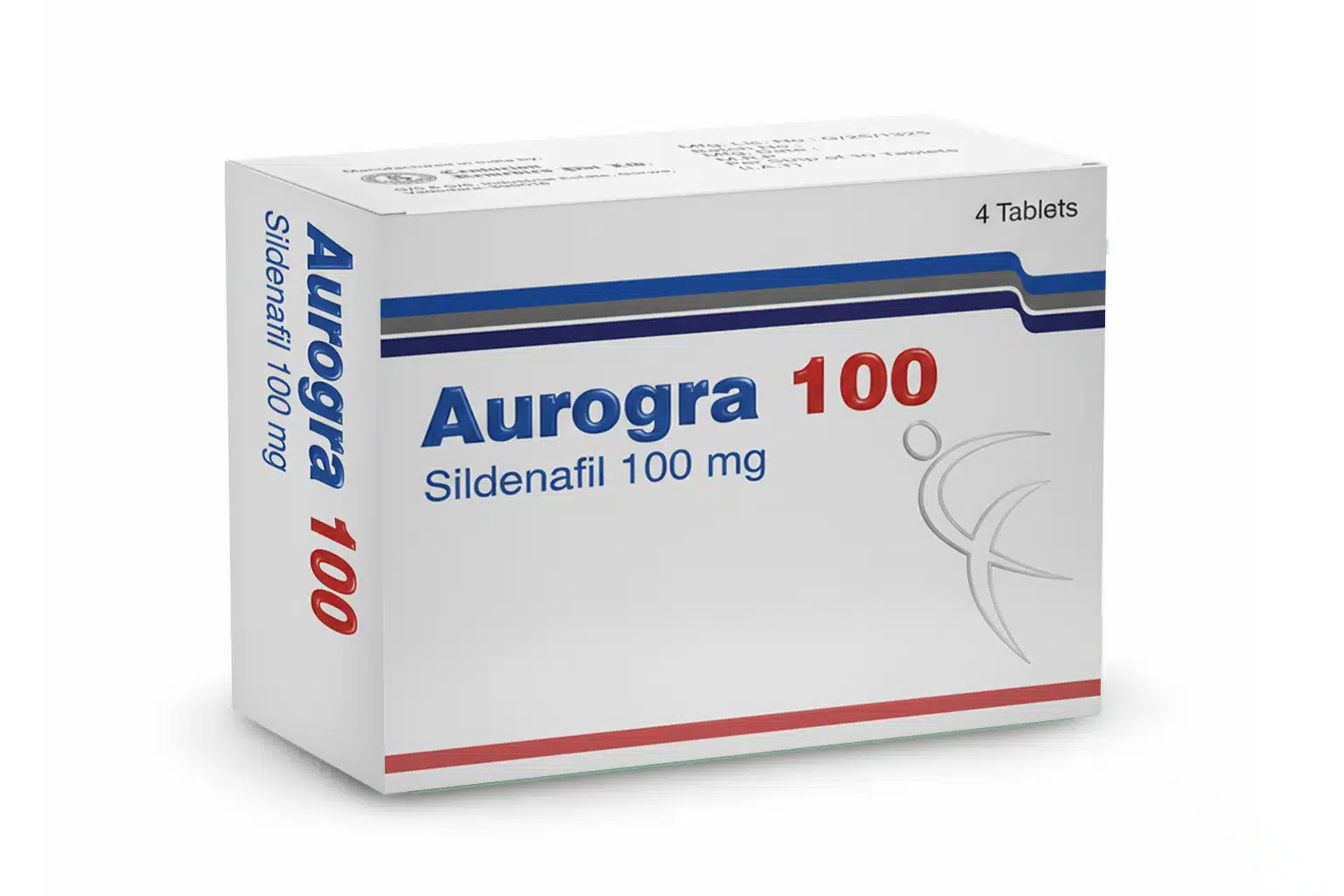 Exclusive
Aurogra 100 Mg
best sellers$29.00 – $76.00Price range: $29.00 through $76.00Rated 4.00 out of 5Shop Now This product has multiple variants. The options may be chosen on the product page -
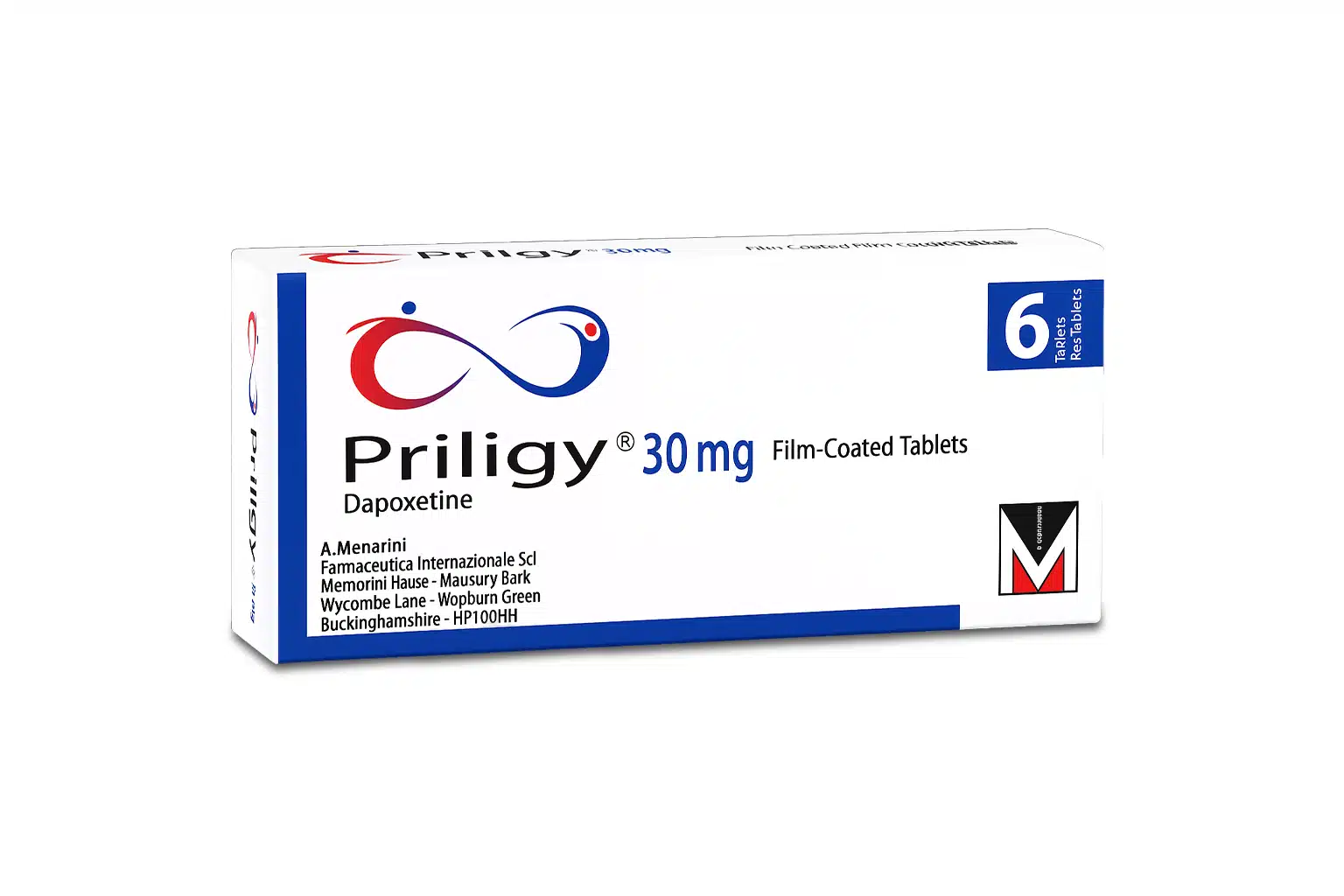
Priligy 30mg
best sellers$22.00 – $156.00Price range: $22.00 through $156.00Rated 4.00 out of 5Shop Now This product has multiple variants. The options may be chosen on the product page
The Role of Sleep, Stress, and Nutrition
You could train like a beast, but if you’re sleeping 4 hours a night and living off fast food, don’t expect miracles. Testosterone loves balance. Sleep deprivation and chronic stress cause cortisol to rise, which directly lowers testosterone production.
And diet? Massive factor. You need enough healthy fats (like from avocados and olive oil), protein for muscle repair, and micronutrients like zinc and magnesium for hormone synthesis.
Many men who start working out while taking care of their nutrition notice their sexual health improving too, sometimes reporting better results even with medications like Vidalista 60 mg. That’s not coincidence; it’s physiology. When your testosterone is in balance, everything else tends to align.
Exercise and Natural Testosterone Production
Let’s talk about the bigger picture: exercise and natural testosterone production.
It’s easy to obsess over short-term numbers, but natural testosterone health is more about habits than hacks. A steady routine, say, strength training three times a week, walking daily, and sleeping well, can keep testosterone levels stable for years.
Even moderate improvements matter. A small 10% increase in testosterone might not sound dramatic, but it can mean the difference between feeling sluggish and feeling sharp, both physically and mentally.
When men combine exercise and natural testosterone production strategies with medical options like Vidalista 60 mg (under doctor supervision, of course), the synergy can be remarkable. It’s not about one solution but the combination of consistent effort and smart choices.
My Take – From Personal Observation
I’ll be honest: I’ve seen both sides of the coin. A few years ago, I started strength training after being stuck at a desk job that had turned me into, well, a lump. Within a few months, not only did I feel stronger, but my focus sharpened, and I noticed my mood stabilizing. I wasn’t snapping at minor things anymore. My energy, even after work, was different, like a quiet buzz.
I didn’t test my hormones back then, but the difference felt hormonal. Later, a friend who worked in sports medicine confirmed that what I was feeling made perfect sense. The small, consistent testosterone boosts from training were adding up, keeping my system in better balance.
The Hidden Factor: Age and Recovery
Now, let’s address the part nobody likes to hear: age. Testosterone naturally declines about 1% per year after your 30s. That doesn’t mean you’re doomed, it just means you need to train smarter.
If you’re older, rest days become essential. Overtraining can backfire and suppress your hormones further. Quality recovery stretching, sleep, nutrition counts as much as the workouts themselves.
You might be wondering, “So if I start now, can I actually raise my testosterone long-term?”
Yes, but within realistic limits. You can’t turn a 60-year-old body into a 25-year-old’s hormone profile. But you can absolutely optimize what you have, and that makes a world of difference in energy, confidence, and vitality.
When to Consider Medical Help
If you’ve been training consistently, sleeping well, eating clean, and still feel off low libido, fatigue, mood swings it’s worth checking your testosterone levels with a doctor. Sometimes, the issue isn’t lifestyle but underlying medical conditions.
Doctors may suggest hormone replacement or medications like Vidalista 60 mg to support sexual function if needed. But here’s the good news: lifestyle changes almost always complement medical treatment. The healthier your baseline, the better the outcomes.
The Emotional Side No One Talks About
It’s easy to make testosterone all about muscles and masculinity, but it’s deeper than that. Hormones influence mood, motivation, and even how connected you feel to others. A lot of men struggling with low testosterone describe feeling “flat”, like the color’s gone from their life.
Working out helps restore that spark. It’s not just the physical hormone bump, it’s the confidence of showing up for yourself every day. You start feeling in control again, even before lab numbers confirm anything.
So… How Much Does Working Out Increase Testosterone?
The short version? Enough to matter, not enough to skip the basics.
Exercise can boost testosterone modestly, maybe 10–20% with consistency and good recovery. But those small changes compound over time, influencing everything from muscle mass to sexual health.
If you combine smart training, solid sleep, good nutrition, and, when appropriate, treatments like Vidalista 60 mg, you’re giving your body the best possible environment to thrive.
And that’s really what it’s all about, consistency, not perfection.
FAQ's
1. How long does it take for exercise to increase testosterone?
You might see temporary boosts right after workouts, but consistent improvements take at least 6–8 weeks. The key is sticking to a balanced plan and not overtraining.
2. Can too much exercise lower testosterone?
Yes. Chronic overtraining raises cortisol (the stress hormone), which suppresses testosterone production. Recovery days are as important as workouts.
3. Does Vidalista 60 mg actually raise testosterone?
No, Vidalista 60 mg doesn’t raise testosterone directly, it helps with erectile function by improving blood flow. But healthy testosterone levels can make it work more effectively.
4. What’s the best type of exercise for testosterone?
Resistance training, especially heavy, compound lifts has the strongest effect. High-intensity intervals come next. Gentle endurance work helps overall health but won’t spike hormones much.
5. Is it possible to maintain testosterone naturally with age?
Yes, though it gets harder. Consistent workouts, a balanced diet, proper rest, and stress management are your best tools to maintain natural testosterone as you age.