
Glaucoma is one of the leading causes of irreversible blindness worldwide. The single modifiable risk factor most doctors target is intraocular pressure (IOP), the pressure inside the eye. Lowering IOP slows or stops the progressive damage to the optic nerve, and that’s where topical glaucoma medicines like Ganfort Eye Drops come in. Ganfort is a fixed-dose combination (FDC) of two proven drugs, bimatoprost and timolol, that work by two different mechanisms to reduce IOP. This post explains how Ganfort works, when and why clinicians choose it, what patients should expect (benefits and side effects), and how to use it safely.

What is Ganfort?
Ganfort is a prescription ophthalmic solution that combines bimatoprost (a prostamide/prostaglandin analogue) with timolol (a non-selective beta-blocker) in a single eye-drop. It is indicated for reducing elevated intraocular pressure in patients with open-angle glaucoma or ocular hypertension who are insufficiently controlled on a single agent (for example, a prostaglandin analog or a topical beta-blocker) or when monotherapy is not appropriate. The typical formulation is bimatoprost 0.3 mg/mL (0.03%) plus timolol 5 mg/mL (0.5%), though formulations and local brand names can vary by country.
Why combine two drugs?
There are three practical advantages to fixed-combination glaucoma drops like Ganfort:
- Additive IOP lowering. Because bimatoprost and timolol lower IOP by complementary mechanisms (increasing outflow vs reducing production), their effects are additive: using them together typically lowers IOP more than either alone. Clinical trials and reviews consistently show meaningful extra IOP reduction with bimatoprost/timolol combinations.
- Simpler regimen and better adherence. One bottle and one application per day reduces complexity compared with two separate drops applied at different times. Better adherence usually translates to better real-world control of eye pressure. Regulatory product information and clinical guidance highlight adherence as an important reason to prescribe FDCs.
- Lower exposure to preservatives (potentially). Compared with alternating multiple preserved eyedrops, using a single combination product can reduce cumulative preservative exposure, which may benefit long-term ocular surface health, though preservative-free options or alternative strategies are also considered when ocular surface disease is present.
How each ingredient works
Bimatoprost (prostaglandin/prostamide class)
Bimatoprost increases the outflow of aqueous humour (the fluid that fills the front chamber of the eye) primarily through the uveoscleral pathway. That means it helps the eye drain fluid more efficiently, lowering IOP. Prostaglandin analogues (and prostamides like bimatoprost) are usually the most powerful once-daily topical agents for lowering IOP and are commonly used as first-line therapy for many patients.
Timolol (topical beta-blocker)
Timolol reduces aqueous production by blocking beta-adrenergic receptors in the ciliary body of the eye (the tissue that makes aqueous humour). Less fluid production equals lower pressure. Beta-blockers have been used for decades as effective IOP-lowering agents and can produce an additive effect when combined with prostaglandin-class drugs.
Put together in one drop, bimatoprost and timolol attack both sides of the fluid-balance equation: they increase outflow and decrease production — a powerful combination for glaucoma eye pressure treatment.
Does Ganfort actually lower IOP more than mono-therapy?
Yes. Randomized trials and pooled analyses show that fixed combinations of bimatoprost/timolol reduce IOP more than timolol alone and also show greater or comparable efficacy to bimatoprost alone in patients who need further lowering. Large clinical studies (including trials registered on ClinicalTrials.gov and peer-reviewed comparisons) support the safety and effectiveness of the bimatoprost/timolol combination for patients with open-angle glaucoma or ocular hypertension. Recent reviews and non-inferiority trials also show that preservative-free formulations can match efficacy with potentially improved tolerability in sensitive eyes.
Typical dosing and practical use
- Dose: One drop in the affected eye(s) once daily. Many product labels suggest morning administration, though some data indicate evening dosing may be slightly more effective; clinicians will choose the timing that balances effectiveness and patient adherence. Do not use more frequently than once daily.
- If using other eye drops: Wait at least 5 minutes between different topical eye drops so the first drop is absorbed and not washed out.
- Missed dose: If you miss a single dose, use it as soon as you remember, unless it’s near the next scheduled dose; do not double up.
- Storage and handling: Follow the manufacturer’s instructions on storage. Avoid touching the bottle tip to the eye and keep the bottle tightly closed when not in use.
Side effects and safety considerations
Like all medications, Ganfort can cause side effects. The most common local effects are ocular and include:
- Eye redness/conjunctival hyperemia (one of the most common complaints).
- Stinging, burning, foreign-body sensation.
- Increased growth and darkening of eyelashes and possible darkening of the iris over long-term use (a known effect of bimatoprost).
- Periocular skin darkening and eyelid changes (rare but described).
Because timolol is a beta-blocker, systemic absorption can produce systemic effects, particularly important in patients with reactive airway disease (asthma, severe COPD), certain heart conduction problems (bradycardia, AV block), or uncontrolled heart failure. Clinicians will assess cardiovascular and pulmonary history before prescribing and advise patients to report symptoms like breathlessness, slow pulse, dizziness, or fainting.
Less commonly, allergic reactions or more serious cardiovascular or neurological effects have been reported. If severe ocular irritation, sudden changes in vision, or systemic symptoms occur, stop the drug and seek prompt medical advice.
Eye Care
-

Bimat 0.03% w/v
Eye Drops$12.24 – $60.98Price range: $12.24 through $60.98Rated 5.00 out of 5Shop Now This product has multiple variants. The options may be chosen on the product page -
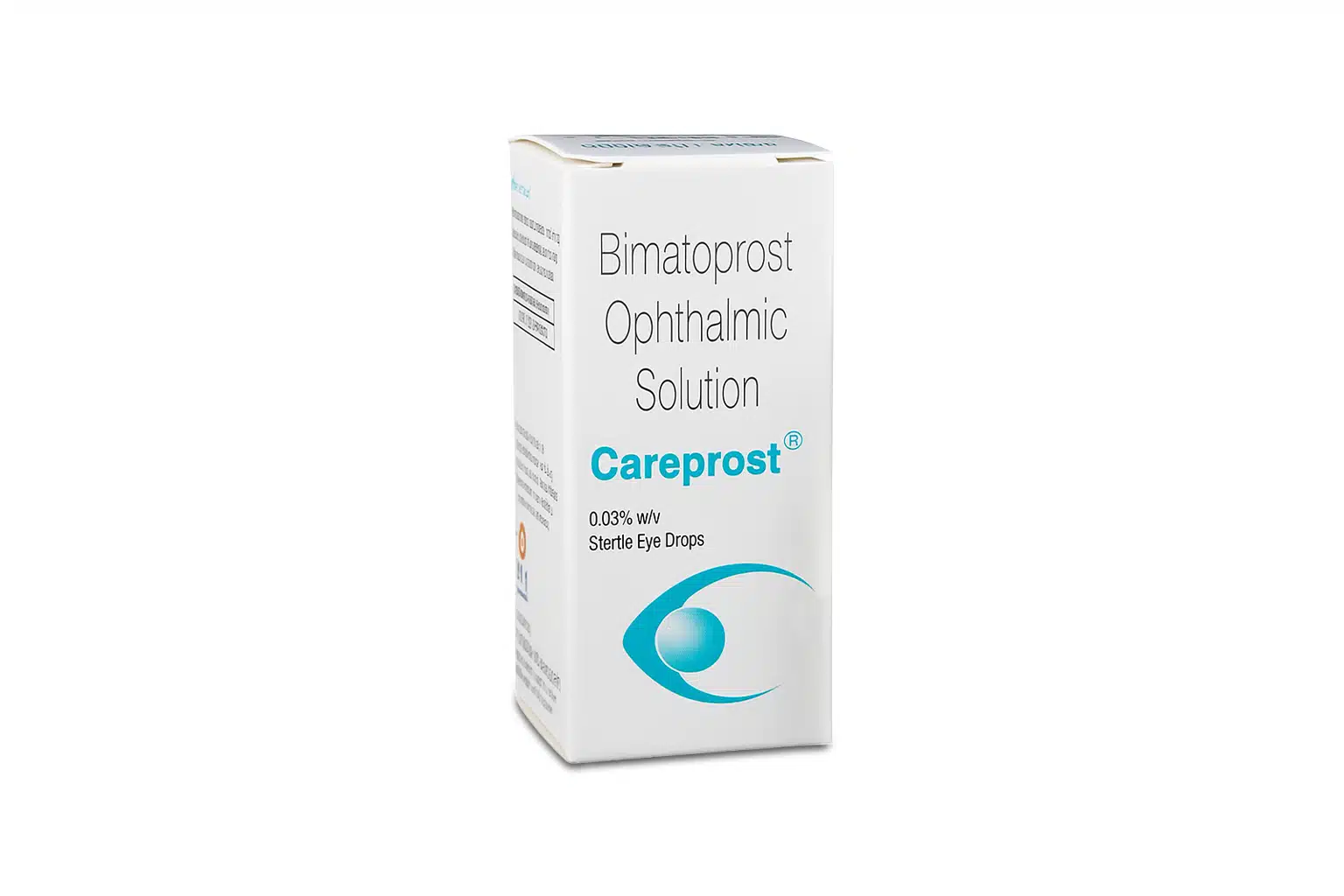
Careprost 3 ml. of 0.03%
Eye Drops$18.41 – $105.77Price range: $18.41 through $105.77Rated 4.00 out of 5Shop Now This product has multiple variants. The options may be chosen on the product page -

Dorzox Eye Drop 2% (5 ml) Eye Drop
Eye Drops$8.90 – $47.75Price range: $8.90 through $47.75Rated 4.00 out of 5Shop Now This product has multiple variants. The options may be chosen on the product page -
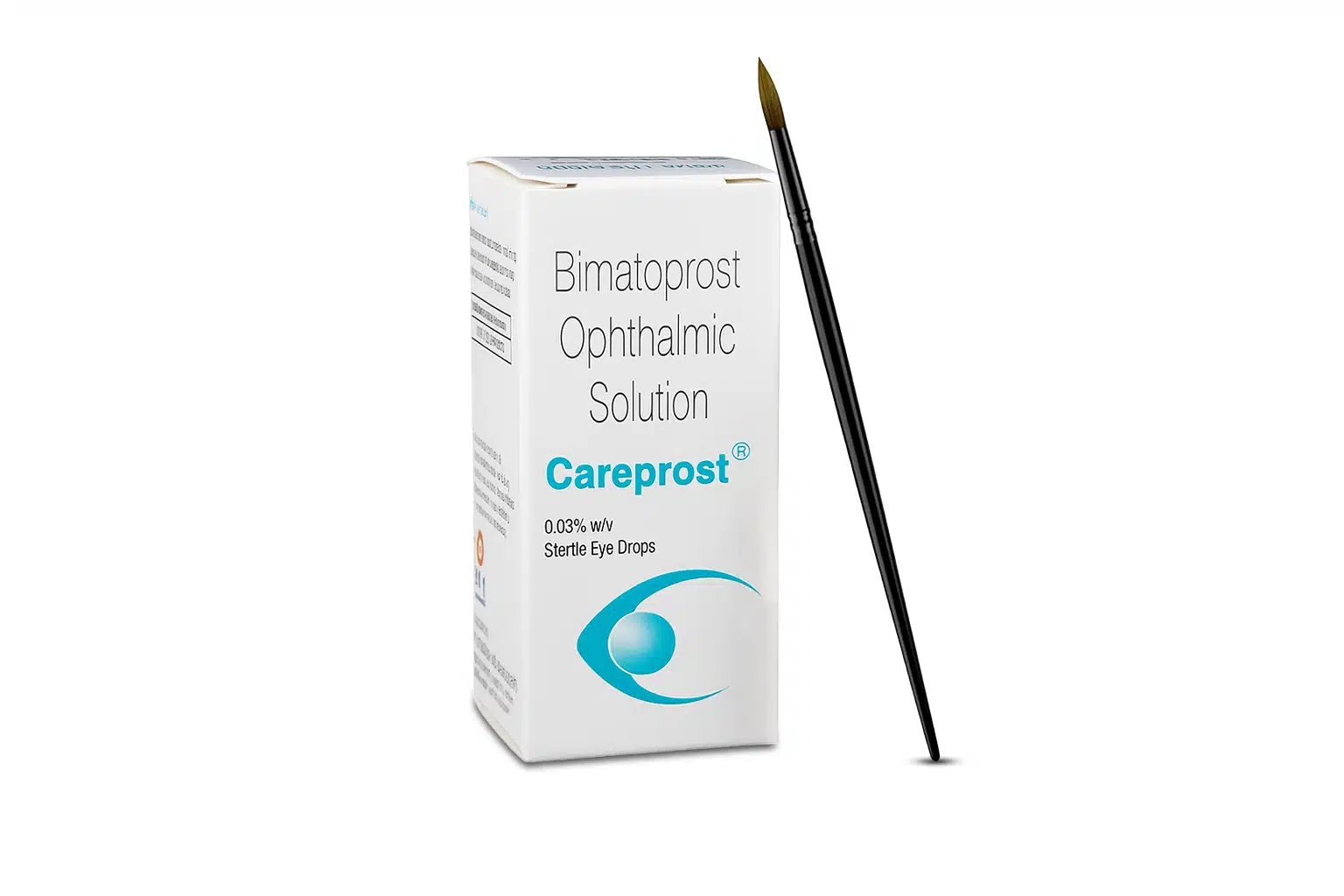
Careprost (With Brush) 3ml 0.03%
Eye Drops$51.50 – $156.20Price range: $51.50 through $156.20Rated 5.00 out of 5Shop Now This product has multiple variants. The options may be chosen on the product page -
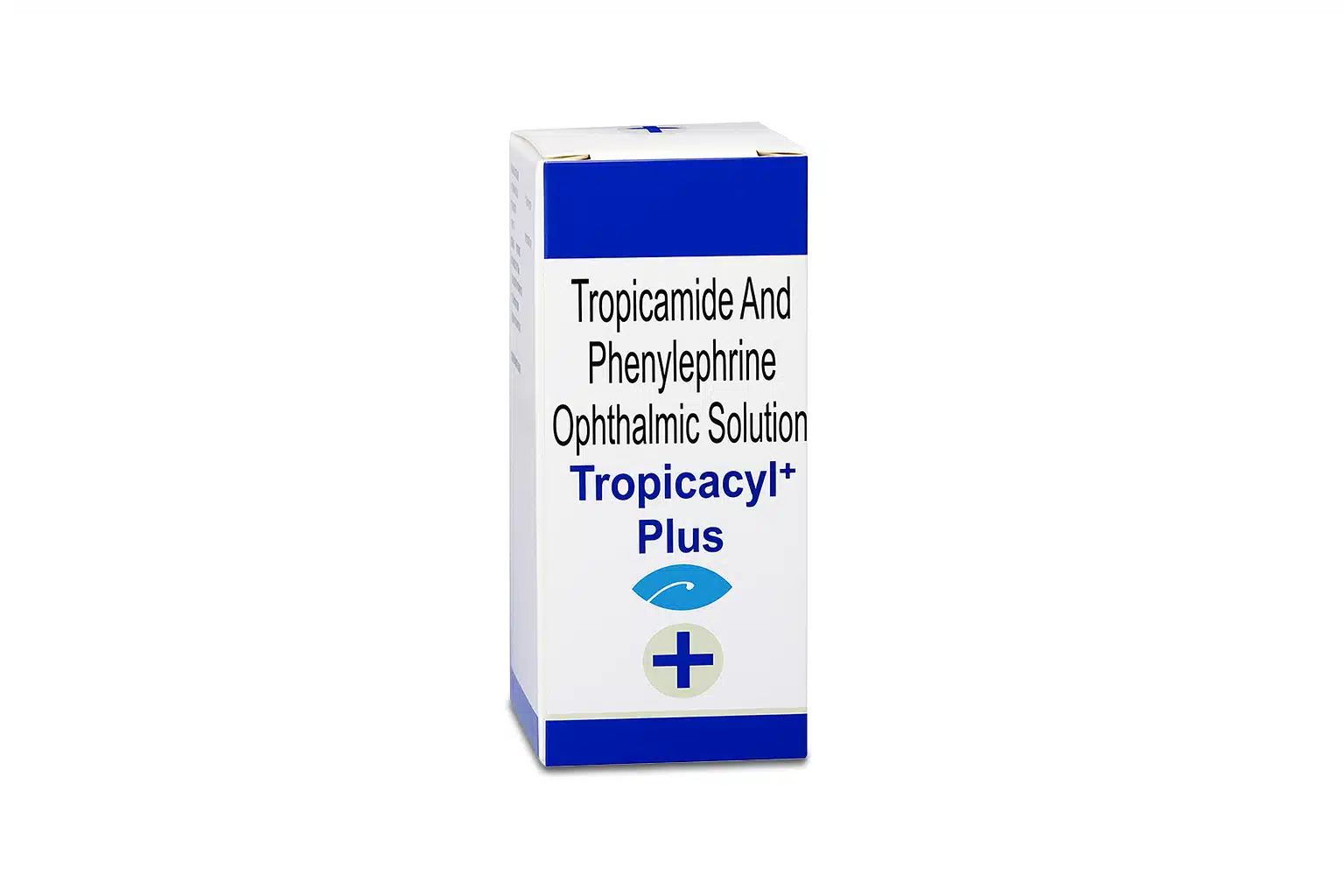
Tropicacyl Plus 3 ml
Eye Drops$2.90 – $15.21Price range: $2.90 through $15.21Rated 4.00 out of 5Shop Now This product has multiple variants. The options may be chosen on the product page -
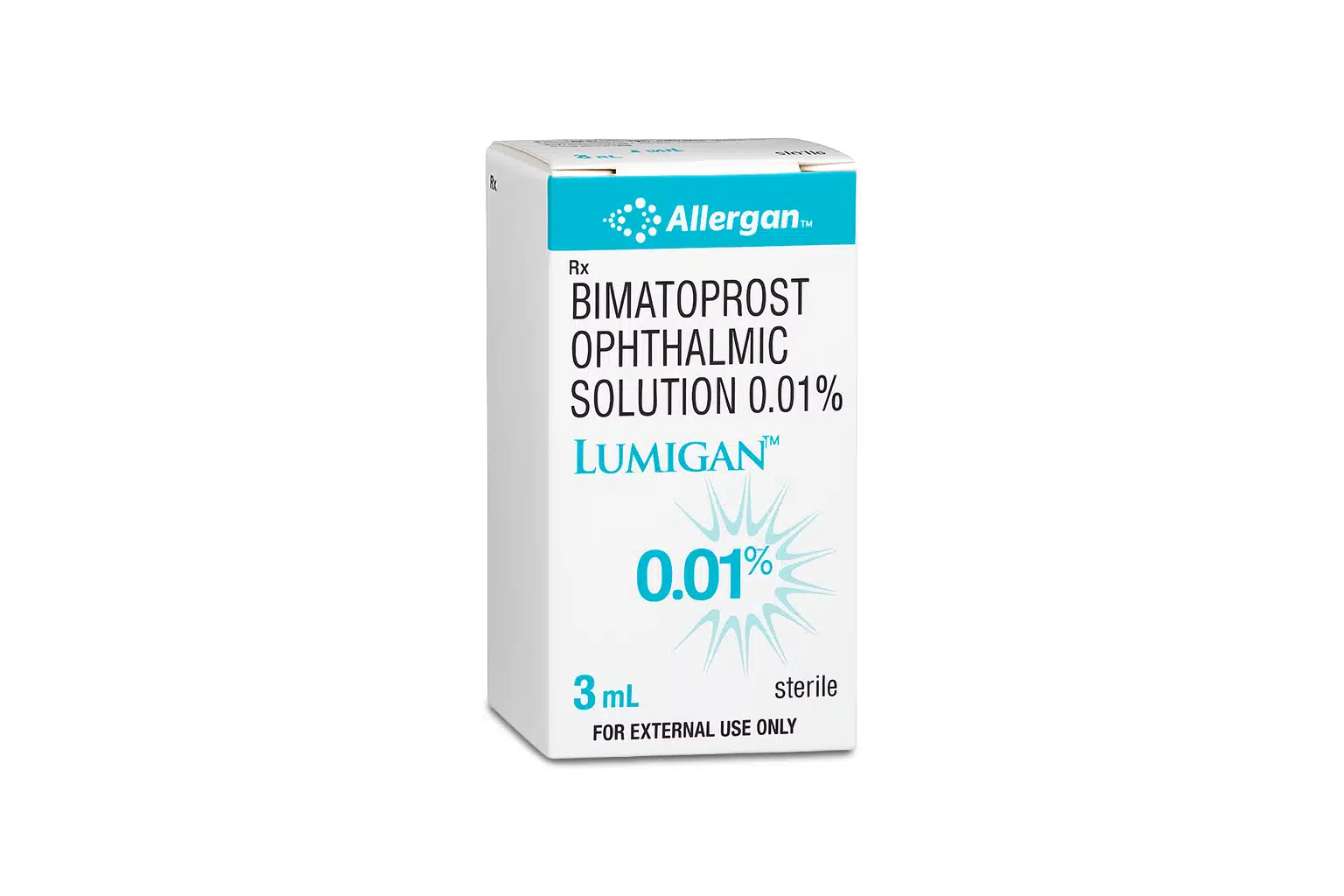
Lumigan 3 ml (0.01%)
Eye Drops$54.15 – $322.56Price range: $54.15 through $322.56Rated 5.00 out of 5Shop Now This product has multiple variants. The options may be chosen on the product page -

Vigamox 5 ml
Eye Drops$24.20 – $72.30Price range: $24.20 through $72.30Rated 4.00 out of 5Shop Now This product has multiple variants. The options may be chosen on the product page -

Latoprost Eye Drop
Eye Drops$48.45 – $288.00Price range: $48.45 through $288.00Rated 4.00 out of 5Shop Now This product has multiple variants. The options may be chosen on the product page -
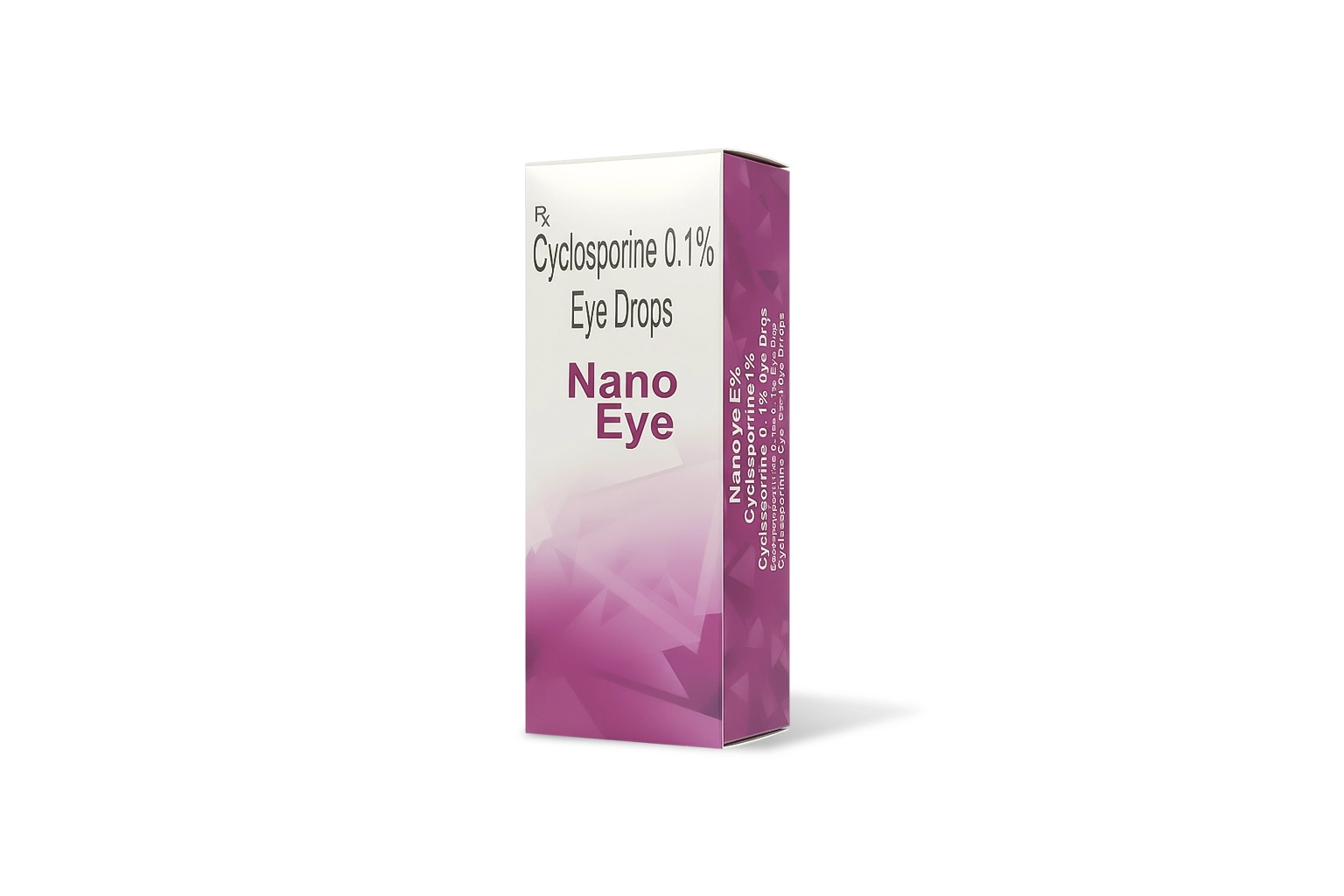
Nano Tears 0.1% 3 ml
Eye Drops$34.20 – $201.60Price range: $34.20 through $201.60Rated 5.00 out of 5Shop Now This product has multiple variants. The options may be chosen on the product page -
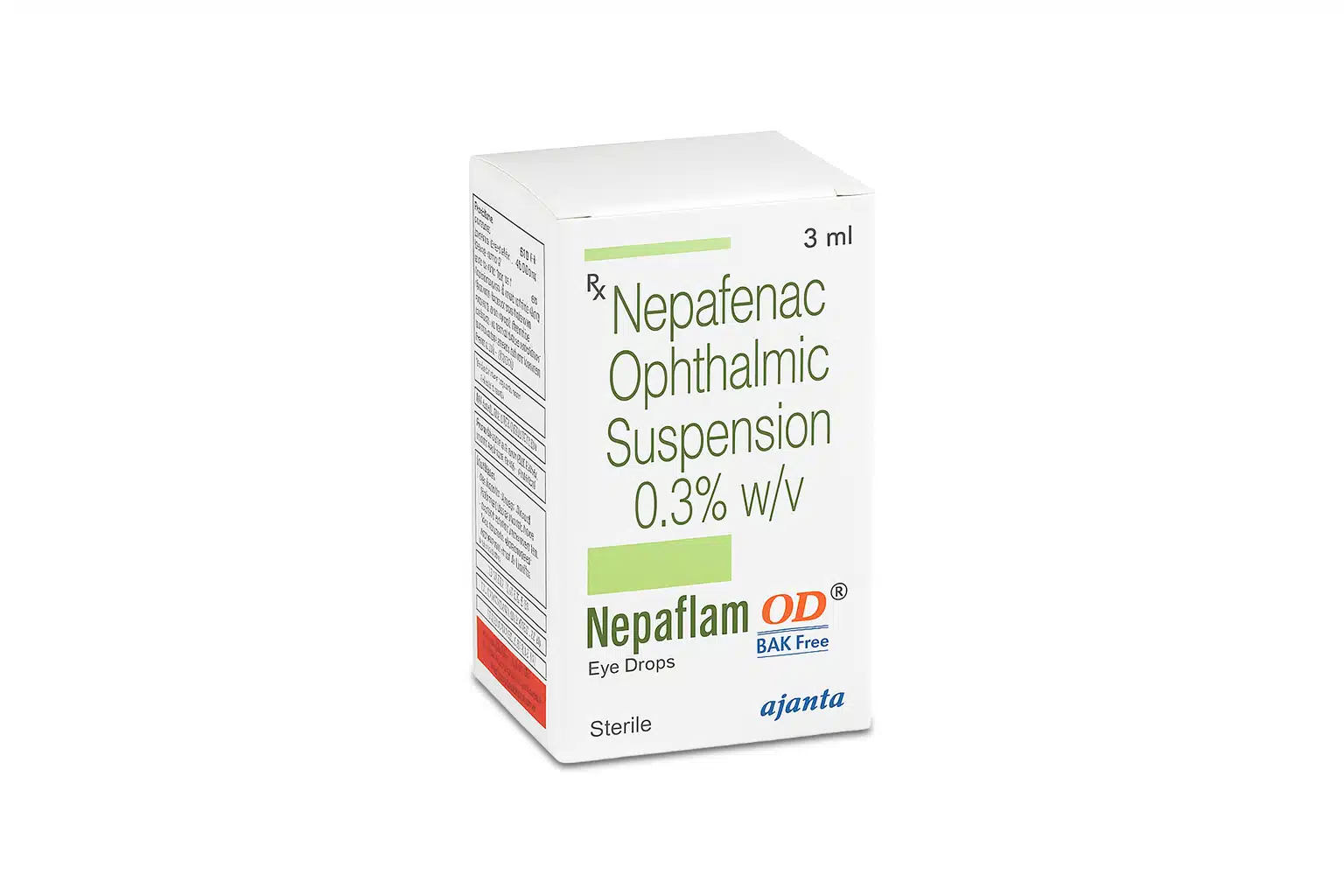
Nepaflam OD 3 ml
Eye Drops$20.40 – $61.10Price range: $20.40 through $61.10Rated 5.00 out of 5Shop Now This product has multiple variants. The options may be chosen on the product page -

Dorzox T 5 ml Eye Drop
Eye Drops$12.05 – $64.66Price range: $12.05 through $64.66Rated 4.00 out of 5Shop Now This product has multiple variants. The options may be chosen on the product page -
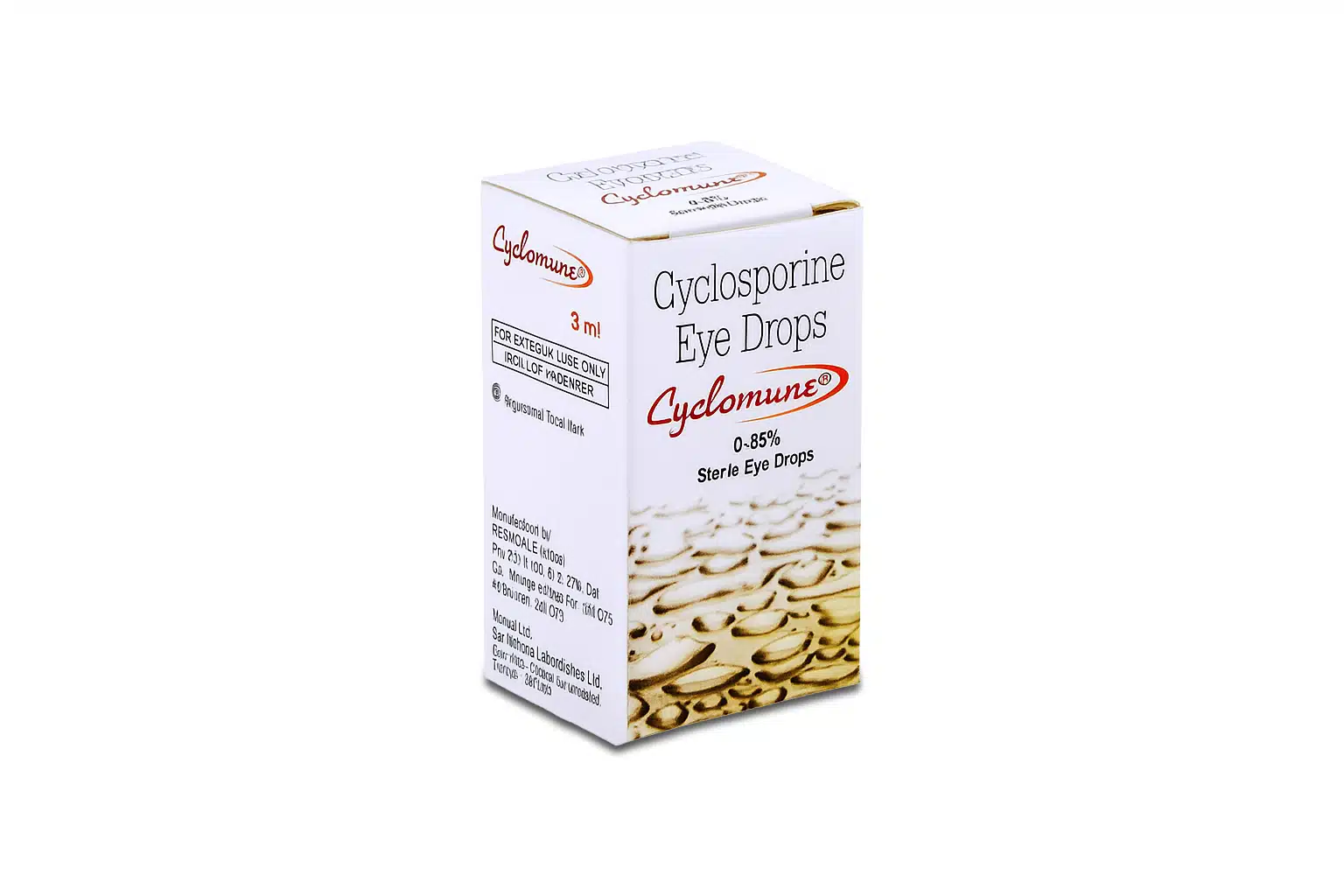
Cyclomune 0.05%
Eye Drops$9.74 – $48.02Price range: $9.74 through $48.02Rated 4.00 out of 5Shop Now This product has multiple variants. The options may be chosen on the product page -

Ganfort Eye Drop
Eye Drops$32.47 – $82.50Price range: $32.47 through $82.50Rated 4.00 out of 5Shop Now This product has multiple variants. The options may be chosen on the product page -
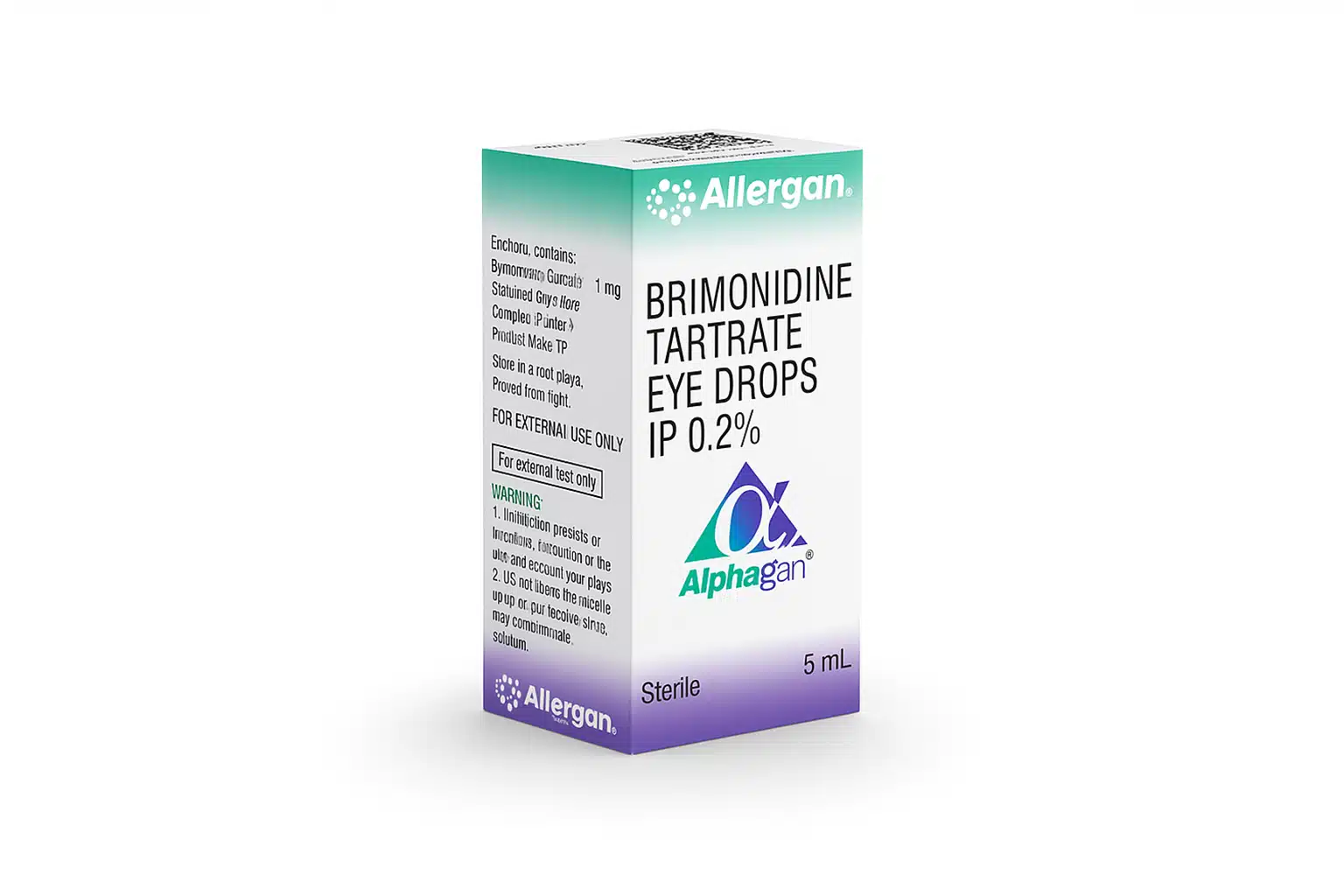
Alphagan 0.20% Eye Drop
Eye Drops$35.41 – $101.91Price range: $35.41 through $101.91Rated 4.00 out of 5Shop Now This product has multiple variants. The options may be chosen on the product page
Who should NOT use Ganfort?
Contraindications typically include people with:
- Asthma or severe chronic obstructive pulmonary disease (COPD) with a history suggesting risk from beta-blockers.
- Sinus bradycardia, >1st degree heart block, overt cardiac failure, or cardiogenic shock.
- Known hypersensitivity to any component of the product (bimatoprost, timolol, or any excipients).
Pregnant or breastfeeding patients should discuss risks/benefits with their physician; topical ophthalmic timolol can be systemically absorbed and may require special consideration. Always follow local prescribing information and the advice of the treating ophthalmologist.
Comparisons and positioning: when do doctors choose Ganfort?
Clinicians may choose Ganfort or another bimatoprost/timolol fixed combination when:
- A patient’s IOP is not adequately controlled on a single medication (e.g., prostaglandin alone or beta-blocker alone).
- Multiple daily drops compromise adherence, and a once-daily combination improves convenience.
- The clinician wants to step up therapy without immediately moving to laser or surgery.
Alternatives include other prostaglandin-beta-blocker combinations (e.g., latanoprost/timolol) or prostaglandin plus other second agents. Choice depends on prior response, side-effect profile, comorbidities, and cost/availability. Recent studies continue to evaluate lower-concentration and preservative-free combinations to balance efficacy and ocular surface tolerability.
Practical tips for patients using Ganfort
- Use the drop at the same time each day to build a routine.
- If you wear contact lenses, remove them before using the drops and wait 15 minutes before reinserting.
- If you use other topical eye treatments, separate doses by at least five minutes.
- To reduce systemic absorption after instilling the drop, gently press the inner corner of the eye (the nasolacrimal duct) for 1–2 minutes. This technique (punctal occlusion) reduces drainage into the nose and systemic uptake.
- Keep a symptom diary: note IOP readings if available, vision changes, and any side effects to discuss at follow-ups.
Bottom line
Ganfort Eye Drops (bimatoprost + timolol) are an established fixed-combination option in the glaucoma armamentarium. By increasing aqueous outflow (bimatoprost) and decreasing aqueous production (timolol), Ganfort provides additive IOP lowering in a convenient once-daily formulation, an important consideration for effective glaucoma eye pressure treatment. It’s effective for many patients who need additional pressure reduction beyond monotherapy, but it must be prescribed and monitored by a clinician because of ocular and potential systemic side effects. If you’re starting Ganfort or any glaucoma medicine, keep follow-up appointments for pressure checks and let your eye care provider know about any side effects.
FAQ's
Q1: What is the main difference between Ganfort and using bimatoprost and timolol as separate drops?
A: Ganfort delivers both drugs in one bottle and one once-daily application, simplifying dosing and improving adherence. It also reduces the likelihood of washout between drugs and may reduce total preservative exposure compared with using two separate preserved preparations. Clinical trials suggest similar or better efficacy with the fixed combination versus monotherapy.
Q2: How quickly does Ganfort lower eye pressure?
A: Some IOP reduction can be seen within hours, but meaningful, steady pressure lowering is assessed over days to weeks. Clinicians typically recheck IOP within weeks of starting therapy to confirm effectiveness and tolerance.
Q3: Will Ganfort change my eye colour?
A: Prostaglandin-class drugs (including bimatoprost) are associated with gradual darkening of the iris in some patients, particularly those with mixed-colour irises. Eyelash growth and increased pigmentation of eyelid skin are also reported. These changes may be permanent in some cases. Discuss cosmetic concerns with your doctor.
Q4: Can I drive after using Ganfort?
A: Some patients experience transient blurred vision or discomfort after instilling eye drops. Avoid driving or operating machinery until vision is clear. If you experience dizziness, breathing difficulty, or fainting, seek immediate help.
Q5: Is Ganfort suitable for people with lung disease or heart disease?
A: Because timolol is a beta-blocker, Ganfort is usually avoided or used with caution in people with severe asthma, certain COPD presentations, bradycardia, or certain cardiac conduction disorders. Your doctor will evaluate risks and may choose an alternative.
References
- European Medicines Agency — Summary of product characteristics: Ganfort (bimatoprost/timolol). European Medicines Agency (EMA)
- Rotsos TG, et al. Fixed-combination bimatoprost/timolol studies and reviews — clinical evidence for efficacy in IOP lowering. PMC article and related reviews. PMC
- NPS MedicineWise / Medsafe patient information (Australia/New Zealand) — common side effects, precautions, and guidance on use. NPS
Glaucoma Research Foundation — overview of glaucoma drug classes and how they lower intraocular pressure. Glaucoma Research Foundation