
Whether you or someone you care for has asthma or COPD, learning the right inhaler, dose and technique can make a huge difference. Symbicort 160 Turbuhaler (budesonide/formoterol) is a commonly prescribed combination inhaler used for both long-term asthma control and maintenance in certain COPD patients. This guide explains what Symbicort 160 Turbuhaler is, how it works, when and how to use it (step-by-step), likely benefits, potential side effects, and practical tips to get the most from your inhaler.
What is Symbicort 160 Turbuhaler?
Symbicort 160 is a combination inhaler that contains:
- Budesonide — an inhaled corticosteroid (ICS) that reduces airway inflammation, and
- Formoterol — a long-acting β₂-agonist (LABA) that relaxes airway muscles and has a rapid onset of action.
The “160” in Symbicort 160/4.5 (or 160/4.8, depending on country labeling) refers to 160 micrograms of budesonide per inhalation combined with approximately 4.5–4.8 micrograms of formoterol per inhalation. Symbicort Turbuhaler comes in strengths and dosing schedules determined by the prescriber based on age, severity, and whether it’s used as maintenance or maintenance-and-reliever therapy.

Who is Symbicort 160 Turbuhaler for?
Symbicort 160 Turbuhaler is commonly used for:
- Long-term control of asthma in adolescents and adults (and in some pediatric age groups, depending on the product and local approvals). It helps prevent symptoms and reduce exacerbations.
- Maintenance treatment in COPD for patients with a history of exacerbations where an ICS/LABA combination is appropriate; Symbicort 160 is a strength used for COPD in adults.
Important clinical guidance (for clinicians and patients), the Global Initiative for Asthma (GINA) now recommends inhaled corticosteroid–formoterol combinations as the preferred maintenance and reliever therapy (in specific tracks/steps) because it reduces severe exacerbations compared with short-acting beta-agonist (SABA) reliever strategies. If your clinician prescribes Symbicort as both maintenance and reliever, follow their action plan exactly.
Benefits you can expect
- Faster bronchodilation than many combination inhalers: formoterol has a relatively rapid onset (minutes), so Symbicort can begin helping breathing within minutes, useful when part of a maintenance-and-reliever plan, but it’s not a substitute for a dedicated rescue inhaler unless your doctor specifically prescribes it that way. This makes Symbicort useful for both long-term asthma control and, in some regimens, prompt symptom relief.
- Reduces exacerbations: trials and guideline reviews have shown ICS-formoterol maintenance-and-reliever approaches lower the risk of severe exacerbations compared with SABA relievers.
- Simplifies therapy in certain patients: using the same inhaler for daily control and as-needed relief (if recommended by your clinician) can simplify management and improve adherence.
Symbicort 160 versus “an asthma inhaler for quick relief.”
People often ask: Is Symbicort an “asthma inhaler for quick relief”? The short answer: formoterol works quickly (within minutes), so Symbicort 160 has a faster onset than many LABA-containing inhalers. However, whether you should use Symbicort as a rescue inhaler depends on the treatment strategy your doctor prescribes:
- Suppose your clinician places you on maintenance-and-reliever therapy (MART) with an ICS-formoterol inhaler like Symbicort, then you use Symbicort both every day for control and as needed for symptoms (so it does function as your reliever in that plan).
- If you are prescribed Symbicort only as maintenance, keep a separate short-acting reliever (usually a SABA such as salbutamol/albuterol) for immediate symptom relief. Do not stop your reliever unless told to by your clinician.
Always follow the individualized action plan your healthcare professional gives you.
How to use Symbicort 160 Turbuhaler?
Proper technique for a dry powder inhaler like the Turbuhaler matters. Here’s a stepwise guide that mirrors the manufacturer’s instructions:
- Check the dose counter — make sure doses remain. Do not use when empty.
- Prepare the inhaler
- Remove the cap.
- Hold the Turbuhaler upright. Twist the grip (usually) away from you until it clicks (this loads a dose). Specific Turbuhaler models differ slightly; follow the leaflet for your product.
- Exhale gently away from the mouthpiece. Do not exhale into the inhaler.
- Seal your lips around the mouthpiece and breathe in forcefully and deeply through the mouth (this is essential for powder de-agglomeration). Dry powder inhalers rely on your inhalation effort.
- Hold your breath for 5–10 seconds if possible, then exhale slowly.
- Replace the cap after use and store in a dry place.
- Rinse your mouth with water and spit after inhaling to reduce the risk of oral thrush (a common steroid-related side effect). Do not swallow the rinse water.
If you’re unsure, ask your pharmacist or clinician to watch you use it; a repeat demonstration is one of the best ways to prevent technique errors.
Typical dosing
Dosing depends on indication and severity; these are typical adult recommendations, but always follow your prescriber:
- Asthma (adults/adolescents ≥12 years) — common maintenance regimens for Symbicort 160: 1–2 inhalations twice daily (often 2 inhalations BID for moderate disease), with the maximum recommended dose commonly cited as 2 inhalations twice daily for the 160/4.5 strength. If used as MART (MART), follow your clinician’s plan for as-needed extra inhalations.
- COPD (adults) — Symbicort 160 is used as maintenance therapy (e.g., 2 inhalations twice daily) in patients with a history of exacerbations; local prescribing information will specify approved age ranges and indications.
Do not exceed the maximum recommended dose. High doses of inhaled corticosteroids increase the risk of systemic side effects over time.
Inhalers
-
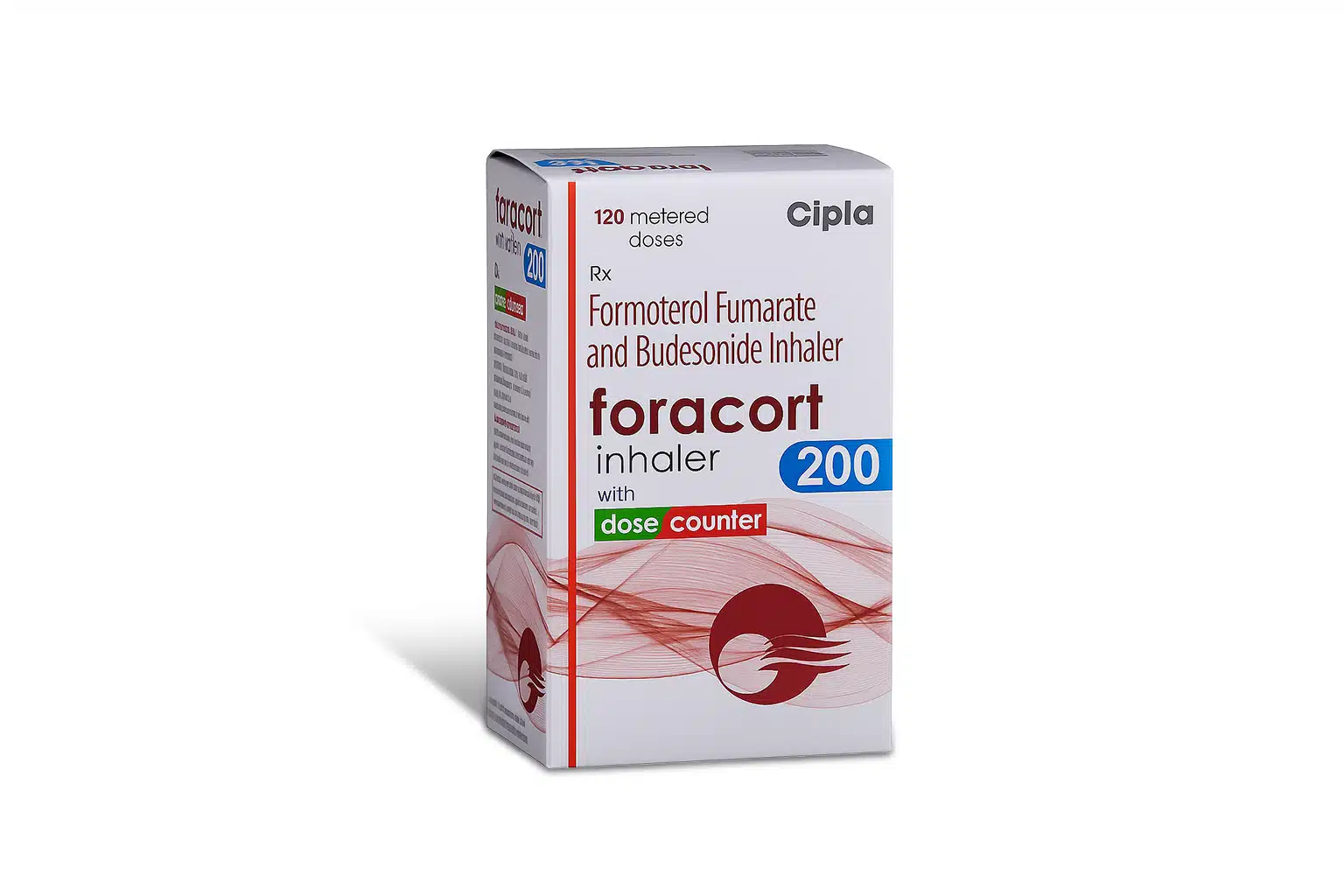
Foracort Inhaler 6/200 Mcg
Inhalers$11.52 – $34.20Price range: $11.52 through $34.20Rated 4.00 out of 5Shop Now This product has multiple variants. The options may be chosen on the product page -
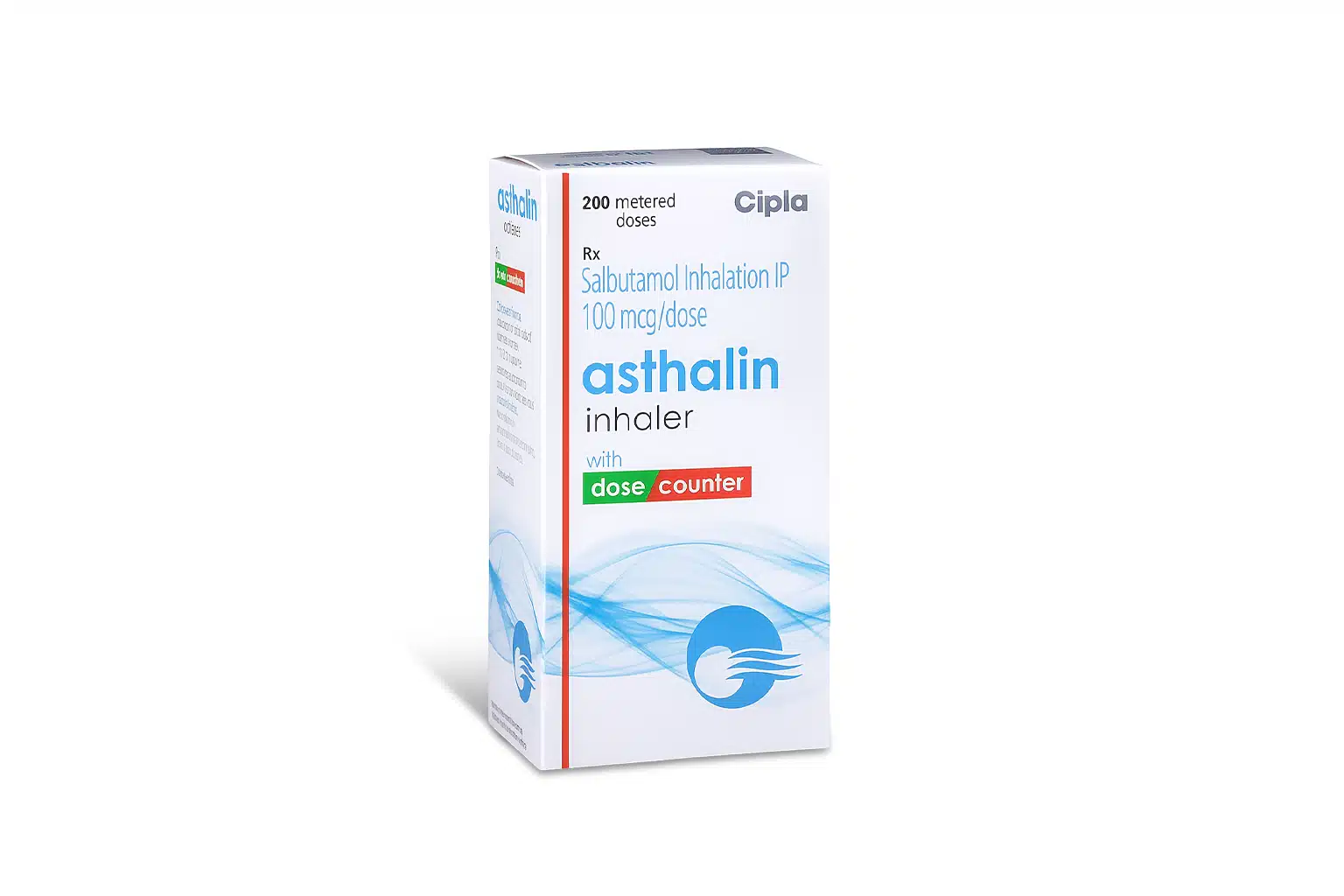
Asthalin HFA Inhaler 100 Mcg (200 mdi)
Inhalers$8.28 – $21.96Price range: $8.28 through $21.96Rated 4.00 out of 5Shop Now This product has multiple variants. The options may be chosen on the product page -
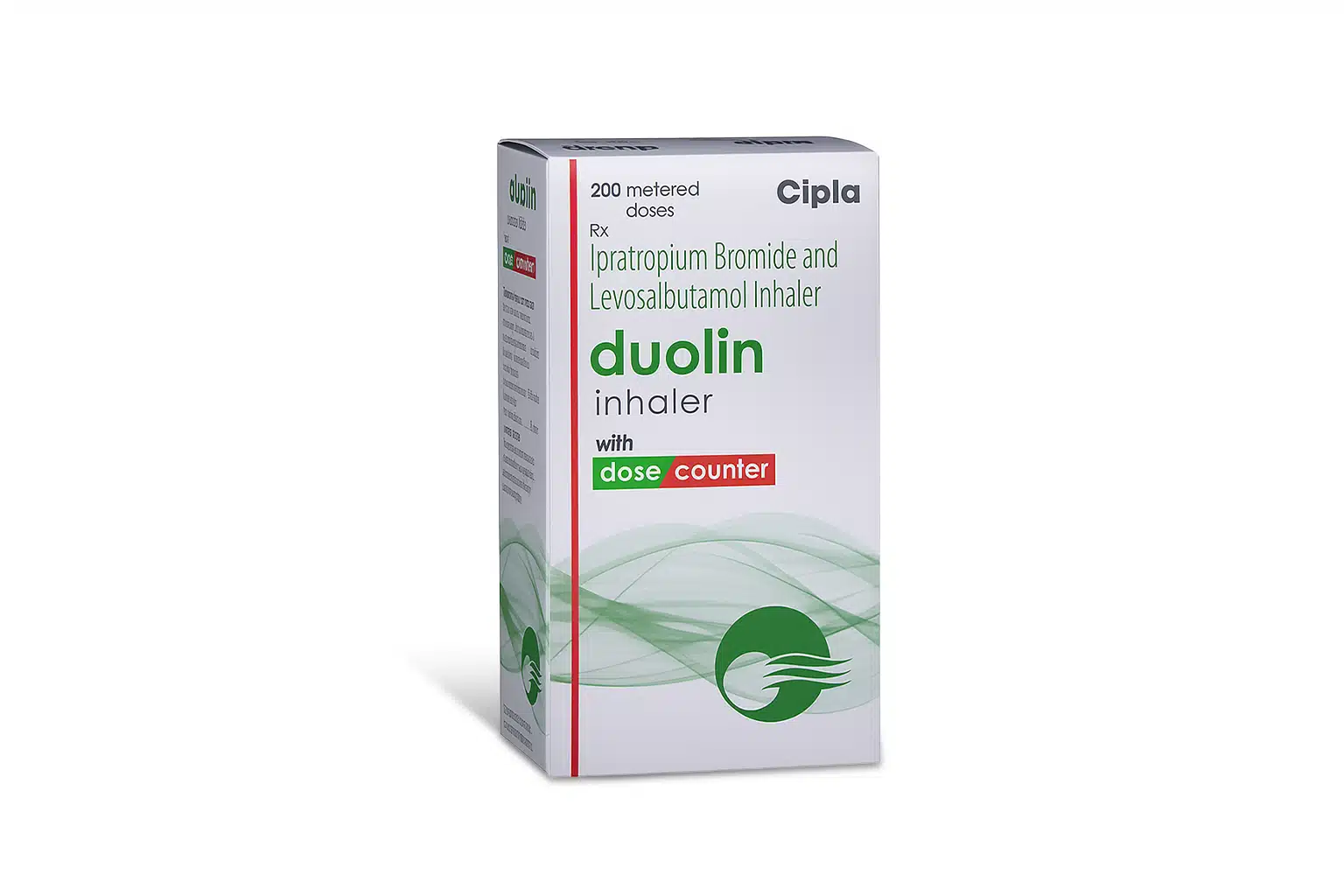
Duolin Inhaler 50 Mcg + 20 Mcg
Inhalers$38.03 – $99.39Price range: $38.03 through $99.39Rated 5.00 out of 5Shop Now This product has multiple variants. The options may be chosen on the product page -
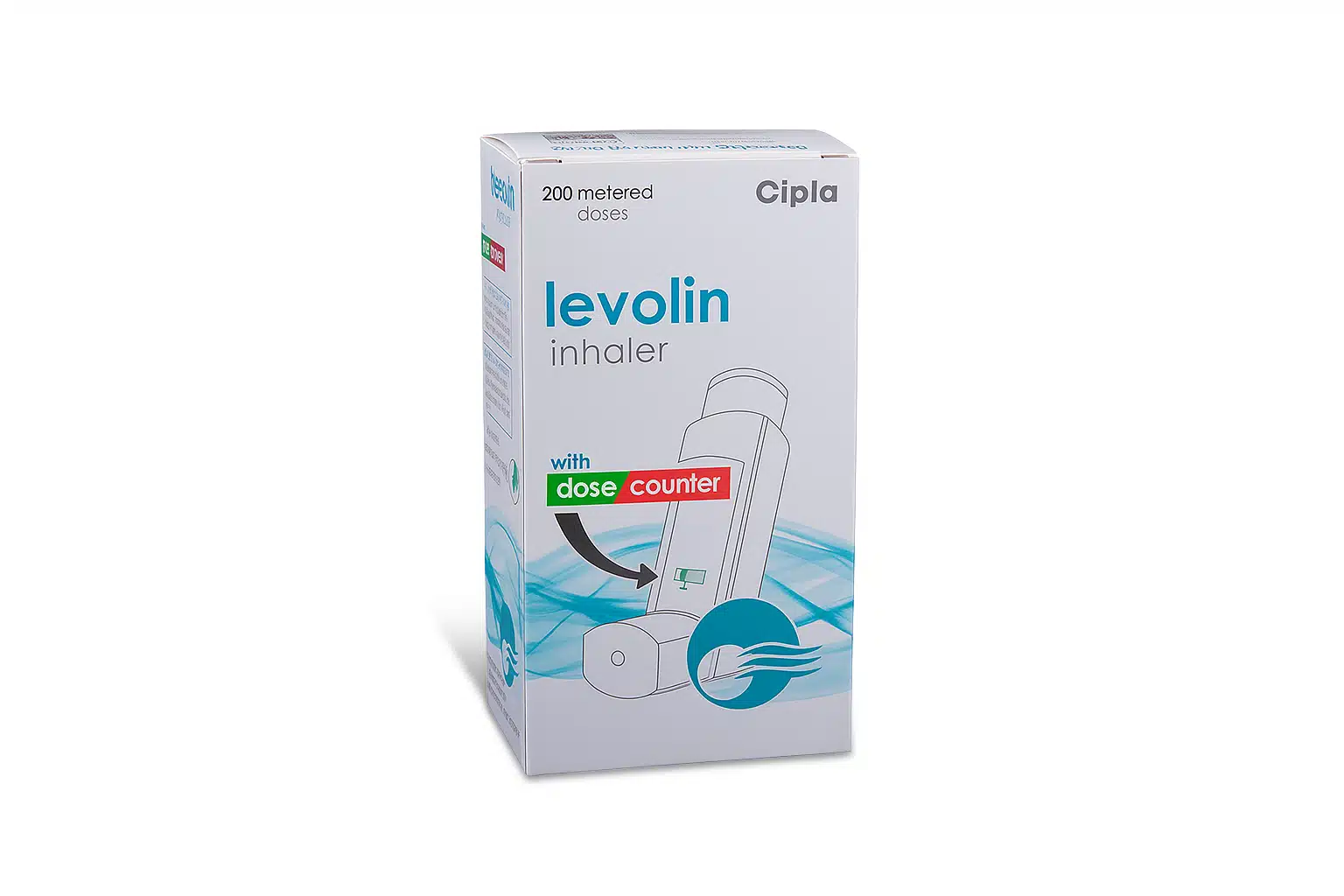
Levolin 50 Mcg (200mdi) Inhaler
Inhalers$6.77 – $34.49Price range: $6.77 through $34.49Rated 5.00 out of 5Shop Now This product has multiple variants. The options may be chosen on the product page -
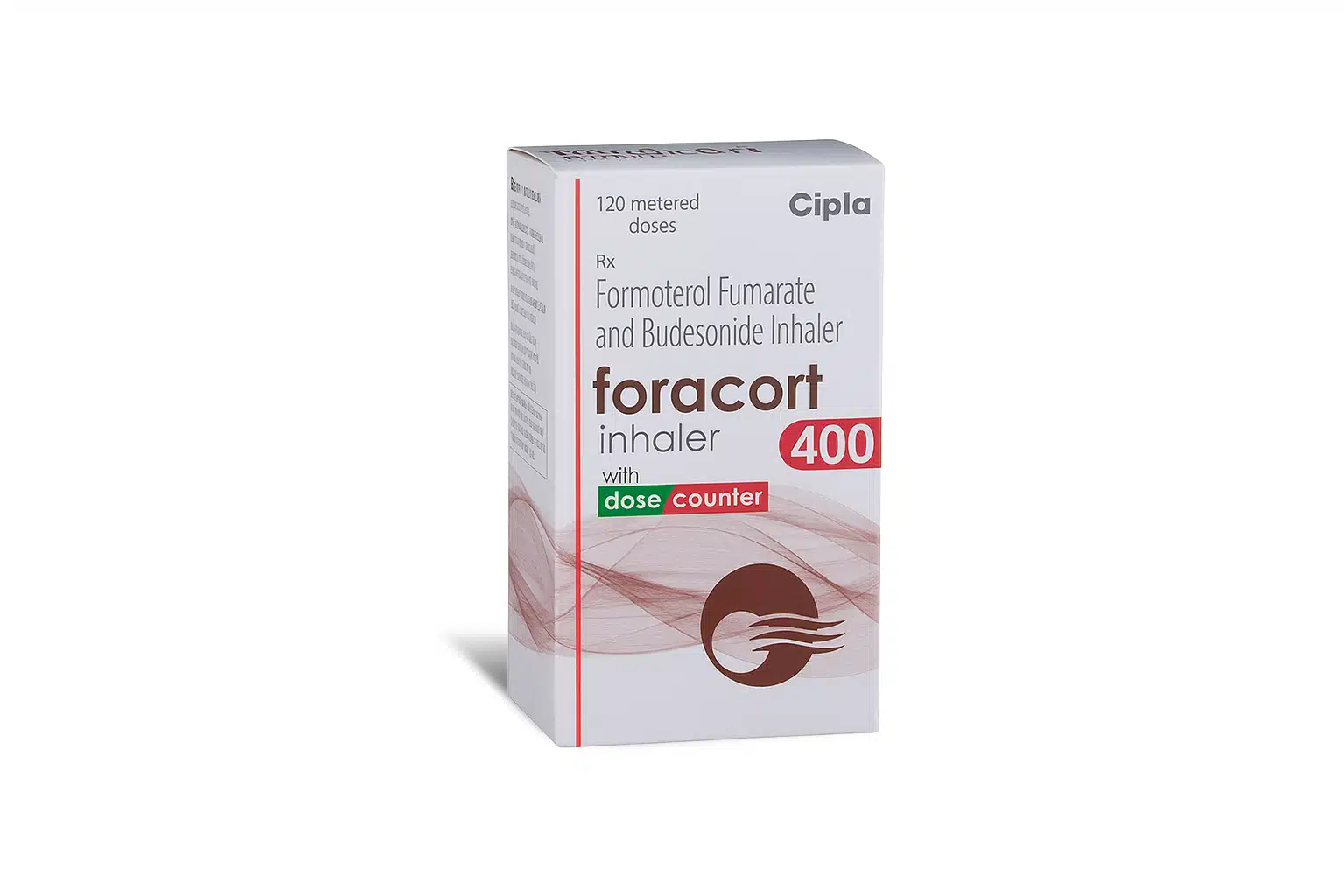
Foracort Inhaler 6/400 Mcg
Inhalers$17.98 – $49.25Price range: $17.98 through $49.25Rated 4.00 out of 5Shop Now This product has multiple variants. The options may be chosen on the product page -
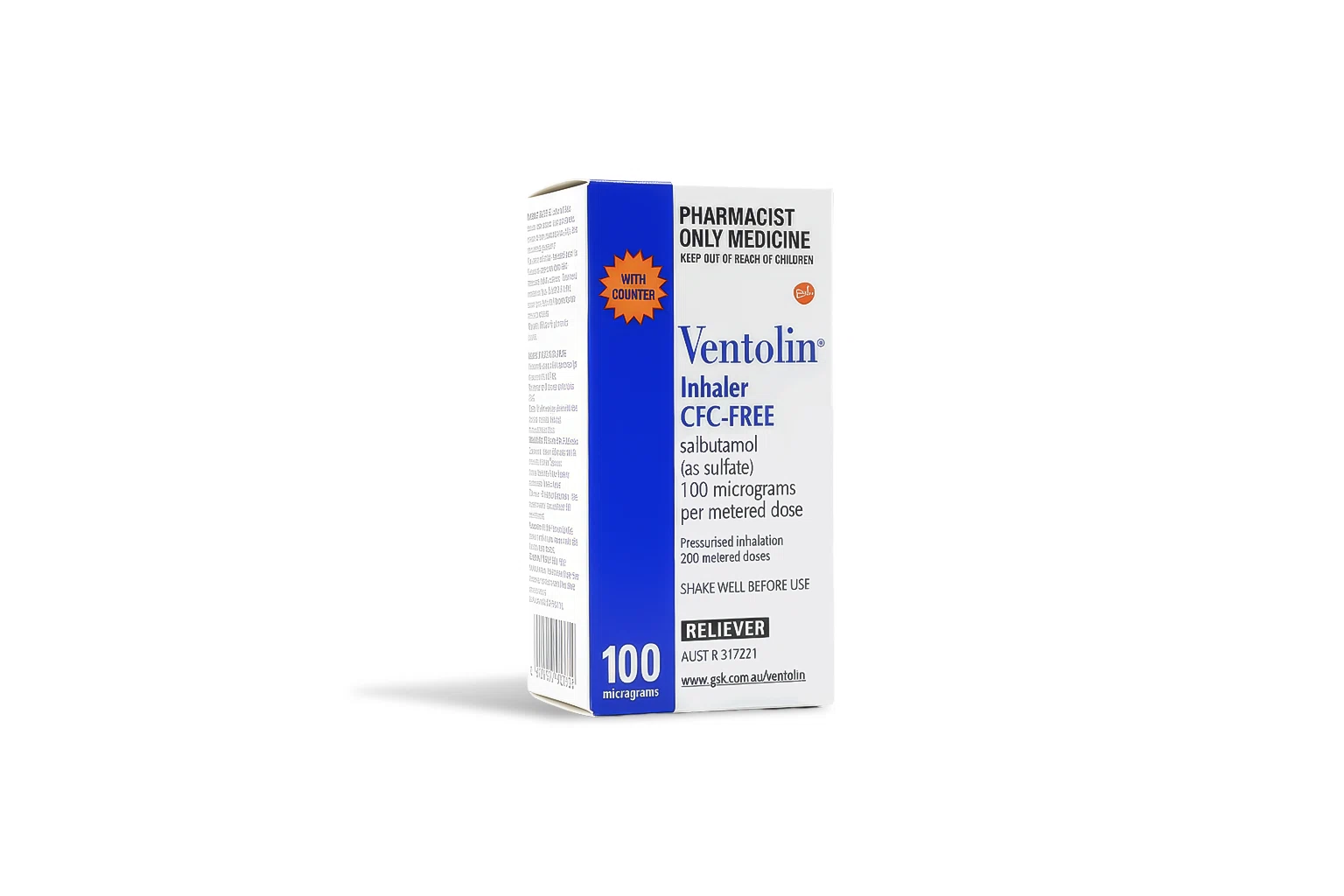
Ventorlin CFC Free Inhaler 100 Mcg/18 Mg
Inhalers$14.25 – $28.80Price range: $14.25 through $28.80Rated 5.00 out of 5Shop Now This product has multiple variants. The options may be chosen on the product page -
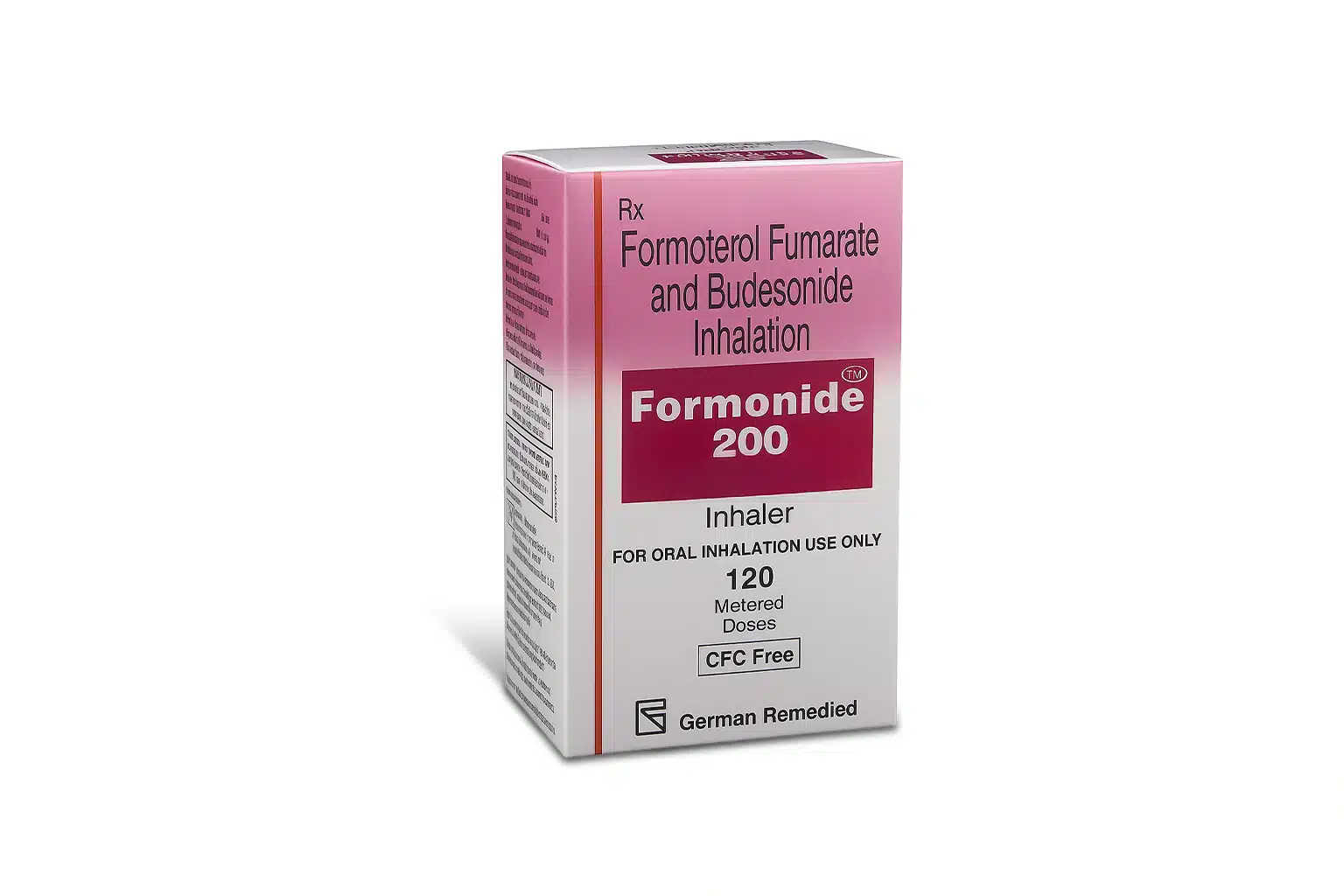
Formonide 200 Inhaler
Inhalers$69.61 – $142.73Price range: $69.61 through $142.73Rated 4.00 out of 5Shop Now This product has multiple variants. The options may be chosen on the product page -
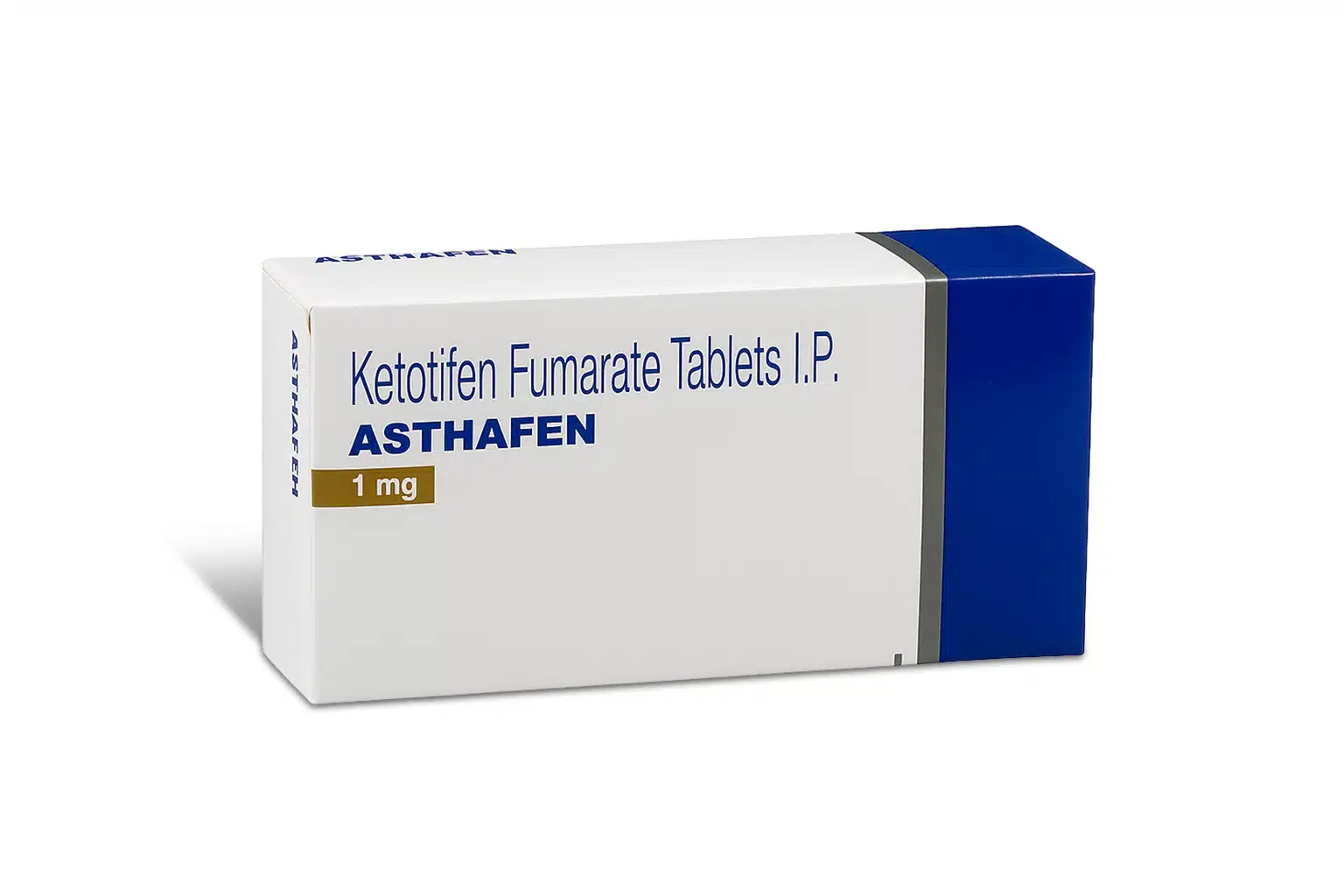
Asthafen 1 Mg
Inhalers$13.44 – $22.21Price range: $13.44 through $22.21Rated 4.00 out of 5Shop Now This product has multiple variants. The options may be chosen on the product page -
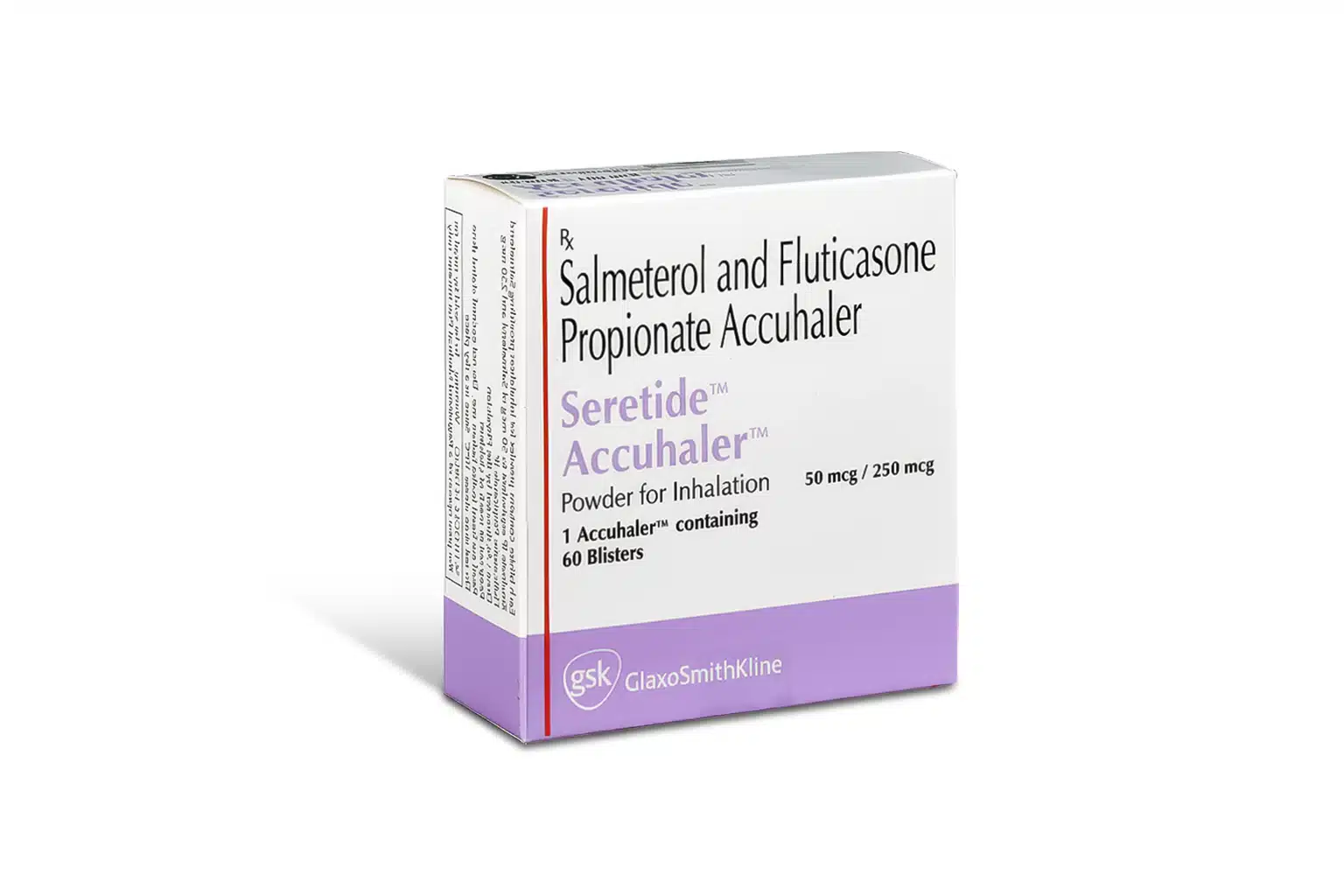
Seretide 50 Mcg/250 Mcg Accuhaler
Inhalers$41.47 – $117.99Price range: $41.47 through $117.99Rated 4.00 out of 5Shop Now This product has multiple variants. The options may be chosen on the product page -
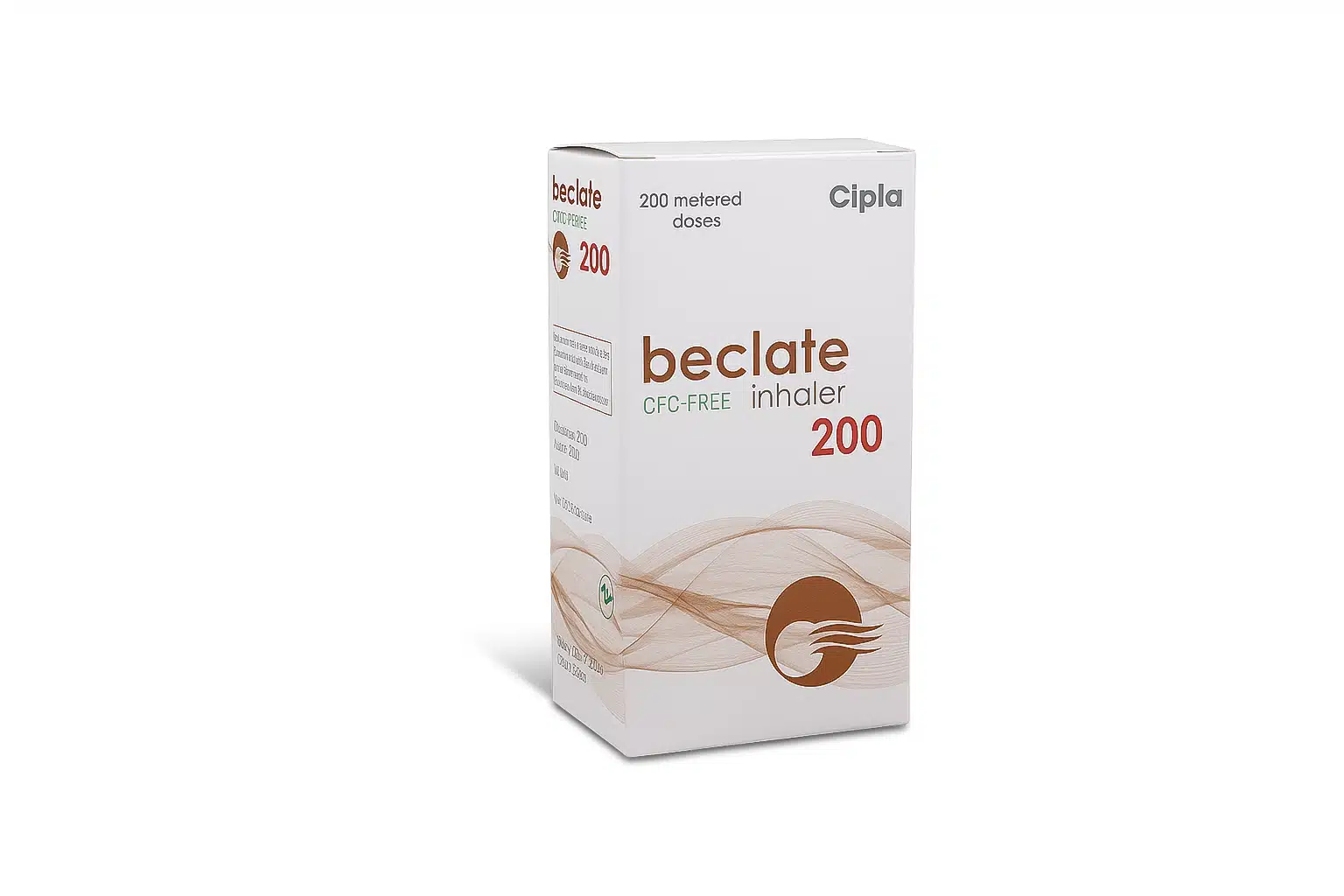
Beclate Inhaler 200 Mcg
Inhalers$13.60 – $36.80Price range: $13.60 through $36.80Rated 4.00 out of 5Shop Now This product has multiple variants. The options may be chosen on the product page -
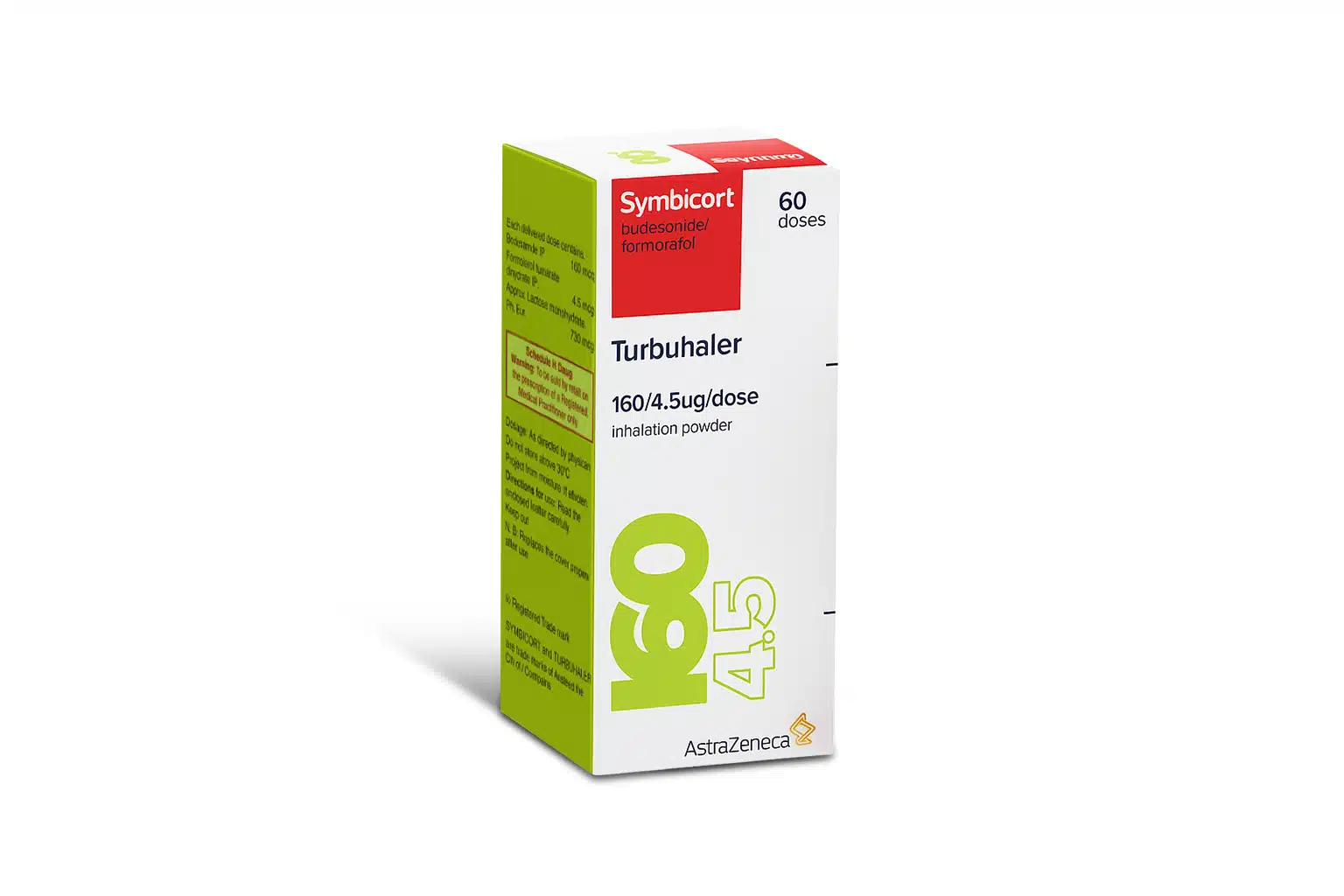
Symbicort 160 Turbuhaler
Inhalers$85.94 – $205.05Price range: $85.94 through $205.05Rated 4.00 out of 5Shop Now This product has multiple variants. The options may be chosen on the product page -
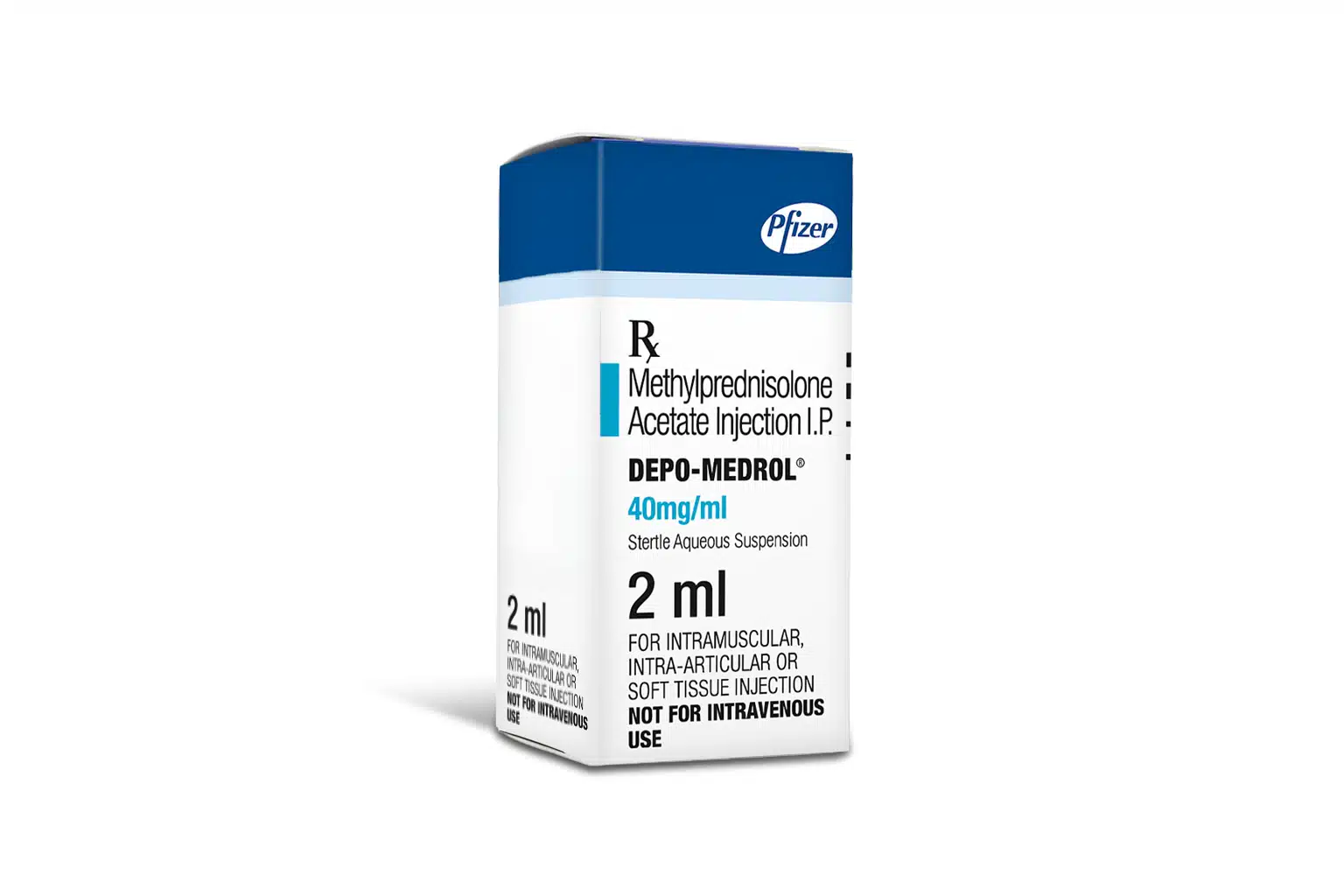
Depo-Medrol 40 Mg/ML Injection 2 ml
Inhalers$17.28 – $44.10Price range: $17.28 through $44.10Rated 5.00 out of 5Shop Now This product has multiple variants. The options may be chosen on the product page -
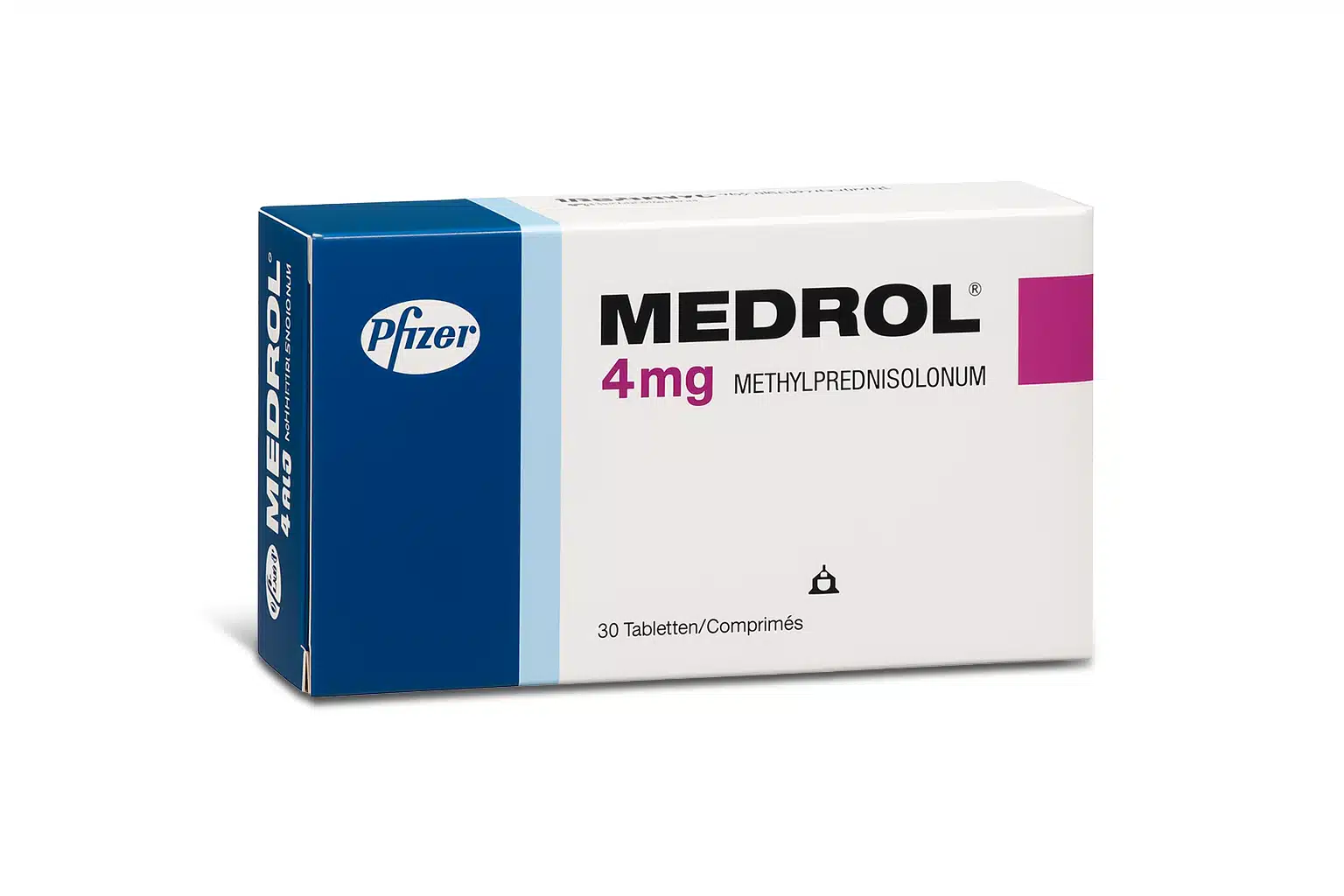
Medrol 4 Mg Tablet
Inhalers$13.44 – $26.13Price range: $13.44 through $26.13Rated 4.00 out of 5Shop Now This product has multiple variants. The options may be chosen on the product page -
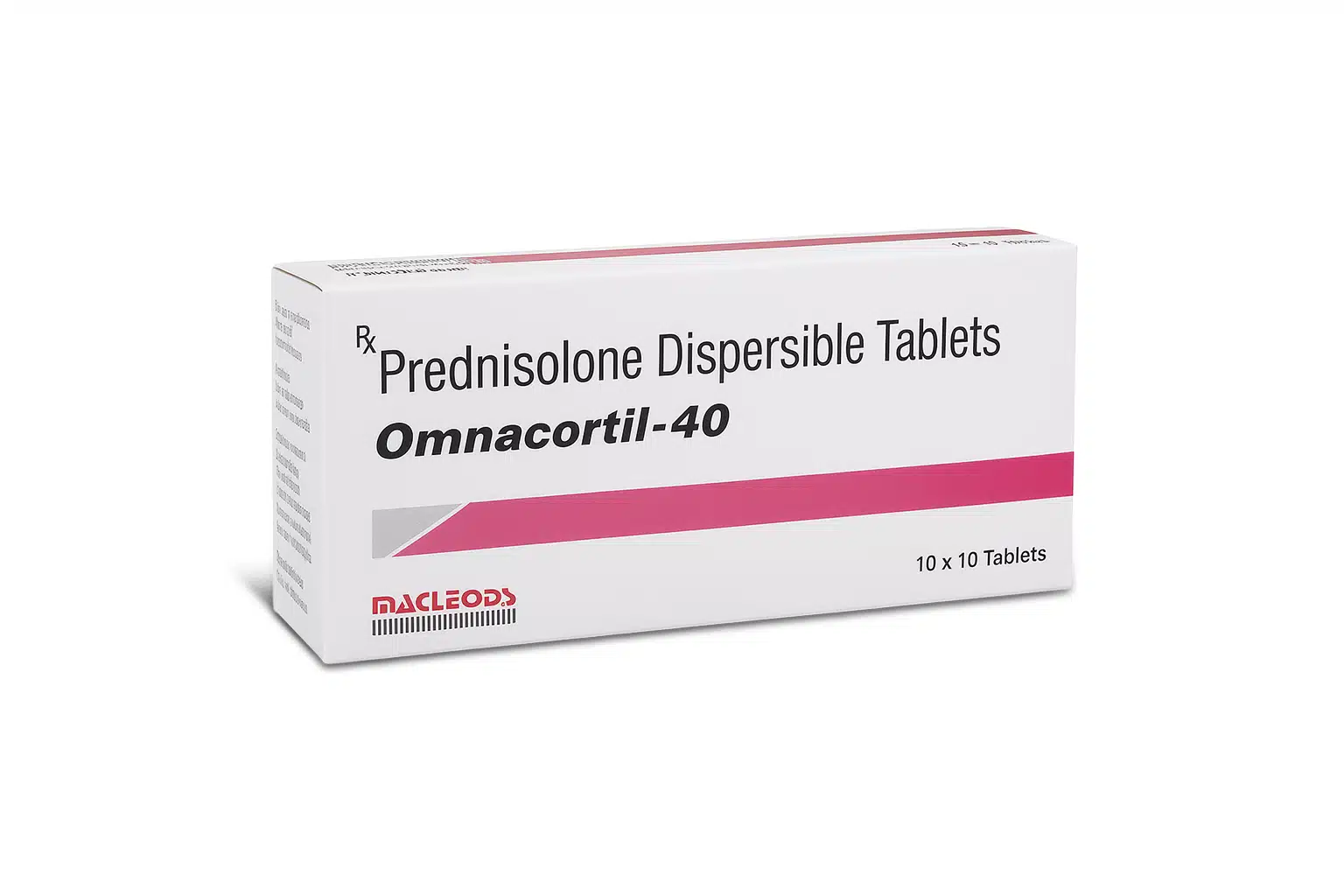
Omnacortil 40 Mg Tablet
Inhalers$57.60 – $164.64Price range: $57.60 through $164.64Rated 4.00 out of 5Shop Now This product has multiple variants. The options may be chosen on the product page
Side effects and safety
Common side effects:
- Throat irritation, headache, upper respiratory infection symptoms, cough, and oral candidiasis (thrush). Rinsing the mouth after inhalation lowers the risk of thrush.
Less common but important:
- Systemic steroid effects (rare with recommended doses but possible with high doses or prolonged use): adrenal suppression, reduced bone density — especially relevant for long-term high-dose ICS users. Monitor with your doctor for risk factors.
- Paradoxical bronchospasm (rare): breathing may suddenly worsen after inhaler use; stop treatment and seek urgent care if this happens.
- Cardiovascular effects from LABA (formoterol): palpitations, tachycardia — usually mild, but discuss with your clinician if you have heart disease.
If you experience severe side effects (e.g., signs of adrenal crisis, severe allergic reaction, or sudden breathing difficulty that doesn’t respond), seek emergency care.
Tips to get the most benefit
- Use daily as prescribed — inhaled steroids take days to weeks to show maximal benefit; don’t stop because you feel better unless directed. The formoterol component can bring faster relief, but the budesonide gives long-term control.
- Carry a reliever if told to — if your clinician has not prescribed MART, keep a SABA reliever for emergencies. Know your personal action plan: what to take when symptoms increase, and when to seek help.
- Monitor inhaler technique regularly — poor technique is one of the most common reasons people don’t get control. Ask a nurse, pharmacist, or respiratory therapist to observe you.
- Keep track of doses — the Turbuhaler has a dose counter; replace the inhaler when it shows empty.
- Avoid or manage risk factors for thrush — rinse and spit after use, and report persistent sore mouth or white patches.
Special situations
- Children: dosing, strengths, and approvals differ by age. Symbicort products have pediatric dosing guidance; always follow the pediatric-specific prescribing information.
- Pregnancy/breastfeeding: Discuss the risks and benefits with your healthcare provider. In many cases, uncontrolled asthma poses higher risks during pregnancy than treatment, but decisions are individual.
- Switching inhalers: if your doctor switches inhaler types or brands, request a demonstration — device technique differs between metered-dose inhalers (MDIs), Turbuhaler, Diskus, etc.
Final thoughts
Symbicort 160 Turbuhaler is a valuable, evidence-backed option for many people with asthma and for certain patients with COPD. Its combination of an inhaled steroid (budesonide) and a fast-acting long-acting bronchodilator (formoterol) provides both long-term asthma control and the possibility of rapid symptom relief when used in a maintenance-and-reliever strategy. But the right plan—dose, how to use it, whether it replaces a separate rescue inhaler—depends on your clinical picture. Always follow your clinician’s action plan and ask for inhaler technique checks — they consistently improve outcomes.
FAQ's
1. Can I use Symbicort 160 as my rescue inhaler?
Only if your clinician has prescribed Symbicort as part of a maintenance-and-reliever (MART) approach. Otherwise, continue to carry a SABA rescue inhaler. MART should be explicitly recommended and explained by your clinician.
2. How fast does Symbicort 160 work?
Formoterol begins to relax the airways within minutes, so you may notice improvement quickly. Full anti-inflammatory benefits from budesonide can take days to weeks.
3. What if I miss a dose?
Take the missed dose as soon as you remember, unless it’s almost time for the next one; do not double up. Follow your clinician’s guidance or the patient leaflet.
4. Is Symbicort 160 the right COPD inhaler medication for me?
That depends on your COPD severity, exacerbation history, and comorbidities. Symbicort 160 is used for maintenance in certain COPD patients — your pulmonologist will decide based on guidelines and your individual risks.
5. How do I avoid oral thrush?
Rinse and spit after each inhalation, and maintain good oral hygiene. If you notice persistent white patches in the mouth or soreness, see your clinician.
References
- Symbicort (budesonide/formoterol) FDA prescribing information (label) — dosing, onset, maximum recommended dosage. FDA Access Data
- Symbicort Turbuhaler patient information leaflet (AstraZeneca) — how to use the Turbuhaler and practical patient instructions. AstraZeneca Canada
- GINA Strategy Report & Summary Guide (2024) — guidance on ICS-formoterol maintenance-and-reliever therapy and contemporary asthma management recommendations. Global Initiative for Asthma – GINA
- NHS — side effects and longer-term safety considerations for budesonide inhalers (eg, adrenal suppression, osteoporosis risk with high doses). nhs.uk