
Sex is supposed to feel good. For many people, the secret booster that turns “okay” into “wow” is simple: the right lubricant. Whether you’re solving dryness, making condoms safer and sex smoother, or experimenting with toys, a well-chosen lube improves comfort and pleasure. This guide walks you through how to choose lube safely and confidently, explains the main types (including Water-based lube), flags ingredients to avoid, and answers common questions about sexual wellness products.

Why lubricant matters
Lubricant reduces friction, which lowers pain, irritation, and condom breakage, and that matters for both pleasure and safety. For people with vaginal dryness (from breastfeeding, medications, hormonal changes, or menopause), or for anyone doing anal sex (which doesn’t self-lubricate), a good lube makes sex possible and pleasurable rather than painful. Lubes also protect condoms and can make sex toys easier and safer to use.
The main types of lubes
1. Water-based lube
Overview: Water-based lubes are the most popular and widely available. They’re easy to wash off, compatible with all condoms and most sex toys, and generally safe for sensitive skin.
Best for: Vaginal sex, condoms, most sex toys, and people who want easy cleanup.
Tradeoffs: They can dry out faster than silicone lubes and may need reapplication. Some contain glycerin or sugars that can irritate yeast-prone folks.
2. Silicone-based lube
Overview: Silicone lubes are very slick and last much longer than water-based formulas. They don’t evaporate and are ideal for water play (shower, bath) because they won’t wash away quickly.
Best for: Long sessions, anal sex, water sex, people who want minimal reapplication.
Tradeoffs: Not recommended for silicone sex toys (can degrade the surface); harder to wash out of fabrics; generally safe with condoms.
3. Oil-based lube (natural feeling, but condom-incompatible)
Overview: Oils (coconut oil, mineral oil, commercial oil blends) feel rich and moisturizing. Some people prefer natural oils for intimacy.
Best for: Solo play, external genital massage, people not using latex condoms.
Tradeoffs: Oil breaks down latex condoms and can increase the risk of breakage. Avoid oil with latex condoms. Oils can trap bacteria if used internally and are harder to wash off. Use cautiously and be aware of condom compatibility.
4. Hybrid lubes and specialty formulas
Overview: Hybrids mix water and silicone to offer easier cleanup than pure silicone with more longevity than pure water. There are also aloe-based, glycerin-free, warming/cooling, vegan and medical-grade lubricants formulated for sensitive tissues.
Best for: People who want a middle ground or have sensitivities. Always check ingredients.
Best Seller
-

Cenforce 100 Mg
Best Seller$24.00 – $215.00Price range: $24.00 through $215.00Rated 5.00 out of 5Shop Now This product has multiple variants. The options may be chosen on the product page -
Vidalista 5 Mg
Best Seller$18.00 – $182.00Price range: $18.00 through $182.00Rated 4.00 out of 5Shop Now This product has multiple variants. The options may be chosen on the product page -
Vidalista 40 Mg
Best Seller$28.00 – $276.00Price range: $28.00 through $276.00Rated 4.00 out of 5Shop Now This product has multiple variants. The options may be chosen on the product page -

Cenforce 200 Mg
best sellers$31.00 – $335.00Price range: $31.00 through $335.00Rated 4.00 out of 5Shop Now This product has multiple variants. The options may be chosen on the product page -

Cenforce Fm
Best Seller$33.00 – $218.00Price range: $33.00 through $218.00Rated 4.00 out of 5Shop Now This product has multiple variants. The options may be chosen on the product page -
Kamagra 100 mg
best sellers$24.00 – $125.00Price range: $24.00 through $125.00Rated 5.00 out of 5Shop Now This product has multiple variants. The options may be chosen on the product page -

Fildena 100 mg
best sellers$24.00 – $244.00Price range: $24.00 through $244.00Rated 4.00 out of 5Shop Now This product has multiple variants. The options may be chosen on the product page -

Malegra Oral Jelly 100 Mg
Best Seller$8.00 – $44.00Price range: $8.00 through $44.00Rated 5.00 out of 5Shop Now This product has multiple variants. The options may be chosen on the product page -

Super Kamagra Oral Jelly
Best Seller$25.00 – $120.00Price range: $25.00 through $120.00Rated 4.00 out of 5Shop Now This product has multiple variants. The options may be chosen on the product page -
Tadarise Oral Jelly
Best Seller$19.00 – $72.00Price range: $19.00 through $72.00Rated 4.00 out of 5Shop Now This product has multiple variants. The options may be chosen on the product page -
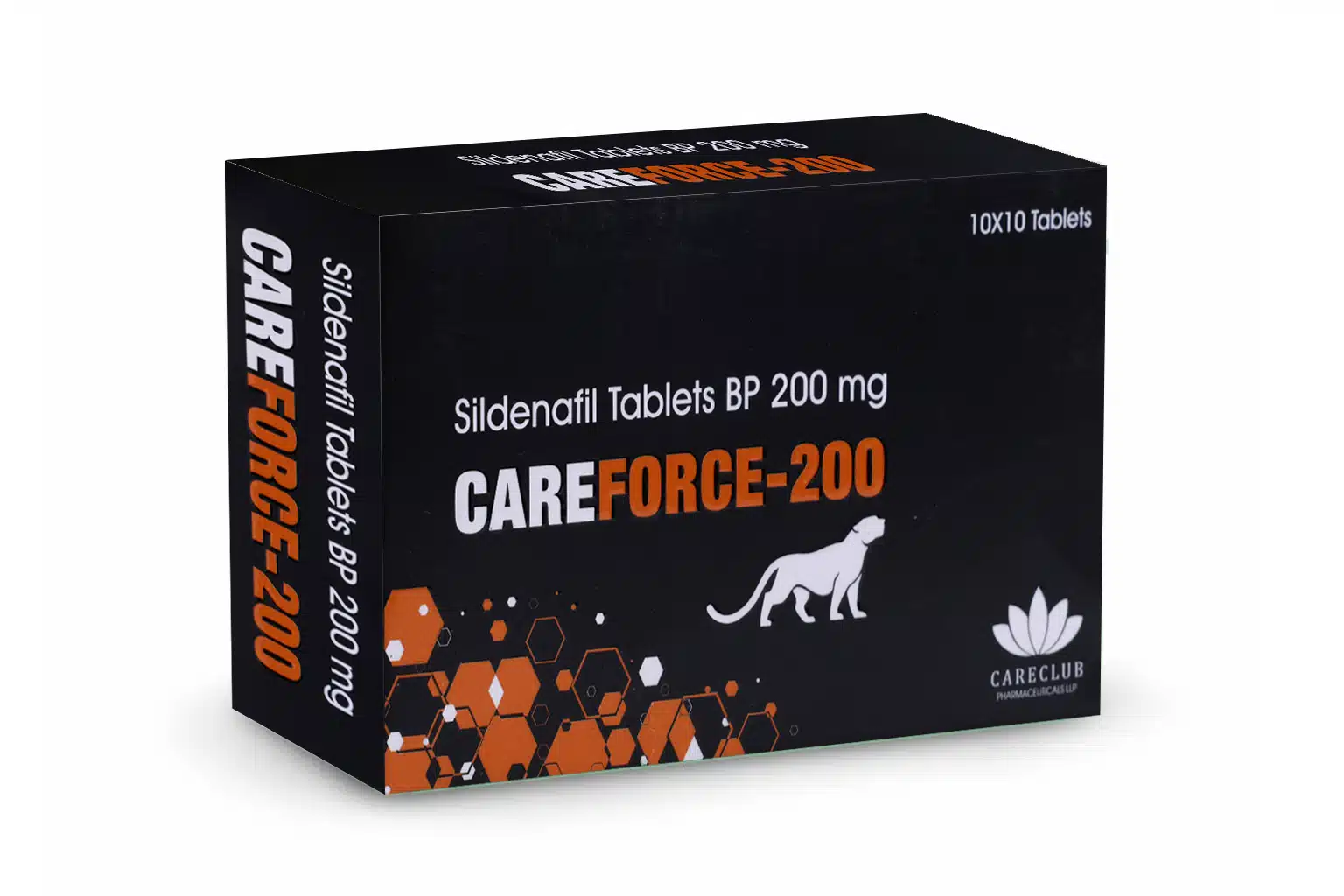
Careforce 200 Mg
Best Seller$29.00 – $332.00Price range: $29.00 through $332.00Rated 5.00 out of 5Shop Now This product has multiple variants. The options may be chosen on the product page -
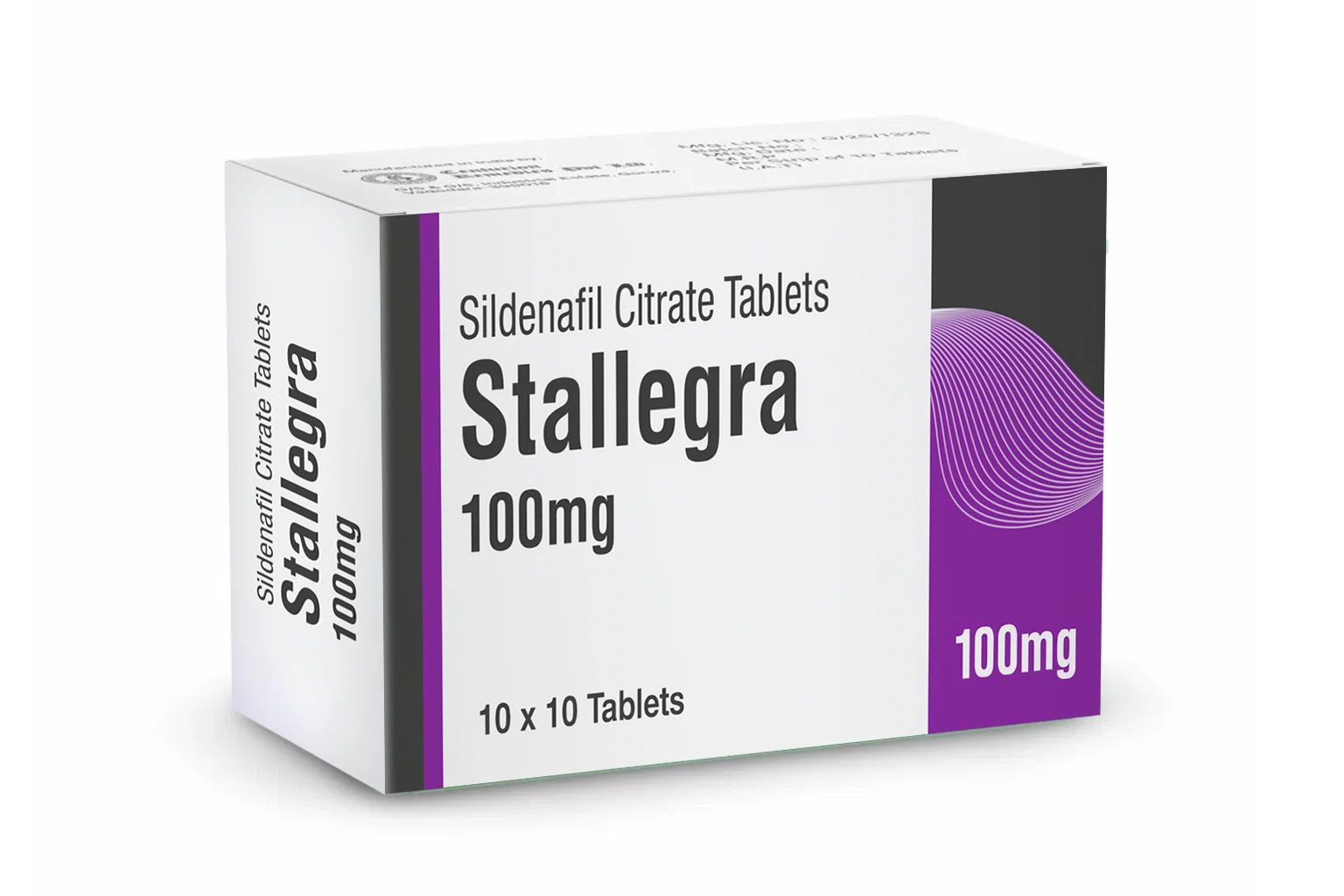
Stallegra 100 Mg
best sellers$88.00 – $224.00Price range: $88.00 through $224.00Rated 5.00 out of 5Shop Now This product has multiple variants. The options may be chosen on the product page -
 Exclusive
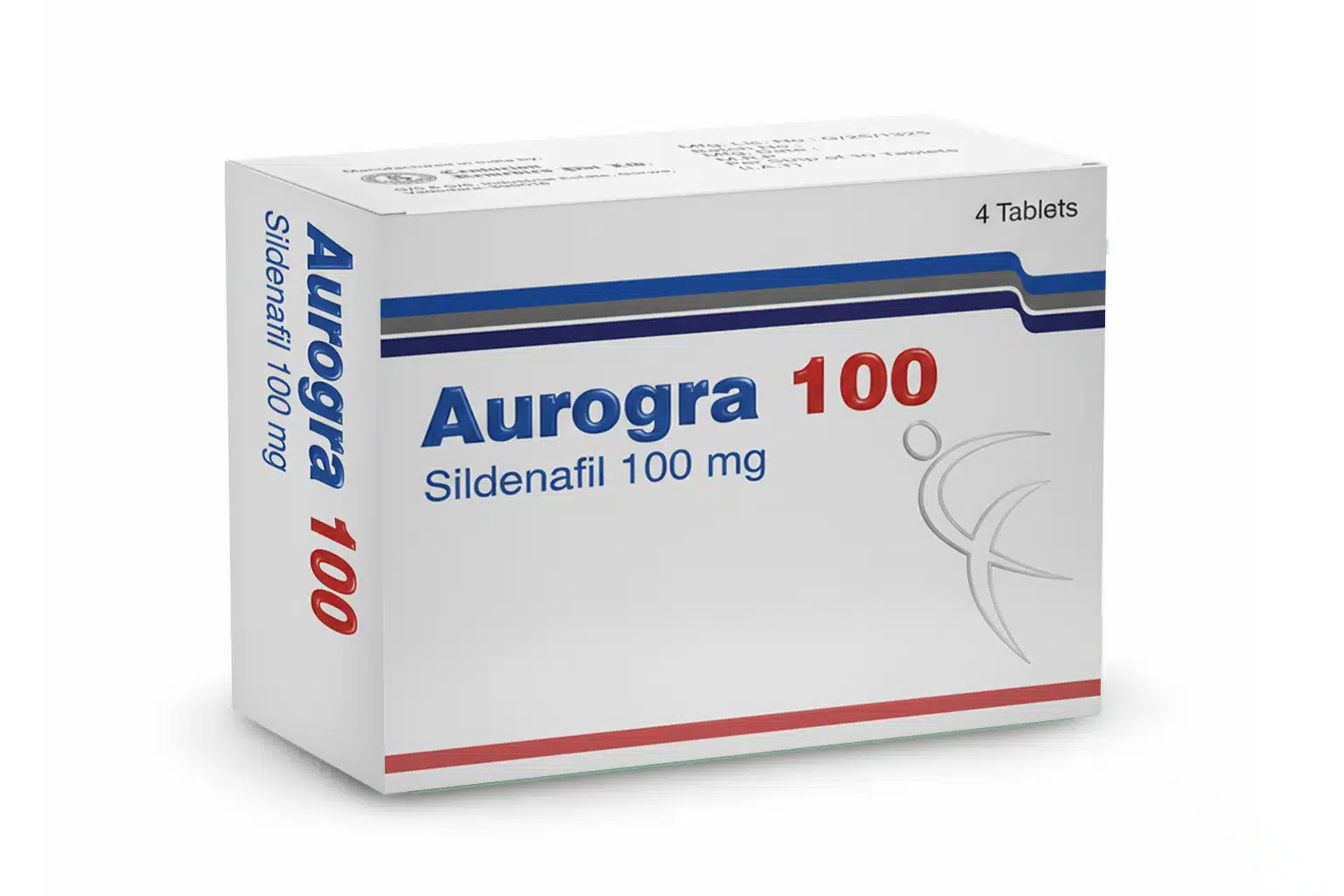
Aurogra 100 Mg
best sellers$29.00 – $76.00Price range: $29.00 through $76.00Rated 4.00 out of 5Shop Now This product has multiple variants. The options may be chosen on the product page -
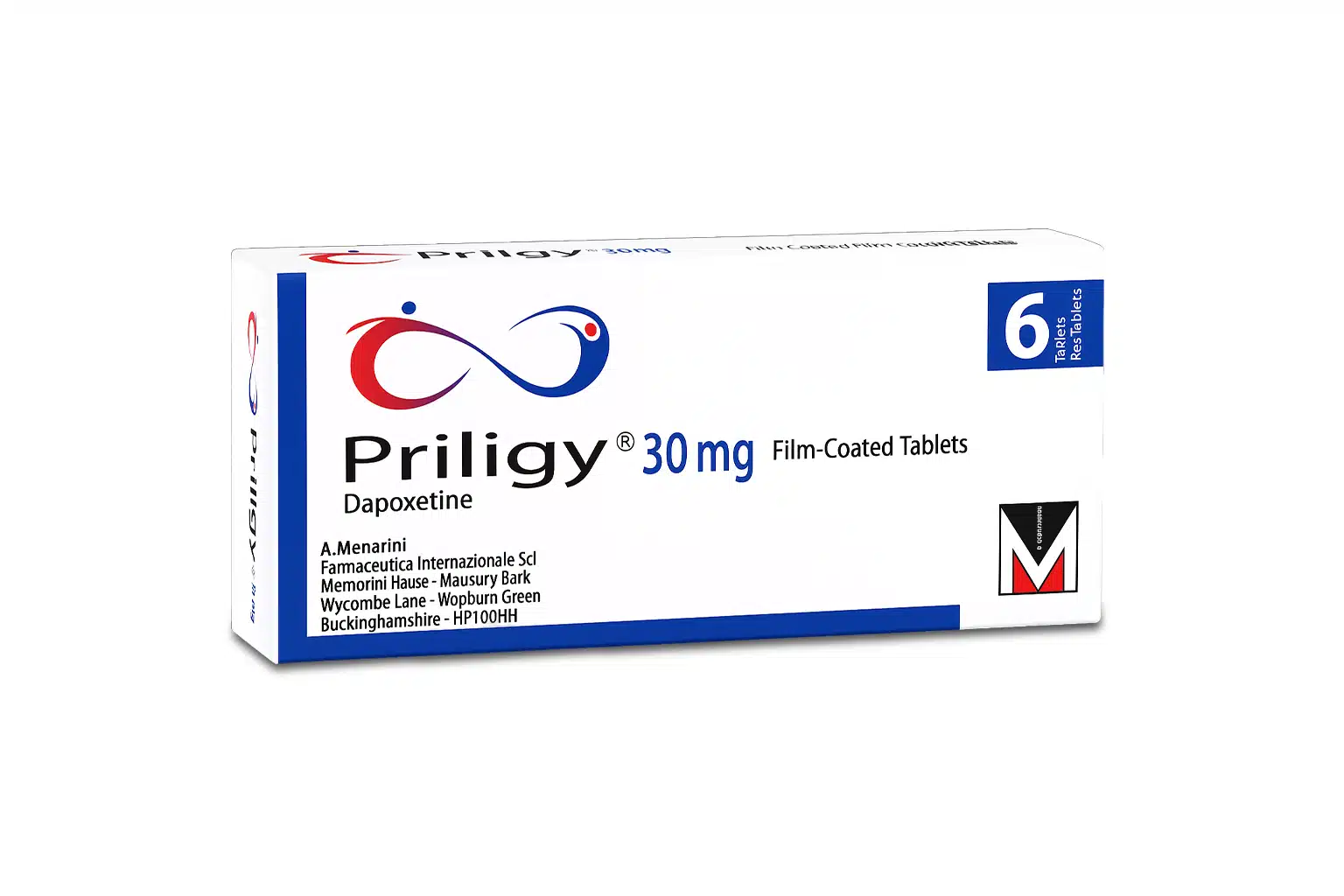
Priligy 30mg
best sellers$22.00 – $156.00Price range: $22.00 through $156.00Rated 4.00 out of 5Shop Now This product has multiple variants. The options may be chosen on the product page
Key ingredients to look for, and avoid
When you read the label, think like a skincare shopper: your genitals are mucous membranes and need gentle, pH-friendly care.
Good to see:
- Simple ingredient lists (water, dimethicone or cyclomethicone in silicone lubes).
- pH-balanced formulas for vaginal use.
- Glycerin-free if you tend to get yeast infections.
- Paraben-free for those avoiding preservatives linked to irritation.
Red flags (may cause irritation or other problems):
- Glycerin (can feed yeast for people prone to thrush).
- Parabens and unnecessary fragrances (irritants).
- Harsh warming/cooling agents (can burn or irritate sensitive skin).
- Kitchen oils, lotions or petroleum jelly — these are not designed for sex and can damage condoms and cause infections.
Special considerations: pH, osmolality, and sensitive tissue
Two technical but useful concepts:
- pH: The healthy vagina has an acidic pH. Lubes formulated for vulvovaginal use should be close to that pH to avoid upsetting flora and increasing infection risk.
- Osmolality: Hyperosmolar lubes (very concentrated formulas with lots of glycerin or propylene glycol) can pull water out of vaginal or rectal cells, potentially causing irritation or micro-damage. If you have recurrent irritation, favor low-glycerin, low-propylene glycol formulas or medical-grade lubes that report osmolality.
How to choose lube?
Use this fast checklist to find the best lube for your situation:
- What are you doing?
- Condoms: Use water-based or silicone. Never oil with latex.
- Anal sex: Prefer silicone or thicker water-based (longer lasting).
- Toys: Check toy material, water-based for silicone toys; silicone for glass/metal.
- Do you have sensitive skin or yeast infections?
- Avoid glycerin or fragrances; choose pH-balanced, glycerin-free formulas.
- Do you want easy cleanup?
- Choose water-based or hybrid. Silicone is tougher to wash off.
- Choose water-based or hybrid. Silicone is tougher to wash off.
- Do you plan water sex?
- Silicone is best because it won’t wash away.
- Silicone is best because it won’t wash away.
- Do you want natural ingredients?
- Look for aloe-based or minimal-ingredient formulas, but still check condom compatibility and bacterial risk.
Practical tips for use and storage
- Apply generously — a little goes a long way, but too little can create friction. Reapply as needed.
- Keep a bottle handy — place it near where you have sex so you don’t interrupt your mood to go searching.
- Patch test new lubes on the inner forearm if you’re worried about sensitivity.
- Store in a cool, dry place and follow the manufacturer’s expiry dates. If a product smells off or causes burning, stop use.
- Avoid sharing tubs of lube between partners if possible; jars can transfer bacteria. Consider pump bottles or single-use packets for hygiene.
Lube for dryness and vaginal health
If dryness is frequent or painful, think beyond lubricant:
- Short term: Use water-based or silicone lubricants during sex for immediate comfort. Vaginal moisturizers (used regularly, not only at sex) can help rebuild moisture over weeks.
- Long term or severe dryness: Talk to a clinician about low-dose vaginal estrogen or other medical options if you’re menopausal, breastfeeding, or on medications that cause dryness. Lubes help symptoms but won’t treat underlying hormonal causes.
Anal sex: extra care
The rectal mucosa is delicate and does not self-lubricate. Use lots of lube, prioritize long-lasting formulas (silicone or thick water-based), and be gentle. Avoid numbing products, they increase injury risk by masking pain. Use condoms and check condom compatibility with your chosen lube.
Are “natural” lubes safer?
“Natural” sounds great, but is natural ≠ safe for everyone? Some plant oils or botanicals can irritate mucous membranes or trigger allergies. If you prefer natural options, pick products designed for sexual use (not cooking oils) and check that they’re tested for internal use and compatible with condoms if needed.
Common mistakes people make
- Using body lotion or petroleum jelly with condoms (this can cause condom failure).
- Choosing a lube for “fun” effects (warming or tingling) without testing, these can burn or irritate.
- Forgetting to check toy material, silicone lube on silicone toys can degrade the toy surface.
Product-style tips
- Everyday sex + condoms: water-based, pump bottle, glycerin-free if yeast-prone.
- Long sessions / water play: silicone.
- Anal sex: silicone or thick water-based designed for anal.
- Sensitive skin: pH-balanced, fragrance-free, glycerin-free formulas or medical-grade.
- Toys: water-based for silicone toys; silicone lube only for glass/metal toys.
How to choose lube in one go
- Identify the activity (vaginal/anal/toy/condom).
- Check condom and toy compatibility.
- Read ingredients: avoid fragrance, parabens, excess glycerin if sensitive.
- Consider pH-balance for vaginal use.
- Pick bottle style (pump, tube, sachet) that suits hygiene and convenience.
- Test a small amount first; stop if burning or irritation appears.
FAQ's
Q1: Is water-based lube safe with all condoms?
A: Yes, water-based lubes are compatible with latex, polyisoprene, and polyurethane condoms. Silicone lubes are also safe with most condoms; avoid oils with latex.
Q2: Can lube cause infections?
A: Rarely, some formulas (high in glycerin, scented products, or those with irritants) can upset vaginal flora or irritate sensitive people. Choosing pH-balanced, glycerin-free options reduces risk. If you get recurrent infections after using a product, stop and consult a provider.
Q3: Are “natural oils” like coconut oil OK?
A: Coconut oil is popular but can weaken latex condoms and may trap bacteria if used internally. Use with caution and never with latex condoms.
Q4: Does lubricant expire?
A: Yes, check the product’s expiration date. Old lube can change consistency or smell, and you should discard it. Store as directed on the label.
Q5: What about flavored lubes for oral sex?
A: Flavored lubes can make oral sex more enjoyable, but many contain sugars and flavorings that can irritate mucous membranes or disrupt yeast balance. Use sugar-free flavored lubes if you’re sensitive.
References
- World Health Organization — Condoms (fact sheet). WHO recommends water- or silicone-based lubes with condoms; oils like kitchen oil or lotions can damage condoms. World Health Organization
- Planned Parenthood — How do you use lube with condoms? (practical condom/lube guidance). plannedparenthood.org
- Peer-reviewed article — Condoms & lubricants: compatibility and safety of lubricants (PMC review on biological safety, condom compatibility). PMC
- UNFPA / WHO technical guidance — Safe Lubricants for All (specs and procurement guidance for safer lubricants). United Nations Population Fund