
There’s something a little awkward about the whole conversation around down-there cleanliness. We talk openly about skincare routines, hair serums, even ear wax removal hacks, but mention genital hygiene and suddenly everyone gets shy. Oddly enough, it’s the one area where good habits matter the most.
Over the past few years, I’ve noticed a quiet shift, though. More people – men and women – are searching for practical, safe, travel-friendly ways to stay clean without throwing their body’s natural balance into chaos. And that’s exactly where Intimate Wipes started gaining attention. Not the heavily scented drugstore ones from a decade ago, but gentler, more thoughtful formulations that don’t treat the delicate skin in intimate areas like it’s just another patch of arm or leg.
Interestingly, the rise of wellness culture (sometimes exhausting, sometimes helpful) pushed brands to rethink what clean even means. And let’s be real: a simple shower isn’t always accessible in the middle of the day. Which is why this topic deserves a real, honest breakdown – not fearmongering, not marketing fluff, just clarity.

Why Intimate Wipes Became So Popular (and Why It’s Not as Simple as You Think)
You might be wondering, Do we even need wipes for such a sensitive area?
Fair question. The truth is, nobody needs them the way we need water or breathable air. But similar to dry shampoo, hand sanitizers, or deodorant, they play a role in moments when life gets messy – literally.
People reach for Intimate Wipes for tons of reasons: long commutes, gym sessions, summers that feel like a heatwave trapped in your jeans, chronic sweating, traveling, dates, or simply those unpredictable days when your body decides to just… do its own thing.
But here’s the thing: the skin in the genital region isn’t like regular skin. It’s thinner, more absorbent, and packed with nerves and microbiome ecosystems that don’t enjoy being disrupted. That’s where choosing the right product becomes crucial.
I’ve tried my fair share of wipes (occupational hazard of health journalism, I guess). Some felt refreshing. Others made me feel like I’d wiped with citrus-soaked sandpaper. And a few left behind that weird tingling sensation that’s less “cooling mint” and more “something isn’t right.”
So yes – it’s complicated.
The Most Common Mistake People Make
To be honest, a lot of people buy wipes the same way they buy chewing gum:
Oh, this one smells like flowers. Must be good.
Except the fragranced versions often contain alcohols, harsh preservatives, and synthetic scents that can irritate even the strongest skin. And when we’re talking about intimate regions, irritation isn’t just uncomfortable – it can lead to microtears, redness, infections, or pH imbalance.
That said, fragrance-free doesn’t automatically mean safe. Plenty of products labeled “gentle” still contain surfactants or botanicals that can be sensitizing.
This is why terms like body-safe intimate wipes and intimate hygiene wipes became essential search trends. People don’t just want wipes that smell clean—they want wipes that don’t ruin their week.
Best Seller
-
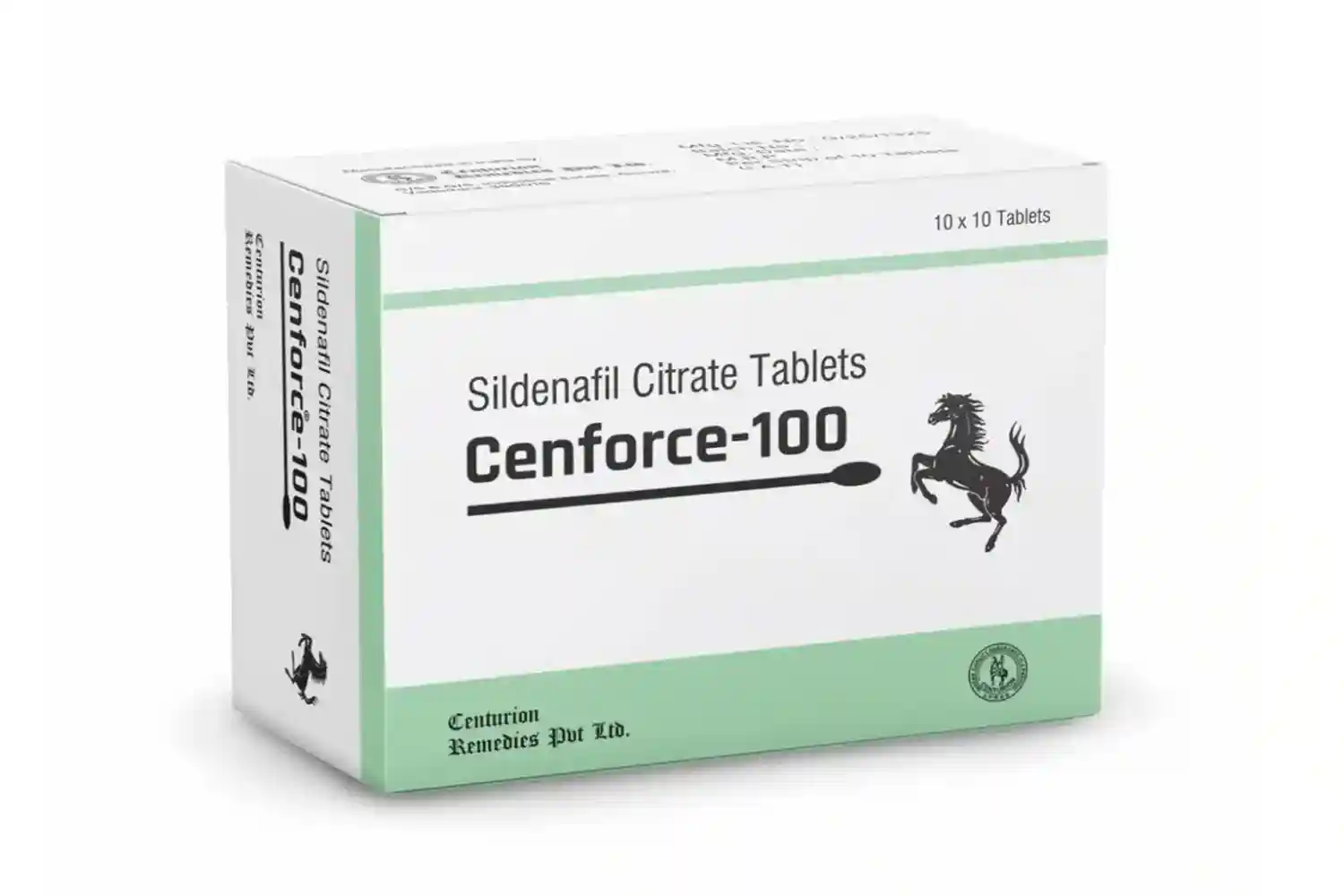
Cenforce 100 Mg
Best Seller$24.00 – $215.00Price range: $24.00 through $215.00Rated 5.00 out of 5Shop Now This product has multiple variants. The options may be chosen on the product page -
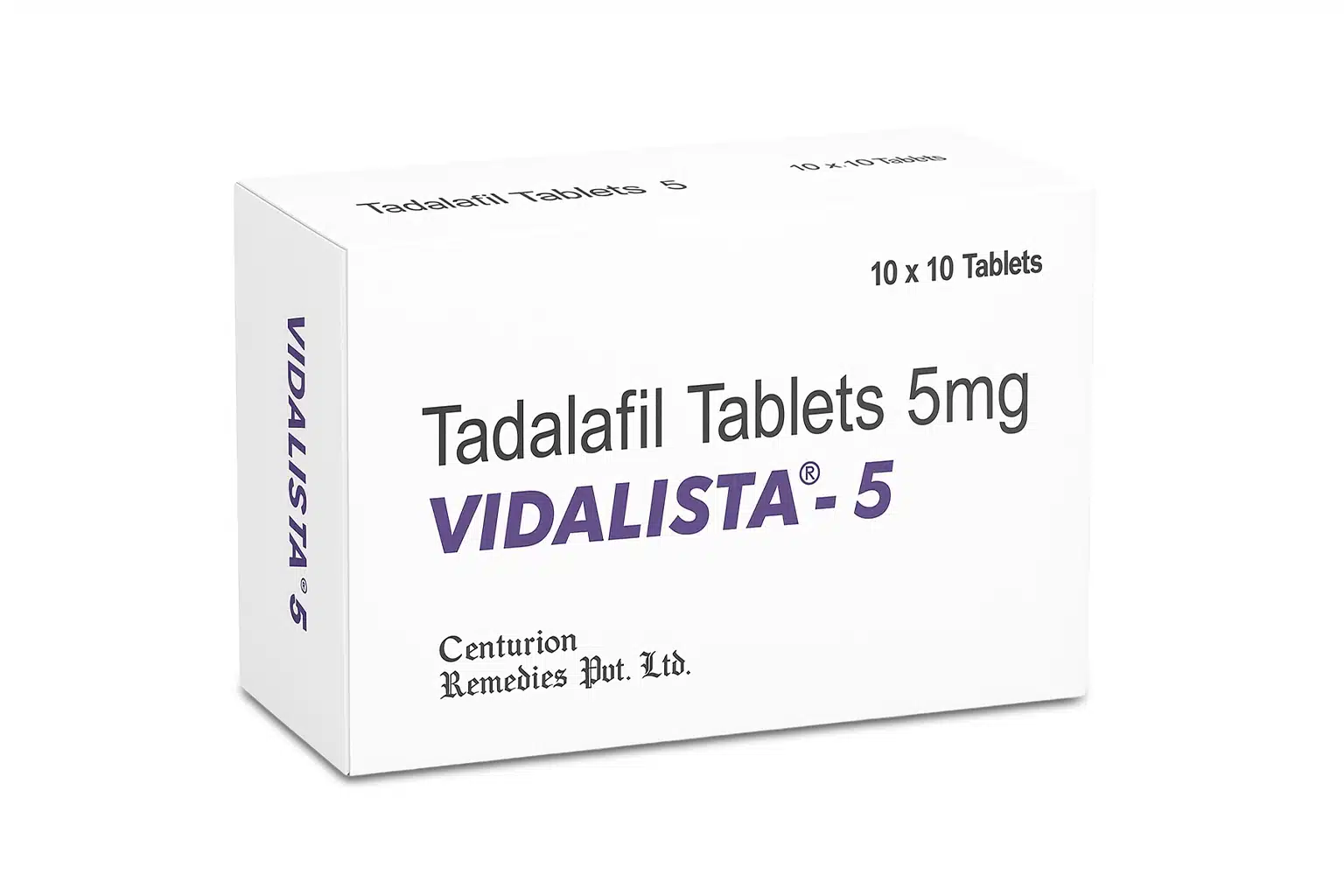
Vidalista 5 Mg
best sellers$18.00 – $182.00Price range: $18.00 through $182.00Rated 4.00 out of 5Shop Now This product has multiple variants. The options may be chosen on the product page -

Vidalista 40 Mg
Best Seller$28.00 – $276.00Price range: $28.00 through $276.00Rated 4.00 out of 5Shop Now This product has multiple variants. The options may be chosen on the product page -
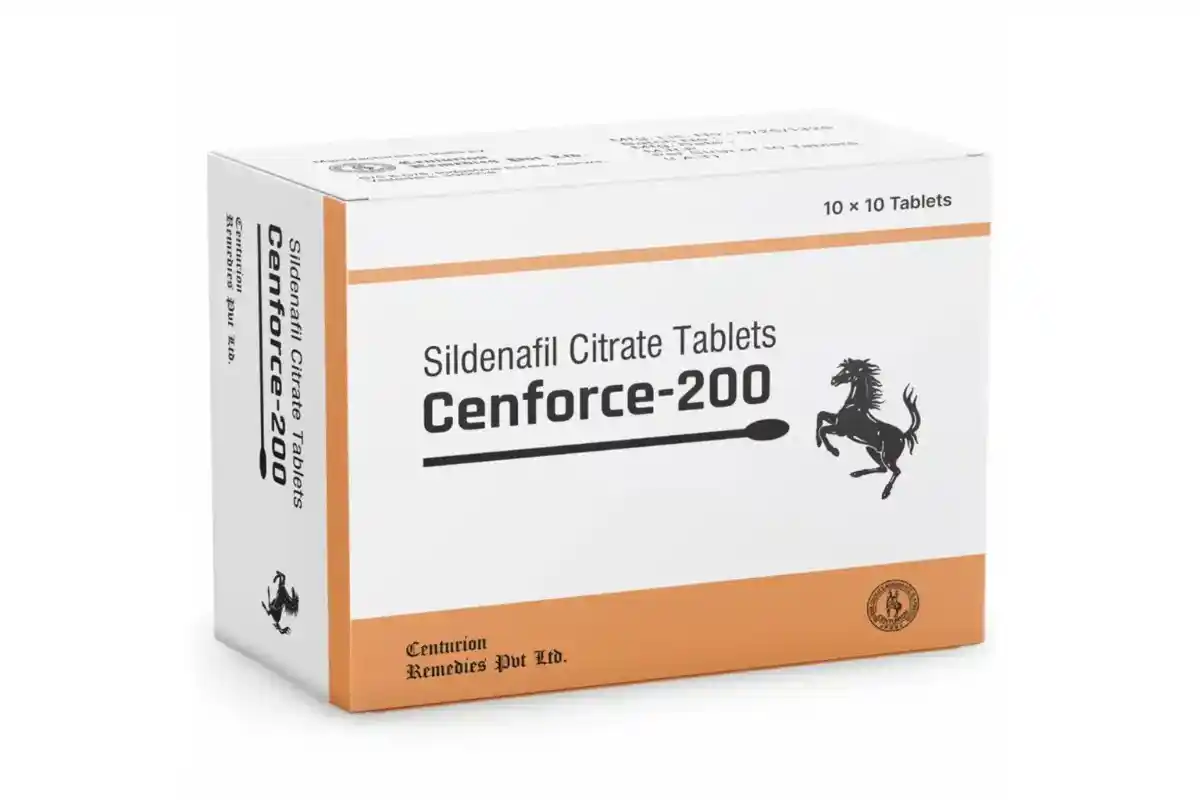
Cenforce 200 Mg
best sellers$31.00 – $335.00Price range: $31.00 through $335.00Rated 4.00 out of 5Shop Now This product has multiple variants. The options may be chosen on the product page -

Cenforce Fm
best sellers$33.00 – $218.00Price range: $33.00 through $218.00Rated 4.00 out of 5Shop Now This product has multiple variants. The options may be chosen on the product page -
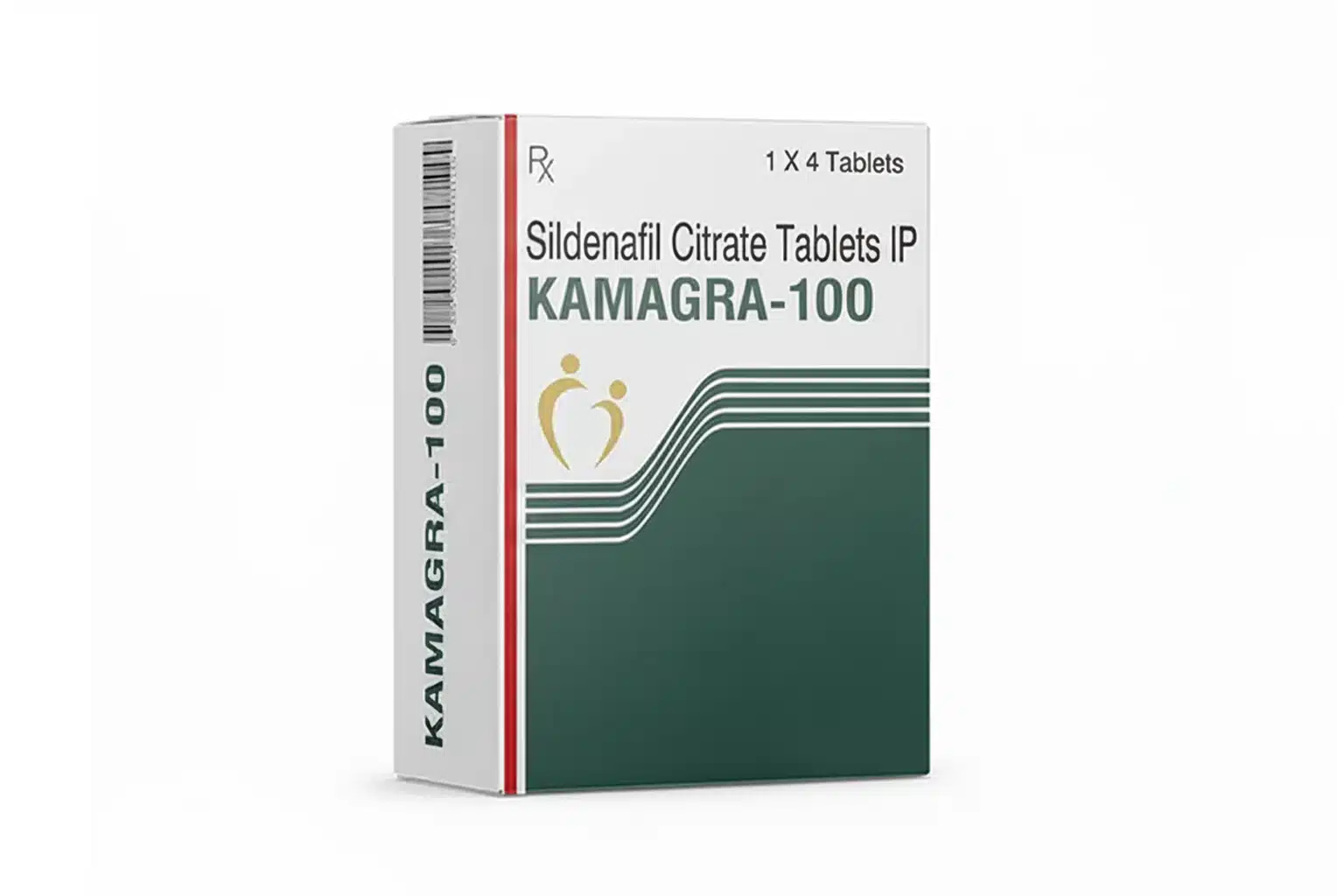
Kamagra 100 mg
best sellers$24.00 – $125.00Price range: $24.00 through $125.00Rated 5.00 out of 5Shop Now This product has multiple variants. The options may be chosen on the product page -

Fildena 100 mg
best sellers$24.00 – $244.00Price range: $24.00 through $244.00Rated 4.00 out of 5Shop Now This product has multiple variants. The options may be chosen on the product page -

Malegra Oral Jelly 100 Mg
best sellers$8.00 – $44.00Price range: $8.00 through $44.00Rated 5.00 out of 5Shop Now This product has multiple variants. The options may be chosen on the product page -

Super Kamagra Oral Jelly
best sellers$25.00 – $120.00Price range: $25.00 through $120.00Rated 4.00 out of 5Shop Now This product has multiple variants. The options may be chosen on the product page -
Tadarise Oral Jelly
best sellers$19.00 – $72.00Price range: $19.00 through $72.00Rated 4.00 out of 5Shop Now This product has multiple variants. The options may be chosen on the product page -
Careforce 200 Mg
best sellers$29.00 – $332.00Price range: $29.00 through $332.00Rated 5.00 out of 5Shop Now This product has multiple variants. The options may be chosen on the product page -
Stallegra 100 Mg
best sellers$88.00 – $224.00Price range: $88.00 through $224.00Rated 5.00 out of 5Shop Now This product has multiple variants. The options may be chosen on the product page -
 Exclusive
Aurogra 100 Mg
best sellers$29.00 – $76.00Price range: $29.00 through $76.00Rated 4.00 out of 5Shop Now This product has multiple variants. The options may be chosen on the product page -
Priligy 30 mg
best sellers$22.00 – $156.00Price range: $22.00 through $156.00Rated 4.00 out of 5Shop Now This product has multiple variants. The options may be chosen on the product page
What Makes an Intimate Wipe Truly “Safe”?
Let’s break it down without turning this into a chemistry lecture.
A good wipe should respect three things:
- pH compatibility – For most people, the intimate area’s natural pH sits between 3.5 and 5.5. Anything far outside that range can disrupt the microbiome. Sounds weird, right? But it matters more than you’d think.
- Minimal ingredients – The fewer unnecessary additives, the better. Delicate skin tends to rebel against long ingredient lists.
- Soft, durable material – A wipe shouldn’t feel like tissue paper that disintegrates mid-use or fabric as scratchy as hotel-grade toilet paper.
I remember interviewing a dermatologist once who casually said, “If you wouldn’t put it on your eyelid, don’t put it on your genitals.” Dramatic? Maybe. Accurate? Very.
Men Need This Conversation Too
Here’s something people rarely talk about: men struggle with intimate hygiene more than they admit. Sweat, friction, sports, long workdays – it all builds up. And while women’s brands often get the spotlight, newer wellness companies have started making wipes for men’s intimate hygiene, and honestly, it’s overdue.
Men’s wipes tend to focus on maintaining freshness without overpowering the skin with strong deodorizing chemicals. And trust me, I’ve seen guys use face wipes “down there,” which is a chaos I wish to never witness again.
What About Sensitive Skin?
If your skin freaks out at the sight of perfume, essential oils, or certain preservatives, selecting the right wipe becomes even trickier.
Sensitive skin wipes try to solve this by removing harsh additives and using calming ingredients like aloe or chamomile. But even natural ingredients can irritate certain people – aloe included. Which is why patch-testing and reading ingredient lists is annoyingly important.
I had a reader write to me about a “hypoallergenic” wipe that still caused stinging. It turned out it had witch hazel – great for some parts of the body, not fantastic for the genitals. So yes, labels can be misleading.
A Quick Real-World Scenario (Because Theory Alone Doesn’t Help)
Imagine you’re on a cross-country flight.
You’ve been sitting for hours, the cabin air is dry, the seat feels like a sauna, and you’re one bad shift away from regretting every life choice. Stepping into the tiny airplane bathroom to “freshen up” isn’t ideal, but a clean wipe that doesn’t disrupt your natural microbiome? That can genuinely make the journey tolerable.
That’s where thoughtfully formulated Intimate Wipes shine. Not the scented, alcohol-heavy versions sold next to cheap body sprays – but the newer, gentler ones that understand biology.
You Might Be Wondering: “Are Wipes Safe for Everyday Use?”
Short answer: sometimes.
Long answer: depends on the formulation and your skin.
Dermatologists generally agree that using Intimate Wipes occasionally – daily for some people, weekly for others – is fine as long as the product is designed for the genital area, free from irritants, and pH-balanced.
But using wipes as a replacement for bathing? Probably not ideal.
The real red flag is overwiping. Anything that causes friction can aggravate skin or disrupt moisture levels. If you find yourself needing wipes constantly, it might be worth checking for underlying issues: sweating disorders, infections, irritation, or hormonal fluctuations.
A Small But Important Note on Ingredients
Here’s the thing: ingredients like alcohol, parabens, artificial fragrances, or harsh surfactants should generally be avoided. They’re not evil – but they’re not the best choice for intimate regions.
Look for:
- Water-based formulas
- Mild cleansers
- Calming ingredients (aloe, oat extract)
- Dermatologist-tested labels
- Biodegradable materials (bonus for sustainability)
Avoid wipes that claim to “kill bacteria.” The genital area isn’t meant to be sterilized like a kitchen counter.
Menstrual Days, Post-Gym Moments, Long Travels… Wipes Actually Help
Even though they shouldn’t replace water, Intimate Wipes can genuinely help during moments when access to proper hygiene is limited. Menstrual cycles, excessive sweating, marathon training, hiking, camping, or long shifts – all those times when you just want to feel fresh again.
One of my friends once said, “Wipes saved my sanity during summer commuting.” And honestly, I get it.
Not All Wipes Are Created Equal (and That Matters More Than You Think)
Let’s be real: some wipes smell like an entire perfumery fell into the pack. Others leave a sticky residue. Some tear at the worst possible moment. And then there are wipes that feel so gentle you forget you ever used them.
Choosing the right wipe is basically choosing how much respect you have for your own skin.
If a product makes you feel uncomfortable, itchy, overly dry, or “not right,” trust your body’s signals. Not all reactions show instantly – some occur hours later. Keep a mental note of brands that work for you and ones that don’t.
A Quick Word on Sustainability Because It Does Matter
It’s easy to forget, but wipes are technically single-use. Many aren’t biodegradable. This doesn’t mean you should stop using them entirely, but it’s worth choosing brands that use plant-based fibers or compostable materials when possible.
The planet will thank you later.
Another Real-Life Moment: Post-Workout Freshness
After a sweaty gym session, shower lines can feel like waiting at the DMV. And if your schedule is tight, wipes become your temporary best friend. But the right wipes – gentle, fragrance-free, microbiome-friendly – make you feel fresh without that chemically “clean” smell.
And trust me, nobody wants to hit a meeting smelling like synthetic lavender mixed with gym sweat.
Final Thoughts: Choose Wipes That Respect Your Body, Not Just Clean It
To be honest, choosing Intimate Wipes isn’t about branding or pretty packaging. It’s about respecting the most sensitive parts of your body. Whether you’re someone who only uses wipes during travel or someone who prefers them after workouts, the priority should always be skin health first.
Your intimate skin deserves the same level of attention we give to facial skincare – and maybe even more. Think of wipes as tools, not solutions. They’re helpful, refreshing, and practical, but only when chosen carefully.
And if there’s one thing I’ve learned while diving into dermatology research and testing endless products over the years, it’s this: your skin tells the truth before you do. Listen to it.
FAQ's
1. Are intimate wipes safe to use every day?
To be honest, it depends on the formulation. If the wipes are pH-balanced, fragrance-free, and specifically designed for delicate skin, most dermatologists say daily use is generally fine. The bigger issue is overwiping – too much friction can irritate even tough skin. So, think “as needed,” not “nonstop.”
2. Can intimate wipes replace regular washing?
Short answer: nope. Long answer: they’re great for freshening up when a shower isn’t available – gym days, travel, long shifts, all that – but they shouldn’t become your main hygiene routine. Wipes are a backup dancer, not the star of the show.
3. What should I avoid in intimate wipe ingredients?
Here’s the thing: the fewer harsh additives, the better. Try to avoid alcohol, artificial fragrances, strong essential oils, and anything labeled “antibacterial.” Those can throw off your natural microbiome, which is surprisingly easy to upset. Mild, water-based formulas are the safer bet.
4. Are intimate wipes okay for people with sensitive skin?
Yes, but only if you choose wisely. Sensitive skin can react to ingredients most people never think twice about. Look for wipes labeled “for sensitive skin,” but don’t just trust the buzzword – scan the ingredients. Sometimes even aloe or plant extracts can be too much for reactive skin.
5. Do men need different intimate wipes than women?
Sounds weird, but sometimes yes. Men deal with different sweat patterns, friction points, and skin folds, so wipes designed for men tend to focus on freshness without over-stripping the skin. But generally, a good pH-balanced, gentle wipe works for anyone – male or female.