
Asthma is a chronic long-term condition that is caused due to inflammation in the lower respiratory tract. There is swelling and narrowing of the airways which may also produce extra mucus. According to WHO, Asthma affected around 262 million people in 2019 and caused 455000 deaths worldwide. It can affect people from all age groups.
Common asthma symptoms include:
- Shortness of breath
- Coughing
- Wheezing
- Paleness of skin
- A feeling of tightness in your chest
- Trouble in sleeping
Triggers of asthma attack are:
- Allergens such as pollens, dust, mold, etc.
- Cold air
- Respiratory infections
- Excessive physical activity especially in cold weather
- Pollutants and irritants
This guide offers expert insights into inhaler medications, evidence-based asthma medicine recommendations, proper inhaler dosage and safety, potential medication side effects, and practical tips for using asthma inhalers effectively
Best Seller

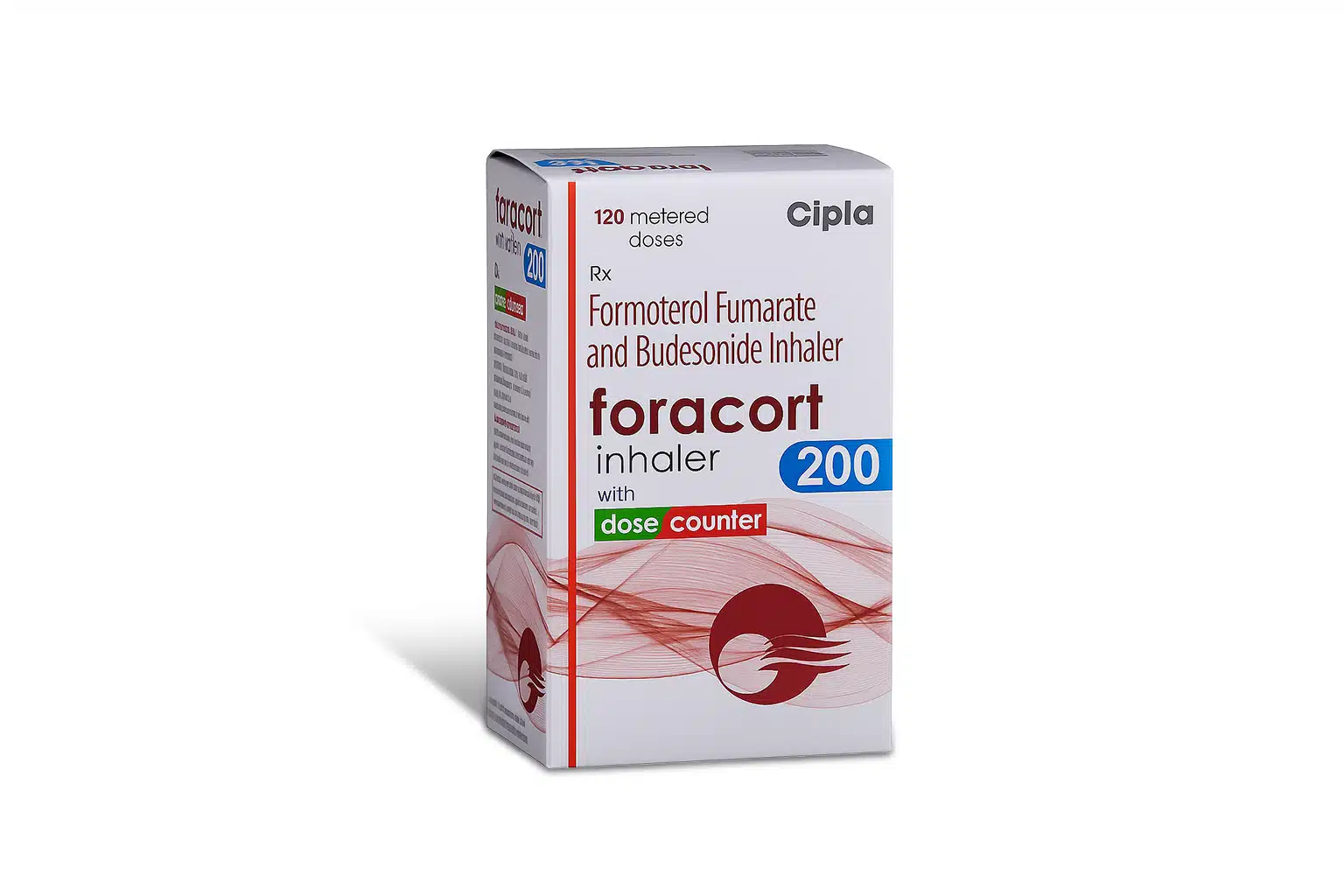
Foracort Inhaler 6/200 Mcg
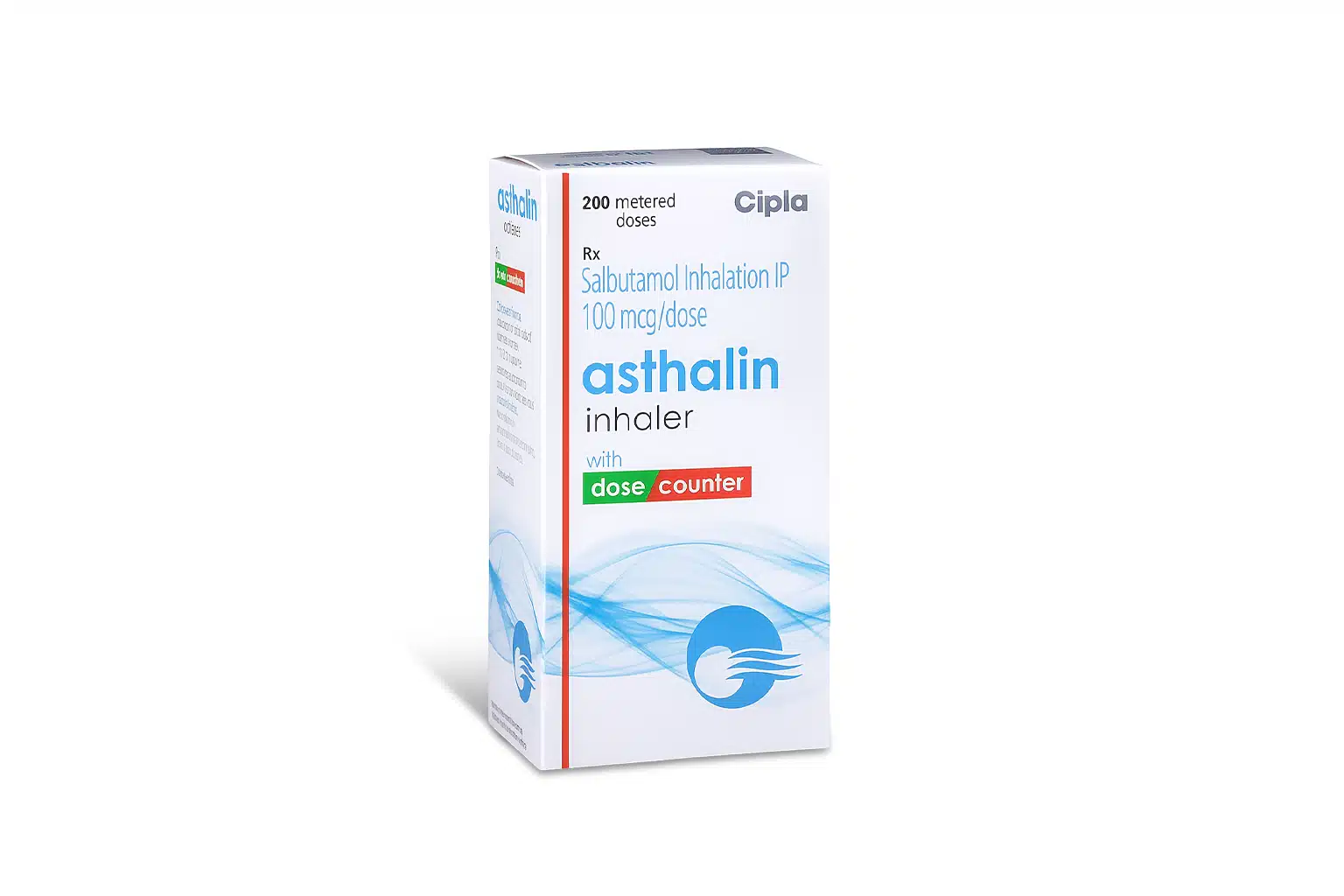
Inhalers$11.52 – $34.20Price range: $11.52 through $34.20Rated 4.00 out of 5Shop Now This product has multiple variants. The options may be chosen on the product pageAsthalin HFA Inhaler 100 Mcg (200 mdi)
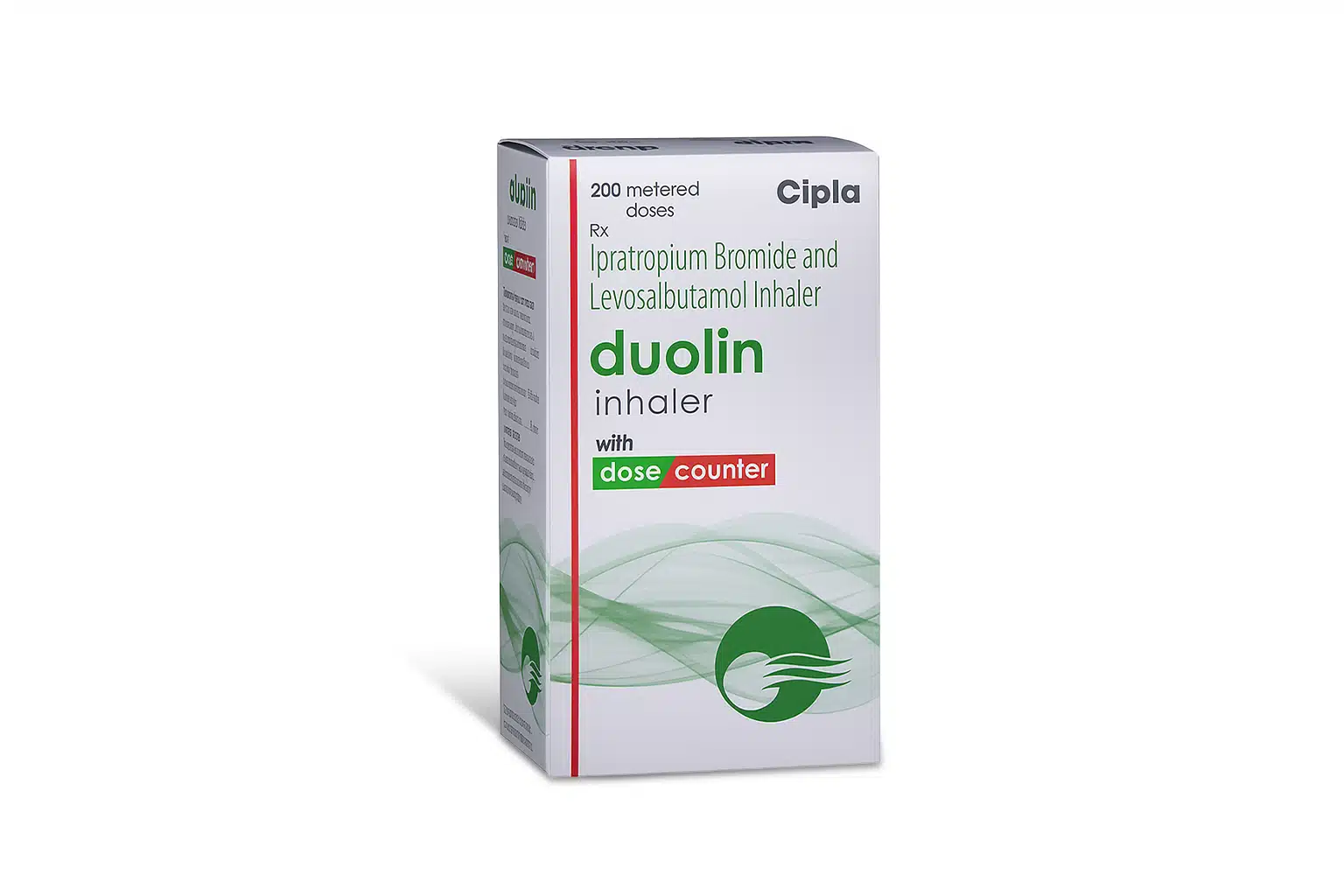
Inhalers$8.28 – $21.96Price range: $8.28 through $21.96Rated 4.00 out of 5Shop Now This product has multiple variants. The options may be chosen on the product pageDuolin Inhaler 50 Mcg + 20 Mcg
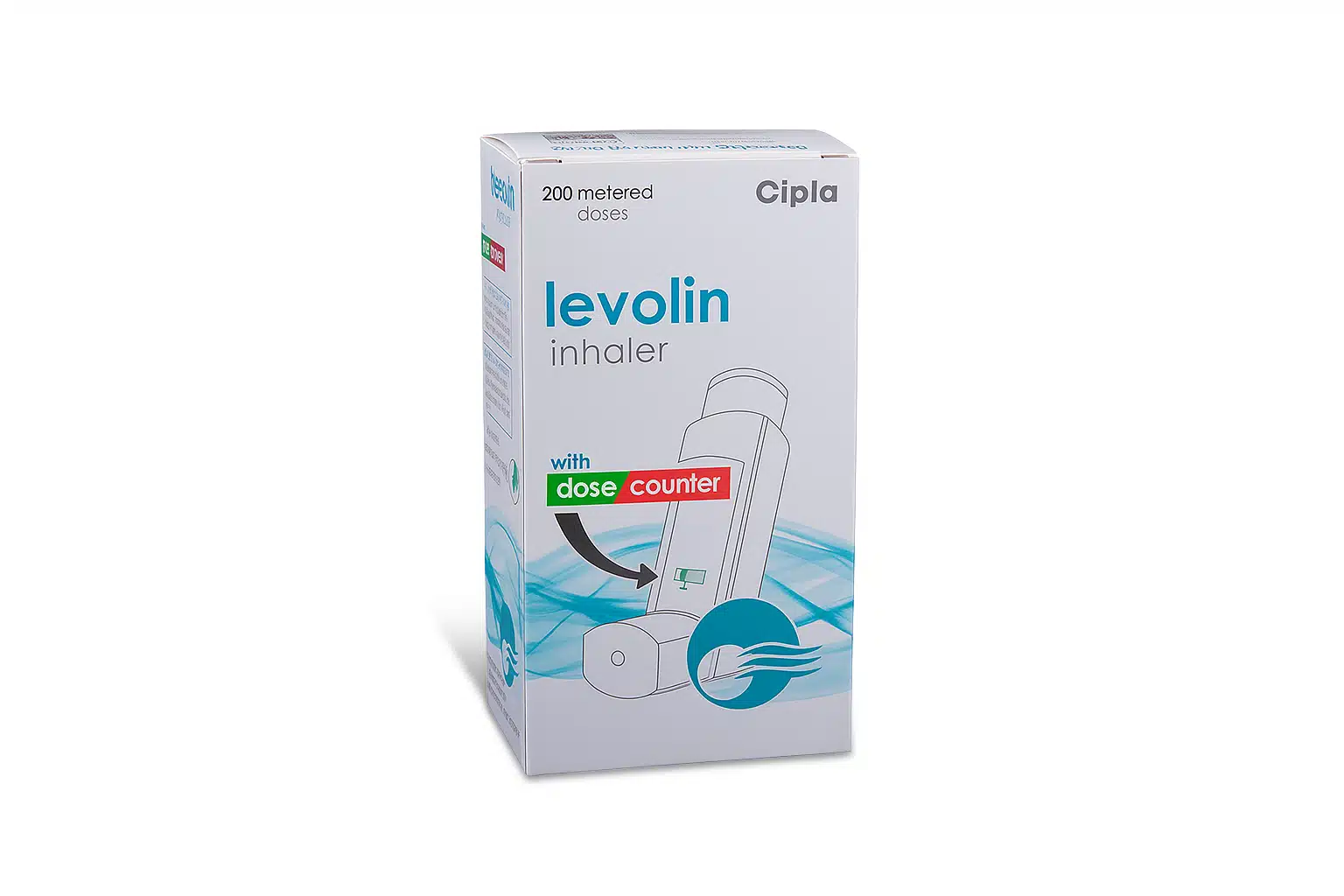
Inhalers$38.03 – $99.39Price range: $38.03 through $99.39Rated 5.00 out of 5Shop Now This product has multiple variants. The options may be chosen on the product pageLevolin 50 Mcg (200mdi) Inhaler
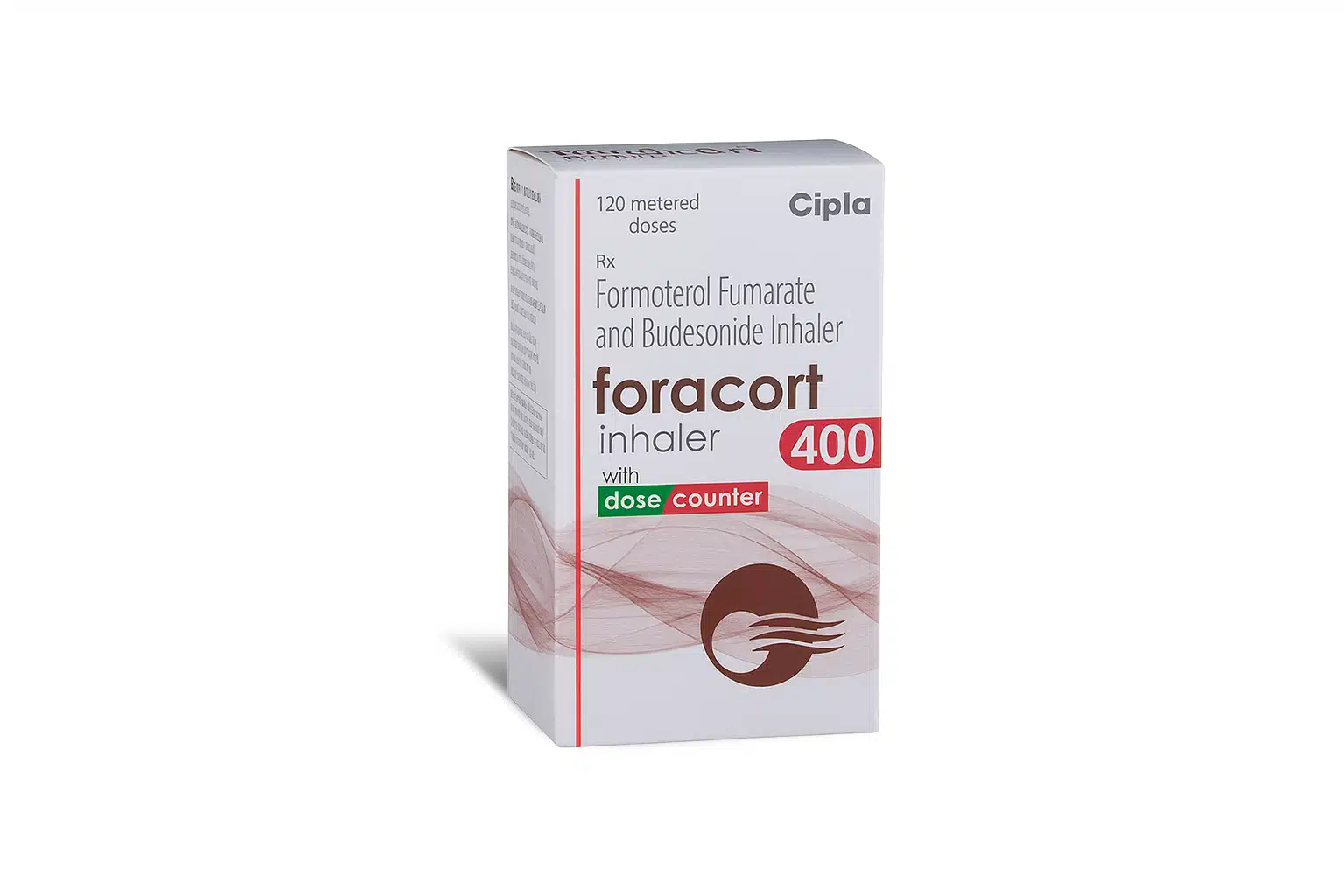
Inhalers$6.77 – $34.49Price range: $6.77 through $34.49Rated 5.00 out of 5Shop Now This product has multiple variants. The options may be chosen on the product pageForacort Inhaler 6/400 Mcg
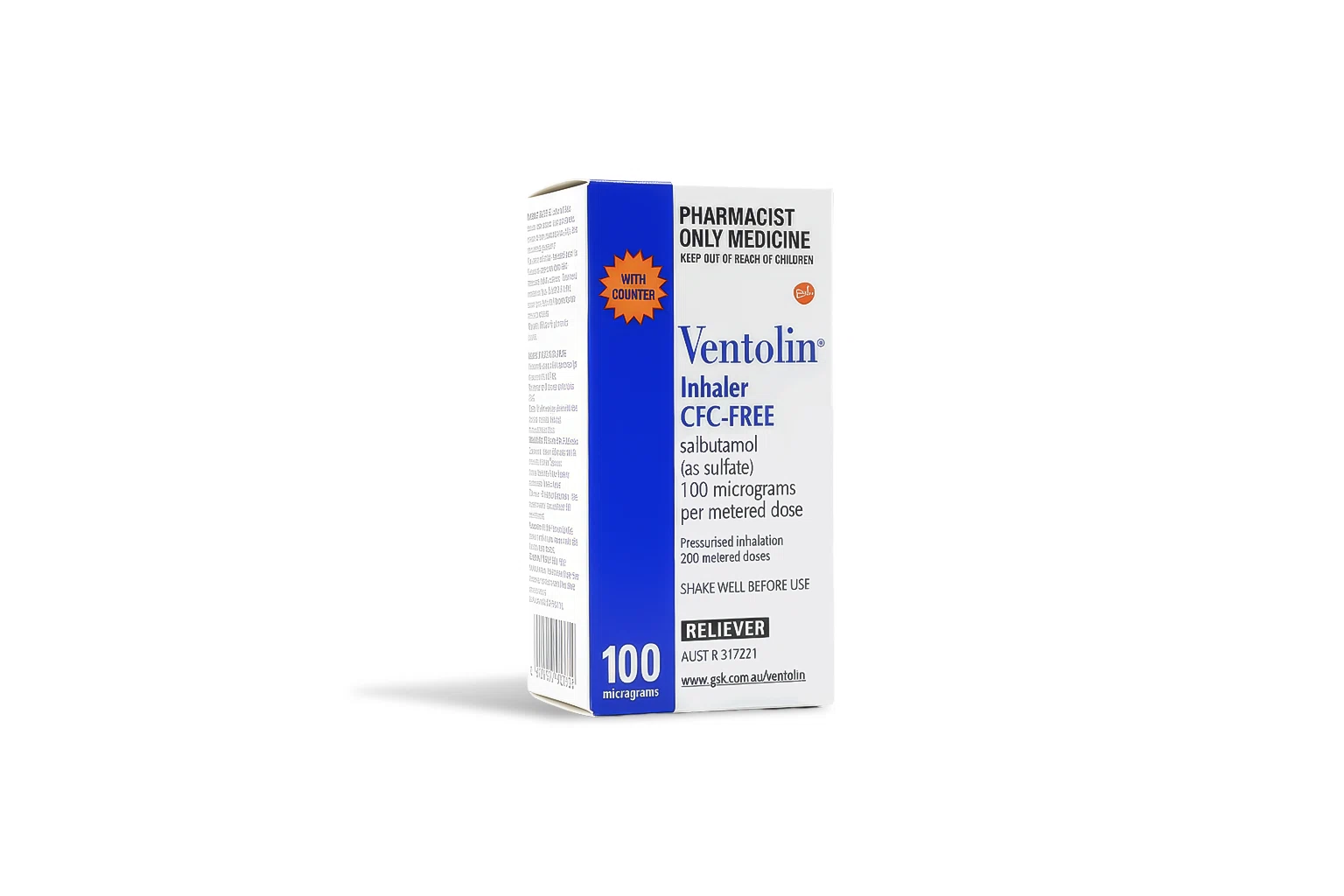
Inhalers$17.98 – $49.25Price range: $17.98 through $49.25Rated 4.00 out of 5Shop Now This product has multiple variants. The options may be chosen on the product pageVentolin CFC Free Inhaler 100 Mcg/18 Mg
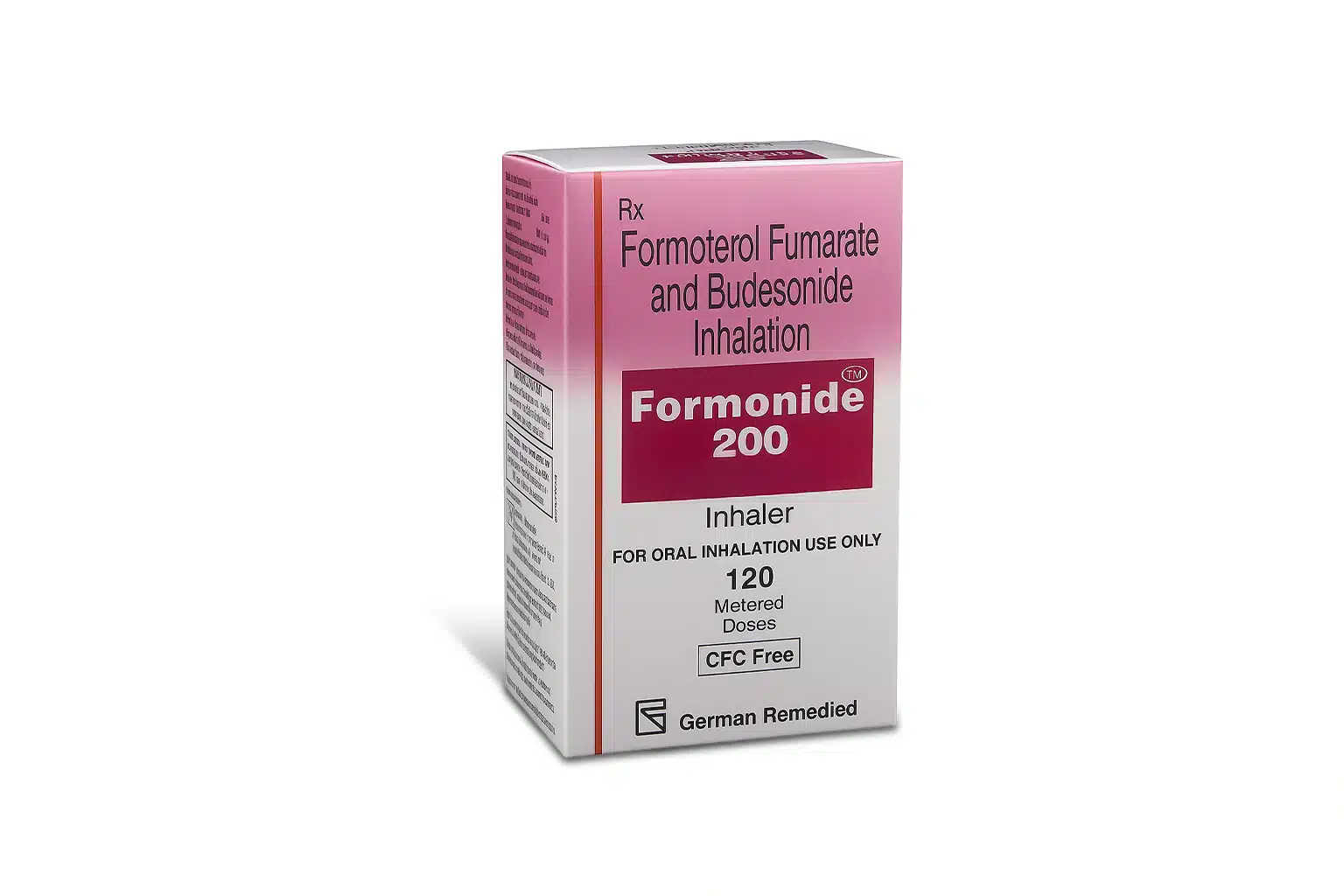
Inhalers$14.25 – $28.80Price range: $14.25 through $28.80Rated 5.00 out of 5Shop Now This product has multiple variants. The options may be chosen on the product pageFormonide 200 Inhaler
Inhalers$69.61 – $142.73Price range: $69.61 through $142.73Rated 4.00 out of 5Shop Now This product has multiple variants. The options may be chosen on the product pageAsthafen 1 Mg
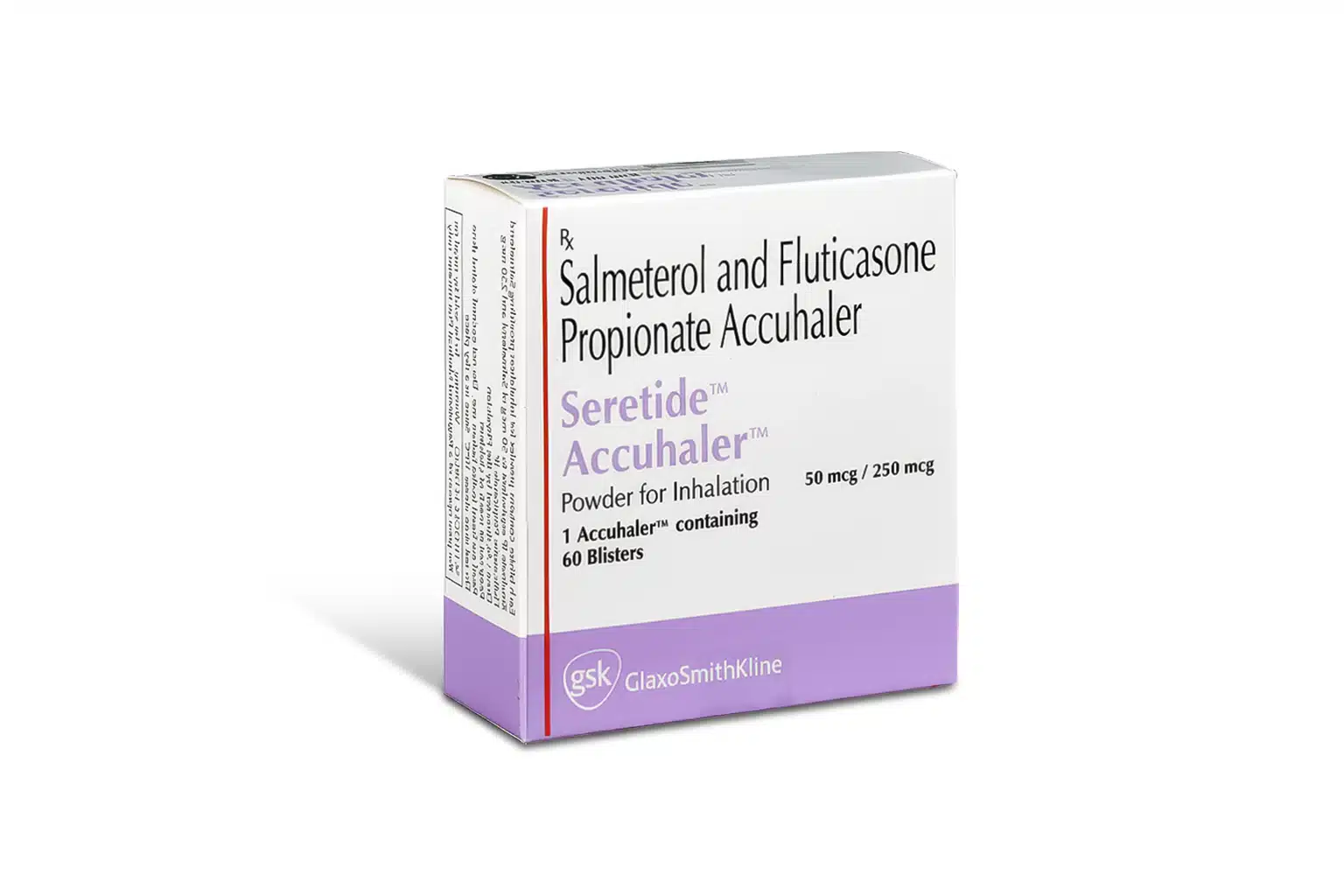
Inhalers$13.44 – $22.21Price range: $13.44 through $22.21Rated 4.00 out of 5Shop Now This product has multiple variants. The options may be chosen on the product pageSeretide 50 Mcg/250 Mcg Accuhaler
Inhalers$41.47 – $117.99Price range: $41.47 through $117.99Rated 4.00 out of 5Shop Now This product has multiple variants. The options may be chosen on the product pageBeclate Inhaler 200 Mcg
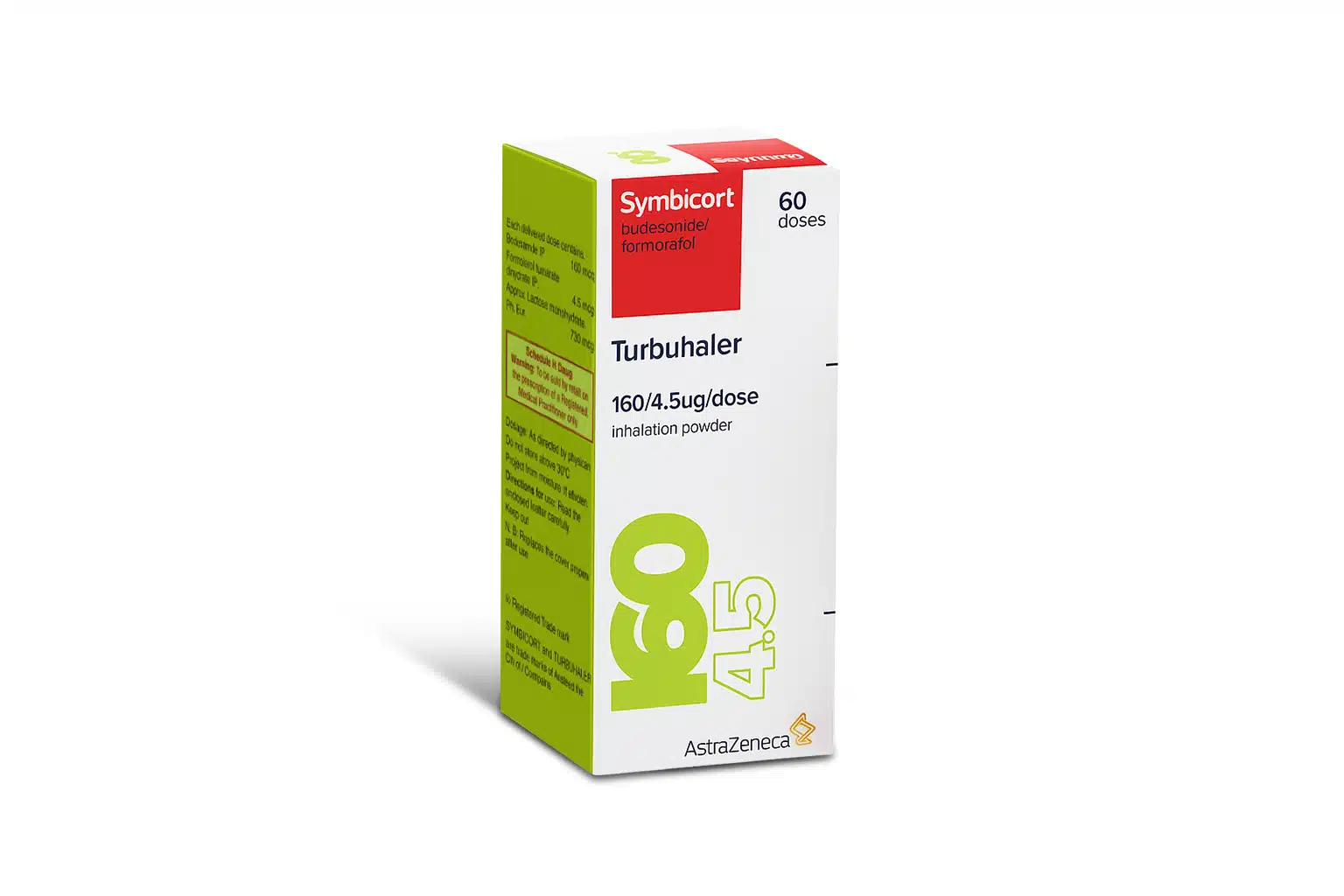
Inhalers$13.60 – $36.80Price range: $13.60 through $36.80Rated 4.00 out of 5Shop Now This product has multiple variants. The options may be chosen on the product pageSymbicort 160 Turbuhaler
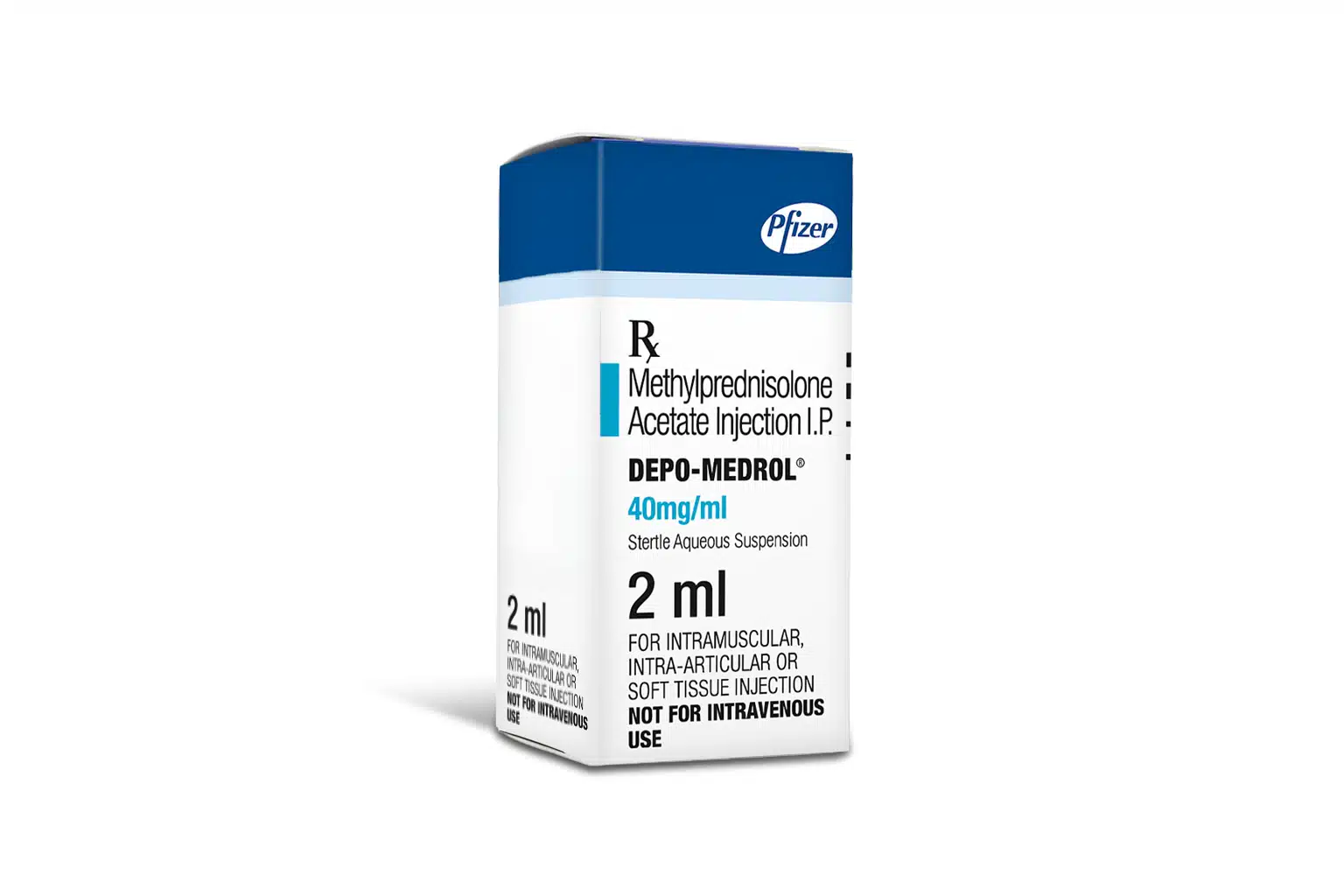
Inhalers$85.94 – $205.05Price range: $85.94 through $205.05Rated 4.00 out of 5Shop Now This product has multiple variants. The options may be chosen on the product pageDepo-Medrol 40 Mg/ML Injection 2 ml
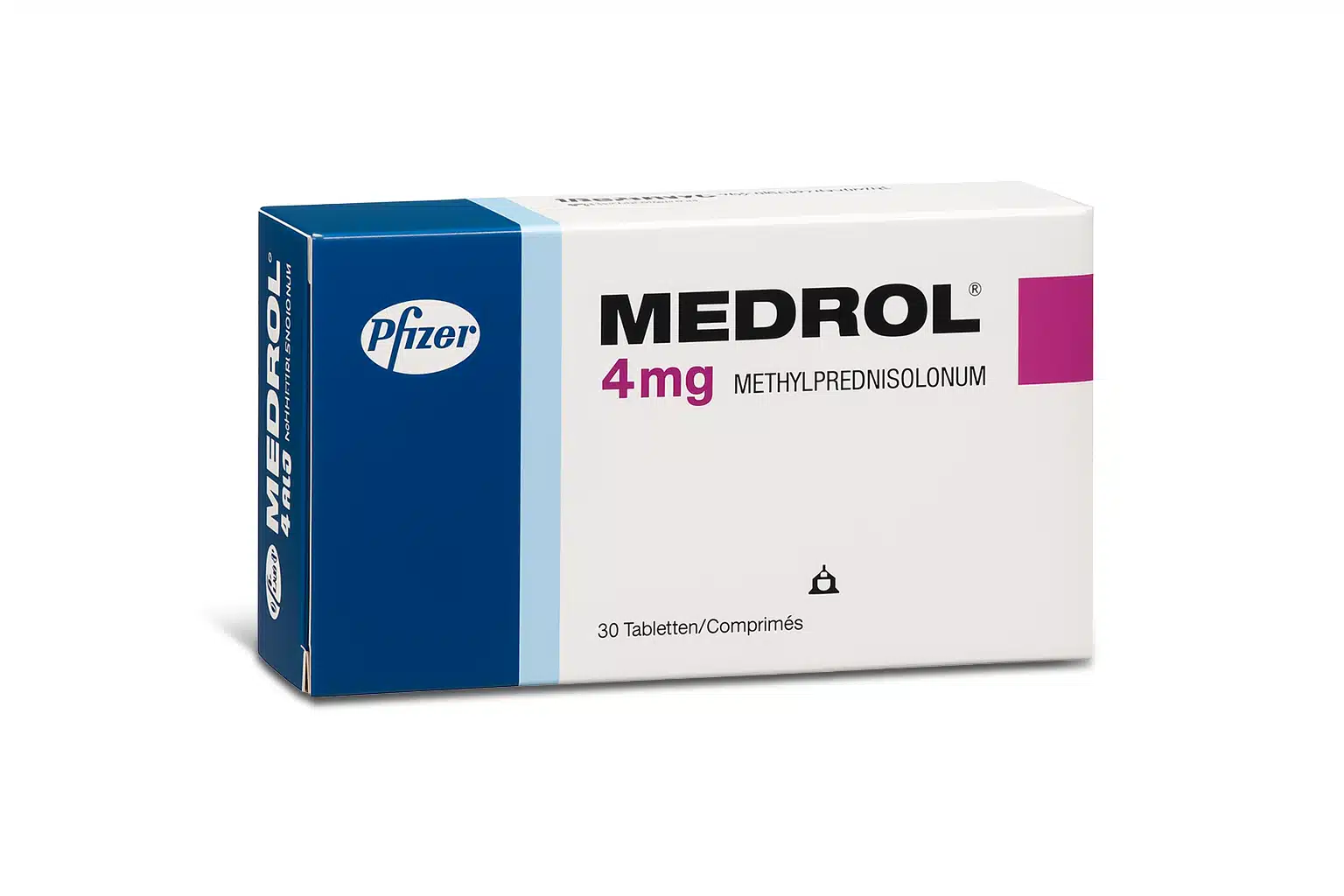
Inhalers$17.28 – $44.10Price range: $17.28 through $44.10Rated 5.00 out of 5Shop Now This product has multiple variants. The options may be chosen on the product pageMedrol 4 Mg Tablet
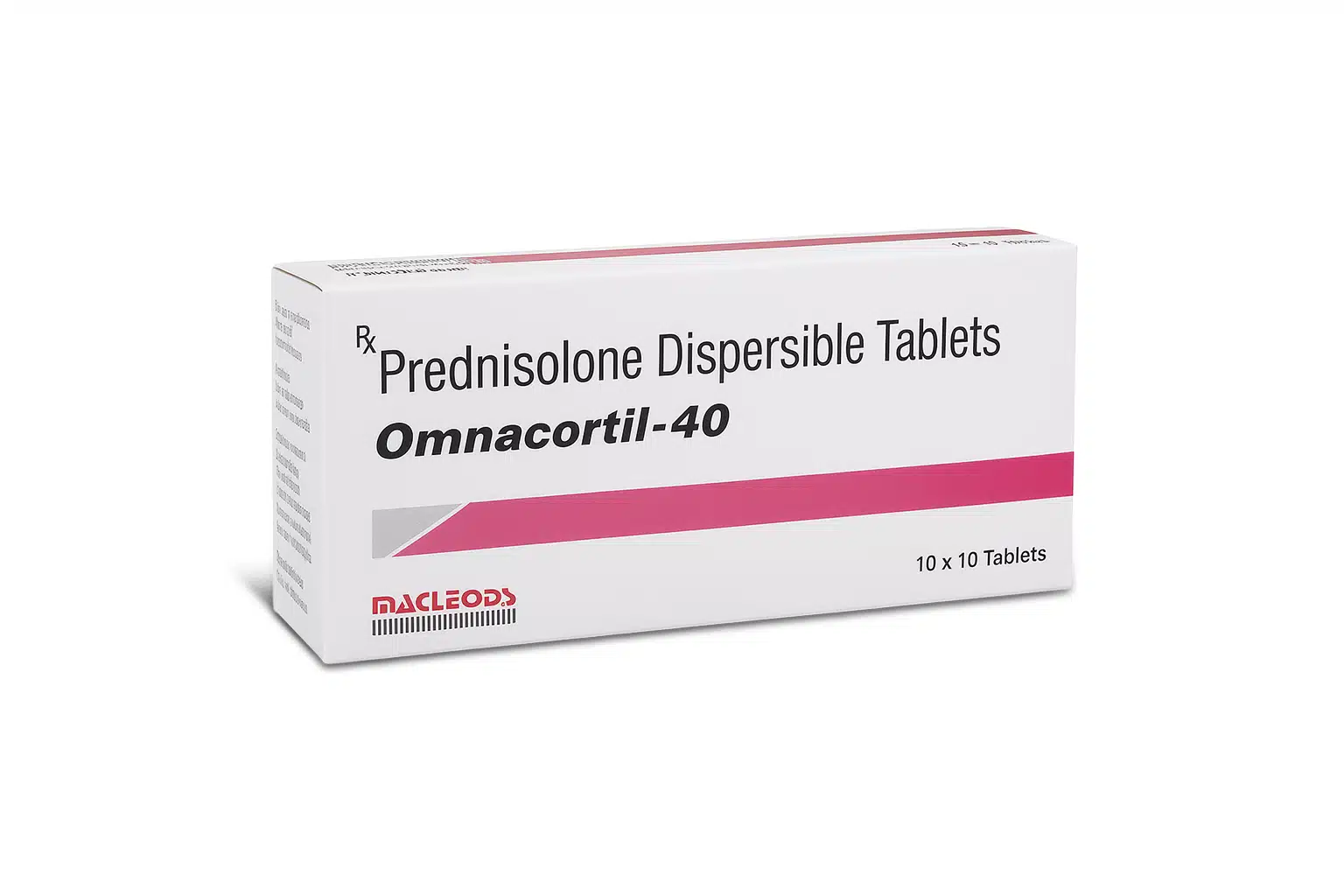
Inhalers$13.44 – $26.13Price range: $13.44 through $26.13Rated 4.00 out of 5Shop Now This product has multiple variants. The options may be chosen on the product pageOmnacortil 40 Mg Tablet
Inhalers$57.60 – $164.64Price range: $57.60 through $164.64Rated 4.00 out of 5Shop Now This product has multiple variants. The options may be chosen on the product page


What are Asthma Care Products?
An asthma care product means any medication or device specifically designed to help manage asthma symptoms and exacerbations prevention. Effective asthma management basically depends on the right combination of prescription medications and supportive care products developed for controlling symptoms, prevents sudden temporary worsening of symptoms, and improves overall breathing.
Common asthma care products include:
- Metered-dose inhalers (MDIs)
- Dry powder inhalers (DPIs)
- Nebulizers
- Inhaler spacers and holding chambers
Quick-relief asthma medications, particularly short-acting bronchodilator inhalers like salbutamol, show fast symptom relief during asthma attacks by relaxing airway muscles. Rescue inhalers should not replace daily controller treatment as they are only for emergency use. Complementary asthma care products such as nebulizers, spacers, and inhaler accessories support effective drug delivery, especially for paediatric, geriatric, and severe asthma patients. Herbal or supportive respiratory products should not be used as replacements for prescribed asthma medications. They should only be used when by a physician.
Choosing the right asthma care products and medications under medical guidance is key to maintaining good asthma control, reducing hospital visits, and improving quality of life.
Asthma medicine recommendations
Physicians usually recommend asthma medicine according to the severity and frequency of symptoms.
Asthma medications are generally categorized into
- Controller medicines and
- Quick-relief (rescue) medicines
Controller medicines (inhaled corticosteroids and combination inhalers) are used daily for decreasing the inflammation in the airways and for avoiding asthma attacks. These medicines help in controlling the symptoms and lower the risk of severe flare-ups.
Common controller medications include:
- Inhaled corticosteroids (e.g. budesonide, fluticasone, and mometasone)
- Combination inhalers (anti-inflammatory + long-acting bronchodilator)
These inhalers are recommended for patients with persistent asthma and should be used consistently, even when symptoms are not present.
Quick-relief (Rescue) Medicines
Rescue inhalers show immediate relief when sudden asthma attacks occur. They include short-acting bronchodilators that relax the airway muscles quickly.
Typical rescue inhalers include:
- Salbutamol (also known as albuterol)
- Levalbuterol
Rescue inhalers should not be used instead of controller therapy as they are only effective for symptom relief. Overuse of such medication will induce poor asthma control and needs to be discussed with a healthcare provider.
Inhaler Dosage and Safety: What You Need to Know
Optimal treatment outcomes can be achieved by using precise inhaler dosage and safety. Each inhaler has a specific dose and frequency based on the patient’s age, asthma severity, and medical history.
Key safety guidelines include:
- The prescribed number of daily doses should not be exceeded.
- Using controller inhalers consistently as directed.
- Do not rely on rescue inhalers for long-term control
- Regular follow ups with the physician.
- Correct technique should be followed so that there is no loss of drug.
- When using inhaled corticosteroids, one must wash his/her mouth after every puff to prevent oral thrush
- Store the inhaler at room temperature
- Do not share your asthma care products
Taking the wrong amount of dose can increase the risk of side effects associated with the drug and also cause uncontrolled asthma. Spacers are generally recommended for younger generation and old ones as well to improve drug delivery and decrease the amount of drug that is lost.
Medication Side Effects
Some patients may experience side-effects related to the medication when the inhalers are not used correctly. Below are some listed side effects.
Common Side Effects:
- Throat irritation or dryness
- Hoarseness of voice
- Coughing
- Oral thrush (with inhaled corticosteroids)
- Rapid heartbeat (with overuse of bronchodilators)
- Headache
- Weight gain
- Elevated Blood Pressure
Less Common Side Effects:
- Skin blueness
- Allergic reactions (swollen lips, tongue, throat)
- Difficulty in breathing
- Mild tremors
Most of the side-effects can be prevented if the medication and inhalers are used properly. Using a spacer device can also help to reduce the side effects along with improved medicine delivery.
Tips for Using Asthma Inhalers Effectively
Proper inhaler technique plays a very important role in delivering the drug. Following these tips stated below can help ensure maximum benefit from your asthma care product:
- Understand Your Device: Inhalers work differently. Metered-dose inhalers (MDIs) need slow inhalation, while dry powder inhalers (DPIs) need quick, forceful inhalation. Consult your physician to confirm you are using the correct technique for your specific inhaler. There are many video guides available online which can be used.
- Stand or Sit Up Straight: Good posture allows your lungs to fill completely.
- Shake inhaler well: Before using your inhaler make sure that you shake your device well.
- Seal your lips tightly to the mouthpiece of the device.
- Exhale Fully Before Use: Breathe all the air out of your lungs just before using the inhaler to make room for the medicine.
- Breathe Through Your Mouth: Inhale the medicine through your mouth, not your nose.
- Hold Your Breath: After inhaling the medicine, hold your breath for 5 to 10 seconds to let the medicine settle deep in your lungs.
- Rinse Your Mouth (for Steroids): If your inhaler contains a corticosteroid (preventer medicine), rinse your mouth and gargle with water, then spit it out to prevent oral thrush.
- Track Doses: Use the built-in dose counter (if available) to know when to get a refill. Do not rely on floating the canister in water to check if it’s empty.
- Store Properly: Keep your inhaler at room temperature and store it in a cool, dry place.
- Make sure to clean your devices regularly to prevent contamination.
- DPIs should not be shaken and washed as well as that can clog the medicines.
Choosing the Right Asthma Care Product
Not all inhalers work the same for every patient. Choosing the right asthma care product depends on factors such as:
- Age and ability to use the device.
- Severity of asthma symptoms.
- Lifestyle
- Insurance coverage or affordability
Physicians advice on trying different inhaler types to find the one that best suits a patient’s needs. Education on proper usage and regular monitoring are crucial components of effective asthma management.
FAQs
1. What are asthma care products?
Asthma care products are the medications and devices designed to prevent asthma.
2. What are the most recommended asthma medicines?
The most recommended asthma medicines are totally dependent on the severity of the disease and patient needs.
.
3. Can herbal asthma care products replace prescribed asthma medicines?
No. Herbal asthma care products cannot replace prescribed asthma medicines.
4. What are the common medication side effects for asthma?
Throat irritation, hoarseness, coughing, or oral thrush are the common side effects
5. How do I know if my inhaler dosage is correct?
Correct dosage depends on several factors like age, severity of the disease, medication, etc. The dose should never be altered without consulting a professional.

Dr. Delisha Cole is a sexual health and wellness writer with over 10 years of experience researching erectile dysfunction, performance anxiety, premature ejaculation, and modern ED treatments. She focuses on breaking down complex medical topics into practical, easy-to-understand advice that helps readers make informed decisions about their intimate health, confidence, and relationships. Her content covers ED medications, lifestyle factors, treatment safety, and real-world wellness guidance in a simple, reader-friendly way.