
Most asthma or COPD patients often walk out of their clinics with their inhaler, prescription, and the thinking that they know how to use it. Inhalers are being used at an all-time high in present times. Today, inhaler users are above 100-200 million worldwide. Despite this, the inaccuracies with using them still prevail.
Inhaler devices are some of the most effective mechanisms used to deliver medications straight away to the lungs without any obstruction. Despite having this luxury of having a device deliver medications directly to the lungs, around 70% to 90% of individuals make a few common inhaler mistakes at least once in their lives.
Incorrect inhaler use is a huge risk that lurks. Medications get wasted, flare-ups happen more often, and the symptoms also don’t get relieved. In patients with asthma or COPD, this incorrect use even increases their likelihood of getting hospitalized by 50%. This gap between technique and knowledge makes the inhalers lose their effectiveness. For a product that has such an effective mechanism, the common inhaler mistakes that people end up making may not even deliver the medicine to the lungs.
In this blog, we’ll talk about the top 10 common inhaler mistakes individuals end up making, which costs them more than they’d like to imagine. Maybe you might be making some of these mistakes, or maybe your peers. Here, we’ll mention them, tell you to fix them, and explain how to get the best results out of your inhalers.
Best Seller

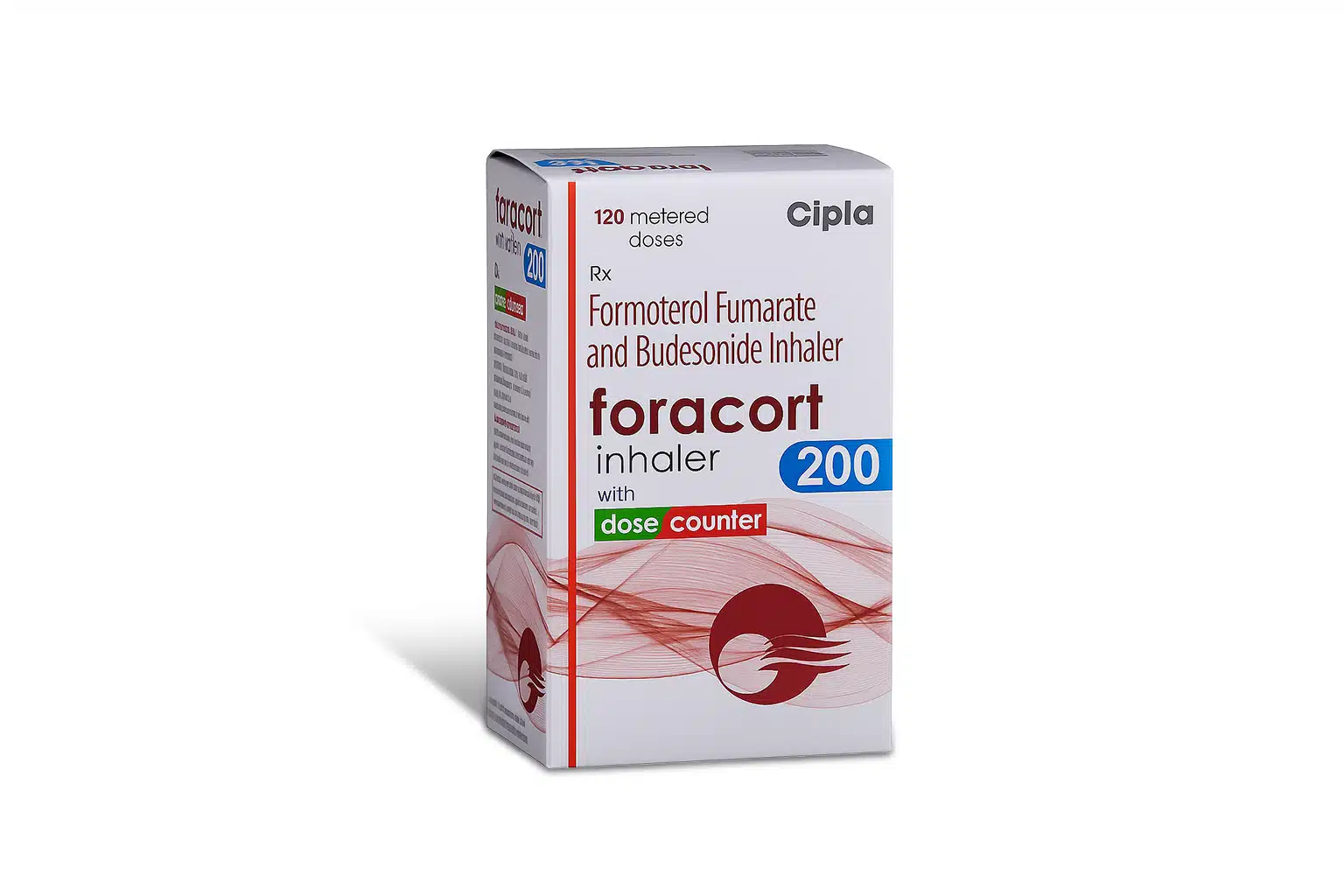
Foracort Inhaler 6/200 Mcg
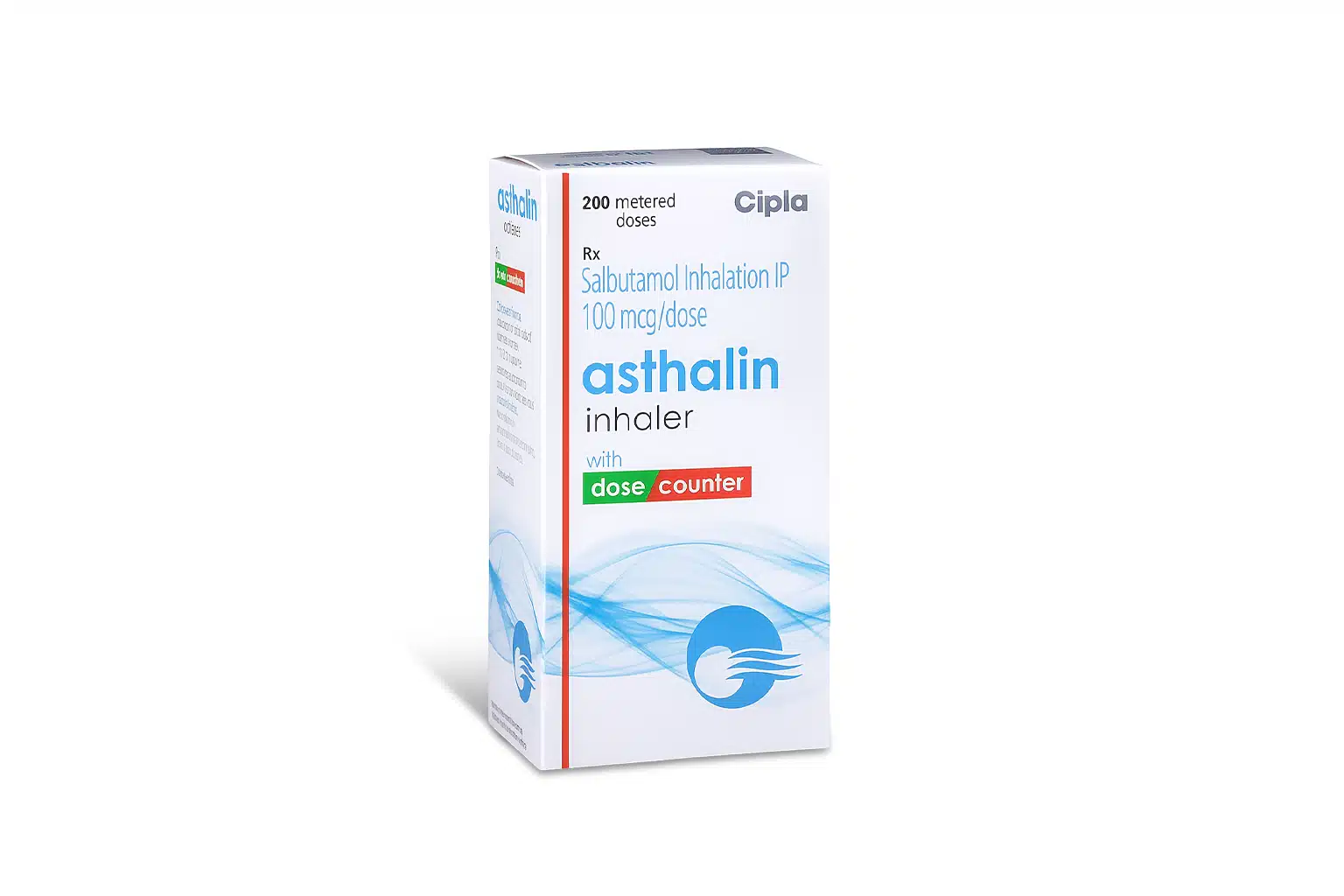
Inhalers$11.52 – $34.20Price range: $11.52 through $34.20Rated 4.00 out of 5Shop Now This product has multiple variants. The options may be chosen on the product pageAsthalin HFA Inhaler 100 Mcg (200 mdi)
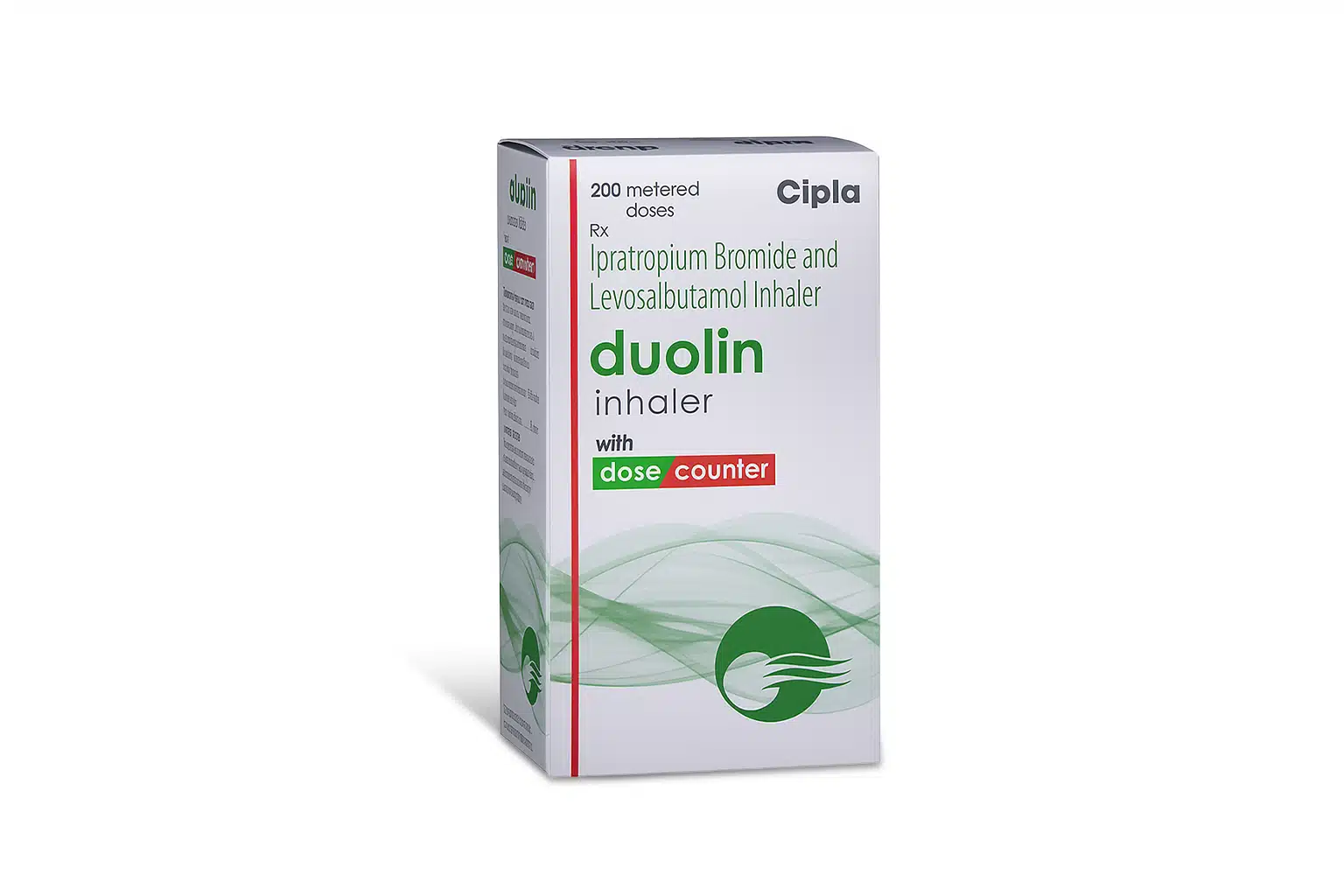
Inhalers$8.28 – $21.96Price range: $8.28 through $21.96Rated 4.00 out of 5Shop Now This product has multiple variants. The options may be chosen on the product pageDuolin Inhaler 50 Mcg + 20 Mcg
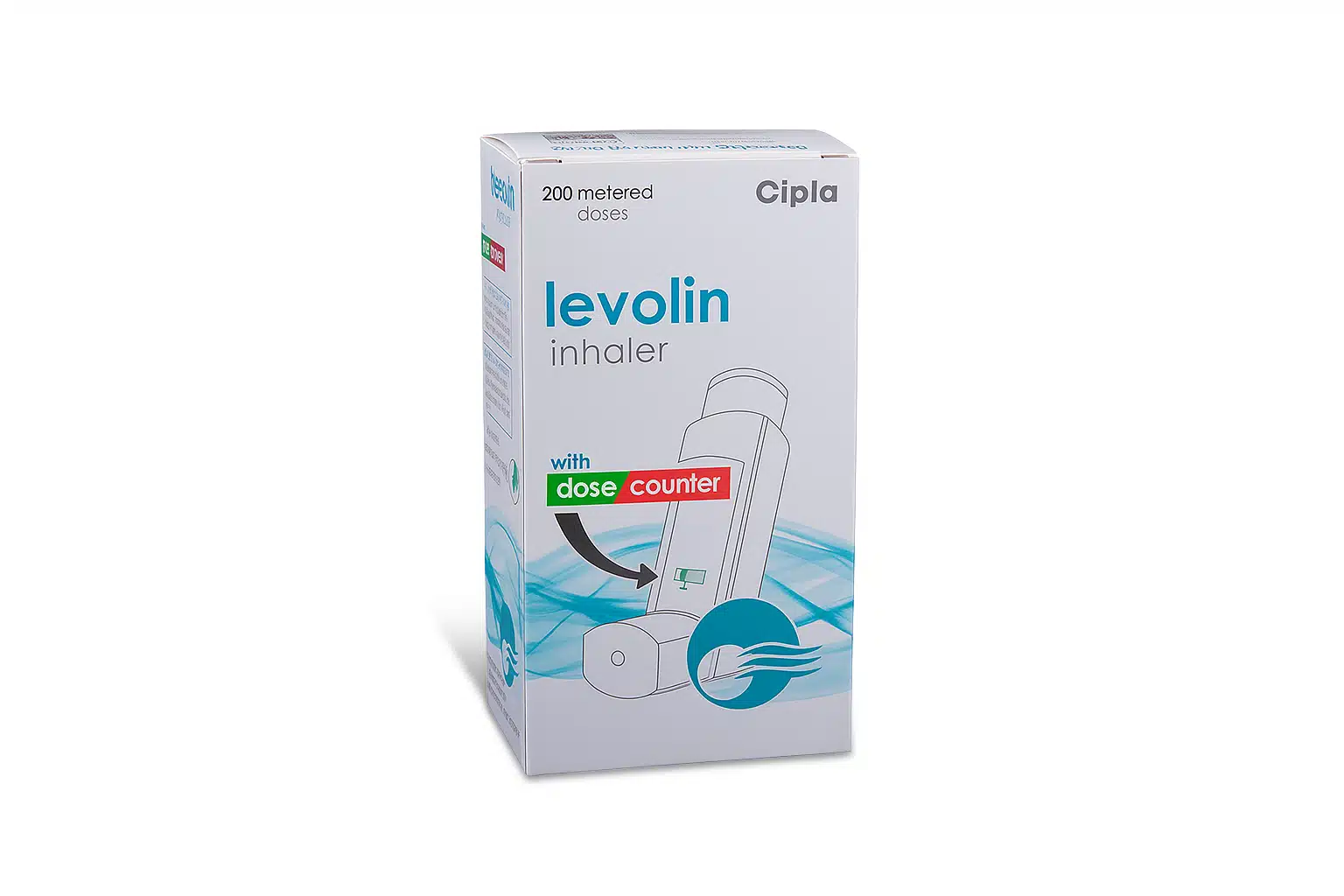
Inhalers$38.03 – $99.39Price range: $38.03 through $99.39Rated 5.00 out of 5Shop Now This product has multiple variants. The options may be chosen on the product pageLevolin 50 Mcg (200mdi) Inhaler
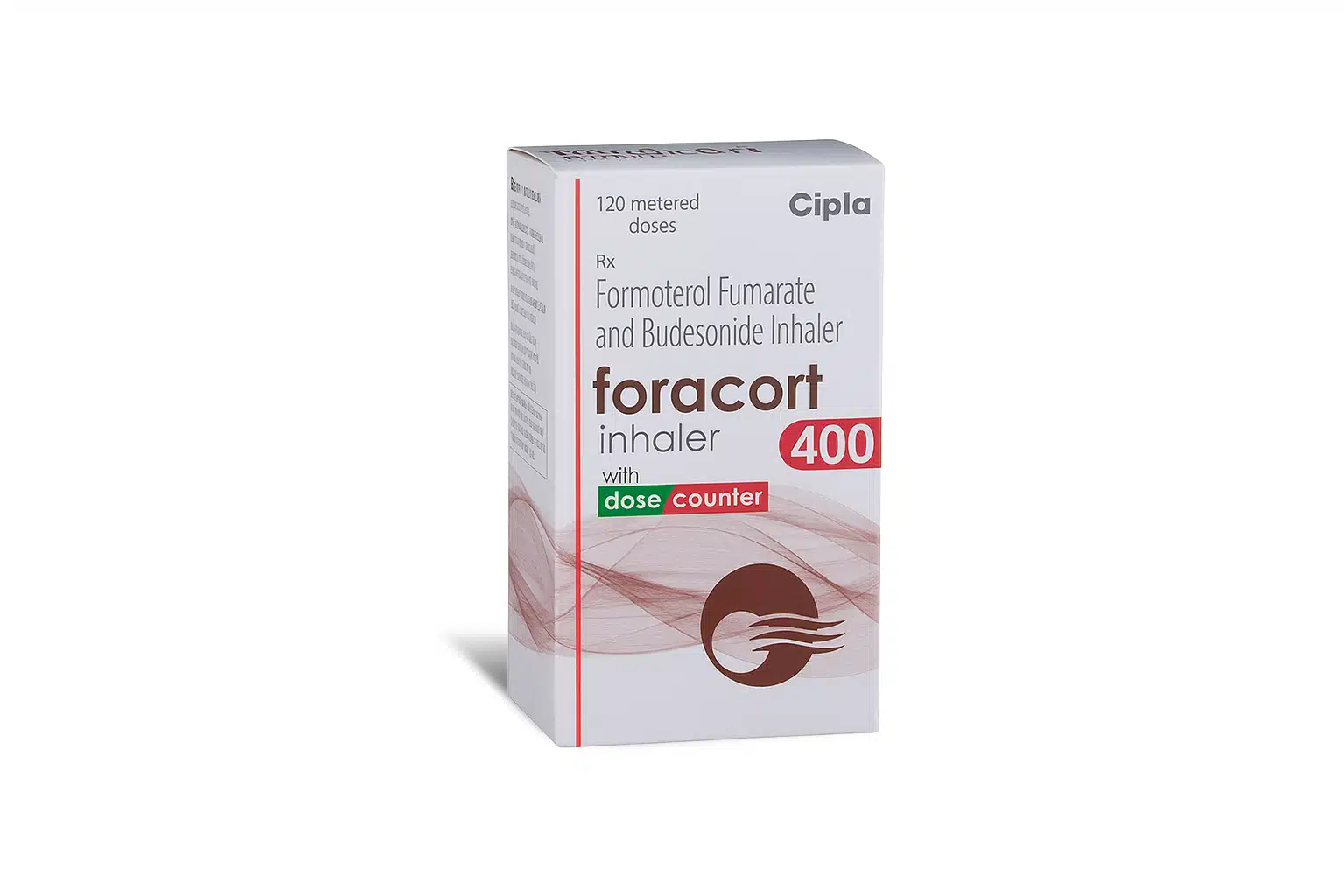
Inhalers$6.77 – $34.49Price range: $6.77 through $34.49Rated 5.00 out of 5Shop Now This product has multiple variants. The options may be chosen on the product pageForacort Inhaler 6/400 Mcg
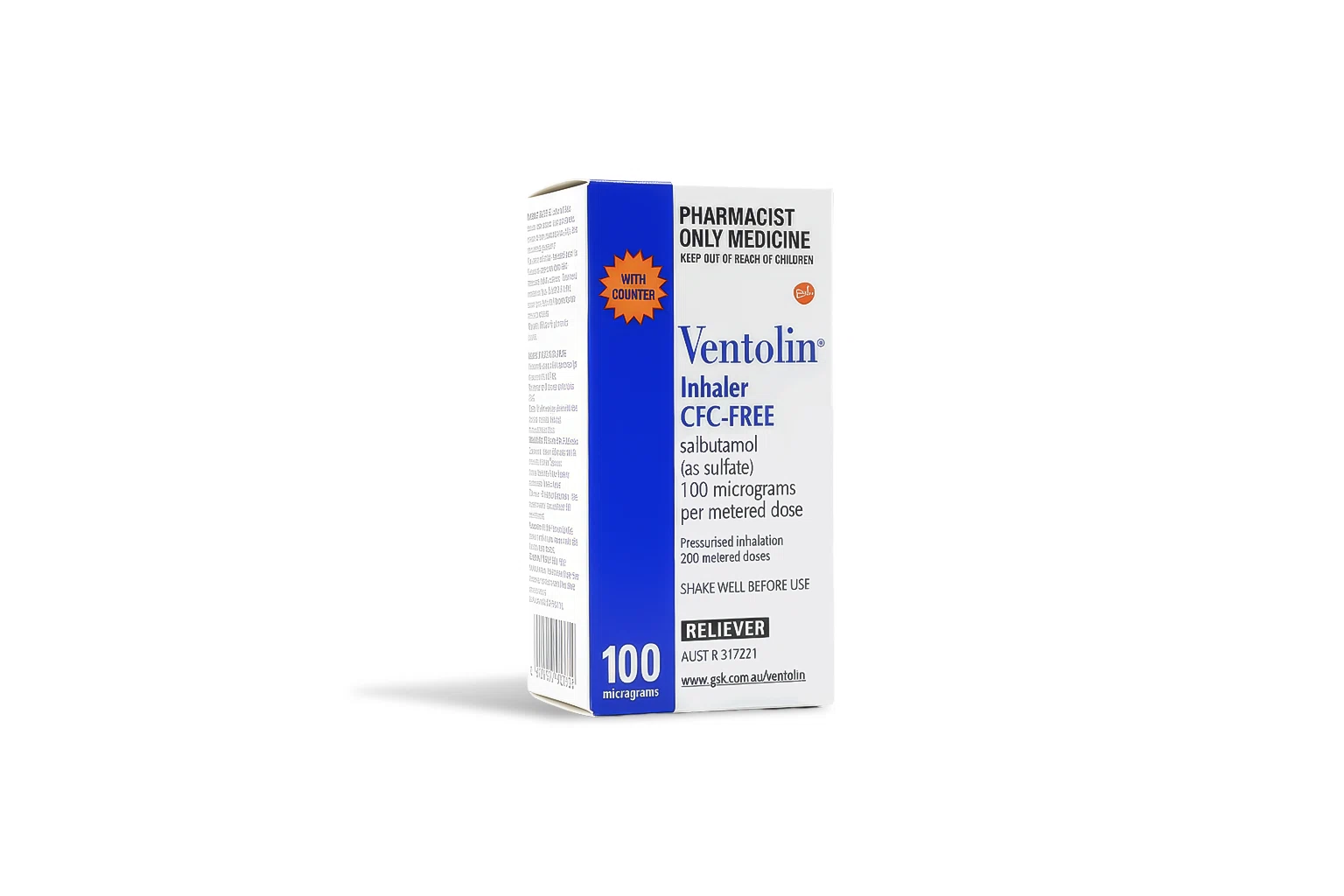
Inhalers$17.98 – $49.25Price range: $17.98 through $49.25Rated 4.00 out of 5Shop Now This product has multiple variants. The options may be chosen on the product pageVentolin CFC Free Inhaler 100 Mcg/18 Mg
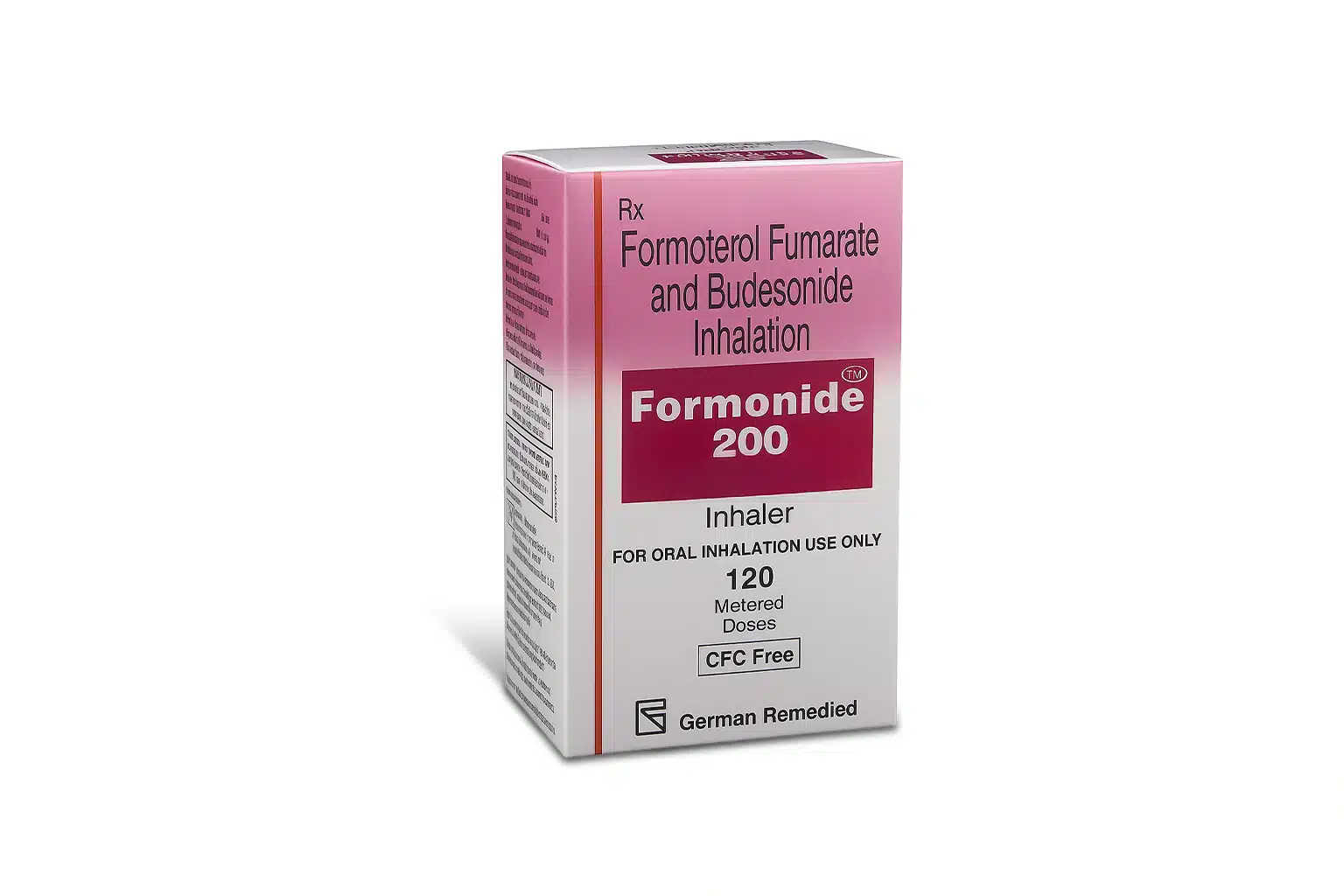
Inhalers$14.25 – $28.80Price range: $14.25 through $28.80Rated 5.00 out of 5Shop Now This product has multiple variants. The options may be chosen on the product pageFormonide 200 Inhaler
Inhalers$69.61 – $142.73Price range: $69.61 through $142.73Rated 4.00 out of 5Shop Now This product has multiple variants. The options may be chosen on the product pageAsthafen 1 Mg
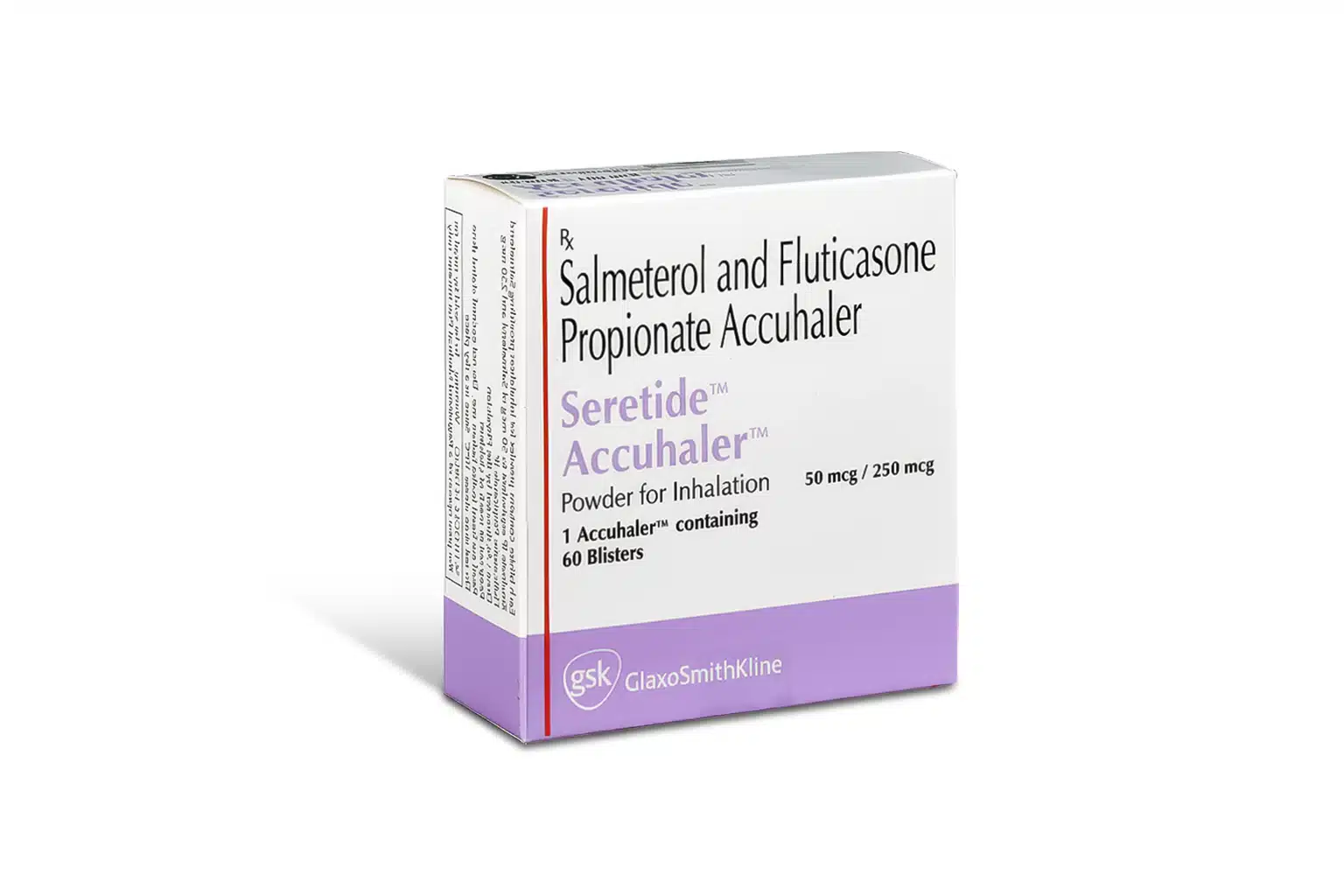
Inhalers$13.44 – $22.21Price range: $13.44 through $22.21Rated 4.00 out of 5Shop Now This product has multiple variants. The options may be chosen on the product pageSeretide 50 Mcg/250 Mcg Accuhaler
Inhalers$41.47 – $117.99Price range: $41.47 through $117.99Rated 4.00 out of 5Shop Now This product has multiple variants. The options may be chosen on the product pageBeclate Inhaler 200 Mcg
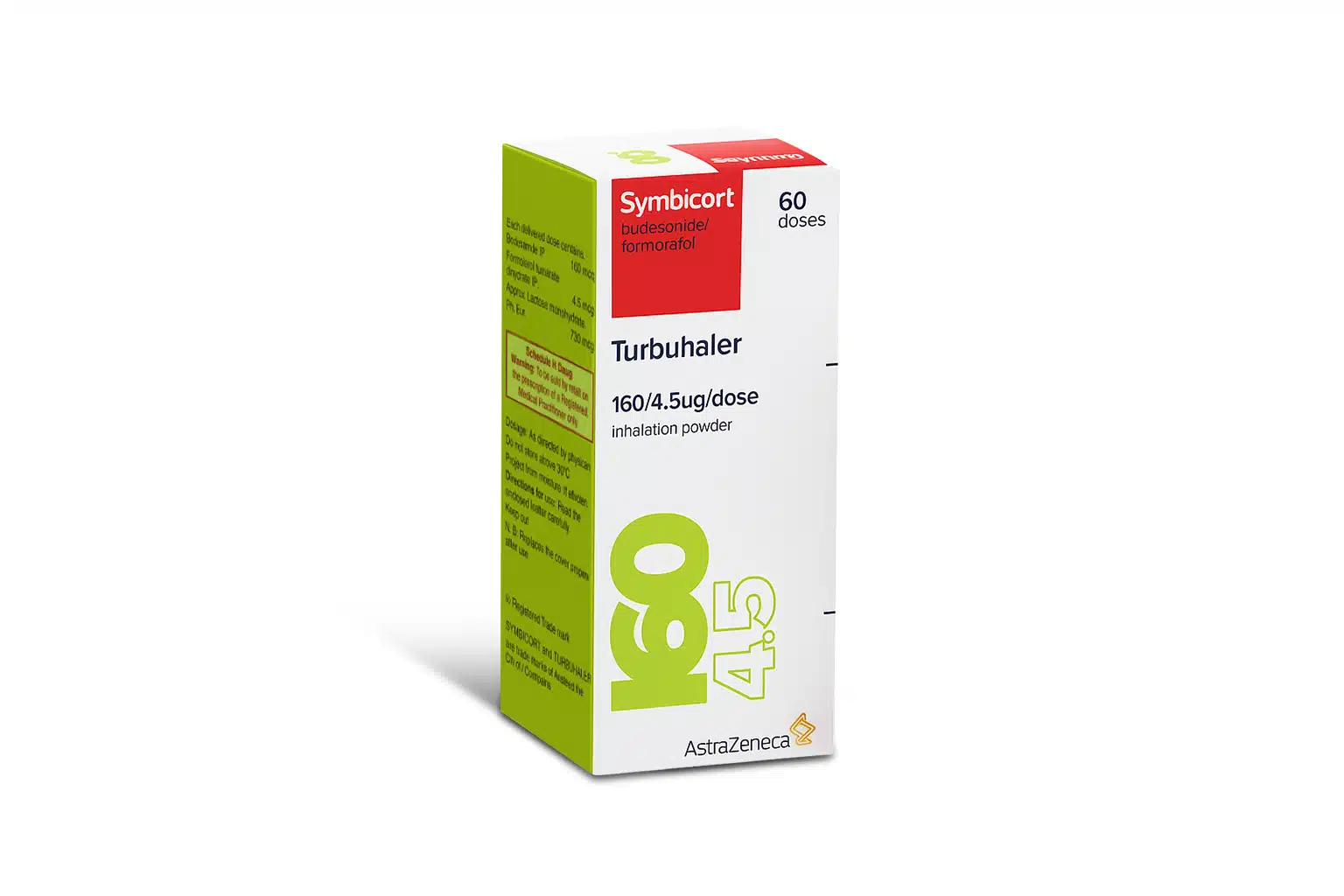
Inhalers$13.60 – $36.80Price range: $13.60 through $36.80Rated 4.00 out of 5Shop Now This product has multiple variants. The options may be chosen on the product pageSymbicort 160 Turbuhaler
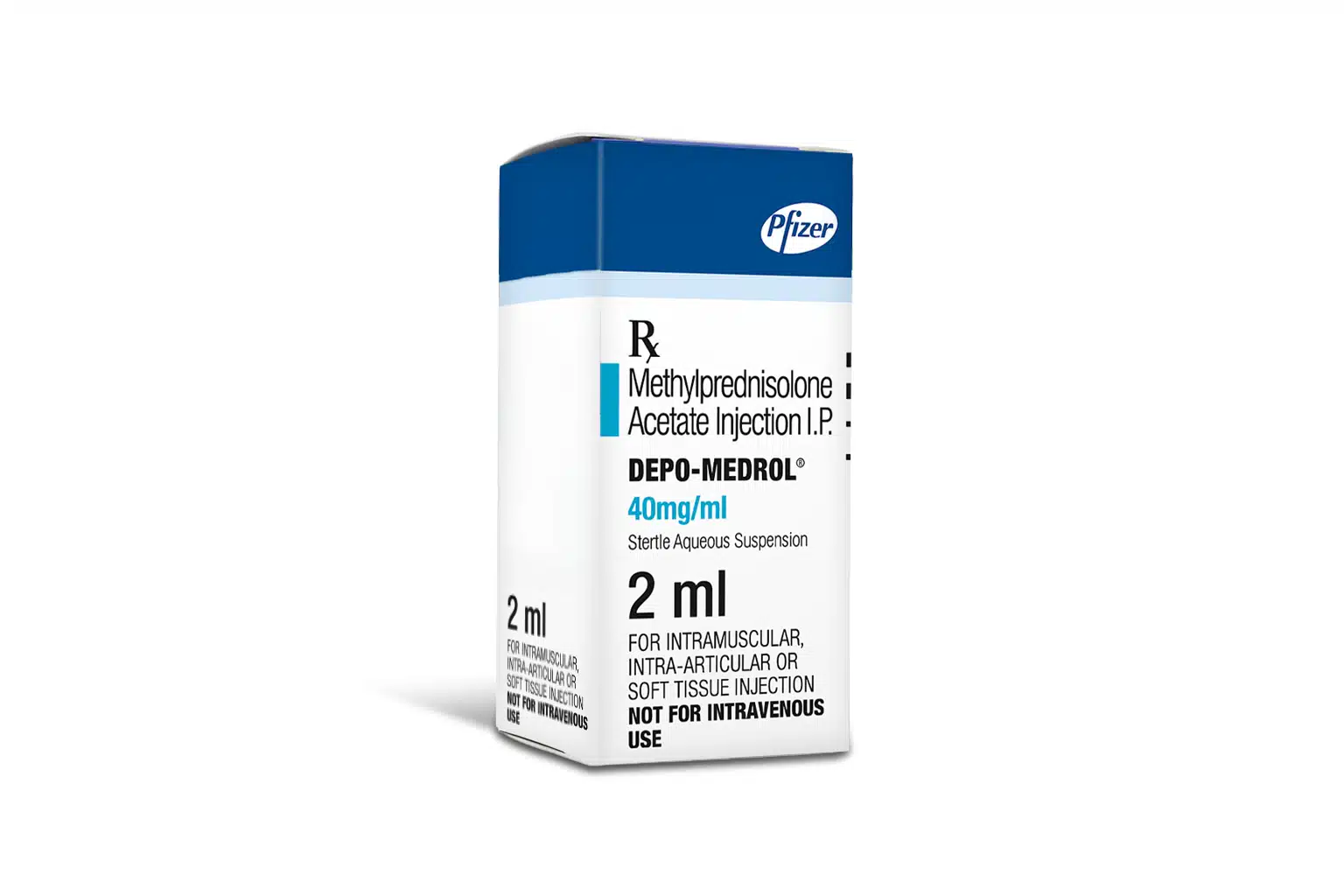
Inhalers$85.94 – $205.05Price range: $85.94 through $205.05Rated 4.00 out of 5Shop Now This product has multiple variants. The options may be chosen on the product pageDepo-Medrol 40 Mg/ML Injection 2 ml
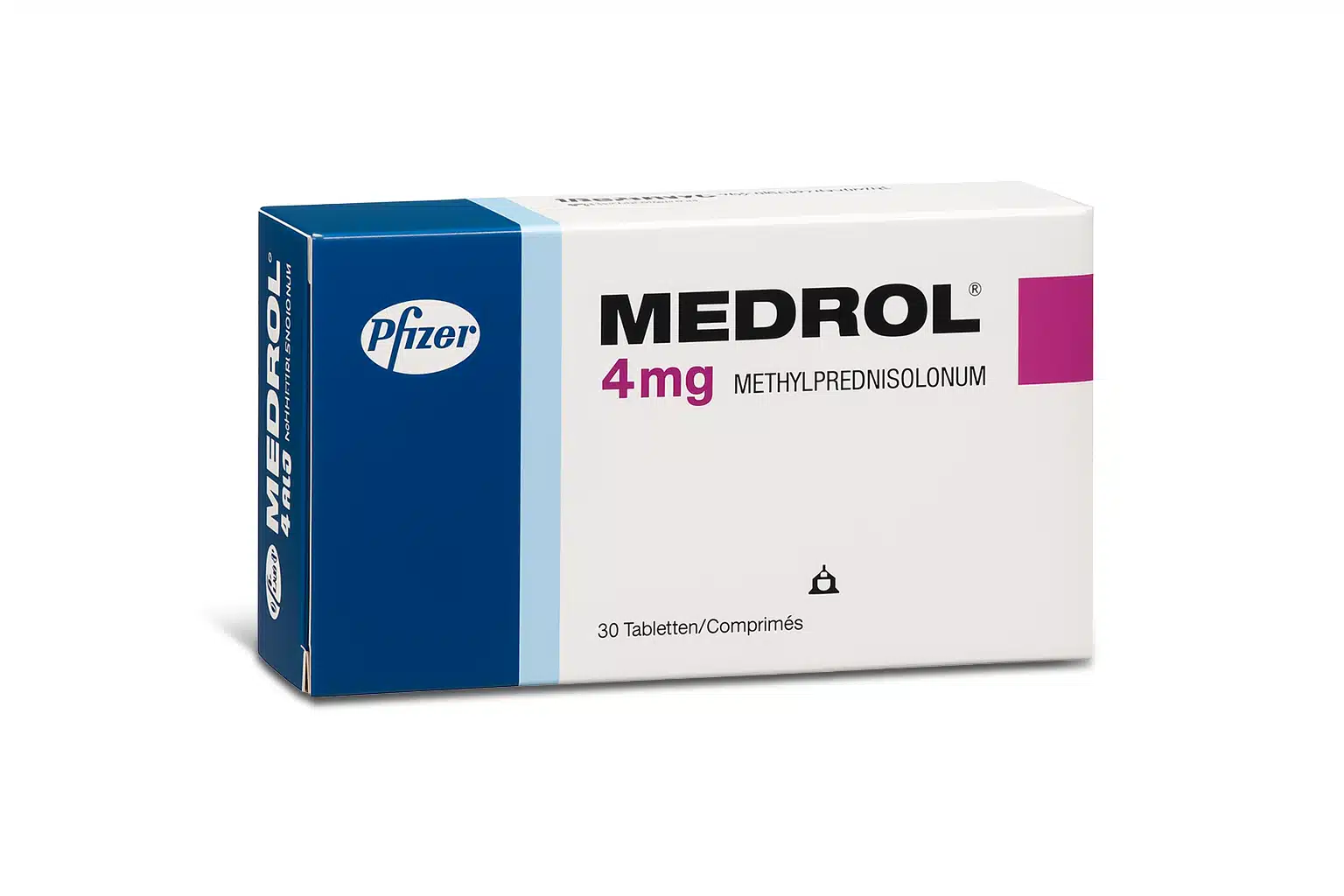
Inhalers$17.28 – $44.10Price range: $17.28 through $44.10Rated 5.00 out of 5Shop Now This product has multiple variants. The options may be chosen on the product pageMedrol 4 Mg Tablet
Inhalers$13.44 – $26.13Price range: $13.44 through $26.13Rated 4.00 out of 5Shop Now This product has multiple variants. The options may be chosen on the product pageOmnacortil 40 Mg Tablet
Inhalers$57.60 – $164.64Price range: $57.60 through $164.64Rated 4.00 out of 5Shop Now This product has multiple variants. The options may be chosen on the product page



Top 10 Common Inhaler Mistakes
Every single puff that you take from your inhaler devices offers you a precise dose of medicine that’s been designed to help, but it won’t actually fulfill its purpose if your inhaler technique is not effective. The medicine has to actually land in your airways and travel to the lungs instead of maybe sticking to your mouth or tongue. These minor technique mistakes may seem small, but they can actually lead to little to no medicine reaching your lungs. That’s where problems start arising. Read our inhaler usage tips and see if you are making the same mistakes or not.
Not shaking the inhaler before use
Before you even get to the breathing and posture techniques, the most important is how you prepare the inhaler before use. Most metered dose inhalers also called MDIs, have a mix of your medicine and a propellant, i.e., a component that’s supposed to push the medicine into your lungs. Before each and every puff, both of these components have to be thoroughly mixed.
Some individuals may shake their inhalers just a few times and might think that has blended them well enough. However, if not shaken well, then the inhaler won’t be able to deliver the medicine properly. Maybe you’ll just get the propellant and not the thing your lungs actually need. This is why it’s very imperative that you shake your inhaler firmly at least 10-15 times before you have to use it so that you’re able to maximize its effectiveness. This is just the first step, yet it takes more technique than people would like to think, and that’s why it’s important to be discussed when we talk about some common inhaler mistakes.
In combination inhalers that are used to treat asthma and COPD, this becomes really important because the bronchodilator and steroid components both play a role and need to be blended properly.
Forgetting to prime the inhaler
The most important thing to do, even before you take your first puff, is to prime your inhaler properly. When you prime your inhaler properly, you’re making sure that the medication and propellant are mixed properly and you’re not just getting a puff of the propellant. To prime your inhaler, shake it well like we’ve advised and spray it into the air 1-2 times.
This is a pretty important step for new inhalers, or inhalers that haven’t been used since 7-14 days.
Not exhaling fully before using the inhaler
Air takes up a lot of space in our lungs, much more than we typically estimate. If you start taking the puffs without breathing out first, then you’d just be working with lungs that are already half-filled. Taking puffs without fully exhaling makes the inhalation very shallow, and not enough vacuum is created for the medicine to get into the airways.
A general guideline around this is to sit or stand up in an upright manner with no slouching. To breathe out fully and then inhale the medicine slowly and deeply. These simple posture mistakes when using asthma inhalers also account for a lot of weightage. These common inhaler mistakes can quickly reduce the effectiveness of your medicine by a lot.
Breathing in too quickly or too soon
Another one of the most common inhaler mistakes that people end up making is that they inhale too soon, which is why most of their medicine ends up landing in their mouth and throat instead of their lungs. Others may press the inhaler a little too late. When they end up pressing the canister, they have already started to inhale, which is why the spray never ends up catching up with the airflow. This is a common problem with MDIs, the correct way is to inhale a slow and steady breath and press the inhaler when you start breathing in.
For dry powder inhalers also known as DPIs, the technique is very different. You must inhale very strongly and quickly and essentially suck the powder out of the device.
Not holding your breath after inhaling
When you inhale your medicine, it needs a few seconds to essentially stick to your airway lining in a way. If you don’t hold your breath and immediately exhale after taking a puff, then it’s possible that most of your medication could be blown back out of your mouth and essentially get lost in the air. This too is one of the most common inhaler mistakes that people end up making, but it has an easy solution!
It’s generally advised to hold your breath for about 10-15 seconds after you are done inhaling the medicine to let it fully sit and for your lungs to get the most of it.
Skipping the Spacer (when it is needed)
A spacer is a clear tube that is used to hold the medication for you so that you can breathe it in at your own slow and steady pace. Spacers have been designed for MDIs, and when it holds the medication, the person gets enough time to fully deposit the medicine into their lungs and not their mouth and throat.
Spacers are very effective, and they help greatly in minimizing side effects like throat irritation or oral thrush. Many adults think that they don’t need spacers and end up skipping it, especially outside the hospital. Not using spacers may not be on the top of the list of common inhaler mistakes, but it surely makes using an inhaler easier and more effective.
It is typically suggested that you use a spacer for your MDIs unless they have been optimized with the DPI design.
Incorrect breathing
What some people may end up doing is that they may press the inhaler once and then take multiple breaths instead of a steady breath. What also commonly happens is that individuals end up pressing the inhaler multiple times instead of waiting between the puffs. If the spacer is being used, then it gets filled with medication at once, which can overload it or give time for fine mist to settle in there and not get into your lungs.
If the spacer is being used, then wait for 30-60 seconds before you press the inhaler again. Without a spacer, give the inhaler a good shake and then press it again. Make sure that there is an interval of 30-60 seconds, any which way, between the administrations.
Not waiting between puffs
While we’re on the topic of breathing and breaks between puffs. Along with pressing the inhaler repeatedly, what people can also do is take a puff and then go on to take another in very quick succession, with no proper break.
We spoke about how there should be a good 30-60 second interval. If you rush to get your second puff in quick succession, then the propellant may not get enough time to mix with the medicine, or the inhaler may flood your airways with too much medicine at once, which you won’t be able to steadily breathe in and will go to waste. The better practice is to wait a whole minute and then go for your second puff.
Bad posture or Tilting the inhaler
As we’ve mentioned before, having the correct posture is also key to a successful inhaler use. Some individuals may do it to get the angle right, but instead of tilting the inhaler, you can try to tilt your chin a little upward and keep the inhaler upright. If the inhaler is tilted, then the medicine can end up getting sprayed against the side of the plastic holder rather than entering the mouth and into the airways. When you tilt your chin upward, it aligns the mouthpiece with the back of your throat properly.
With dry powder inhalers as well, holding them at any odd angle can block the powder chambers or leave the dosing incomplete. Any kind of slouching or lying down really minimizes the expansion of your lungs and constricts the airways.
To avoid making these common inhaler mistakes that are easily avoidable, try to sit up straight and keep the inhaler upright as well. Seal your lips around the mouthpiece properly and keep your tongue down so that the medication reaches your lungs properly.
Using empty or expired inhalers
With a lot of MDIs, people don’t notice that their inhaler is empty or very close to being empty. Some people also sometimes keep an old inhaler in their bag for probable situations where they might have to use it. What can happen is that the inhaler can just face a sad fate and expire while waiting in your bag. Inhalers that are empty or have expired hardly have or release any amount of medicine. If you keep this inhaler on you for emergency purposes, then it likely will all be in vain because the inhaler won’t actually be able to help in these emergency situations.
Always check the dose counter on your inhaler and check the expiry dates before you keep it in your emergency kit. Although some inhalers may not have the dose counter, and that actually makes it pretty difficult to figure out if they’re empty or not. In those cases, it is typically recommended to manually track your puffs, maybe with a written log if that helps.
Final Thoughts
These were some of the most common inhaler mistakes that people may end up making while using theirs. They seem pretty minor but end up having a lot of impact on your health. It’s also cost-effective to pay heed to them since this can save you your medicine as well. Paying attention to these and reading up on how to use the inhaler correctly step by step can really help you use your device effectively.
FAQs
1.Should I rinse my mouth after using my inhaler?
Absolutely! You should especially rinse your mouth after using steroid inhalers. Doing so will help you avoid oral thrush.
2. Should I check my inhaler technique regularly?
It’s good to get your technique checked during your regular visits with your healthcare provider.
3. Why is my inhaler not working even though I use it?
If your inhaler isn’t working properly, then you should get it checked with a pharmacist or visit your healthcare provider to review your technique since a lot of times it can just be due to incorrect inhaler use.

Dr. Delisha Cole is a sexual health and wellness writer with over 10 years of experience researching erectile dysfunction, performance anxiety, premature ejaculation, and modern ED treatments. She focuses on breaking down complex medical topics into practical, easy-to-understand advice that helps readers make informed decisions about their intimate health, confidence, and relationships. Her content covers ED medications, lifestyle factors, treatment safety, and real-world wellness guidance in a simple, reader-friendly way.