
Have you ever reached the end of your day and thought to yourself that the day just took too much out of you? I mean, yeah, you did pack your and your family’s lunches, worked your job, and then did the household responsibilities after getting back. That’s a lot for anyone. It’s pretty valid to think that it’s just the tiredness that’s catching up to you. Most women run a daily marathon in their everyday lives, where they are meeting their own and others’ deadlines, taking care of everyone’s nutrition, and making their family’s lives easier.
Women are not paid for this, this is just the unpaid labor that they engage in out of love and responsibilities. There’s also a social standard that women have to undertake caregiving and domestic responsibilities along with work that’s not necessarily placed on men. Most women have to understand, though, that this sheer fatigue may not always be due to the schedule but could also be due to a nutrient deficiency.
Best Seller

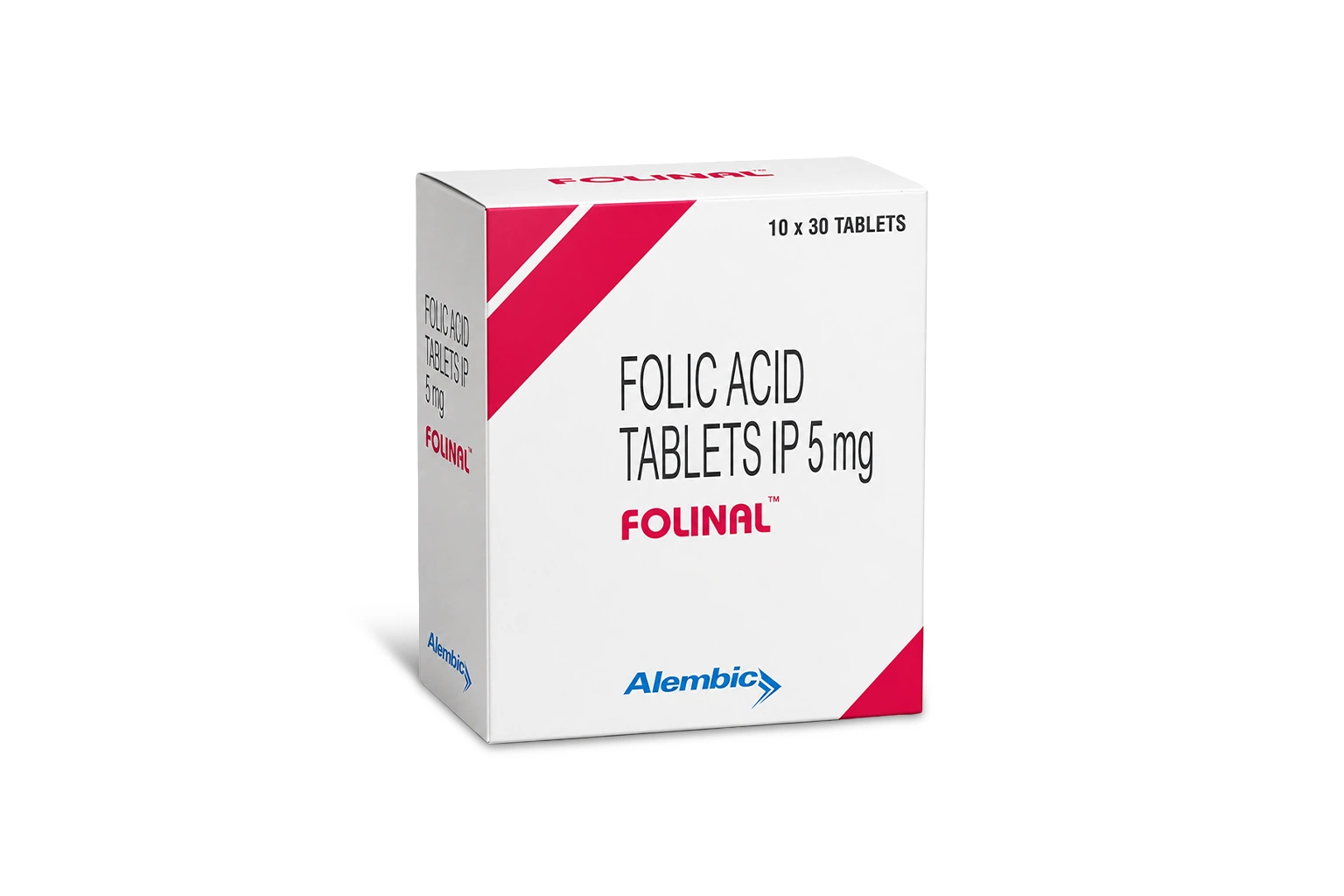
Folinal 5mg tablet
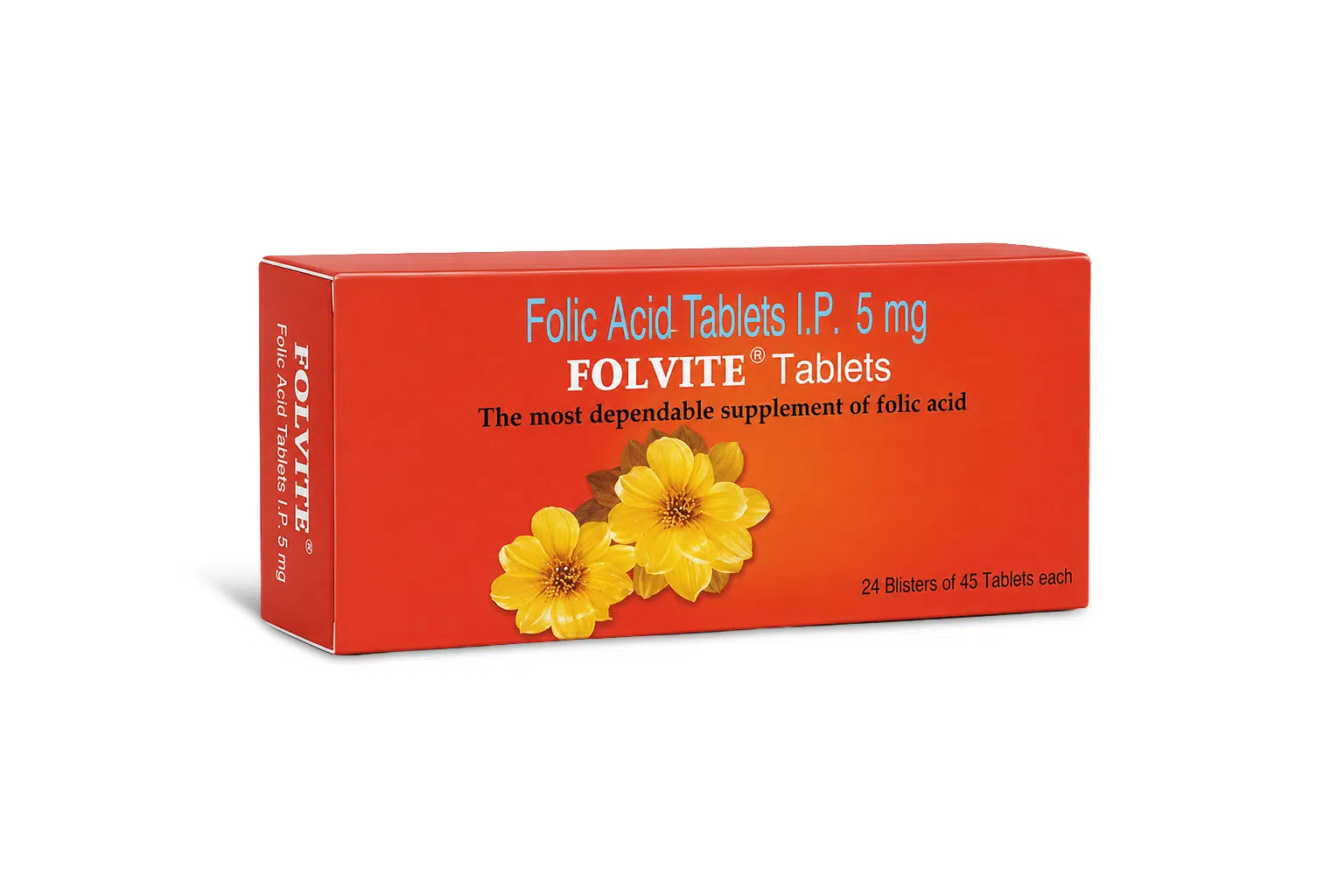
Folic acid$19.77 – $42.00Price range: $19.77 through $42.00Rated 5.00 out of 5Shop Now This product has multiple variants. The options may be chosen on the product pageFolvite 5 Mg
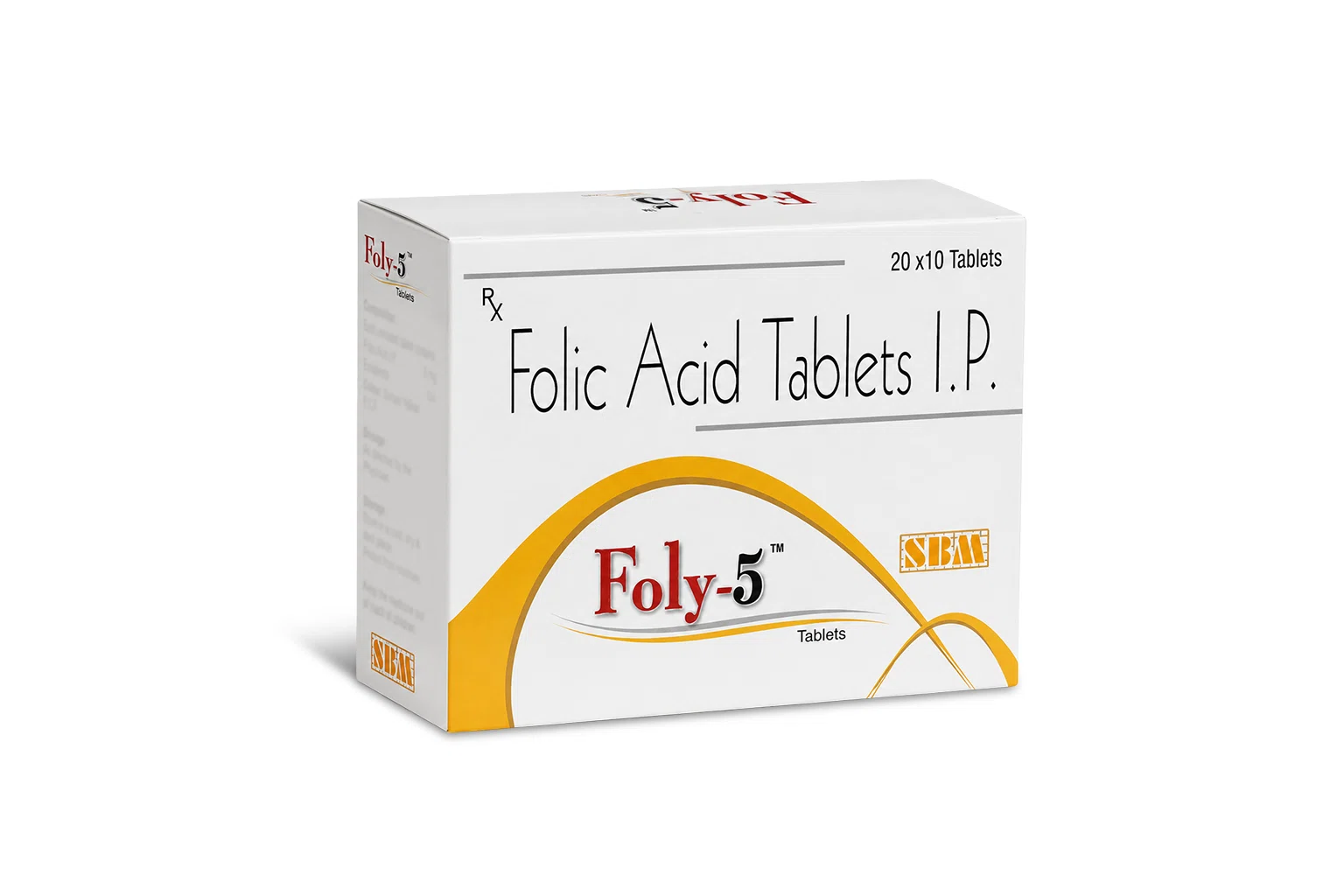
Womens Health$5.48 – $20.04Price range: $5.48 through $20.04Rated 4.00 out of 5Shop Now This product has multiple variants. The options may be chosen on the product pageFoly 5 Mg Tablet
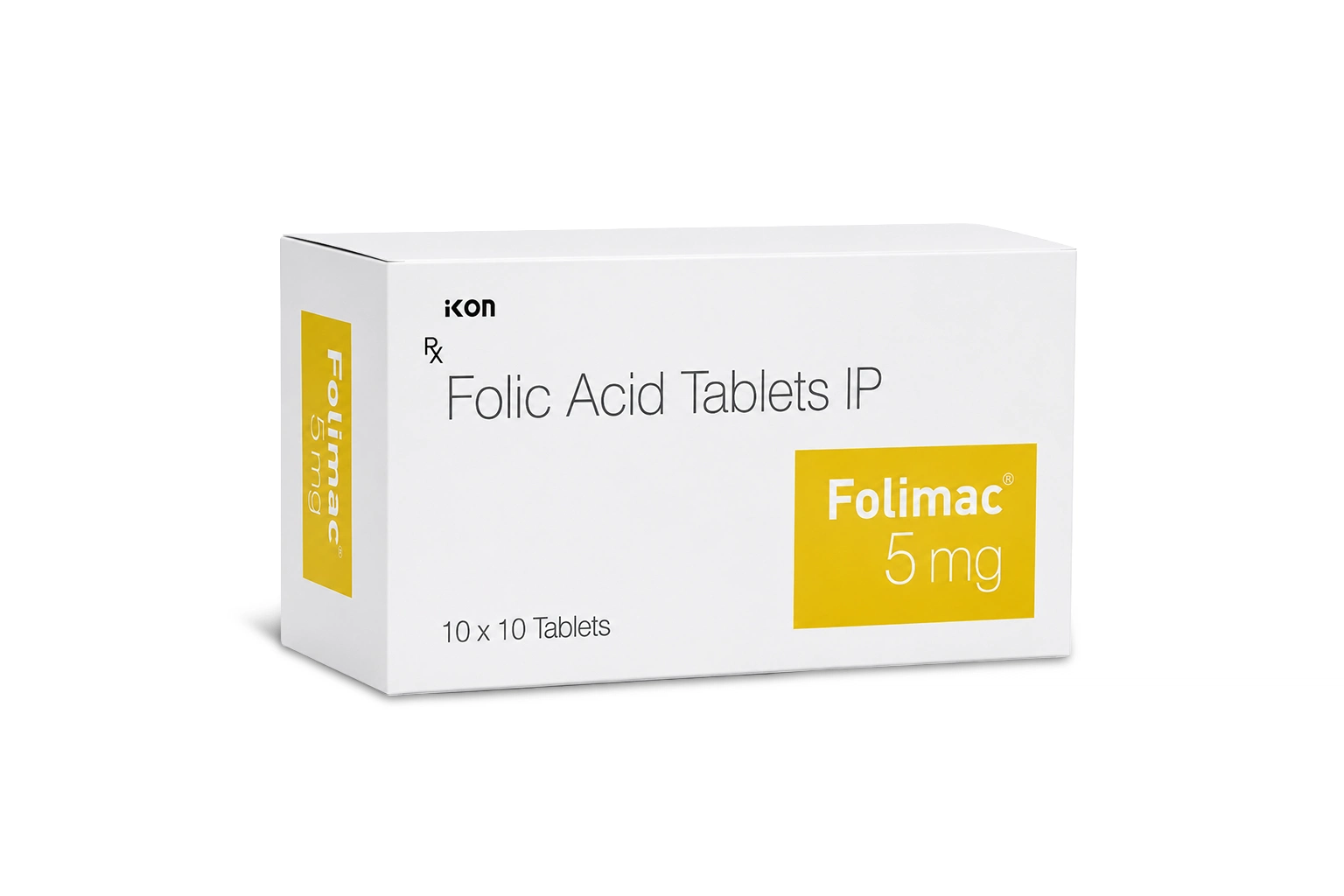
Folic acid$16.15 – $42.00Price range: $16.15 through $42.00Rated 5.00 out of 5Shop Now This product has multiple variants. The options may be chosen on the product pageFolimac 5 Mg Tablet
Folic acid$26.00 – $68.00Price range: $26.00 through $68.00Rated 4.00 out of 5Shop Now This product has multiple variants. The options may be chosen on the product pageFolvite DHA Soft Gelatin Capsule
Folic acid$29.00 – $86.00Price range: $29.00 through $86.00Rated 4.00 out of 5Shop Now This product has multiple variants. The options may be chosen on the product pageFolvite MB Capsule
Folic acid$29.00 – $85.00Price range: $29.00 through $85.00Rated 5.00 out of 5Shop Now This product has multiple variants. The options may be chosen on the product page
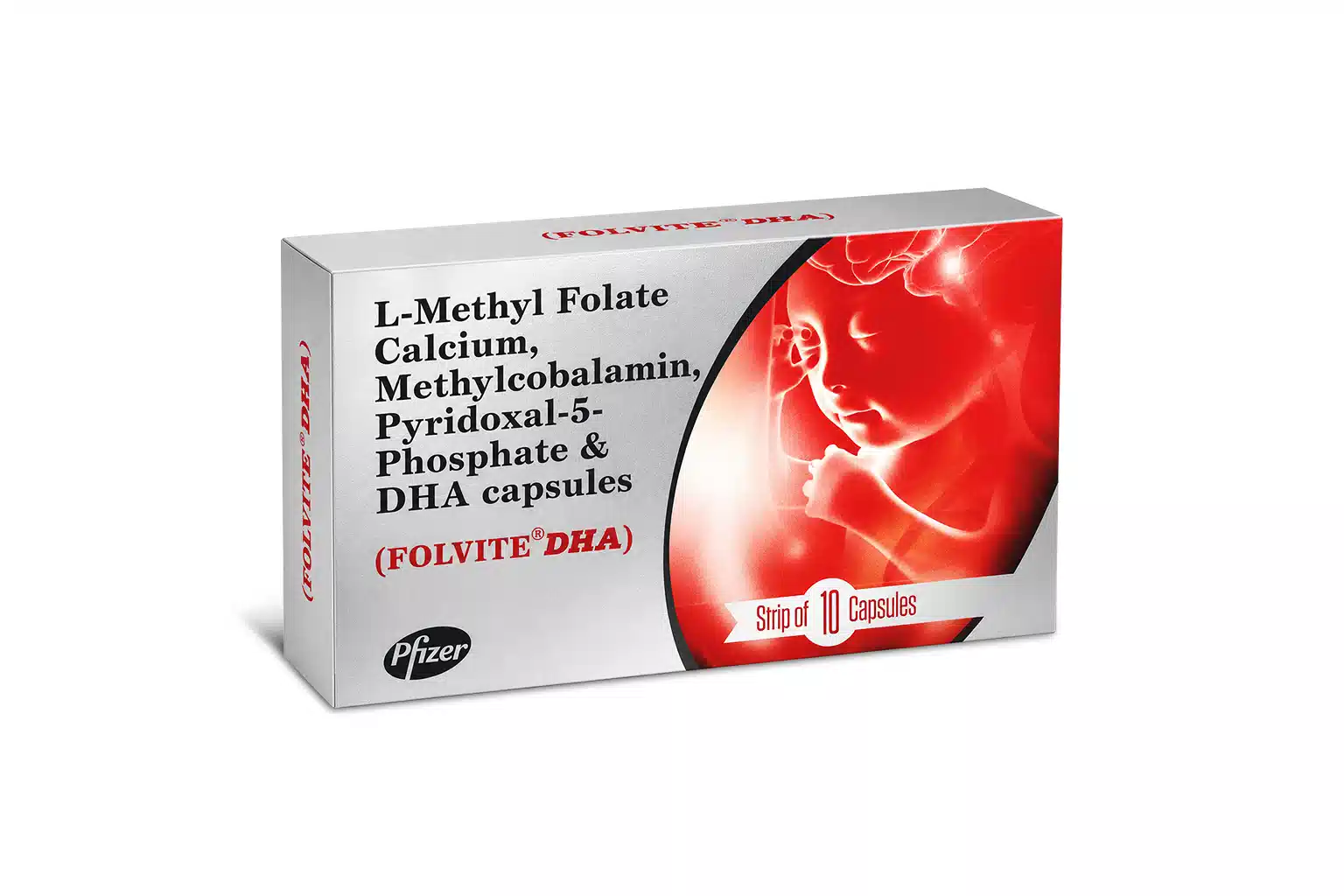
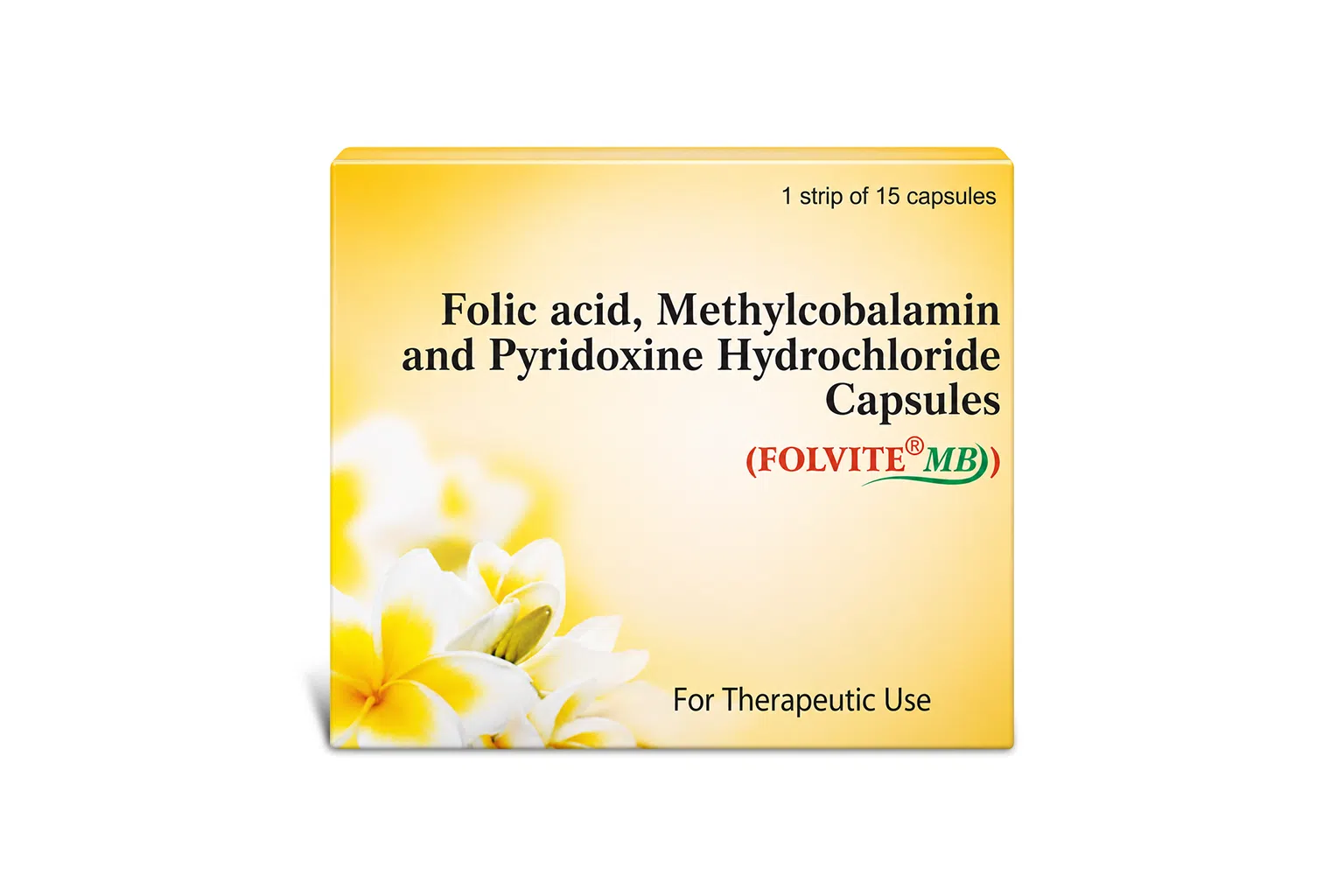
The vitamin we’re talking about today is the Vitamin B9. It’s an overlooked gap that exists. While protein and calcium are paid attention to in regard to women’s wellness, vitamin B9 is almost pushed under the rug. We’re here to tell you that it’s as important as the other nutrients. Vitamin B9 deficiency is a critical thing to pay attention to since the vitamin sits at the center of some of the body’s most critical functions. While we’ll get into those later, several studies show that women in their reproductive stage often fall short of this vitamin.
We’ll get into all the details in this blog. We’ll talk about taking folate for women, especially those in their pregnancy stages. We’ll take a look at vitamin B9 benefits and talk about healthy pregnancy nutrition. So, sit tight.
Why exactly is Vitamin B9 important?
Vitamin B9 is basically a water-soluble B vitamin that is commonly found in dark leafy vegetables, legumes, citrus fruits, and fortified foods. It basically exists in two primary forms. Folate is a naturally occurring form that’s present in all these foods, and folic acid is the synthetic form that’s used in supplements and fortified foods.
The female body relies on vitamin B9 for DNA synthesis, red blood cell formation, amino acid metabolism, and cellular repair. It’s one of the most essential vitamins for women. To go about it in simple terms, every single time your body is growing new cells or repairing any sort of damaged tissues, it’s vitamin B9 that’s pulling the strings on the backend.
A 2020 review even published that maintaining sufficient folate levels is not only important during pregnancy but also throughout a woman’s lifespan, since it affects stuff from a woman’s mood regulation to her cardiovascular health.
The recommended intake for adult women is about 400 micrograms of folate equivalents. During pregnancy this amount can rise from 400 to 600, and during breastfeeding it’s about 500 micrograms. It’s important to keep these numbers in your daily nutritional support list since daily intake of vitamin B9 is essential. You cannot have too much one day and not the other day because your body actually cannot store large reserves of water-soluble vitamins. Folate tablets like Folimac 5 mg, Folinal 5 mg, or Folvite 5 mg might be of help to meet your daily goals.
Vitamin B9 during pregnancy
While vitamin B9 is important throughout your entire life, it’s even more essential during your pregnancy years. When you’re pregnant, there’s a rapid fetal growth in the body that requires a significant amount of cellular division and DNA synthesis. Folate, or folic acid, for women supports the development of the brain, spinal cord, and nervous system of the baby. Along with this, it also helps the mother’s body in accommodating this increased amount of blood volume and growth of tissue.
There are some serious birth abnormalities that have the potential of affecting the brain and spine of the baby. Neural tube defects like spina bifida and anencephaly have strongly been linked to an insufficient folate intake, not just during pregnancy but also in the weeks surrounding conception. This is why folic acid is so essential for not just pregnant women but women in all walks of their lives, especially if they plan to have children.
There’s a critical window for folate intake in women who are pregnant. It’s actually earlier than most women may even realize. The neural tube closes within the first 28 days of pregnancy, and this is before a woman even knows that she is pregnant. And the story doesn’t just end at neural tubes. Vitamin B9 also helps women deal with the risk of preeclampsia, helps in better placental development, and may help in improving the weight outcomes of a newborn.
This is why so many medical professionals may also recommend folic acid supplements like Folvite 5 mg or Folinal 5 mg. A good nutrition plan during pregnancy is built on a number of pillars, and vitamin B9 is one of them.
Folic acid Supplementation
While folate does naturally occur in several food sources, getting the optimal and required intake can be a little difficult, especially in our busy lives. Folate is available, like in dark leafy vegetables like spinach and kale. It’s available in legumes, avocado, and asparagus. You can reach the required amount of folate with even just a cup of legumes, but maintaining consistency in most women’s busy schedules is the main hurdle.
This is where female health supplements enter the conversation. We’ve spoken about a few folic acid supplements before as well. A lot of people are wary around the use of health supplements and think that they’re not the real thing. We’re here to dispel all those beliefs and reassure you that supplements like Folimac 5 mg or Folinal 5 mg are made specifically to address the folate needs of pregnant and non-pregnant women.
Pairing your folic acid supplements with vitamin B12 and iron can produce holistically better results than just taking the supplements in an isolated fashion. When you’re looking for folic acid supplements, make sure that the medications clearly state the form of folate they have used. Whether it’s folic acid or methylfolate. Make sure the medications also provide their dosage and are made with women’s unique needs in mind. Some good folic acid supplements in the market right now are Folimac 5 mg, Folvite 5 mg, and Folinal 5 mg.
Final Thoughts
Reaching your optimal health and required dietary nutrition is not the matter of just one supplement. Yes, vitamin B9 does play an important role in women who are pregnant and are not. But there’s more to your diet than just fulfilling the needs of one vitamin. Like we said, there are nutrients like the vitamin B12, iron, calcium, and so much more.
At the same time, that doesn’t mean that you can ignore your body’s vitamin B9 needs. Your body requires vitamin B9 for proper DNA synthesis, red blood cell production, and fetal development. How you reach the required levels, whether it is through your diet or folic acid supplements, is not so important. The point is to provide and fortify your body with essential nutrients and make sure your reproductive health is optimal.
FAQ's
1. Why is vitamin B9 so important for women?
Vitamin B9 helps in the process of DNA synthesis, red blood cell formation, nervous system function, and a healthy fetal development. That’s why it’s so important for women who are in their reproductive years.
2. When should I start taking vitamin B9 if I plan to conceive?
Ideally, you can start checking your folate levels and maybe start with folic acid supplements around three months before your pregnancy. But you can also start doing that a month before you start trying for a baby.
3. Which folic acid supplements can I go for?
There are a ton of folic acid supplements available on the market. Some popular options among those are Folvite 5 mg, Folinal 5 mg, and Folimac 5 mg.
4. Which foods should I eat for Vitamin B9?
Foods like leafy green vegetables, lentils, chickpeas, beans, asparagus, avocados, and citrus fruits are amazing sources of folate, that can naturally help you replenish your folate levels.

Dr. Delisha Cole is a sexual health and wellness writer with over 10 years of experience researching erectile dysfunction, performance anxiety, premature ejaculation, and modern ED treatments. She focuses on breaking down complex medical topics into practical, easy-to-understand advice that helps readers make informed decisions about their intimate health, confidence, and relationships. Her content covers ED medications, lifestyle factors, treatment safety, and real-world wellness guidance in a simple, reader-friendly way.