
Erectile dysfunction (ED) is common: stress, poor sleep, vascular health, hormones, medication side-effects, and relationship issues can all play a role. Some men look to essential oils and aromatherapy as a natural way to support relaxation, mood, and intimacy — things that indirectly help sexual performance. But it’s important to be realistic: there’s no high-quality evidence that any essential oil cures physiological ED, and essential oils should be used thoughtfully and safely as complementary tools rather than replacements for doctor-guided care.
Why do people try essential oils for ED?
Essential oils are concentrated plant extracts. When inhaled or applied topically (diluted), their scents stimulate the olfactory system and brain areas tied to emotion and stress (the limbic system). That can lower anxiety, help people relax, and set a better mood for intimacy — all helpful when sexual performance is being inhibited by stress or nerves. Aromatherapy has shown benefits for anxiety, mood, and some aspects of sexual function in certain groups (for example, aromatherapy helped sexual quality of life in some studies of women), but high-quality evidence showing oils directly restore physiological erectile function is lacking.
Put simply: essential oils may help the psychological and relational contributors to ED (stress, low libido, poor mood), and that alone can improve sexual confidence and performance in many men — but they are not a proven substitute for medical treatments when ED has organic causes (vascular disease, diabetes, low testosterone, medication effects).
Best oils for male enhancement
These oils are commonly recommended for libido, relaxation, or circulation — the three areas most likely to help sexual wellness.
- Lavender — calming, reduces anxiety, widely used in aromatherapy studies. Good for pre-intimacy relaxation.
- Rose (rose otto/rose absolute) — traditionally considered aphrodisiac; pleasant, grounding aroma that can support intimacy and emotional connection.
- Ylang-ylang — thought to be uplifting and sensual; used in mood and aphrodisiac blends.
- Clary sage — can be balancing for mood; sometimes used to reduce stress and support hormonal balance in holistic traditions.
- Cinnamon — warming, stimulating; has been studied for smooth-muscle relaxation effects in preclinical work and is often included for its spicy, arousing scent (use diluted—can irritate skin).
- Ginger — warming and circulation-promoting in traditional uses; supportive for energy and grounding.
- Rosemary — energizing and may support circulation and alertness in small studies; often used in male wellness blends.
- A note on mint/peppermint: some animal studies have suggested mint could affect hormones at high doses, but human evidence is inconclusive. Peppermint can be invigorating for some men but avoid ingesting or using undiluted on sensitive skin.
How to use essential oils for ED
Safety first: always dilute essential oils before applying to skin (typical topical dilution is 1–3% for adults: 1 drop oil in ~1 tsp [5 ml] carrier for 1% — see product guidance). Never ingest oils unless under supervision of a qualified clinician. Some oils are irritating (cinnamon, clove, oregano, thyme) and require extra dilution. If you have allergies, skin conditions, are on medication (especially blood thinners or hormone therapy), or have prostate issues, check with your doctor before using oils.
Simple, effective methods:
- Diffuse — Add 3–6 drops of a blend to a diffuser in the bedroom 15–30 minutes before intimacy. Inhalation is the gentlest route and affects mood quickly. (Example: 3 drops lavender + 2 drops rose.)
- Personal inhaler — Portable and private: add a few drops to a cotton wick in an inhaler tube to use right before sex or during moments.
- Topical massage oil — Mix essential oil(s) into a carrier oil (fractionated coconut, sweet almond, jojoba) at 1%–2% and use for full-body massage or a light lower-abdomen massage (avoid direct contact with genitals unless you know the oil is safe and well diluted). Massage lowers stress and increases blood flow. Example dilution: 6 drops essential oil per 30 ml carrier ≈ 1% (adjust per product recommendations).
- Baths — Add a few drops of a diluted blend to a warm bath (diluted in a dispersant like milk or a carrier oil first) to relax before intimacy.
- Compresses — A warm compress with a diluted blend applied to the lower abdomen or inner thighs can be comforting and potentially support circulation indirectly.
Essential oil blends for men’s wellness
These blends focus on relaxation, mood, and gentle stimulation — use in a diffuser or dilute for topical massage at 1% unless noted.
- Calm Confidence (diffuser/inhaler)
- 3 drops Lavender
- 2 drops of Rose
- 1 drop Clary sage
- 3 drops Lavender
- Warming & Focus (massage or diffuser)
- 2 drops Cinnamon (or 1 drop if sensitive)
- 2 drops of Ginger
- 2 drops Rosemary
- 2 drops Cinnamon (or 1 drop if sensitive)
- Mood & Connection (bedroom blend)
- 3 drops Ylang-ylang
- 2 drops of Rose
- 1 drop Bergamot (if you have no photosensitivity concerns)
- 3 drops Ylang-ylang
- Grounding Pre-Date (inhaler)
- 3 drops Vetiver or Sandalwood
- 2 drops Lavender
- 3 drops Vetiver or Sandalwood
Safety reminders: cinnamon and clove are skin irritants — test a tiny patch first and keep dilutions low. Avoid bergamot on skin before sun exposure unless it’s bergapten-free.
Best Seller
-

Cenforce 100 Mg
Best Seller$24.00 – $215.00Price range: $24.00 through $215.00Rated 5.00 out of 5Shop Now This product has multiple variants. The options may be chosen on the product page -
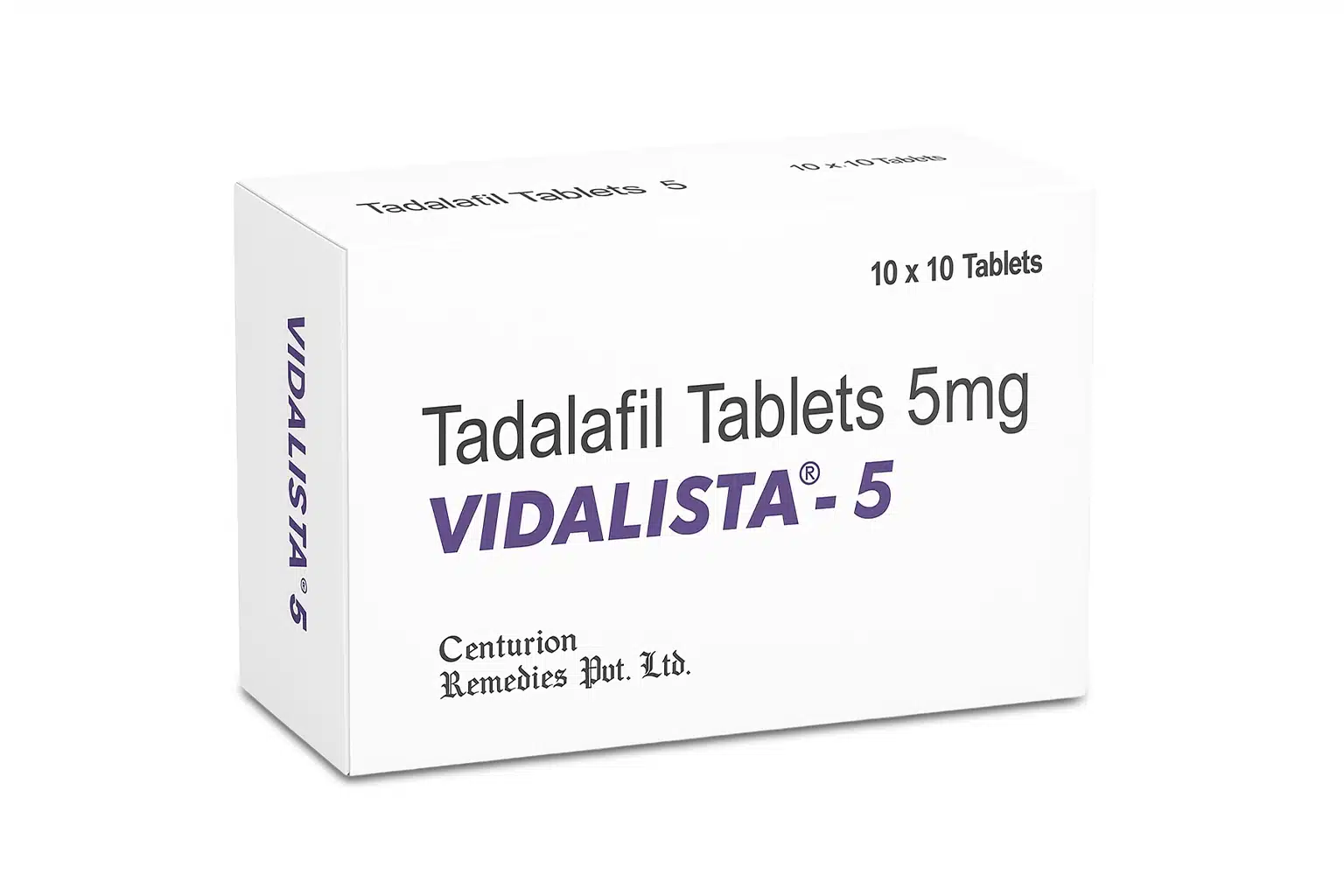
Vidalista 5 Mg
Best Seller$18.00 – $182.00Price range: $18.00 through $182.00Rated 4.00 out of 5Shop Now This product has multiple variants. The options may be chosen on the product page -
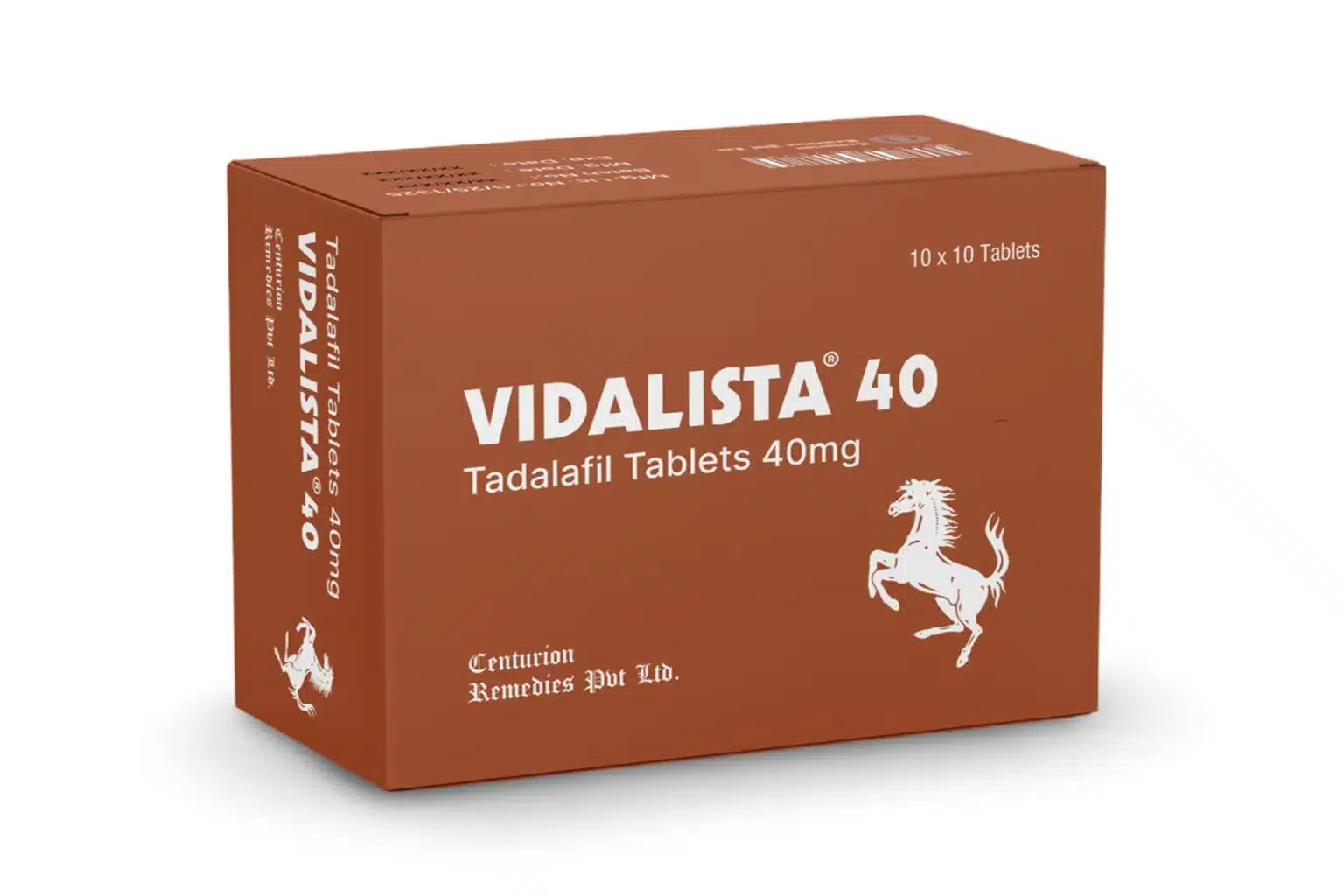
Vidalista 40 Mg
Best Seller$28.00 – $276.00Price range: $28.00 through $276.00Rated 4.00 out of 5Shop Now This product has multiple variants. The options may be chosen on the product page -

Cenforce 200 Mg
best sellers$31.00 – $335.00Price range: $31.00 through $335.00Rated 4.00 out of 5Shop Now This product has multiple variants. The options may be chosen on the product page -

Cenforce Fm
Best Seller$33.00 – $218.00Price range: $33.00 through $218.00Rated 4.00 out of 5Shop Now This product has multiple variants. The options may be chosen on the product page -
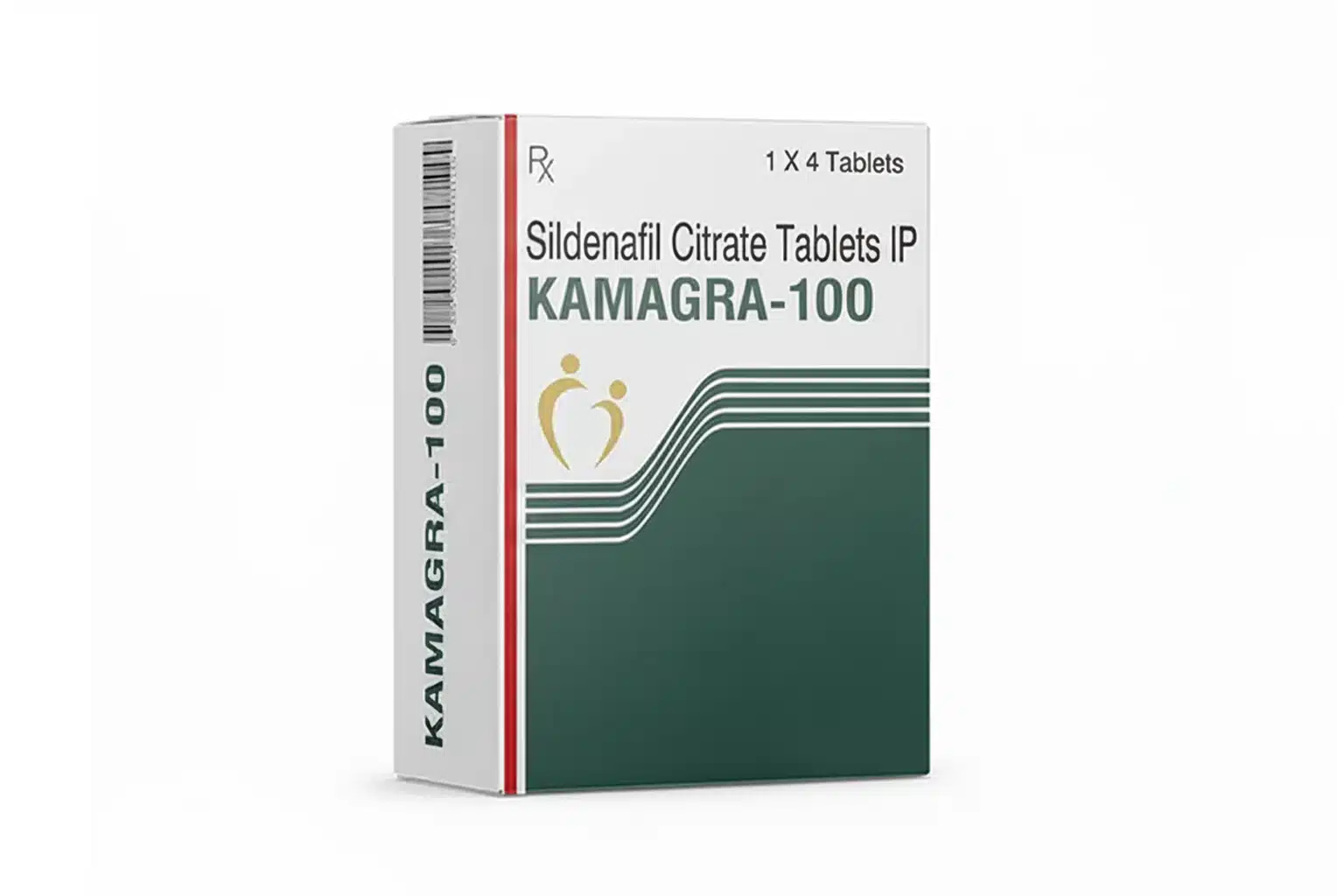
Kamagra 100 mg
best sellers$24.00 – $125.00Price range: $24.00 through $125.00Rated 5.00 out of 5Shop Now This product has multiple variants. The options may be chosen on the product page -

Fildena 100 mg
best sellers$24.00 – $244.00Price range: $24.00 through $244.00Rated 4.00 out of 5Shop Now This product has multiple variants. The options may be chosen on the product page -

Malegra Oral Jelly 100 Mg
Best Seller$8.00 – $44.00Price range: $8.00 through $44.00Rated 5.00 out of 5Shop Now This product has multiple variants. The options may be chosen on the product page -

Super Kamagra Oral Jelly
Best Seller$25.00 – $120.00Price range: $25.00 through $120.00Rated 4.00 out of 5Shop Now This product has multiple variants. The options may be chosen on the product page -
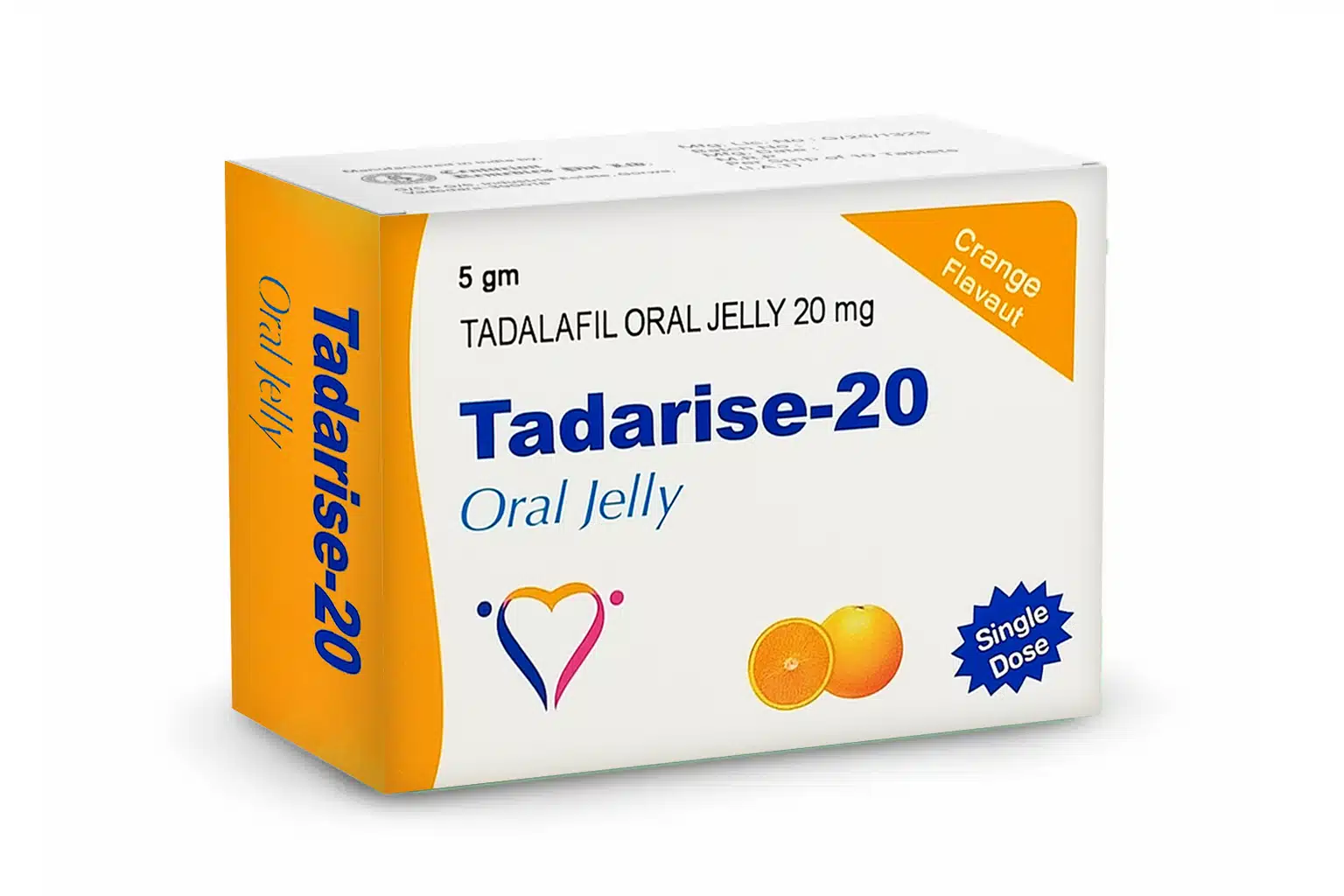
Tadarise Oral Jelly
Best Seller$19.00 – $72.00Price range: $19.00 through $72.00Rated 4.00 out of 5Shop Now This product has multiple variants. The options may be chosen on the product page -
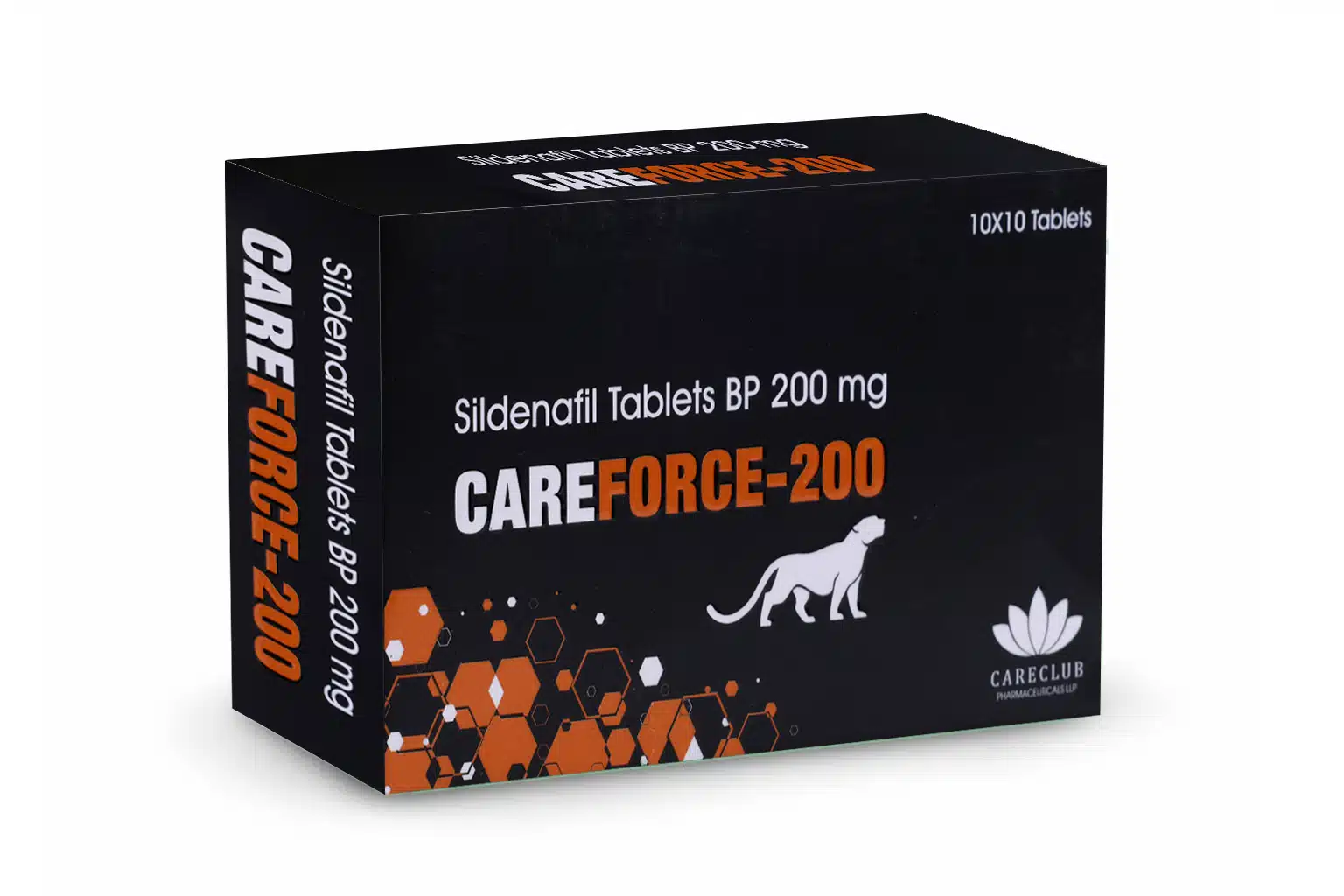
Careforce 200 Mg
Best Seller$29.00 – $332.00Price range: $29.00 through $332.00Rated 5.00 out of 5Shop Now This product has multiple variants. The options may be chosen on the product page -

Stallegra 100 Mg
best sellers$88.00 – $224.00Price range: $88.00 through $224.00Rated 5.00 out of 5Shop Now This product has multiple variants. The options may be chosen on the product page -
 Exclusive
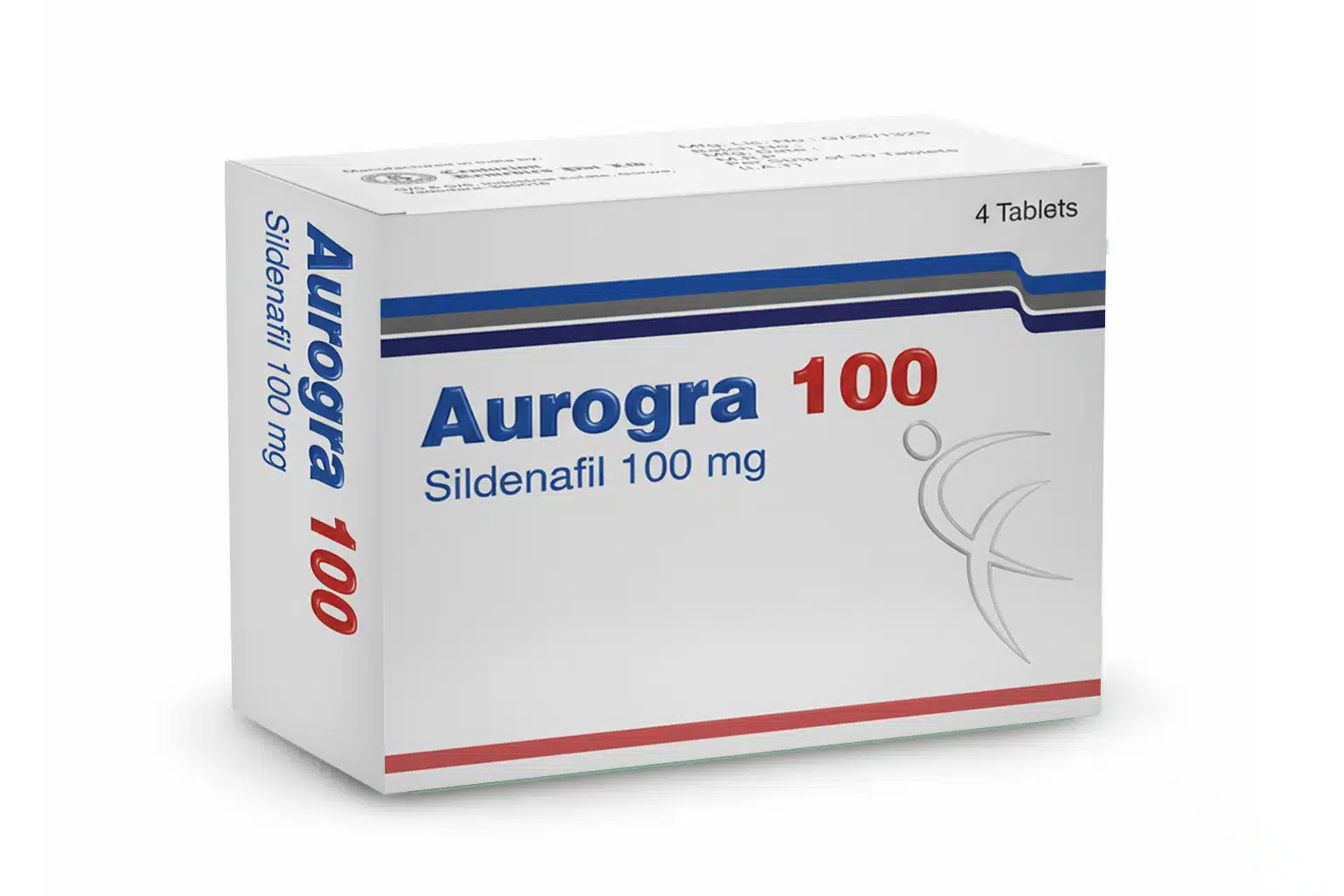
Aurogra 100 Mg
best sellers$29.00 – $76.00Price range: $29.00 through $76.00Rated 4.00 out of 5Shop Now This product has multiple variants. The options may be chosen on the product page -
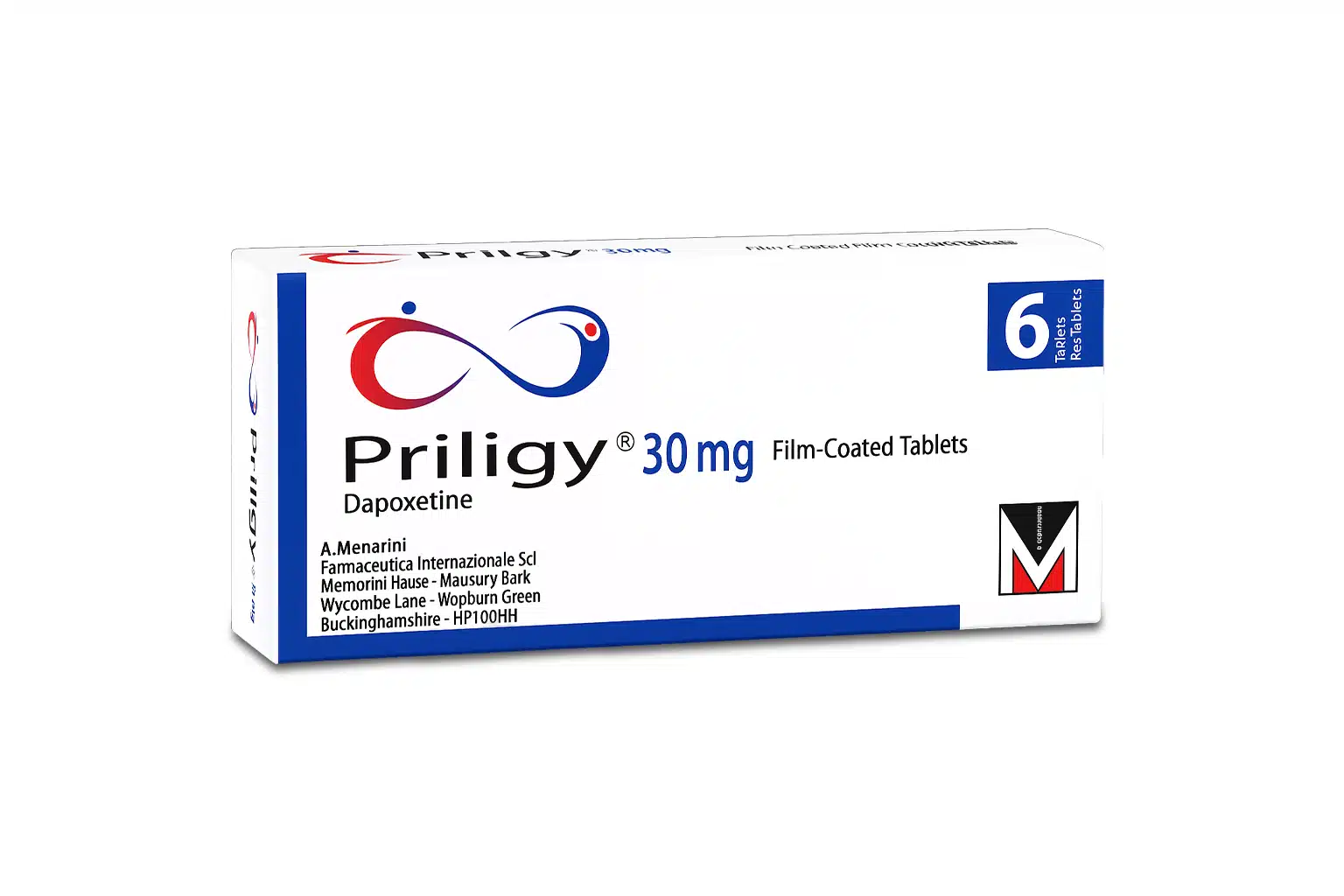
Priligy 30mg
best sellers$22.00 – $156.00Price range: $22.00 through $156.00Rated 4.00 out of 5Shop Now This product has multiple variants. The options may be chosen on the product page
Lifestyle pairings that actually improve erections
If you want long-term improvements in erectile function, pair aromatherapy with proven lifestyle changes:
Cardiovascular health: exercise, quit smoking, and control blood pressure and diabetes. ED often starts as a vascular issue.
Sleep: poor sleep lowers testosterone and libido; prioritize 7–8 hours.
Weight and diet: a Mediterranean-style diet and loss of excess weight improve erectile function.
Psychological work: therapy for anxiety, depression, or relationship issues often produces big gains.
Medication review: many prescription drugs cause sexual side effects — speak with your clinician.
When appropriate, medical treatments: PDE-5 inhibitors (sildenafil, tadalafil), testosterone replacement (if clinically indicated), devices, or other interventions are proven options.
Use essential oils to support these changes — e.g., diffuse lavender to help sleep or use a confidence blend before a date to reduce anxiety.
What research says
Aromatherapy can reduce anxiety and improve mood in multiple studies; because anxiety and stress are major contributors to ED, aromatherapy can indirectly help sexual performance.
There is some clinical research showing aromatherapy improved sexual function and quality of life in certain populations (for example, in some studies of menopausal women). That supports the idea aromatherapy can help sexual wellbeing, but extrapolating to men with organic ED is not supported by strong evidence.
Pharmacological reviews show essential oils contain active compounds that can affect blood vessels, neurotransmitters, and smooth muscle in animal and lab studies, which is biologically plausible — but controlled human trials specifically for ED are limited and inconsistent.
Safety matters: oils are powerful. Some may interact with medications or irritate skin; ingestion can be risky. Use topical dilutions and avoid internal use unless under professional guidance.
Quick dos and don’ts
Do:
- Patch-test topical blends (small area on forearm, wait 24 hours).
- Use diffusers or inhalers for emotional effects.
- Choose high-quality, pure essential oils and store them out of sunlight.
- Combine aromatherapy with lifestyle change and medical advice.
Don’t:
- Apply undiluted essential oils to genitals or mucous membranes.
- Ingest essential oils without medical supervision.
- Assume oils fix organic ED — get medical evaluation if ED is persistent or sudden.
- Ignore potential contraindications (pregnancy, prostate cancer concerns, epilepsy — some oils can be problematic).
Bottom line
Essential oils can be a pleasant, low-risk adjunct to help with relaxation, mood, and intimacy — and because stress and anxiety are common causes of ED, that benefit can translate into better sexual performance for many men. However, they are not a proven treatment for organic erectile dysfunction; if ED is persistent, worsening, or accompanied by other symptoms, get a medical evaluation. Use oils safely (dilutions, patch tests, avoid ingestion) and pair aromatherapy with lifestyle changes and medical care for the best results.
FAQ's
Q1: Can essential oils cure erectile dysfunction?
A: No reliable evidence shows that essential oils cure ED. They may improve stress, mood, and intimacy — which can help some men — but they should be seen as complementary tools, not primary curative treatments. If ED persists, see a healthcare provider.
Q2: Which oil is best for male enhancement?
A: There’s no single “best” oil — lavender, rose, ylang-ylang, clary sage, cinnamon, ginger and rosemary are commonly used for relaxation, libido, and circulation. Choose based on how the scent affects you and safety considerations.
Q3: Is it safe to use essential oils on the penis?
A: Generally, avoid applying essential oils directly to genital mucosa. If you do use topical applications near the pelvic area, dilute heavily (1% or less) and test on another area first. Some oils irritate sensitive tissues.
Q4: Can essential oils interact with ED medications?
A: Interactions are uncommon with inhaled use, but certain oils affect metabolism enzymes (CYP450) and could theoretically alter medication levels. Always tell your prescribing clinician about complementary therapies you use.
Q5: What should I do if I have sudden erectile dysfunction?
A: Sudden ED can be a medical emergency in some contexts (for example, vascular events) — see a doctor promptly. For ongoing ED, a thorough evaluation (cardiovascular, endocrine, medication review, psychological) is recommended. Essential oils are not a substitute for medical assessment.