EdPillsForever

How Stressful Home Environments Impact Sexual Health

Stress doesn’t stay neatly in one part of our lives. It spills across work, friendships, finances, and it lives in the home, where relationships are formed and sexual intimacy is supposed to flourish. When the household becomes a chronic source of tension, sexual desire, arousal, and performance often take a hit. This deep dive looks at how stressful home environments affect sexual health, why this happens (biology + psychology), and what couples and individuals can do to reclaim wellness and intimacy. 

1. The big picture: sexual health is biopsychosocial

Sexual health is shaped by biological systems (hormones, blood flow, neural pathways), psychological state (mood, anxiety, stress), and social context (relationship quality, safety, privacy). That means a stressor in the home, such as a noisy household, financial struggles, caregiving strain, chronic conflict, or emotional distance, can affect all three domains simultaneously. The result? Lowered desire, difficulty becoming or staying aroused, decreased satisfaction, and, in men, sometimes erectile dysfunction (ED). Reviews and clinical overviews repeatedly list stress and relationship problems among the common causes of sexual dysfunction.

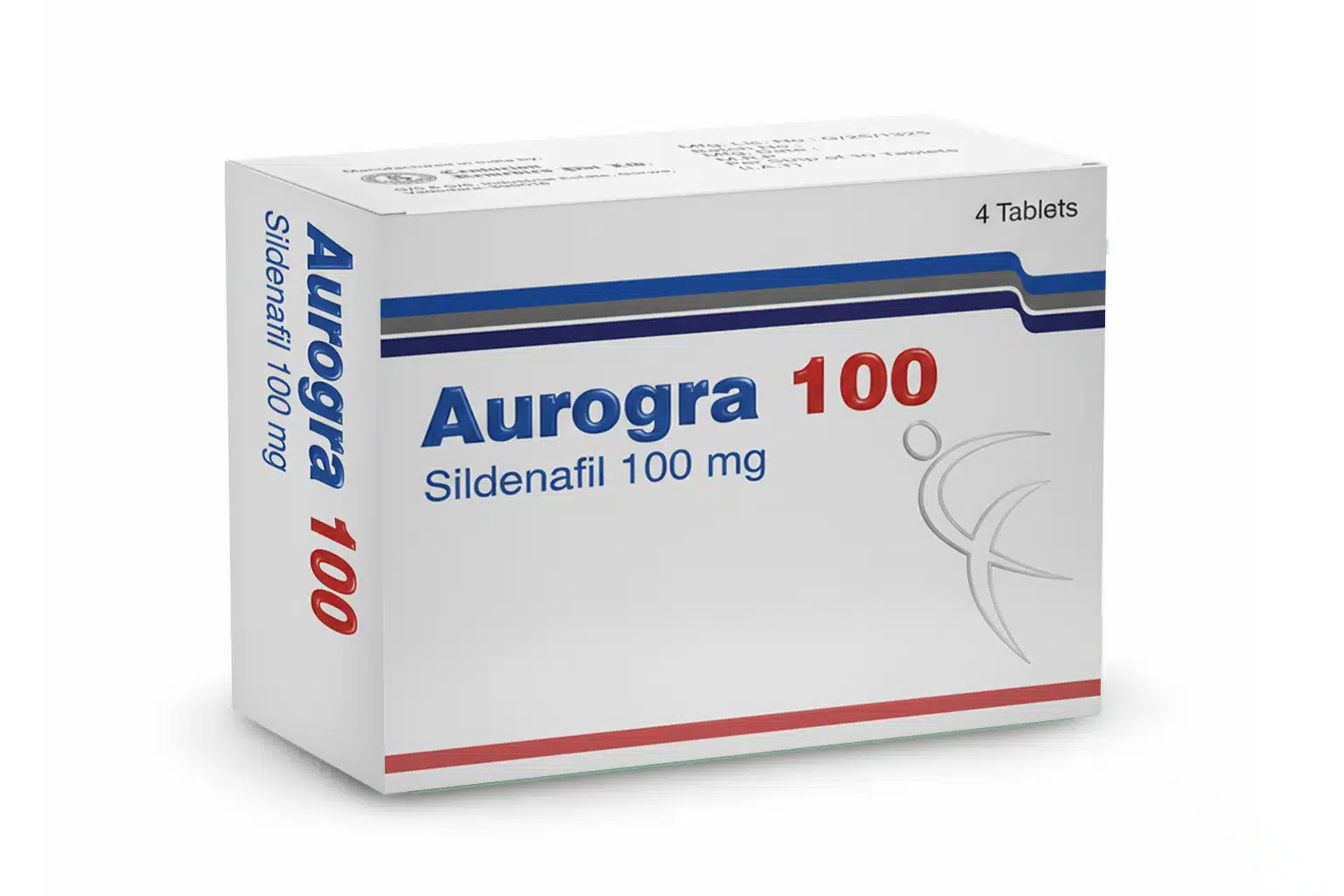
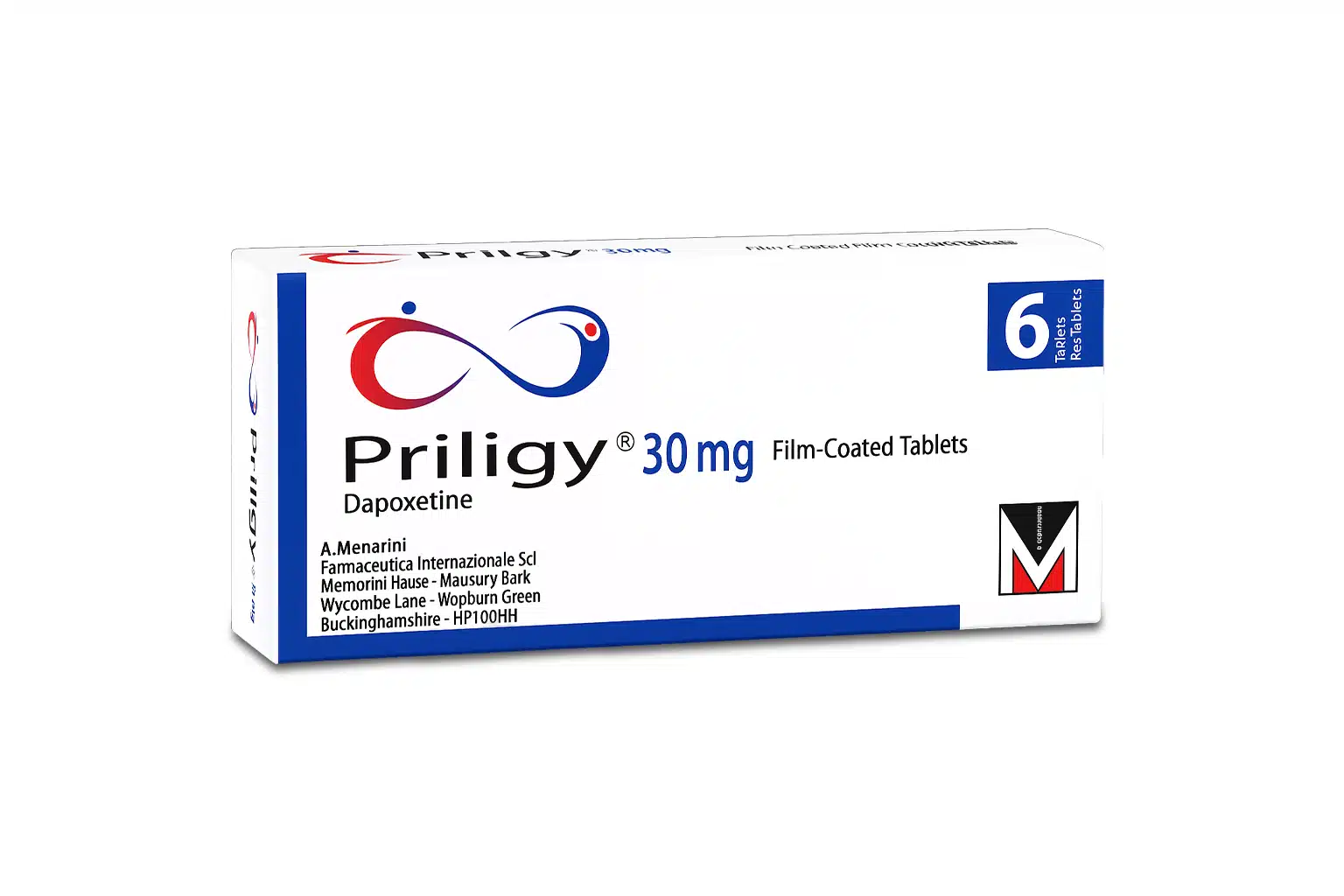
Effective tablets for men’s sexual health and performance

2. Biology: stress hormones, testosterone, and the sexual response

When we’re stressed, our bodies release cortisol and adrenaline to handle a perceived threat. That’s useful for short bursts of danger, but chronic activation of this “fight-or-flight” system changes how sex works:

  • Cortisol and libido: High cortisol suppresses the sex hormone axis and diverts energy away from reproductive drives. Laboratory and clinical work show that stress reduces testosterone and impairs markers of sexual arousal in both sexes. Over time, that hormonal pattern lowers spontaneous desire and responsiveness to sexual cues.
  • Blood flow and performance: Stress narrows blood vessels and increases sympathetic nervous system tone, which can interfere with the physiological cascade needed for erection and sexual arousal. This mechanism helps explain why men under persistent stress sometimes develop erectile difficulties even without obvious vascular disease.
  • Neurochemistry and pleasure: Chronic stress reduces dopamine signaling, the neurotransmitter closely tied to pleasure and sexual motivation, making sex feel less rewarding. In short, your brain has less “oomph” to push toward intimacy. Reviews of stress and sexual responses in women show similar dampening effects on arousal and lubrication.

3. Psychology & relationship dynamics

Biology is only half the story. Emotions, safety, and communication matter enormously for sex.

  • Relationship strain and sexual dysfunction: Studies show a strong association between relationship stress and sexual problems, particularly for women but for men too. When partners are hostile, avoidant, or chronically arguing, sexual desire often shifts toward avoidance rather than approach. That dynamic creates a negative feedback loop: stress worsens sex, and sexual problems then generate more relationship stress.
  • Emotional availability and privacy: A home with poor boundaries (e.g., lack of private space because of roommates or children), unresolved resentment, or ongoing caregiving crises leaves little psychological bandwidth for erotic play. Feeling safe and emotionally connected is a precondition for many people’s sexual interest. When the home feels chaotic or hostile, intimacy drops fast.
  • Daily stressors matter: Newer diary-based research shows daily spikes in stress map onto same-day decreases in sexual desire, arousal, and sexual activity for both partners. That means the everyday friction of home life, small but repeated, has measurable sexual consequences.

4. Common patterns you might see

Here are realistic ways household stress shows up in the bedroom:

  • Lowered libido or interest — often gradual and blamed on “being tired” until it’s a pattern.
  • Arousal difficulties — trouble getting or sustaining physical signs of arousal (erection, lubrication).
  • Avoidance of sex — one or both partners withdraw to avoid conflict or emotional exposure.
  • Performance anxiety — fear of failure after a bad episode, which fuels more problems.
  • Resentment-driven sex — when sex becomes a negotiation, duty, or tool for validation rather than mutual pleasure.
  • Mismatched desire — different stress responses create misaligned needs and timing for sex.

These patterns are common and normal responses to prolonged stress, not moral failings. Recognizing the pattern is the first therapeutic move.

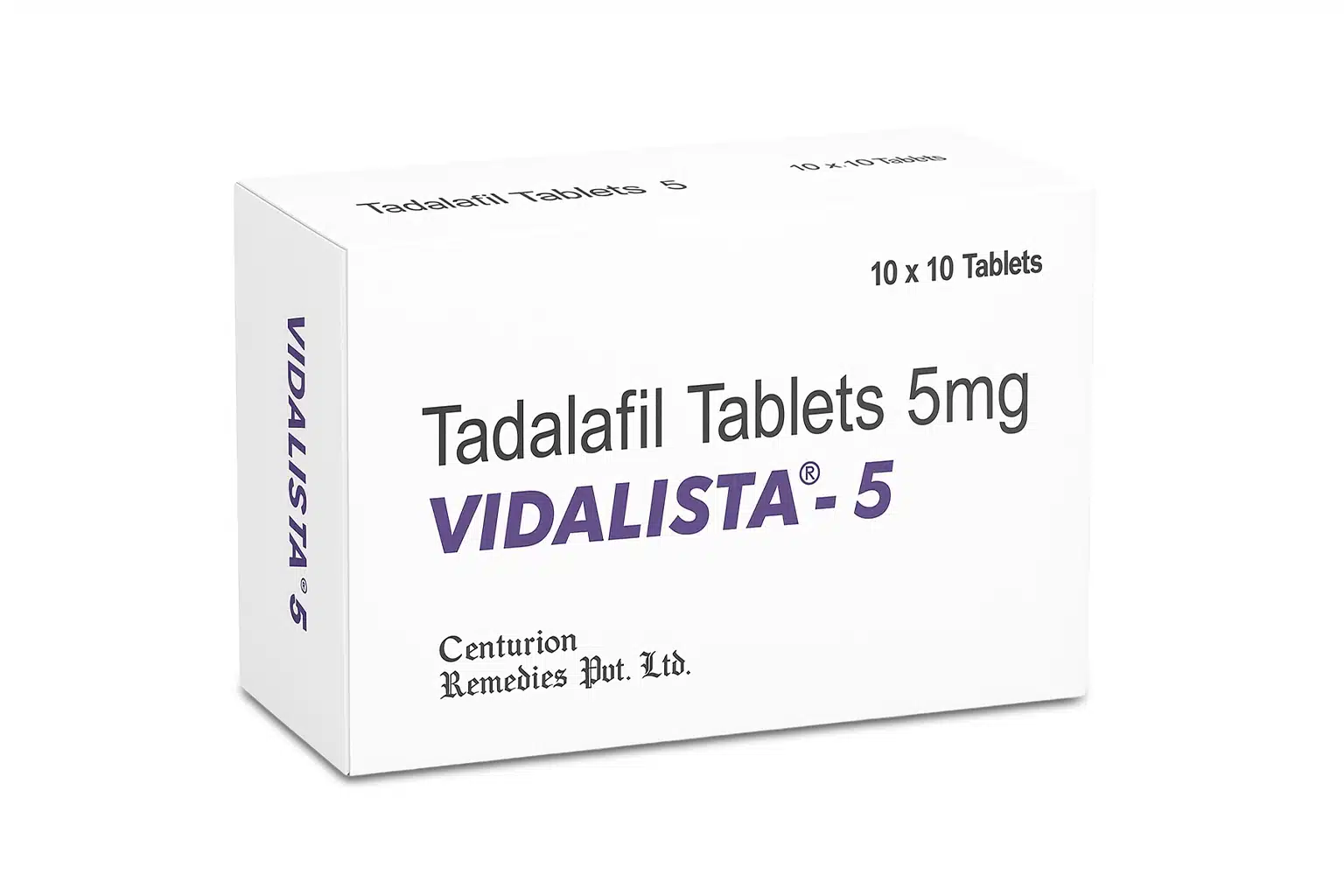
Best Seller

5. Who is most affected?

Anyone can be hurt by a stressful home environment, but the risk tends to be higher when:

  • One or more partners have untreated anxiety, depression, or PTSD.
  • The household includes chronic caregiving, illness, or financial instability.
  • There’s poor conflict resolution, frequent heated arguments, emotional withdrawal, or power imbalances.
  • Privacy and sleep are chronically compromised (parents of young children, people who share small living spaces).
  • There’s a history of sexual trauma; stress can re-activate avoidance and hypervigilance.

Large-scale reviews and clinical pieces emphasize that sexual problems are often multifactorial, biological, relational, and contextual contributors commonly overlap.

6. Practical steps to protect sexual health when your home is stressful

You don’t need a perfect home to reclaim intimacy, but you do need strategies. Below are evidence-informed, practical actions you can try solo or with a partner.

A. Reduce physiological stress load

  • Prioritize sleep — poor sleep increases cortisol and reduces sexual desire. Try to protect a regular sleep window.
  • Move the body — aerobic exercise and resistance training reduce stress hormones and improve mood and libido.
  • Breathing & grounding — short daily practices lower sympathetic tone and make sexual arousal easier. Laboratory and intervention studies find improvements in sexual outcomes when emotion regulation strategies are taught.

B. Create micro-boundaries in the home

  • Designate private time — block a regular “no kids/no devices” window (even 30–60 minutes) to rebuild connection.
  • Physical rituals — a bedtime walk, a slow-touch ritual, or a device-free 15-minute check-in create safety.
  • Sleep & space rules — protect the bedroom as a low-conflict zone when possible.

C. Improve emotional regulation and communication

  • Practice brief check-ins — say, “One thing on my mind is… One thing I’m grateful for…” This reduces built-up resentment.
  • Use “soft start-ups” — bring up issues in non-accusatory language (I feel… I need…) to reduce defensiveness. Research links better emotion regulation to improved sexual satisfaction. 

D. Reframe sex as connection, not performance

  • Sensate-focus exercises — short intimacy exercises (non-goal-oriented touch) shift focus from performance to pleasure.
  • Schedule novelty — plan one small novelty every week (new music, a different time, a new recipe) to break the monotony of stress.
  • Lower expectations — after a hard day, aim for consolation and closeness rather than full sexual performance.

E. When to seek help

  • If erosion is deep or persistent: If sexual avoidance or ED persists for months, or if someone experiences panic/trauma responses in sexual situations, a professional can help. Integrated care (couples therapy + medical assessment) is often the most effective.
  • Medical checks: For erectile dysfunction or sudden changes in sexual function, get a medical evaluation to rule out vascular, endocrine, or medication causes. Many guidelines recommend screening for depression and anxiety when ED is present.

7. Special note on erectile dysfunction and home stress

ED is commonly associated with age and vascular risk factors, but psychological contributors, especially stress, anxiety, and relationship problems, are major drivers in many men, particularly younger men with few physical risk factors. Chronic home stress increases sympathetic tone and cortisol while reducing the hormonal and vascular conditions needed for erection. Multi-disciplinary care (urology + mental health + couples therapy) is often the gold standard when ED is persistent.

8. How to talk to your partner about stress and intimacy

  • Pick a calm moment — not right after a heated argument or when one partner is exhausted.
  • Use “I” statements — share your experience without assigning blame. (“I’ve noticed I’ve been turned off lately because I feel overwhelmed by X.”)
  • Be specific and small — ask for one concrete change rather than a general promise. (“Can we try 20 minutes of no-phones after dinner three nights this week?”)
  • Ask permission to be vulnerable — “Can I share something that feels sensitive?” reduces shame.
  • Normalize difficulty — remind one another that stress affects most people’s sexual interest, and it’s fixable with consistent small steps.

Final thoughts

A stressful home doesn’t mean the end of your sexual life. It means attention is needed, not shame. Sexual health responds to both small, daily shifts (better sleep, device-free time, short breathing practices) and larger relational repairs (safer communication, boundaries, therapy when required). Because sexual desire and function are rooted in biology and emotion, interventions that target both lifestyle changes to reduce physiological stress and relationship work to restore safety are the most likely to succeed.

If you take one thing from this: treat stress as the common cause it is. The more you reduce the daily load and restore emotional safety at home, the more sexual wellness will follow.

FAQ's

1. Can stress at home really cause erectile dysfunction?

Yes, chronic stress can create hormonal and nervous-system changes that interfere with erections. Psychological performance anxiety and relationship conflict also contribute. For persistent ED, a medical evaluation is recommended.

Not necessarily. Low libido is often a response to stress, fatigue, or mood disorders rather than a judgment about a partner’s attractiveness. Open, non-blaming communication helps identify whether the cause is stress, relationship frustration, or a medical issue.

Yes, practices that lower sympathetic arousal and improve emotion regulation can make arousal easier. Studies of emotion-regulation interventions report positive effects on sexual function and satisfaction. 

If difficulties persist for several months, if there’s erectile dysfunction, severe avoidance, panic related to sex, or if stress and depression are significant, seek help. A combination of medical assessment, individual therapy, and couples therapy is often the most effective approach.

References

  1. StatPearls / NCBI — Erectile Dysfunction. (2024). NCBI 
  2. Hamilton LD, et al. — Chronic stress and sexual function in women. PMC (2013). PubMed Central 
  3. Pletzer B., et al. — The gonadal response to social stress and its relationship to sexual function (2021). Taylor & Francis Online 
  4. Neff LA., et al. — Acknowledging the Elephant in the Room: How Stressful Contexts May Undermine Marital Well-Being. (2017). PubMed Central 
  5. McCabe MP., et al. — Sexual dysfunction and relationship stress: review. (2017). ScienceDirect 
  6. Girouard A., et al. — Daily perceived stress and sexual health in couples (2025). PubMed Central 
  7. Fischer VJ., et al. — Relationship between emotion regulation and sexual function. (2022). OUP Academic 
  8. Zhu D., et al. — Erectile Dysfunction and Oxidative Stress: A Narrative Review. International Journal (2025). MDPI 
  9. Morcos M., et al. — Prevalence of mental health evaluation in erectile dysfunction. (2025). OUP Academic 

Leave a Comment

Your email address will not be published. Required fields are marked *

Scroll to Top