
We’ve all seen those 10-step skincare routines when we’re scrolling on TikTok, and the nighttime routine always has a retinoid in one of the steps. Retinoid is having its moment in the nighttime skincare area, it’s everywhere. Every nighttime cream that you’re probably looking at has some form of retinoid in it. We’re not escaping that any time soon.
But retinoids come with their own complications that we’re always warned against. There are countless articles on the internet right now that are telling you how to incorporate a retinoid product in your routine without messing it up too much. But the risk still stands. Retinoids do kind of come at a price. That’s when products like adapalene gel for acne enter the market to address this exact issue. Adapalene is basically a third-generation topical retinoid that’s a little more tolerated by your skin but still manages to target the stubborn acne that won’t just leave.
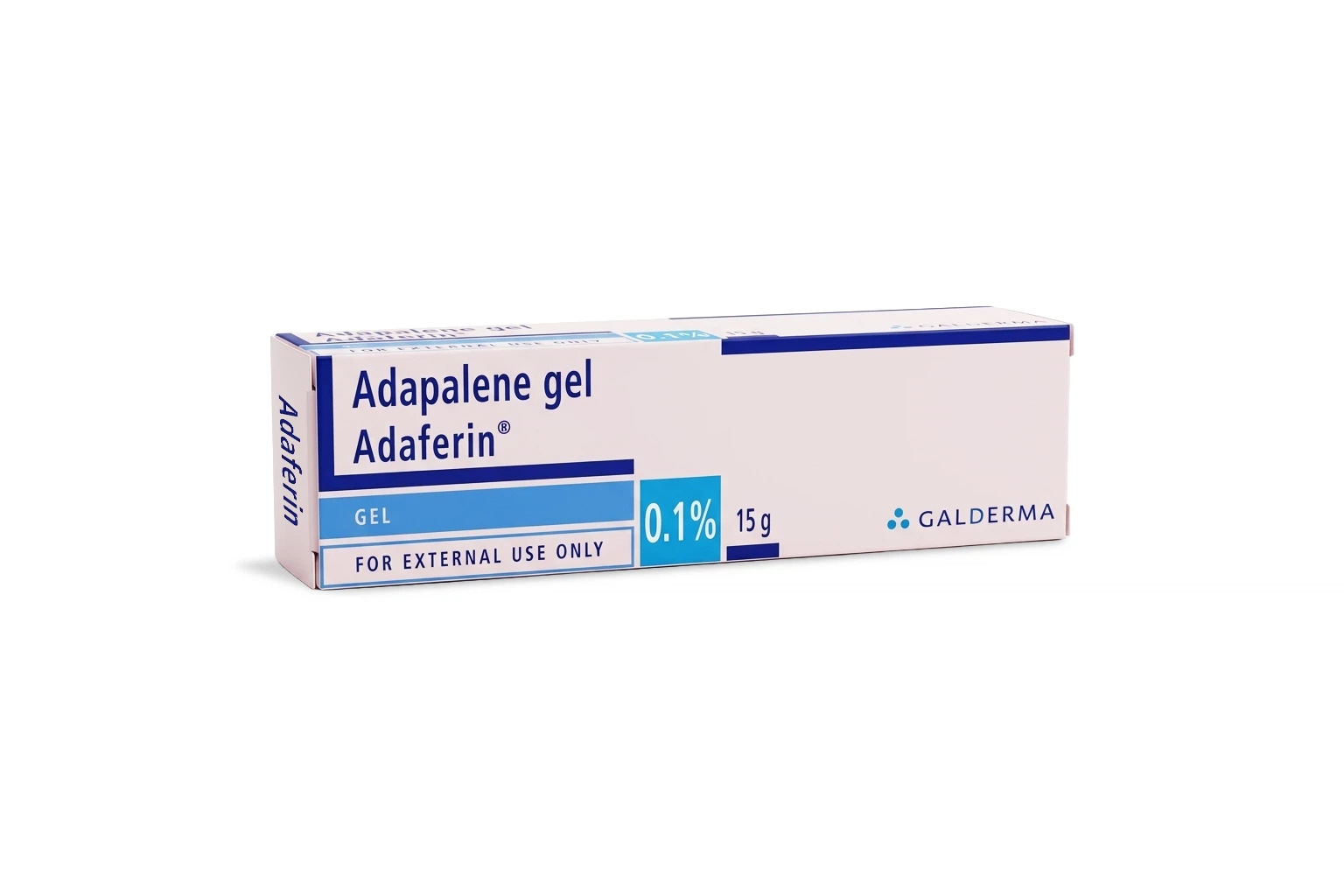
Products like the Adaferin Gel have become popular in the field since they are able to unclog the pores, reduce inflammation, and curb the excessive oil that your facial glands produce. It has the potential to even out and improve your skin without being too intense and is able to do that while keeping your skin barrier intact.
That’s what the article will get into today. Using adapalene gel for acne just might be your golden ticket out and help you in achieving your skincare goals of 2026.
What is Adapalene?
Adapalene is a third-generation retinoid. It works the same general way older retinoids do, accelerating cell turnover, clearing out blocked follicles, and calming inflammation, but it’s more selective in how it binds to receptors in the skin. Less collateral damage. More targeted action.
Adapalene gel for acne has been around since the 1990s. It’s not some new discovery. But it spent years as a prescription-only treatment in the US and UK, which meant a lot of people never got around to trying it. Adaferin gel is one of the branded prescription formulations that dermatologists have been reaching for consistently, and there are real reasons for that.
The big structural difference between adapalene gel for acne and older retinoids like tretinoin comes down to stability and barrier impact. Adapalene doesn’t degrade in sunlight the way tretinoin does. And it tends to be significantly less disruptive to the outermost skin layer, the stratum corneum, which is essentially the gatekeeping part of the barrier.
Best Seller

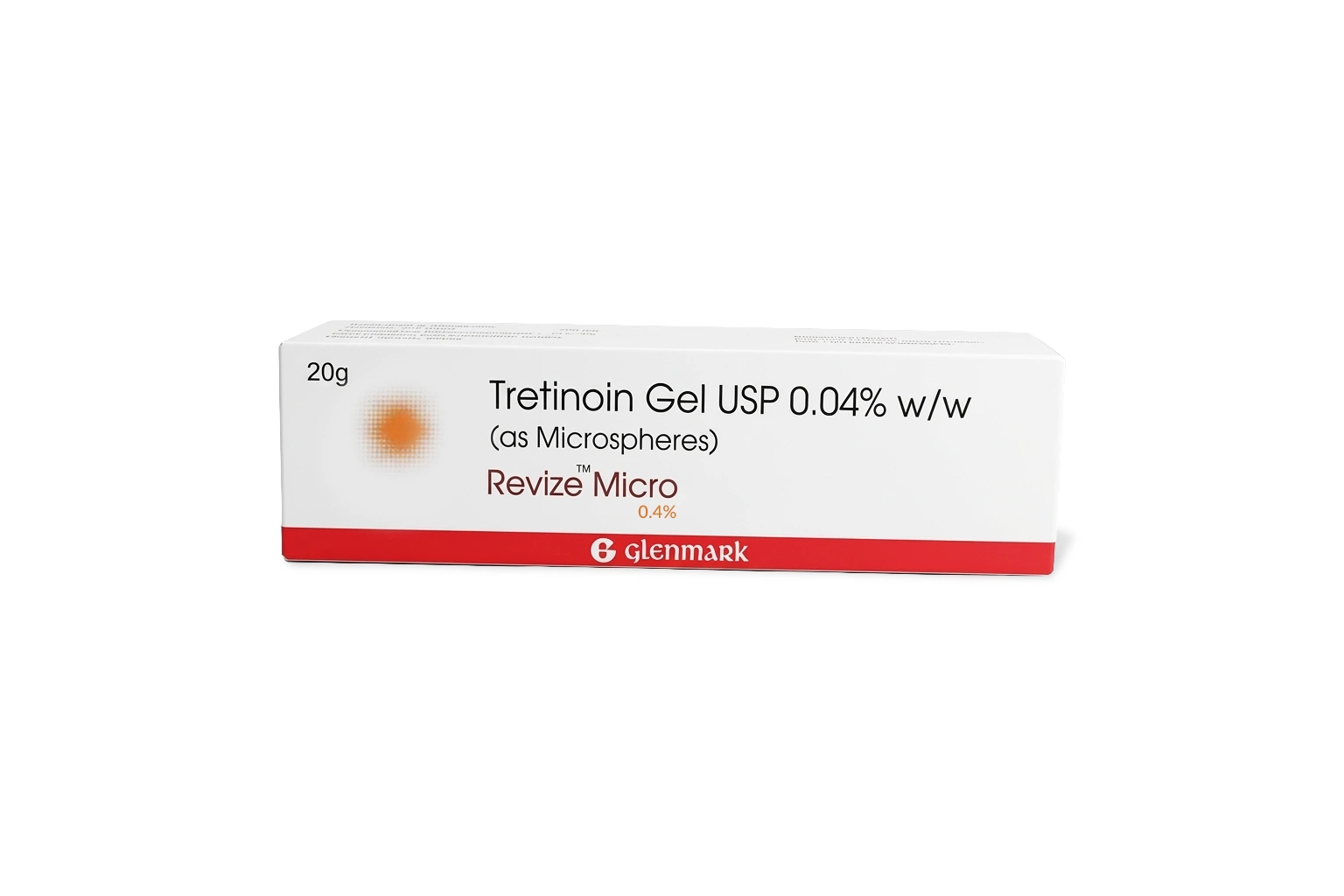
Revize Micro 0.04% Gel
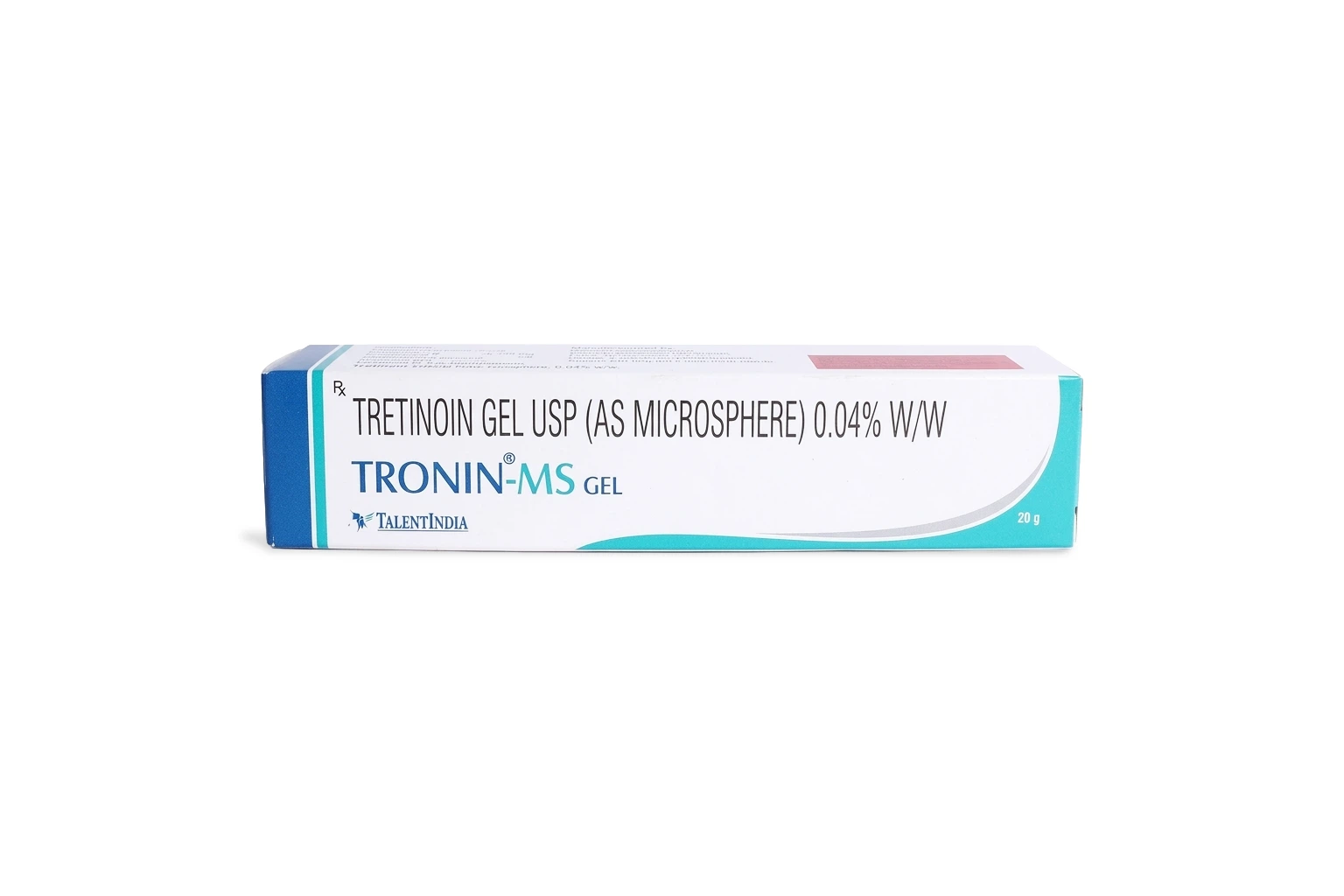
Skin Care$24.00 – $61.00Price range: $24.00 through $61.00Rated 5.00 out of 5Shop Now This product has multiple variants. The options may be chosen on the product pageTronin MS gel
Skin Care$12.00 – $41.00Price range: $12.00 through $41.00Rated 5.00 out of 5Shop Now This product has multiple variants. The options may be chosen on the product pageAdaferin gel
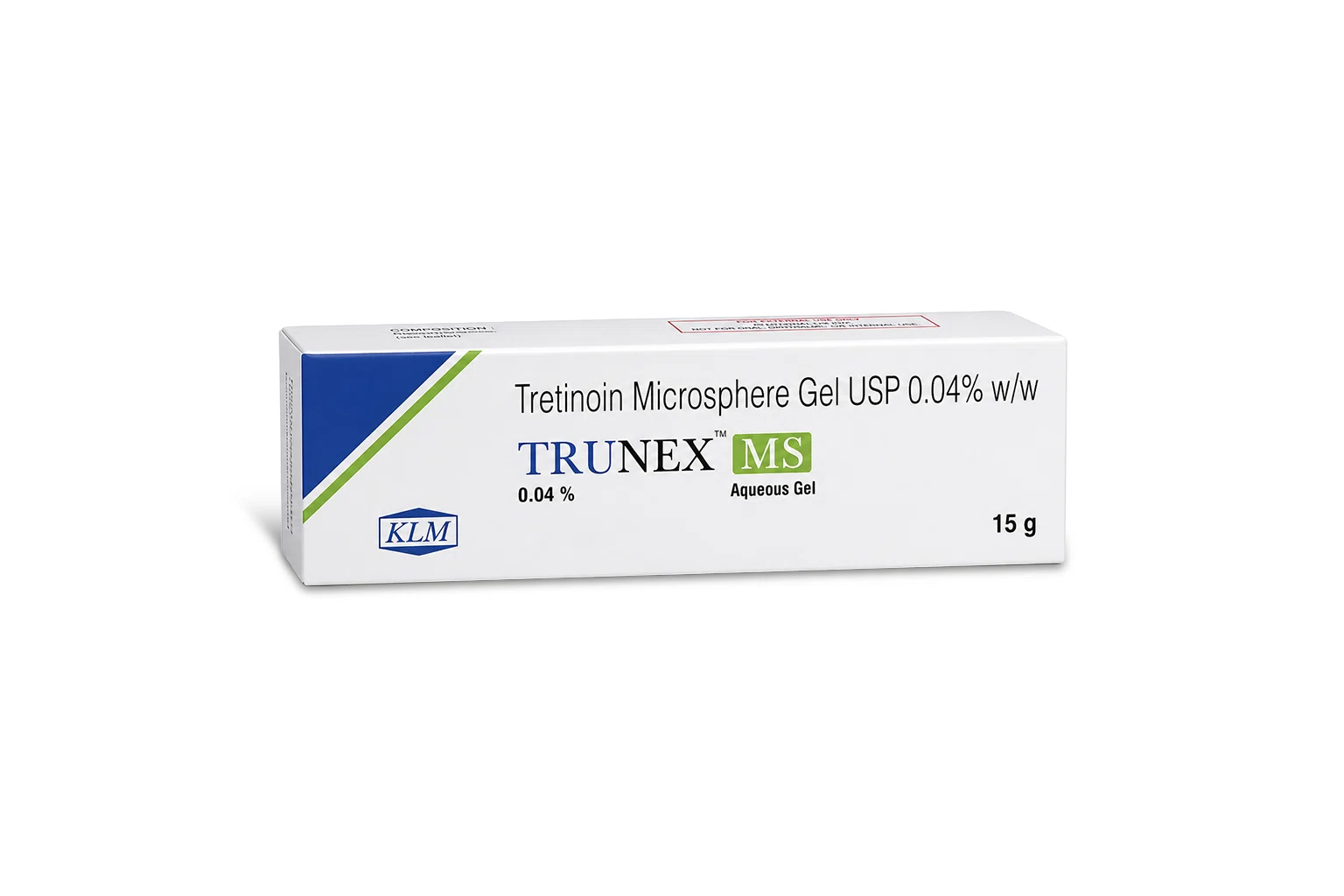
Skin Care$7.00 – $44.00Price range: $7.00 through $44.00Rated 5.00 out of 5Shop Now This product has multiple variants. The options may be chosen on the product pageTrunex MS gel
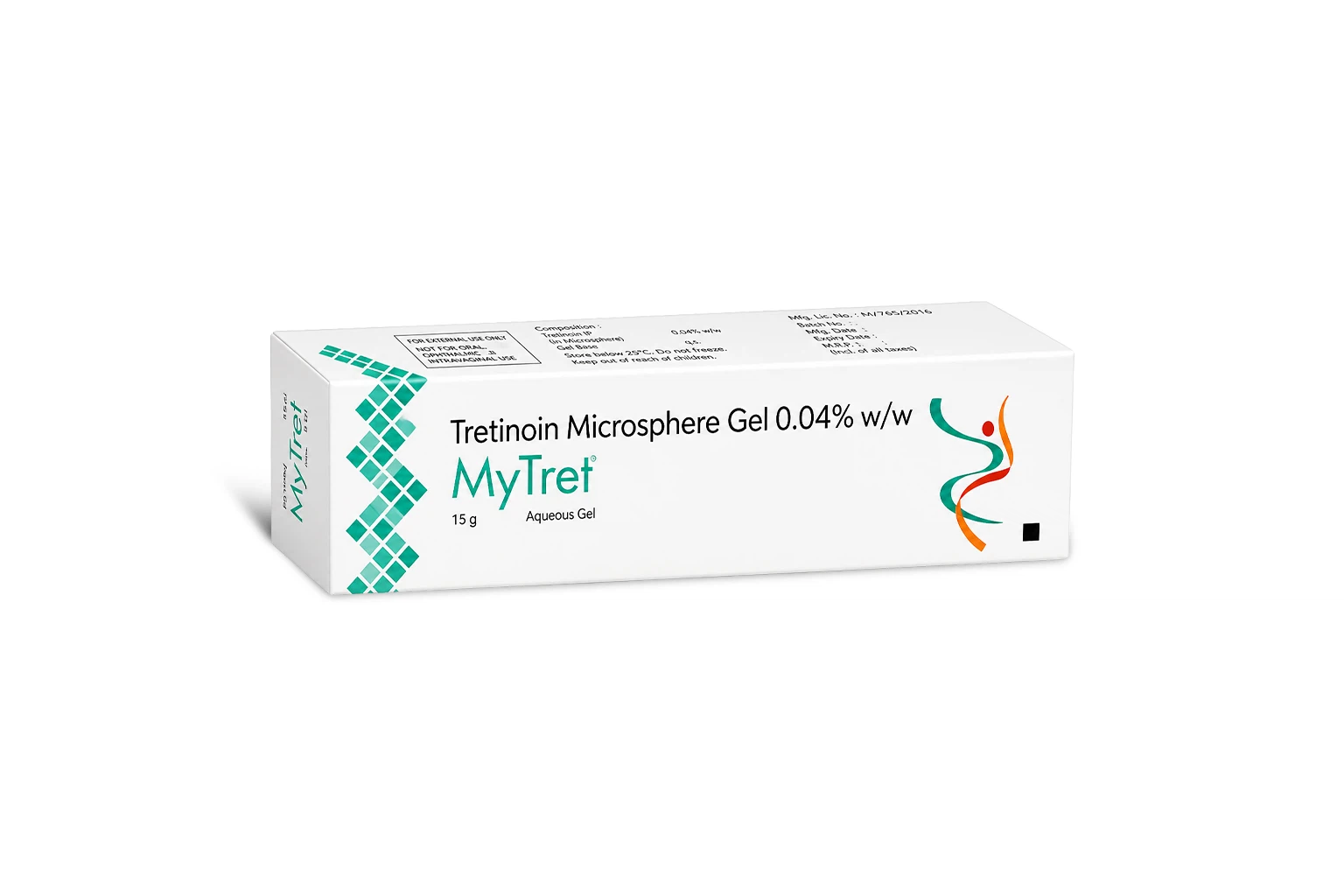
Skin Care$16.00Rated 5.00 out of 5Shop Now This product has multiple variants. The options may be chosen on the product pageMyTret Gel
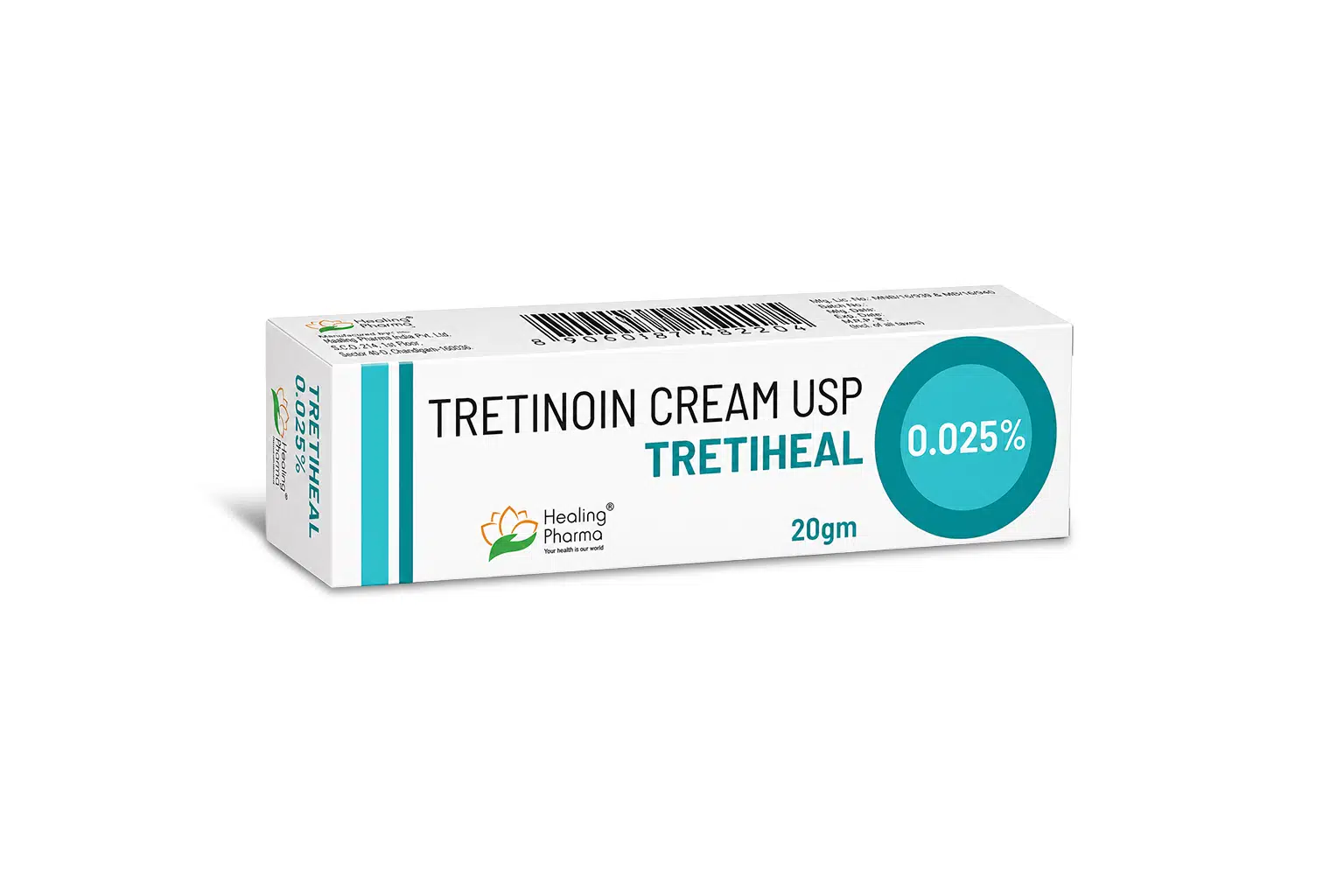
Skin Care$15.00 – $80.00Price range: $15.00 through $80.00Rated 5.00 out of 5Shop Now This product has multiple variants. The options may be chosen on the product pageTretiheal 0.025% Cream
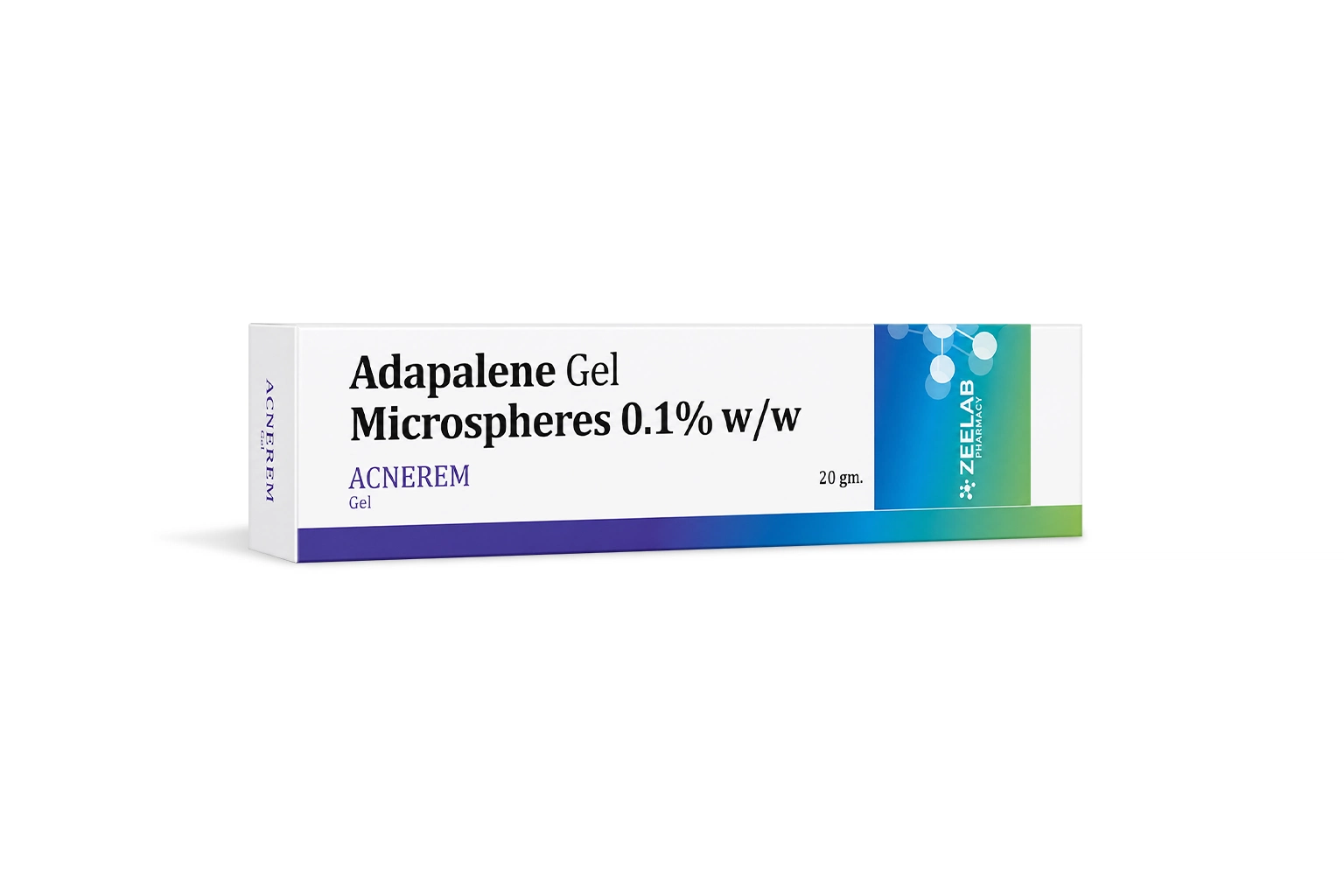
Skin Care$10.00 – $28.00Price range: $10.00 through $28.00Rated 5.00 out of 5Shop Now This product has multiple variants. The options may be chosen on the product pageAcnerem gel
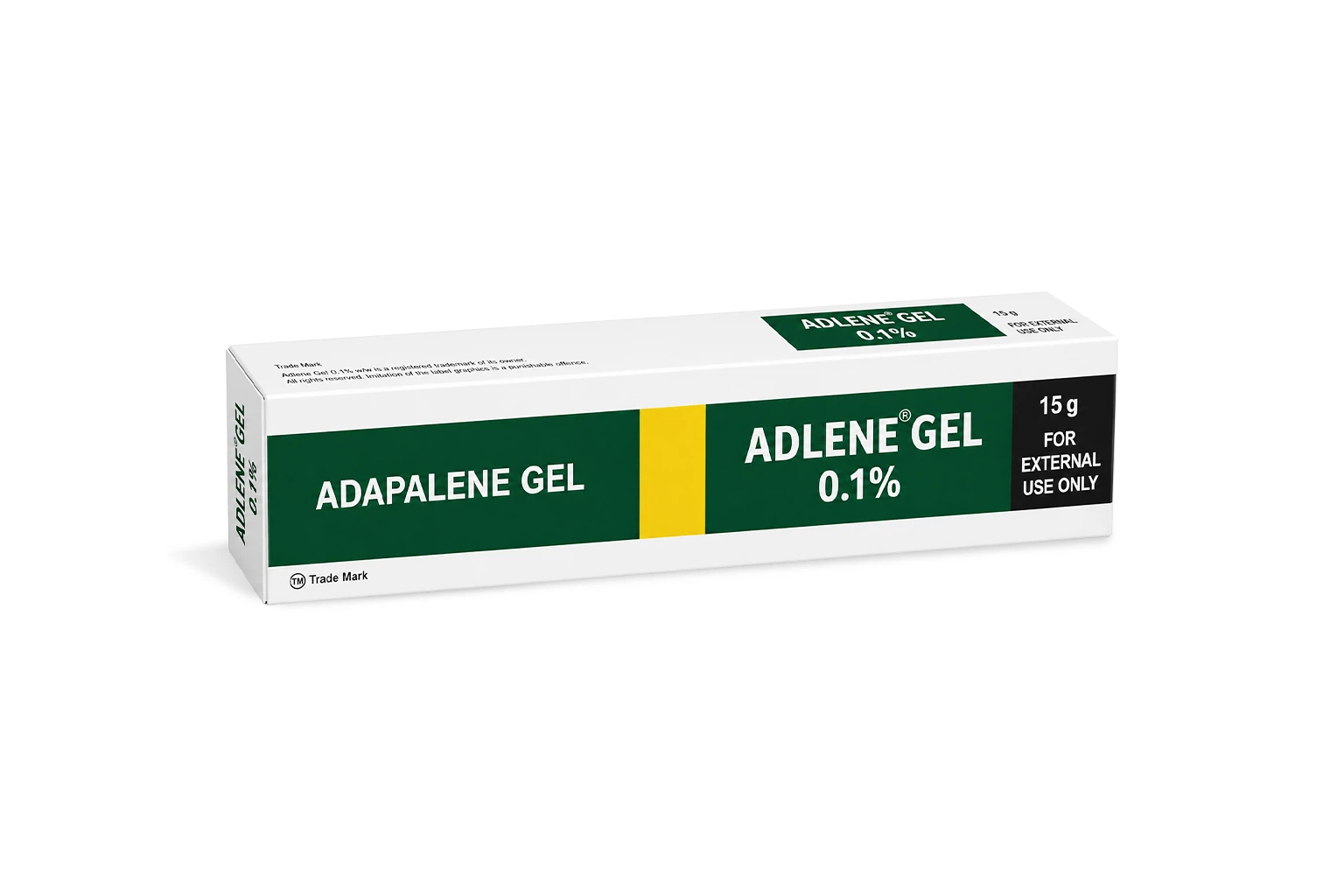
Skin Care$10.00 – $23.00Price range: $10.00 through $23.00Rated 4.00 out of 5Shop Now This product has multiple variants. The options may be chosen on the product pageAdlene gel
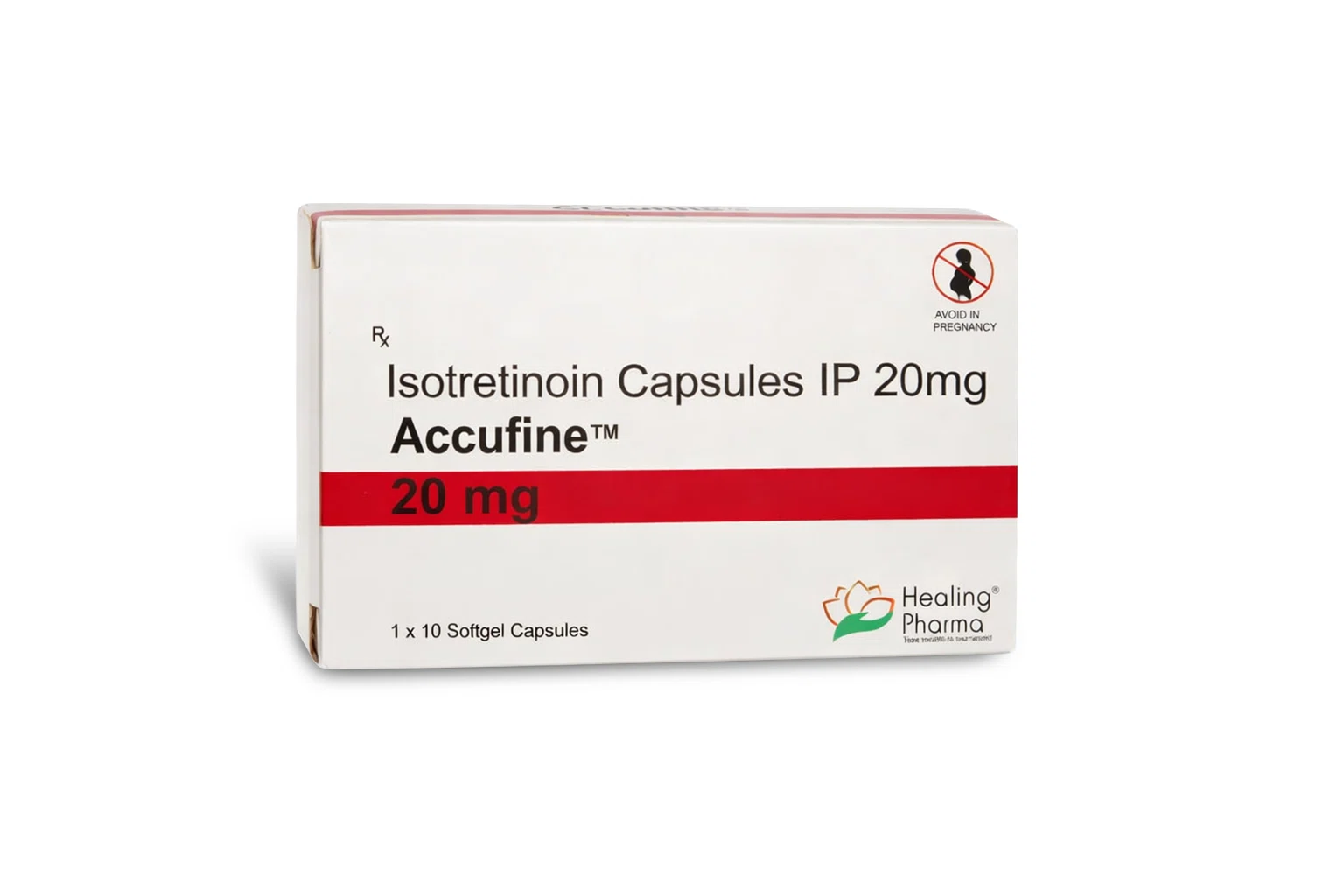
Skin Care$7.00 – $19.00Price range: $7.00 through $19.00Rated 4.00 out of 5Shop Now This product has multiple variants. The options may be chosen on the product pageAccufine 20 mg
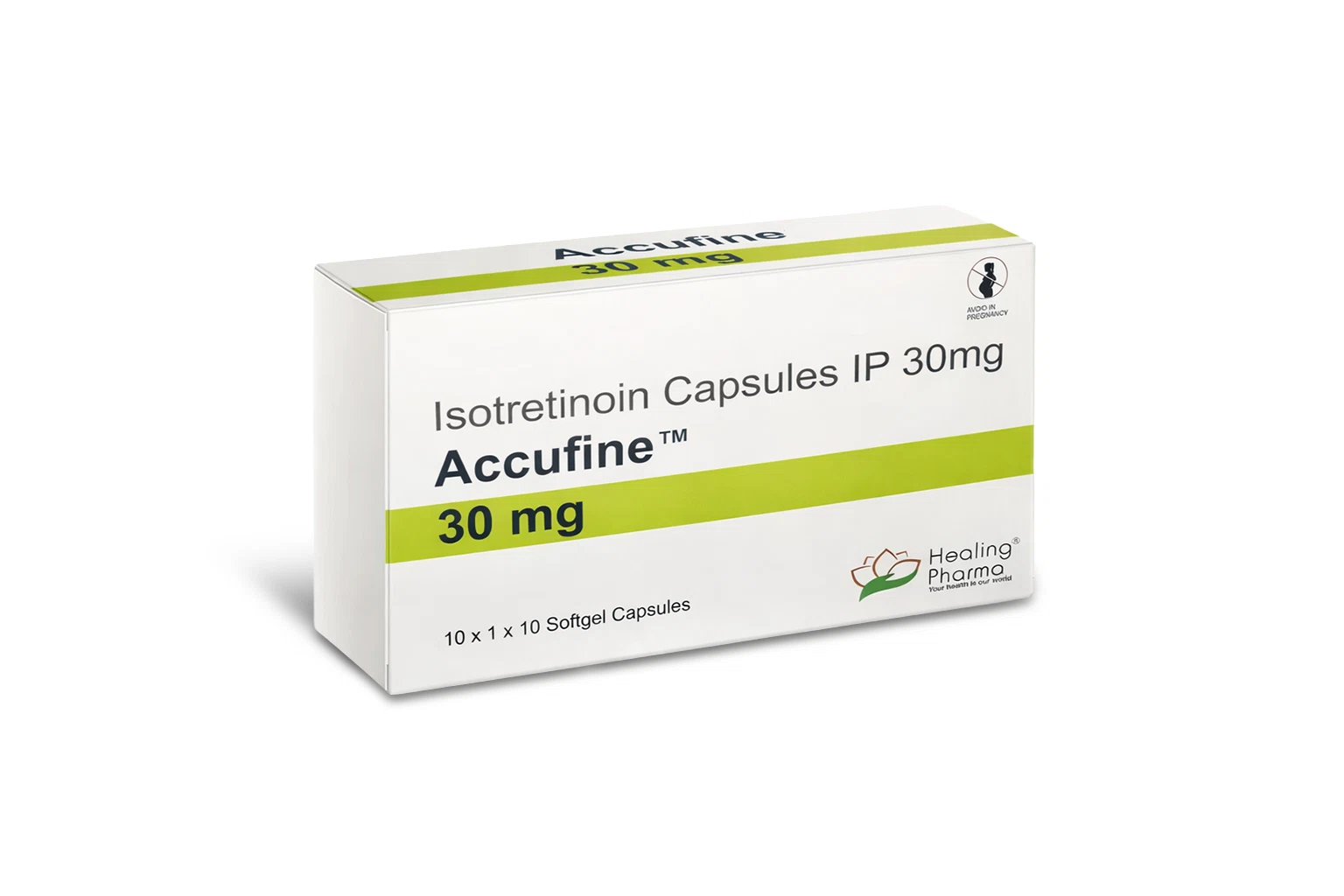
Skin Care$63.00 – $163.00Price range: $63.00 through $163.00Rated 4.50 out of 5Shop Now This product has multiple variants. The options may be chosen on the product pageAccufine 30 mg
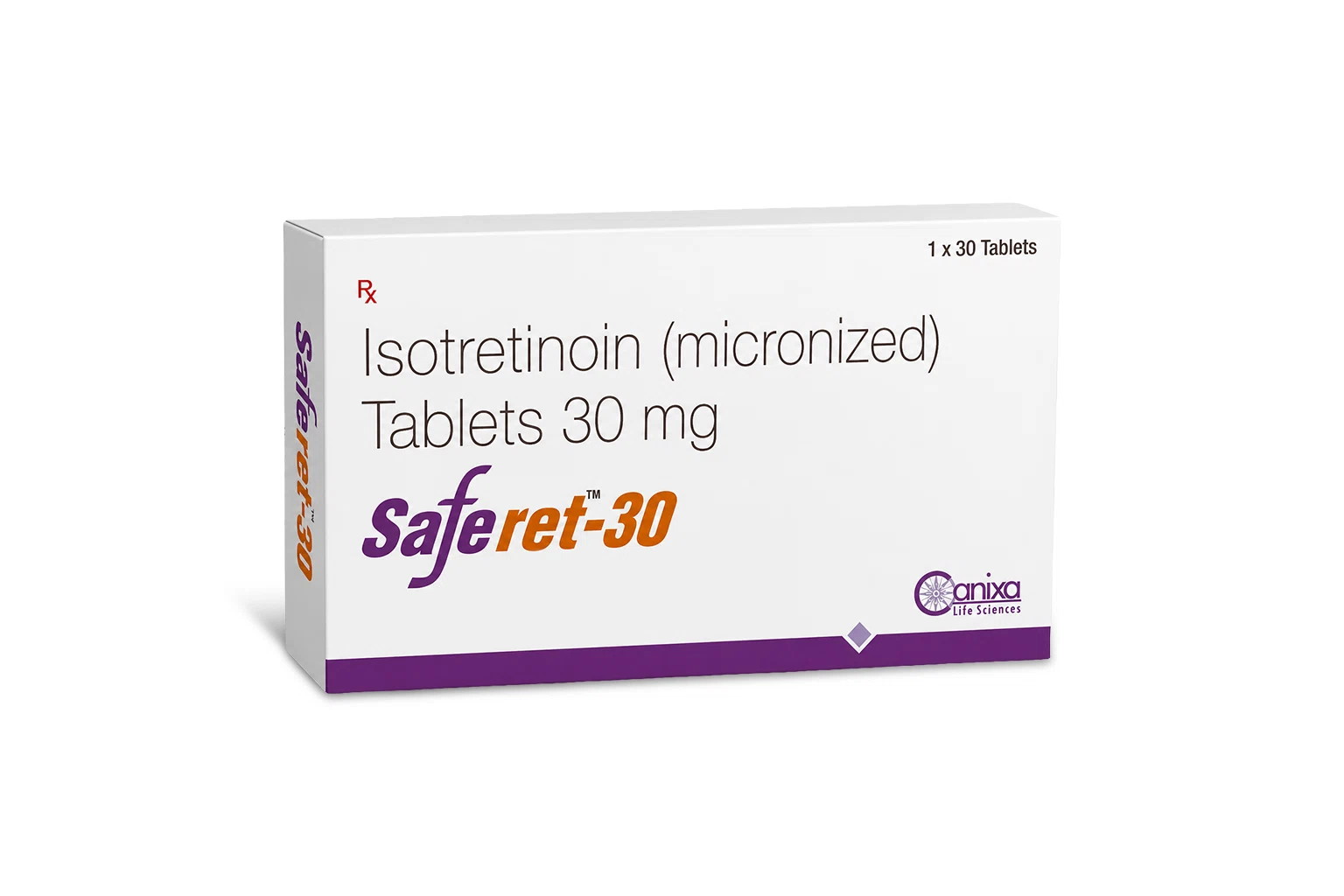
Skin Care$40.00 – $140.00Price range: $40.00 through $140.00Rated 5.00 out of 5Shop Now This product has multiple variants. The options may be chosen on the product pageSaferet 30 mg
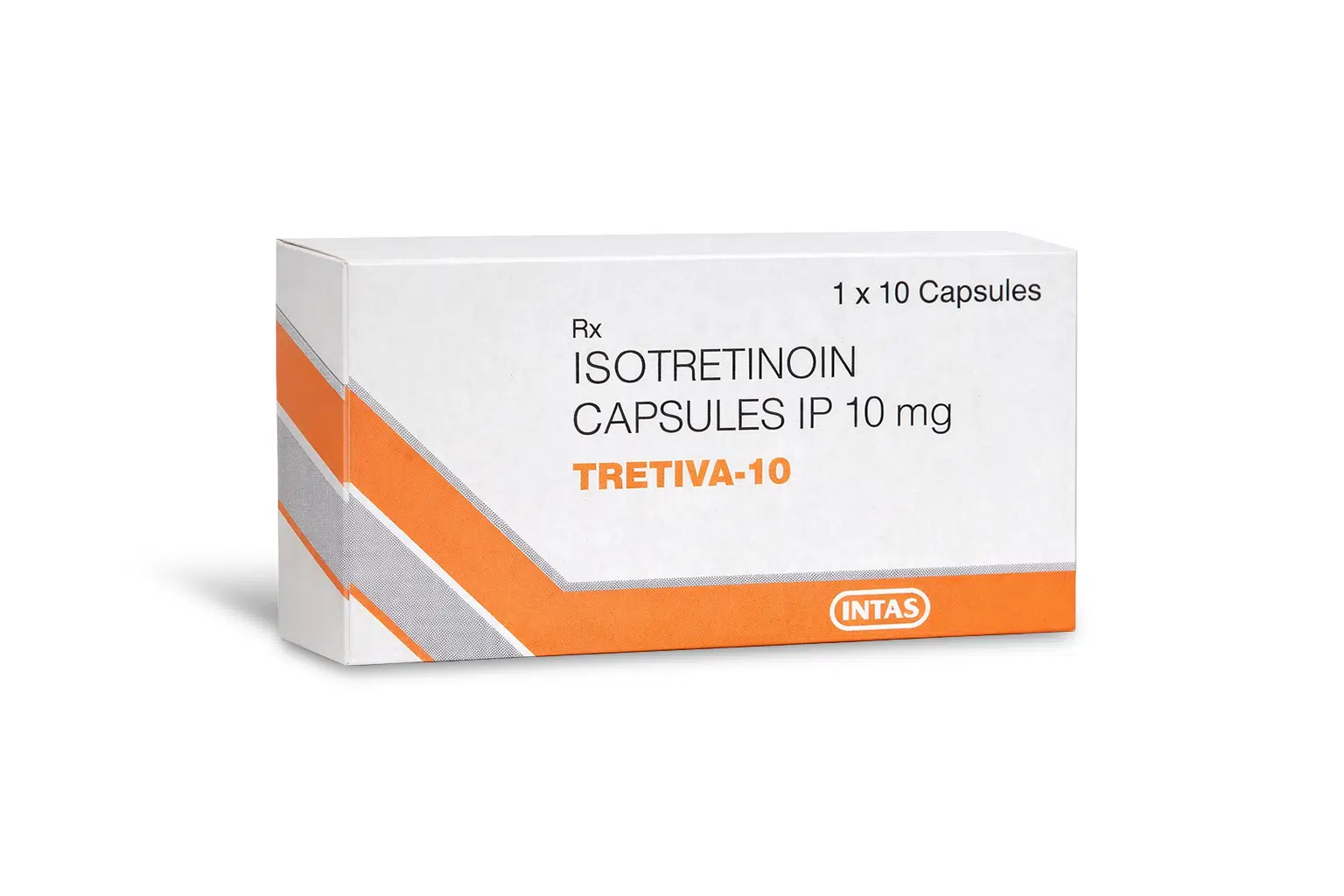
Skin Care$22.00 – $60.00Price range: $22.00 through $60.00Rated 4.00 out of 5Shop Now This product has multiple variants. The options may be chosen on the product pageTretiva 10 mg
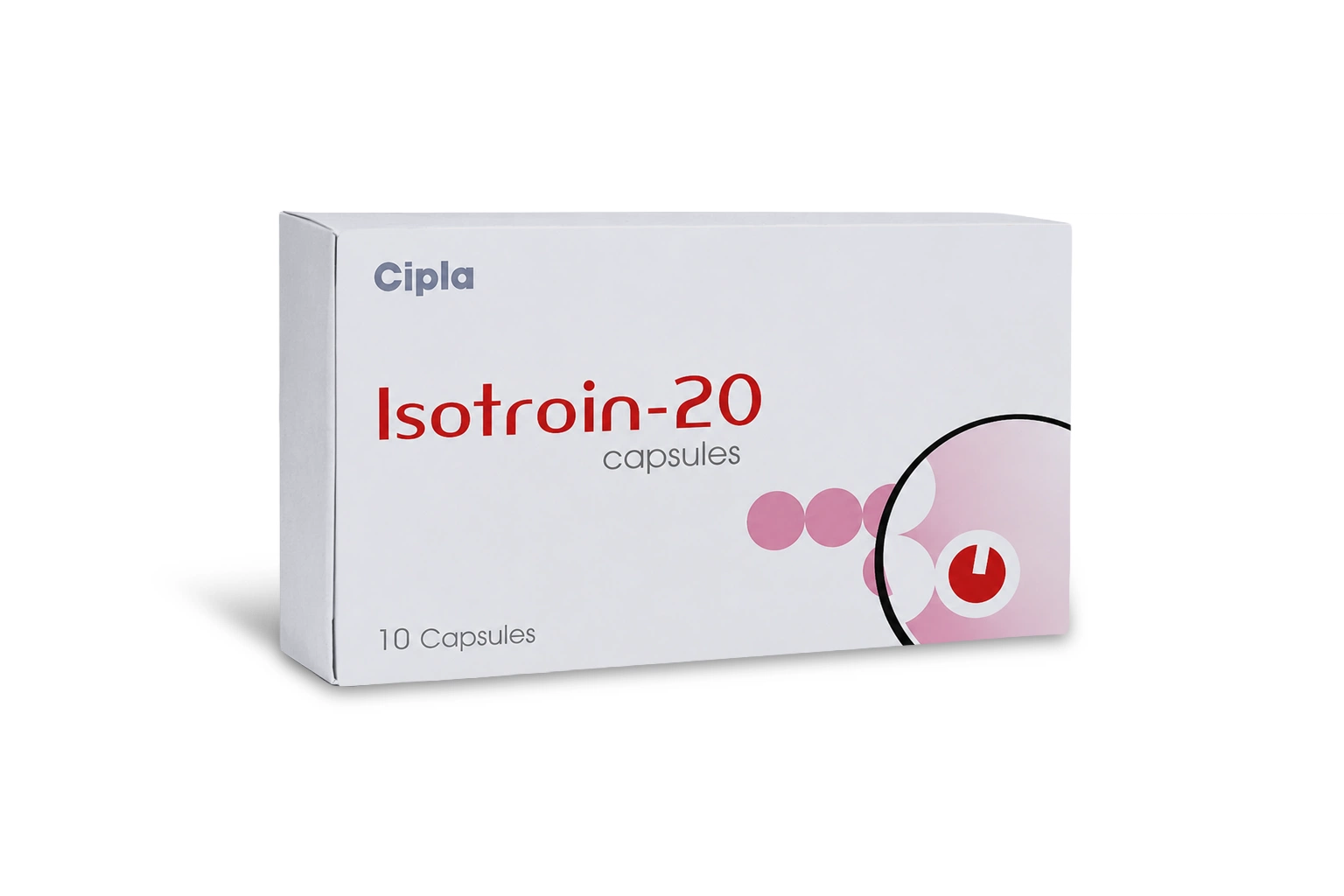
Skin Care$28.00 – $80.00Price range: $28.00 through $80.00Rated 4.00 out of 5Shop Now This product has multiple variants. The options may be chosen on the product pageIsotroin 20 mg
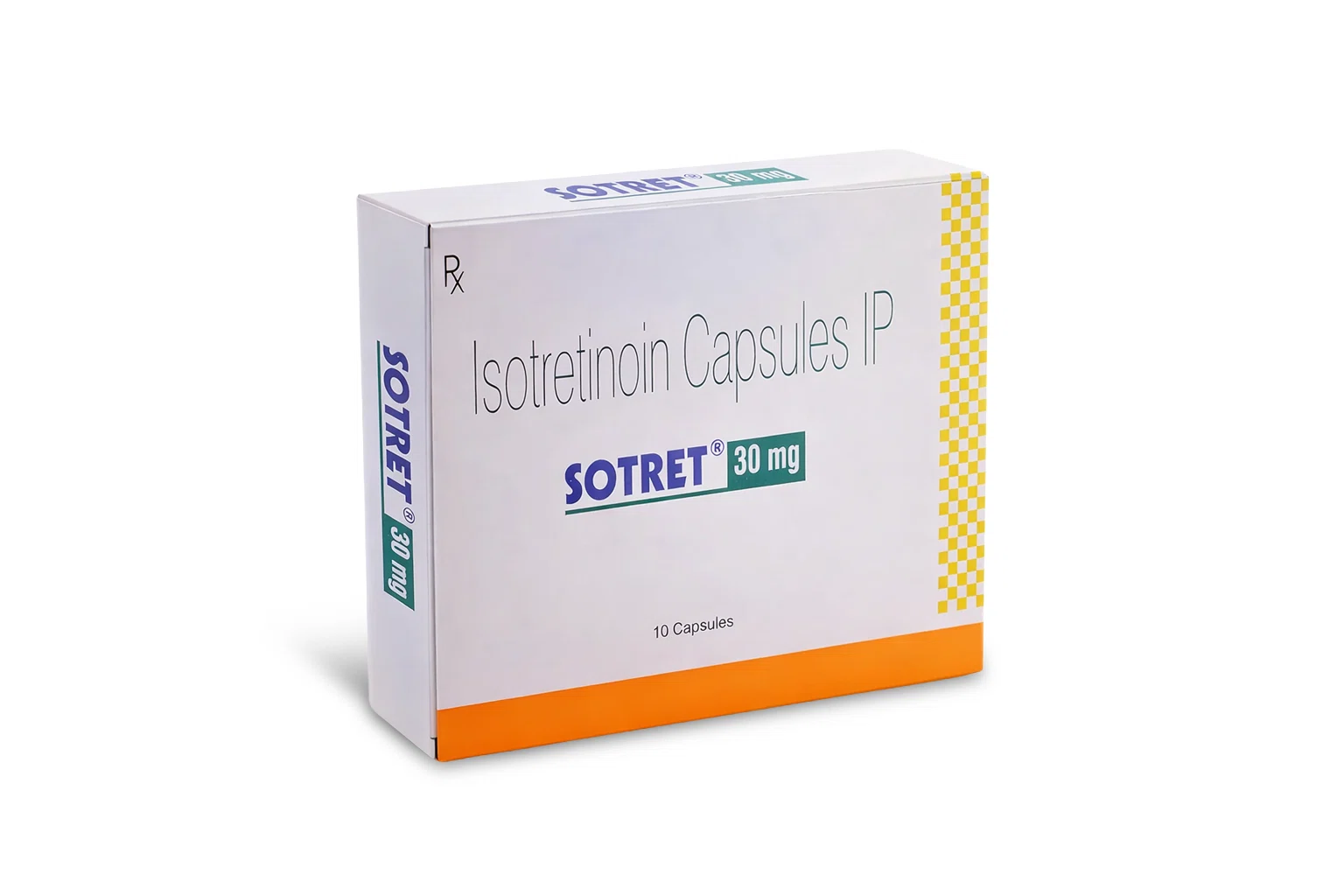
Skin Care$22.00 – $60.00Price range: $22.00 through $60.00Rated 5.00 out of 5Shop Now This product has multiple variants. The options may be chosen on the product pageSotret 30 mg
Skin Care$26.00 – $68.00Price range: $26.00 through $68.00Rated 5.00 out of 5Shop Now This product has multiple variants. The options may be chosen on the product page
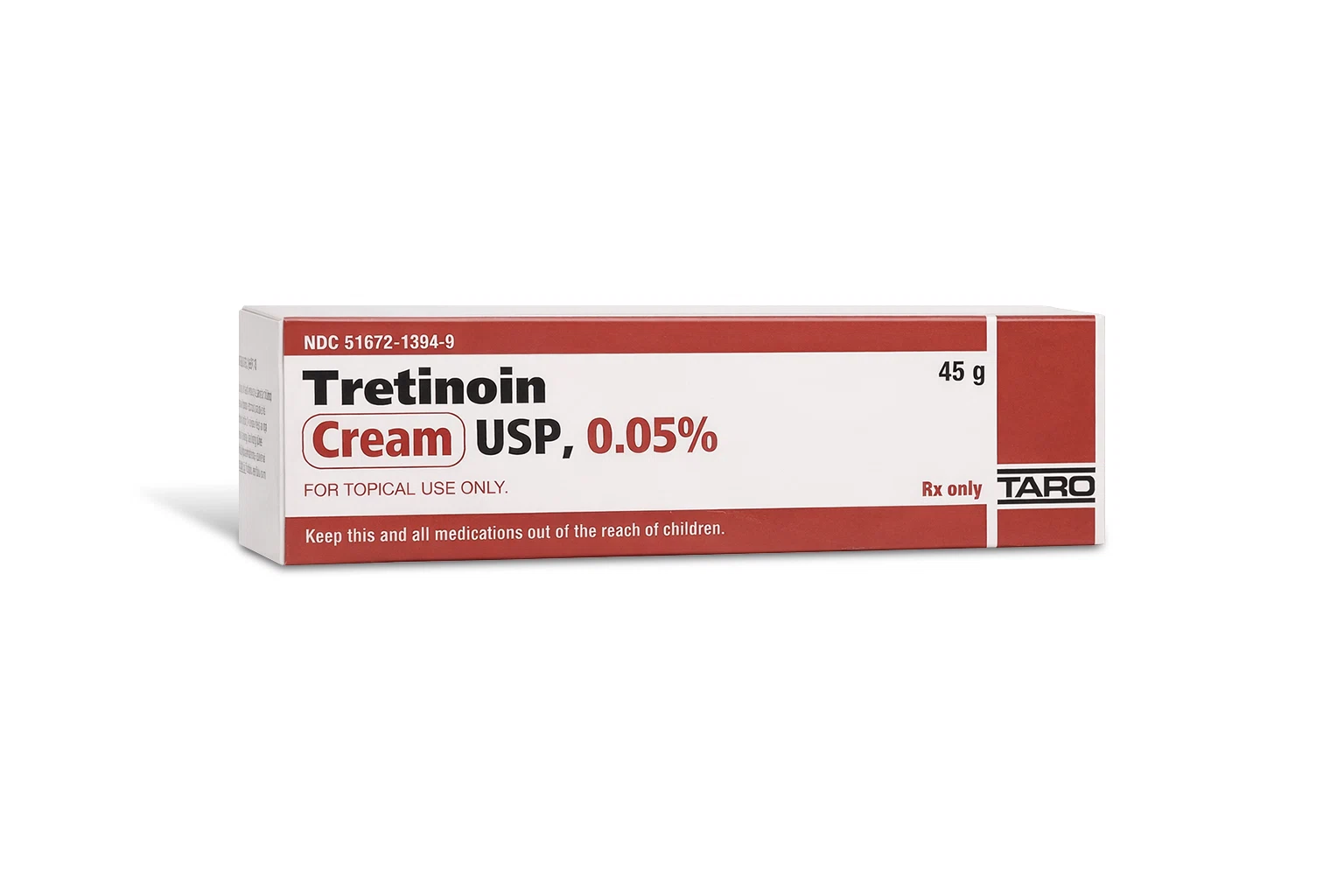
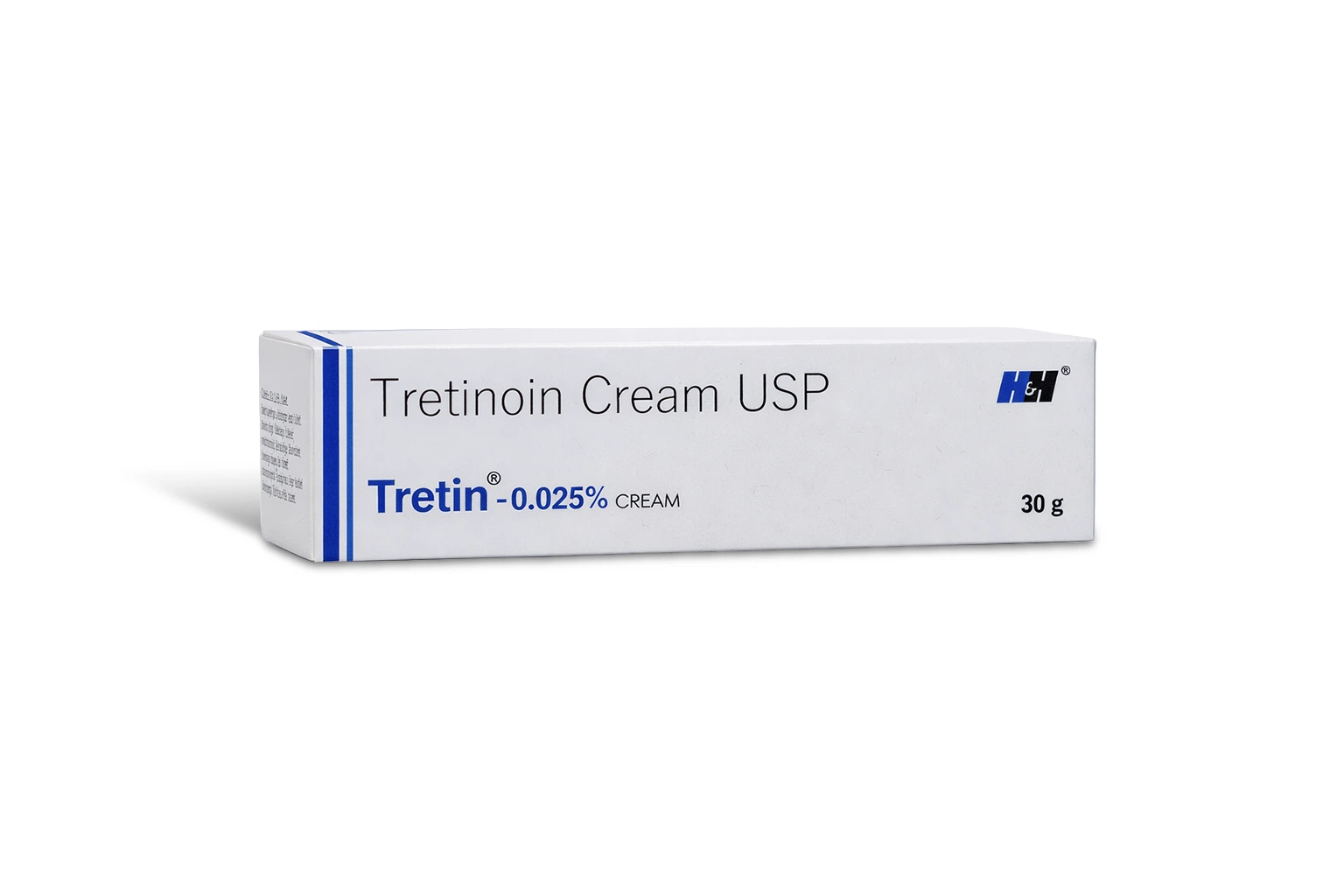
The importance of a healthy skin barrier
People with chronic acne often already have compromised barrier function. The inflammation, the picking, the cycle of harsh treatments trying to force the skin into submission. All of it chips away at the barrier over time. And then you throw a traditional retinoid at already-stressed skin and wonder why things get so much worse before they get better.
Adapalene gel for acne has a better studied tolerance profile compared to tretinoin specifically because it interacts with the skin barrier less aggressively. Clinical data consistently shows lower rates of retinoid dermatitis, that raw, flaky, reactive phase, with adapalene compared to older-generation options.
Adaferin gel, as a formulation, is designed to deliver the active ingredient into the follicle while keeping the surface disruption minimal. That’s not a marketing claim; it’s why the formulation exists in the specific vehicle it does.
The practical result? People actually stick with it. Which matters enormously, because adapalene gel acne treatment only works if someone uses it long enough for it to work.
How do you use Adefrin Gel for acne?
The application method is genuinely simple. Cleanse, let the skin fully dry, not damp, actually dry, apply a pea-sized amount to the whole face, and do it at night. That’s the core of it.
But the mistakes people make when using adapalene gel for acne tend to stick a little. Using too much. Applying it straight onto damp skin, which drives irritation up. Going in every single night from day one. Starting two or three active ingredients at the same time and then not knowing what caused the reaction.
The standard recommendation, and what most dermatologists advise, is to begin with every-other-night application. Build up to nightly use over three to four weeks as the skin adjusts. Some people can tolerate daily use faster than that. Others need more time. The skin gives pretty clear signals.
Daytime SPF is non-negotiable with any retinoid. Using adapalene gel for acne increases photosensitivity, which means unprotected sun exposure actively undermines the treatment. Broad-spectrum SPF 30 or higher every morning, no exceptions.
What not to layer it with, at least in the early weeks: strong exfoliating acids, high-strength vitamin C, and physical scrubs. The goal is to let the skin adapt, not overwhelm it from multiple directions.
Adapalene for Cystic acne
When any individual is using adapalene for cystic acne, they often wonder how it will hold up for their acne, and the honest answer is nuanced.
Adapalene works well for comedonal acne, the clogged pores, the small bumps, and the consistent congestion that never fully clears. For cystic or nodular acne, which is deeper and more inflammatory, it still has a role, but it works more slowly and often isn’t sufficient on its own.
The mechanism is relevant here. Adapalene gel for acne targets the follicle, reduces inflammation at the receptor level, and prevents the kind of blocked-pore environment where bacteria proliferate. Over time, that reduces the frequency and severity of breakouts, including cysts. But it’s a preventive and regulatory action more than a direct spot treatment.
Dermatologists frequently combine adaferin gel with a benzoyl peroxide wash or, in more severe cases, with an oral antibiotic, for patients dealing with cystic or inflammatory acne. The adapalene handles the underlying follicular issue while the other component addresses active bacterial involvement. That combination tends to produce better adapalene gel results than either ingredient alone.
An overview of the timeline
Adapalene gel results don’t follow a dramatic arc. This is worth being realistic about, because people quit things that are working because they expected something different.
Weeks one to three are periods of possible mild adjustment. You may experience some dryness here and there, maybe a small initial increase in breakouts as the cell turnover speeds up and existing congestion surfaces. Not everyone experiences this.
Weeks four to six are when you’ll see some subtle shifts in skin texture. Fewer new comedones forming. Surface congestion is beginning to clear.
Weeks eight to twelve is when more visible changes are seen. Cleaner pores, more even texture, reduction in frequency of active breakouts. For those using adapalene gel for acne targeting hyperpigmentation and post-acne marks, early fading may become noticeable here.
Month three to four is the point at which most clinical trials measure outcomes, and for good reason. This is where the cumulative effect of consistent topical retinoid acne treatment becomes genuinely apparent.
Adapalene gel clear skin outcomes aren’t overnight. But they tend to be durable in a way that quick-fix treatments aren’t, because they’re changing the underlying behavior of the skin rather than just treating surface symptoms.
Adapalene and sebum production
One thing that doesn’t get talked about enough in the context of adapalene gel for acne is its effect on sebum production. Adapalene works on the sebaceous glands over time, helping regulate how much oil is being produced. The result is skin that stays less congested, less shiny, and less prone to the kind of environment where breakouts thrive.
This sebum control gel effect is gradual, not instant. But for people with oily or combination skin, the types most prone to consistent acne, it becomes one of the more noticeable long-term benefits. Less oil means fewer clogged pores, which means fewer breakouts. It’s a downstream effect of the retinoid action rather than a direct ingredient purpose, but it’s real.
Final Thoughts
A lot of words like “dermatologist-recommended acne gel” get thrown around for several products, but you should always a talk with your derm to figure out what will or won’t work for your skin.
Adapalene gel for acne without skin irritation outcomes, while not universal, is far more common with adapalene than with first or second-generation retinoids. That’s the clinical consensus, and it’s reflected in patient adherence rates, which are meaningfully higher with adapalene compared to tretinoin in head-to-head studies.
It’s worth being honest about the limitations. Adapalene gel for acne isn’t a hormonal treatment. If the acne is primarily driven by hormonal fluctuation, the kind that cycles with periods, worsens with stress, or clusters along the jaw and chin, adapalene helps but doesn’t address the root cause. That conversation is a different one, involving a doctor and possibly oral treatments.
It also won’t work without consistency. Skipping weeks, using it sporadically, and abandoning it after a month because the results aren’t dramatic are the main reasons people conclude it didn’t work when in reality, it never got a proper chance.
FAQs
1. How long does adapalene gel take to work for acne?
Noticeable improvement usually shows up around weeks 8–12, with fuller results by months 3–4.
2. Can adapalene gel be used on sensitive skin?
Yes, it’s one of the more tolerable retinoids, but starting every other night reduces the chance of irritation.
3. Can adapalene be used with moisturizer?
Absolutely, applying a gentle, non-comedogenic moisturizer after adapalene is actually recommended to support the barrier.
4. Does adapalene gel help with acne scars?
It can help fade post-acne marks over time by speeding up cell turnover, but it’s not a dedicated scar treatment.

Dr. Delisha Cole is a sexual health and wellness writer with over 10 years of experience researching erectile dysfunction, performance anxiety, premature ejaculation, and modern ED treatments. She focuses on breaking down complex medical topics into practical, easy-to-understand advice that helps readers make informed decisions about their intimate health, confidence, and relationships. Her content covers ED medications, lifestyle factors, treatment safety, and real-world wellness guidance in a simple, reader-friendly way.