
A lot of women walk around tired, foggy, a bit off, and just chalk it up to stress or bad sleep or “getting older,” and sometimes that’s true, but often it’s not. Moving through your day and not having enough strength is not normal and never a good sign. I mean, imagine driving a car that never retains the fuel and keeps showing low fuel. You might keep making adjustments with it and try to make it work as long as you can, but someday it will show up and affect you.
Our bodies are the same. It often keeps compensating for nutrient deficiencies and insufficient fuel for a long time, but after a while, it will slow down and the deficiencies will catch up to you. If you didn’t notice the symptoms before because they were subtle, you will now. This is such a main reason that nutrient deficiencies are so often called “silent health problems.” Even the World Health Organization (WHO) has stated that these deficiencies of required vitamins are a widespread issue that should be paid more attention to.
Best Seller

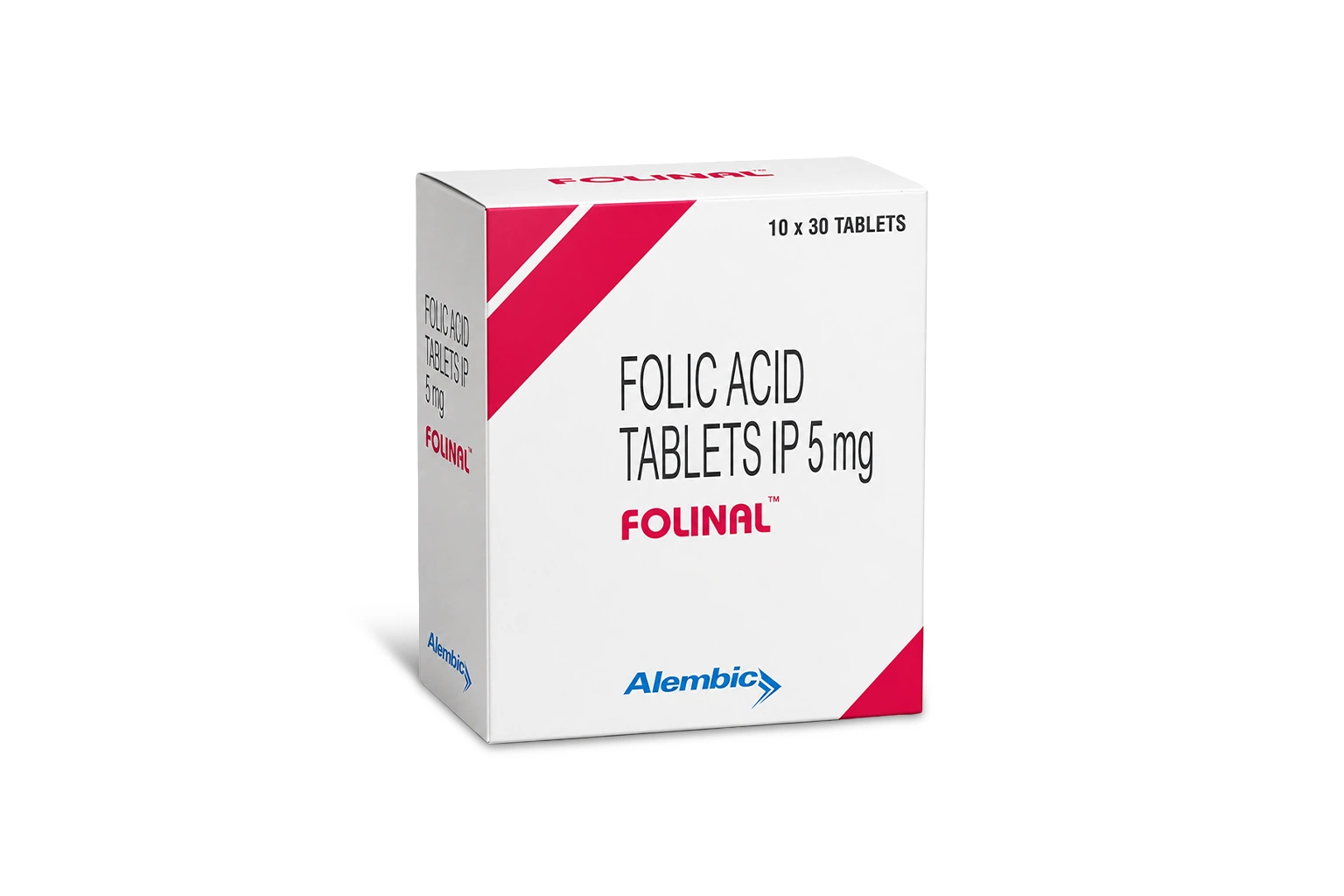
Folinal 5mg tablet
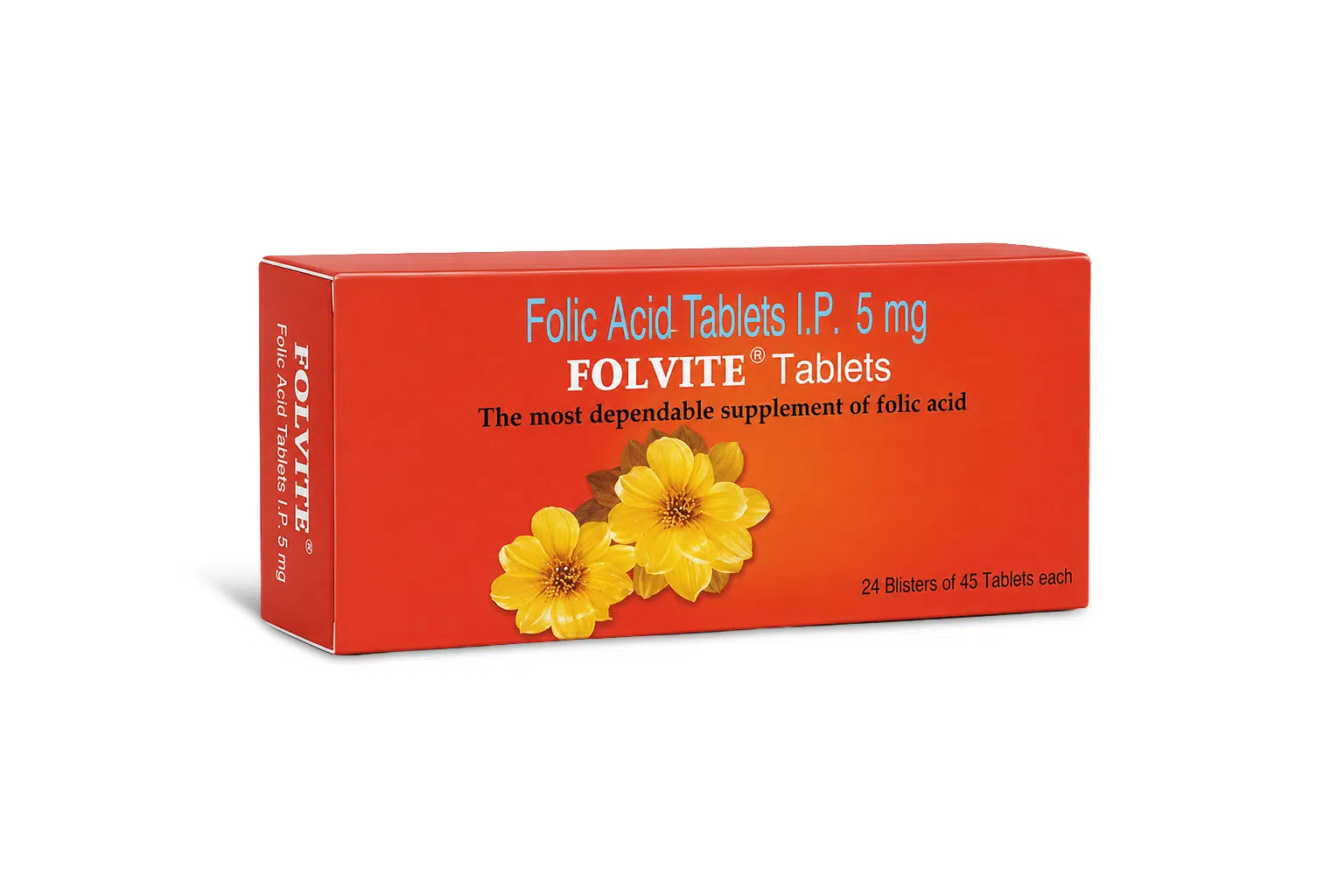
Folic acid$19.77 – $42.00Price range: $19.77 through $42.00Rated 5.00 out of 5Shop Now This product has multiple variants. The options may be chosen on the product pageFolvite 5 Mg
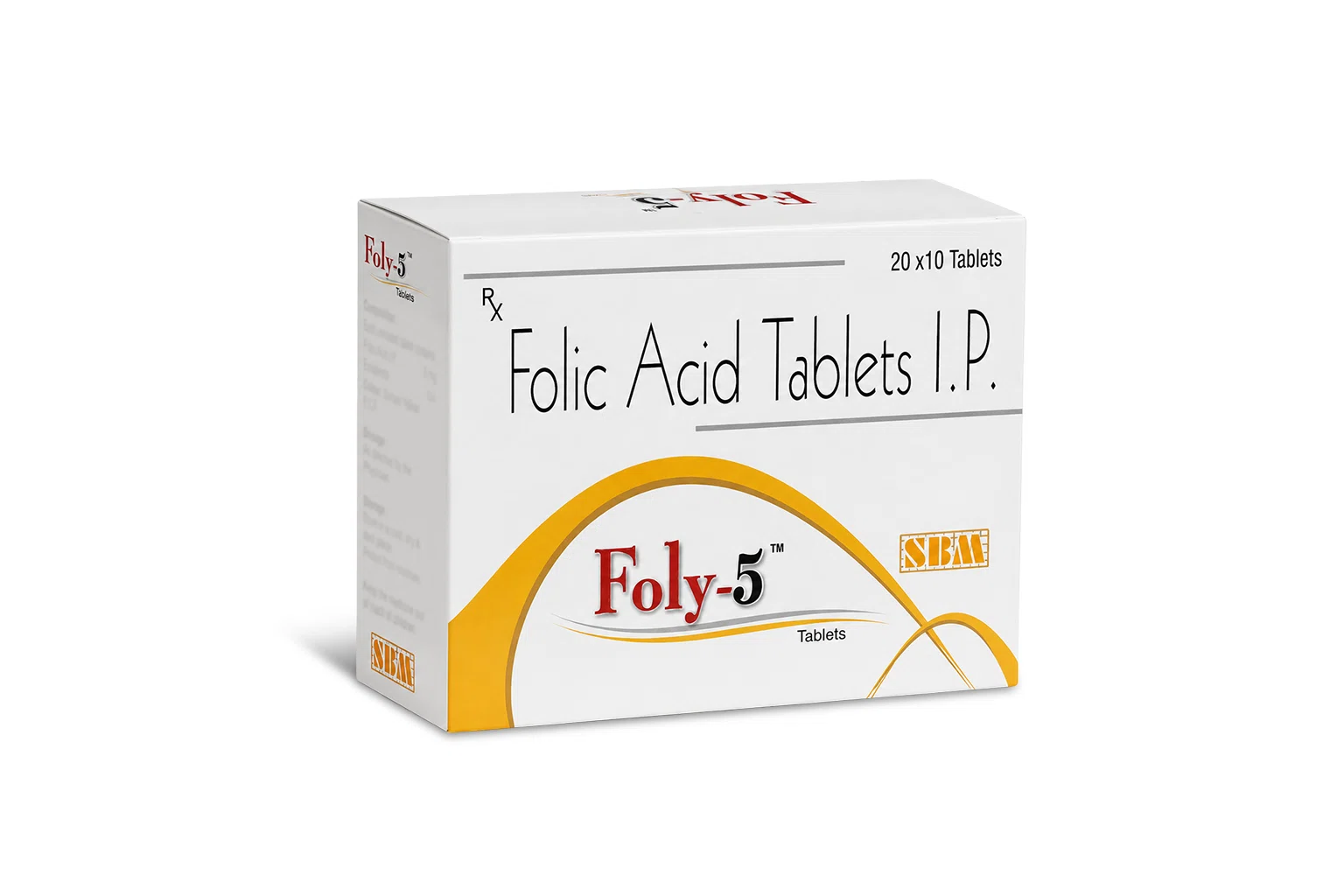
Womens Health$5.48 – $20.04Price range: $5.48 through $20.04Rated 4.00 out of 5Shop Now This product has multiple variants. The options may be chosen on the product pageFoly 5 Mg Tablet
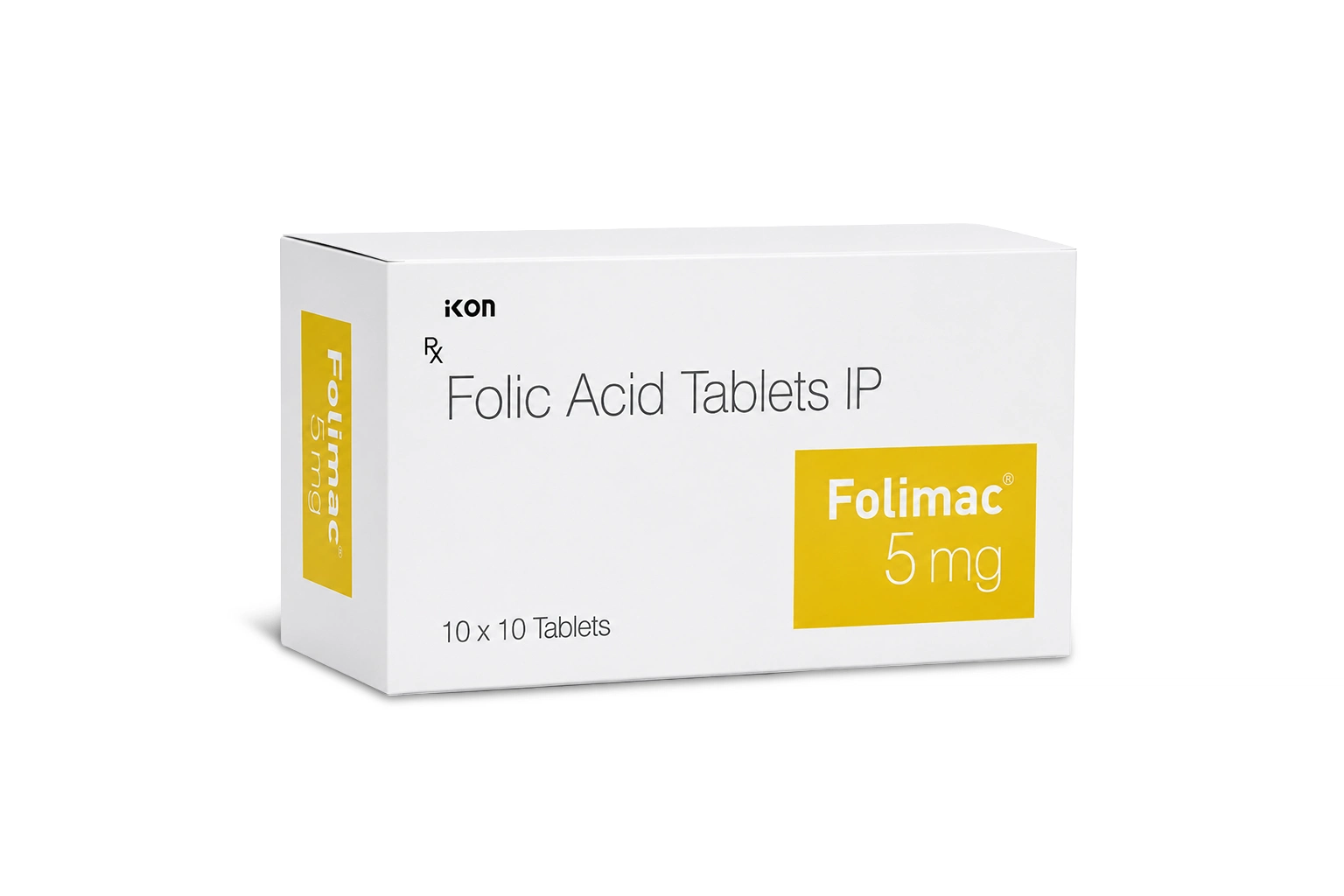
Folic acid$16.15 – $42.00Price range: $16.15 through $42.00Rated 5.00 out of 5Shop Now This product has multiple variants. The options may be chosen on the product pageFolimac 5 Mg Tablet
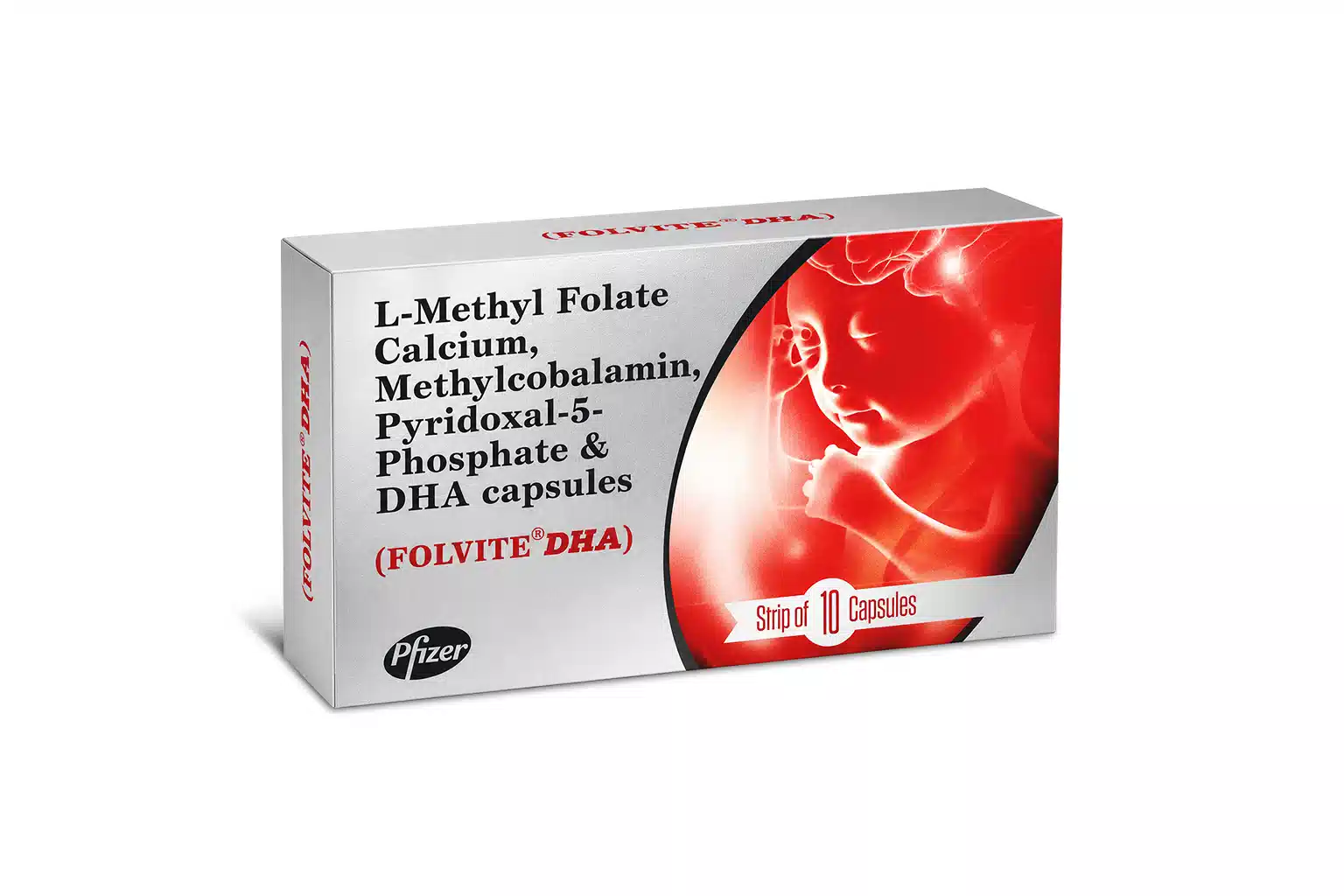
Folic acid$26.00 – $68.00Price range: $26.00 through $68.00Rated 4.00 out of 5Shop Now This product has multiple variants. The options may be chosen on the product pageFolvite DHA Soft Gelatin Capsule
Folic acid$29.00 – $86.00Price range: $29.00 through $86.00Rated 4.00 out of 5Shop Now This product has multiple variants. The options may be chosen on the product pageFolvite MB Capsule
Folic acid$29.00 – $85.00Price range: $29.00 through $85.00Rated 5.00 out of 5Shop Now This product has multiple variants. The options may be chosen on the product page

It’s important to address nutritional deficits in the present age, where tiredness gets treated like a personality trait instead of a symptom and “girl dinners” are becoming increasingly common. That’s why we go over some common nutrient deficiencies in this blog and pay some extra attention to folic acid since it’s extremely important for women who plan to have a baby or just anyone else too.
Prevalence of deficiencies
People assume that a deficiency means that someone will look sick, pale, or thin, but that’s not really the case. Most nutrient deficiencies show up as things that get brushed off. Maybe you have brittle nails, weird cravings, or mood swings that don’t match anything going on in life. Maybe your hair is coming out a little more in the shower than it used to.
Healthcare providers are busy, and healthcare is expensive as is. There isn’t enough time to ask about specific deficits like a vitamin B9 deficiency, for instance. So you end up overlooking it. Despite nutrient deficiencies being such a widely spoken about topic, it gets lost in conversations. Our modern lifestyles have pushed our health and such conversations about nutrient deficiencies to the backseat, and productivity is driving the car. You always have to give your best despite your health. Women also have the added pressure of restrictive eating behaviors, which also stops them from getting their vitamins in. But remember, eating healthy doesn’t mean always being the slimmest version of yourself.
Iron
Iron deficiency in women gets talked about a lot and still somehow stays underdiagnosed. Periods, pregnancy, and just general blood loss over time can add up. Fatigue that doesn’t go away with sleep is one of the bigger signs of nutrient deficiency, and iron is usually the first thing that should get ruled out, though it rarely is the first thing that actually gets tested.
Signs like cold hands and feet, having a weird pale look under the eyes, or feeling out of breath walking up stairs that used to be nothing are all signs that you shouldn’t ignore.
B12 sneaks up on people
This one’s sneaky because it builds up over years, not weeks. Vegetarian and vegan diets are more prone to it, but plenty of meat-eaters end up low too, especially if there’s a gut absorption issue nobody’s caught yet.
If you experience tingling in your hands or you’re experiencing brain fog, then this could be the reason. Some people describe brain fog as feeling like they’re thinking through fog or cotton wool. Nutrient deficiencies like this one don’t announce themselves, but they just slowly chip away at how someone feels day to day until it’s just accepted as normal. You should look out for that one.
Then there’s Folate, or Vitamin B9
Folate is one of those nutrients that gets mentioned mostly around pregnancy and then basically forgotten the rest of the time. Which is a mistake, honestly, because it matters way beyond that. Out of all the vitamins that get overlooked, this one probably gets the least credit outside of pregnancy talk.
It’s involved in cell growth, red blood cell production, and a bunch of stuff tied to energy and mood. Low folate levels can show up as fatigue, irritability, and even mouth sores that people assume are just stress-related. Some women only find out they’re low when they’re already trying to conceive, which is late in the game for something this foundational.
For folate supplementation, there are a few options out there, like Folvite 5 mg, Folimac 5 mg, and Foly 5 mg, which are folic acid formulations available when someone’s levels are confirmed low through bloodwork or when a healthcare provider recommends it for pregnancy planning. This is not something to just start taking randomly without knowing where levels actually sit.
Vitamin D
Everyone assumes if they live somewhere sunny, they’re fine, but that’s not really how it works. The amount and type of sunscreen you apply, indoor jobs, and skin tone are all factors that affect how much vitamin D actually gets made and absorbed by your body.
Bone aches that feel more like tiredness than actual pain. Getting sick more often than usual. Mood dipping in ways that feel disconnected from anything specific. These are all signs of a hidden vitamin D deficiencies that get mistaken for just being run down, when really they’re actually nutrient deficiencies quietly stacking up.
Magnesium
This one barely gets talked about compared to iron or B12, but honestly it might deserve more attention. Sleep issues, muscle twitches, and anxiety that feels a little more intense than usual are all signs of a deficiency, and magnesium’s tied to all of it.
Processed food diets tend to be low in it. Stress burns through it faster too. So a lot of the nutrient deficiencies floating around in women right now are really just magnesium quietly running low while everyone assumes it’s “just stress.”
Zinc
Nobody really mentions zinc until hair’s falling out more than usual or wounds are taking forever to heal. It’s not glamorous and it doesn’t get talked about as much, but it’s tied to immune function and skin repair in a pretty big way.
If you have frequent colds, your cuts heal slowly, and you’re experiencing a weird loss of taste or smell that isn’t linked to anything obvious, then it might be a lack of zinc at play. People go through years of this without connecting the dots.
Restrictive eating, high-stress periods, and even just a diet heavy on processed stuff can quietly drain zinc levels over time. It’s one of those nutrient deficiencies that hides behind other explanations of stress, allergies, or “just getting sick easily” until someone actually checks.
What can help?
Getting bloodwork that actually checks iron, B12, folate, vitamin D, and magnesium, not just the standard basic panel, is important. It’s crucial to ask specifically, because otherwise it might not happen.
Eating isn’t always enough on its own either, especially with restrictive diets or high stress or just a busy life where meals get skipped more than anyone wants to admit. Supplementation fills gaps, but ideally after knowing what’s actually low, not just guessing. For example, supplements like Folimac 5 or Folinal 5 mg mg are good for folic acid supplementation and work pretty standardly for most people, but it’s still good to get a medical opinion.
Essential nutrients for women shift depending on life stage too. Pregnancy, postpartum, and perimenopause all change what the body needs more of. What worked at 25 doesn’t necessarily cover things at 40.
Common nutrient deficiencies aren’t rare or unusual. They’re a part of our lives and a very common one, looking at our current lifestyle. That’s the whole problem, really. Nothing about them screams for attention until things have been off for a while.
Vitamin deficiency in women isn’t some fringe issue, it affects a huge number of people who are just pushing through feeling not-quite-right and never connecting it to something as basic as a nutrient panel. And honestly, that’s the part that seems fixable, if people knew to ask.
Final Thoughts
None of this is about eating some flawless diet or taking ten different supplements just in case. That usually backfires anyway or just gets abandoned after two weeks because it’s too much to keep up with.
It’s more about noticing the pattern. Same tiredness every afternoon. Same brain fog by 3pm. Nails that keep splitting no matter what lotion gets slapped on them. Small stuff, repeated enough times, starts meaning something.
A lot of women also just don’t want to make a fuss. Bringing up fatigue at a doctor’s appointment can feel like complaining about nothing, especially when there’s no obvious injury or illness to point to. But a simple blood panel isn’t a big ask, and it can save years of just pushing through feeling not-quite-right.
Diet helps, obviously. Iron-rich foods, leafy greens, dairy or fortified alternatives for calcium, that kind of thing. But life isn’t always set up for perfect eating, and that’s fine. The point isn’t guilt, you just have to be aware and know what’s actually going on instead of guessing.
FAQ's
1. Can nutrient deficiencies cause fatigue even with enough sleep?
Yes, that’s actually one of the most common signs. Sleep doesn’t fix a deficiency issue.
2. Is folic acid the same as folate?
Yes, it’s basically the synthetic version of folate and has the same job in the body. Supplements like Folvite 5 mg or Foly 5 mg both have folic acid.
3. How would someone know which nutrient they're actually low in?
Bloodwork’s really the only reliable way. Guessing rarely lines up right.
4. Do these kinds of deficiencies go away on their own?
Not usually. They tend to linger or worsen without some kind of intervention.
5. Are these deficiencies more common in certain age groups?
They show up across all ages, but pregnancy, perimenopause, and restrictive diets raise the risk.

Dr. Delisha Cole is a sexual health and wellness writer with over 10 years of experience researching erectile dysfunction, performance anxiety, premature ejaculation, and modern ED treatments. She focuses on breaking down complex medical topics into practical, easy-to-understand advice that helps readers make informed decisions about their intimate health, confidence, and relationships. Her content covers ED medications, lifestyle factors, treatment safety, and real-world wellness guidance in a simple, reader-friendly way.