
Imagine your body as a well-oiled sports team where every single team member coordinates to reach their shared end goal. Your brain is the captain and sends signals to the body. Nerves help carry these messages forward, your hormones help in overseeing this process, and your organs then respond at the right time for a certain action to take place. Of course, there are different messengers and hormones active for different actions, but this is more or less how the rough structure works.
Now when you look at ejaculatory function, your body engages in a similar process of coordination. Even if one step of this process is experiencing any difficulty, it can throw off the whole system. You might think that you’re experiencing these changes in your ejaculatory function because of your age, relationship issues, or stress, and while those are pretty valid causes, sometimes it might be an underlying health condition that might be causing them.
Factors like diabetes, thyroid, neurological conditions, or prostate conditions can all affect your ejaculatory process. Even certain medications can affect how your body responds during any sexual activity. Understanding all the ways different conditions can affect your body and ejaculatory process can help you look after your sexual health better.
How Does The Body Control Ejaculation?
As mentioned, ejaculation is a pretty coordinated process that typically involves two main process that are namely emission and expulsion. During the former stage, sperm moves from the reproductive system into the urethra, where it mixes with fluids from the seminal vesicles and the prostate. When a man ejaculates, the pelvic floor muscles contract in a rhythmic way, pushing the sperm out of the penis.
The autonmic nervous system plays a pretty important role throughout this process. The sympathetic nerve activity of the body mainly looks after the emission process. While this happens, the somatic nerve signals help in controlling the muscle contractions that happen during expulsion. The process is much more intricate than how it sounds on paper, and it is possible for different parts of the reproductive system to work together because the brain and spinal cord control these messages.
There are a couple important neurotransmitters that are also involved in the ejaculatory process, namely serotonin and dopamine. Serotonin is typically involved in holding off your ejaculatory reflex, and dopamine works towards an individual’s sexual motivation and arousal. Any sort of imbalance with these nerve signals and their pathways can change when an individual ejaculates and how intense it is.
Nerve Functioning and Premature Ejaculation
Ejaculation is a reflex, at the end of the day. Signals travel from the brain down the spinal cord, out through nerves in the pelvis, and then a chain of muscle contractions follows. Lots of steps. Lots of places for a wire to get crossed.
Neurological conditions and ejaculation are linked pretty tightly. Multiple sclerosis, spinal cord injuries, stroke, and Parkinson’s. Any of them can change the timing or make ejaculation hard to reach at all. Sometimes the erection is totally normal and nothing happens anyway. Pelvic health and nerve signaling get overlooked a lot. Past surgery in the area, an old injury, or even a pinched nerve can interfere.
Speed matters here as well. Some nerve problems slow ejaculation down, while others seem to let things happen too quickly, and doctors don’t always agree on why. The nerves involved are small, and they run close to a lot of other things, so damage tends to be patchy rather than all or nothing.
Diabetes’ Effect on Ejaculation
Diabetes is typically thought of as a condition that’s mostly related to the levels of glucose in the blood, but its effects go far beyond just that. A blood glucose level that’s consistently high can cause harm to the nerves and blood vessels of an individual and also lead to potential harm to their reproductive health.
Diabetes and nerve function go together in a bad way. Years of high blood sugar can wear down small nerves and blood vessels, and the pelvis isn’t spared. The result might be delayed ejaculation, weaker orgasms, or retrograde ejaculation, where semen heads into the bladder instead of out. A man might notice cloudy urine afterward and not know why.
Better blood sugar control can protect what’s still working. Not a magic fix, but it matters more than people think. And blood sugar isn’t the whole story. Diabetes also tends to bring along high blood pressure and cholesterol trouble, plus the odd medication or two, so the picture gets crowded fast.
Hormonal Imbalance and Reproductive Health
Hormones have an effect on a person’s sexual desires, reproductive process, and how the body responds to sexual stimulation. Shifting levels of testosterone, prolactin, or thyroid hormones can all affect a body’s ejaculatory function.
Low levels of testosterone can drag desire down and change how the whole system behaves. Hormonal imbalance and reproductive health are connected in ways that symptoms alone don’t always show, which is why bloodwork is a normal early step. Thyroid is a sneaky link that you should be more aware of.
Thyroid disorders and reproductive health overlap more than most men expect. An overactive thyroid has been linked with premature ejaculation, and an underactive one with delayed ejaculation. Opposite problems, same small gland. Prolactin can play a part too, now and then.
Best Seller

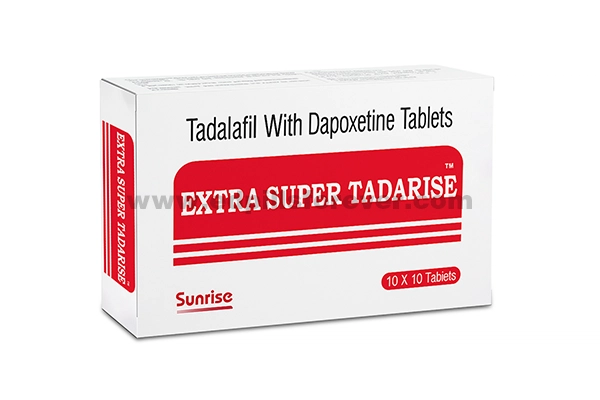
Extra Super Tadarise
ALL$48.00 – $720.00Price range: $48.00 through $720.00Rated 5.00 out of 5Shop Now This product has multiple variants. The options may be chosen on the product pageSuper Tadarise
ALL$45.00 – $446.00Price range: $45.00 through $446.00Rated 4.00 out of 5Shop Now This product has multiple variants. The options may be chosen on the product pageSuper Vidalista 80 Mg
ALL$78.00 – $784.00Price range: $78.00 through $784.00Rated 5.00 out of 5Shop Now This product has multiple variants. The options may be chosen on the product pageCenforce D 100+60 Mg
ALL$41.00 – $412.00Price range: $41.00 through $412.00Rated 5.00 out of 5Shop Now This product has multiple variants. The options may be chosen on the product page- Sale!
Extra Super P Force
ALL$80.00 – $305.00Price range: $80.00 through $305.00Rated 5.00 out of 5Shop Now This product has multiple variants. The options may be chosen on the product page Super Kamagra (Sildenafil 100 Mg + Dapoxetine 60 Mg )
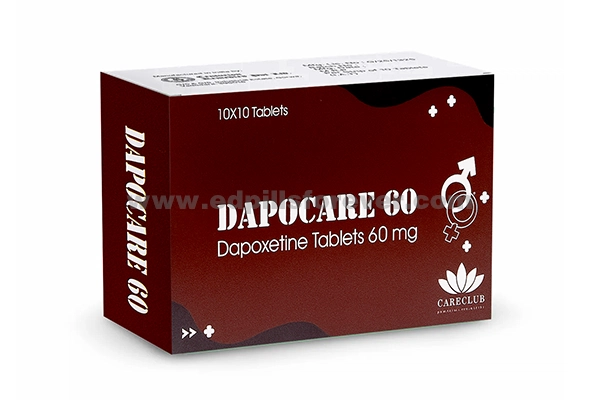
Ajanta Pharma$22.00 – $280.00Price range: $22.00 through $280.00Rated 4.00 out of 5Shop Now This product has multiple variants. The options may be chosen on the product pageDapocare 60mg
Dapocare$122.00 – $295.00Price range: $122.00 through $295.00Rated 5.00 out of 5Shop Now This product has multiple variants. The options may be chosen on the product pageDapocare 90mg
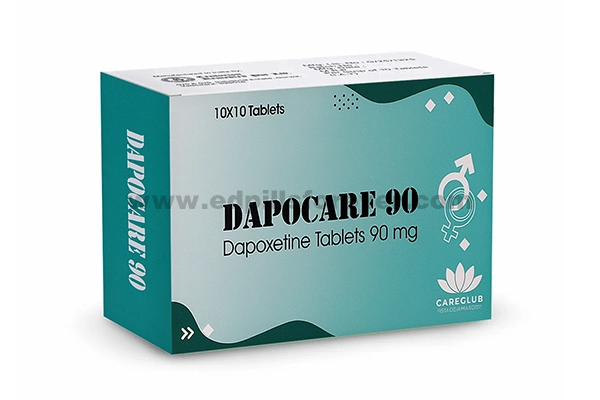
Dapocare$95.00 – $265.00Price range: $95.00 through $265.00Rated 5.00 out of 5Shop Now This product has multiple variants. The options may be chosen on the product pagePoxet 30 Mg
DAPOXETINE$25.00 – $100.00Price range: $25.00 through $100.00Rated 4.00 out of 5Shop Now This product has multiple variants. The options may be chosen on the product pagePoxet 90 mg
DAPOXETINE$31.00 – $122.00Price range: $31.00 through $122.00Rated 5.00 out of 5Shop Now This product has multiple variants. The options may be chosen on the product pageDapoforce 60 mg
Dapoforce$27.00 – $275.00Price range: $27.00 through $275.00Rated 4.00 out of 5Shop Now This product has multiple variants. The options may be chosen on the product pageDapoforce 90mg
Dapoforce$27.00 – $140.00Price range: $27.00 through $140.00Rated 5.00 out of 5Shop Now This product has multiple variants. The options may be chosen on the product pageDapoforce 30mg
Dapoforce$30.00 – $78.00Price range: $30.00 through $78.00Rated 4.00 out of 5Shop Now This product has multiple variants. The options may be chosen on the product pagePoxet 60 mg
DAPOXETINE$28.00 – $110.00Price range: $28.00 through $110.00Rated 4.50 out of 5Shop Now This product has multiple variants. The options may be chosen on the product pagePriligy 30 mg
best sellers$22.00 – $156.00Price range: $22.00 through $156.00Rated 4.00 out of 5Shop Now This product has multiple variants. The options may be chosen on the product pagePriligy 60 mg
DAPOXETINE$32.00 – $197.00Price range: $32.00 through $197.00Rated 4.00 out of 5Shop Now This product has multiple variants. The options may be chosen on the product pageLong-drive Gold
DAPOXETINE$64.00 – $105.00Price range: $64.00 through $105.00Rated 5.00 out of 5Shop Now This product has multiple variants. The options may be chosen on the product pageBigfun 100 XT Gold
Bigfun$64.00 – $105.00Price range: $64.00 through $105.00Rated 0 out of 5Shop Now This product has multiple variants. The options may be chosen on the product page







Prostate Health and Ejaculatory Changes
Since a person’s prostate is responsible for producing the fluid that is part of semen, any kind of change to a person’s prostate health can affect the body’s ejaculation process. Problems with the prostate like prostatitis, benign prostatic hyperplasia (BPH), or any health problems that may happen after a prostate surgery can change how you feel when you ejaculate and release sperm.
Prostate health and ejaculatory function are hard to pull apart. Infection, inflammation, an enlarged prostate, and surgery can all change things for a person and their body.
Procedures like TURP often cause retrograde ejaculation. After a radical prostatectomy there’s usually no semen at all, since the seminal vesicles come out too. Alpha blockers used for an enlarged prostate, like tamsulosin, can cause dry orgasms as well. Harmless in most cases, but worth mentioning to whoever prescribed them.
Effects of Medications on Ejaculation
Medication effects on ejaculation might be the most fixable cause of the lot. Antidepressants, especially SSRIs, are well known for delaying ejaculation. Some blood pressure drugs too, like beta blockers and diuretics. Antipsychotics, certain anti-seizure medicines, and heavy drinking. The list keeps going. Which leads us to serotonin.
Serotonin levels and ejaculation have a strange relationship. More serotonin signaling generally slows the reflex down, less of it seems to speed things up. That’s why SSRIs delay ejaculation and why some men with premature ejaculation are thought to have low serotonin activity, or touchy receptors. The science isn’t fully settled, to be fair.
Switching to a different drug, or changing the timing of a dose, sometimes sorts it out. That’s your health care provider’s call, though. Stopping a prescription alone, just because ejaculatory function changed, can bring its own trouble, especially with antidepressants and heart or blood pressure medicines.
Medications That Help Premature Ejaculation
Several medications have been formulated to deal with premature ejaculation. The most common mechanism of PE medications is to elevate an individual’s serotonin levels. Sometimes when the serotonin levels drop too much, a person is unable to hold off their ejaculation. Increasing the serotonin levels in the person helps the body delay ejaculation.
Dapoxetine is an SSRI made specifically for premature ejaculation. That sets it apart from antidepressants taken every day. It’s short-acting and taken on demand, usually one to three hours before sex, rather than as a daily routine. It’s meant for adult men, and it’s not for everyone. Men with certain heart conditions, or those already on other serotonin-affecting drugs, are generally steered away from it.
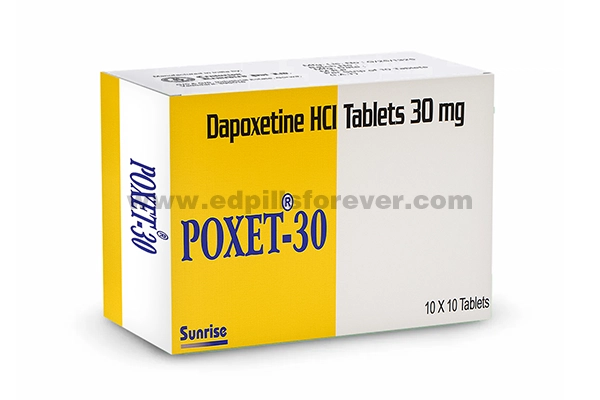
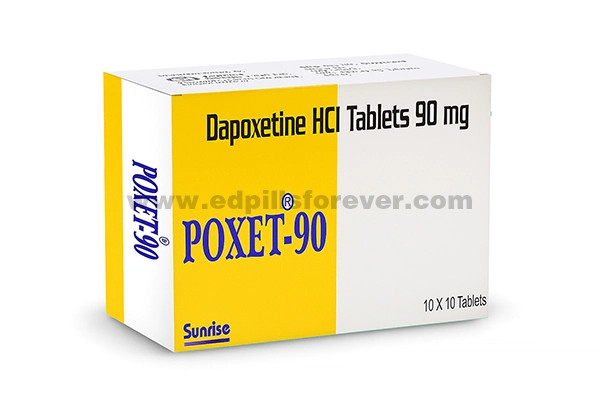
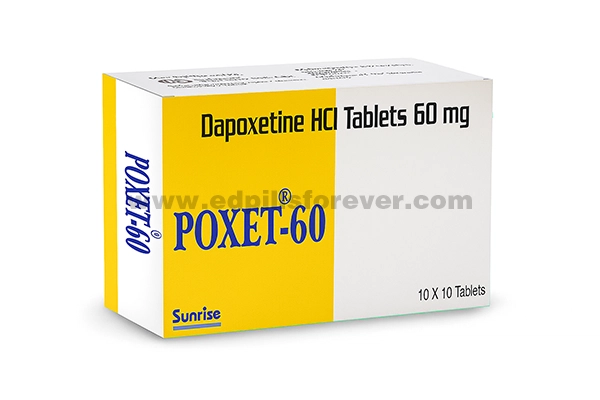
Poxet is a PE medication that comes in 30 mg, 60 mg and 90 mg. The 30 mg tablet is typically the starting point, and Poxet 60 mg sometimes comes later if the first dose does little. Poxet 90 mg calls for extra caution, since nausea, dizziness, headache, and diarrhea tend to climb with the dose.
Poxet is meant to buy more time before ejaculation, not to rebuild ejaculatory function from scratch. It works on the serotonin side of the reflex, in the same general way, SSRIs slow things down, only on a much shorter schedule. Some men feel a clear change after the first few doses, others barely notice, and some get side effects that make it a poor fit.
It’s important to keep in mind that Poxet only makes sense once the underlying cause has been looked at. Treating the symptom while a thyroid problem sits untouched won’t fix much.
Wrapping It Up
A healthy ejaculation depends on a number of systems working together. Nerve signals and serotonin levels, thyroid hormones, prostate health, and the coordination of pelvic muscles are just a few of the medical issues that can change the sexual response.
Understanding what can alter how ejaculation occurs can make it easier to know when a change may be due to a health problem. The best way to find out what’s wrong is to have your primary care provider do a good evaluation instead of trying to self-diagnose or try different medications.
FAQs
1. Can stress alone change ejaculatory function?
2. Does diabetes always affect ejaculation?
3. Can thyroid problems cause early or late ejaculation?
4. Is Poxet the same as a daily antidepressant?
5.Should a man stop his medication if ejaculation changes?

Dr. Lucifier is a men’s health specialist with over 12 years of experience in sexual wellness and ED treatment. He holds an MBBS, MD in Internal Medicine, and DM in Urology, and focuses on safe, personalized care using proven therapies like Sildenafil and Tadalafil.