
An individual may do everything for their health and yet something may feel off. A guy could be getting enough sleep, eating well, and staying reasonably active, yet his sexual health may be getting compromised. His interest in sex may not be as usual, erections may be feeling less consistent, and his performance may be less reliable. In these situations, it’s most plausible to blame it on life stressors, age, work pressure, or a few night of incomplete sleep. But sometimes, the main reason contributing to a guy’s sexual health could be something else, namely, his thyroid gland.
The thyroid gland may just be a butterfly-shaped small gland in the lower neck, but its effects are far-reaching throughout the body. The gland helps in a myriad of physiological mechanisms, including managing an individual’s energy, body temperature, heart activity, and hormonal levels. When the thyroid gland produces too much or too little of the hormone, then the effects can sometimes definitely be seen in a man’s sexual life.
Struggling with one’s sex life can have emotional repercussions, especially if it’s difficult to pinpoint the reason. Understanding the signs and situations where your thyroid and sexual health may be related can help you be better prepared.
What Does the Thyroid Gland Do?
Thyroid hormones set the pace for a surprising amount of the body. Heart rate, temperature, energy, mood, and even how fast food gets burned. Sex needs most of that stuff working together. So when the gland makes too little hormone (hypothyroidism) or too much (hyperthyroidism), sexual function can wobble along with everything else.
Researchers have looked at thyroid and sexual health in men for a while now, though it never got much attention compared to other men’s health topics. One small study followed 48 men with thyroid problems and found most of them had some kind of sexual issue at the start. Desire, erections, and ejaculation. Once their thyroid levels got back to normal, a lot of those problems eased up or disappeared. Not all. But a lot.
Which is kind of encouraging. Fixable beats mysterious. What follows are the signs, roughly in the order men tend to notice them. There’s not a strict order to it, though.
Sign One: Drop In Sex Drive
Thyroid trouble belongs on that list too, especially an underactive thyroid, and it gets skipped because it’s rarely the first thing anybody thinks of. In most thyroid and sexual health discussions, this is the sign that comes up first. Both too much and too little thyroid hormone have been linked with reduced desire, so it doesn’t matter much which direction the gland leans.
One of the earliest things a man may notice about this is that their sex life may not be crossing their mind as much. Plenty of things can sit behind low libido causes, like stress, poor sleep, relationship strain, depression, and certain medications. Thyroid troubles also belong to this list. Hypothyroidism is when the thyroid gland produces insufficient thyroid, which can slow down several bodily functions. This can affect the levels of testosterone, sex hormone-binding globulin (SHBG), and prolactin. All of this can ultimately affect a person’s sex drive.
In other cases, the thyroid gland also ends up producing excessive hormones, which can again interfere with a person’s sexual desire, despite it falling on the opposite end. Thyroid and sexual health are quite closely related this way. Any change, be it underactive or overactive, ends up affecting a person’s sexual health and their libido.
Best Seller

Cenforce 100 Mg
Best Seller$24.00 – $215.00Price range: $24.00 through $215.00Rated 5.00 out of 5Shop Now This product has multiple variants. The options may be chosen on the product page
Vidalista 5 Mg
best sellers$18.00 – $182.00Price range: $18.00 through $182.00Rated 4.00 out of 5Shop Now This product has multiple variants. The options may be chosen on the product pageVidalista 40 Mg
Best Seller$28.00 – $276.00Price range: $28.00 through $276.00Rated 4.00 out of 5Shop Now This product has multiple variants. The options may be chosen on the product page
Cenforce 200 Mg
best sellers$31.00 – $335.00Price range: $31.00 through $335.00Rated 4.50 out of 5Shop Now This product has multiple variants. The options may be chosen on the product pageCenforce Fm
best sellers$33.00 – $218.00Price range: $33.00 through $218.00Rated 4.00 out of 5Shop Now This product has multiple variants. The options may be chosen on the product pageKamagra 100 mg
best sellers$24.00 – $125.00Price range: $24.00 through $125.00Rated 5.00 out of 5Shop Now This product has multiple variants. The options may be chosen on the product pageFildena 100 mg
best sellers$24.00 – $244.00Price range: $24.00 through $244.00Rated 4.00 out of 5Shop Now This product has multiple variants. The options may be chosen on the product pageMalegra Oral Jelly 100 Mg
best sellers$8.00 – $44.00Price range: $8.00 through $44.00Rated 5.00 out of 5Shop Now This product has multiple variants. The options may be chosen on the product pageSuper Kamagra Oral Jelly
best sellers$25.00 – $120.00Price range: $25.00 through $120.00Rated 4.00 out of 5Shop Now This product has multiple variants. The options may be chosen on the product page
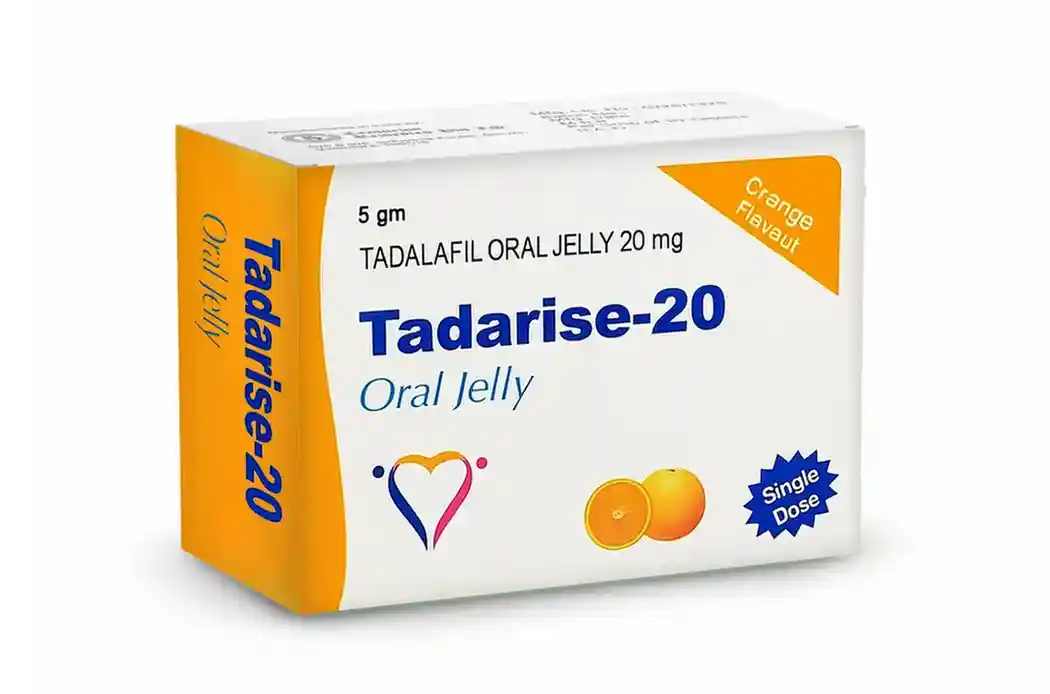
Tadarise Oral Jelly
best sellers$19.00 – $72.00Price range: $19.00 through $72.00Rated 4.00 out of 5Shop Now This product has multiple variants. The options may be chosen on the product page
Careforce 200 Mg
best sellers$29.00 – $332.00Price range: $29.00 through $332.00Rated 5.00 out of 5Shop Now This product has multiple variants. The options may be chosen on the product page
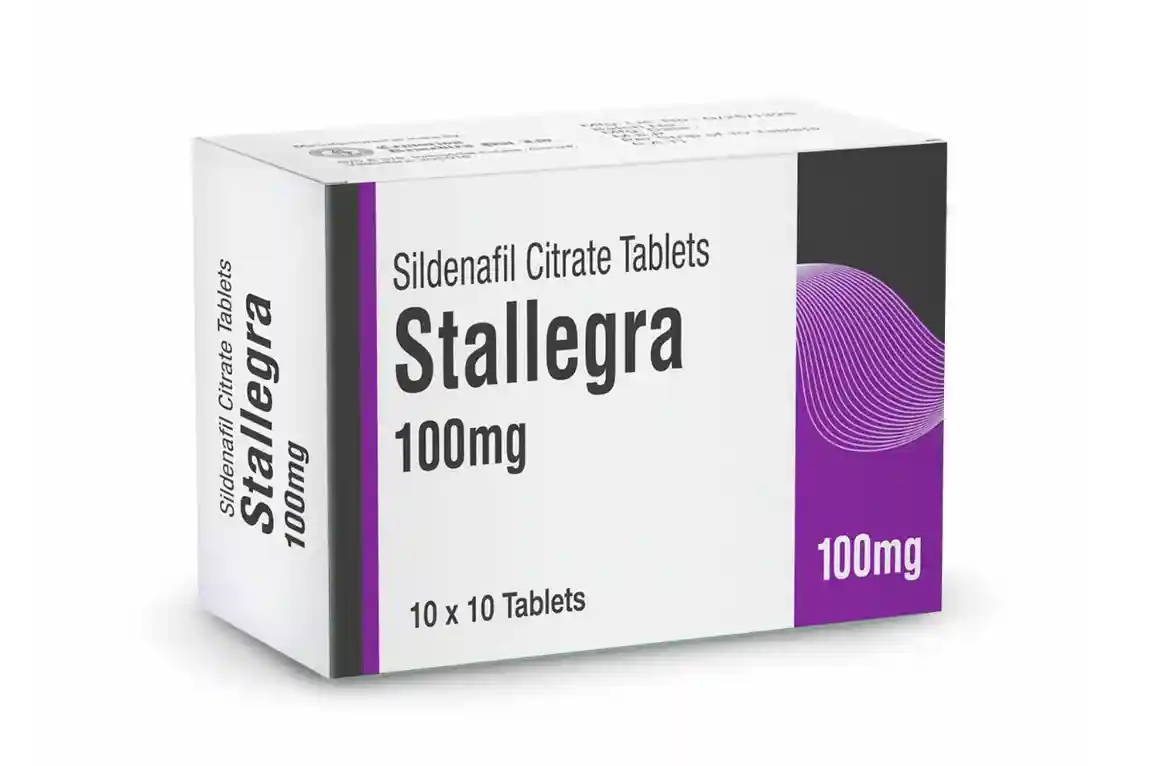
Stallegra 100 Mg
best sellers$88.00 – $224.00Price range: $88.00 through $224.00Rated 5.00 out of 5Shop Now This product has multiple variants. The options may be chosen on the product page- Exclusive
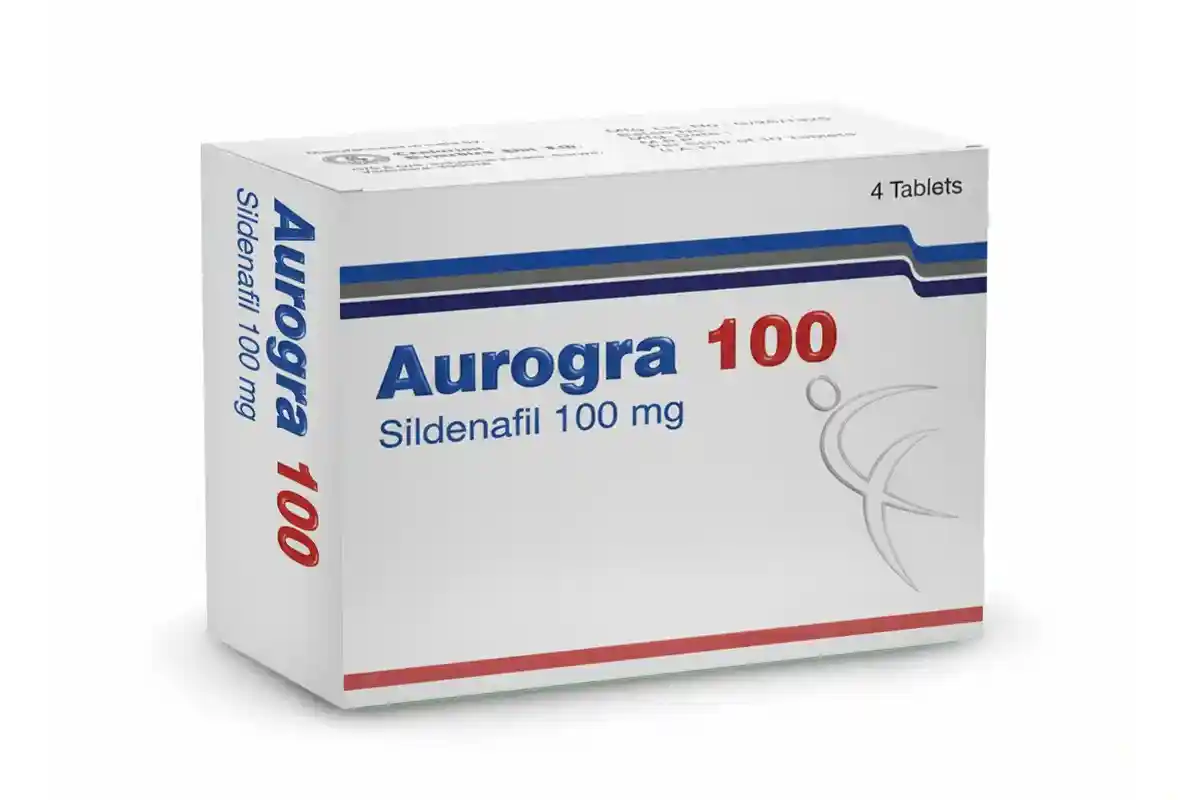
Aurogra 100 Mg
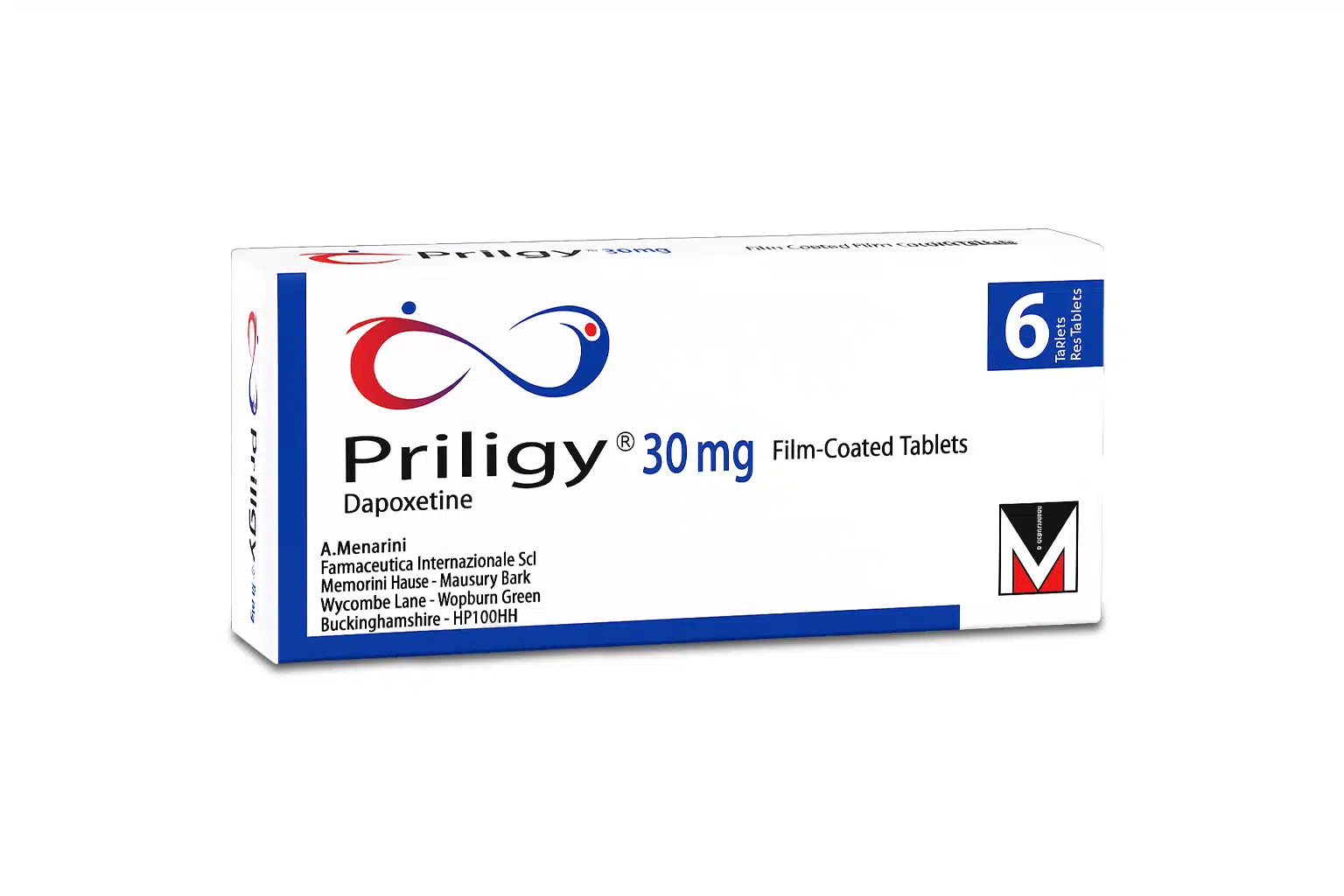
best sellers$29.00 – $76.00Price range: $29.00 through $76.00Rated 4.00 out of 5Shop Now This product has multiple variants. The options may be chosen on the product page Priligy 30 mg
best sellers$22.00 – $156.00Price range: $22.00 through $156.00Rated 4.00 out of 5Shop Now This product has multiple variants. The options may be chosen on the product page





Sign Two: Erections Are Less Reliable
Healthy erections are typically the most obvious sign that your sexual function is in order. Occasional trouble is normal, but if an individual is experiencing difficulties achieving and maintaining erections, then it might be a sign of something else. ED often appears as a sign of another health condition.
Diabetes, heart and blood vessel problems, high blood pressure, and yes, thyroid disease can all be behind it. That’s also why some primary care providers suggest a blood test for ED instead of just handing over a pill and moving on. A pill can help the symptom while the actual cause keeps going quietly in the background.
Sign Three: Missing or Less Morning Erections
Healthy men usually wake up with an erection fairly often, and most never think twice about it. Which is exactly why the change gets missed. Hard to notice something stopping when nobody was paying attention to it in the first place.
Missing morning erections can point toward a hormone issue, or a circulation one, or bad sleep, or stress. Thyroid is one possibility, but not the only one. Still, if they’ve been gone for weeks or months, that’s worth mentioning to a doctor instead of filing under “just getting older.”
Sign Four: Changes in Ejaculatory Time
This one runs in both directions, which is confusing. An overactive thyroid has been tied to finishing too quickly. An underactive one is more often tied to delayed ejaculation, where it takes forever or doesn’t happen at all some days. Opposite problems, same little gland. That’s one of the stranger corners of thyroid and sexual health, and the research keeps showing it.
Plenty of men assume it’s purely psychological and just try harder. Sometimes that’s right. Sometimes the body is the one sending the message.
Sign Five: Fatigue With No Clear Reason
Fatigue kills desire faster than almost anything. A man who drags through the day isn’t going to feel much like romance at night. That part isn’t complicated.
With an underactive thyroid, the tiredness often comes with weight gain that won’t budge, feeling cold when everyone else is fine, dry skin, constipation, and a head that feels stuffed with cotton. People blame a slow metabolism and leave it there, but the thyroid is usually the one controlling that dial in the first place.
Overactive is the flip side. Racing heart, sweating, weight loss without trying, restless sleep. A body that’s wired and exhausted at the same time, which doesn’t leave much room for sex either.
Sign Six: Mood Changes
Thyroid problems can bring about any sort of mood problems like anxiety, irritability, or just flat sadness. Thyroid imbalances can bring on any of them, and mood and sex are tangled together anyway. Worry makes arousal harder. Low mood makes everything harder.
Mood is part of thyroid and sexual health too, in a roundabout way. Some men notice the emotional shift first and the sexual changes second. Others only connect the two later, looking back, which happens a lot.
There can also be a frustrating cycle. A man experiences erectile difficulties, starts worrying about his performance, and becomes increasingly anxious before intimacy. That anxiety can then make erections even harder to maintain.
Sign seven: Low Testosterone
Thyroid hormones don’t work alone. They interact with testosterone, with the proteins that carry sex hormones around in the blood, and with the pituitary signals that keep everything in balance. When the thyroid drifts, testosterone can drift too. That’s the kind of hormonal imbalance in men that gets blamed on “low T” alone, when the thyroid is part of the story.
So low testosterone causes aren’t always about age or the testes. Sometimes the thyroid is nudging things from upstream. Muscle loss, less energy, thinning hair, and lower sperm counts can all come from either problem, and they overlap a lot. It all falls under hormones affecting performance, loosely speaking, but the details matter, and sorting them out takes testing, not guessing. Thyroid and sexual health can’t really be separated from the testosterone conversation.
How Do You Diagnose Low or High Thyroid?
Usually it’s simple. A blood sample, and the main number is TSH, short for thyroid-stimulating hormone. A TSH test shows whether the pituitary is pushing the thyroid harder than it should, which usually means the gland is underactive. Free T4 and T3 sometimes get added, plus testosterone, blood sugar, and cholesterol, because ED rarely has just one explanation.
Some specialists suggest that every man with ED gets the thyroid looked at. Thyroid problems are less common in men than in women, though, so men’s symptoms can get brushed off. A second opinion isn’t rude. It’s fine. Checking thyroid and sexual health together is quicker than most men expect, too.
How Does The Treatment Look Like?
For an underactive thyroid, the usual treatment is levothyroxine, a synthetic version of T4, the main thyroid hormone. It’s a daily tablet, typically taken on an empty stomach, and the dose gets adjusted based on follow-up blood work. Branded versions and generics both exist, and doctors sometimes prefer a man stay on the same one for consistency.
Levothyroxine isn’t a quick fix. It generally takes weeks to settle, and the dose sometimes needs a few tweaks. Too little and the underactive symptoms hang around. Too much and it can tip things the other way, with a pounding heart, jitters, and trouble sleeping. Energy and mood often improve first, and sexual symptoms tend to follow as levels normalize, often within a couple of months, though it varies.
Overactive thyroids get handled differently. Antithyroid drugs like methimazole, sometimes radioactive iodine, and sometimes surgery. Beta blockers are also used to calm the racing heart, and those can cause erection trouble in some men, which is worth telling the doctor about. For thyroid and sexual health both, treatment usually helps more than it hurts.
Any thyroid medication, levothyroxine included, shouldn’t be started, stopped, or changed without a primary care provider in the loop. That one matters.
FAQs
1. Can thyroid problems cause erectile dysfunction?
2. Does levothyroxine fix low sex drive?
3. Which test checks the thyroid?
4. Can an overactive thyroid cause premature ejaculation?
5. How long until sexual symptoms improve after treatment starts?

Dr. Lucifier is a men’s health specialist with over 12 years of experience in sexual wellness and ED treatment. He holds an MBBS, MD in Internal Medicine, and DM in Urology, and focuses on safe, personalized care using proven therapies like Sildenafil and Tadalafil.