
Ask most men when they last had a proper check up and you’ll get a pause, then a shrug, then something like “a few years ago, maybe?” That’s normal. We tend to service the car on schedule and ignore our own warning lights until something feels wrong. The trouble is that some of the biggest risks to men’s health, like high blood pressure and high cholesterol, stay silent for years. A simple health screening can catch them long before you feel a thing. So when’s the right time to begin? It’s earlier than most people guess, and the answer shifts a little with every decade.
The Best Age to Start Is Earlier Than You Think
Many guidelines suggest checking blood pressure from about age 18, and that surprises a lot of men. The point isn’t to find problems in a healthy 20 year old. It’s to create a baseline. Doctors learn far more from a trend than from a single number, so a first health screening in your twenties gives every future result something to be compared with. A reading that looks fine at 45 can mean something different if you were much lower at 25.
Here’s another little known fact. Men in many countries live several years less than women, and researchers believe skipped routine care plays a part. Men are more likely to wait until something hurts. Starting early simply flips that habit.
Best Seller

Fildena 100 mg
best sellers$24.00 – $244.00Price range: $24.00 through $244.00Rated 4.00 out of 5Shop Now This product has multiple variants. The options may be chosen on the product pageFildena 150 Mg Tablets
Fildena$29.00 – $288.00Price range: $29.00 through $288.00Rated 5.00 out of 5Shop Now This product has multiple variants. The options may be chosen on the product pageFildena Double 200 Mg
Fildena$33.00 – $333.00Price range: $33.00 through $333.00Rated 4.00 out of 5Shop Now This product has multiple variants. The options may be chosen on the product pageFildena Super Active
Fildena$24.00 – $243.00Price range: $24.00 through $243.00Rated 4.00 out of 5Shop Now This product has multiple variants. The options may be chosen on the product pageFildena Xxx 100 Mg
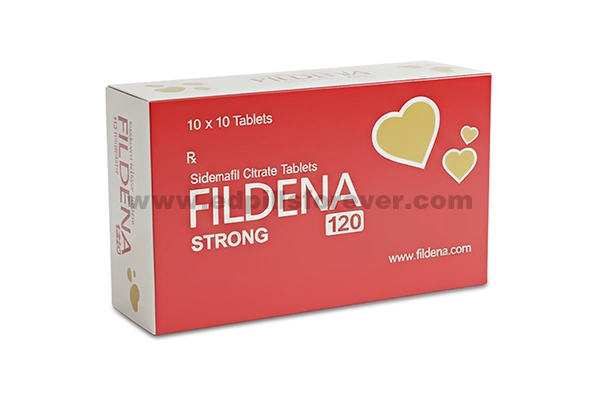
Fildena$24.00 – $243.00Price range: $24.00 through $243.00Rated 4.00 out of 5Shop Now This product has multiple variants. The options may be chosen on the product pageFildena 120 Mg
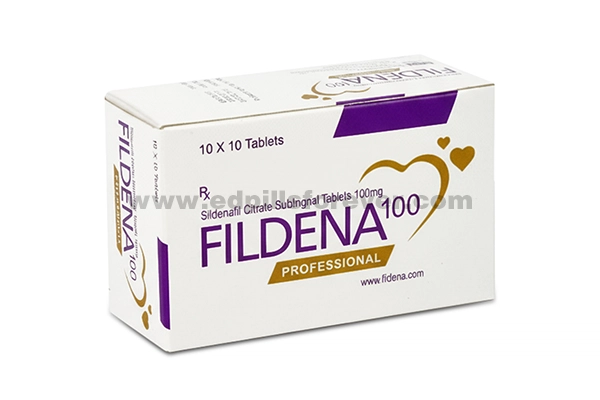
Fildena$25.00 – $422.00Price range: $25.00 through $422.00Rated 5.00 out of 5Shop Now This product has multiple variants. The options may be chosen on the product pageFildena Professional 100 Mg
Fildena$30.00 – $215.00Price range: $30.00 through $215.00Rated 4.00 out of 5Shop Now This product has multiple variants. The options may be chosen on the product page





A Simple Age by Age Guide
Every man’s plan is different, and your doctor will adjust it for family history, smoking, and weight. Still, a typical health screening path looks like this:
- Teens to 20s: Blood pressure every few years, a first cholesterol check around age 20, a skin check, and a quick talk about mood, sleep, and alcohol. It’s also smart to learn what your testicles normally feel like, since testicular cancer is most often found in younger men.
- 30s: Add a blood sugar check from about 35 if you carry extra weight, plus one time blood tests for hepatitis C and HIV if you haven’t had them.
- 40s: Yearly blood pressure, cholesterol, and blood sugar checks, along with a talk about your heart risk.
- 45 and up: Colon cancer screening usually starts at 45.
- 50 and up: A conversation about a PSA blood test for prostate cancer. Some men, including Black men and those with a close relative who had it, are advised to begin at 45.
- 65 to 75: A one time ultrasound for men who’ve ever smoked, to check the main artery in the belly.
Health Screenings for Men Over 40: What Changes
Forty is when your doctor stops asking “how are you?” and starts asking “what are your numbers?” Blood pressure screening for men becomes a yearly habit, because small rises tend to creep in unnoticed. Here’s a useful trick. Ask about tracking readings at home too. Some men look fine in the clinic and run high at home, a pattern called masked hypertension, and a single visit can easily miss it.
Cholesterol and blood sugar matter just as much, and between 40 and 75 many doctors start weighing whether a cholesterol lowering tablet makes sense for you. Men’s sexual health after 40 deserves a spot on the same list. Changes in desire or erections are common at this stage, and they often reflect what’s going on with your blood vessels, hormones, sleep, or mood.
Why Men Avoid Talking About Sexual Health
It’s rarely about not caring. Many men feel embarrassed, assume it’s just age, or worry they’ll be judged or told something scary. Others figure it’s a private matter that doesn’t belong in a medical room. The result is that problems sit for years. Doctors, though, hear about this daily, and to them it’s just another clue, like a cough or a sore knee.
There’s a good reason to speak up. In some men, erection changes show up a few years before heart symptoms do, which is why they’re worth raising during any health screening. A short sentence is enough, like “I’ve noticed some changes in that area.” Your doctor will take it from there.
Do You Need a Testosterone Level Test?
Not everyone does. It isn’t part of a routine health screening for healthy men without symptoms. It makes sense if you’ve noticed signs like low desire, constant tiredness, low mood, or fewer morning erections. If you do get tested, timing matters. Testosterone is highest early in the day, so guidelines advise a morning blood draw, repeated on a second day to confirm the result. Illness, poor sleep, and even a recent big meal can shift the number, so one odd result shouldn’t worry you.
The Benefits of Early Health Screening
The biggest win is catching quiet problems while they’re still easy to manage. High blood pressure, high cholesterol, and raised blood sugar rarely cause symptoms at first. Other gains show up too:
- Simple fixes: Early on, changes to food, sleep, and activity can often do the job.
- Lower costs: Managing a small issue is usually cheaper and easier than treating a bigger one later.
- Peace of mind: Normal results can be a real relief, especially if you’ve been quietly worried.
- Better conversations: Having your numbers on hand makes it easier to bring up sensitive topics.
What to Expect at Your First Visit
Most visits are quicker than men expect, and a basic health screening often takes under an hour. You can usually count on these steps:
- A blood pressure reading, plus height, weight, and waist size
- Blood tests for cholesterol and sugar
- Questions about sleep, mood, alcohol, smoking, and family history
- A chance to bring up sexual function, energy, or anything else on your mind
Write your questions down beforehand, and bring a list of any tablets or supplements you take. If erection trouble comes up, your doctor will first look for underlying causes. Treatment such as Fildena, which contains sildenafil and supports erections, may then be discussed. It’s prescribed after a proper check, never as a quick fix for something that hasn’t been looked at.
Final Thoughts
So, what’s the best age to start? Eighteen for the basics, and every year after that is a good time to build the habit. You don’t need to fix everything at once. Book one visit, get your baseline numbers, and ask the questions you’ve been putting off. Starting a health screening routine today means fewer surprises tomorrow.
Frequently Asked Questions
1. What is the best age to start men's health screening?
2. How often should men have a check up?
3. Which tests matter most for men after 40?
4. Should I mention erection problems at a routine check up?
5. Does every man need a testosterone check?

Dr. Lucifier is a men’s health specialist with over 12 years of experience in sexual wellness and ED treatment. He holds an MBBS, MD in Internal Medicine, and DM in Urology, and focuses on safe, personalized care using proven therapies like Sildenafil and Tadalafil.