
A lot of men keep pushing because that’s simply how they were taught to handle a busy life, whether that means extra shifts, a new training plan, or months of doing everything at once. Somewhere along the way the energy feels thinner, sleep stops being restful, and the gym turns into something you have to talk yourself into. Most people put it down to age or stress, and sometimes that’s exactly what it is, though overexertion is worth considering too, since it can slowly nudge hormonal patterns in ways that explain a good part of how you’ve been feeling. Here’s how that happens, which signs to look out for, and what usually helps.
What Overexertion Actually Means
It means asking your body to do more than it gets the chance to recover from, and it doesn’t only happen to athletes. Hard physical exertion in men turns up in warehouse and construction work, long runs, daily heavy lifting, and even a weekend of yard work after a week at a desk. Excessive exercise is one way to get there, although a physically demanding job with poor recovery can lead to the same place. What matters most is the balance between physical stress and rest, since the body gets stronger while it recovers. When the load stays high and the rest stays low for several weeks, physical exhaustion tends to build up that doesn’t lift after a night’s sleep, and over time it can show in sleep, mood, and hormonal patterns.
Best Seller

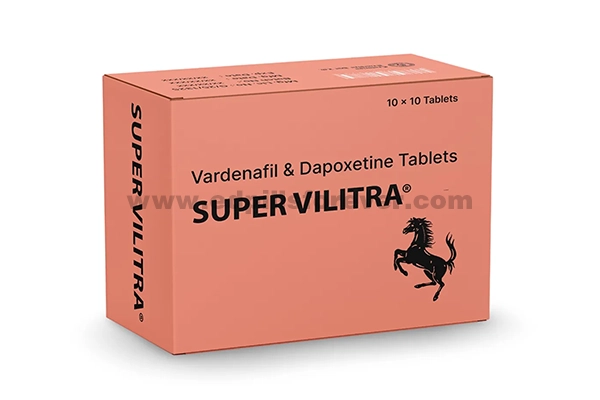
Super Vilitra
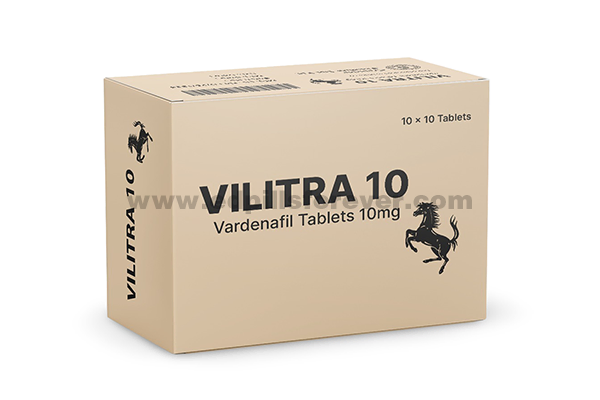
Vardenafil$95.00 – $390.00Price range: $95.00 through $390.00Rated 5.00 out of 5Shop Now This product has multiple variants. The options may be chosen on the product pageVilitra 10mg Tablets
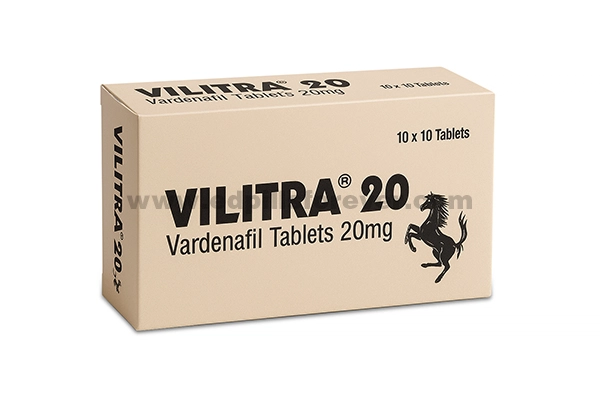
Vardenafil$22.00 – $179.00Price range: $22.00 through $179.00Rated 5.00 out of 5Shop Now This product has multiple variants. The options may be chosen on the product pageVilitra 20mg
Vardenafil$35.00 – $289.00Price range: $35.00 through $289.00Rated 5.00 out of 5Shop Now This product has multiple variants. The options may be chosen on the product pageVilitra 40mg
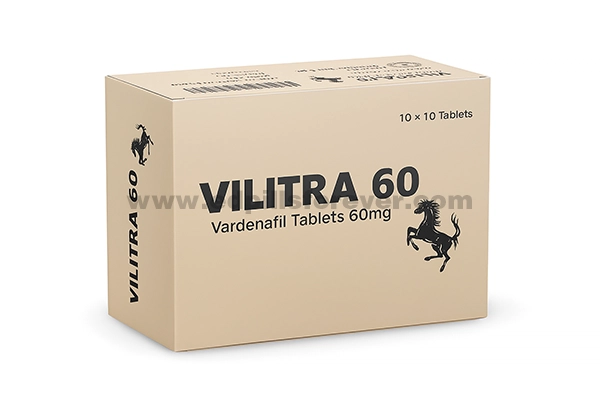
Vardenafil$40.00 – $349.00Price range: $40.00 through $349.00Rated 5.00 out of 5Shop Now This product has multiple variants. The options may be chosen on the product pageVilitra 60mg
Vardenafil$41.00 – $355.00Price range: $41.00 through $355.00Rated 4.00 out of 5Shop Now This product has multiple variants. The options may be chosen on the product pageValif 20mg Tablets
Ajanta Pharma$17.00 – $292.00Price range: $17.00 through $292.00Rated 4.00 out of 5Shop Now This product has multiple variants. The options may be chosen on the product page


Can Overexertion Cause Hormonal Changes?
The short answer is yes, and it mostly comes down to how the body handles stress. Hard effort raises cortisol, the hormone that helps you rise to a challenge, and in the short term that’s completely healthy. When the pressure never really lets up, cortisol stays elevated and the brain’s signals that tell the testes to make testosterone can quieten down, so hormones that normally move in a steady rhythm start to drift. Researchers describe this in endurance athletes as exercise related male hypogonadism, and the effects of overtraining have been seen in studies of marathon runners and military trainees, where levels dropped during heavy training and often recovered afterward. A hormonal imbalance in men from this cause is usually temporary, which is reassuring, although it can last long enough to affect mood, drive, and energy, and overexertion also seems to influence thyroid and growth hormone patterns.
Signs Your Body Is Giving Up
Your body usually sends out a few warnings well before anything else changes, and tiredness is typically the first of them. Exercise induced fatigue is normal and fades within a day or two, but when the heaviness hangs around for weeks it’s worth paying attention to. Many men describe it as the body giving up on them, with workouts that feel harder at the same weight, a higher resting heart rate, and sleep that doesn’t refresh. Fatigue in men often gets put down to getting older, so these signs are easy to miss:
- A drained feeling that doesn’t improve after a rest day or two
- Workouts that feel heavier, slower, or less satisfying
- Trouble falling asleep or waking at 3 or 4 in the morning
- More colds, aches, or small injuries than usual
- Irritability or a flat mood
- Lower interest in sex
Low Testosterone Symptoms to Watch For
When the drift in hormone levels goes far enough, the picture can start to look like low testosterone, and the common signs overlap with overexertion itself, including low desire, fewer morning erections, low mood, poor concentration, loss of muscle, and a bit more body fat. Because the signs overlap so much, a doctor will usually confirm things with a morning blood test that’s repeated at least once, since levels swing from day to day and tend to dip after hard training. Testing straight after a brutal week can make the numbers look lower than they really are, so a few rest days beforehand are often suggested.
Who Is Most at Risk of Overexertion
It can catch several kinds of men off guard, and gym regulars are only part of the picture. Manual workers on long shifts, men who jump straight into a marathon plan, weekend warriors, new gym members who train every day, and anyone combining hard training with poor sleep and a calorie deficit are all common examples. Men over 40 tend to recover a little more slowly because the main male hormone and growth hormone decline gradually, so a routine that felt fine at 30 may now call for an extra rest day, and that small change is often enough to help.
Rest, Recovery, and Men’s Hormonal Health
Recovery is where the repair work actually happens, and sleep is the biggest part of it, since much of the daily output of the main male hormone is produced overnight. These habits tend to help the most:
- Sleep seven to nine hours with a steady wake up time
- Take at least one or two full rest days a week
- Eat enough, especially protein and carbohydrates around heavy days
- Plan a lighter week every fourth to sixth week
- Space hard sessions at least 48 hours apart
- Add gentle movement like walking on rest days
Some men find it helpful to think of a rest health condition as a real state and not a weakness, meaning a period when the body needs recovery before it can perform normally again. Looking after this is part of men’s wellness, alongside food, sleep, and stress, and when heavy effort is the cause, hormonal patterns often settle within a few weeks to a few months of proper rest.
Where an ED Tablet Fits In
Medication isn’t really a fix for this, because the real treatment is rest, food, and sleep, but there are a few situations where it comes up. If erections are affected during an exhausting period and don’t bounce back afterward, a doctor may talk about an ED tablet, and the Vilitra category includes Vilitra 20 mg, Vilitra 40 mg and Vilitra 60 mg, all containing vardenafil. These are taken before sex, they only work with arousal, they don’t treat exhaustion or hormone problems, and they aren’t safe alongside nitrate medicines, so a doctor should review your health and current tablets first. It also helps to mention any supplements you use, since some can interfere with hormonal balance.
When to See a Doctor
It’s worth booking a visit if fatigue lasts more than a few weeks despite proper rest, if low desire or erection changes keep coming back, or if you’re losing muscle, gaining weight around the middle, or feeling low for no clear reason. A doctor can check blood pressure, blood sugar, thyroid, iron, and a morning hormone panel together. Very dark urine, severe muscle pain, or swelling after an extreme workout needs urgent care, since it can point to muscle breakdown, and that’s the one situation where overexertion turns into a medical matter.
What’s Next
Working hard is nothing to feel bad about, but the body needs recovery to get the benefit from it, and overexertion is one of the more overlooked reasons men end up feeling flat, slow, and a little off. The good news is that most hormonal shifts from heavy effort settle with rest, sleep, and food, and a quick chat with a doctor can rule out anything else. Listening to your body early is usually easier than waiting until it forces the issue.
Frequently Asked Questions
1. Can overexertion cause hormonal imbalance?
2. How much exercise is too much?
3. How long does it take to recover from overtraining?
4. Does heavy exercise lower hormone levels permanently?
Usually it doesn’t, since levels dipped by heavy training generally return once load, sleep, and food improve, though a doctor should check persistent symptoms to rule out other causes.
5. Can overtraining affect erections and sex drive?

Dr. Lucifier is a men’s health specialist with over 12 years of experience in sexual wellness and ED treatment. He holds an MBBS, MD in Internal Medicine, and DM in Urology, and focuses on safe, personalized care using proven therapies like Sildenafil and Tadalafil.