
We tend to notice external changes in our bodies quicker than we can notice any internal changes. Our skin, weight, and body in general are something that we unconsciously or consciously monitor every day for any changes. Any changes in our weight can put us on high alert. When our belt feels tighter, clothes get tighter, or physical activity gets a little more difficult than before, most of us know that we might’ve put on a few pounds. However, our weight affects more than just these external factors. Sure, you might notice just these, but internally your body has already started experiencing the repercussions.
Changes in one’s weight can affect their production of hormones, blood flow, energy, and even sexual health. One of the most obvious connections that enters the picture for a man is how their testosterone levels shift up and down due to changes in their weight. When men gain weight, specifically around the abdomen where visceral fat accumulates, it can affect their sexual health by interfering with their hormonal processes.
As time passes, this interference by the visceral fat can reduce a man’s sex drive and even lead to erectile difficulties and constant tiredness. Fortunately, you can avoid this by having a healthier lifestyle. Since these changes aren’t permanent, if you lose the excess weight, it can improve your metabolic, sexual, and overall health.
How Does Excess Fat Affect Testosterone Levels?
Testosterone is an important sex hormone in male bodies that has several important functions in the body. Testosterone is primarily involved in processes like the production of sperm, muscle development, bone density, sex drive, and erectile function. While testosterone levels do change with factors like age, changes in one’s weight, and an increase in body fat can always have an effect on the amount of testosterone the body is able to produce and make available for the person.
Body fat gets treated like a storage unit, even if it’s not. It’s active tissue, and it sends out its own chemical signals. One of those is an enzyme called aromatase. It turns testosterone into estrogen. More fat tissue means more aromatase, which means more testosterone getting converted. Men need some estrogen, that part is normal, but too much starts tipping things the wrong way.
Part of why weight loss and testosterone in men are even connected comes down to that one enzyme. Not all of it, though. Obesity and low testosterone in men also involve inflammation, insulin resistance, and some messy signalling between the brain and the testicles. The brain basically tells them how much to make. With extra weight on board, that message gets muddy or quiet.
Then it loops. Low testosterone makes it harder to hold onto muscle and easier to store fat. More fat pushes testosterone lower. Then this loop goes round and round. Medical professionals sometimes call this obesity and male hormonal imbalance, which sounds more clinical than it feels. It feels like being tired and flat and not sure why.
Effects of Weight Loss
Researchers have pooled data from plenty of trials by now. The pattern for weight loss and testosterone in men is pretty steady across them. Men who lose weight tend to see their testosterone climb, and bigger losses usually mean bigger rises.
Men who start out heavier or start with lower levels seem to gain the most. Age shifts things a bit too. Older men tend to see more of a rise in total testosterone, and younger men more in the free kind, which is the portion the body can actually use.
So how losing weight affects testosterone levels depends on where a man is starting from. Someone with a BMI of 38 has a lot more room to move than someone who’s five pounds over. Bariatric surgery produces the largest jumps, mostly because the weight loss is so big. Diet and exercise produce smaller changes. Real ones, just smaller.
Most of what’s known about weight loss and testosterone in men comes from short- or medium-length studies, so the long-term picture is blurrier. Men who regain the weight often see testosterone slide back down too.
Testosterone levels after weight loss usually don’t shoot back up to what they were at twenty. More often they drift back toward the normal range. For some men that’s enough to feel different. For others it’s fine and noticeable but not life-changing. These individual differences make it difficult to predict the entirety of the outcome.
Best Seller

Cenforce 100 Mg
Best Seller$24 – $215Price range: $24 through $215Rated 5.00 out of 5Shop Now This product has multiple variants. The options may be chosen on the product pageVidalista 5 Mg
best sellers$18 – $182Price range: $18 through $182Rated 4.00 out of 5Shop Now This product has multiple variants. The options may be chosen on the product pageVidalista 40 Mg
Best Seller$28 – $276Price range: $28 through $276Rated 4.00 out of 5Shop Now This product has multiple variants. The options may be chosen on the product pageCenforce 200 Mg
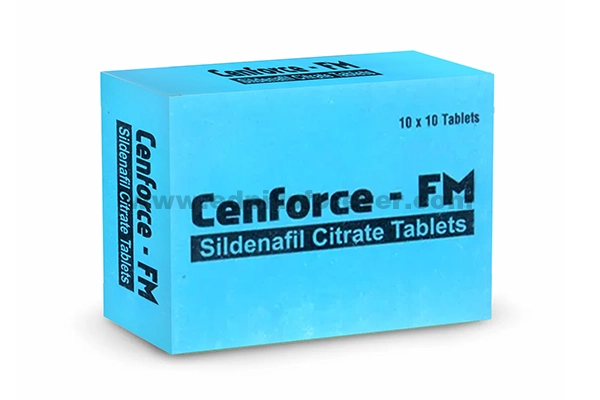
best sellers$31 – $335Price range: $31 through $335Rated 4.50 out of 5Shop Now This product has multiple variants. The options may be chosen on the product pageCenforce Fm
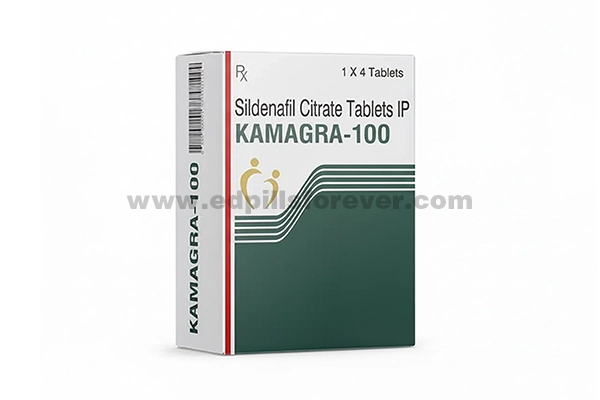
best sellers$33 – $218Price range: $33 through $218Rated 4.00 out of 5Shop Now This product has multiple variants. The options may be chosen on the product pageKamagra 100 mg
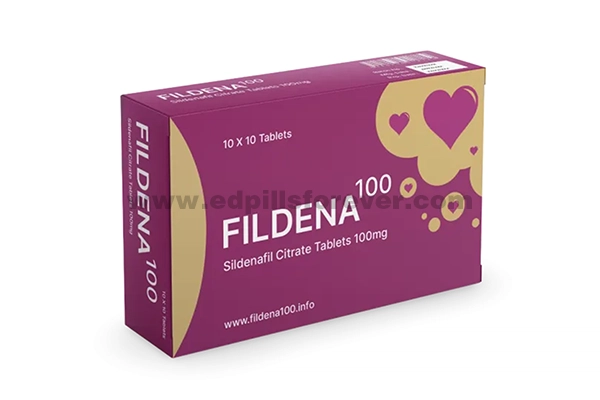
best sellers$24 – $125Price range: $24 through $125Rated 5.00 out of 5Shop Now This product has multiple variants. The options may be chosen on the product pageFildena 100 mg
best sellers$24 – $244Price range: $24 through $244Rated 4.00 out of 5Shop Now This product has multiple variants. The options may be chosen on the product pageMalegra Oral Jelly 100 Mg
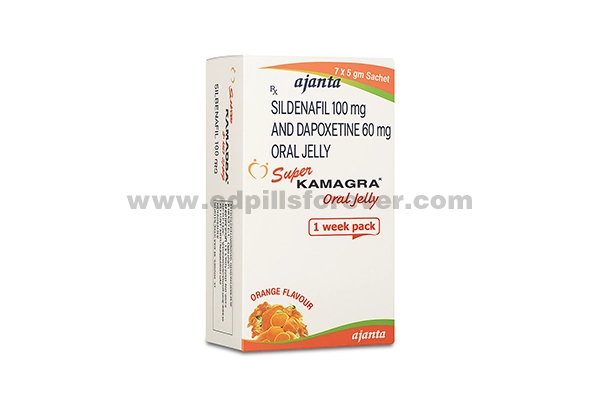
best sellers$8 – $44Price range: $8 through $44Rated 5.00 out of 5Shop Now This product has multiple variants. The options may be chosen on the product pageSuper Kamagra Oral Jelly
best sellers$25 – $120Price range: $25 through $120Rated 4.00 out of 5Shop Now This product has multiple variants. The options may be chosen on the product pageTadarise Oral Jelly
best sellers$19 – $72Price range: $19 through $72Rated 4.00 out of 5Shop Now This product has multiple variants. The options may be chosen on the product pageCareforce 200 Mg
best sellers$29 – $332Price range: $29 through $332Rated 5.00 out of 5Shop Now This product has multiple variants. The options may be chosen on the product pageStallegra 100 Mg
best sellers$88 – $224Price range: $88 through $224Rated 5.00 out of 5Shop Now This product has multiple variants. The options may be chosen on the product page- Exclusive
Aurogra 100 Mg
best sellers$29 – $76Price range: $29 through $76Rated 4.00 out of 5Shop Now This product has multiple variants. The options may be chosen on the product page Priligy 30 mg
best sellers$22 – $156Price range: $22 through $156Rated 4.00 out of 5Shop Now This product has multiple variants. The options may be chosen on the product page

Can Losing Belly Fat Improve Testosterone?
Body fat and testosterone levels are tied together, but not all fat counts the same. The deep stuff packed around the organs, visceral fat, is the troublemaker. It’s the type most closely linked with insulin resistance and inflammation.
So, can losing belly fat improve testosterone? The research points that way, since that’s the fat doing the most hormonal damage.
With weight loss and testosterone in men, where the fat sits seems to matter as much as how much of it there is. A man with a big belly and thin legs may be in a different spot than someone carrying weight more evenly.
Spot reduction doesn’t exist, though. Crunches won’t melt it. Overall weight loss, strength training, better sleep, and cutting back on alcohol do far more than any ab routine.
Weight Loss and Sexual Health
Weight loss and male sexual health are linked in a few ways at once. Hormones are one. Blood flow is another, and probably the bigger one for erections. Extra weight is hard on blood vessels, and an erection is basically a blood vessel event. Then there’s energy, mood, sleep, and confidence, which all tend to shift when a man is carrying less.
On weight loss and erectile function specifically, a meta-analysis of randomized trials in men with overweight or obesity found better erectile function scores in the weight loss groups than in the control groups. The average improvement was modest. Some men notice a lot. Some notice a little.
Libido seems to follow along. Reviews of men who lost weight through diet or surgery found that sexual desire went up, and the changes lined up with changes in testosterone. Makes sense. Still not a promise.
There’s a headside to this as well. A man who feels better in his body, sleeps through the night, and isn’t dragging through every afternoon often feels more interested in sex. Hard to measure, and it overlaps with hormones, so the two get tangled together.
And erectile problems have a long list of possible causes. Diabetes, heart disease, certain medications, depression, smoking, and heavy drinking. Weight loss and testosterone in men get most of the attention, but it’s rarely the only thing going on.
Things To Be Careful Of When Losing Weight
Some men lose forty pounds, and nothing much changes. It happens. There could be an underlying condition, a pituitary problem, a medication effect, or something weight alone doesn’t touch.
Crash dieting can backfire too. Harsh calorie cutting, bad sleep, and no strength training can leave a man tired and flat and not any better off. Slow and a bit boring tends to win. Weight management and men’s health really come down to habits more than any single trick.
Weight loss and testosterone in men don’t work like a switch. There’s no set number of pounds where everything flips back.
If symptoms stick around, testing is the sensible next step. Testosterone is usually checked with a morning blood test, often more than once, because levels bounce around during the day and from week to week. A doctor reads the number alongside symptoms, not the number by itself.
Testosterone therapy is a separate conversation. For men with obesity, doctors often want lifestyle changes tried first, unless the levels are very low or there’s a clear medical cause. Any man wondering whether weight loss and testosterone in men apply to his own situation could start with a basic checkup. Blood sugar, blood pressure, sleep, mood. Testosterone is one piece of that, and not always the main one.
Frequently Asked Questions
1. Can weight loss really raise testosterone?
2. How long does it take to notice a change in one’s testosterone levels?
3. Will erections improve if weight comes down?
4. Does it matter how the weight is lost?
5. When should a man see a doctor about low testosterone?

Dr. Lucifier is a men’s health specialist with over 12 years of experience in sexual wellness and ED treatment. He holds an MBBS, MD in Internal Medicine, and DM in Urology, and focuses on safe, personalized care using proven therapies like Sildenafil and Tadalafil.