
Most men have had a night when things in the bedroom didn’t go as planned. It’s easy to jump to the worst conclusion, and it’s just as easy to push the thought aside and hope it goes away. The truth sits somewhere in the middle. Erection changes are common, and they’re often easier to explain than you’d expect. Knowing the real erectile dysfunction symptoms helps you tell a passing-off night from a pattern worth checking. In this guide, you’ll learn what the signs look like, what’s usually behind them, how doctors confirm the cause, and which treatment options are available today. Think of it as a calm, practical walk through the topic, with a few facts you may not have heard before. Take your time and read what’s useful.
What Is Erectile Dysfunction?
Erectile dysfunction, often shortened to ED, means you can’t get or keep an erection that’s firm enough for sex. Doctors usually use the term when it happens repeatedly over about three months, not after one rough night. It’s a type of male sexual dysfunction, and one of the most common ones. It’s separate from low desire or ejaculation trouble, although these can show up together.
Occasional erection problems are normal. Tiredness, a few drinks, a busy week, or nerves with a new partner can all cause them. So how can you tell erectile dysfunction symptoms from a one off bad night? Look at the pattern. If it happens now and then and bounces back, it’s usually nothing to worry about. If it keeps happening, it’s worth a closer look.
Here’s a fact that surprises many people. An erection is partly a chemical event. Nerve signals release nitric oxide, which raises a messenger called cGMP that relaxes the muscle in the penis so blood can flow in. An enzyme called PDE5 then breaks cGMP down. When that balance tips, erections suffer.
Common Erectile Dysfunction Symptoms
ED symptoms can be easy to miss at first, and many men blame age or stress. The most common symptoms of erectile dysfunction are:
- Difficulty achieving an erection when sexually aroused
- Erections that go away before or during sex
- Erections that feel less firm than they used to be
- Needing more time or touch to react
- Less erections in the morning or night
- Less interest in sex or concern about performance
One clue people miss is to avoid intimacy altogether. Many men start dodging sex to skip the worry, which can leave a partner feeling confused or rejected. Spotting that pattern early makes it much easier to talk about.
Best Seller

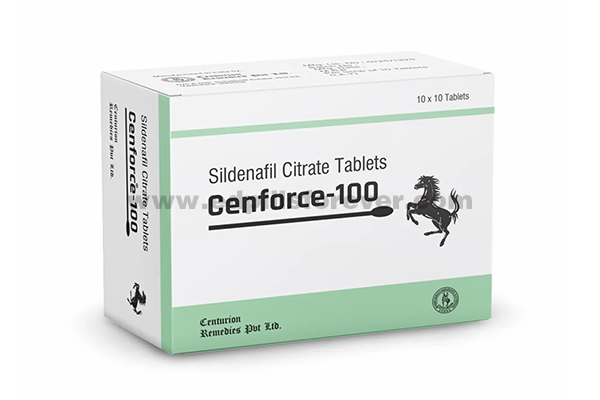
Cenforce 100 Mg
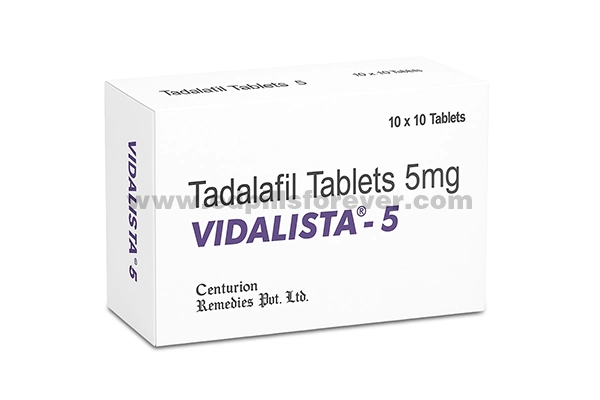
Best Seller$24 – $215Price range: $24 through $215Rated 5.00 out of 5Shop Now This product has multiple variants. The options may be chosen on the product pageVidalista 5 Mg
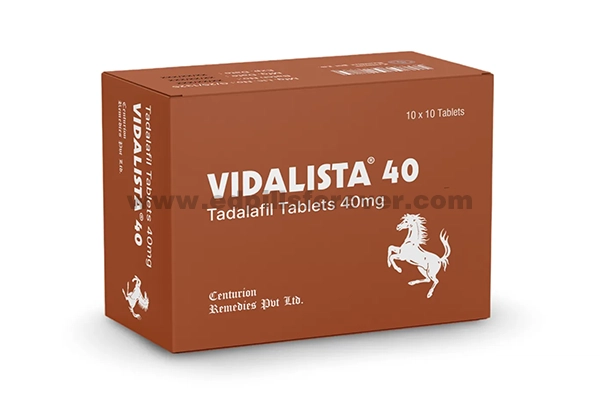
best sellers$18 – $182Price range: $18 through $182Rated 4.00 out of 5Shop Now This product has multiple variants. The options may be chosen on the product pageVidalista 40 Mg
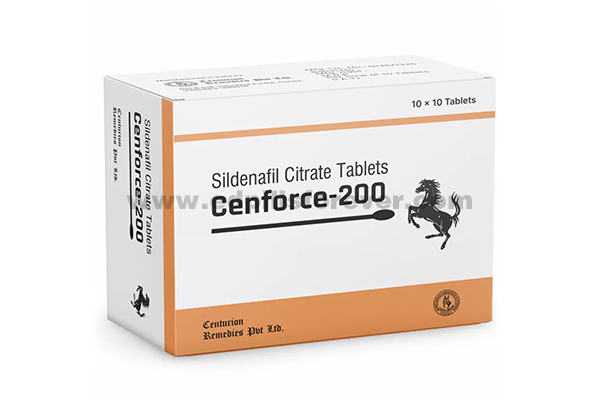
Best Seller$28 – $276Price range: $28 through $276Rated 4.00 out of 5Shop Now This product has multiple variants. The options may be chosen on the product pageCenforce 200 Mg
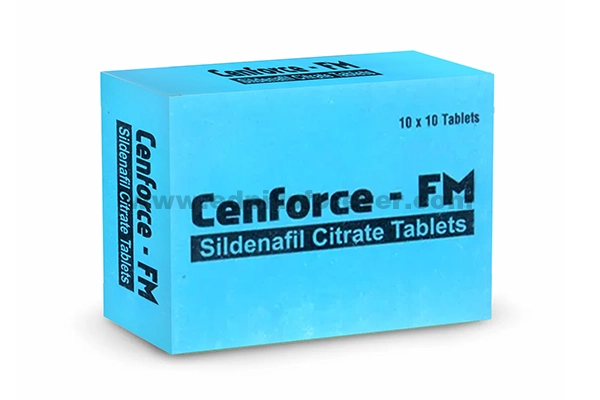
best sellers$31 – $335Price range: $31 through $335Rated 4.50 out of 5Shop Now This product has multiple variants. The options may be chosen on the product pageCenforce Fm
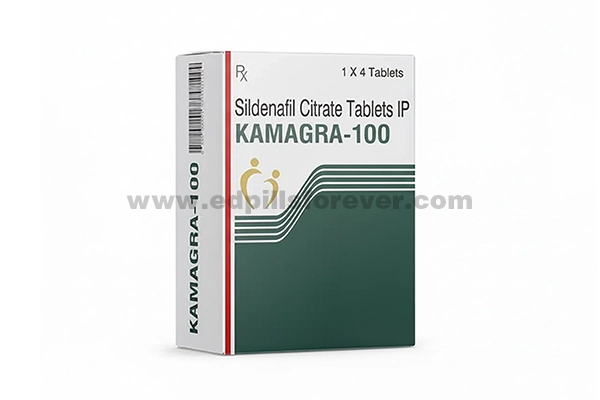
best sellers$33 – $218Price range: $33 through $218Rated 4.00 out of 5Shop Now This product has multiple variants. The options may be chosen on the product pageKamagra 100 mg
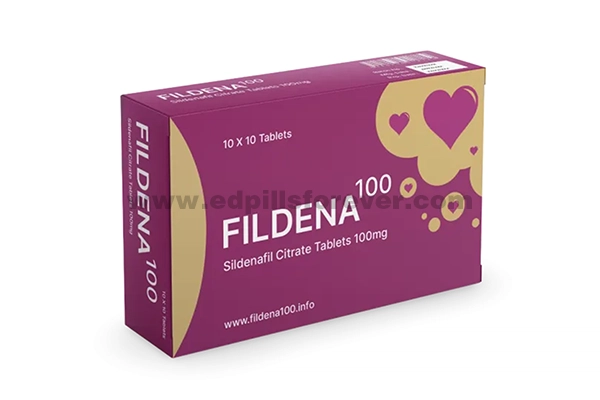
best sellers$24 – $125Price range: $24 through $125Rated 5.00 out of 5Shop Now This product has multiple variants. The options may be chosen on the product pageFildena 100 mg
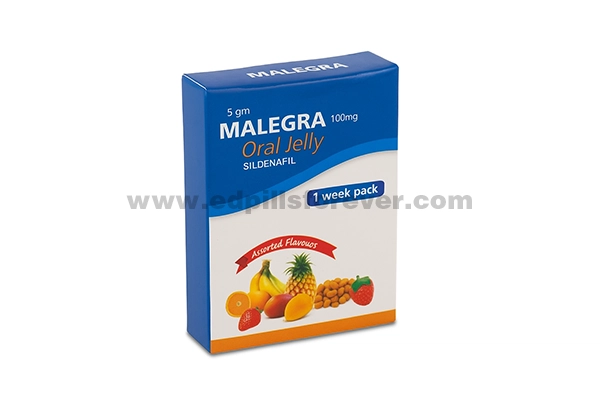
best sellers$24 – $244Price range: $24 through $244Rated 4.00 out of 5Shop Now This product has multiple variants. The options may be chosen on the product pageMalegra Oral Jelly 100 Mg
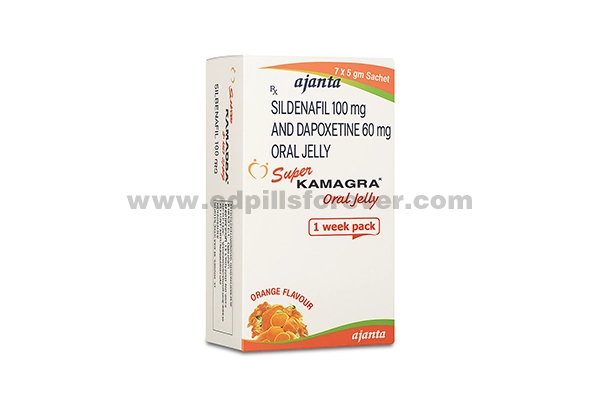
best sellers$8 – $44Price range: $8 through $44Rated 5.00 out of 5Shop Now This product has multiple variants. The options may be chosen on the product pageSuper Kamagra Oral Jelly
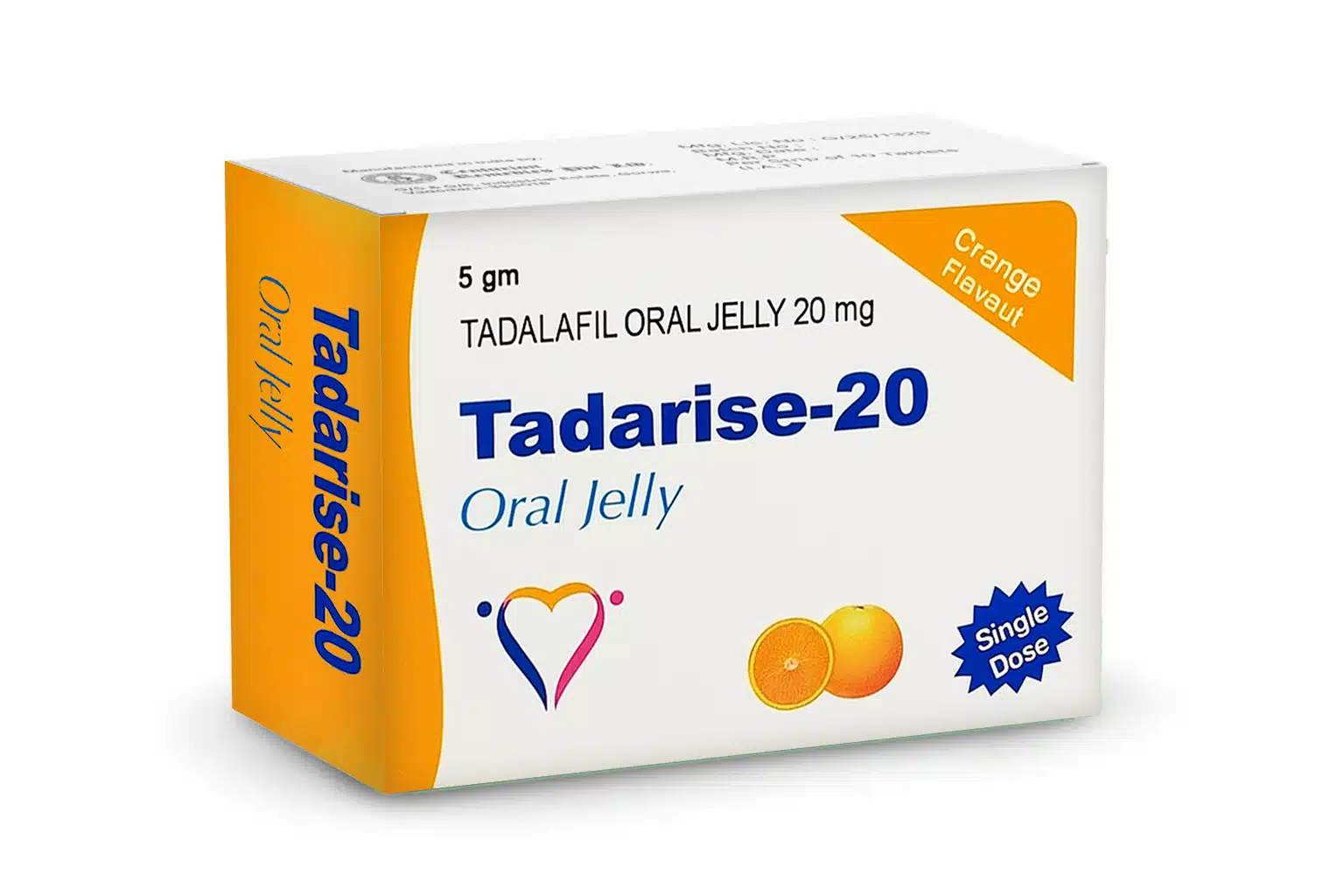
best sellers$25 – $120Price range: $25 through $120Rated 4.00 out of 5Shop Now This product has multiple variants. The options may be chosen on the product pageTadarise Oral Jelly
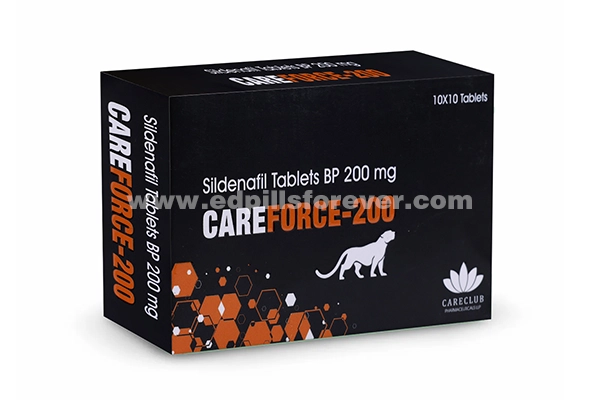
best sellers$19 – $72Price range: $19 through $72Rated 4.00 out of 5Shop Now This product has multiple variants. The options may be chosen on the product pageCareforce 200 Mg
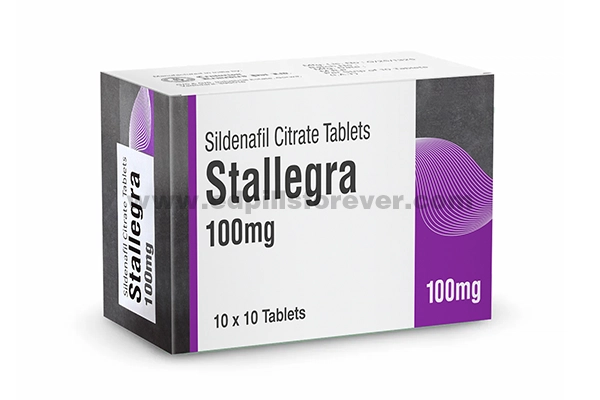
best sellers$29 – $332Price range: $29 through $332Rated 5.00 out of 5Shop Now This product has multiple variants. The options may be chosen on the product pageStallegra 100 Mg
best sellers$88 – $224Price range: $88 through $224Rated 5.00 out of 5Shop Now This product has multiple variants. The options may be chosen on the product page- Exclusive
Aurogra 100 Mg
best sellers$29 – $76Price range: $29 through $76Rated 4.00 out of 5Shop Now This product has multiple variants. The options may be chosen on the product page Priligy 30 mg
best sellers$22 – $156Price range: $22 through $156Rated 4.00 out of 5Shop Now This product has multiple variants. The options may be chosen on the product page
What Causes Erectile Dysfunction?
ED causes usually fall into a few groups, and they often overlap. That’s why one reason rarely explains everything, and why erectile dysfunction symptoms can look different from one man to the next.
- Physical: Narrowed arteries, high blood pressure, diabetes, nerve damage, low testosterone, and Peyronie’s disease
- Mental: Stress, anxiety, low mood, relationship strain, and performance worry
- Medicines: Some blood pressure tablets, antidepressants, and prostate medicines
- Lifestyle: Smoking, heavy drinking, little exercise, and poor sleep
Sleep apnea is a surprising one. Repeated drops in oxygen overnight can affect hormones and blood vessels, and treating it often helps erections too.
Risk Factors for Erectile Dysfunction
Some men are simply more likely to notice changes. Common risk factors include:
- Age, especially after 50, though ED isn’t an automatic part of getting older
- Diabetes, high blood pressure, and high cholesterol
- Smoking and regular heavy alcohol use
- Being overweight, especially around the waist
- Depression or long term worry
- Pelvic injury or prostate treatment
Waist size is worth a note. A larger waist is linked to higher ED risk, even in men who don’t look heavy overall. Having several of these risk factors raises the chance of erectile dysfunction symptoms, but it doesn’t make them certain, and most of this list can be improved.
How Is Erectile Dysfunction Diagnosed?
ED diagnosis usually starts with a simple conversation. A doctor will ask when it began, whether it happens every time or only in certain situations, and about your health, medicines, mood, and habits. Expect a blood pressure check and blood tests for sugar, cholesterol, and sometimes testosterone.
Many clinics also use a short five question form called the SHIM score. It’s marked out of 25, and a total of 21 or less suggests ED. Doctors may also ask whether you still get erections at night or on waking. If you do, the body’s wiring is often working, and mental factors may play a bigger part. Because erectile dysfunction symptoms can be an early clue to heart or blood sugar issues, doctors look at the whole picture, not just the bedroom.
Erectile Dysfunction Treatment Options
ED treatment depends on the cause, and it usually works best as a mix of steps:
- Lifestyle changes: More movement, healthier weight, better sleep, less alcohol, and no smoking
- Counselling or sex therapy: Helpful for stress, worry, and relationship strain
- ED medication: Prescription tablets that support the natural erection response
- Devices and other options: Vacuum pumps, injections, or implants for stubborn cases
Among oral options, the Sildigra range is built around sildenafil, the same active ingredient used in many well known ED tablets. Products you’ll typically see in this category include Sildigra tablets, Sildigra Soft, and Sildigra Super Power, which come in different strengths and forms. Sildenafil works by blocking PDE5, so the natural erection signal lasts longer. It only works with arousal, it usually takes 30 to 60 minutes to start, and a heavy, fatty meal can slow it down. One little known fact: sildenafil was first studied for chest pain, and its effect on erections was noticed during those early trials.
These tablets aren’t for everyone. Men who take nitrate medicines for chest pain shouldn’t use them, and anyone with heart or blood pressure issues needs a doctor’s approval first. Treatment also doesn’t resolve erectile dysfunction symptoms overnight for everyone, so patience and follow up matter.
Tips for Managing Erectile Dysfunction
ED management is about more than a tablet. Small habits add up over time:
- Walk briskly for about 30 minutes most days
- Eat a Mediterranean style diet with vegetables, fish, nuts, and olive oil
- Aim for seven to eight hours of sleep
- Keep alcohol low and quit smoking
- Practice pelvic floor exercises, which help hold blood in the penis
- Use breathing or relaxation techniques when worry builds
Talking openly with your partner also takes pressure off and often eases erection problems. Many couples find that closeness without a goal, like cuddling or a massage, helps rebuild confidence.
When Should You See a Doctor?
See a doctor if erectile dysfunction symptoms last more than a few weeks, if they bother you or your partner, or if you have diabetes, heart problems, or started a new medicine. Some ED warning signs deserve quicker attention, including:
- Sudden onset after an injury or surgery
- Pain, or a noticeable curve in the penis
- Chest pain or breathlessness with activity
- Leg cramps when walking, or numbness in the pelvic area
Most men find the visit easier than they expected. Doctors discuss this topic often, and it’s treated as a routine health concern.
Your Next Step
Changes in erections can feel personal, but they’re also very common and very workable. Most cases have a clear explanation, whether that’s a health condition, a medicine, stress, or a habit that’s easy to adjust. The best first step is simply noticing the pattern and talking to a doctor, because early answers often lead to simpler solutions. With the right mix of healthy routines, honest conversations, and suitable medical support, many men regain confidence and a satisfying sex life. You don’t have to figure it out alone.
Frequently Asked Questions
1. What do the first signs of ED look like?
2. Is erectile dysfunction normal as you get older?
3. Can stress alone cause ED?
4. How long does sildenafil take to work?
5. Can erectile dysfunction be treated without tablets?

Dr. Lucifier is a men’s health specialist with over 12 years of experience in sexual wellness and ED treatment. He holds an MBBS, MD in Internal Medicine, and DM in Urology, and focuses on safe, personalized care using proven therapies like Sildenafil and Tadalafil.