
A guy dies on vacation in Bangkok. Not from some rare disease, not an accident from a filler injection. Penis enlargement, specifically. Hyaluronic acid and lidocaine, the coroner said later, 40 milliliters of it, and somewhere between the clinic and a hotel massage his lungs filled with clot material that shouldn’t have been there. He was 43. Chest pain, passed out twice, ambulance, and then he was gone before doctors could even run a scan.
That’s the headline. But what sticks with me isn’t the procedure itself it’s the pattern behind it. Men quietly handle body stuff on their own, outside of any real medical setting, because going to an actual doctor feels like the harder option somehow. Which, when you sit with it, is kind of backwards. And it’s the same instinct, maybe not as extreme, behind why men avoid seeing a doctor for ED too. Different problem, same avoidance.
What Are Penis Enlargement Injections, and How Do They Work?
Not surgery. That’s the first thing people get wrong. It’s a hyaluronic acid filler, the same stuff used in lips and cheeks, just injected somewhere else, meant to add girth temporarily. Not length, girth. Effects last maybe six to nine months, sometimes less, and then you’re back where you started, except a few thousand dollars lighter. Some clinics quote up to $9,000 depending on how much filler goes in.
It’s marketed as quick, private, and no downtime, which is exactly the appeal for a lot of guys. No waiting room, no awkward conversation, no paperwork. Just in, done, out.
Best Seller

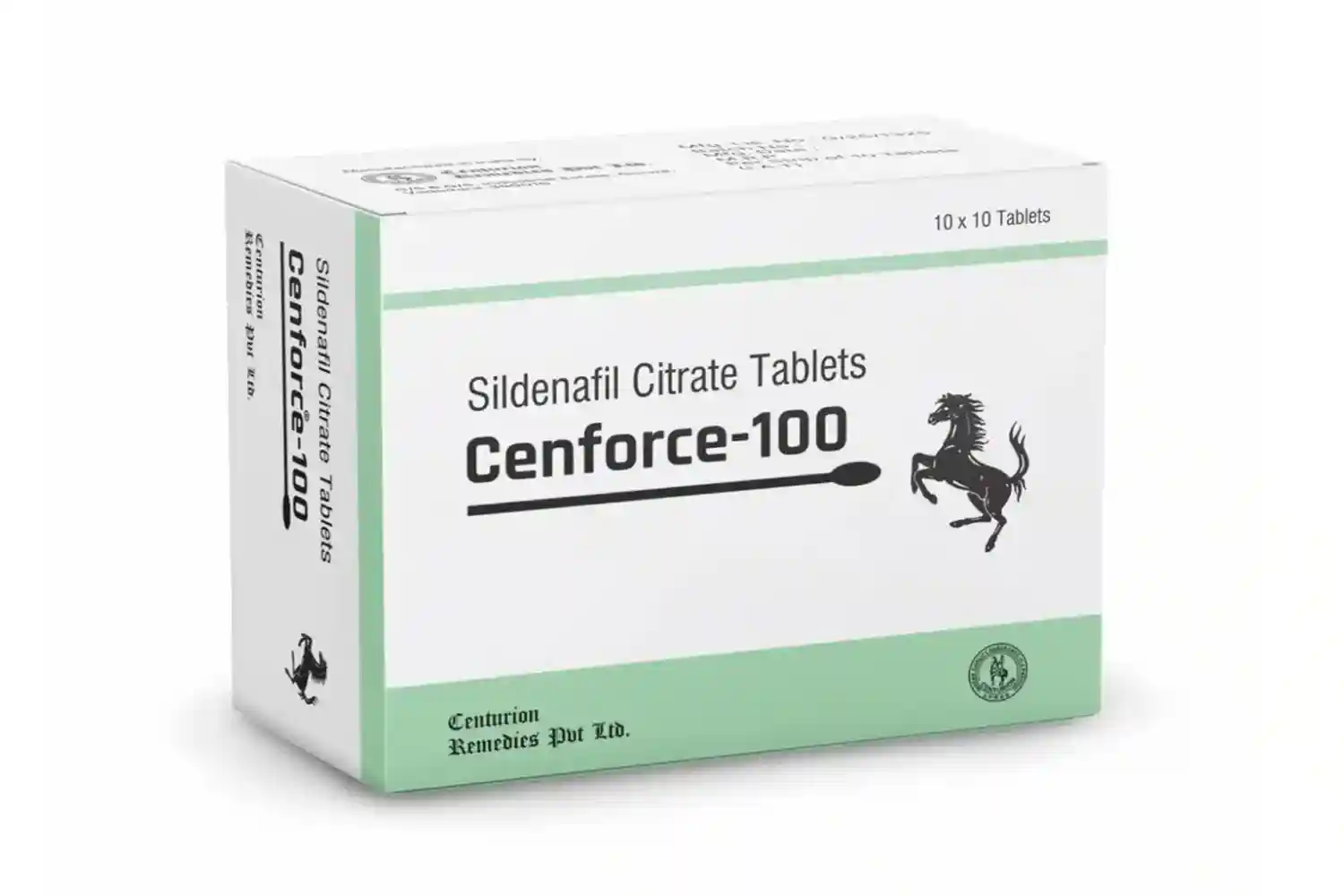
Cenforce 100 Mg
Cenforce$24.00 – $215.00Price range: $24.00 through $215.00Rated 5.00 out of 5Shop Now This product has multiple variants. The options may be chosen on the product page
Cenforce 120 Mg
Cenforce$24.00 – $299.00Price range: $24.00 through $299.00Rated 4.00 out of 5Shop Now This product has multiple variants. The options may be chosen on the product pageCenforce 150 Mg
Cenforce$37.00 – $279.00Price range: $37.00 through $279.00Rated 4.00 out of 5Shop Now This product has multiple variants. The options may be chosen on the product page
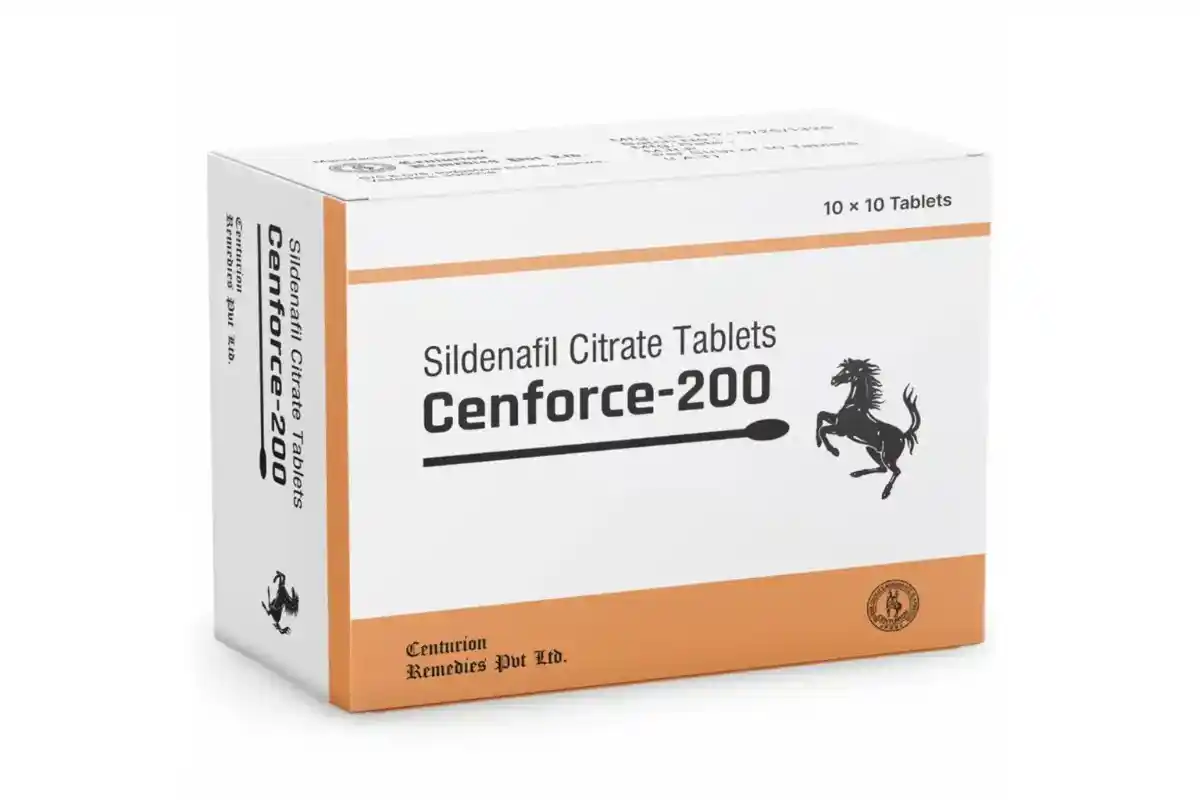
Cenforce 200 Mg
best sellers$31.00 – $335.00Price range: $31.00 through $335.00Rated 4.50 out of 5Shop Now This product has multiple variants. The options may be chosen on the product pageCenforce 25 Mg
Cenforce$24.00 – $259.00Price range: $24.00 through $259.00Rated 4.00 out of 5Shop Now This product has multiple variants. The options may be chosen on the product pageCenforce 50 Mg
Cenforce$21.00 – $180.00Price range: $21.00 through $180.00Rated 4.00 out of 5Shop Now This product has multiple variants. The options may be chosen on the product pageCenforce D 100+60 Mg
Cenforce$41.00 – $412.00Price range: $41.00 through $412.00Rated 5.00 out of 5Shop Now This product has multiple variants. The options may be chosen on the product pageCenforce Professional
Cenforce$24.00 – $243.00Price range: $24.00 through $243.00Rated 4.00 out of 5Shop Now This product has multiple variants. The options may be chosen on the product pageCenforce Soft 100 Mg
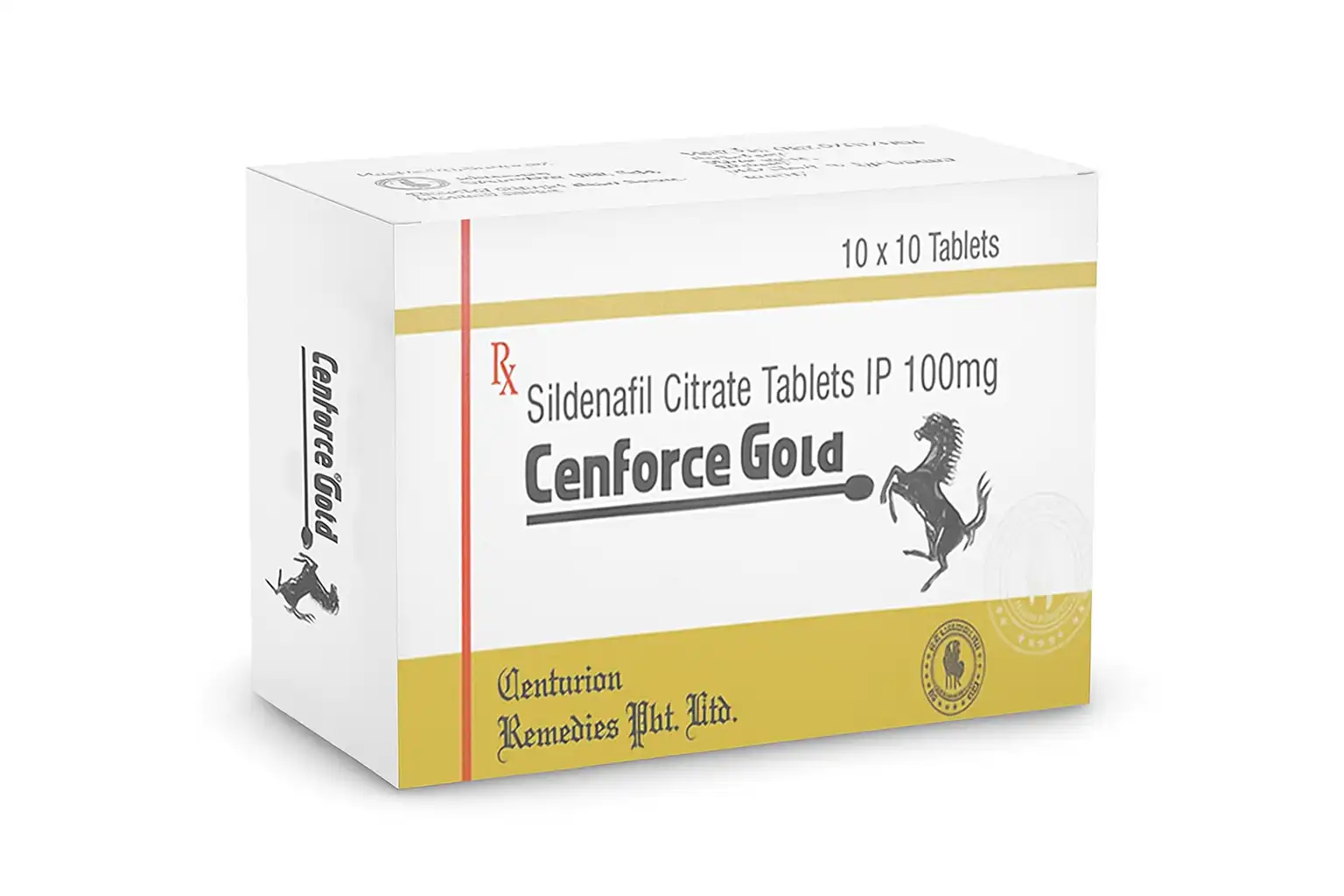
Cenforce$24.00 – $219.00Price range: $24.00 through $219.00Rated 5.00 out of 5Shop Now This product has multiple variants. The options may be chosen on the product pageCenforce Gold 100mg
Sildenafil$23.00 – $466.00Price range: $23.00 through $466.00Rated 5.00 out of 5Shop Now This product has multiple variants. The options may be chosen on the product page




Are They Actually Safe Though
Short answer, no, not reliably. Not in the way “safe” should mean.
The risks are real and not rare-edge-case stuff like embolism (obviously, given what just happened), infection, scarring, lumps that never go away, loss of sensation, and sometimes visible deformity. Hyaluronic acid is generally considered biocompatible on its own, but injected into penile tissue, in the wrong hands, at the wrong depth, it can migrate into blood vessels. That’s apparently what happened here cellular material from the filler ended up in the lungs.
What makes it worse is where a lot of these procedures happen. Unlicensed clinics, sometimes overseas, sometimes just underqualified providers cutting corners at home too. A “safe” version of this would mean an actual licensed medical provider, a real consultation about medical history, sterile conditions, someone who can recognize a complication before it becomes fatal. Most of what’s being marketed online isn’t that. It’s positioned more like a lifestyle purchase than a medical procedure, and that gap is where things go wrong.
Why do men even go this route instead of just seeing someone?
This is the part that actually matters more than the procedure itself, honestly.
There’s a stigma thing going on. Men’s health stigma isn’t some abstract concept, it shows up literally every time a guy Googles a symptom at 1 am instead of booking an appointment. Nobody wants to sit across from a doctor and talk about their penis. It’s embarrassing. Even doctors who are completely used to it; it doesn’t matter, the patient still feels weird.
Then there’s distrust, or maybe just discomfort with the whole system. Appointments, waitlists, awkward small talk, the possibility of being judged. A DIY-adjacent option feels private. Feels controllable. You’re not explaining yourself to anyone.
And influencers make it worse, not better. Guys with huge followings casually normalize procedures like this, with no medical framing at all, just confidence and lifestyle content. It doesn’t read as risky because it’s wrapped in glamour. That’s basically the whole reason why men avoid seeing a doctor for ED and other sexual health stuff too: the alternative options look easier, faster, and less humiliating, even when they’re objectively riskier.
It’s not really about the injections specifically. It’s the broader thing why men avoid seeing a doctor for ED, why men avoid seeing a doctor for hair loss, weight, mental health, or whatever. Same avoidance, different symptom.
Okay, so what should a guy actually check before doing any of this
Not going to pretend there’s a clean five-step checklist that solves it, but a few things genuinely matter.
Is the provider actually licensed, not just “trained,” which can mean almost nothing? What’s their complication rate, and will they even answer that honestly? Is there a real consultation beforehand, one that asks about your health history, not just your credit card? And maybe the bigger point is that a lot of what men are trying to fix with procedures like this actually has safer, evidence-based paths that don’t involve any elective surgery or injection at all. Erectile dysfunction causes, for example, are usually way more boring and treatable than people assume: blood flow, hormones, medication side effects, and stress. Not something that needs a filler or a “confidence boost” injection to solve.
This is where the avoidance thing bites people twice. First, they avoid the doctor. Then they end up choosing something riskier to compensate for a problem a doctor probably could’ve solved in fifteen minutes.
When should you actually go see someone instead?
Basically, any time you’re considering a procedure like this because you’re insecure about performance, size, or confidence, that’s the signal to talk to an actual doctor first, not a clinic selling fillers. Same goes if you’re noticing changes in function, not just appearance. Persistent issues, pain, anything that’s been nagging for weeks worth a real conversation, not a Google rabbit hole. There isn’t much dignity lost in a doctor’s office that gets made up for by a filler clinic abroad.
Because here’s the thing nobody says clearly enough: the dangers of self-treating health issues on your own aren’t hypothetical. This isn’t fear-mongering; it’s just what actually happened here.
What About ED Pills Instead?
If the concern is actually erectile function rather than penis size, ED pills are a completely different conversation. Medicines used for erectile dysfunction work by improving blood flow to the penis, helping men get and maintain an erection when they’re sexually stimulated. They don’t enlarge the penis, but they can address the performance problem that may be sitting underneath the insecurity in the first place.
That doesn’t mean they’re something to casually buy and take without checking anything. ED can sometimes be linked to conditions such as cardiovascular problems, diabetes, hormonal changes, stress, or medication side effects. A doctor or qualified healthcare professional can help figure out what’s actually going on and whether an ED medicine is appropriate. If you’re considering treatment, it’s worth looking at legitimate, medically appropriate options rather than turning to an unregulated injection simply because it promises a quick fix.
For men whose main issue is difficulty getting or keeping an erection, ED pills may offer a more established treatment route than cosmetic enlargement injections. The important part is getting the right medication, dose, and medical advice for your situation.
Closing bit
None of this is really about condemning one guy’s choice, and it’s definitely not about scaring anyone off making decisions about their own body. It’s more when the choice is being made to dodge something uncomfortable; that’s usually where the real risk lives. Not the procedure alone. The whole pattern behind why men avoid seeing a doctor for ED, or for basically anything below the belt, and reach for something riskier because it feels less exposing.
A licensed provider isn’t glamorous. It’s not going to make you feel like you did something bold. But it’s the version of “safe” that actually holds up.
FAQs
1. Are penis enlargement injections permanent?
No, usually six to nine months. Then they wear off and you’re back to where you started.
2. What's the biggest risk with these injections?
Embolism is the worst-case scenario, but infection, scarring, and loss of sensation happen too.
3. What is the last age of penis growth?
Penis growth typically stops completely by the ages of 18 to 21 marking the end of male puberty.
4. Is hyaluronic acid dangerous on its own?
Not usually; it’s the injection technique and unlicensed settings that create the real risk.
5. What is the solution for a small penis?
The solution for a small penis depends on whether it is a true medical condition like a micropenis, a hidden size issue or normal variation causing anxiety.

Dr. Lucifier is a men’s health specialist with over 12 years of experience in sexual wellness and ED treatment. He holds an MBBS, MD in Internal Medicine, and DM in Urology, and focuses on safe, personalized care using proven therapies like Sildenafil and Tadalafil.