
Let’s say you had a checkup last month and everything came back normal. Your blood pressure is fine. Your blood tests look good. You feel strong and healthy. Then one night, things don’t go as planned, and your mind starts to race. If that sounds like you, you’re not alone. Lots of men who are physically healthy deal with erection trouble at some point, and the cause is often stress in the mind, not a problem in the body.
Here’s how that works, how to spot the signs, and what you can do about it.
Yes, Anxiety Can Affect Erections
Doctors call it psychological ED, and it’s one of the most common reasons younger men notice a change. Being physically healthy doesn’t protect you from it. It just means your blood flow and hormones are probably fine, while your brain is sending the wrong signals at the wrong time.
An erection needs your brain, nerves, hormones and blood vessels to work as a team. Anxiety hits the first step, which is the brain telling the body to relax and respond. If that message gets scrambled, the rest of the chain can’t do its job, even when everything else is in good shape.
What Anxiety Does Inside Your Body
Your body has two modes. One is for rest and the other is for danger. Erections need the rest mode, because that’s when your blood vessels relax and let blood flow in. Anxiety switches you into danger mode. Your body releases adrenaline, and the tiny blood vessels in the penis tighten up. It thinks you need to save energy to run or fight. That helps if a bear is chasing you. It doesn’t help in the bedroom. Even a physically healthy body can’t turn that alarm off on command.
There’s one more piece many men haven’t heard about. Therapists call it spectatoring. It means watching yourself during sex, like a judge giving yourself a score. The term comes from sex researchers Masters and Johnson. All that mental chatter pulls your focus away from what feels good, and that’s what builds arousal.
Common triggers include:
- Worry about lasting long enough
- One bad night that keeps replaying in your head
- A new partner or a new relationship
- Work stress, money worries or a packed schedule
- Feeling like you have something to prove
This is why it can stick around. One bad night leads to fear. Fear leads to tension. Tension makes the next night harder. After a few rounds, many men think something is wrong with their body, even when nothing is.
Best Seller

Fildena 100 mg
best sellers$24.00 – $244.00Price range: $24.00 through $244.00Rated 4.00 out of 5Shop Now This product has multiple variants. The options may be chosen on the product page
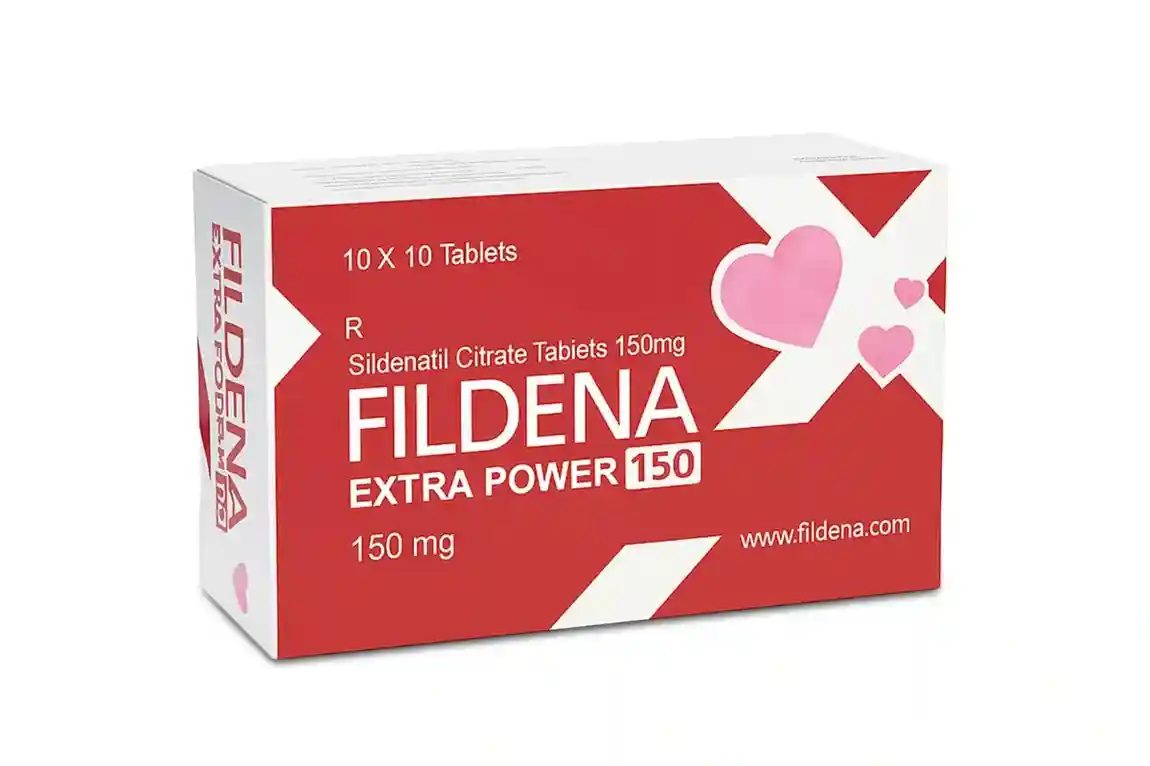
Fildena 150 Mg Tablets
Fildena$29.00 – $288.00Price range: $29.00 through $288.00Rated 5.00 out of 5Shop Now This product has multiple variants. The options may be chosen on the product page
Fildena Double 200 Mg
Fildena$33.00 – $333.00Price range: $33.00 through $333.00Rated 4.00 out of 5Shop Now This product has multiple variants. The options may be chosen on the product pageFildena Super Active
Fildena$24.00 – $243.00Price range: $24.00 through $243.00Rated 4.00 out of 5Shop Now This product has multiple variants. The options may be chosen on the product pageFildena Xxx 100 Mg
Fildena$24.00 – $243.00Price range: $24.00 through $243.00Rated 4.00 out of 5Shop Now This product has multiple variants. The options may be chosen on the product page
Fildena 120 Mg
Fildena$25.00 – $422.00Price range: $25.00 through $422.00Rated 5.00 out of 5Shop Now This product has multiple variants. The options may be chosen on the product pageFildena Professional 100 Mg
Fildena$30.00 – $215.00Price range: $30.00 through $215.00Rated 4.00 out of 5Shop Now This product has multiple variants. The options may be chosen on the product page



Signs It May Be Anxiety
No home test is perfect, but some patterns can help. Doctors often ask about these:
- You still get erections during sleep or first thing in the morning
- Things go fine when you’re alone but not with a partner
- It started suddenly after a stressful time
- It comes and goes instead of happening every time
- You feel desire, but your mind is busy
Night erections are more important than most people think. Healthy men usually have several each night, mostly during REM sleep, and they happen with no thought or pressure at all. If yours are still happening, it’s a good sign that your body can do it. Many physically healthy men find that comforting. Still, it’s a clue and not a diagnosis. Only a doctor can tell you for sure.
Physical Health Changes In Men That Can Look Like Anxiety
Here’s the tricky part. Anxiety and body causes often overlap, and each one can make the other worse. Early changes in blood sugar, cholesterol, blood pressure or testosterone can cause a few weak erections. Those lead to worry, and then worry takes over. Some medicines, like certain antidepressants and blood pressure pills, can also play a part.
That’s why feeling fine doesn’t always mean everything has been checked. Many men with early blood vessel changes feel completely normal. The blood vessels in the penis are very small, so a change in erections can be one of the first signs. That’s one reason a simple checkup is worth it, even if you feel physically healthy and you’re sure it’s just stress.
Everyday Habits That Help You Calm Down
The good news is that your daily routine matters a lot.
Sleep and physical recovery come first. Your body makes and balances many hormones while you sleep. Research has found that about a week of sleeping only five hours a night can lower testosterone in young men during the day. Poor sleep also keeps stress hormones high, which feeds anxiety. Try to keep a steady bedtime and a cool, dark room.
Nutrition and physical health go together too. Build meals around vegetables, whole grains, fish, nuts and olive oil. These foods support healthy blood vessels. Crash diets and heavy drinking can work against you, so go for steady, not extreme.
Daily physical health habits worth trying:
- A 20 to 30 minute walk most days
- Less alcohol, since it dulls nerve signals
- A few slow breathing breaks on stressful days
- Screens off before bed
- No smoking
Over the years, long-term physical fitness protects your blood flow, mood and energy. Both strength training and cardio count, and you don’t need to be an athlete. Exercise also lowers anxiety, so you get a double benefit. Staying physically healthy isn’t about being perfect. It’s about habits you can actually keep.
Where Medication And Counseling Fit
Many men ask if a pill can fix this. ED medication can take some of the pressure off, because it helps blood flow and lets you worry less about whether things will work. Options like Fildena, which contains sildenafil, are prescription treatments, and they only work with sexual arousal. They don’t treat anxiety itself, and they aren’t safe for everyone, especially men who take nitrate medicines for heart problems.
That’s why doctor medical advice for men matters here. A doctor can check your blood pressure, review your medicines, order simple blood tests and help you decide if medication, counseling or both make sense. Talk therapy, like cognitive behavioral therapy and sex therapy, works well for performance worries, and many men use it alongside medication.
Talking to your partner helps too. Fear grows in silence, and an honest chat can take the pressure off right away. Erection worries are among the most common men’s health concerns, yet many men wait too long to bring them up. Being physically healthy is a great starting point, and the right support can help you build on it.
Frequently Asked Questions
1. Can anxiety cause ED in men who are physically healthy?
Yes. Anxiety can cause ED even in men who are physically healthy, because stress hormones tighten blood vessels and pull the brain’s focus away from arousal during intimate moments.
2. How can I tell if my ED is psychological or physical?
Erections during sleep or on waking, plus normal function when you’re alone, often point to a psychological cause. A doctor can confirm this with a simple exam and basic tests.
3. Can performance anxiety go away on its own?
Performance anxiety often fades once the pressure drops. Physically healthy men usually see the cycle ease with better sleep, exercise and honest talks. If it lasts several weeks, ask a doctor.
4. Can medication help when anxiety causes ED?
Medication can help when anxiety causes ED by supporting blood flow and easing the fear of failing. It doesn’t treat anxiety itself, so doctors often pair it with counseling.
5. When should I see a doctor about erection problems?
Consult a doctor if you have problems with your erection that lasts more than a few week or you may visit even when you feel healthy.

Dr. Lucifier is a men’s health specialist with over 12 years of experience in sexual wellness and ED treatment. He holds an MBBS, MD in Internal Medicine, and DM in Urology, and focuses on safe, personalized care using proven therapies like Sildenafil and Tadalafil.