
Remember the last time work got really busy and you only got five or six hours of sleep for a few weeks. It’s likely that you felt strange in ways that were hard to describe. You were rude to people, going to the gym was a pain, and having sex either wasn’t on your mind or didn’t go the way you wanted it to. Many guys just think it’s part of getting older and don’t do anything about it. But stress and poor sleep can change how your body works, and the changes happen so slowly that you don’t notice them. The first thing you need to do to get your energy and confidence back is to understand how they affect you.
How Pressure and Tired Nights Keep Each Other Going
When you’re under pressure, your body releases cortisol, a hormone that keeps you alert and ready to react. That works fine for a short burst, like a big meeting or a tight deadline. The trouble starts when cortisol stays up into the night, because it makes falling asleep harder and you wake more often. A bad night then pushes cortisol higher the next day, so you start the next morning already wound up, and the cycle repeats. This is why stress and poor sleep tend to show up as a pair instead of one at a time. Some research even suggests that a single short night is enough to make the body react more strongly to small annoyances, which explains why a minor email can feel like a big deal after a rough night.
What Happens to Your Energy and Mood
Sleep is when your body does its repair work. Muscles recover, your brain clears out leftovers from the day, and hormones reset for tomorrow. When that time gets cut short night after night, most men notice they have less push for exercise, a harder time focusing after lunch, and a shorter fuse at home. Short sleep also raises ghrelin, the hormone that makes you hungry, and lowers leptin, the one that tells you you’re full. That’s why late night snacking and extra coffee tend to creep in. Over a few weeks, this can wear down men’s stamina and energy, and it’s easy to blame age when the real cause is a long run of short nights. That worn out feeling is very common when stress and poor sleep stack up for weeks.
Best Seller

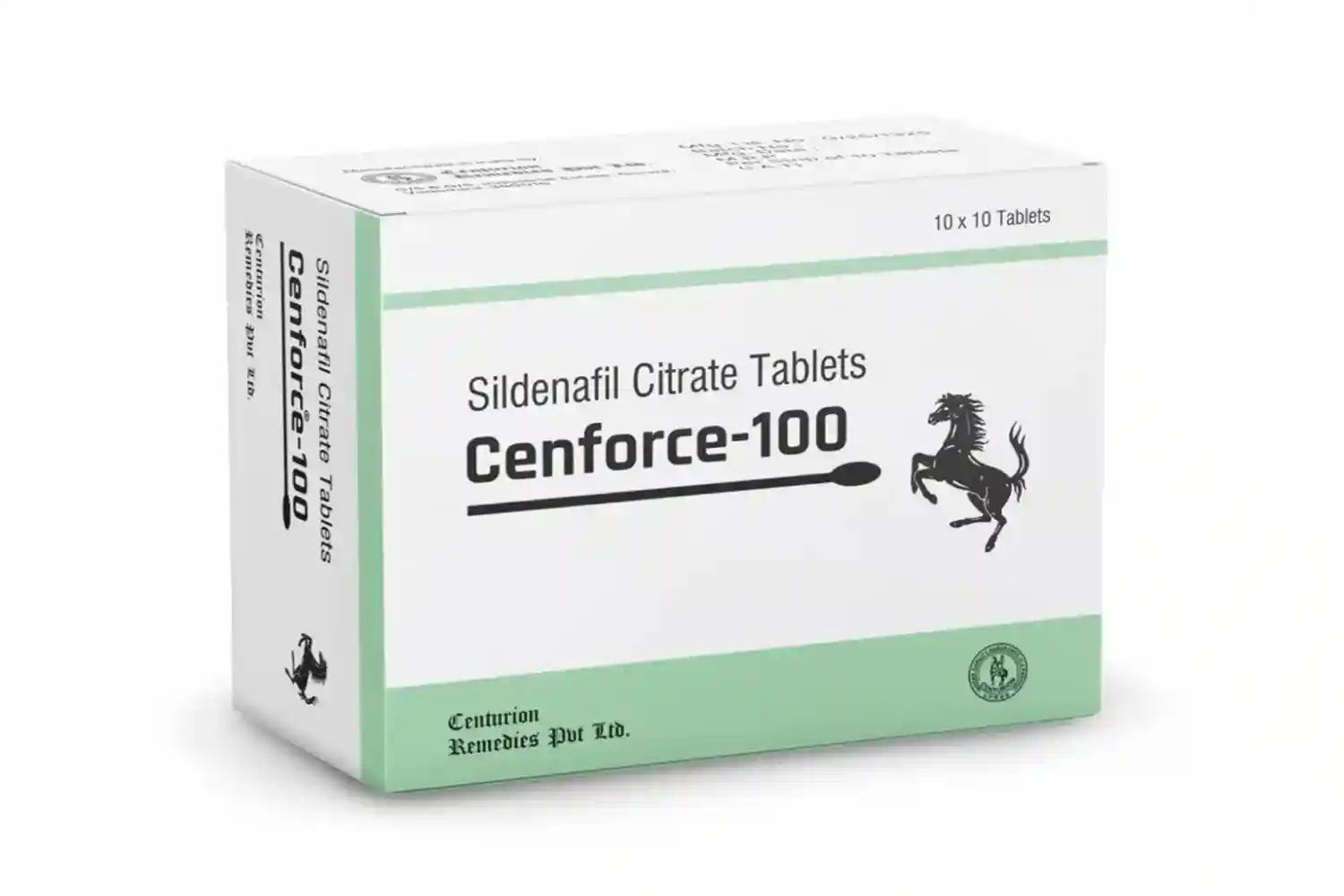
Cenforce 100 Mg
Best Seller$24.00 – $215.00Price range: $24.00 through $215.00Rated 5.00 out of 5Shop Now This product has multiple variants. The options may be chosen on the product page
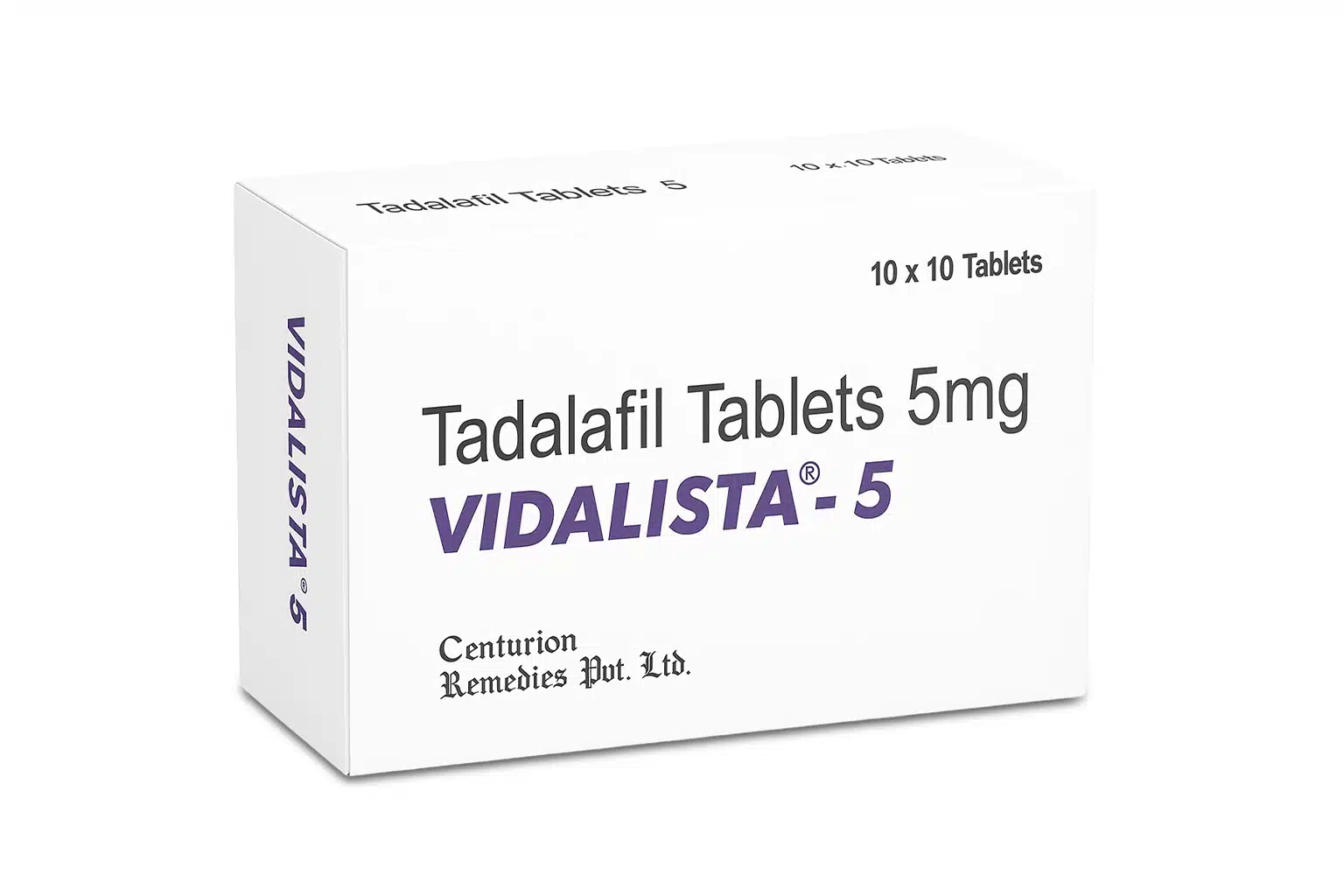
Vidalista 5 Mg
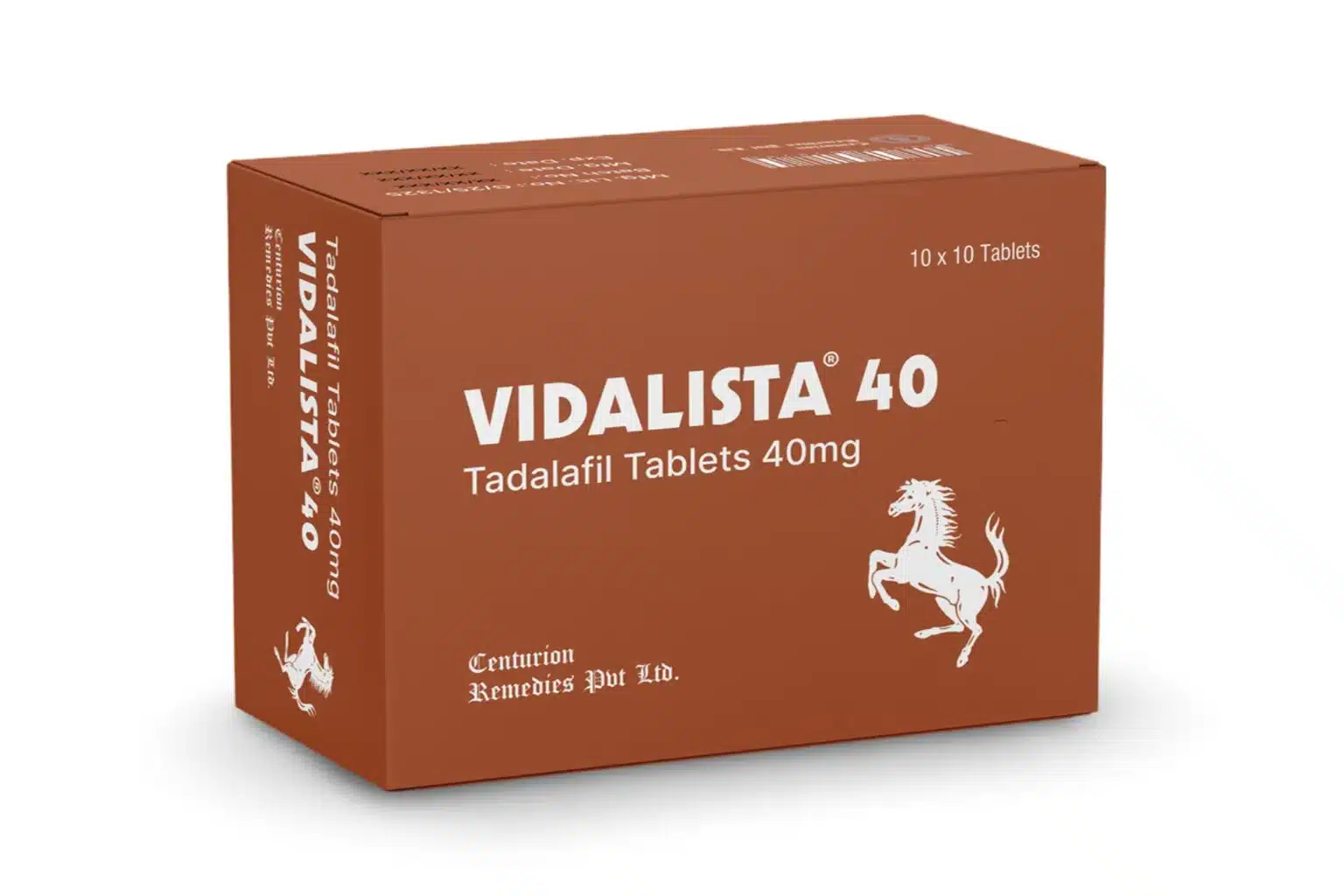
best sellers$18.00 – $182.00Price range: $18.00 through $182.00Rated 4.00 out of 5Shop Now This product has multiple variants. The options may be chosen on the product pageVidalista 40 Mg
Best Seller$28.00 – $276.00Price range: $28.00 through $276.00Rated 4.00 out of 5Shop Now This product has multiple variants. The options may be chosen on the product page
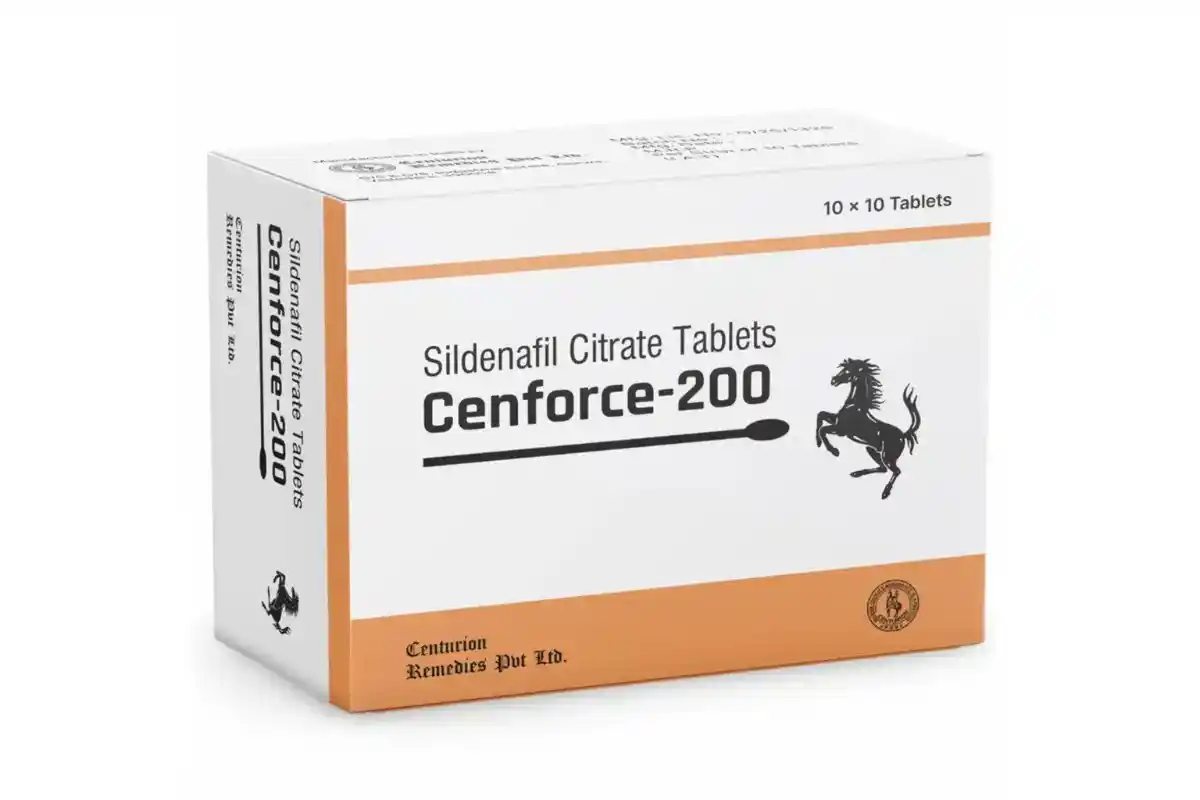
Cenforce 200 Mg
best sellers$31.00 – $335.00Price range: $31.00 through $335.00Rated 4.50 out of 5Shop Now This product has multiple variants. The options may be chosen on the product pageCenforce Fm
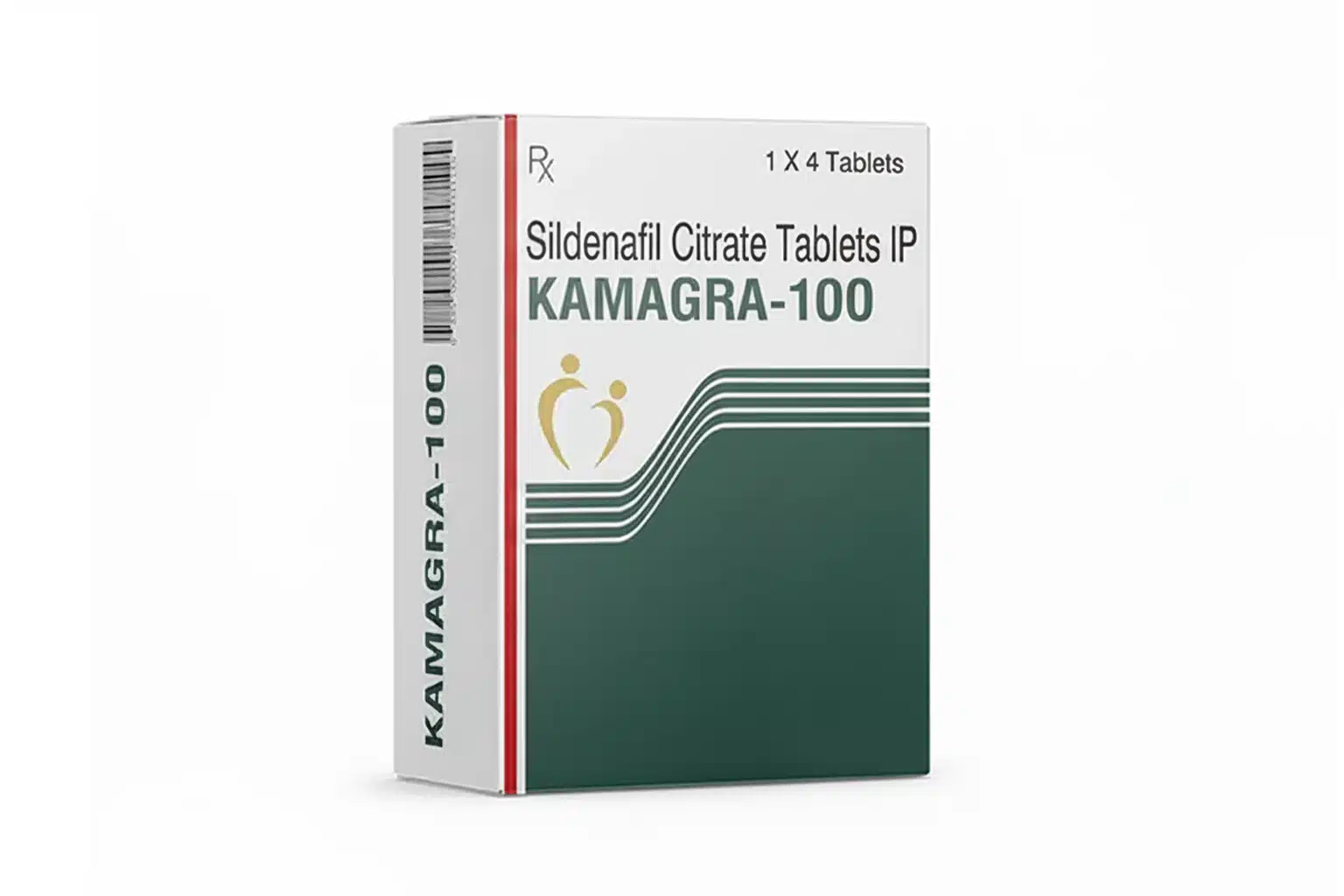
best sellers$33.00 – $218.00Price range: $33.00 through $218.00Rated 4.00 out of 5Shop Now This product has multiple variants. The options may be chosen on the product pageKamagra 100 mg
best sellers$24.00 – $125.00Price range: $24.00 through $125.00Rated 5.00 out of 5Shop Now This product has multiple variants. The options may be chosen on the product pageFildena 100 mg
best sellers$24.00 – $244.00Price range: $24.00 through $244.00Rated 4.00 out of 5Shop Now This product has multiple variants. The options may be chosen on the product pageMalegra Oral Jelly 100 Mg
best sellers$8.00 – $44.00Price range: $8.00 through $44.00Rated 5.00 out of 5Shop Now This product has multiple variants. The options may be chosen on the product pageSuper Kamagra Oral Jelly
best sellers$25.00 – $120.00Price range: $25.00 through $120.00Rated 4.00 out of 5Shop Now This product has multiple variants. The options may be chosen on the product page
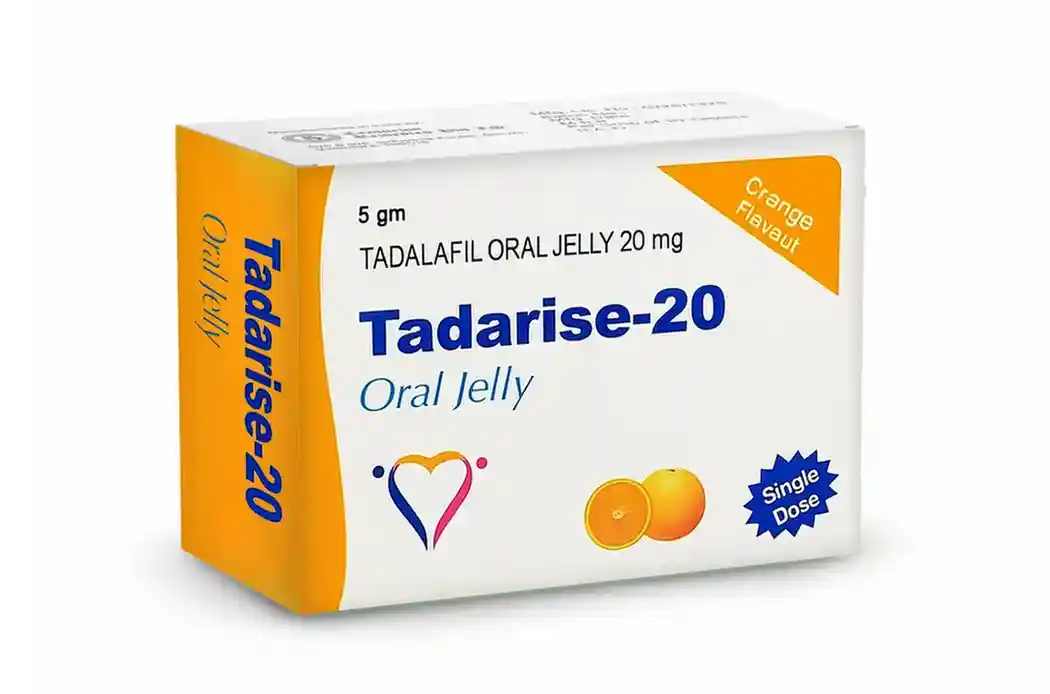
Tadarise Oral Jelly
best sellers$19.00 – $72.00Price range: $19.00 through $72.00Rated 4.00 out of 5Shop Now This product has multiple variants. The options may be chosen on the product page
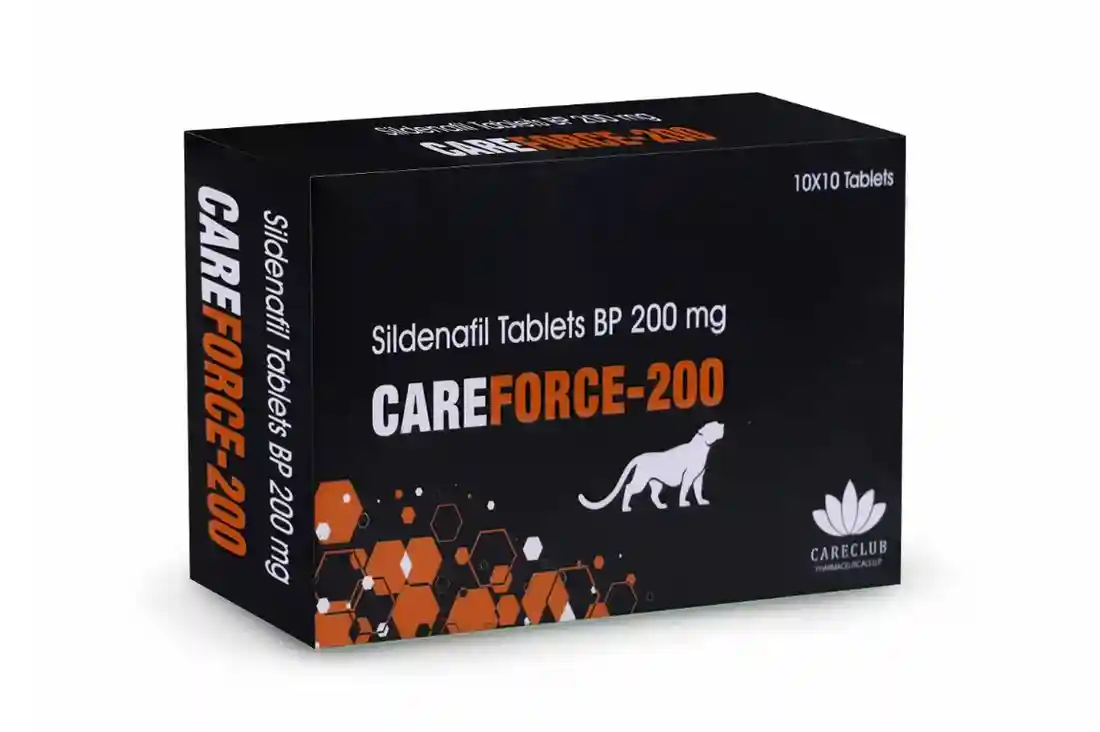
Careforce 200 Mg
best sellers$29.00 – $332.00Price range: $29.00 through $332.00Rated 5.00 out of 5Shop Now This product has multiple variants. The options may be chosen on the product page
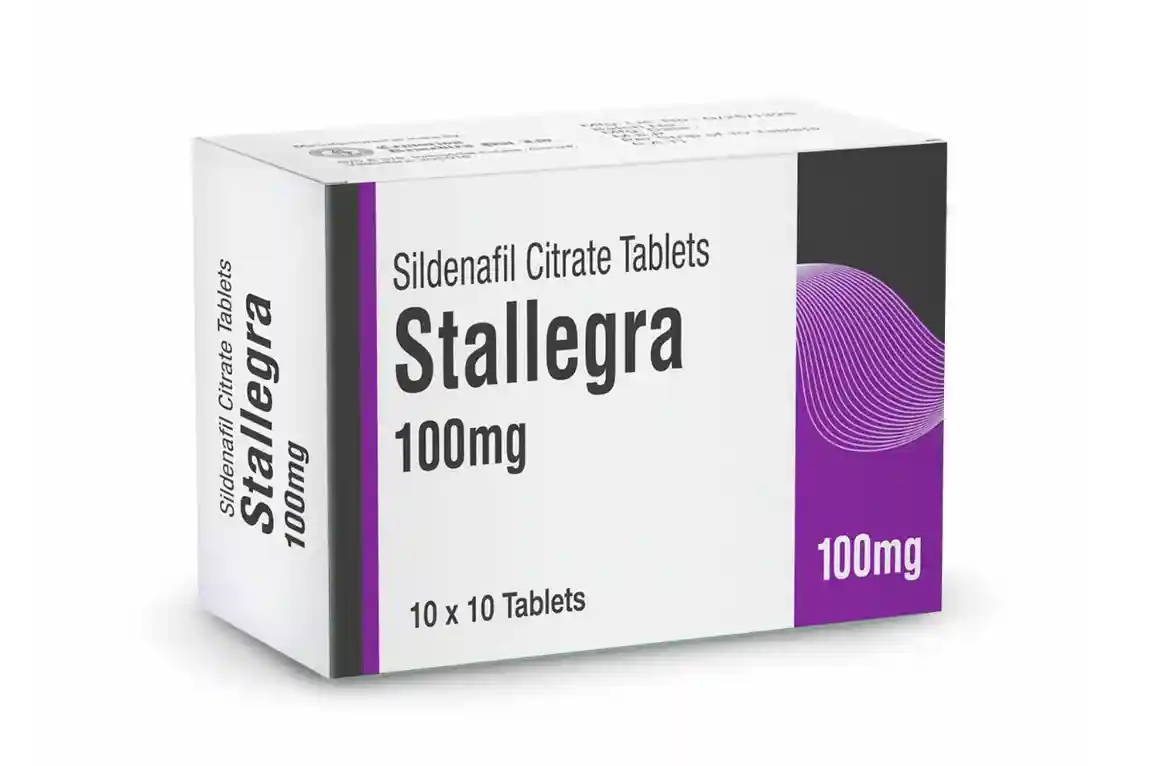
Stallegra 100 Mg
best sellers$88.00 – $224.00Price range: $88.00 through $224.00Rated 5.00 out of 5Shop Now This product has multiple variants. The options may be chosen on the product page- Exclusive
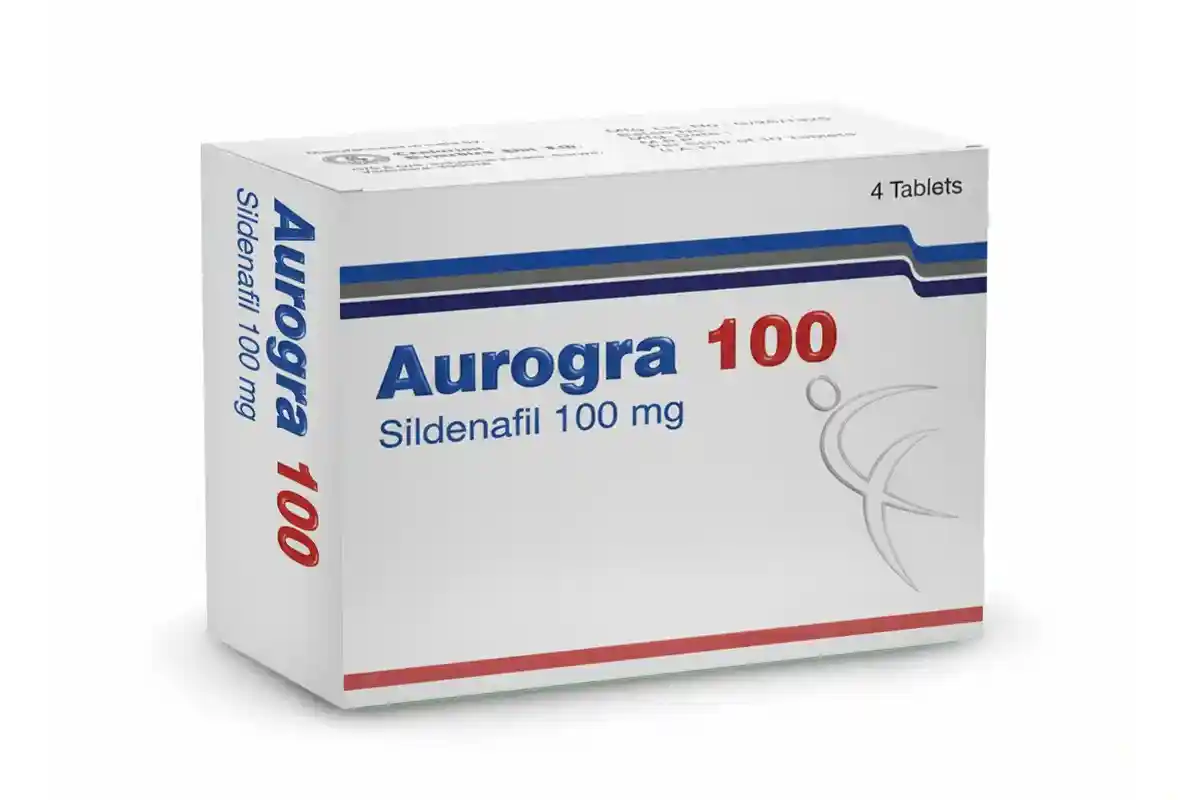
Aurogra 100 Mg
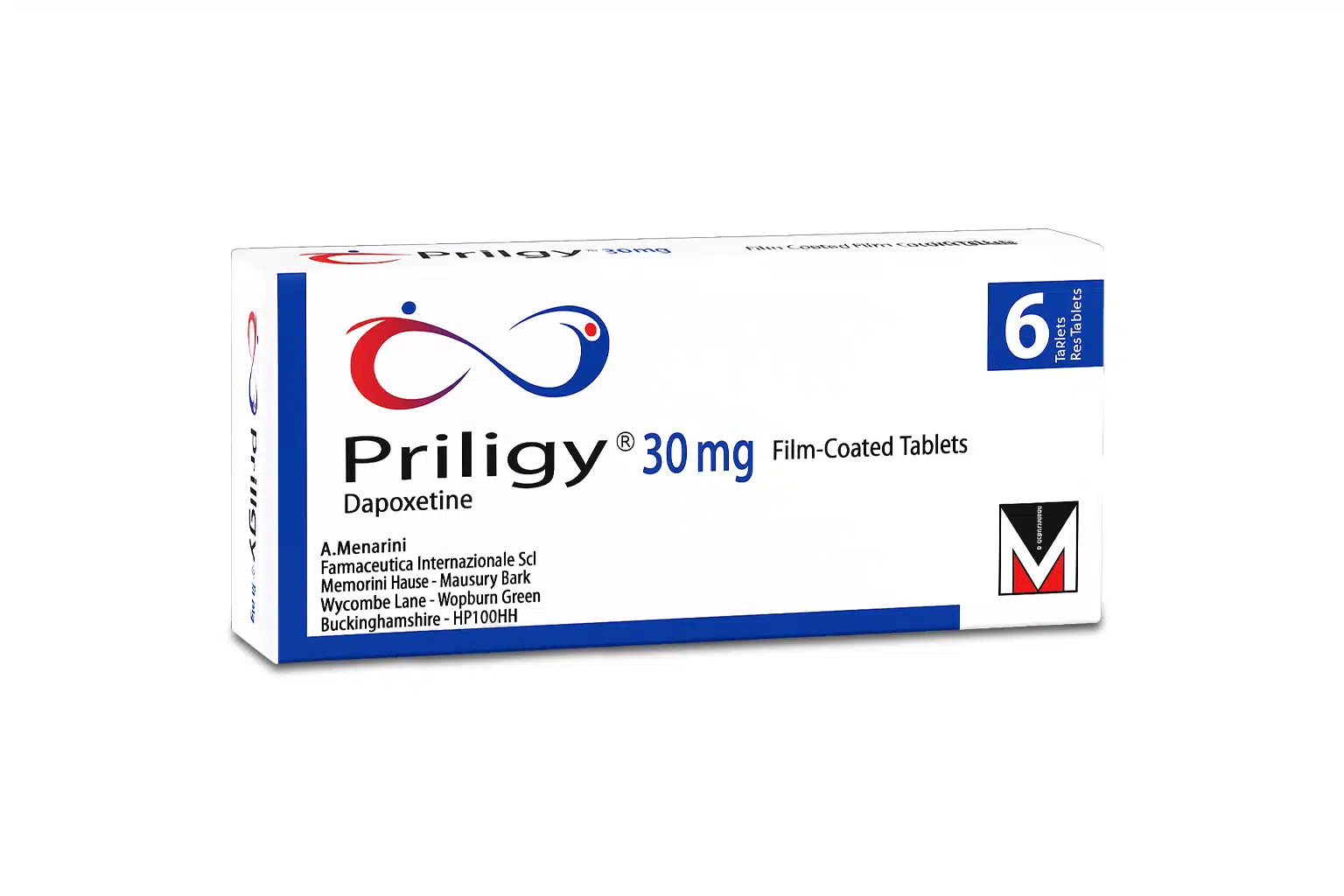
best sellers$29.00 – $76.00Price range: $29.00 through $76.00Rated 4.00 out of 5Shop Now This product has multiple variants. The options may be chosen on the product page Priligy 30 mg
best sellers$22.00 – $156.00Price range: $22.00 through $156.00Rated 4.00 out of 5Shop Now This product has multiple variants. The options may be chosen on the product page



Where Hormones Come In
Most of a man’s daily testosterone is released while he sleeps, and levels usually peak in the early morning. One well known study of healthy young men found that sleeping about five hours a night for a week lowered daytime testosterone by roughly 10 to 15 percent. That’s a big dip for only seven nights. Hormones and aging play a part too, since testosterone slowly drifts down as the years pass, and a stretch of bad sleep and constant pressure can push it a little lower on top of that. This doesn’t mean something is broken, because hormone levels move up and down for plenty of everyday reasons and often come back once sleep gets on track. The takeaway is simple. Stress and poor sleep can change the numbers you’d see on a lab report, so it’s worth fixing them before you decide what your hormones are doing.
Signs Worth Paying Attention To
Low testosterone symptoms are easy to miss because they look so much like plain tiredness. Men often mention things like these:
- Less interest in sex
- Fewer morning erections
- Low or flat mood
- Losing muscle or gaining belly fat
- Foggy thinking
Every one of these can also come from stress, thyroid trouble, depression, or sleep apnea, so guessing from symptoms alone doesn’t get you far. Loud snoring, gasping at night, and waking with a headache are clues that deserve a mention to your doctor. A morning blood test is the only reliable way to find out what’s going on, and it’s a quick one.
How It Shows Up in the Bedroom
An erection needs relaxed blood vessels and a calm nervous system, and pressure does the opposite. It switches on your fight or flight mode, which tightens blood vessels and keeps your mind busy with worries. When stress and poor sleep pile up, you may feel too drained to be in the mood, and then one off night can turn into a worry loop. You start fearing it will happen again, and that fear makes it more likely. Some men talk to their doctor about sildenafil based options during this period. The Fildena range includes Fildena 25, 50, 100, 120, Fildena 150 Extra Power, Fildena Double 200, Fildena Strong, and Fildena XXX, along with other forms like Fildena CT chewable tablets, Fildena Super Active softgels, and Fildena Professional sublingual tablets. They all work by relaxing blood vessels when you’re sexually stimulated. They don’t fix sleep or stress, and they aren’t safe for everyone, especially men who take nitrate medicines, so a doctor should help choose the strength and check for other causes first.
Small Habits That Add Up
Fixing this doesn’t take a full life overhaul. When stress and poor sleep are both in the picture, small daily habits beat big bursts of effort every time. These healthy habits for men are a good place to start:
- Wake up at the same time every day, even on weekends
- Stop caffeine about eight hours before bed, since it stays in your body longer than most people think
- Get some daylight within an hour of waking to set your body clock
- Take a ten minute walk after dinner to ease evening tension
- Keep your phone out of reach once you’re in bed
Alcohol deserves its own note. A drink may help you fall asleep faster, but it breaks up the second half of the night and cuts into REM sleep, the stage linked to mood and memory. So that nightcap usually costs you more rest than it gives.
Why It Matters More With Age
Men’s health after 40 comes with a few extra moving parts. Sleep gets lighter, nighttime bathroom trips become more common, and sleep apnea becomes more likely. At the same time, work and family pressure often hit their peak, so the same rough week can leave you more wiped out than it would have at 30. This is where a men’s health checkup really pays off. A simple visit can cover blood pressure, blood sugar, cholesterol, and thyroid, and your doctor may add a testosterone test if you have symptoms. Many of these numbers connect back to sleep and stress, so catching a small change early is much easier than fixing a big one later.
Knowing When to Book a Visit
Everyone has a bad month now and then, so there’s no need to panic over one rough patch. Still, it makes sense to know when to see a doctor. Book a visit if poor sleep has lasted more than three or four weeks, if you feel low or anxious most days, or if your sex drive or erections have changed and stayed changed. The same goes if your partner notices loud snoring or pauses in your breathing, or if you’re leaning on alcohol or sleeping pills to get through the night. A doctor can sort out what comes from habits and what needs treatment, and asking early is simply the smart move.
One Last Thing…
Stress and poor sleep don’t mean something is wrong with you. They’re signs that your body needs more recovery than it’s been getting. Pick one or two habits, stick with them for a few weeks, and see how you feel. If things still haven’t improved, a quick talk with your doctor can give you clear answers and a plan that fits your life.
FAQs
1. Can stress and poor sleep lower testosterone in men?
2. How many hours of sleep do men need for healthy performance?
3. Can stress and poor sleep cause erection problems?
4. Can men take Fildena when they’re stressed and sleeping badly?
5. How long does it take to feel better after fixing sleep and stress?

Dr. Lucifier is a men’s health specialist with over 12 years of experience in sexual wellness and ED treatment. He holds an MBBS, MD in Internal Medicine, and DM in Urology, and focuses on safe, personalized care using proven therapies like Sildenafil and Tadalafil.