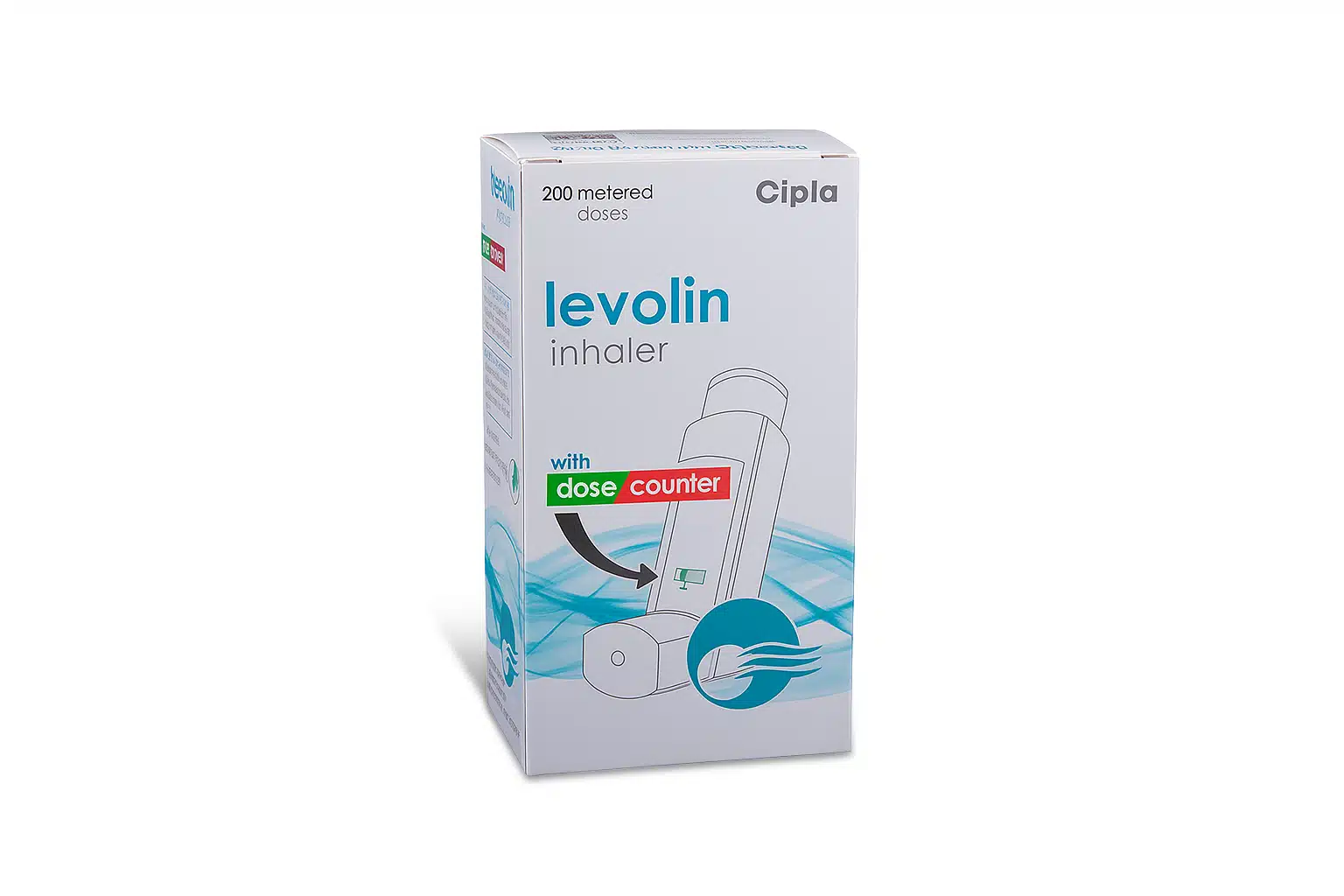
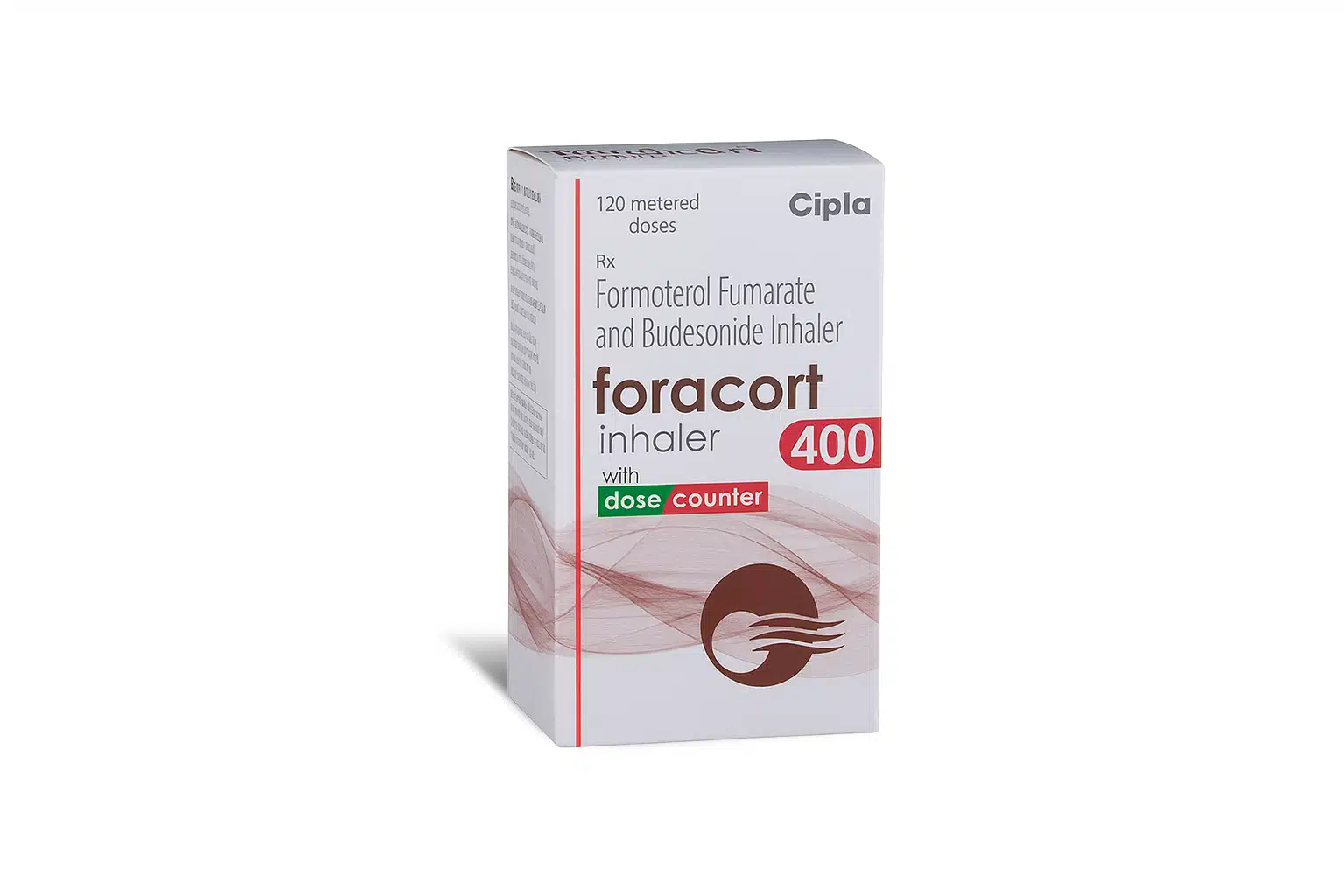
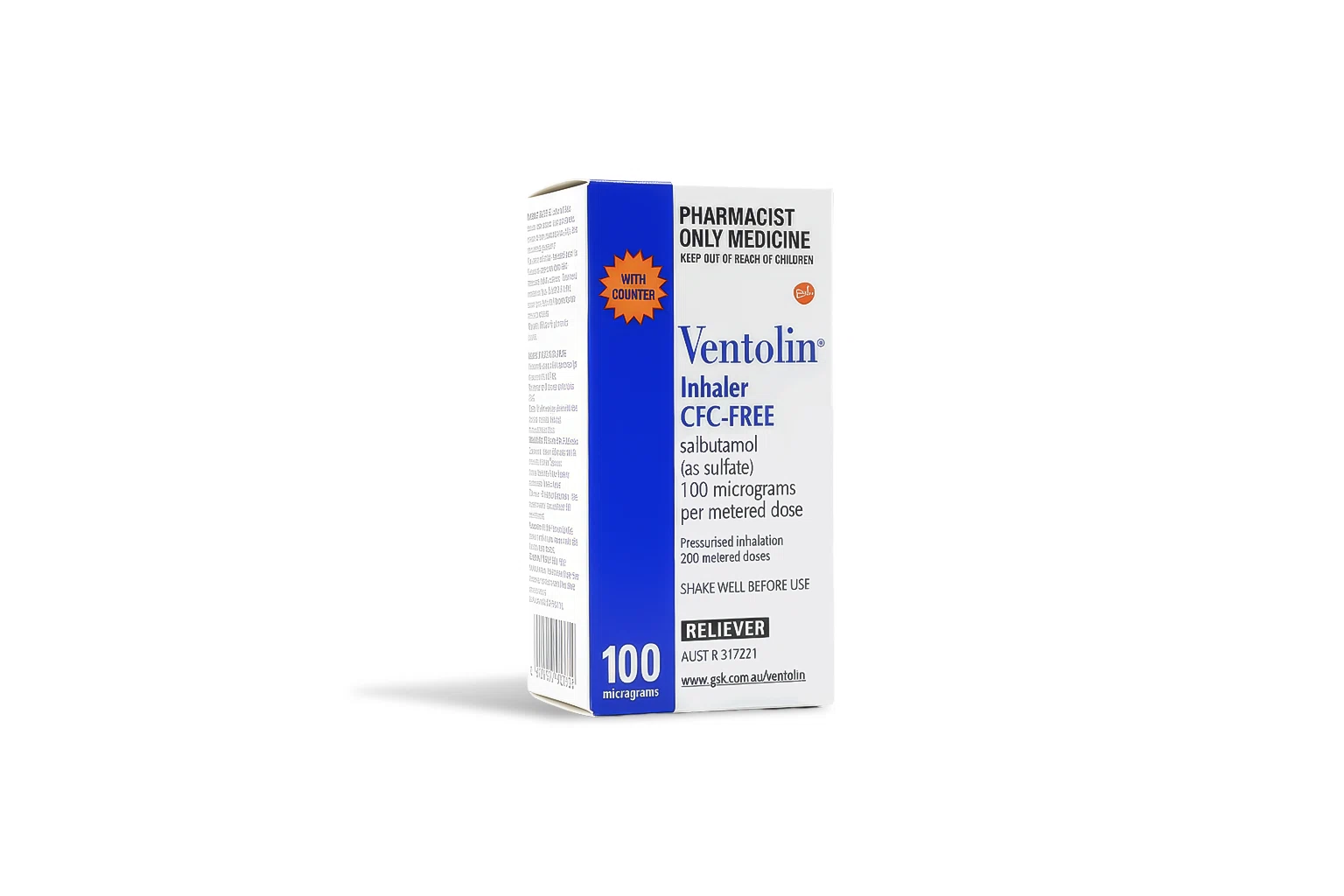
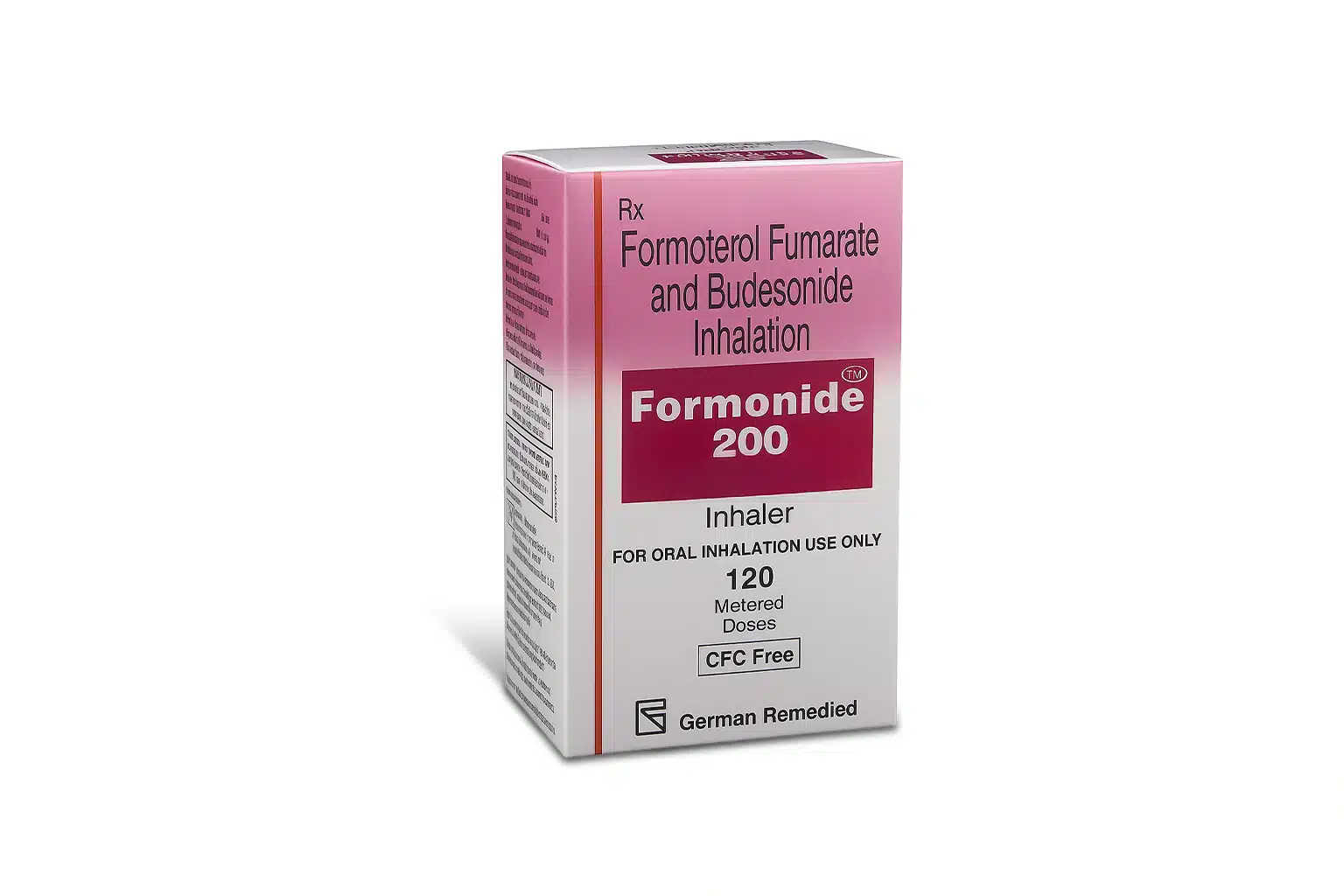
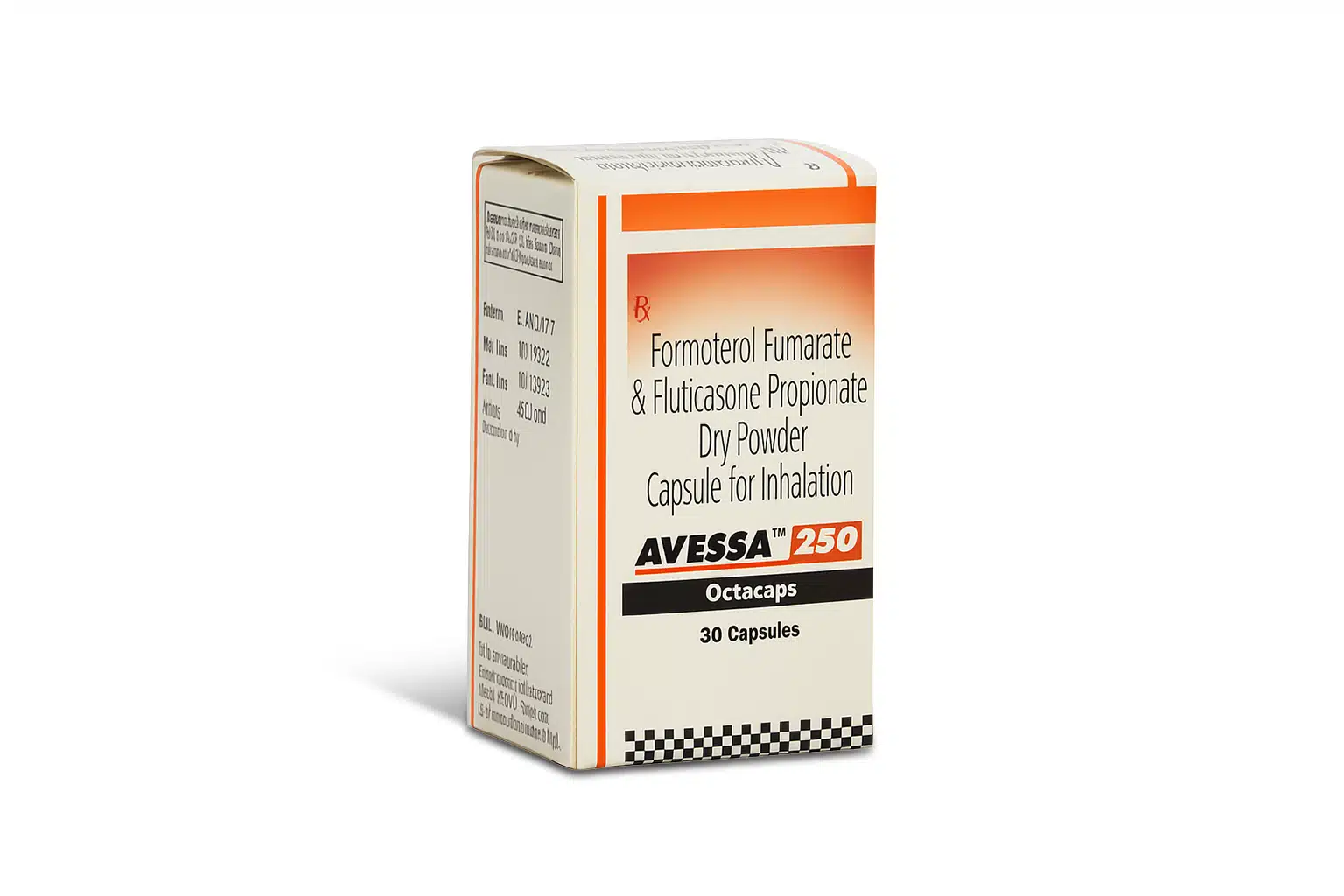
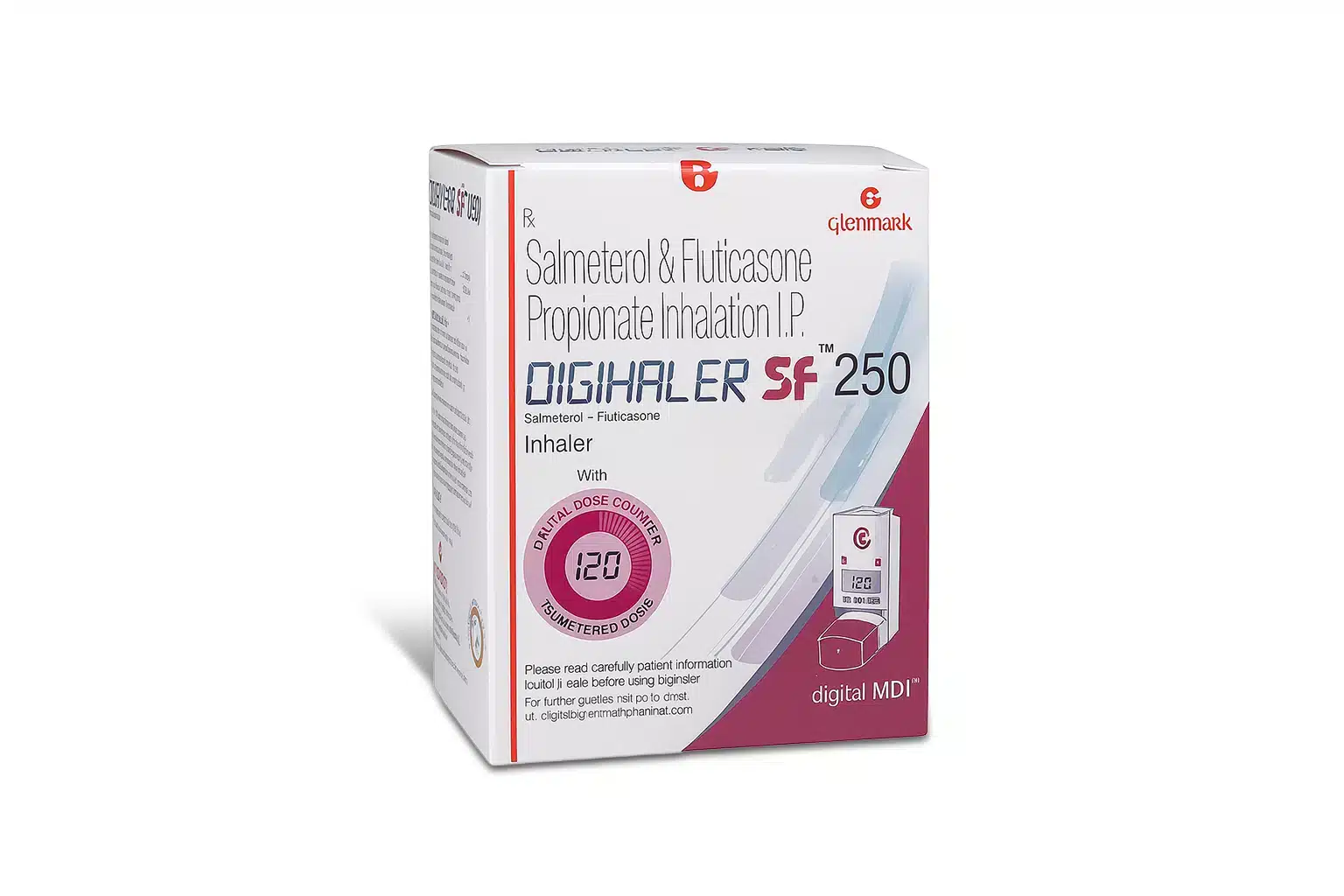
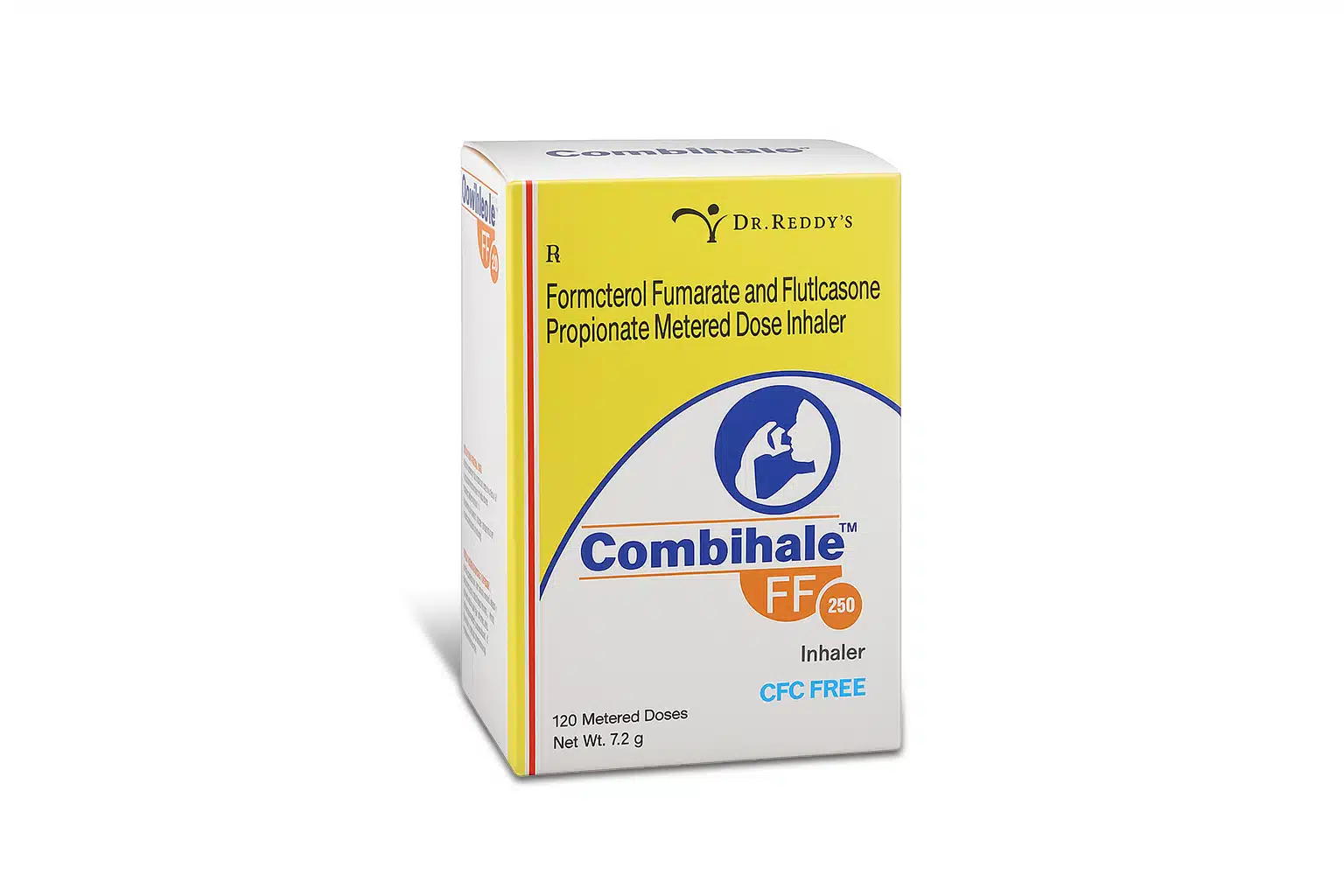
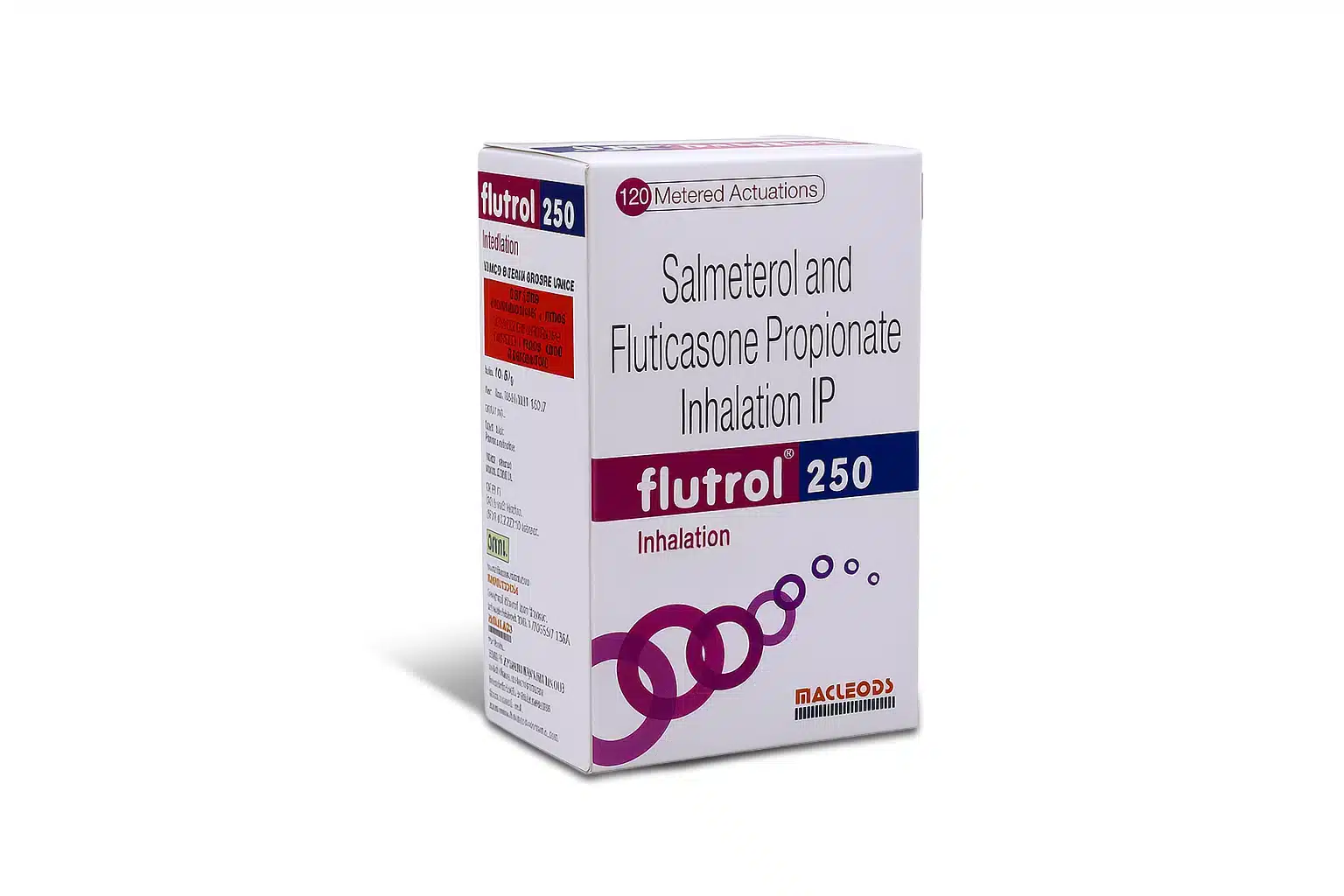
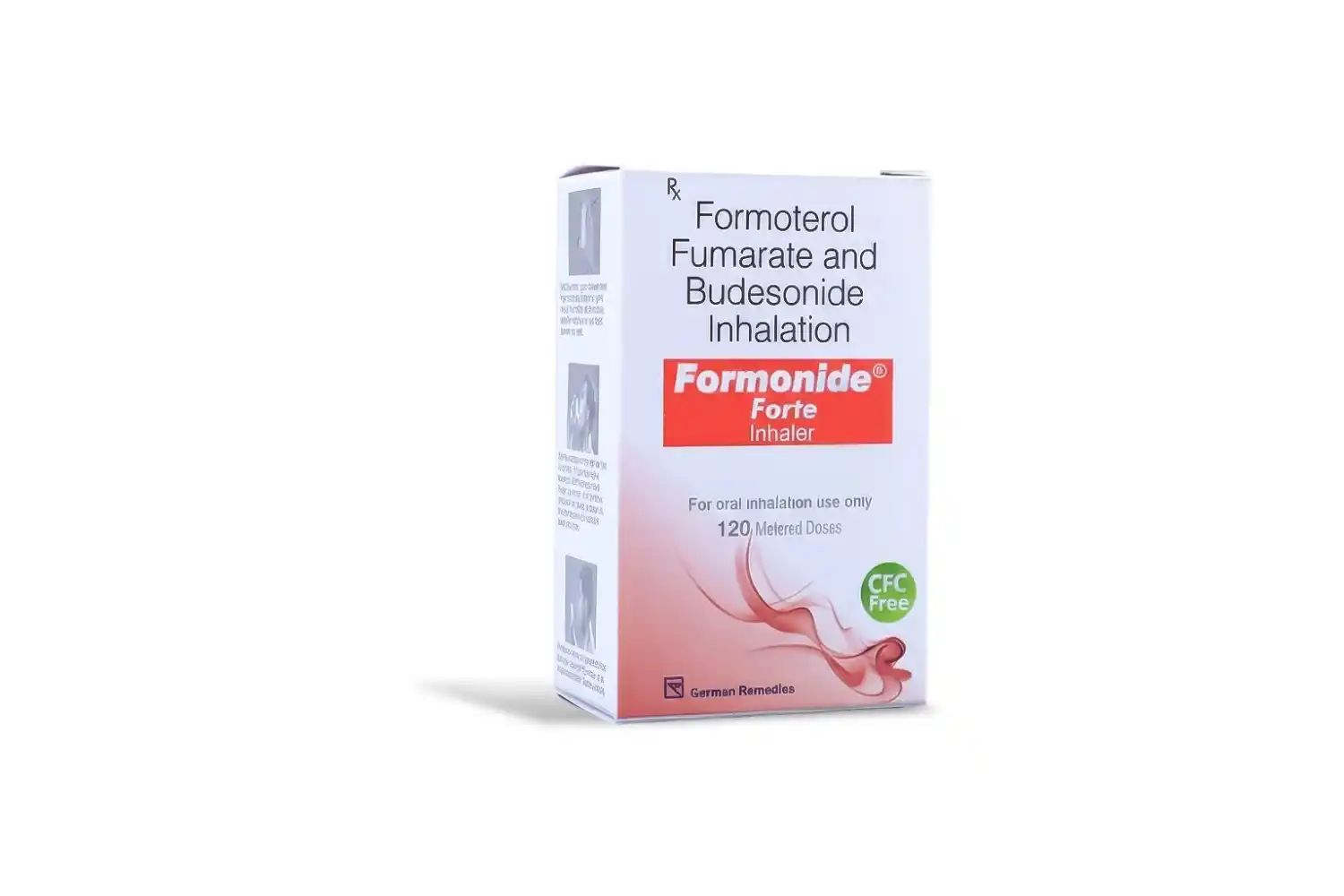
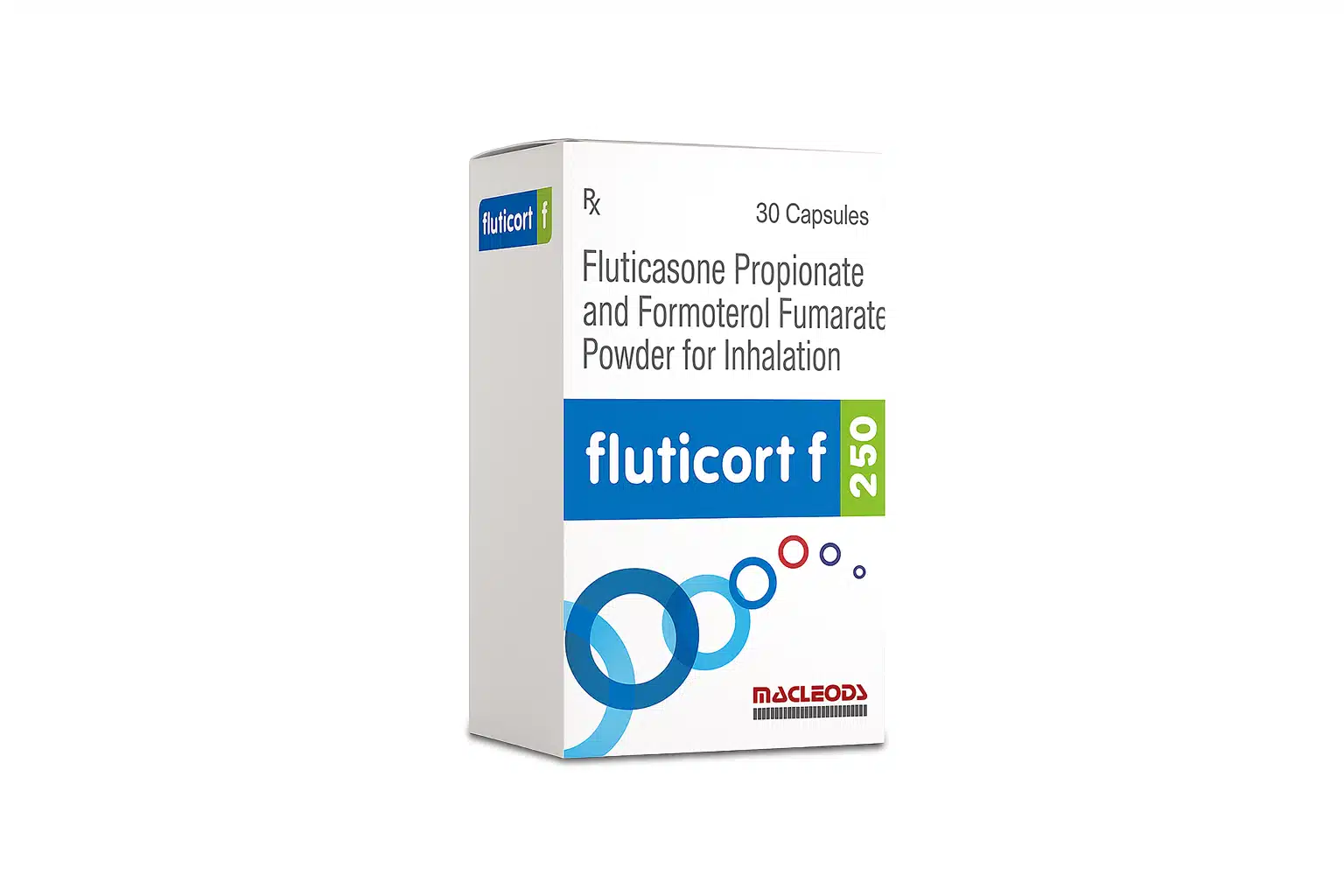
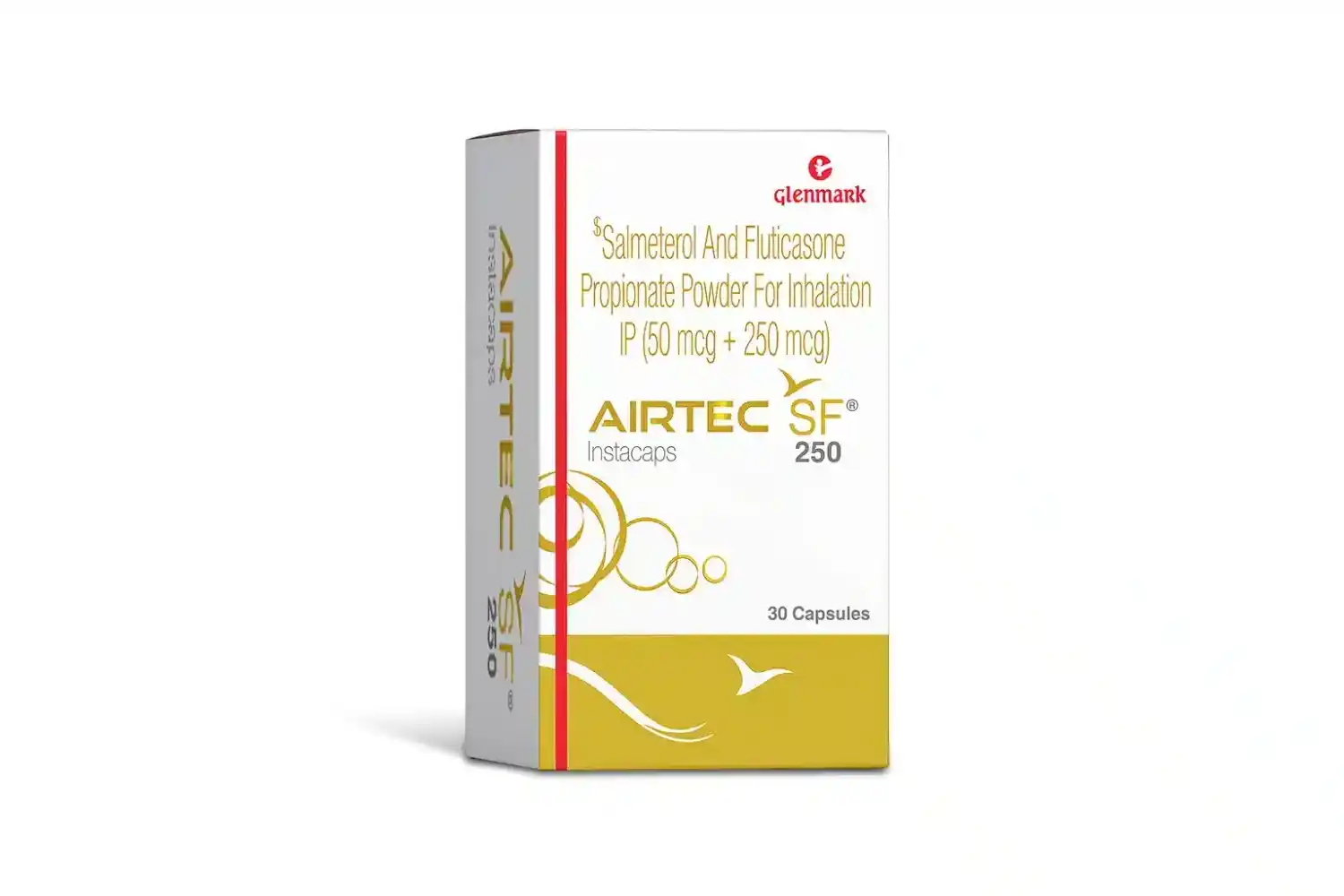
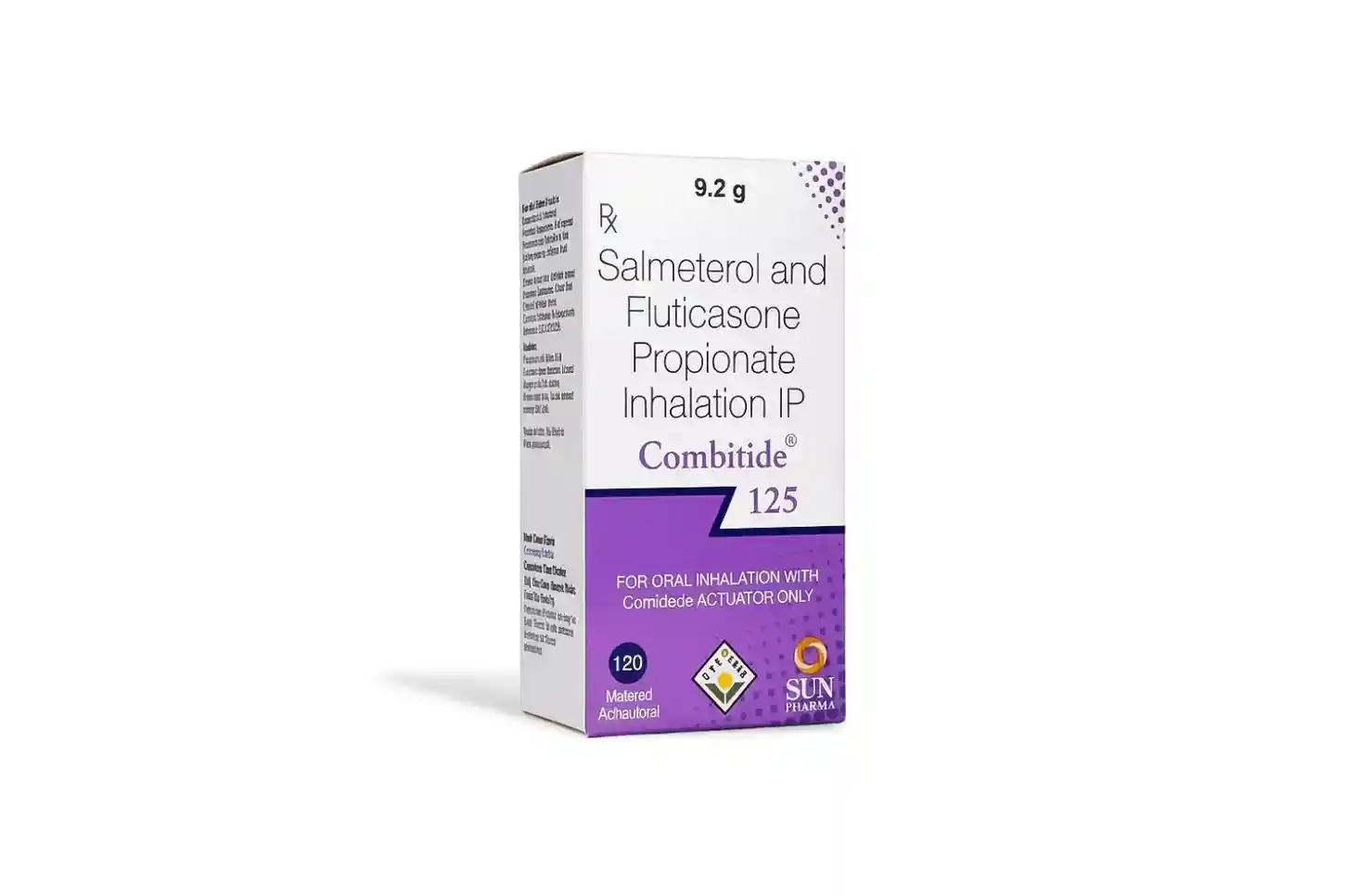
It’s important to understand how expired inhalers work, because if the medication’s potency decreases during a breathing emergency, it can be a serious problem. We’ve prepared this guide that explains what happens after an inhaler expires, whether it’s safe to use one, the risks of an expired inhaler, and how you start properly storing your inhalers.
Can inhalers expire?
People assume medicine either works or it doesn’t, like a light switch. Inhalers don’t really work that way. The medication inside slowly loses potency over time and is not necessarily an overnight collapse. It doesn’t just stop being effective on the exact date printed on the box, not really. Your inhaler’s clock is ticking from day one.
Your inhaler is more than a simple vessel for your medication. Depending on the type of inhaler you have, it may have things such as excipients or propellants as well as an active ingredient. Normally it will also include a delivery system that delivers a predetermined quantity of medication into the lungs. Some common ingredients are albuterol sulfate (a short-acting bronchodilator) and corticosteroids like fluticasone or budesonide (which reduce airway inflammation).
For instance, each actuation of an albuterol metered-dose inhaler must deliver the same amount of medication. Because the medication must be evenly distributed while the patient inhales, a dry-powder inhaler has different specifications. This is why the expiration dates that you see on your inhaler are applicable to the whole product rather than just the active ingredient in your inhaler.
Do Expired Inhalers Work?
This is where people get frustrated because there isn’t a clean yes or no. Do expired inhalers work right after expiring? Probably, mostly, in a lot of cases. Do expired inhalers work three years later sitting in a hot car? Much less likely and also kind of risky to bet on if it’s an emergency situation.
The propellant matters too. Older inhalers used different propellants than the newer ones, and heat exposure changes how consistently the dose sprays out. So even if the drug itself is technically still active, the delivery might be uneven. Sometimes a full dose comes out, sometimes barely a puff, and there’s no way to know which one you’ll get just by looking at the canister.
Healthcare providers get asked this constantly, usually by someone whose kid is wheezing and the pharmacy’s closed. Most say it’s better than nothing in an actual emergency, but it shouldn’t become a habit or a backup plan someone leans on regularly.
What Happens If You Use an Expired Inhaler?
The medication, inhaler design, product age, and storage conditions all affect the outcome. But sometimes the primary concern may be reduced efficacy rather than an obvious toxic reaction.
The FDA says degraded or expired medicines might have lost potency or undergone a change in chemical composition. Degradation can sometimes lead to unwanted compounds, but this risk is specific to each medication. Another layer on top of inhalers is delivery performance.
A device or propellant system in an inhaler may no longer function as intended, but the medication reservoir may still be chemically stable. Delivery cannot be disregarded, as demonstrated by a 2023 FDA-posted recall involving albuterol sulfate inhalation aerosol: some batches were recalled due to a container defect that could result in failure to deliver the recommended dose.
It’s not that every single expired inhaler will incur a malfunction. What you have to keep note of is that you cannot trust the effectiveness of every single inhaler that has expired.
Why Do Inhalers Have Expiration Dates?
Inhalers have expiration dates because manufacturers are required to establish how long a product will remain effective within the specific parameters. To be able to propose proper expiration dates, storage information, and quality info, the FDA needs the inhaler’s stability information, which is why product developers have these parameters set.
Medication Stability
The active ingredient needs to remain chemically stable throughout the labeled shelf life. Temperature, humidity, light, oxygen exposure, and packaging can influence stability.
This is particularly relevant for inhaled medications because different formulations behave differently. An inhaler containing albuterol sulfate does not necessarily have the same stability profile as one containing an inhaled corticosteroid such as budesonide or fluticasone.
Loss of Drug Potency
Inhalers have active ingredients, and if those pharmaceutical agents lose their strength with time, then the inhaler may not be able to provide the relief that it is supposed to.
For maintenance inhalers, this could mean inadequate control of respiratory symptoms. For rescue medication, inadequate delivery during an acute episode could be much more concerning. The FDA specifically warns that degraded medications may fail to provide the intended benefit because their strength can decrease.
Device Performance Over Time
The mechanical side matters too. Propellants inside metered-dose inhalers can lose pressure. The valve mechanism can get a little sticky or inconsistent with age, especially if it hasn’t been used in a while. So you’re dealing with two separate problems like a weaker drug or a delivery system that’s less reliable at pushing out a consistent dose.
How Long Do Inhalers Last After Expiration?
There’s no universal number here. Generally, inhaler shelf life extends a short window past the printed date without total loss of effect. Some studies on albuterol inhalers found meaningful potency even a year or two past expiration when stored well. But “stored well” is doing a lot of work in that sentence.
Realistically, an inhaler that’s two months past date is probably fine for most people, most of the time. Five years past its date, sitting in a hot car? No. That’s really where do expired inhalers work starts to break down as a yes-or-no question. It depends entirely on how long and how it’s been stored.
It also depends on the type. Dry powder inhalers behave differently than metered-dose ones. Nebulizer solutions are their own thing entirely and more sensitive generally. There isn’t one single answer that applies to every device on the market.
Can you use an expired inhaler and expect it to hold up the same across a whole flare-up, start to finish? Not really, even if the first puff feels normal, the ones after that might not carry the same punch.
Signs Your Inhaler Should Be Replaced
The most obvious place to start is with the expiration date, but physical condition is also important. Examine the inhaler for any changes mentioned in the product’s instructions, such as a broken mouthpiece, cracked or leaking parts, strange discoloration, or damaged packaging.
For some inhalers it’s the counter that you should be looking at. If the count has reached zero, then you should need to dispose of your previous inhaler and get a newer one. Most individuals may assume there’s some leftover propellant in their older inhaler, and there just might be, but your drug will mostly be over.
You should also check whether the inhaler has reached a manufacturer-defined maximum number of doses or in-use period. Certain products have instructions requiring replacement after opening or after a specific period of use.
You should pay attention and replace your inhaler if the spray feels weaker or different than it used to, or your inhaler has been sitting somewhere hot, like a car dashboard or a windowsill in summer, or there’s a visible residue or a clogged nozzle that won’t clear even after cleaning.
How to Store Your Inhaler Properly
Just storing your expired inhaler will not make it work again, but storing your inhaler properly can help preserve your medication beyond what the shelf life says.
It’s important that you make sure you are following the storage instructions that came with your specific inhaler. Most inhalers are supposed to be kept at a controlled room temperature, and you shouldn’t expose them to too much heat, cold, or moisture and, most importantly, direct sunlight. Some dry-powder products have particularly strict requirements to keep the medication dry.
Avoid leaving an inhaler in a humid bathroom, next to a heater, or in a hot car. Even before the printed expiration date, inappropriate storage can lower a medication’s effectiveness, according to the FDA. It can also be beneficial to store them in their original packaging and making sure their protective caps are on.
How to Dispose of Expired Inhalers
Don’t just toss it in regular trash if you can avoid it, and definitely don’t puncture the canister. Most inhalers are pressurized, and that’s not a great idea even when they’re “empty.”
For inhalers and aerosol products, the FDA advises adhering to local disposal regulations and product labeling. When available, drug take-back programs are typically preferred for unwanted medications; however, inhalers may require additional disposal considerations due to their propellants and containers.
If none of that’s available, check your local council or municipal guidance since some inhalers actually count as hazardous waste depending on where you live.
How to tell if an inhaler is expired
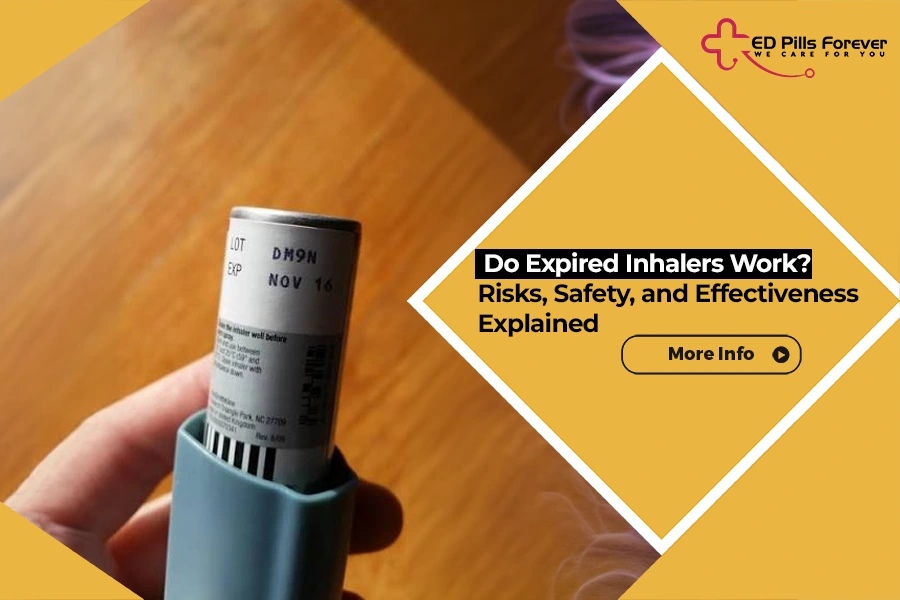
Check the printed date on the canister, which will look like EXP, EXP DATE, or something similar. Sometimes it’s stamped near the bottom and sometimes on the box. You can also look at the batch or lot number if the date’s unreadable; pharmacies can sometimes look it up.
If it’s genuinely unclear, treat it like it’s expired. That’s the safer default, especially with something as important as asthma or COPD medication, and honestly a much simpler rule than trying to eyeball whether expired inhalers work well enough in your specific case.
Direct harm from an old inhaler is rare, but not impossible if there’s been contamination or serious degradation. The bigger and more common risk stays the same though, it doesn’t work as well when you need it to.
Bottom Line
So, do expired inhalers work? After the expiration date, their efficacy and performance are no longer guaranteed, even though they might still contain some active medication. Replacing expired inhalers, storing current ones in accordance with their labeling, and keeping a usable rescue inhaler on hand if one has been prescribed are the safest practices.
Make sure that you keep checking your medical cabinet regularly since it’s always better to be updated rather than waiting for the last minute and finding out that the inhaler is outdated. A two-minute regular check of your inhaler can save you a lot of trouble later.
FAQs