
Picture a veteran sitting in a healthcare provider’s office, trying to explain something that is already difficult to talk about at home. They’re not able to achieve erections the way they used to. Maybe it started after an injury. Maybe it appeared after starting medication for PTSD, depression, blood pressure, or another service-connected condition. Or perhaps the problem developed gradually and was never documented while on active duty.
Then comes the question: How do you prove erectile dysfunction for VA disability?
The good news is that you generally don’t need to produce a single test that “proves” ED. The VA looks at the medical evidence and the circumstances surrounding your condition, including whether the erectile dysfunction is connected to military service or to another service-connected disability. A C&P examination may also be used when the VA needs additional information.
Understanding the process and how you can win an erectile dysfunction claim can make the process much less daunting. That is what we aim to discuss and shed light on today.
What does VA Disability mean for ED?
A 0% rating does not mean the VA is saying the condition doesn’t exist. It means the condition is recognized as service-connected but is noncompensable under that particular rating schedule.
When veterans look up VA disability, they may be entering with the assumption that erectile dysfunction, also known as ED, may receive its own substantial percentage rating, but this is where it may get a little complicated.
Under the current framework, ED without a specific type of penile deformity is evaluated at 0%. That comes under the Diagnostic Code 7522. This changed back in November 2021, before that, there was a chance at a 20% rating if there was also a physical deformity involved, but now it’s mostly a flat 0% across the board unless a deformity is documented too.
Zero percent doesn’t add to your combined VA disability number. It won’t move your overall rating up or down really. But it still matters because it triggers Special Monthly Compensation, specifically the kind labeled for loss of use of a creative organ. That’s the VA’s actual clinical language for it, not something made up for this article.
SMC-K pays extra on top of everything else, roughly $139.87 a month as of the current rate, and it doesn’t care what your combined VA disability percentage already is. Could be 10%, could be 100%. Doesn’t matter. It stacks on top, tax-free, as long as the condition is documented and connected.
Best Seller

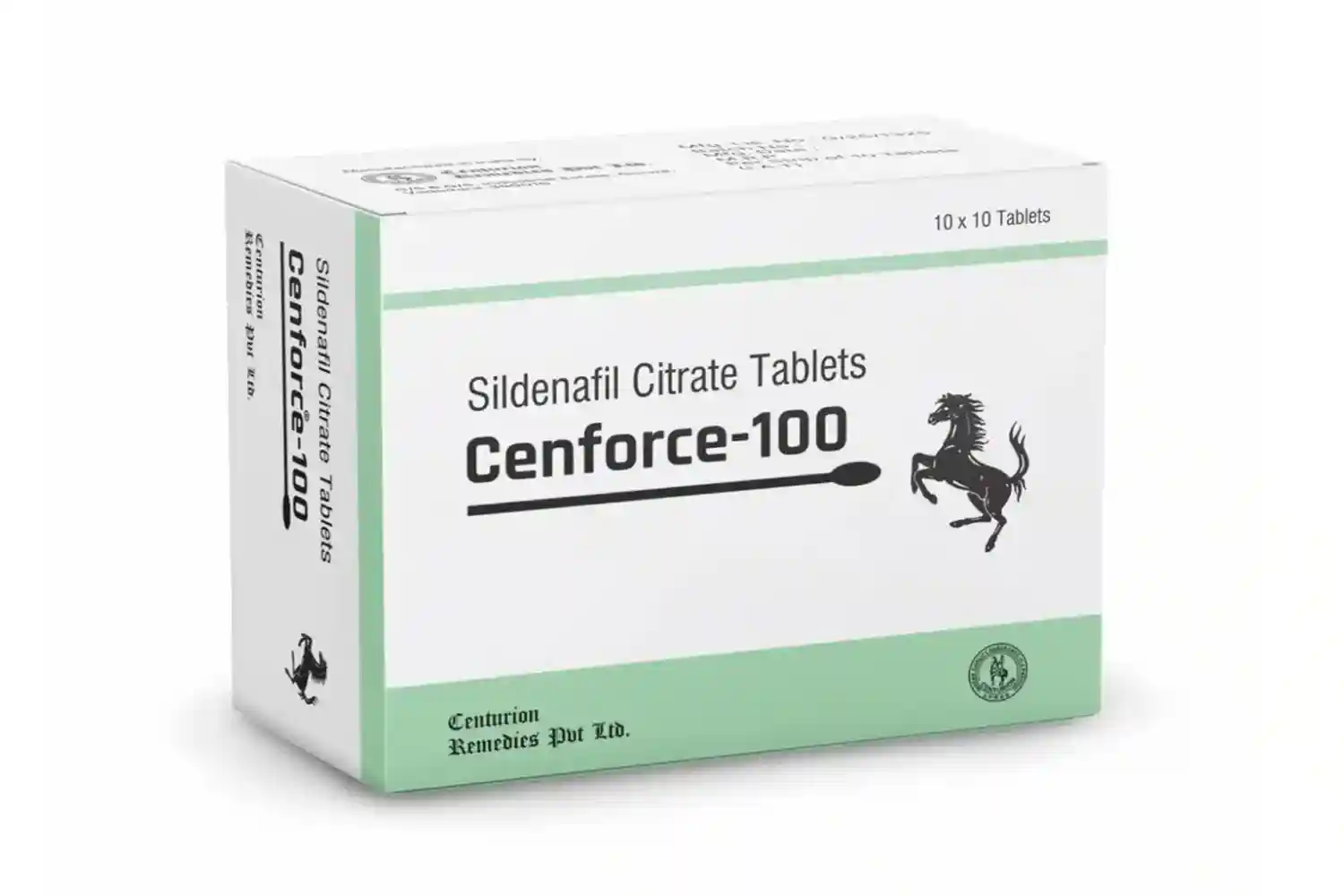
Cenforce 100 Mg
Cenforce$24.00 – $215.00Price range: $24.00 through $215.00Rated 5.00 out of 5Shop Now This product has multiple variants. The options may be chosen on the product page
Cenforce 120 Mg
Cenforce$24.00 – $299.00Price range: $24.00 through $299.00Rated 4.00 out of 5Shop Now This product has multiple variants. The options may be chosen on the product pageCenforce 150 Mg
Cenforce$37.00 – $279.00Price range: $37.00 through $279.00Rated 4.00 out of 5Shop Now This product has multiple variants. The options may be chosen on the product page
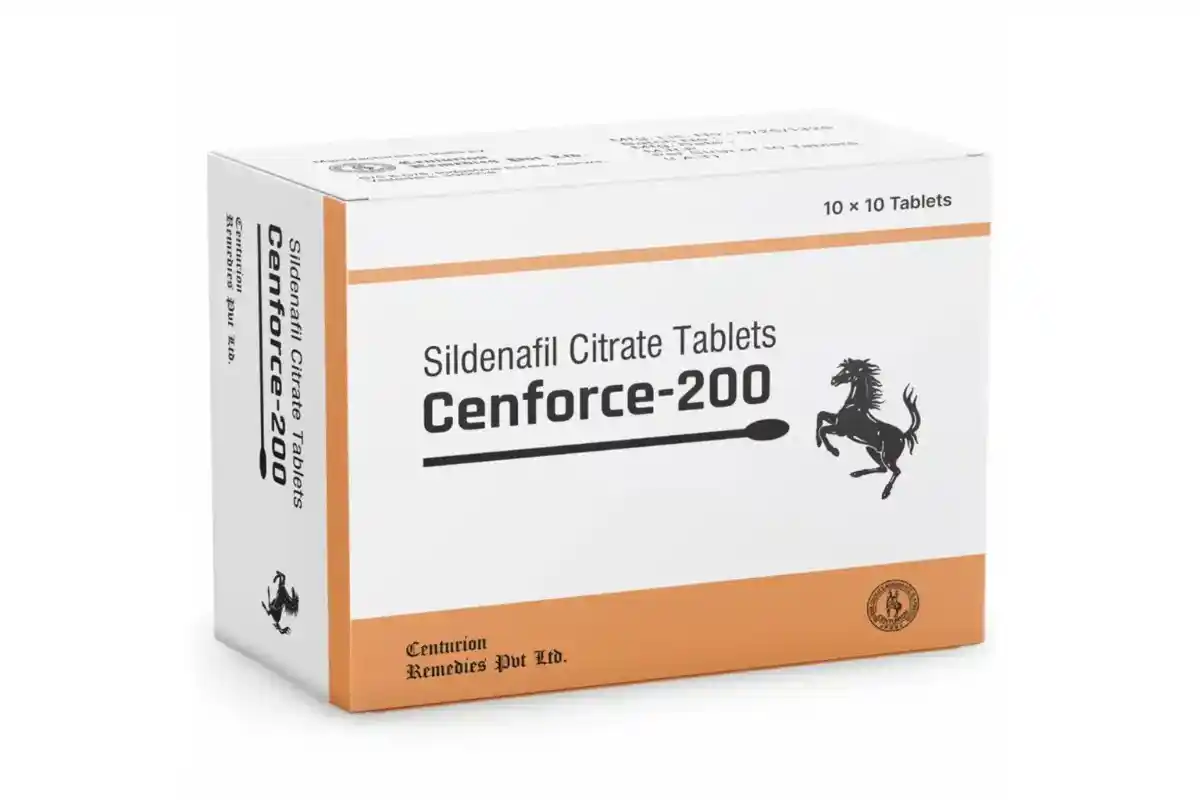
Cenforce 200 Mg
best sellers$31.00 – $335.00Price range: $31.00 through $335.00Rated 4.50 out of 5Shop Now This product has multiple variants. The options may be chosen on the product pageCenforce 25 Mg
Cenforce$24.00 – $259.00Price range: $24.00 through $259.00Rated 4.00 out of 5Shop Now This product has multiple variants. The options may be chosen on the product pageCenforce 50 Mg
Cenforce$21.00 – $180.00Price range: $21.00 through $180.00Rated 4.00 out of 5Shop Now This product has multiple variants. The options may be chosen on the product pageCenforce D 100+60 Mg
Cenforce$41.00 – $412.00Price range: $41.00 through $412.00Rated 5.00 out of 5Shop Now This product has multiple variants. The options may be chosen on the product pageCenforce Professional
Cenforce$24.00 – $243.00Price range: $24.00 through $243.00Rated 4.00 out of 5Shop Now This product has multiple variants. The options may be chosen on the product pageCenforce Soft 100 Mg
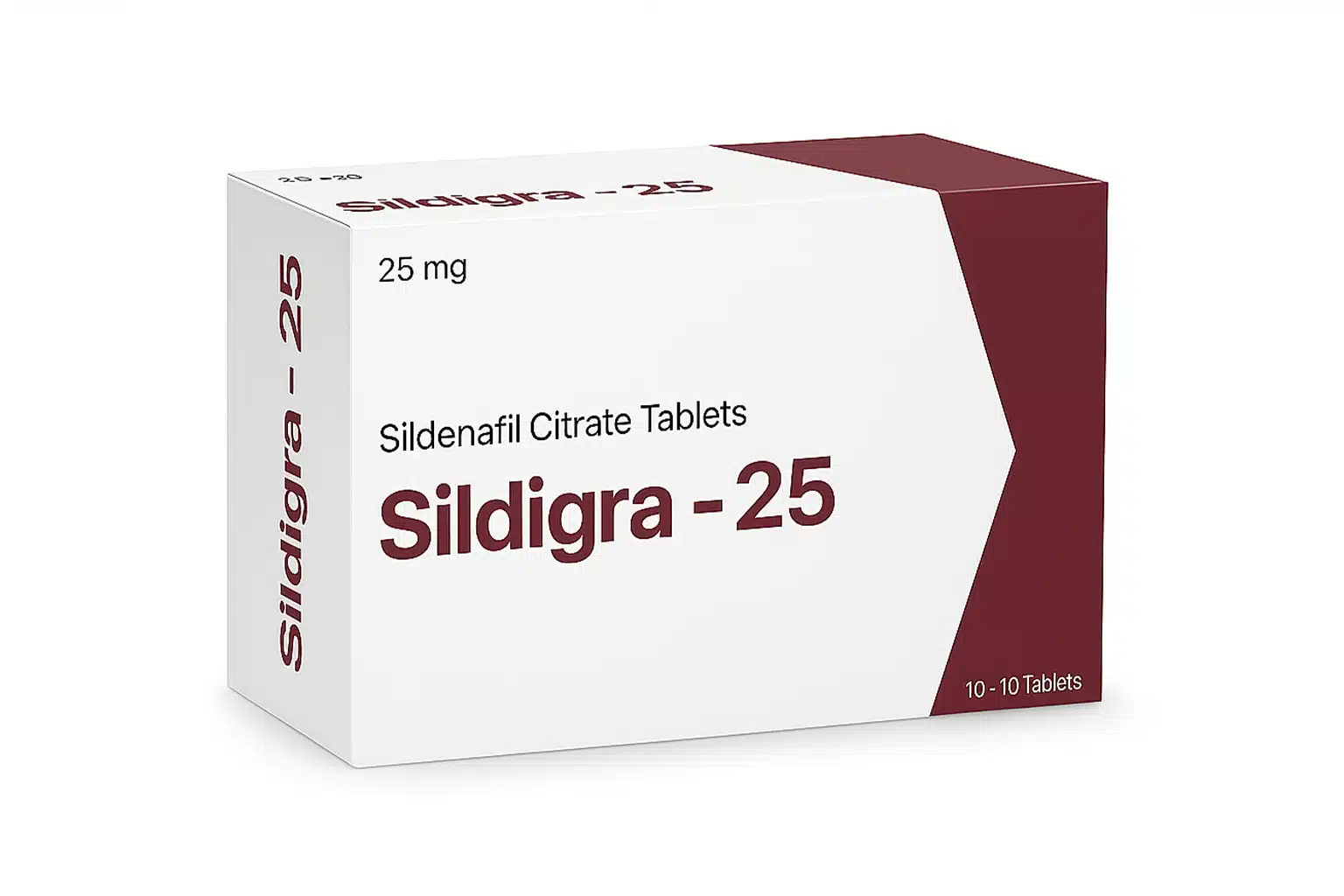
Cenforce$24.00 – $219.00Price range: $24.00 through $219.00Rated 5.00 out of 5Shop Now This product has multiple variants. The options may be chosen on the product pageSildigra 25 Mg
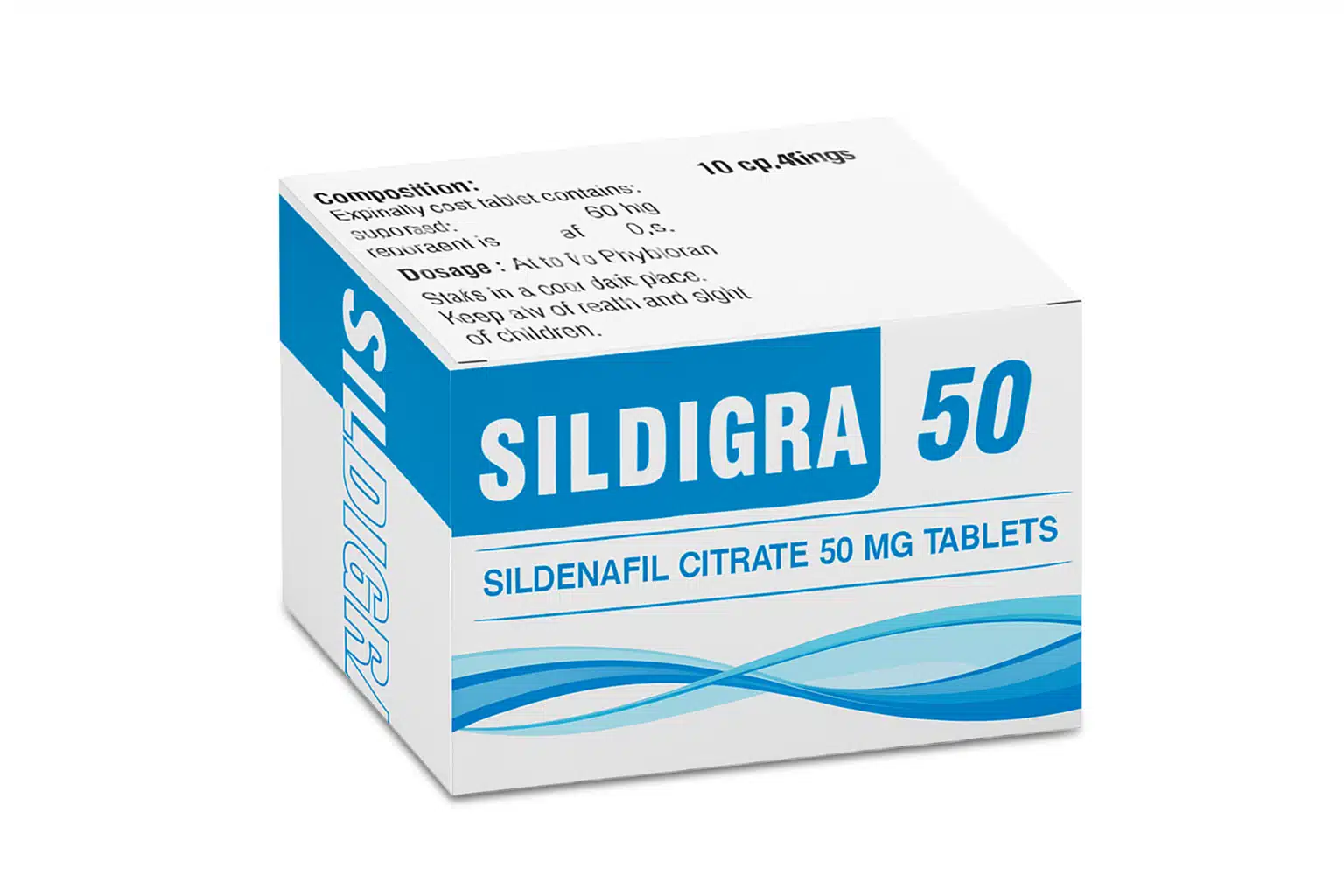
Sildenafil$19.00 – $195.00Price range: $19.00 through $195.00Rated 4.00 out of 5Shop Now This product has multiple variants. The options may be chosen on the product pageSildigra 50 Mg
Sildenafil$24.00 – $135.00Price range: $24.00 through $135.00Rated 4.00 out of 5Shop Now This product has multiple variants. The options may be chosen on the product pageSildigra 100 Mg
Sildenafil$20.00 – $330.00Price range: $20.00 through $330.00Rated 4.00 out of 5Shop Now This product has multiple variants. The options may be chosen on the product pageSildigra 120mg
Sildenafil$24.00 – $165.00Price range: $24.00 through $165.00Rated 4.00 out of 5Shop Now This product has multiple variants. The options may be chosen on the product pageSildigra Soft Chewable 100 Mg
Sildenafil$78.00 – $261.00Price range: $78.00 through $261.00Rated 4.00 out of 5Shop Now This product has multiple variants. The options may be chosen on the product pageSildigra XL Plus 150 Mg Online
Sildenafil$70.00 – $234.00Price range: $70.00 through $234.00Rated 4.00 out of 5Shop Now This product has multiple variants. The options may be chosen on the product pageSildigra Gold 200mg
Sildenafil$43.00 – $435.00Price range: $43.00 through $435.00Rated 4.00 out of 5Shop Now This product has multiple variants. The options may be chosen on the product pageSildigra 250 Mg Tablets
Sildenafil$37.00 – $370.00Price range: $37.00 through $370.00Rated 4.00 out of 5Shop Now This product has multiple variants. The options may be chosen on the product pageSuhagra 25mg
Sildenafil$35.00 – $141.00Price range: $35.00 through $141.00Rated 4.00 out of 5Shop Now This product has multiple variants. The options may be chosen on the product pageSuhagra 50 mg
New arrivals$36.00 – $144.00Price range: $36.00 through $144.00Rated 4.00 out of 5Shop Now This product has multiple variants. The options may be chosen on the product page- Exclusive
Suhagra 100mg
Exclusive Products$43.00 – $173.00Price range: $43.00 through $173.00Rated 4.00 out of 5Shop Now This product has multiple variants. The options may be chosen on the product page





What Evidence Does the VA Need for an ED Claim?
This is where most claims fall apart honestly. People assume just saying “I have ED” is enough. It’s not, and this is the part nobody explains well.
The VA wants VA medical evidence for ED that’s actually documented, a diagnosis from a healthcare provider, ideally a urologist or at least a primary care note that specifically names erectile dysfunction, not just a vague mention buried in a chart from three years ago. Prescription history helps a lot too. If a veteran’s been prescribed something like Cenforce 120 mg, which contains sildenafil citrate and is used to treat erectile dysfunction by helping blood flow to the area work the way it should when a man is stimulated, that prescription record becomes part of the paper trail. It’s not proof by itself, but it’s supporting evidence that a real medical provider looked at the issue and treated it, which matters more than people think.
Healthcare providers sometimes also want to rule out other causes first, which is normal, and that back and forth with a physician actually strengthens the file even if it feels like a delay at the time. It also builds a stronger record for the VA disability file overall, which helps down the line if anything else gets appealed.
For veterans dealing with service-connected erectile dysfunction specifically, meaning it’s tied directly to something that happened or started during their time in service, that connection needs to show up somewhere in writing, not just be assumed because it makes sense timeline-wise.
What Happens During a VA C&P Exam for Erectile Dysfunction?
If the claim gets that far, there’s usually a VA C&P exam for erectile dysfunction scheduled. This is the compensation and pension exam, and honestly, a lot of veterans dread it more than they need to but also don’t take it seriously enough at the same time.
During this exam, a VA-contracted examiner will ask direct questions, sometimes uncomfortably direct, about how often the issue happens, when it started, and whether it’s connected to a medication or a mental health condition or something physical. Be honest here. Downplaying symptoms to seem tough, or exaggerating to seem worse, both backfire. The examiner writes a report, and that report carries a lot of weight in the final decision.
Can ED Be a Secondary VA Condition?
There are two paths really when it comes to this part of a VA disability case. A direct VA claim for erectile dysfunction means the condition itself started in service, maybe from an injury, and there’s a straight line from military service to the ED diagnosis.
The more common path, though, is filing ED as a VA secondary condition. This means it’s connected to something else that’s already service connected, PTSD is a huge one, so is diabetes, so are the side effects of medications used for depression or blood pressure. If a veteran already has service connection for PTSD and started developing ED after being on medication for it, that’s a nexus. The medical opinion needs to tie those two things together clearly.
This is honestly where most successful claims come from. Not the direct route. The secondary route.
What Is VA Medical Evidence for ED?
VA medical evidence for ED can come from several sources, and it doesn’t have to be limited to a single specialist visit.
Your VA health record may already contain relevant information. If you have discussed erectile problems with a primary care provider, urologist, mental health professional, or another clinician, those records may help establish the history of the condition.
Private medical records can also be submitted. If relevant records are held outside the federal system, the VA explains that Veterans may need to provide information that allows those records to be obtained or submit the records themselves.
A strong record generally tells a consistent story: when the problem began, how it has progressed, what conditions or medications may be involved, what treatment has been tried, and how the condition affects sexual function.
That consistency can matter more than simply having a large stack of unrelated documents.
The Paperwork Needed for VA Claim
For how to file a VA claim for ED, it generally comes down to filling out VA Form 21-526EZ, listing ED as a new condition (or as secondary to an existing one), and attaching whatever medical records exist. A buddy statement from a spouse or partner describing the impact sometimes helps too, though it’s not required.
The nexus letter is the piece people skip and shouldn’t. A private healthcare provider writing a short letter connecting the dots between, say, a service-connected back injury or PTSD diagnosis and erectile dysfunction, that letter can be the difference between an approval and a denial. VA erectile dysfunction claim evidence isn’t just about proving that the ED exists. It’s more mso about proving the connection.
Bottom Line
VA disability claims involving ED are more common than people assume, and the process, while annoying, isn’t as mysterious once someone’s been through it once. Get the diagnosis on paper, connect it to whatever service-connected condition caused it, be straightforward during the exam, and don’t assume a 0% number means nothing came of it. It usually means the opposite.
Plenty of veterans end up adding a decent chunk to their overall monthly pay just from getting SMC-K approved alongside everything else already on file, and that’s before even counting the backpay that sometimes comes with an approved claim.
FAQ's
1. Does a 0% ED rating mean I get no money?
Not exactly, SMC-K usually adds extra monthly pay even at 0%.
2. Can ED be claimed on its own, or does it need another condition?
It can be direct, but most claims connect it to PTSD, diabetes, or medication side effects.
3. Do I need a urologist to file?
Not required, but a specific diagnosis from any healthcare provider helps a lot.
4. What happens at the C&P exam?
An examiner asks about symptoms, timing, and causes, then writes a report for the decision.
5. Is medication like Cenforce 120 mg proof enough on its own?
No, but a prescription record adds weight when paired with a diagnosis and nexus opinion.

Dr. Lucifier is a men’s health specialist with over 12 years of experience in sexual wellness and ED treatment. He holds an MBBS, MD in Internal Medicine, and DM in Urology, and focuses on safe, personalized care using proven therapies like Sildenafil and Tadalafil.