
Hair loss used to be one of those things people just quietly accepted. A receding hairline, thinning at the crown, and more scalp showing under bright bathroom lights. You noticed it, maybe tried a different haircut, then tried not to think about it.
That has changed quite a bit.
A hair transplant is no longer something people only associate with obvious, unnatural-looking results from decades ago. The conversation is more open now. People compare clinics, watch recovery videos, look at before-and-after photos, and ask practical questions instead of treating it like some secret.
Still, it is surgery. It costs money. It takes patience. And the result is not always the thick teenage hairline people picture in their heads.
So, is a hair transplant actually worth it? For the right person, at the right time, with realistic expectations, it can be. But it is not automatically the best answer for every kind of hair loss.
Why Hair Transplants Are Trending Again
Part of the reason is simple: people can see the process now.
There are patient videos everywhere. People talk about swollen foreheads, sleeping upright for a few nights, the weird shedding phase, and then the slow wait for growth. It feels less mysterious than it did before.
Modern methods such as an FUE hair transplant can avoid the long linear scar associated with older strip procedures. That does not mean there are no scars at all. It just means they are usually smaller and less noticeable, especially when the work is done carefully.
There is also a shift in how people think about appearance. Looking after your hair is no longer seen as vain in the same way. It sits alongside skincare, fitness, dental work, and grooming. For many people, it is just another confidence decision.
The demand for hair transplants for men remains high, especially for male-pattern baldness and receding temples. But interest in hair transplants for women has grown too, particularly for hairline lowering, traction-related loss and carefully selected cases of stable thinning.
That said, not everyone with hair shedding is a suitable candidate. If the loss is active, sudden, or caused by a medical issue, jumping straight into surgery can be a bad call.
A good hair transplant works best when it is part of a longer plan, not a panic purchase after spotting a few extra hairs in the shower.
Best Seller

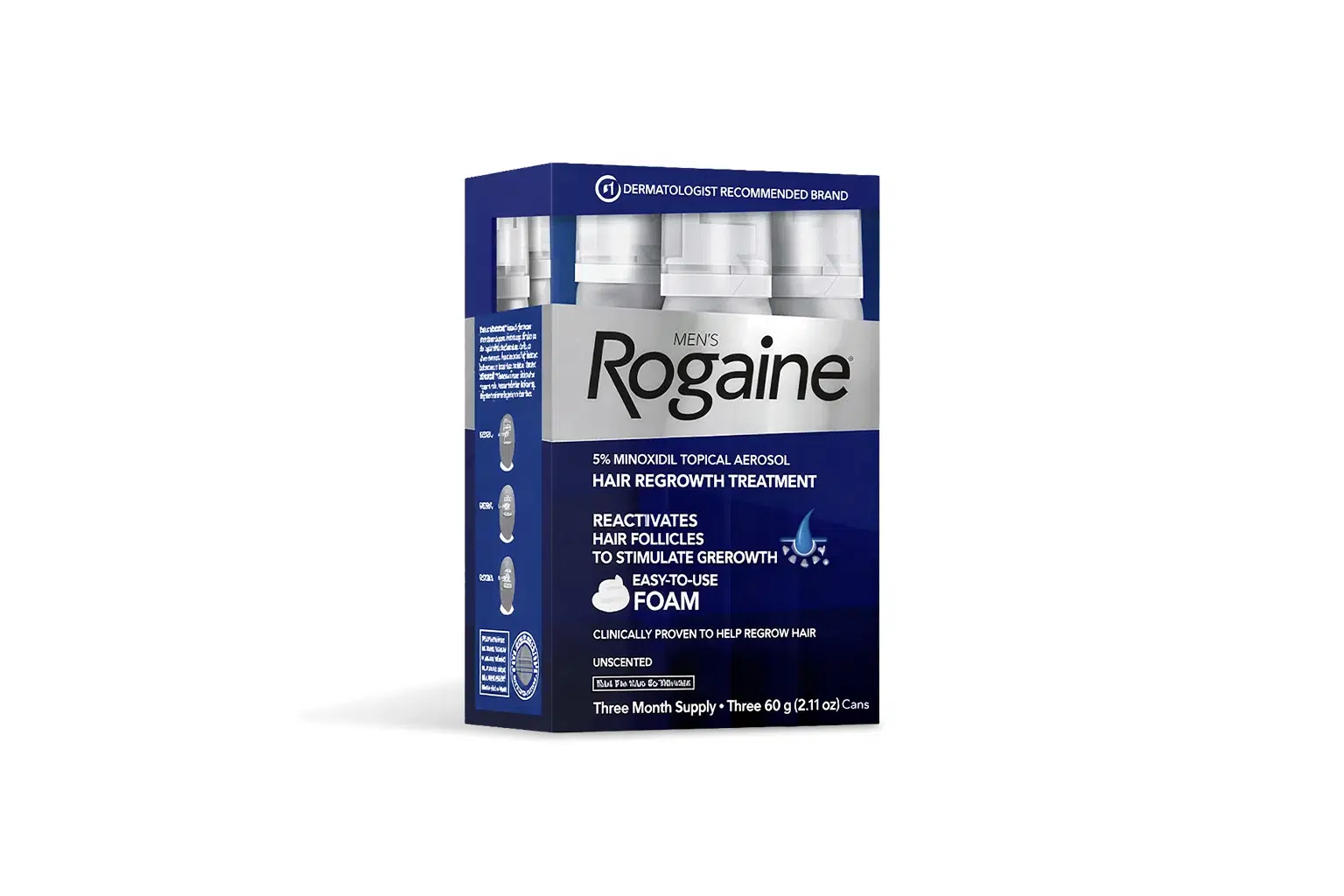
Rogaine Men’s 5% Minoxidil Foam for Hair Regrowth (Male)
Hair Care$30.00 – $50.00Price range: $30.00 through $50.00Rated 5.00 out of 5Shop Now This product has multiple variants. The options may be chosen on the product pageRogaine Women’s 5% Minoxidil Foam for Hair Regrowth (Female)
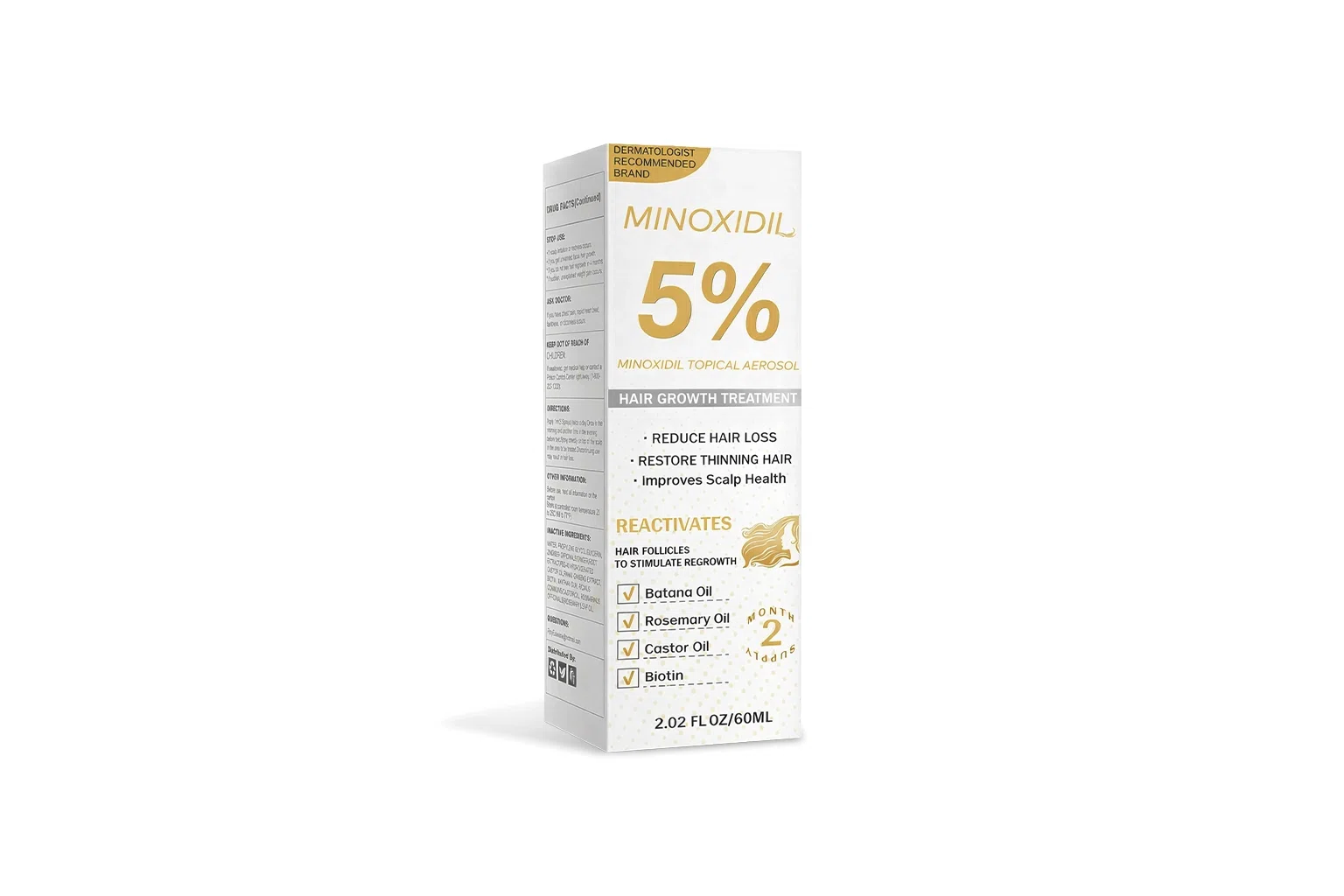
Hair Care$30.00 – $57.00Price range: $30.00 through $57.00Rated 4.50 out of 5Shop Now This product has multiple variants. The options may be chosen on the product pageMinoxidil for Men and Women, Hair Growth Biotin Serum
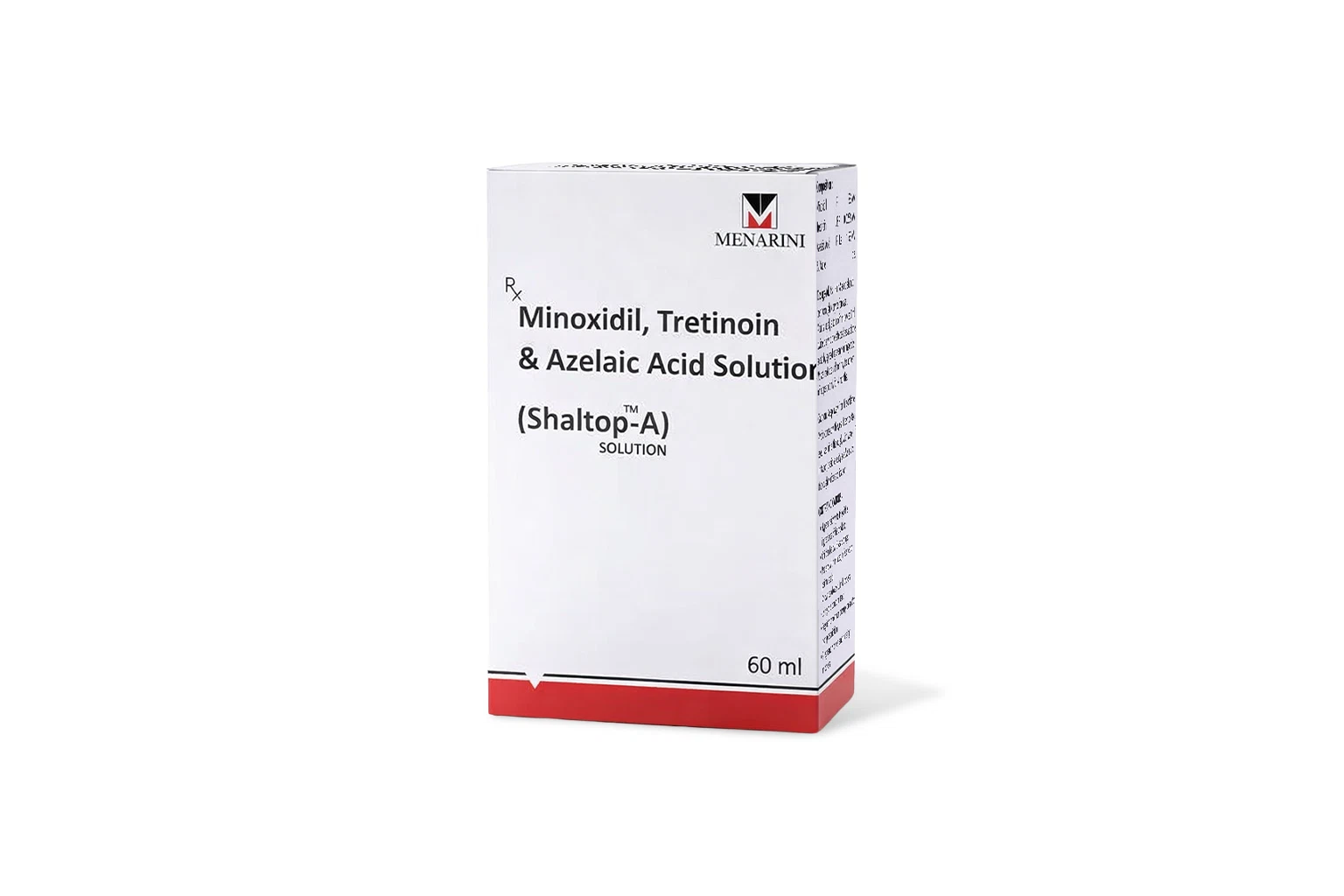
Hair Care$12.00Rated 4.00 out of 5Shop Now This product has multiple variants. The options may be chosen on the product pageShaltop A Solution 60 ml
Hair Care$13.00 – $39.00Price range: $13.00 through $39.00Rated 5.00 out of 5Shop Now This product has multiple variants. The options may be chosen on the product pageMX 10 Topical Solution Minoxidil
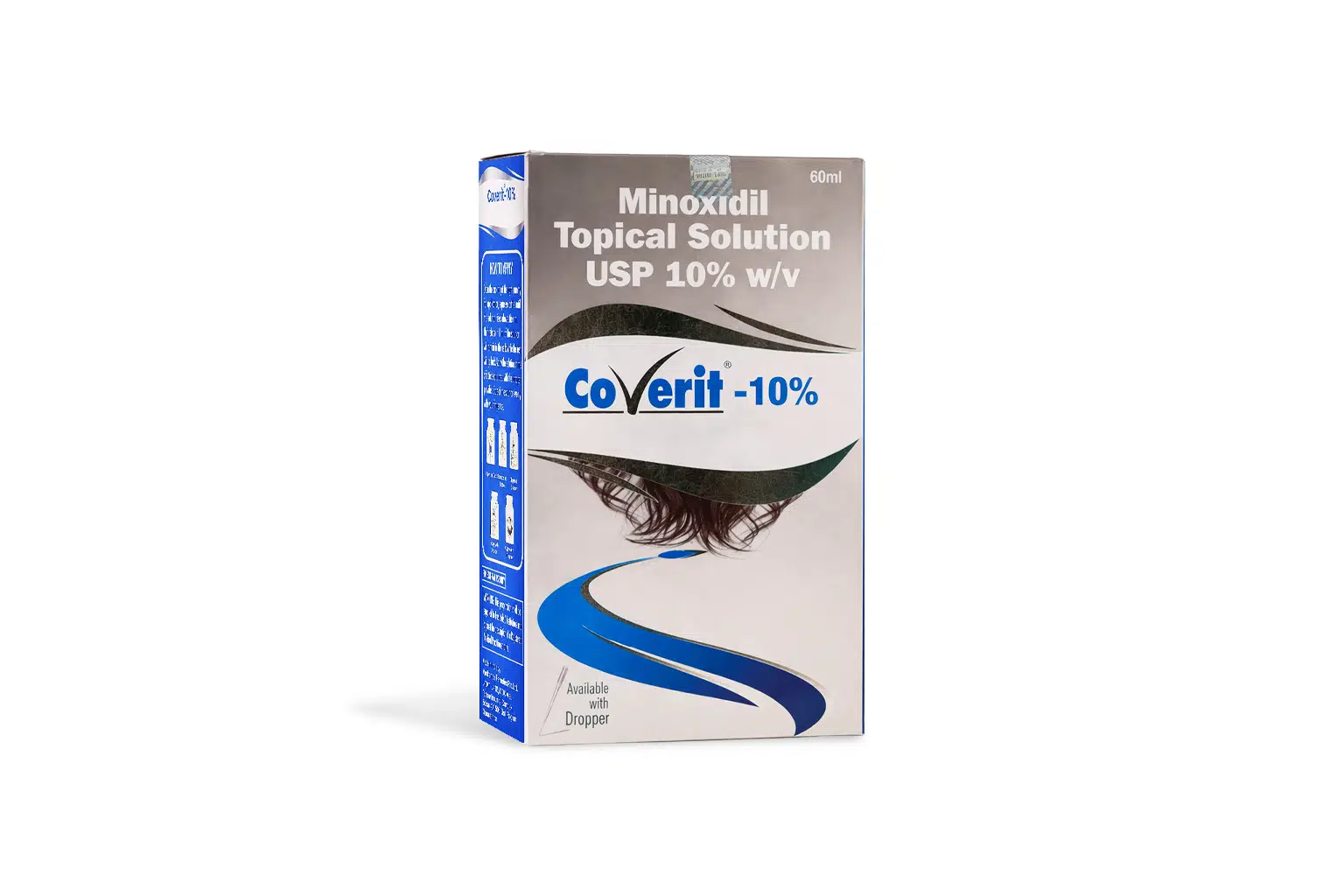
Hair Care$50.00 – $140.00Price range: $50.00 through $140.00Rated 4.00 out of 5Shop Now This product has multiple variants. The options may be chosen on the product pageCoverit 10% Solution
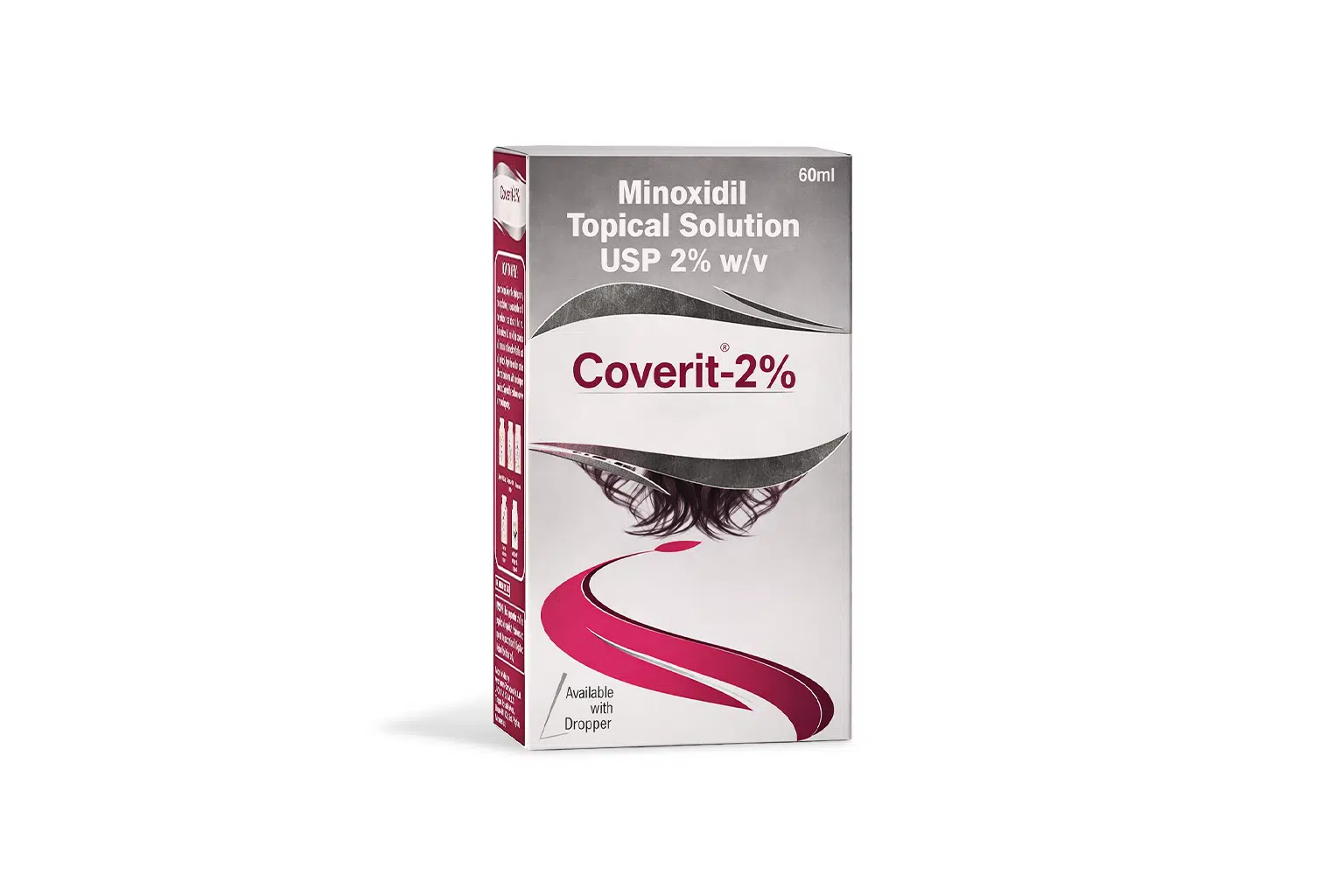
Hair Care$43.00 – $119.00Price range: $43.00 through $119.00Rated 5.00 out of 5Shop Now This product has multiple variants. The options may be chosen on the product pageCoverit 2% 60ml
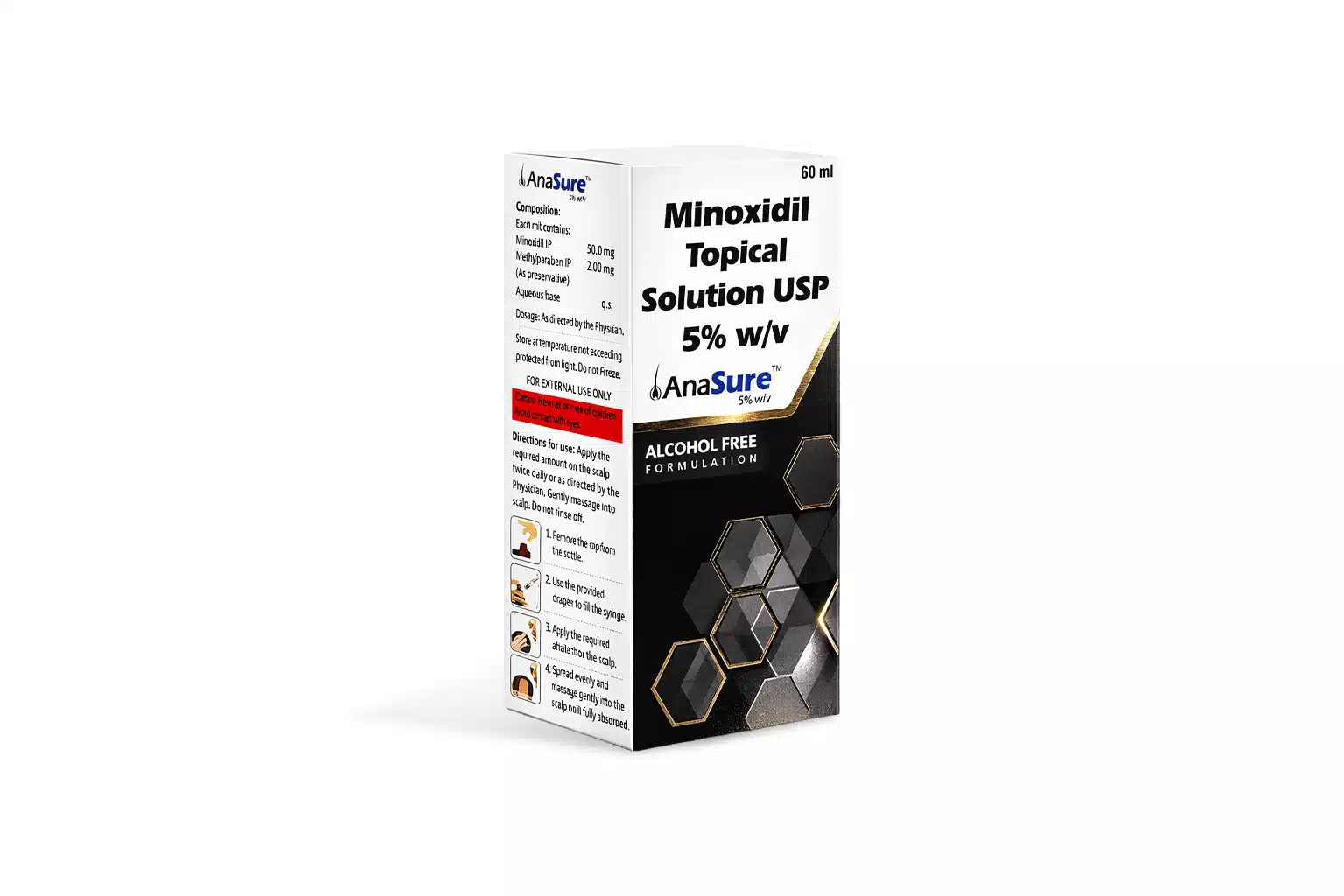
Hair Care$10.00 – $57.00Price range: $10.00 through $57.00Rated 5.00 out of 5Shop Now This product has multiple variants. The options may be chosen on the product pageAnasure 5% Solution 60 ml
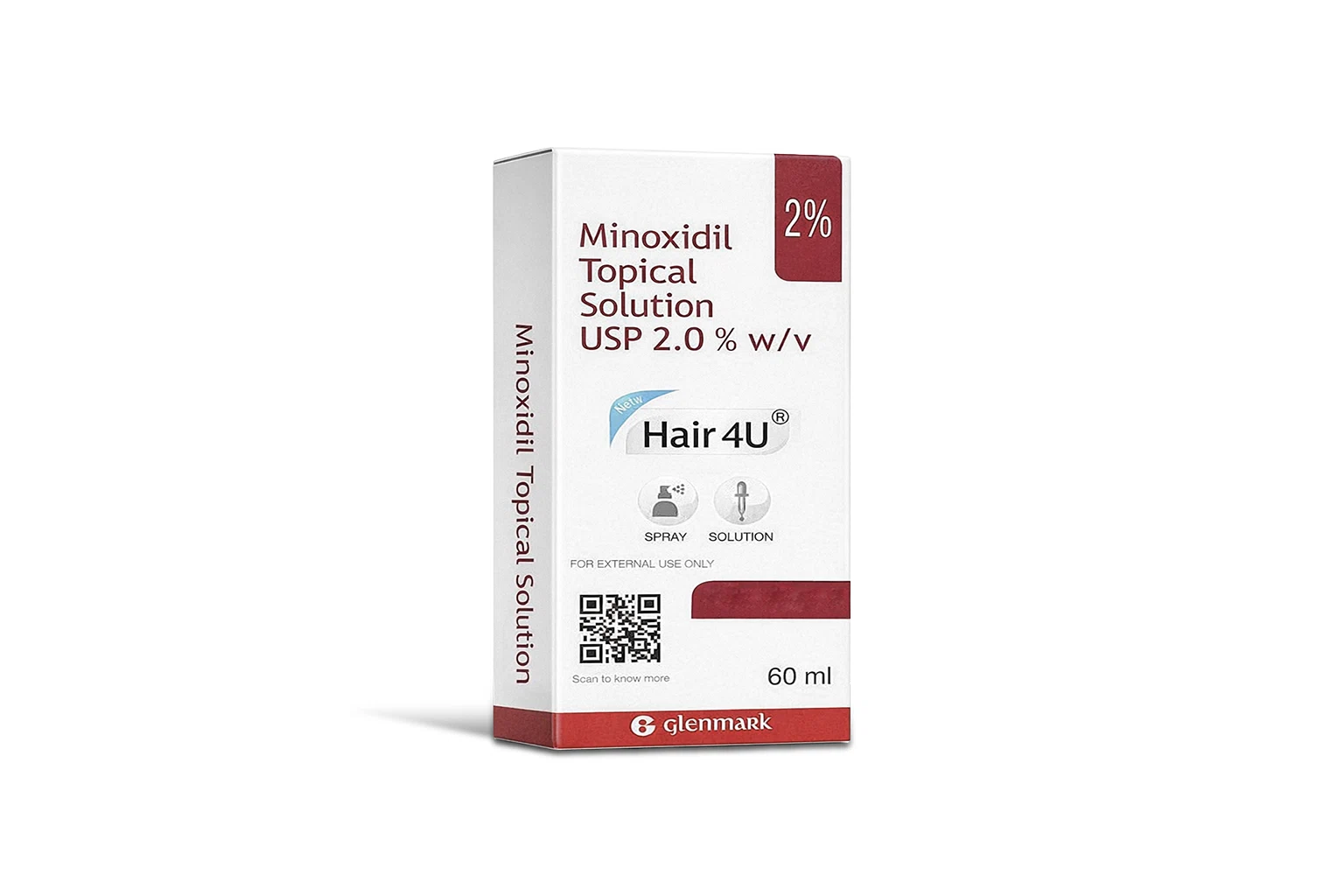
Hair Care$48.00 – $132.00Price range: $48.00 through $132.00Rated 5.00 out of 5Shop Now This product has multiple variants. The options may be chosen on the product pageNew Hair 4U 2% Solution
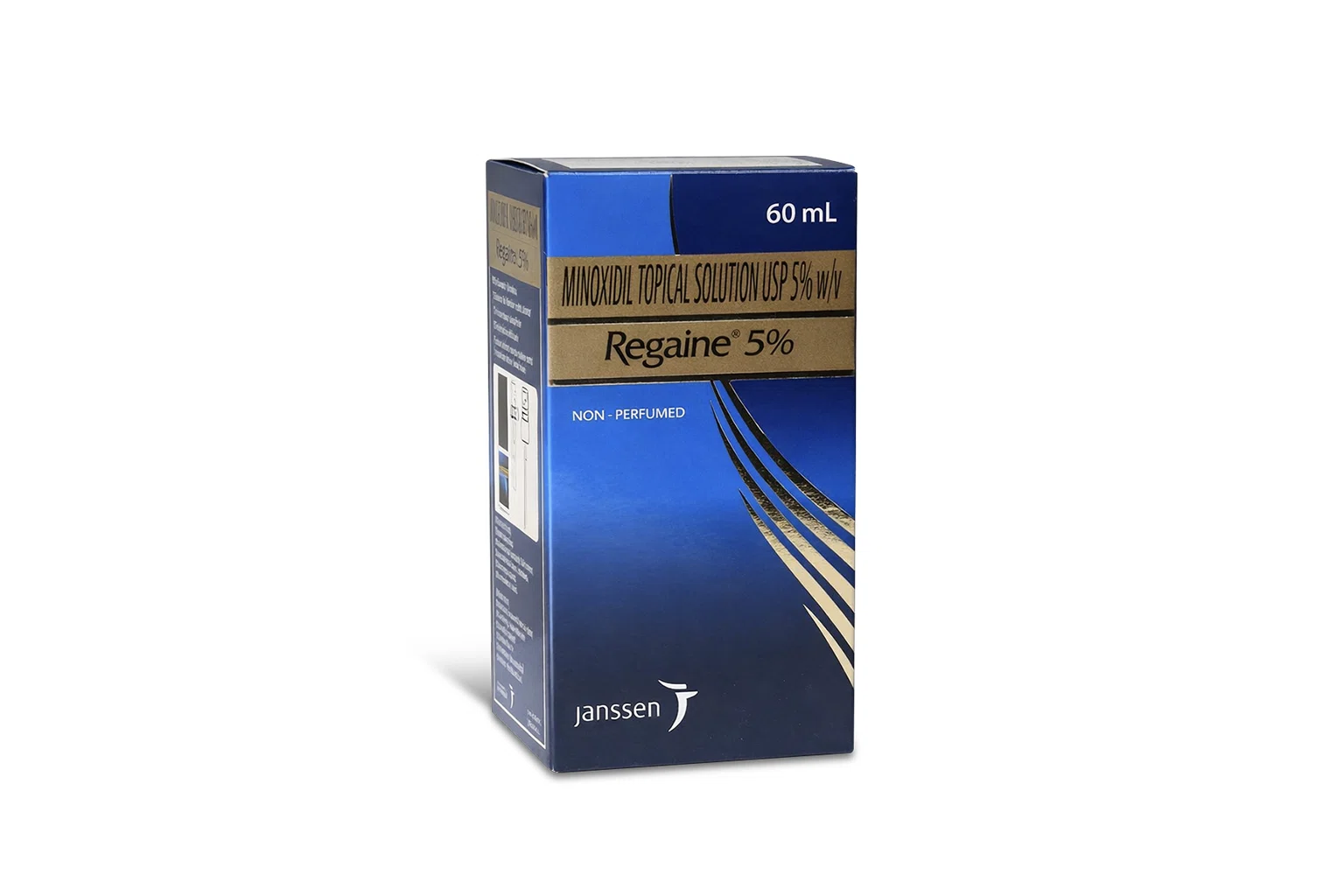
Hair Care$20.00 – $54.00Price range: $20.00 through $54.00Rated 4.00 out of 5Shop Now This product has multiple variants. The options may be chosen on the product pageRegaine 5% Solution 60 ml
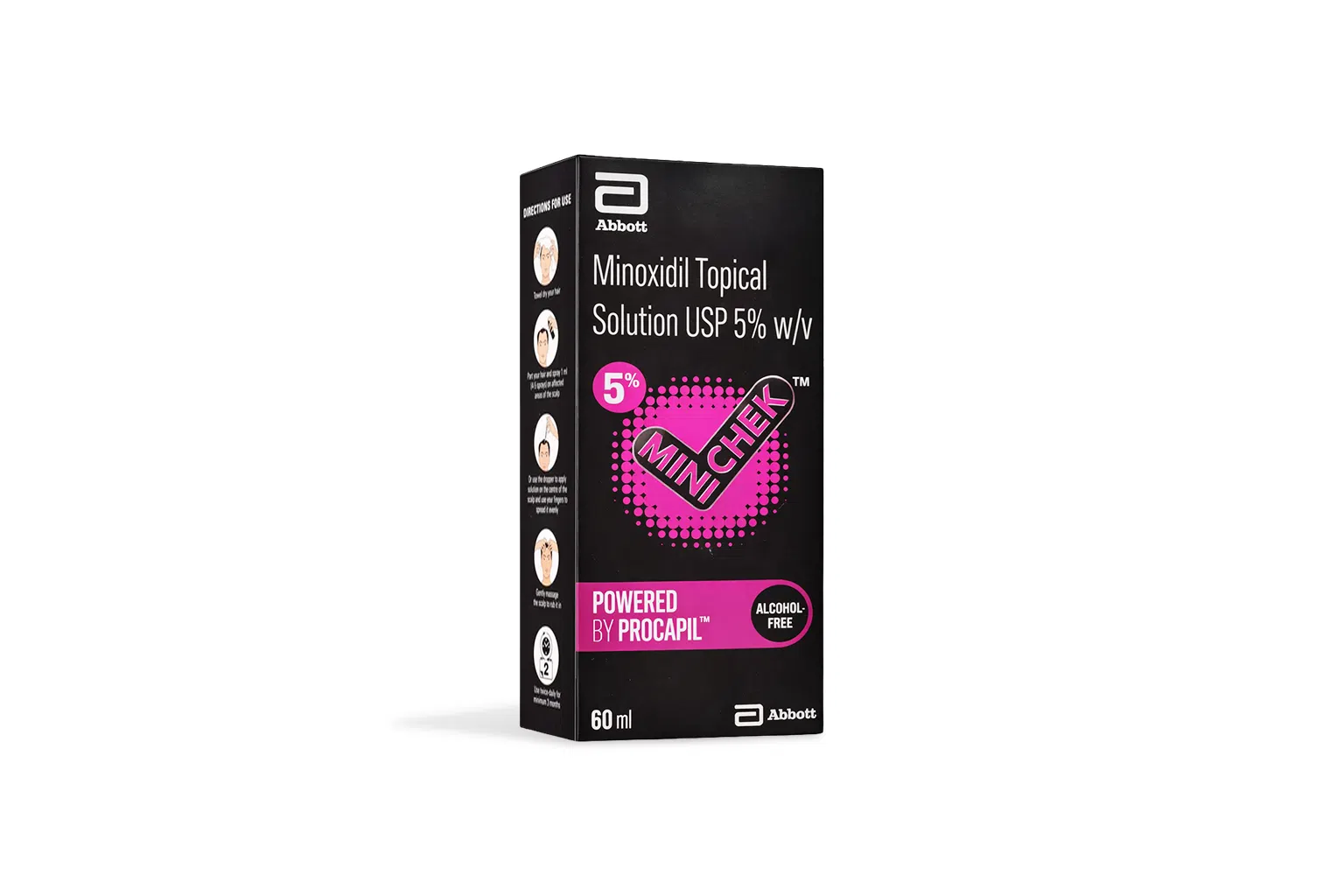
Hair Care$61.00 – $169.00Price range: $61.00 through $169.00Rated 4.00 out of 5Shop Now This product has multiple variants. The options may be chosen on the product pageMinichek 5% Solution 60 ml
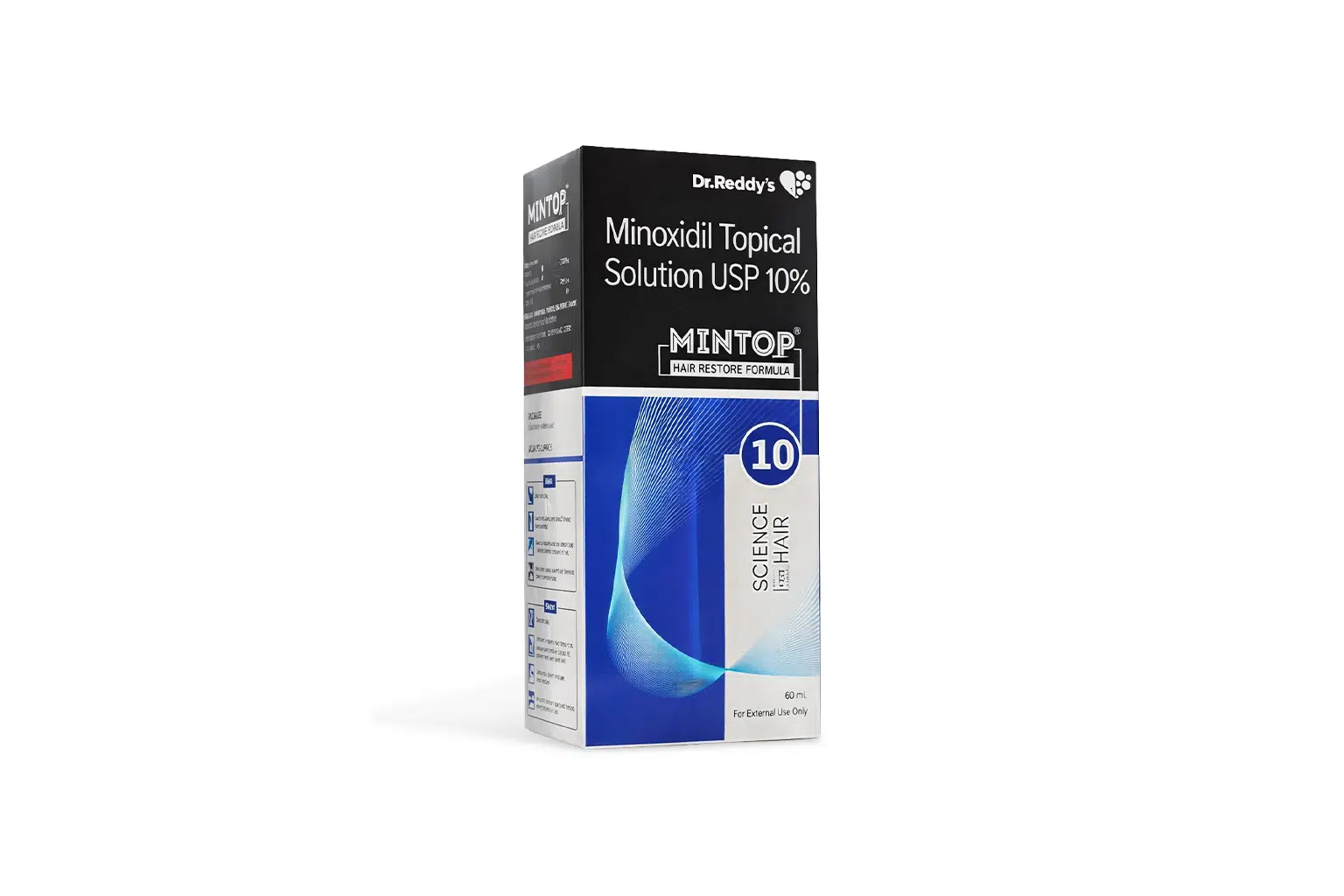
Hair Care$46.00 – $126.00Price range: $46.00 through $126.00Rated 5.00 out of 5Shop Now This product has multiple variants. The options may be chosen on the product pageMintop 10 Hair Restore Formula
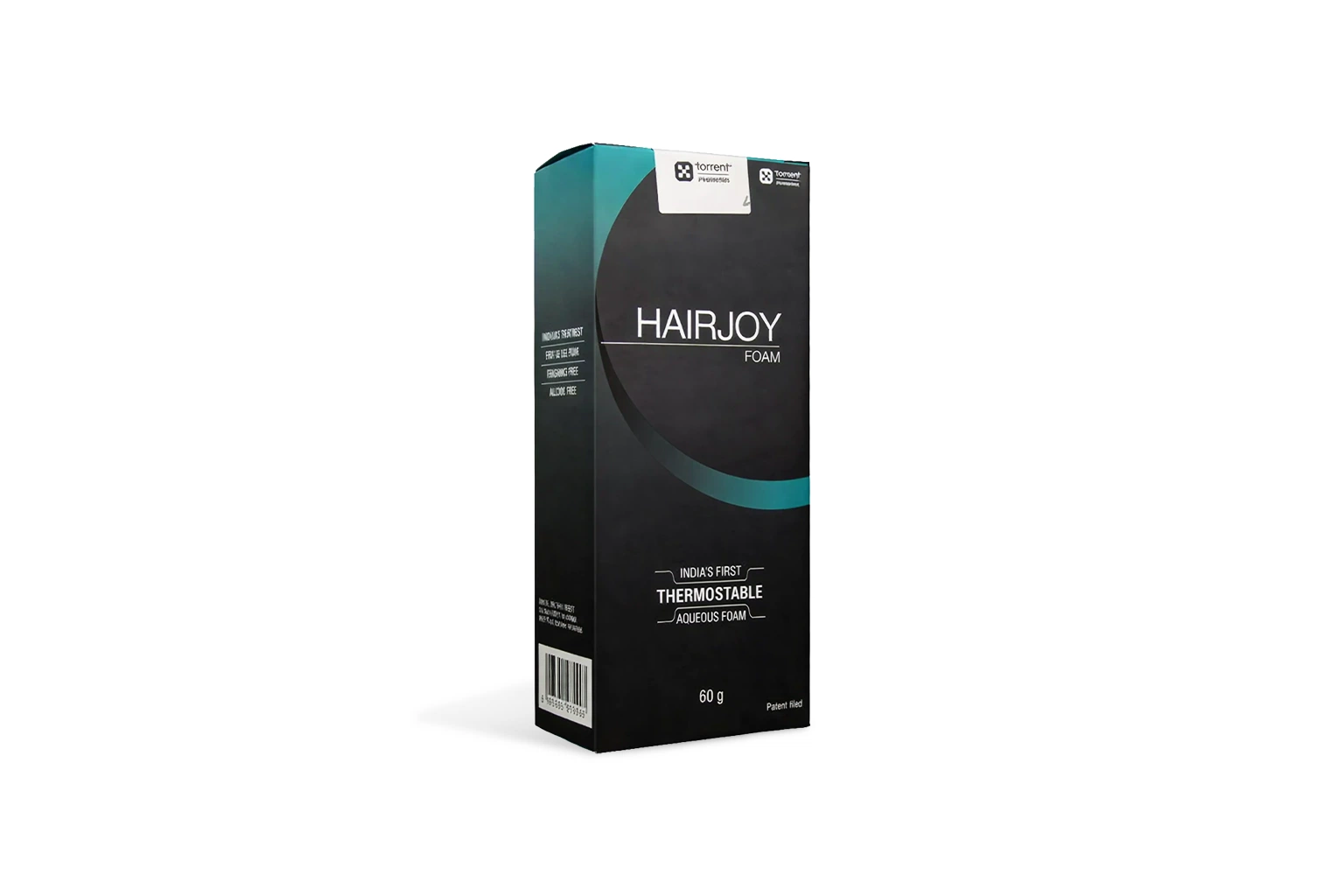
Hair Care$22.00 – $62.00Price range: $22.00 through $62.00Rated 5.00 out of 5Shop Now This product has multiple variants. The options may be chosen on the product pageHairjoy Foam
Hair Care$35.00 – $93.00Price range: $35.00 through $93.00Rated 4.00 out of 5Shop Now This product has multiple variants. The options may be chosen on the product pageTugain 2% Solution
Hair Care$65.00 – $190.00Price range: $65.00 through $190.00Rated 4.00 out of 5Shop Now This product has multiple variants. The options may be chosen on the product page



Celebrity Hair Transplants: Why More Public Figures Are Talking About Hair Restoration
The whole idea of a celebrity hair transplant has helped make the topic more normal. Public figures are photographed constantly, often under unforgiving lighting, so hair changes become noticeable fast.
John Cena is probably one of the clearest recent examples. Discussion around the John Cena hair transplant became widespread after he spoke openly about being teased for thinning hair and later deciding to address it. That openness matters more than people might think.
It makes the decision feel less embarrassing.
Of course, celebrities have access to top surgeons, flexible schedules, trainers, stylists, and sometimes a very generous budget. Their results should not be treated as a promise. Photos can be edited. Lighting can hide density issues. Some people may also use medications, hair fibers, PRP, or styling tricks alongside surgery.
But the bigger point is that hair restoration has moved into normal conversation. People do not always want to look younger. Sometimes they just want to look more like themselves again.
Hair Transplant vs. Non-Surgical Treatments (Minoxidil, Finasteride & PRP)
Surgery is not the only route, and honestly, it should not always be the first one.
The choice between Minoxidil vs hair transplant depends a lot on where you are in the hair-loss process. Minoxidil may help slow shedding or support thicker-looking growth in some people, especially when started early. It needs consistency, though. Stop using it and the benefit can fade.
The discussion around Finasteride vs. hair transplant is similar, but more complicated. Finasteride may help many men with pattern hair loss by lowering DHT activity. Some people do very well with it. Others are concerned about possible side effects and prefer not to use it. That is a decision to discuss with a qualified clinician, not social media comments.
Then there is PRP hair treatment, where platelet-rich plasma is injected into the scalp. Some patients see improvement in hair quality or shedding, while others see little change. It can be useful as a supportive option, but it is not a guaranteed replacement for surgery.
A non-surgical hair loss treatment can be the better answer when hair loss is early, diffuse, temporary, or linked to stress, illness, hormones, nutrition or scalp inflammation.
A hair transplant does something different. It redistributes follicles from a donor area, usually the back and sides of the scalp, into thinning or bald regions. It does not stop future hair loss in the surrounding native hair.
That part gets missed a lot.
You can have an excellent procedure and still need a maintenance plan afterward.
Is a Turkish Hair Transplant Worth Considering?
A Turkish hair transplant is often considered because Turkey has become a major destination for medical tourism. Clinics in Istanbul and other cities offer packages that may include accommodation, transport, interpreters, and the procedure itself.
The headline price is usually what catches people first. The Turkish hair transplant cost can be much lower than prices quoted in the US or UK, sometimes by several thousand pounds or dollars.
That is why people travel abroad. It can feel like a financially sensible shortcut.
But cheaper does not automatically mean poor quality, and expensive does not automatically mean excellent quality either. The real problem is that the market is crowded. Some clinics are outstanding. Others run high-volume systems where a surgeon may only be briefly involved while technicians perform much of the work.
That difference matters.
Before booking abroad, look at who will actually design the hairline, extract the grafts, and make recipient sites. Ask how many patients are treated each day. Ask what happens if you develop an infection or need follow-up once you are back home.
Also check independent reviews carefully. Not just glossy Instagram posts with dramatic day-one photos.
A DHI hair transplant may be offered as a premium option in some overseas packages. DHI uses an implantation tool that can place grafts directly into the recipient area. It may suit certain cases, though the technique itself is not magic. Surgeon skill, graft handling, donor preservation, and sensible design still matter more than a flashy label.
Choosing the Right Hair Transplant Clinic
Finding the right hair transplant clinic is probably the part worth spending the most time on. More time than comparing package prices, anyway.
A reputable clinic should be open about the surgeon’s qualifications, registration, experience, and exact role during the operation. If you cannot get a direct answer about who performs the key surgical steps, that is a warning sign.
The clinic should also explain whether your donor area is strong enough. You only have a limited number of usable grafts, and they need to be managed carefully. Overharvesting can create a patchy donor area that is hard to fix later.
Some people start by looking for a hair replacement clinic, which can be useful if they are exploring wigs, systems, scalp micropigmentation or other non-surgical options. Just make sure the clinic is clear about what it offers and does not push surgery when another approach makes more sense.
During a consultation, ask to see healed outcomes in people with hair loss similar to yours. Not only immediate photos. Not only wet hair. Not only perfect lighting.
Ask about safety standards, aftercare, medications, shock loss, scarring, and what a realistic density level looks like. A good clinic will not make you feel silly for asking basic questions.
And if someone promises a dense, low teenage hairline despite advanced hair loss and a weak donor supply, walk away. That is not confidence. It is salesmanship.
Hairline Transplant: Creating a Natural-Looking Hairline
A hairline transplant can be one of the most satisfying procedures when it is done subtly. It can also look strange if it is designed too low, too straight, or too dense in the wrong places.
The best hairlines usually do not announce themselves.
They have a bit of irregularity. They consider facial proportions, age, future hair loss, and the way a person’s face will change over time. A hairline that looks great at 30 may not look believable at 50 if it has been placed too aggressively.
Graft planning matters a lot here. Fine single-hair grafts are usually placed at the front to create softness. Larger grafts can sit behind them for density. It sounds technical, but this is where artistry comes in.
Patients sometimes bring in photos from their early twenties and ask for that exact hairline back. Understandable. But realistic expectations are important. The goal is often improvement, not time travel.
A careful hair transplant should make people think you look well, not make them wonder what happened to your forehead.
Supporting Hair Health Before and After a Hair Transplant
It is easy to focus only on the procedure date, but your general scalp and hair health still matter.
Nutrition is not a miracle cure for genetic baldness but being low in iron, vitamin D, zinc, protein, or other nutrients can contribute to poor hair quality and shedding. If you suspect a deficiency, testing is more useful than randomly buying every supplement online.
Basic scalp care helps too. Keep the scalp clean, avoid aggressive scratching, and treat conditions such as dandruff or inflammation properly. After surgery, follow the clinic’s washing instructions exactly, even if they feel fussy for the first week.
Some products, including melanin tablets, are marketed for hair pigmentation or overall appearance. They should not be seen as a treatment for baldness or a substitute for medical advice. If you are considering supplements, especially alongside prescription medication, check with a healthcare professional first.
The first stage of hair transplant recovery can test anyone’s patience. Transplanted hairs may shed within a few weeks. That is expected. New growth often starts gradually after a few months, and fuller changes may take close to a year.
It is not a quick reveal.
That waiting period is probably the hardest part.
Common Hair Transplant Myths
One common myth is that every transplanted hair will grow forever without any effort. Transplanted follicles are generally more resistant to pattern hair loss, but nothing in medicine is completely guaranteed. Existing, non-transplanted hair can still thin over time.
Another myth is that every patient gets the same dense result. Donor supply varies massively. Hair thickness, curl pattern, scalp contrast, and the size of the area being covered all affect how full the final result appears.
People also assume the procedure is painless. Usually, local anesthetic makes the procedure manageable, but the injections can be uncomfortable and recovery is not exactly fun. Most patients cope well, but it is still surgery.
And then there is the belief that any surgeon can fix a bad transplant later. Repairs can be possible, but they are often more expensive, more limited, and emotionally draining. It is far better to be cautious the first time.
Final Thoughts
A hair transplant can be worth it if hair loss is affecting your confidence, your condition is stable enough, and you have a realistic idea of what surgery can achieve.
The best outcomes tend to come from people who do not rush. They compare clinics, protect their donor area, consider medical treatment where appropriate, and accept that density has limits.
The phrase hair transplant before and after can make the process look instant and dramatic online. Real life is slower. It involves healing, shedding, waiting, and sometimes adjusting expectations along the way.
But good hair transplant results can look remarkably natural. Not perfect, maybe. Just natural enough that you stop thinking about your hair every time you see a mirror.
The hair transplant cost can be high, especially in the US and UK, but the cheapest option is not always the best value. A well-planned treatment with a qualified professional can be a long-term investment. A poorly planned one can become a long-term regret.
For many people, this new era of hair restoration is less about chasing perfection and more about having options. That is probably the real change.
FAQs
1. Is a hair transplant permanent?
Transplanted follicles are usually long-lasting, but surrounding natural hair may continue to thin.
2. When will I see results after a hair transplant?
Early growth often appears after a few months, while fuller results can take around 9 to 12 months.
3. Does a hair transplant hurt?
Local anesthetic reduces pain during the procedure, though some discomfort and swelling afterward are normal.
4. Can women get hair transplants?
Yes, but suitability depends on the cause and pattern of hair loss.
5. Is Turkey safe for hair transplants?
It can be, but safety depends on the clinic, surgeon involvement, hygiene standards, and aftercare plan.

Dr. Lucifier is a men’s health specialist with over 12 years of experience in sexual wellness and ED treatment. He holds an MBBS, MD in Internal Medicine, and DM in Urology, and focuses on safe, personalized care using proven therapies like Sildenafil and Tadalafil.