
There are a lot of different causes of erectile dysfunction, but most men think there is only one way to fix it. What’s causing two men to say they can’t get or keep an erection could be very different. One could have a blood vessel problem that has been building up for years, while the other could be going through a stressful time at work. That’s why doctors don’t just ask if it’s present. They also want to know when it started, how often it happens, and where it happens. It’s easier to talk to your doctor, see trends in your own life, and make a smart next move when you know about the different types of ED. This guide explains these things in simple terms.
What Is Erectile Dysfunction?
Erectile dysfunction means having trouble getting or keeping an erection firm enough for sex, and it’s more common than most men let on. An occasional off night is normal, so doctors pay attention to a pattern instead of a single event. An erection is a team effort between the brain, nerves, hormones, blood vessels, and the spongy tissue inside the penis, and a problem with any one of them can interrupt the process. One lesser-known detail is that the arteries supplying the penis are very narrow, so they often show wear earlier than the larger ones around the heart. That’s why recurring ED symptoms, like softer erections or a longer wait to get firm, can sometimes be an early hint that blood pressure, blood sugar or cholesterol deserve a look.
What Are the Different Types of Erectile Dysfunction?
Doctors usually sort ED types into a few broad groups, and the main split is between what starts in the body and what starts in the mind. Physical ED covers anything linked to the body’s hardware, and it’s often called organic ED in medical notes. Inside that group, vascular ED is the most common and happens when blood can’t flow in or stay in the penis properly, neurological ED comes from nerves that can’t carry signals well, and hormonal ED is tied to testosterone, thyroid or prolactin levels. Psychological ED begins with stress, anxiety, low mood or relationship strain, and it’s seen more often in younger men. Mixed cases are the most common pattern in clinics, because a small physical change and the worry it creates tend to feed each other. Knowing the types of ED you might be dealing with helps because each one points toward a different set of questions and checks.
Best Seller

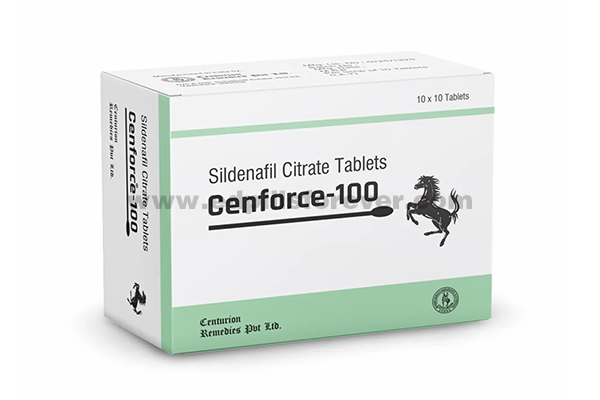
Cenforce 100 Mg
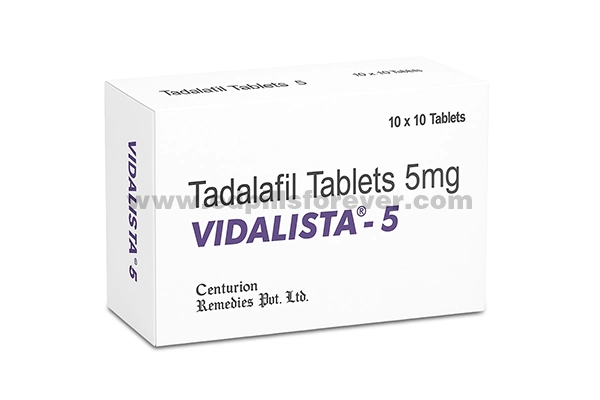
Best Seller$24 – $215Price range: $24 through $215Rated 5.00 out of 5Shop Now This product has multiple variants. The options may be chosen on the product pageVidalista 5 Mg
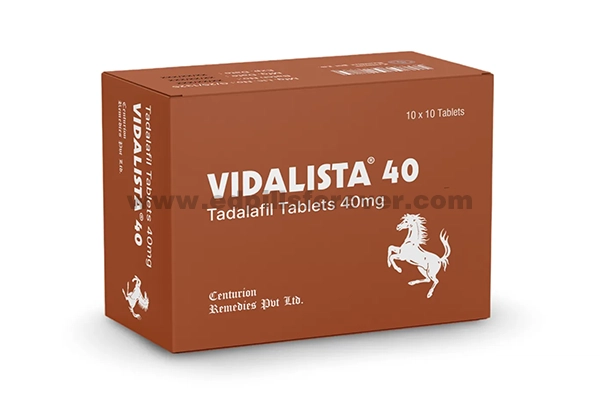
best sellers$18 – $182Price range: $18 through $182Rated 4.00 out of 5Shop Now This product has multiple variants. The options may be chosen on the product pageVidalista 40 Mg
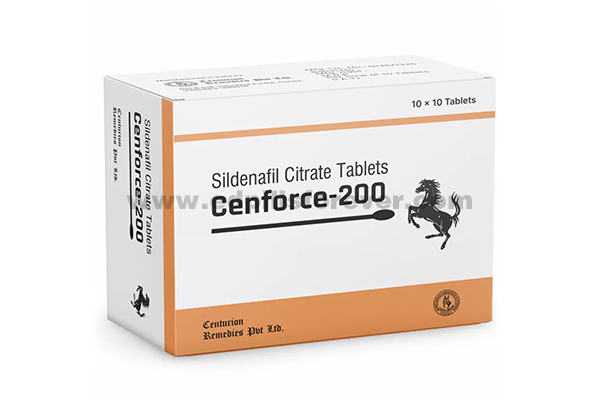
Best Seller$28 – $276Price range: $28 through $276Rated 4.00 out of 5Shop Now This product has multiple variants. The options may be chosen on the product pageCenforce 200 Mg
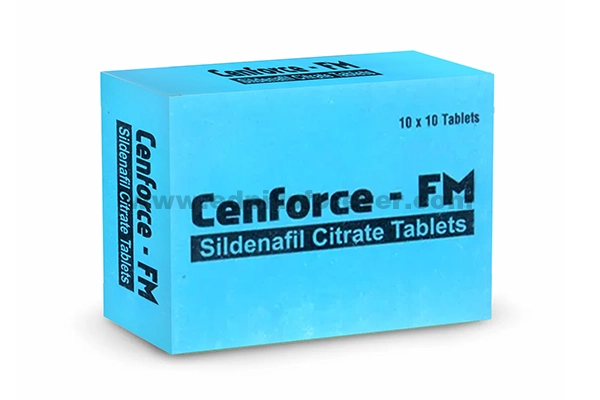
best sellers$31 – $335Price range: $31 through $335Rated 4.50 out of 5Shop Now This product has multiple variants. The options may be chosen on the product pageCenforce Fm
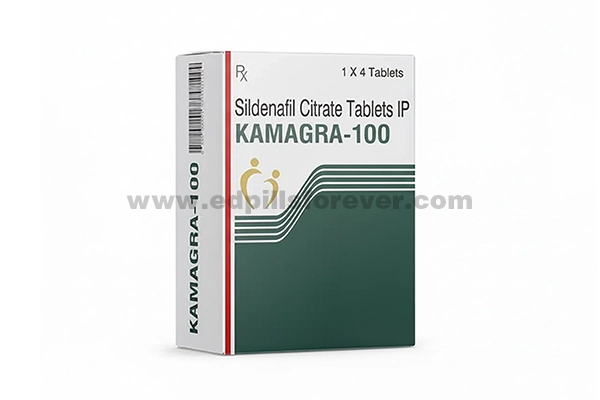
best sellers$33 – $218Price range: $33 through $218Rated 4.00 out of 5Shop Now This product has multiple variants. The options may be chosen on the product pageKamagra 100 mg
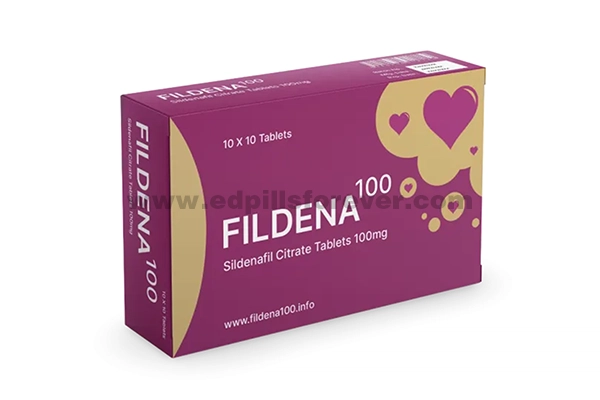
best sellers$24 – $125Price range: $24 through $125Rated 5.00 out of 5Shop Now This product has multiple variants. The options may be chosen on the product pageFildena 100 mg
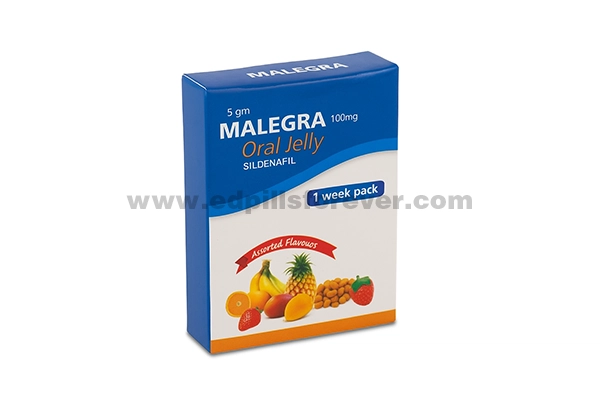
best sellers$24 – $244Price range: $24 through $244Rated 4.00 out of 5Shop Now This product has multiple variants. The options may be chosen on the product pageMalegra Oral Jelly 100 Mg
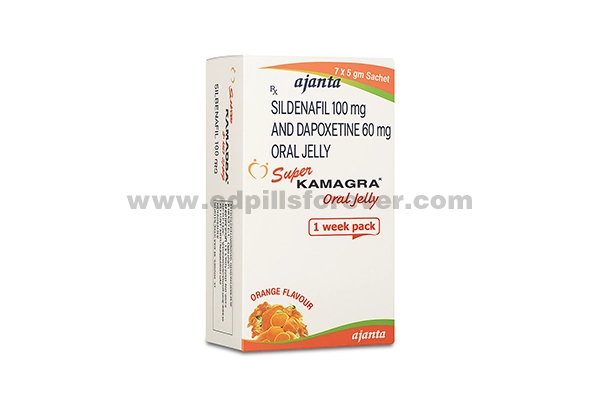
best sellers$8 – $44Price range: $8 through $44Rated 5.00 out of 5Shop Now This product has multiple variants. The options may be chosen on the product pageSuper Kamagra Oral Jelly
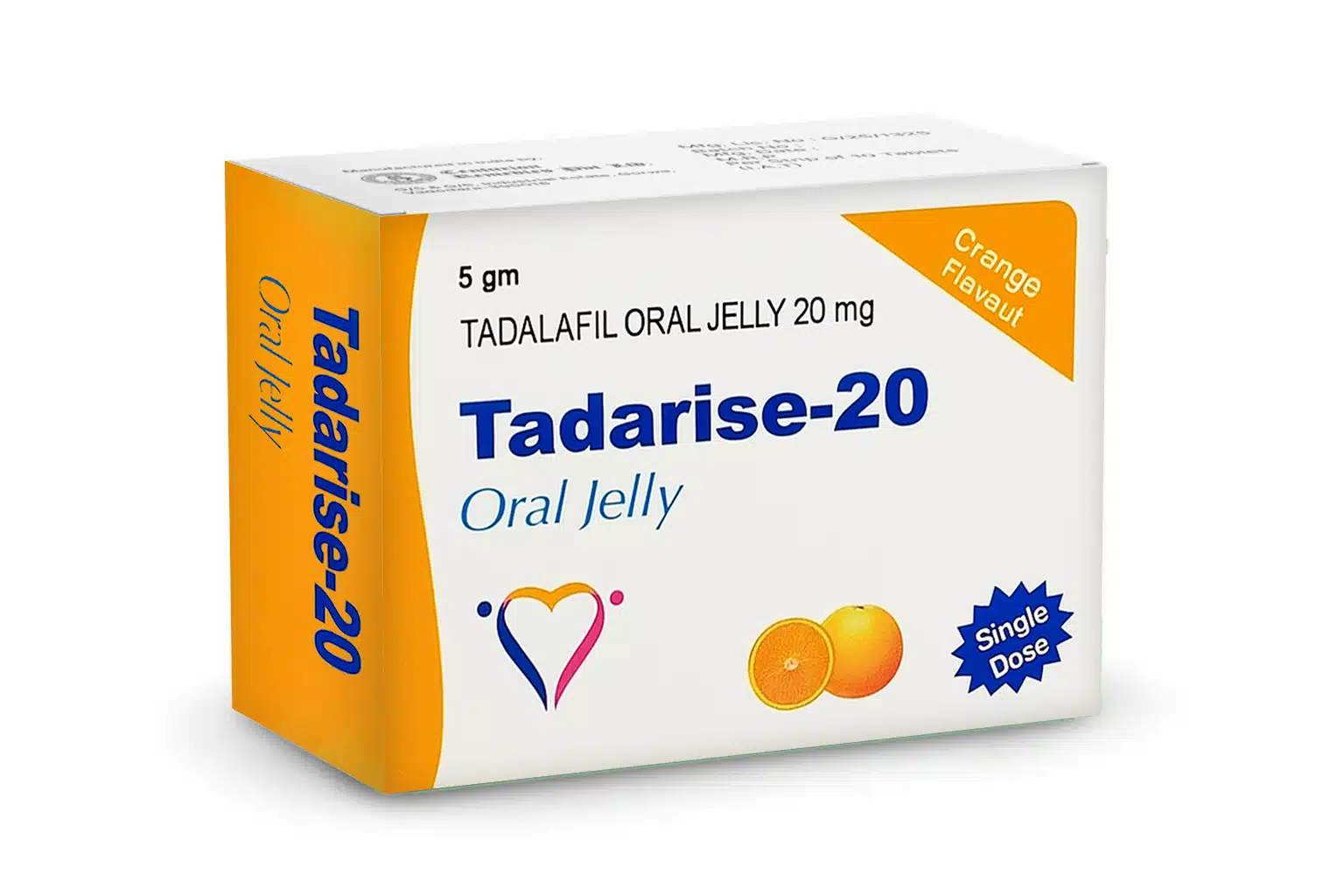
best sellers$25 – $120Price range: $25 through $120Rated 4.00 out of 5Shop Now This product has multiple variants. The options may be chosen on the product pageTadarise Oral Jelly
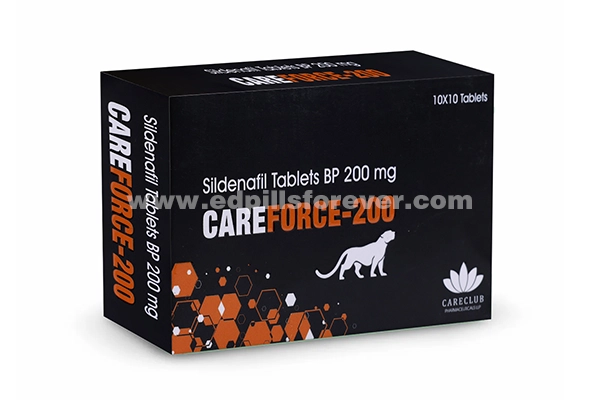
best sellers$19 – $72Price range: $19 through $72Rated 4.00 out of 5Shop Now This product has multiple variants. The options may be chosen on the product pageCareforce 200 Mg
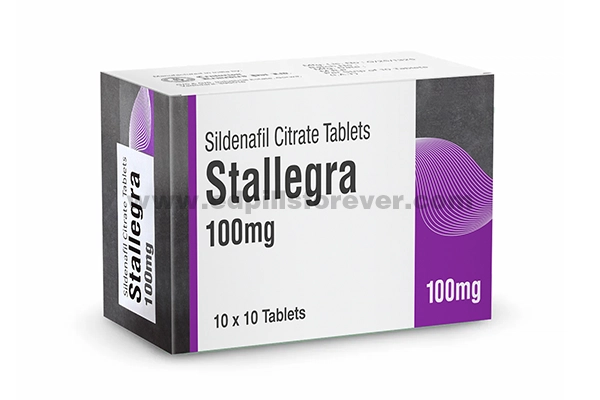
best sellers$29 – $332Price range: $29 through $332Rated 5.00 out of 5Shop Now This product has multiple variants. The options may be chosen on the product pageStallegra 100 Mg
best sellers$88 – $224Price range: $88 through $224Rated 5.00 out of 5Shop Now This product has multiple variants. The options may be chosen on the product page- Exclusive
Aurogra 100 Mg
best sellers$29 – $76Price range: $29 through $76Rated 4.00 out of 5Shop Now This product has multiple variants. The options may be chosen on the product page Priligy 30 mg
best sellers$22 – $156Price range: $22 through $156Rated 4.00 out of 5Shop Now This product has multiple variants. The options may be chosen on the product page
Temporary vs. Persistent Erectile Dysfunction
Temporary ED is usually tied to a situation, like a busy week, too much alcohol, poor sleep or a new partner, and it tends to settle once the trigger passes. Situational ED is a related pattern where erections work fine in some settings, such as when you’re alone or in the morning, but not in others, which often points toward the mind rather than the body. Chronic ED is the label doctors use when the problem sticks around for roughly three months or longer, and it deserves a proper evaluation because a physical cause is more likely to be sitting underneath. A handy rule of thumb is that trouble creeping in slowly tends to suggest blood vessel or hormone issues, while sudden trouble alongside a life event tends to suggest stress. Keeping that timeline in mind makes the different types of ED much easier to tell apart, even before you see anyone.
Common Causes and Risk Factors Behind Different Types of ED
The usual ED causes line up neatly with the groups above. Blood flow and ED are closely connected, so high blood pressure, high cholesterol, diabetes, smoking and being inactive all raise risk by stiffening or narrowing vessels. Nerve damage and ED often go together after pelvic surgery, spinal injuries, long standing diabetes or conditions like multiple sclerosis, and hormone shifts, from low testosterone to thyroid problems, can lower desire and weaken erections. Some common medicines, including certain blood pressure tablets, antidepressants and prostate medicines, can play a part too, and it’s best never to stop them on your own. On the mental side, performance anxiety is a classic trigger, and stress and ED often feed each other, since stress hormones tighten blood vessels and pull your attention away during intimacy. Age matters, but it’s rarely the whole story.
How to Identify Which Type of Erectile Dysfunction You May Have
You can’t diagnose yourself, but a few simple observations give your doctor a head start. Ask yourself whether you still wake up with erections, whether things work when you’re alone, and whether the trouble came on suddenly or slowly. Morning erections and normal function alone lean toward a mental or situational cause, while a slow fade in every setting leans physical, and noting these details helps when you’re working out which of the types of ED you’re facing. A proper ED diagnosis usually includes:
- A conversation about your health, medicines, habits and mood
- A short questionnaire that scores erection firmness and confidence
- Blood pressure, blood sugar, cholesterol and hormone tests
- A physical exam, and sometimes an ultrasound of penile blood flow
Keeping a short log for a few weeks, with dates, situations and how firm things felt, can sharpen the picture a lot and give the doctor something concrete to work from instead of relying on memory alone.
Treatment Options for Different Types of Erectile Dysfunction
Matching the approach to the cause is what makes ED treatment work, and the best plan depends on the types of ED involved. For physical causes, the focus is on the underlying issue, such as controlling blood pressure, blood sugar and weight and adding regular movement. PDE5 medicines like sildenafil help relax smooth muscle so blood can fill the penis when you’re aroused, and the Sildigra range falls in that group, alongside the wider sildenafil category. Hormonal cases may call for testosterone testing and a specialist plan, while psychological and situational cases often improve with counseling, better sleep and less pressure around sex. Long term ED management usually combines several of these steps instead of relying on a pill alone, and vacuum devices, injections and implants exist for cases that don’t respond. Anyone taking nitrates or living with a heart condition needs medical advice before using any ED medicine.
Can Different Types of Erectile Dysfunction Overlap?
Overlap is common. A man with a mild vascular issue may notice slightly softer erections, feel anxious about it, and then struggle a bit more, which turns a small physical change into a bigger mental one. The reverse happens too, where long periods of stress lead to avoiding intimacy and less physical activity, which affects fitness and circulation over time. That’s why doctors rarely treat the types of ED as separate boxes. They look at the whole picture and often combine a medical step with a lifestyle or counseling step, which tends to work better than either alone and also explains why a medicine can help a great deal while some worry remains.
When Should You Seek Medical Advice for Erectile Dysfunction?
Book a visit if trouble lasts more than a few weeks, happens most of the time, or comes with low desire, chest pain, numbness, pain in the penis, or a recent injury or surgery. Sudden changes deserve attention sooner, and so does ED in younger men with no obvious trigger, because it can be a useful early signal about overall health. Doctors discuss this daily, so a short, honest conversation tends to be the quickest way to replace guesswork with a plan, and it can also pick up conditions like diabetes or high blood pressure that often go unnoticed for years.
Erectile dysfunction isn’t a single condition with a single cause, which means there’s usually a clear place to start. Once you understand the types of ED, the patterns in your own experience start to make sense, whether that’s a slow change tied to general health or a sudden one tied to a busy season of life. Small steps like moving more, sleeping better, easing pressure around sex and getting basic health checks done make a real difference for many men, and medical support is available when you need it. A calm conversation with a doctor is usually the fastest route from guessing to a plan that fits you.
Frequently Asked Questions
1. What are the main types of ED?
2. How do I know if my ED is physical or psychological?
3. Can temporary erection problems turn into long term ones?
4. Can stress by itself make it hard to get an erection?
5. Do all ED medicines work?

Dr. Lucifier is a men’s health specialist with over 12 years of experience in sexual wellness and ED treatment. He holds an MBBS, MD in Internal Medicine, and DM in Urology, and focuses on safe, personalized care using proven therapies like Sildenafil and Tadalafil.