
Let’s be honest, this is one of those things most guys don’t talk about, even with their closest friends. You’re in the mood, you’re into your partner, and everything in your head says “go.” Then your body just doesn’t get the message. It can feel confusing and a little embarrassing, but it’s far more common than you’d think. Having strong sexual desire and still struggling in the moment is something doctors hear about all the time. It usually comes down to how your body is wired, not how much you want your partner.
Wanting Sex and Being Ready for Sex Aren’t the Same Thing
Most people assume desire and erections run on one system. They don’t. Sexual desire is driven by the brain, where reward pathways, memory, mood, and hormones all have a say. An erection is a blood flow event. Nerves tell the arteries in the penis to relax, blood fills spongy tissue, and nearby veins squeeze shut to keep it there. That’s the real difference between libido and erectile function. One is about motivation and the other is about plumbing and wiring, so you can be full of the first and still have trouble with the second.
Why Blood Flow Is Often the Quiet Culprit
Here’s a fact that surprises many men. The arteries that supply the penis are tiny, often only a millimeter or two across, which is narrower than the ones feeding your heart. So when your blood vessels are under strain from high blood pressure, high cholesterol, diabetes, or smoking, the penis can feel it first. That’s why doctors take blood flow and erection problems seriously, and why a change in erections is sometimes treated as an early nudge to check your overall vascular health. It doesn’t mean something dramatic is going on. It just means this is worth a calm conversation with a professional rather than months of silent worrying.
When Your Mind Hits the Brakes
Stress isn’t only a feeling. It’s a body reaction. When you’re anxious, your body releases adrenaline, which tightens blood vessels, and an erection needs the opposite: a relaxed state where those vessels can open up. That’s why performance anxiety and erections often clash. One off night leads to worry about the next, and the worry becomes the trigger. Many men describe it as sexual desire but no erection, and then spend the whole evening watching themselves instead of enjoying the moment. Here’s a useful clue, though. If you still wake up with erections or get them when you’re on your own, the hardware is usually working, and the mind is probably playing the bigger role.
Best Seller

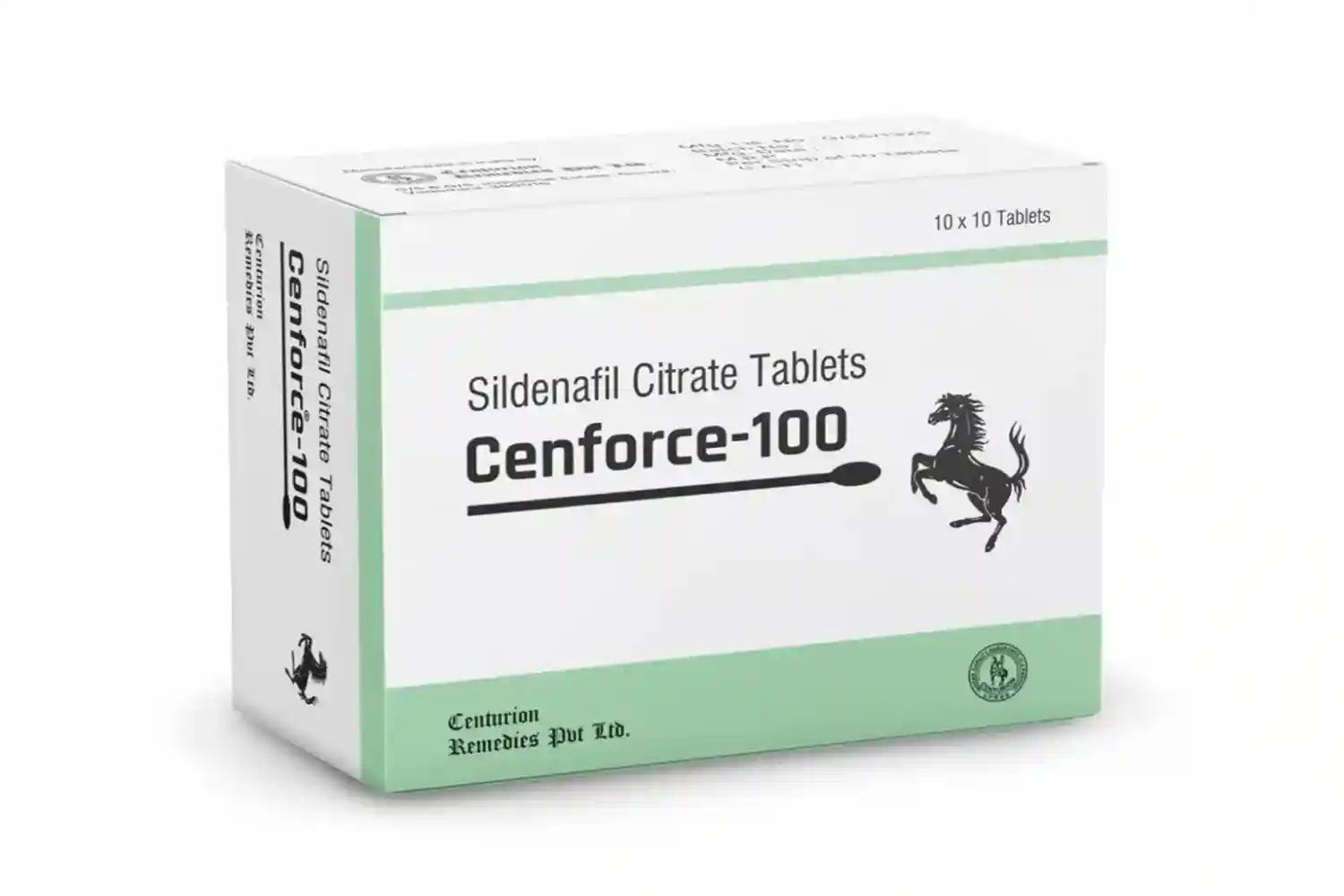
Cenforce 100 Mg
Cenforce$24.00 – $215.00Price range: $24.00 through $215.00Rated 5.00 out of 5Shop Now This product has multiple variants. The options may be chosen on the product page
Cenforce 120 Mg
Cenforce$24.00 – $299.00Price range: $24.00 through $299.00Rated 4.00 out of 5Shop Now This product has multiple variants. The options may be chosen on the product pageCenforce 150 Mg
Cenforce$37.00 – $279.00Price range: $37.00 through $279.00Rated 4.00 out of 5Shop Now This product has multiple variants. The options may be chosen on the product page
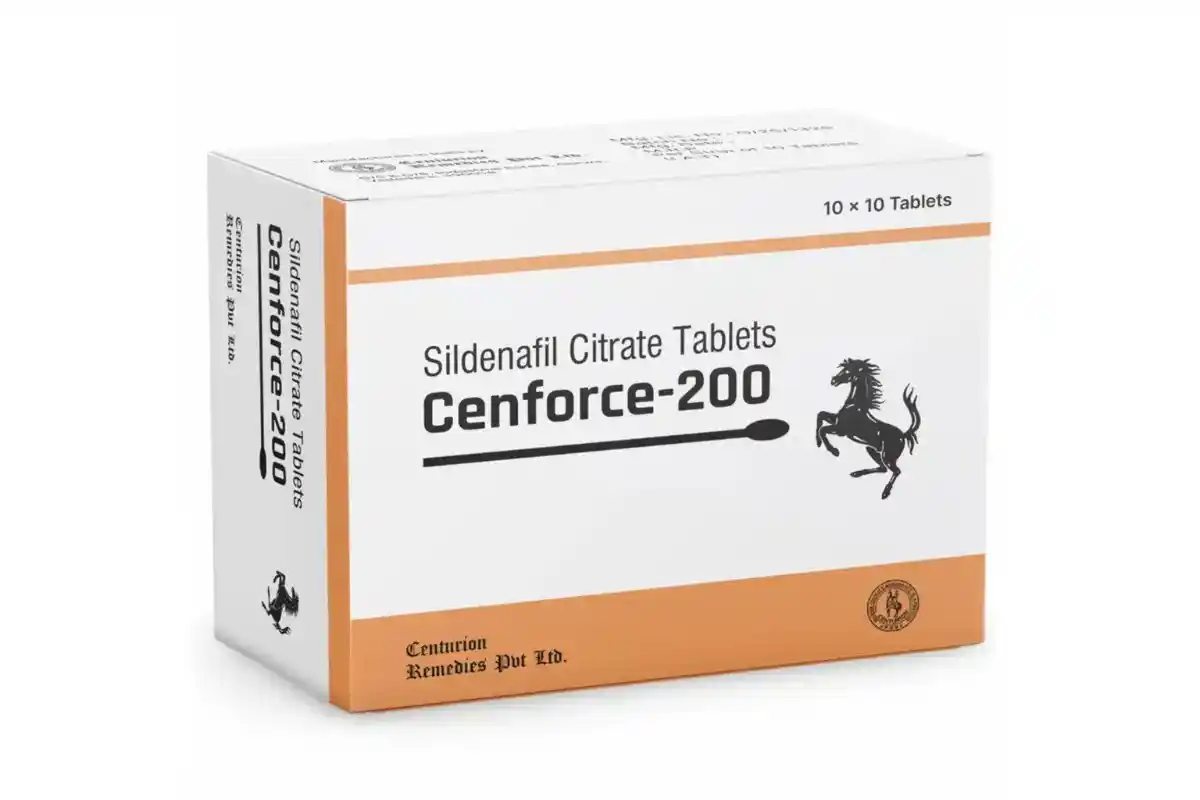
Cenforce 200 Mg
best sellers$31.00 – $335.00Price range: $31.00 through $335.00Rated 4.50 out of 5Shop Now This product has multiple variants. The options may be chosen on the product pageCenforce 25 Mg
Cenforce$24.00 – $259.00Price range: $24.00 through $259.00Rated 4.00 out of 5Shop Now This product has multiple variants. The options may be chosen on the product pageCenforce 50 Mg
Cenforce$21.00 – $180.00Price range: $21.00 through $180.00Rated 4.00 out of 5Shop Now This product has multiple variants. The options may be chosen on the product pageCenforce D 100+60 Mg
Cenforce$41.00 – $412.00Price range: $41.00 through $412.00Rated 5.00 out of 5Shop Now This product has multiple variants. The options may be chosen on the product pageCenforce Professional
Cenforce$24.00 – $243.00Price range: $24.00 through $243.00Rated 4.00 out of 5Shop Now This product has multiple variants. The options may be chosen on the product pageCenforce Soft 100 Mg
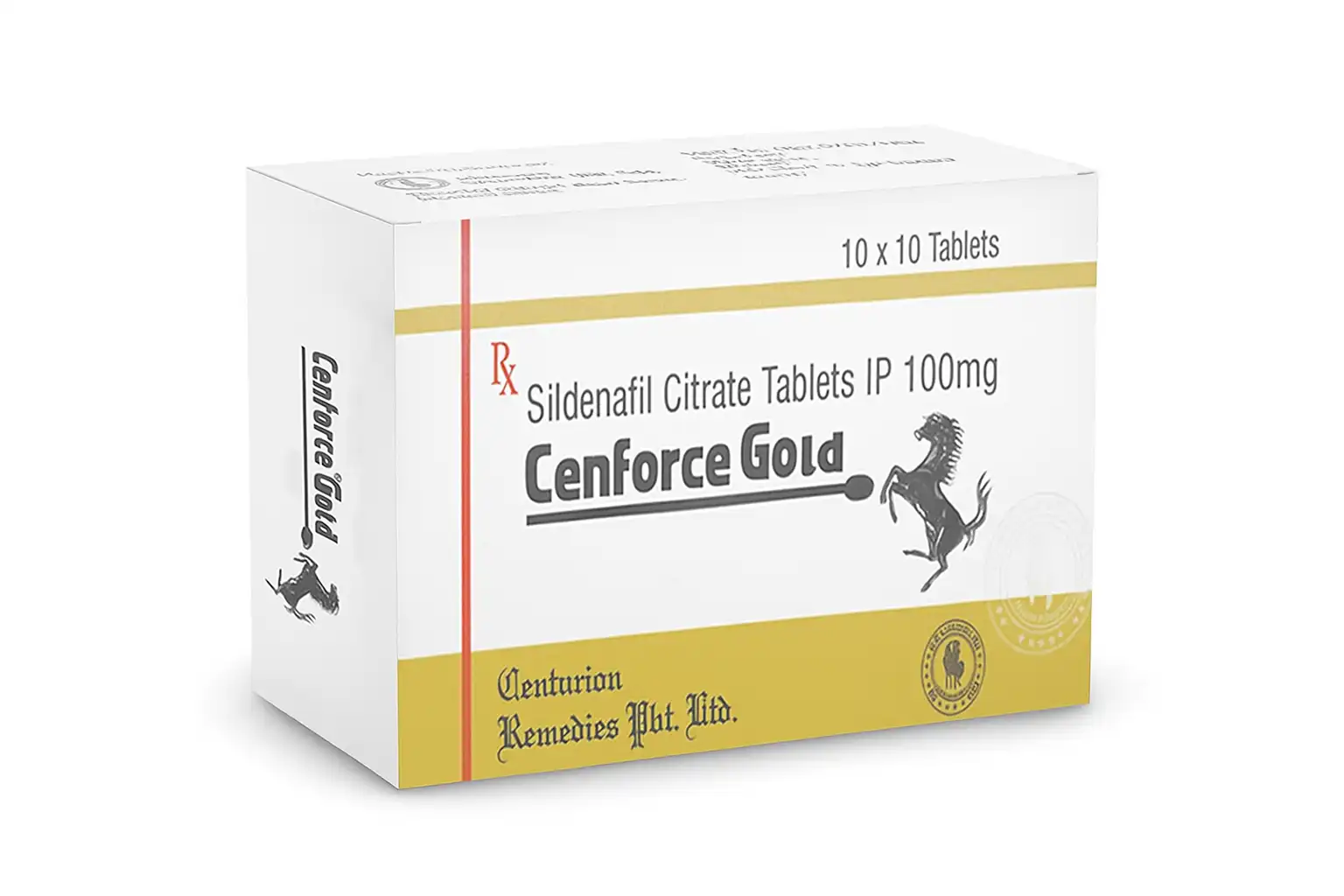
Cenforce$24.00 – $219.00Price range: $24.00 through $219.00Rated 5.00 out of 5Shop Now This product has multiple variants. The options may be chosen on the product pageCenforce Gold 100mg
Sildenafil$23.00 – $466.00Price range: $23.00 through $466.00Rated 5.00 out of 5Shop Now This product has multiple variants. The options may be chosen on the product page




Younger Men Aren’t Immune
People tend to link erection trouble with age, but erectile dysfunction in younger men is more common than most would guess. It just doesn’t get talked about much. In men under forty, the usual triggers tend to be lifestyle and pressure rather than clogged arteries. Here are a few that come up again and again:
- Long stretches of stress and poor sleep, including untreated sleep apnea
- Heavy drinking, smoking, or vaping
- Certain medicines, such as some antidepressants
- Hours of cycling on a hard seat that presses on the area between the legs
- Constant worry about how you’ll perform
The encouraging part is that many of these can be improved with the right changes.
What Hormones Have to Do With It
Testosterone levels and erectile health are connected, though not as simply as people think. Testosterone mostly fuels sexual desire, and it also helps penile tissue respond to the chemical signal that starts an erection, so low levels can dampen both. But plenty of men with erection trouble have normal testosterone, which is why guessing doesn’t help. A morning blood test, when levels are usually at their highest, gives a far clearer picture. Thyroid and prolactin are often checked too, especially if your drive has dropped.
How Your Relationship Plays In
Relationship stress and erectile function are tied together more tightly than most couples realize. Unspoken resentment, constant arguments, feeling unheard, or the pressure of trying for a baby can all quiet your body, even while sexual desire stays strong. The tricky part is that the erection problem then adds its own stress, and the cycle feeds itself. Talking about it openly, ideally outside the bedroom and without blame, often takes a lot of pressure off both people. Many couples find the problem eases once it’s no longer a secret.
The Usual Suspects Behind It
Doctors usually sort the causes of erection difficulties into a few groups:
- Vascular: narrowed arteries, high blood pressure, diabetes
- Nerve related: injury, back problems, long term diabetes
- Hormonal: low testosterone, thyroid issues
- Medicine related: blood pressure tablets, antidepressants
- Lifestyle: alcohol, smoking, poor sleep, little exercise
- Emotional: anxiety, low mood, relationship strain
It’s common for two or three of these to overlap, which is why the full picture matters more than any single test.
When It’s Time to Get Checked
Everyone has an off night now and then, so one episode isn’t a reason to panic. But if you notice difficulty getting an erection more than occasionally over several weeks, or if sexual desire has dropped alongside it, book an appointment. It’s worth going sooner if you also have chest discomfort, numbness, or other new health changes. A doctor will usually check blood pressure, blood sugar, cholesterol, and hormones, and ask about stress and medicines. Honest answers make the visit easier and far more useful.
Where Treatment Can Fit In
Once the basics are checked, many men are offered a PDE5 inhibitor such as Avanafil. It works by supporting the body’s natural nitric oxide pathway, so blood flow to the penis can improve when you’re aroused. It’s important to know what it can’t do. It doesn’t create sexual desire, and it needs sexual stimulation to have any effect. Many men are told it may start working in about fifteen to thirty minutes, which some find less stressful than planning far ahead. It isn’t suitable with nitrate medicines used for chest pain, so a doctor should always review your history first. If you decide to buy online, look for a provider that asks for a valid prescription, explains the product clearly, and delivers discreetly.
Small Habits That Make a Difference
You don’t need a total life overhaul. Walking briskly most days, sleeping around seven hours, cutting back on alcohol, and quitting tobacco all support healthy blood vessels and may support sexual desire too. Pelvic floor exercises are an underrated bonus, since those muscles help maintain firmness. Try limiting late night screens and find one stress reset that works for you, even if it’s just a ten minute walk. Small changes tend to add up faster than people expect.
Frequently Asked Questions
1. Can you feel desire and still have erectile dysfunction?
2. Why do I get erection problems when I’m turned on?
3. Does low testosterone cause both desire and erection problems?
4. Is it possible for a healthy person to get erectile dysfunction from stress?
5. How does avanafil work for erectile dysfunction?

Dr. Lucifier is a men’s health specialist with over 12 years of experience in sexual wellness and ED treatment. He holds an MBBS, MD in Internal Medicine, and DM in Urology, and focuses on safe, personalized care using proven therapies like Sildenafil and Tadalafil.