
Here’s something that rarely comes up at the pub or in the locker room. A lot of men quietly notice that they just aren’t as interested as they used to be. Not broken, not in crisis, just quieter. They wonder if it’s age, work, the relationship, or something a doctor should know about. If you’ve been asking yourself the same thing, you’re far from alone, and the answer is usually easier to find than you’d think. Male libido isn’t a fixed setting. It shifts with your hormones, sleep, mood, and health, which is exactly why it can change without any warning.
What Counts as Normal Male Libido?
There’s no magic number for how often a man should want sex. Everyone’s sex drive moves up and down through the year, and that’s completely normal. A low sex drive for a week or two, during a busy month or a bad cold, isn’t a red flag. What matters more is a change from your own usual pattern that lasts a few months.
Here’s a little known fact. Desire doesn’t always show up first. Many men, especially as the years go by, find that interest builds after touch or closeness begins, instead of arriving out of nowhere. Researchers call this responsive desire. So if you rarely feel the spark on a random Tuesday but enjoy intimacy once it starts, that’s not a problem. It’s just how some people are wired. A steady loss of sexual desire that bothers you, though, is worth a closer look.
The Four Big Groups Behind the Change
Doctors rarely find one single reason. The causes of low libido usually fall into four groups: hormones, mind, daily habits, and health conditions or prescriptions. Low libido in men often involves two or three of these at once, which is why a declining male sex drive can feel so confusing. The encouraging part is that most of these groups can be improved, and some can be fully reversed. Reduced sexual desire in men is also one of the earliest ways the body says something else needs attention, like poor sleep or a vitamin gap.
How Hormones Play a Part
Testosterone is the best known player. It tends to slip by about 1 percent a year after the early thirties or forties, so age related libido changes are common and usually gentle. Those hormonal changes can be easy to miss because they happen so slowly.
Low testosterone isn’t only about age, though. Here’s what causes low testosterone more often than people realize:
- Extra body fat, since fat tissue turns testosterone into estrogen
- Sleep apnea and long-term poor sleep
- Type 2 diabetes and metabolic syndrome
- Opioid pain relievers and steroid tablets
- Thyroid problems or raised prolactin
- Past injury or infection of the testicles
One more detail doctors know well. A lab report can look normal while you still feel off. As men get older, a protein called SHBG rises and holds on to more testosterone, so the free, usable amount can drop even when the total looks fine. Levels also peak in the morning, so a test taken after lunch can read lower than the truth. That’s why one result rarely tells the full story about male libido and why guidelines suggest confirming with two early morning readings.
Best Seller

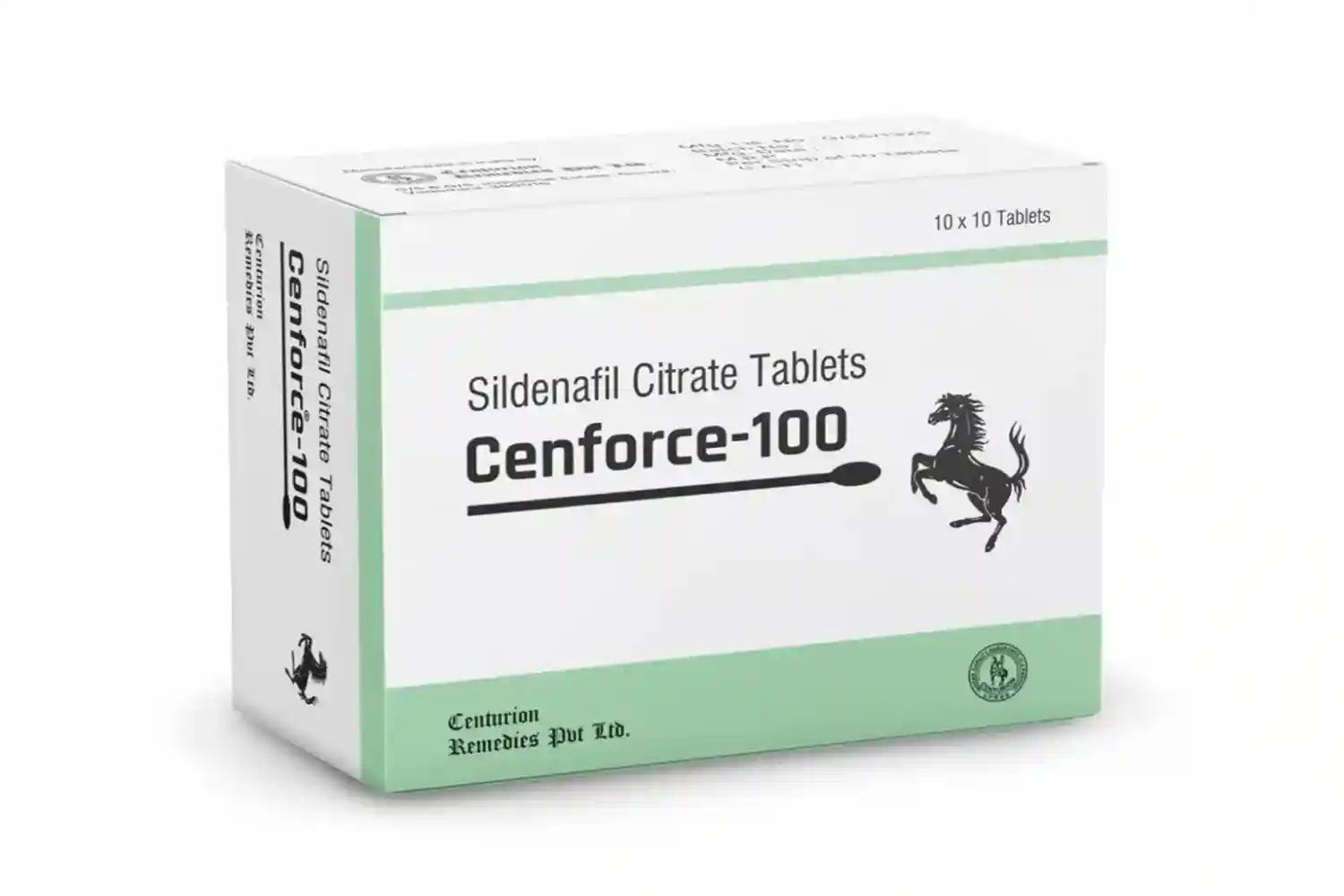
Cenforce 100 Mg
Cenforce$24.00 – $215.00Price range: $24.00 through $215.00Rated 5.00 out of 5Shop Now This product has multiple variants. The options may be chosen on the product page
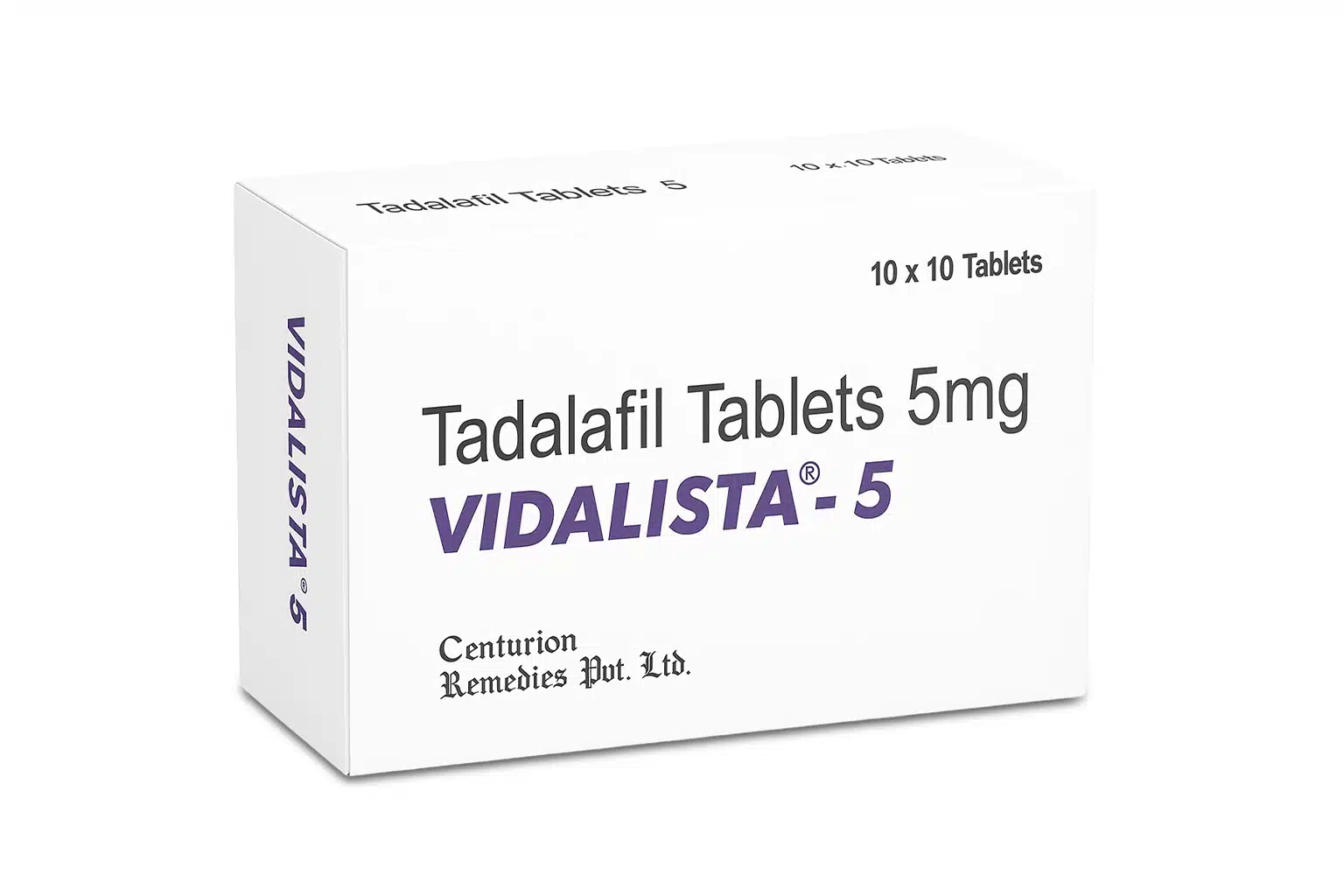
Vidalista 5 Mg
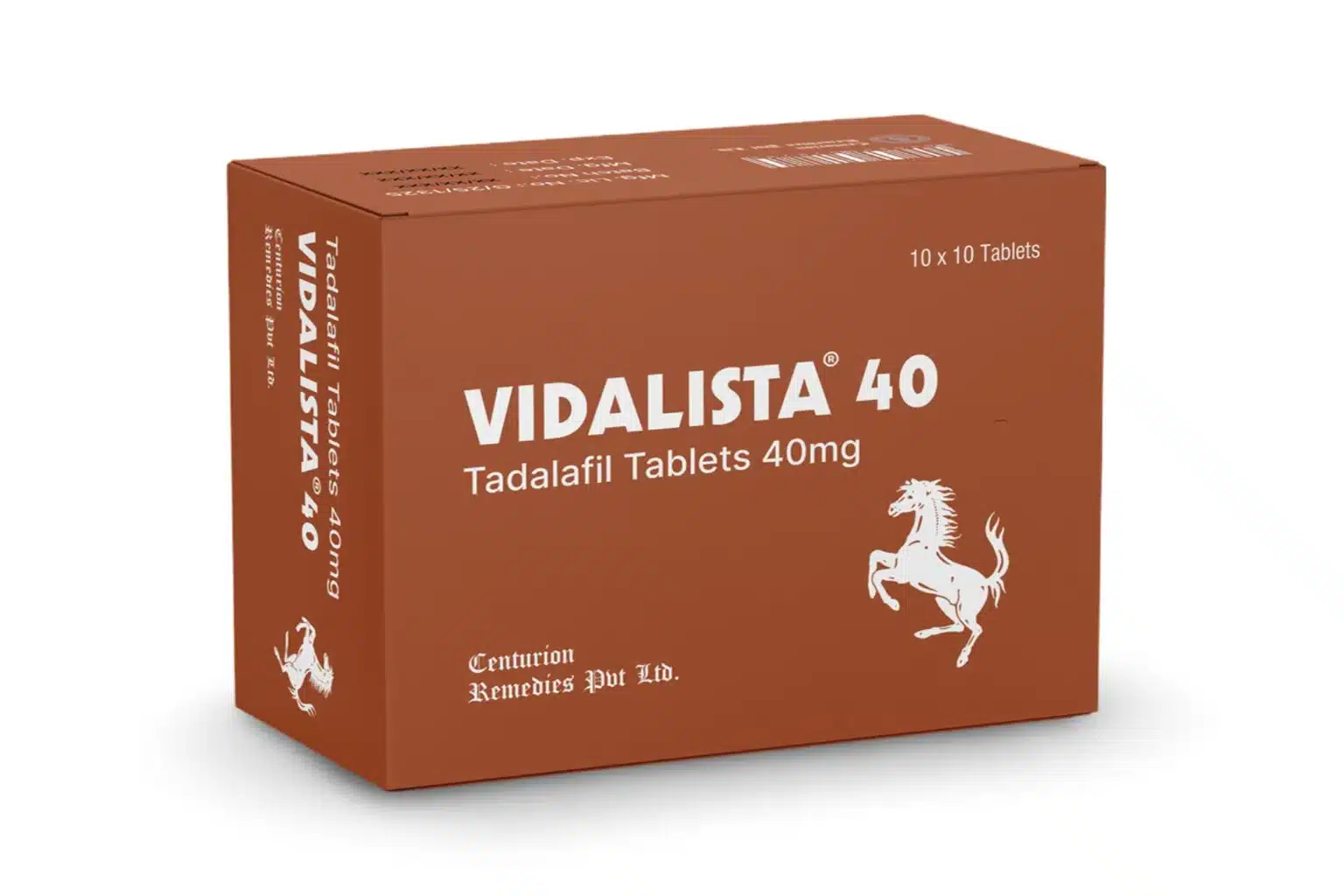
best sellers$18.00 – $182.00Price range: $18.00 through $182.00Rated 4.00 out of 5Shop Now This product has multiple variants. The options may be chosen on the product pageVidalista 40 Mg
Best Seller$28.00 – $276.00Price range: $28.00 through $276.00Rated 4.00 out of 5Shop Now This product has multiple variants. The options may be chosen on the product page
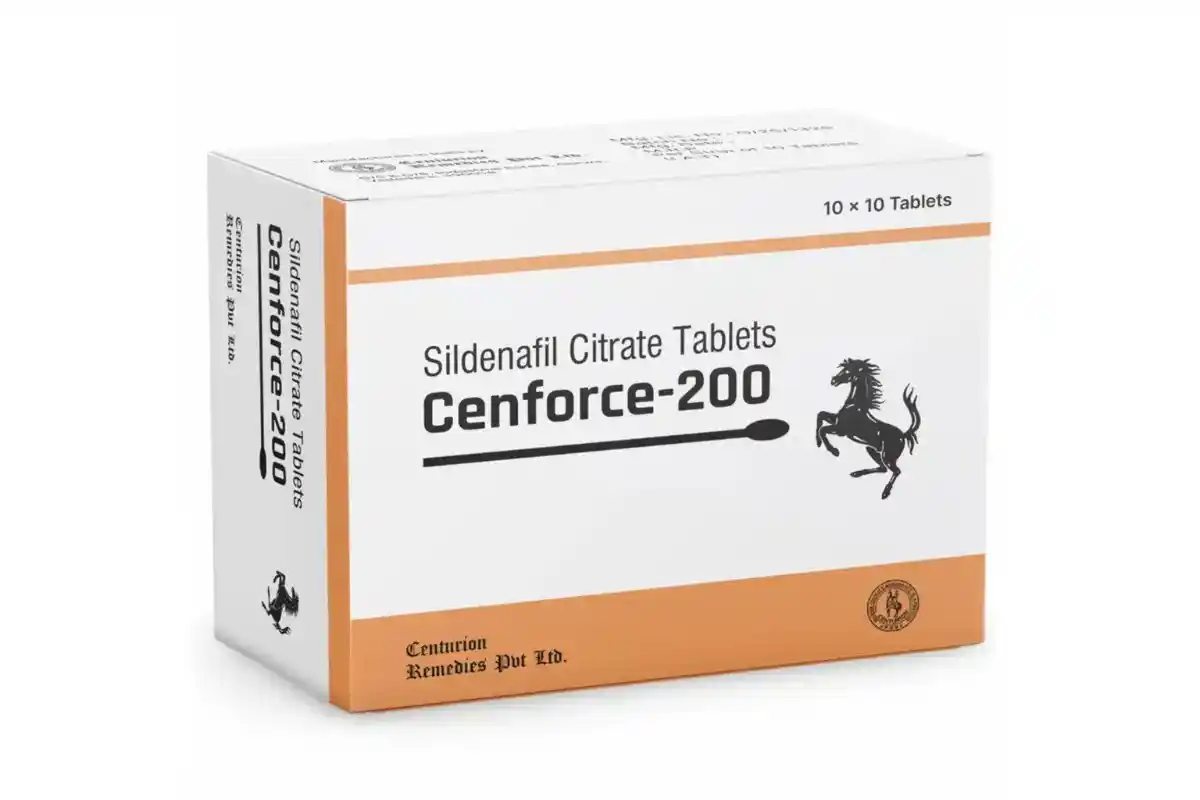
Cenforce 200 Mg
best sellers$31.00 – $335.00Price range: $31.00 through $335.00Rated 4.50 out of 5Shop Now This product has multiple variants. The options may be chosen on the product pageCenforce Fm
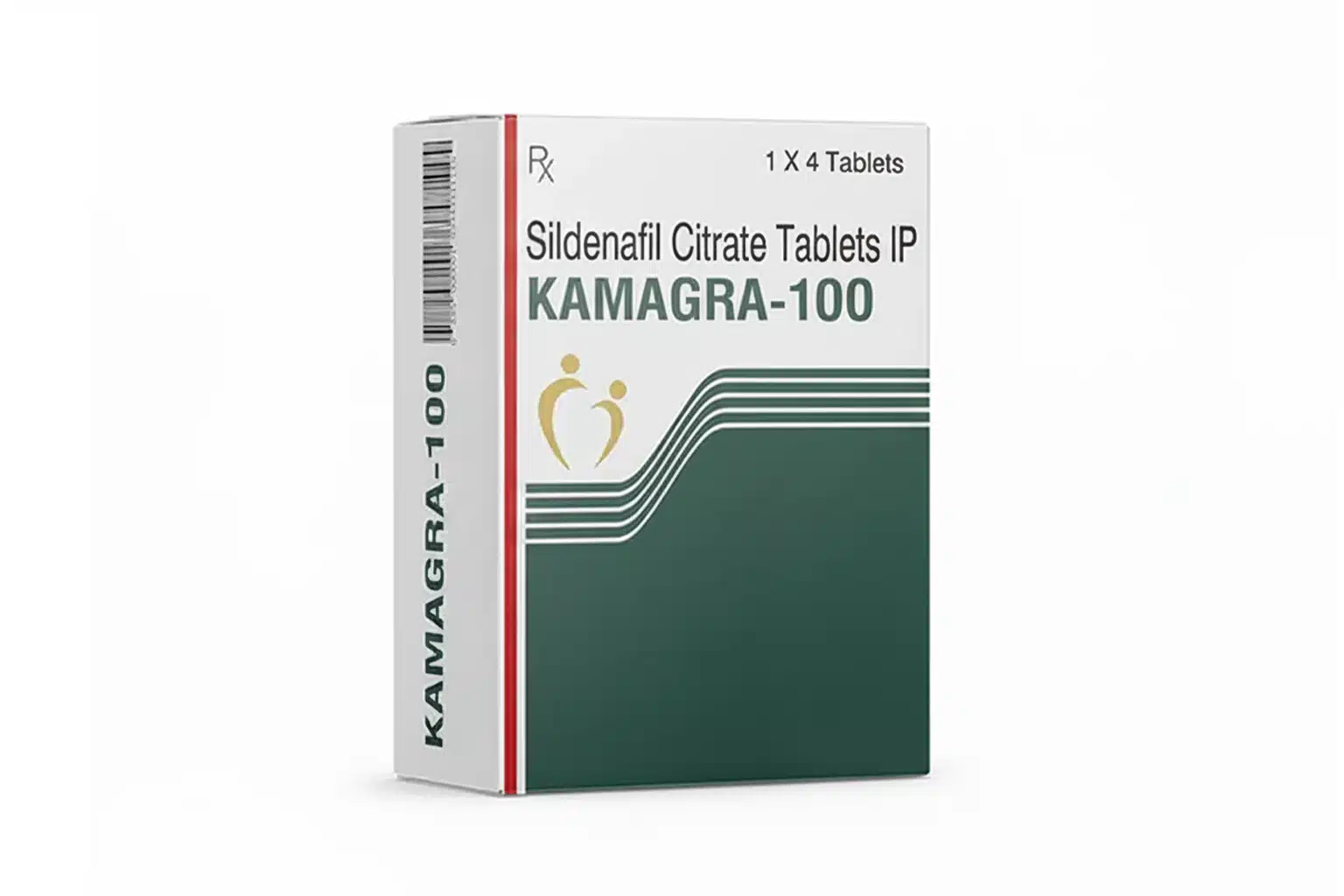
best sellers$33.00 – $218.00Price range: $33.00 through $218.00Rated 4.00 out of 5Shop Now This product has multiple variants. The options may be chosen on the product pageKamagra 100 mg
best sellers$24.00 – $125.00Price range: $24.00 through $125.00Rated 5.00 out of 5Shop Now This product has multiple variants. The options may be chosen on the product pageFildena 100 mg
best sellers$24.00 – $244.00Price range: $24.00 through $244.00Rated 4.00 out of 5Shop Now This product has multiple variants. The options may be chosen on the product pageMalegra Oral Jelly 100 Mg
best sellers$8.00 – $44.00Price range: $8.00 through $44.00Rated 5.00 out of 5Shop Now This product has multiple variants. The options may be chosen on the product pageSuper Kamagra Oral Jelly
best sellers$25.00 – $120.00Price range: $25.00 through $120.00Rated 4.00 out of 5Shop Now This product has multiple variants. The options may be chosen on the product page
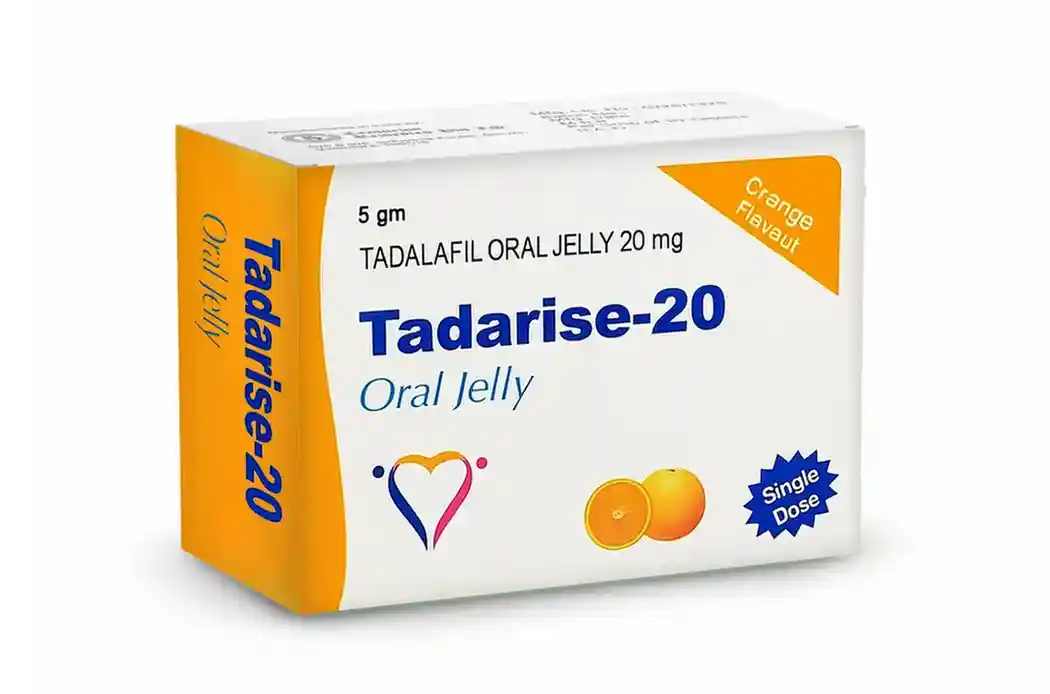
Tadarise Oral Jelly
best sellers$19.00 – $72.00Price range: $19.00 through $72.00Rated 4.00 out of 5Shop Now This product has multiple variants. The options may be chosen on the product page
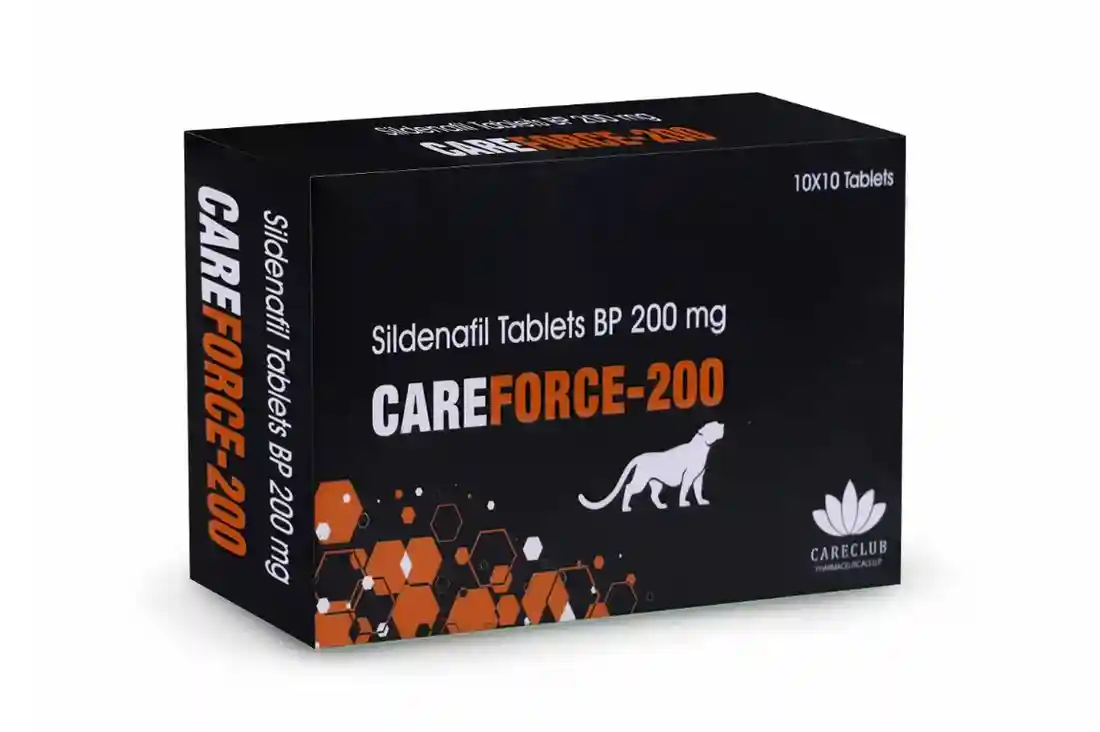
Careforce 200 Mg
best sellers$29.00 – $332.00Price range: $29.00 through $332.00Rated 5.00 out of 5Shop Now This product has multiple variants. The options may be chosen on the product page
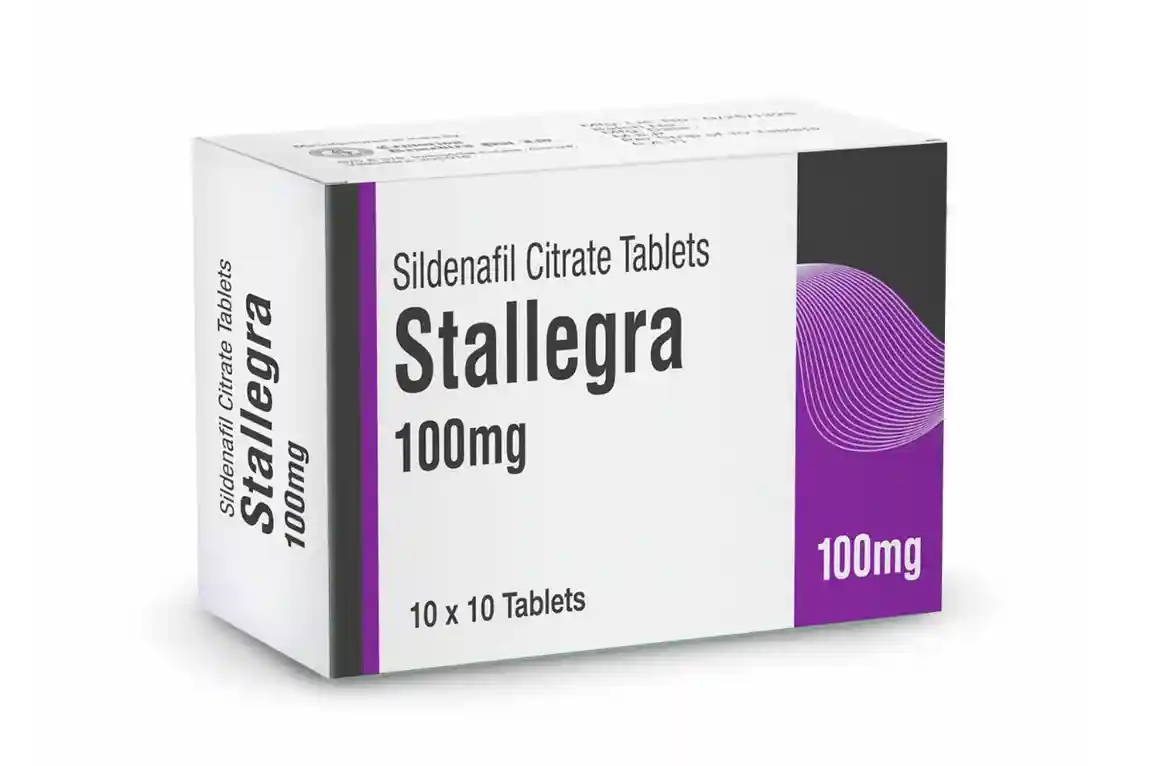
Stallegra 100 Mg
best sellers$88.00 – $224.00Price range: $88.00 through $224.00Rated 5.00 out of 5Shop Now This product has multiple variants. The options may be chosen on the product page- Exclusive
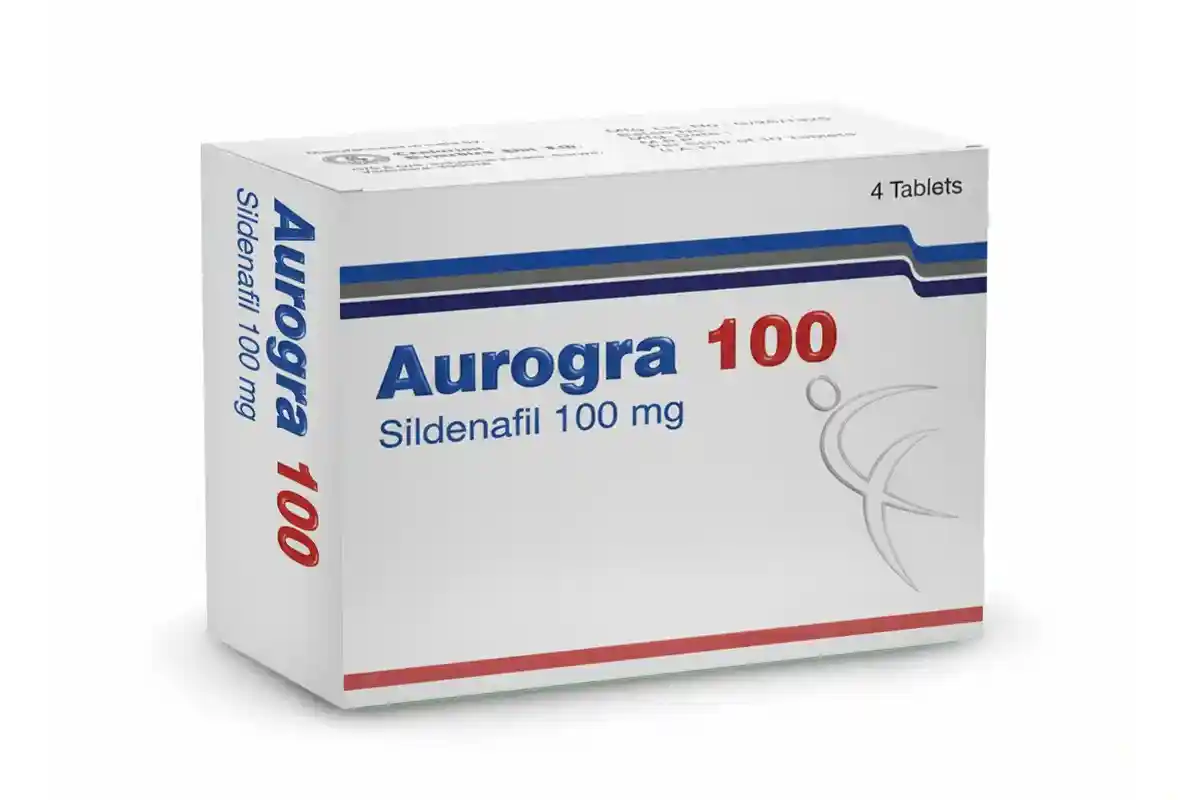
Aurogra 100 Mg
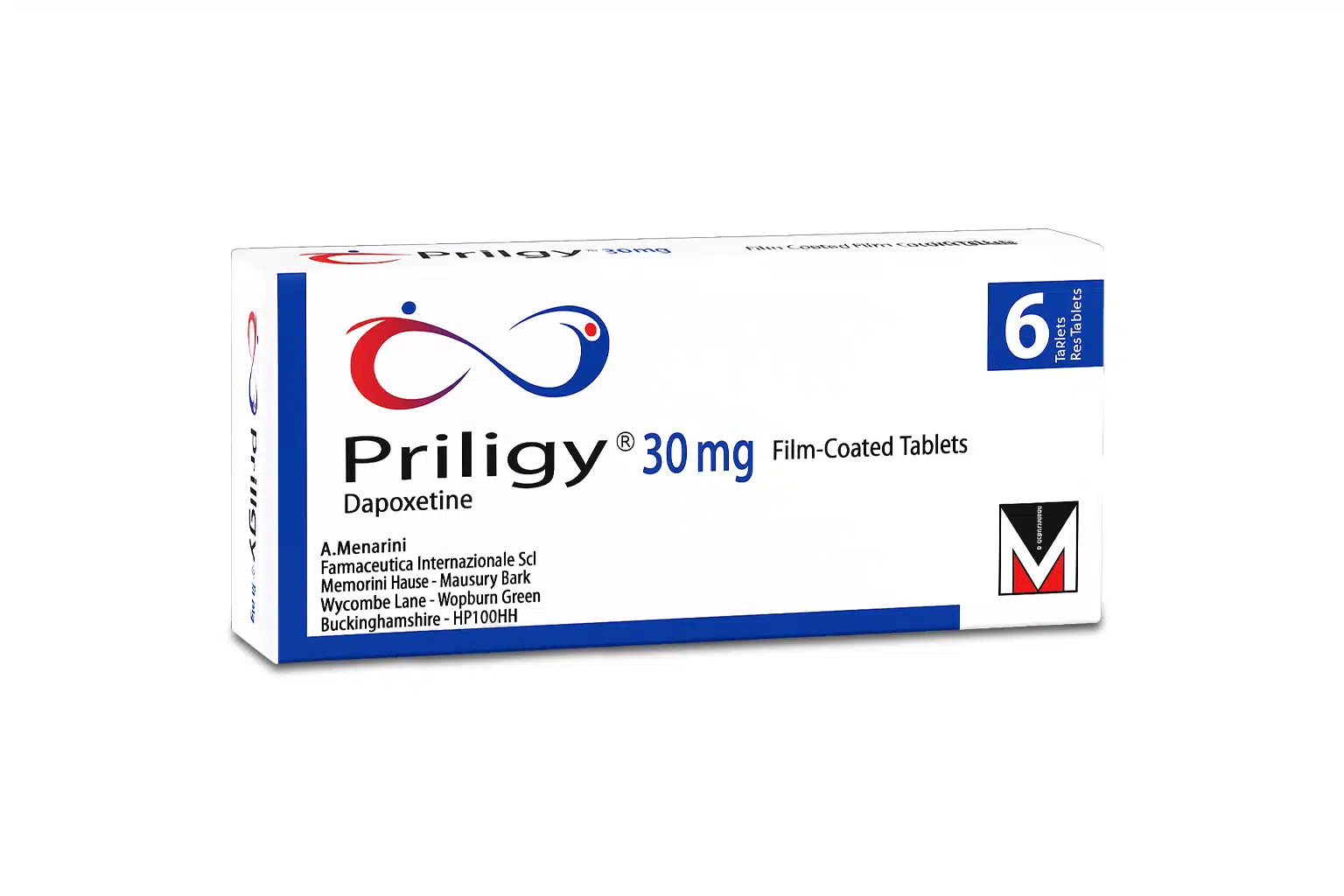
best sellers$29.00 – $76.00Price range: $29.00 through $76.00Rated 4.00 out of 5Shop Now This product has multiple variants. The options may be chosen on the product page Priligy 30 mg
best sellers$22.00 – $156.00Price range: $22.00 through $156.00Rated 4.00 out of 5Shop Now This product has multiple variants. The options may be chosen on the product page



When the Mind Takes the Lead
The psychological causes of low libido are some of the most common and the most overlooked. Depression often shows up as “I don’t care about much anymore,” and sex is one of the first things to fade. Constant stress works in a similar way. It keeps your body in alert mode and leaves very little room for desire. Relationship tension, old arguments, or feeling unseen by a partner can switch interest off too.
There’s also a loop worth knowing about. When erectile dysfunction makes sex feel risky or embarrassing, many men start avoiding it, and after a while they stop feeling desire at all. The brain learns that intimacy brings pressure, so it turns the volume down. That’s why male libido and erections are best looked at together, not as two separate problems.
Daily Habits Worth a Second Look
Several lifestyle factors affecting your energy and hormones can quietly pull desire down. These are the factors affecting male sex drive that you have the most control over:
- Sleep: Short or broken sleep is linked with lower testosterone the next day.
- Alcohol: Regular heavy drinking can reduce testosterone and dull arousal.
- Movement: Strength training and brisk walking are linked with healthier hormone levels, while long hours of sitting aren’t.
- Smoking: It narrows blood vessels, which affects arousal.
- Weight: Carrying more weight around the waist is tied to lower testosterone.
Small changes add up. A man who moves more, drinks less, and sleeps better often notices that male libido improves within a few months.
Diet and Nutrition
What’s on your plate matters more than most men expect. Zinc, vitamin D, magnesium, and healthy fats all help your body make hormones, and crash diets can pull them down quickly. People often ask about a single food to boost your sex drive, but no one food works like a switch. Still, some choices help:
- Oysters, beef, and pumpkin seeds for zinc
- Eggs and fatty fish like salmon for vitamin D and healthy fats
- Leafy greens and beetroot, which supply nitrates that support healthy blood vessels
- Nuts, olive oil, and beans, the basics of a Mediterranean style way of eating, which studies link with better sexual function
Eating well also keeps your weight in a healthy range, which supports male libido in a quiet but steady way.
Can Your Medication Play a Role?
Sometimes the answer is sitting in the bathroom cabinet. Several common prescriptions are known to affect desire, including some antidepressants, blood pressure tablets like beta blockers and water pills, finasteride, opioids, and certain seizure drugs. Please don’t stop a prescribed medicine on your own. Tell your doctor instead, because there’s often another option or a different dose that works better for you.
If erection trouble is part of the picture, a doctor may also talk about a treatment like Vilitra, which is vardenafil-based and helps erections work more smoothly. It doesn’t raise desire by itself, so finding the real cause still comes first.
When It’s Time to Talk to a Doctor
Book a visit if desire has been down for more than three months, came on suddenly, or comes with tiredness, low mood, breast tenderness, or fewer morning erections. Think of it as routine care for your male sexual health, the same as checking your blood pressure. A doctor can order simple blood tests, review your prescriptions, and screen for sleep, thyroid, and mood issues. Most men find the conversation shorter and easier than they feared, and getting answers about male libido is often the first step toward feeling like yourself again.
Frequently Asked Questions
1. At what age does male libido start to decline?
2. Can poor sleep affect male libido?
3. Can mental health problems affect my libido?
4. When should a man get his hormone levels tested?
5. Can male libido be improved naturally?`

Dr. Lucifier is a men’s health specialist with over 12 years of experience in sexual wellness and ED treatment. He holds an MBBS, MD in Internal Medicine, and DM in Urology, and focuses on safe, personalized care using proven therapies like Sildenafil and Tadalafil.