
Most men don’t go looking for answers about erections for fun. It usually starts with one night that didn’t go as expected, followed by worry that lingers longer than it should. If that sounds familiar, you’re far from alone, and the question is fair. How does erectile dysfunction happen in a body that felt perfectly fine a few months ago? The short version is that an erection is a team effort between your brain, nerves, hormones, and blood vessels. When one player slips, the whole thing can wobble. Let’s walk through what’s going on, in plain words.
What Actually Happens During an Erection
An erection begins with a signal. When you are aroused, your brain and nerves trigger the release of nitric oxide in your penis. That tells the smooth muscle in the artery walls to relax, and blood rushes into two spongy chambers. As they fill, they squeeze the veins that normally drain blood away. That traps the blood inside and keeps things firm.
Here’s a detail most people never hear. The arteries that feed the penis are tiny, often just 1 to 2 millimeters wide, which is narrower than the ones supplying the heart. That’s why they’re often the first to show strain. So when people ask how does erectile dysfunction happens, the answer comes down to this: something interrupts the signal, the blood flow, or the trapping.
The Physiological Processes Behind ED
So what physiological processes lead to erectile dysfunction? Doctors usually sort them into a few groups, and most men have more than one going on at the same time.
- Blood vessel changes: the artery lining makes less nitric oxide, so vessels can’t open fully.
- Nerve problems: diabetes, pelvic surgery, or spinal injury can slow the message from brain to penis.
- Vein leak: Blood leaks out before the erection is firm because the veins don’t close up very well.
- Hormonal Changes: Low testosterone or thyroid can affect your drive and your response.
- Stress chemistry. Anxiety gives you an adrenaline rush that constricts your blood vessels, making it harder to get an erection.
That mix is the real answer to how erectile dysfunction happens for most men. It’s rarely one dramatic thing. It’s usually a few small ones stacking up over time.
Best Seller

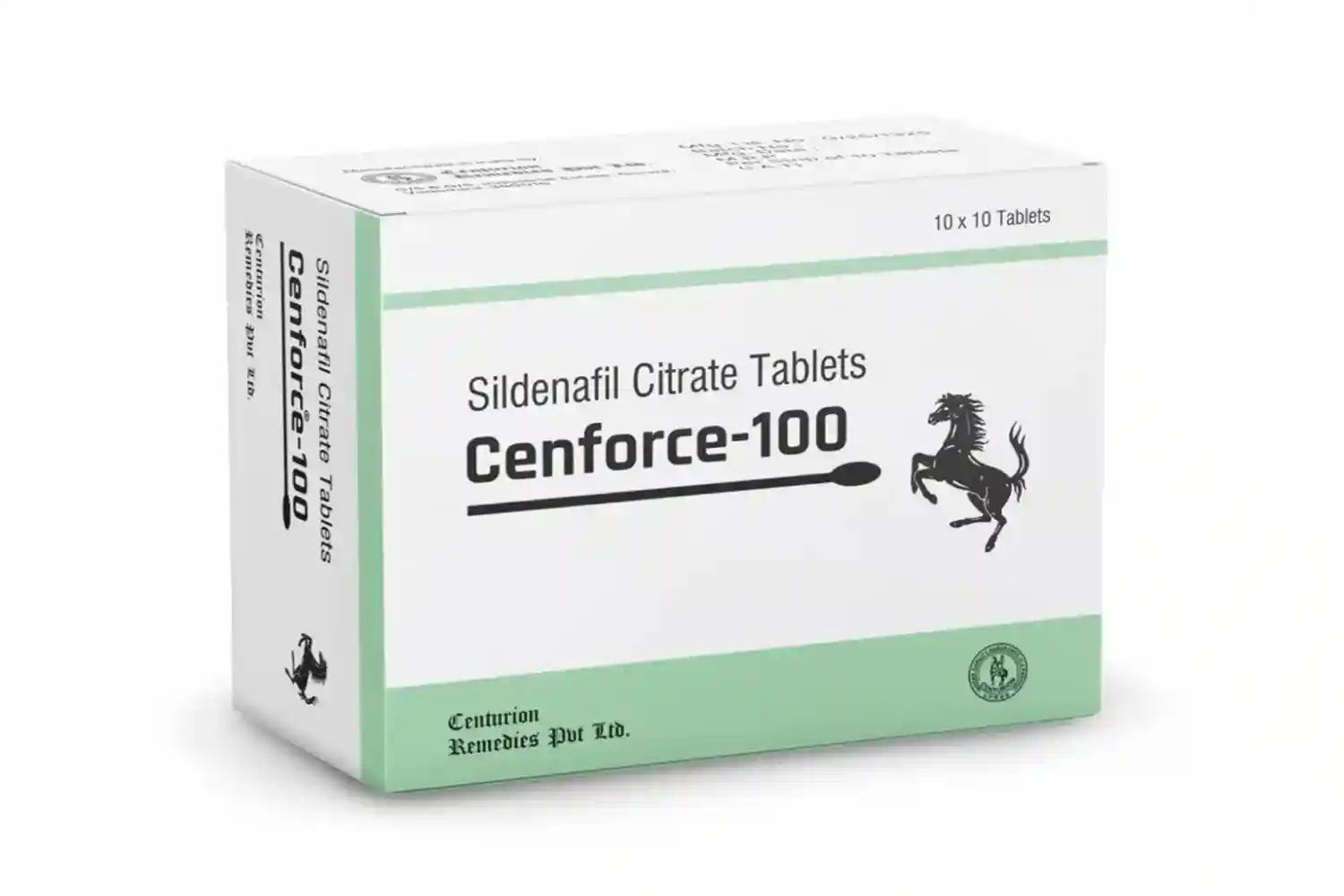
Cenforce 100 Mg
Best Seller$24.00 – $215.00Price range: $24.00 through $215.00Rated 5.00 out of 5Shop Now This product has multiple variants. The options may be chosen on the product page
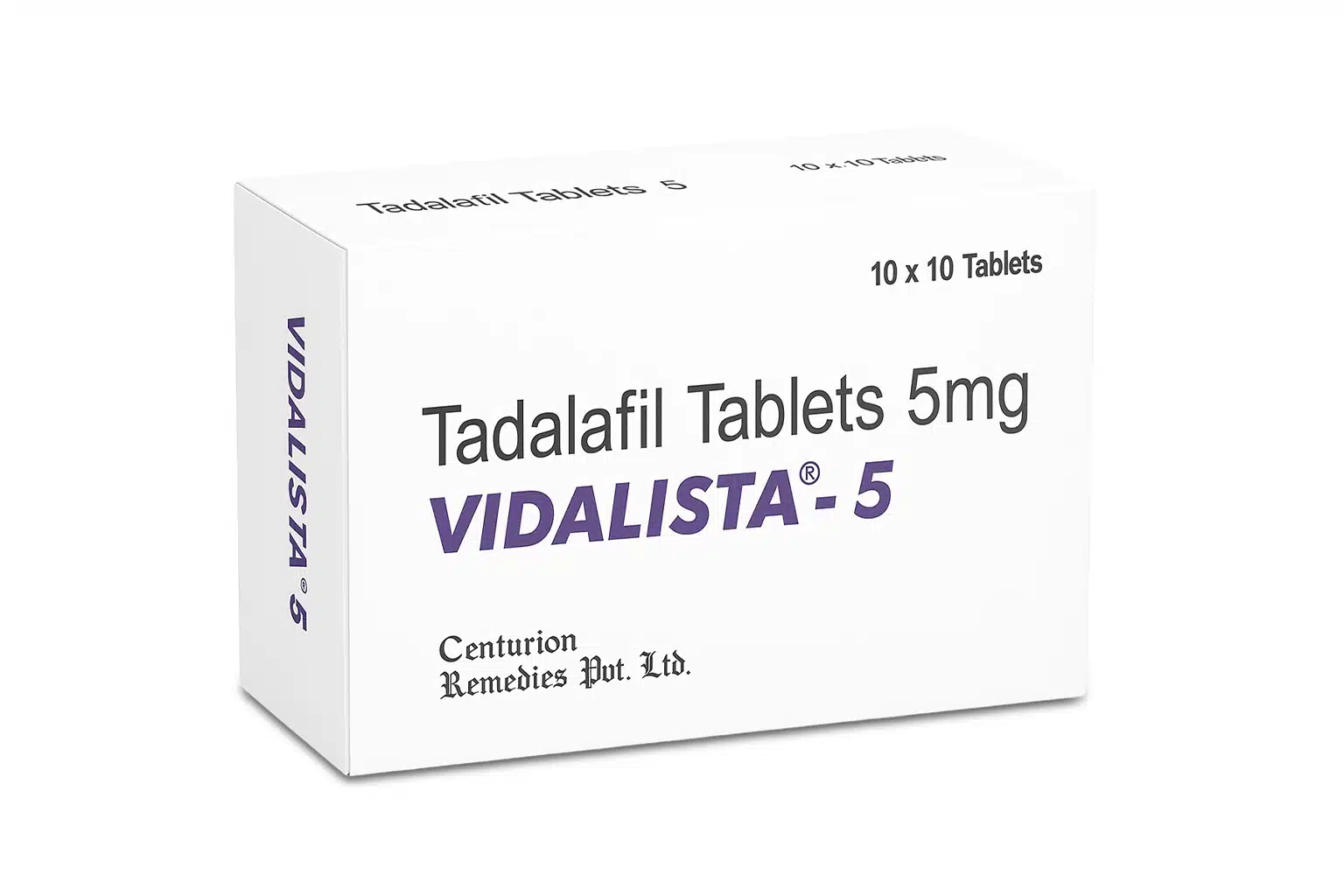
Vidalista 5 Mg
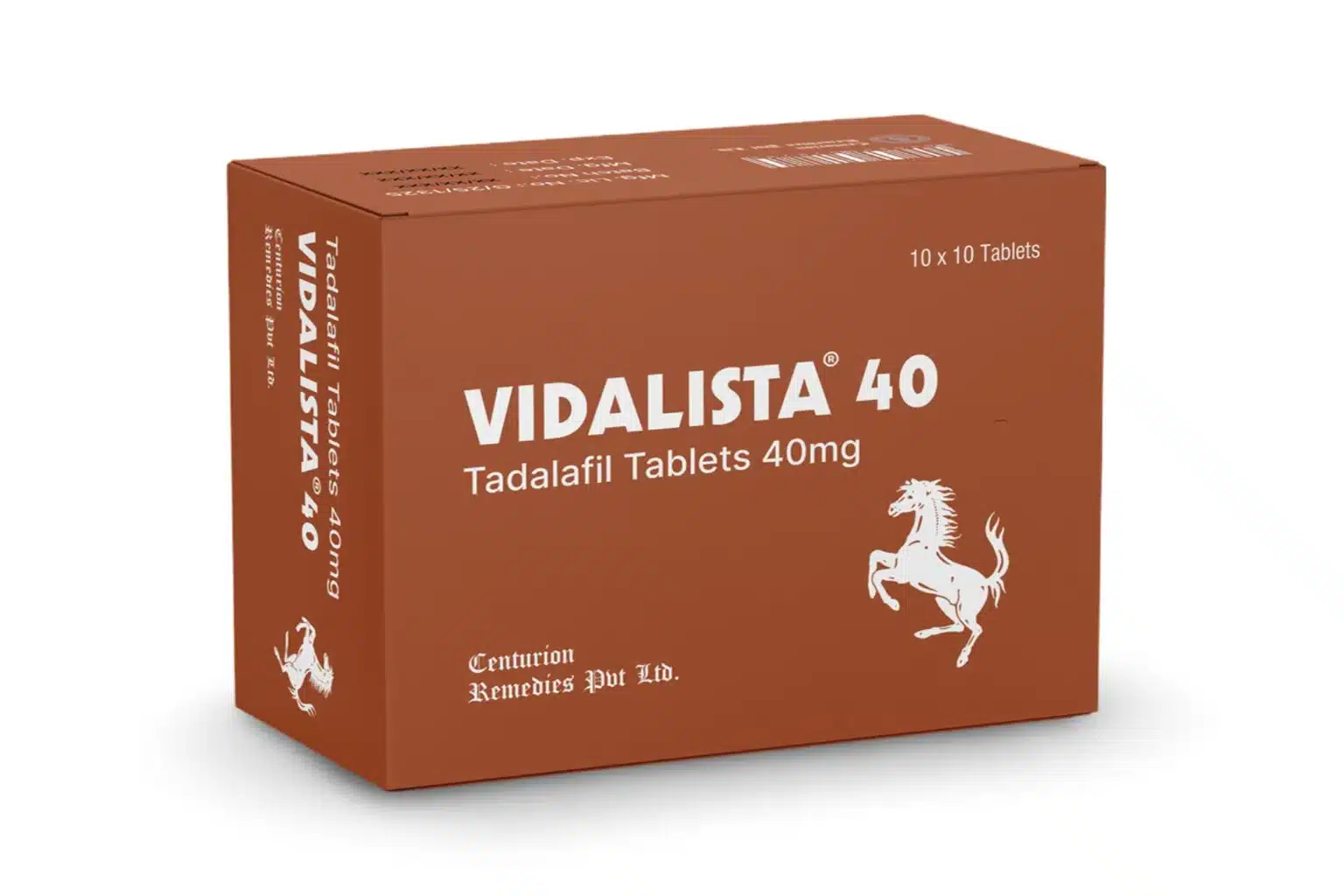
best sellers$18.00 – $182.00Price range: $18.00 through $182.00Rated 4.00 out of 5Shop Now This product has multiple variants. The options may be chosen on the product pageVidalista 40 Mg
Best Seller$28.00 – $276.00Price range: $28.00 through $276.00Rated 4.00 out of 5Shop Now This product has multiple variants. The options may be chosen on the product page
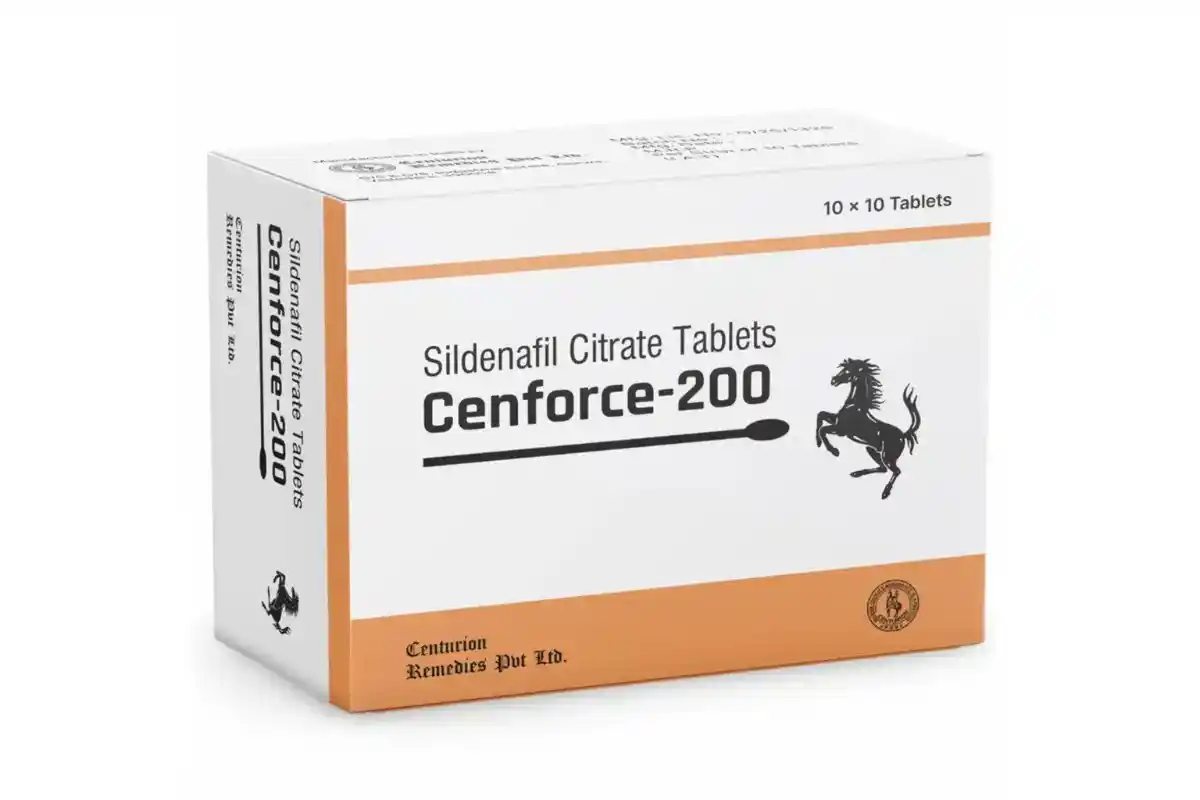
Cenforce 200 Mg
best sellers$31.00 – $335.00Price range: $31.00 through $335.00Rated 4.50 out of 5Shop Now This product has multiple variants. The options may be chosen on the product pageCenforce Fm
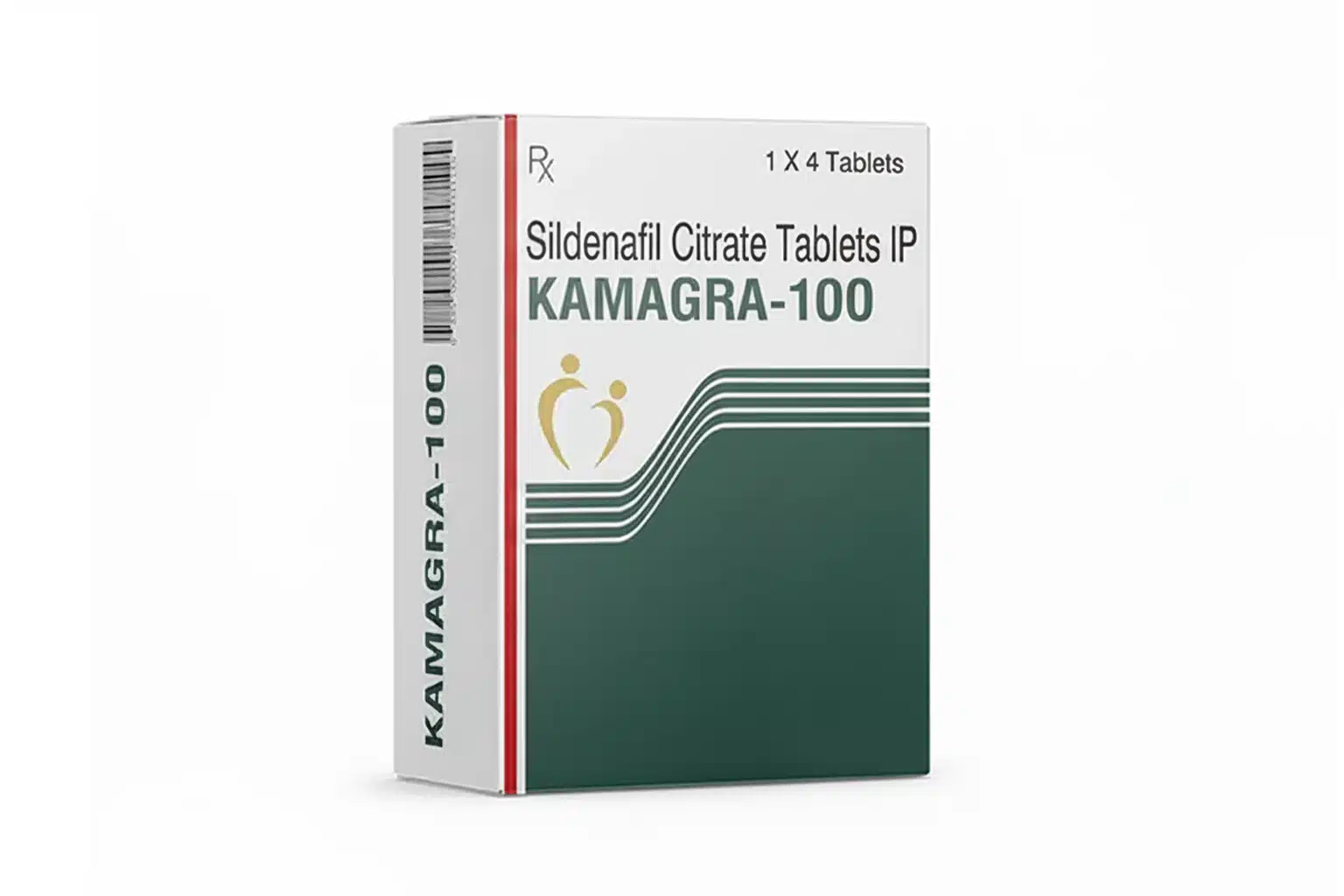
best sellers$33.00 – $218.00Price range: $33.00 through $218.00Rated 4.00 out of 5Shop Now This product has multiple variants. The options may be chosen on the product pageKamagra 100 mg
best sellers$24.00 – $125.00Price range: $24.00 through $125.00Rated 5.00 out of 5Shop Now This product has multiple variants. The options may be chosen on the product pageFildena 100 mg
best sellers$24.00 – $244.00Price range: $24.00 through $244.00Rated 4.00 out of 5Shop Now This product has multiple variants. The options may be chosen on the product pageMalegra Oral Jelly 100 Mg
best sellers$8.00 – $44.00Price range: $8.00 through $44.00Rated 5.00 out of 5Shop Now This product has multiple variants. The options may be chosen on the product pageSuper Kamagra Oral Jelly
best sellers$25.00 – $120.00Price range: $25.00 through $120.00Rated 4.00 out of 5Shop Now This product has multiple variants. The options may be chosen on the product page
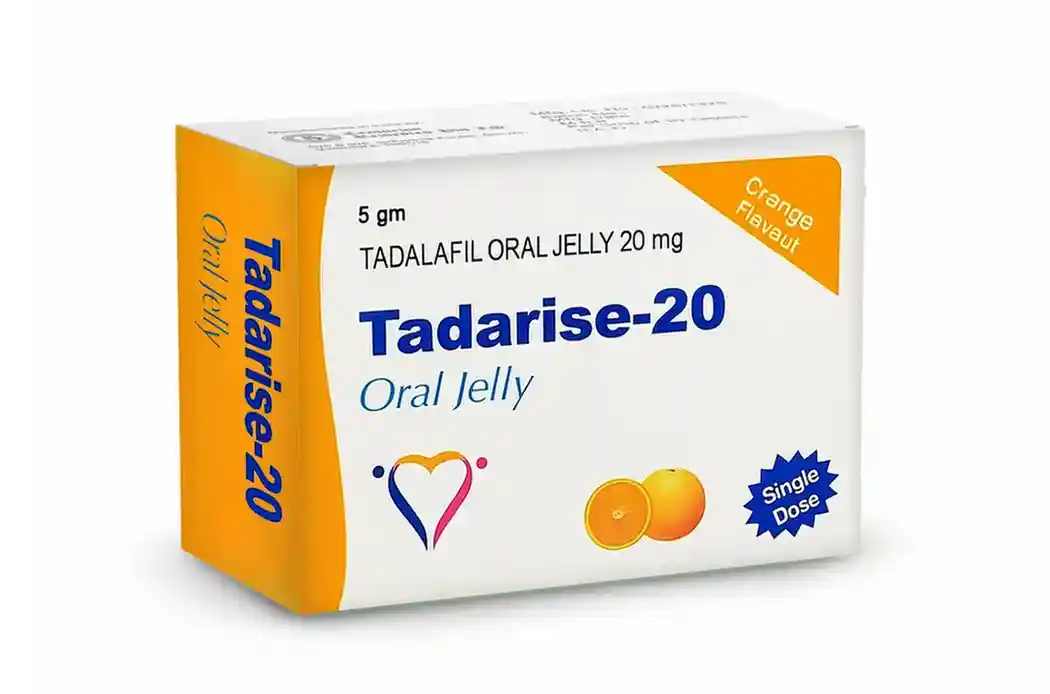
Tadarise Oral Jelly
best sellers$19.00 – $72.00Price range: $19.00 through $72.00Rated 4.00 out of 5Shop Now This product has multiple variants. The options may be chosen on the product page
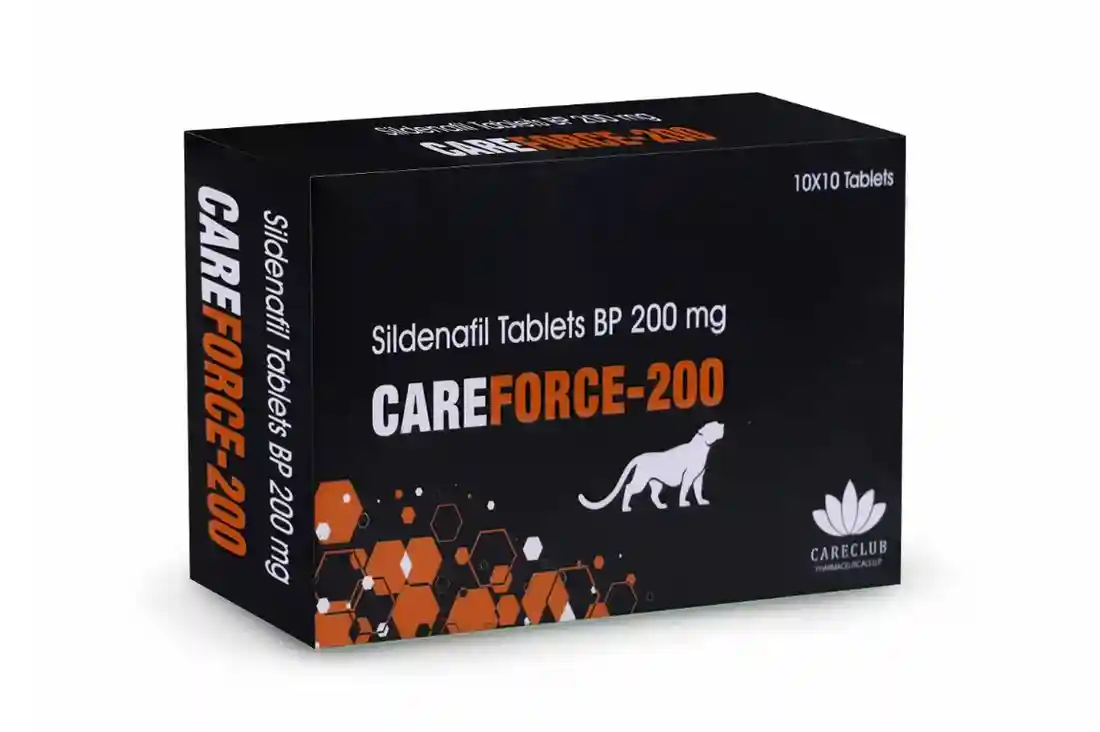
Careforce 200 Mg
best sellers$29.00 – $332.00Price range: $29.00 through $332.00Rated 5.00 out of 5Shop Now This product has multiple variants. The options may be chosen on the product page
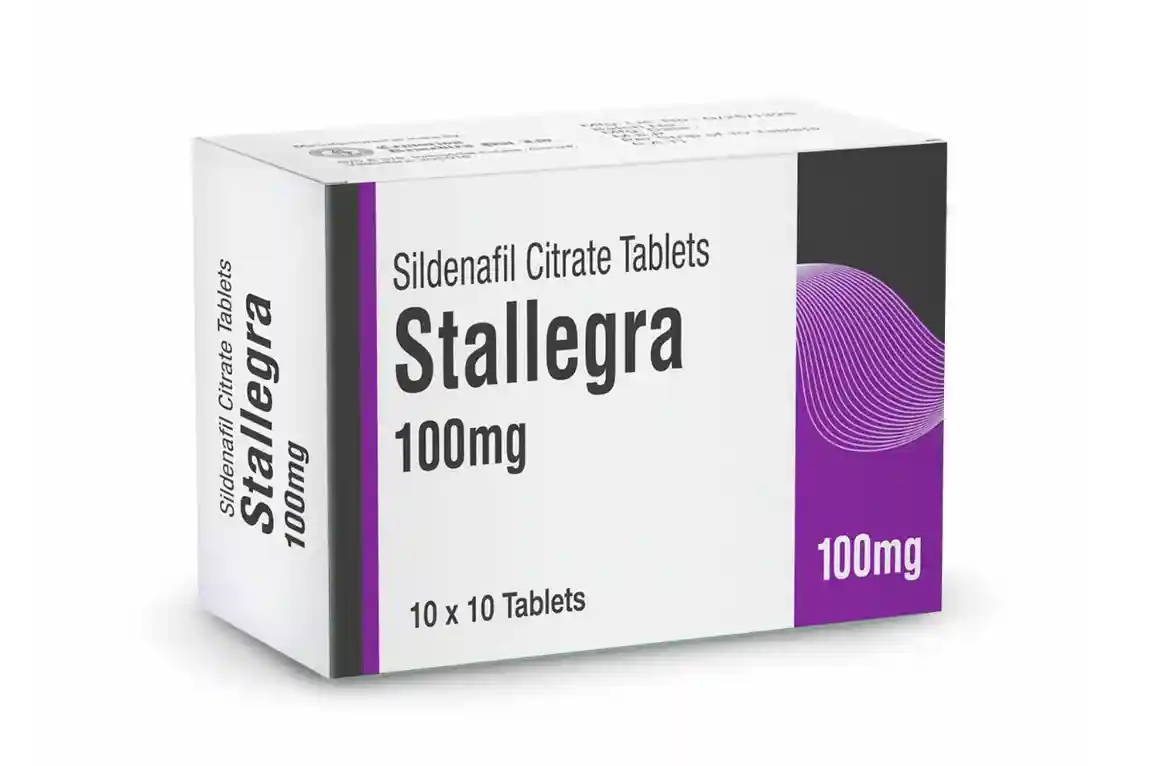
Stallegra 100 Mg
best sellers$88.00 – $224.00Price range: $88.00 through $224.00Rated 5.00 out of 5Shop Now This product has multiple variants. The options may be chosen on the product page- Exclusive
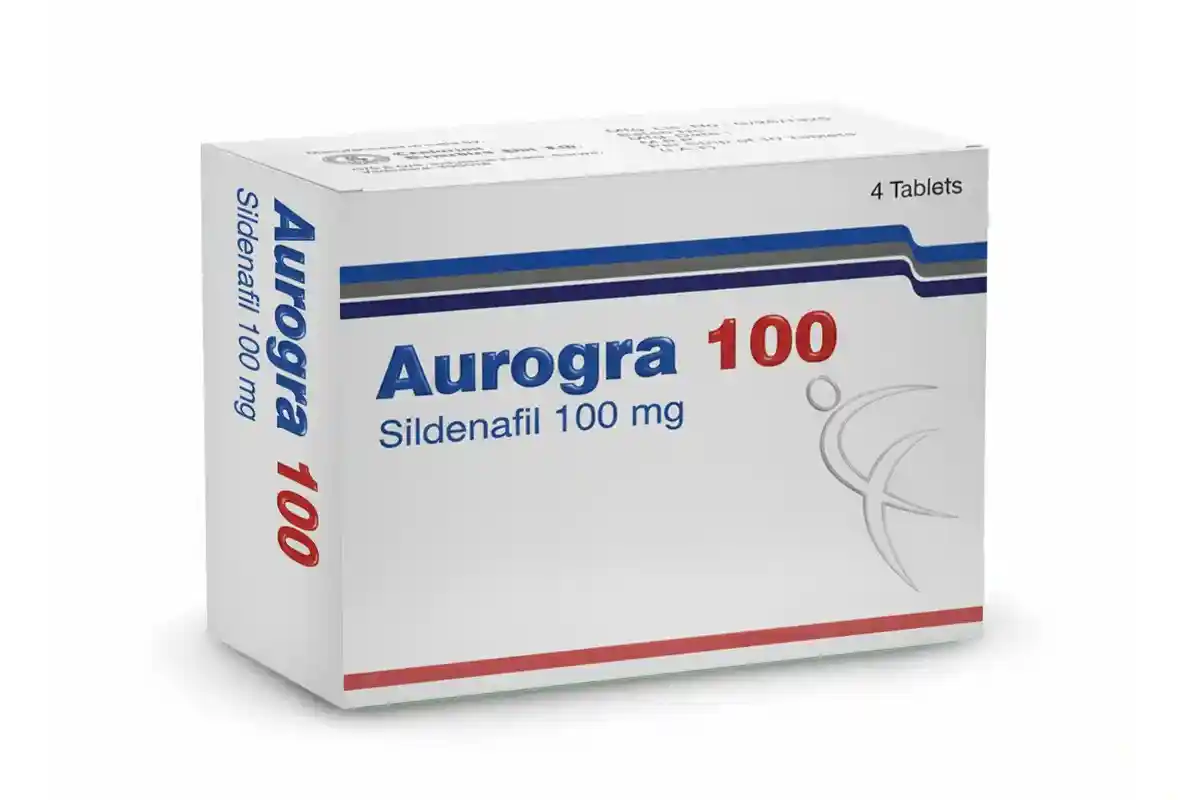
Aurogra 100 Mg
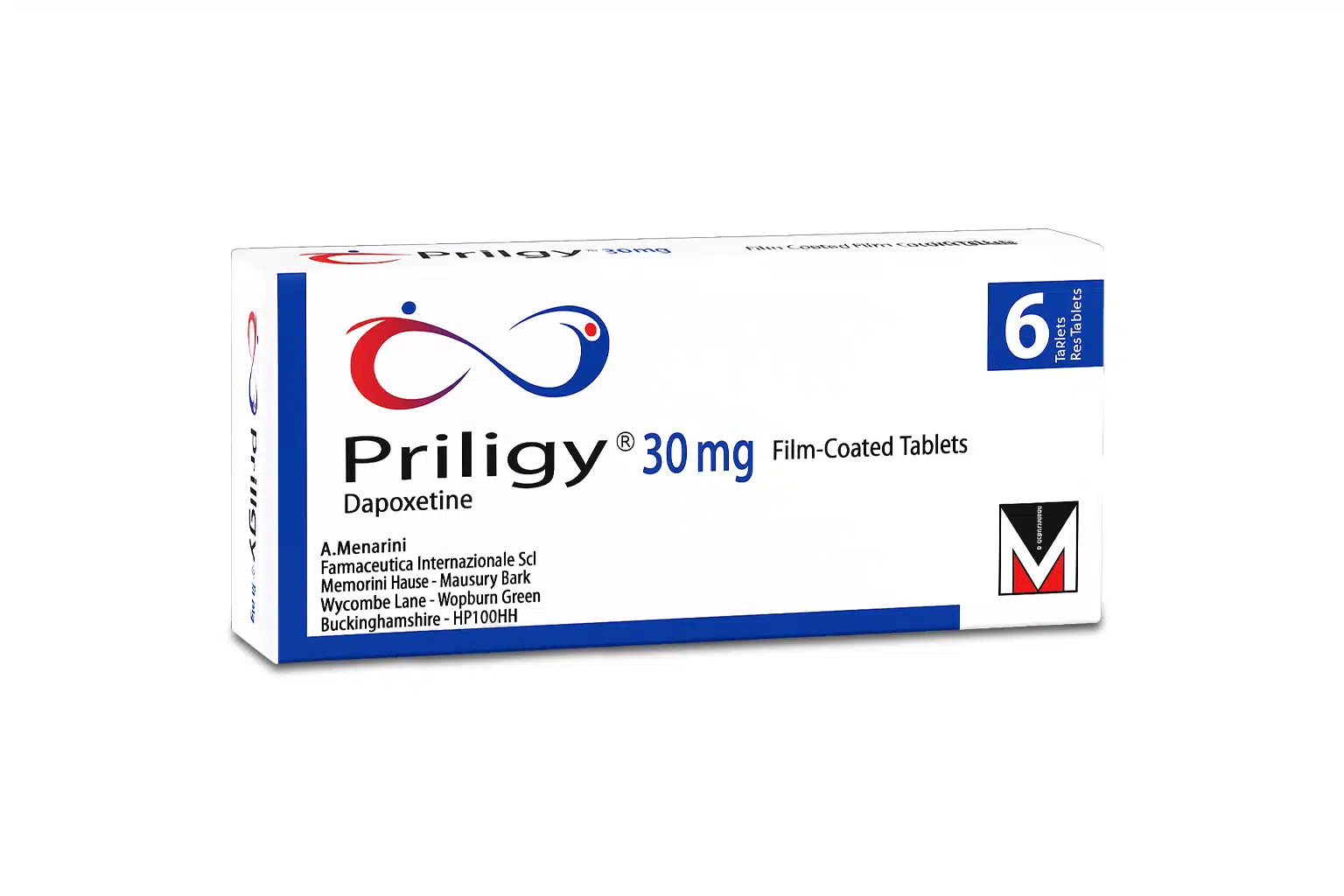
best sellers$29.00 – $76.00Price range: $29.00 through $76.00Rated 4.00 out of 5Shop Now This product has multiple variants. The options may be chosen on the product page Priligy 30 mg
best sellers$22.00 – $156.00Price range: $22.00 through $156.00Rated 4.00 out of 5Shop Now This product has multiple variants. The options may be chosen on the product page



Medical Conditions That Quietly Raise the Risk
Why does erectile dysfunction happen in men who look healthy on the outside? Often there’s a quiet medical condition working in the background. People also ask how medical conditions contribute to ED development, and the answer usually comes down to blood flow and nerves. These are the common ones:
- Diabetes: Years of high blood sugar can wear down the tiny blood vessels and nerves that erections depend on.
- High blood pressure and high cholesterol: Both can make arteries stiffer and narrower, so less blood reaches where it’s needed.
- Obesity and metabolic syndrome: Extra weight tends to bring inflammation and lower testosterone along with it.
- Sleep apnea: When breathing keeps stopping overnight, oxygen levels dip, which can throw off hormones and strain the blood vessels.
- Prostate, kidney, or neurological conditions: these can affect nerves or blood supply.
Because penile arteries are so small, ED can show up before other circulation problems do. That doesn’t mean your heart is in trouble. It’s simply a good reason to check your blood pressure, blood sugar, and cholesterol. It also explains how does erectile dysfunction happens over years rather than days.
Age, Timing, and Whether It Happens to Everyone
At what age does erectile dysfunction happen? There’s no magic number. It becomes more common with each decade, but younger men get it too, and in men under 40, stress, smoking, and performance anxiety show up often. The answer to how does erectile dysfunction happens at 25 isn’t the same as at 65, which is why a personal checkup matters.
Does erectile dysfunction happen to every man? No. Plenty of men keep reliable erections well into later life. Almost everyone has an off night now and then, though, and one off night isn’t ED.
Timing matters too. Does erectile dysfunction happen suddenly? It can, and a sudden start often points to stress, a new medicine, or an emotional event. A slow change leans more toward blood vessels. Does erectile dysfunction happen overnight? Usually not. What feels like overnight is often a slow change you only noticed once it was hard to ignore.
When It Only Happens in One Position
Some men notice trouble only when they’re lying down, and they wonder what it means when erectile dysfunction happens when lying on their back. Usually it’s not a sign of something serious. Position can change pelvic muscle tension, and lying flat gives anxious thoughts more room to loop. If your morning erections are normal and the problem stays limited to one position, mind and mechanics are more likely suspects than blood vessels. If it keeps happening or spreads to other positions, mention it at your next checkup.
Medicines and Habits That Can Interfere
What drugs can cause erectile dysfunction? Quite a few everyday ones can:
- Some blood pressure medicines, especially thiazide diuretics and beta blockers
- Antidepressants, particularly SSRIs
- Antipsychotics and some anti-seizure medicines
- Finasteride and dutasteride
- Opioid painkillers
- Alcohol, nicotine, and recreational drugs
If you’ve noticed changes after starting a medicine, don’t stop it on your own. Many have alternatives, and a quick talk with your doctor can often sort it out. It’s another piece of how does erectile dysfunction happen that men rarely hear about.
Treatment Options That Actually Help
Once you know how does erectile dysfunction happen in your own situation, treatment gets far more targeted. Lifestyle changes are a strong starting point: regular walking, better sleep, less alcohol, quitting smoking, and managing stress. Counseling helps when anxiety is part of the picture. Treating the underlying condition, whether that’s blood pressure or diabetes, often improves things too.
Many men also use medication. Cenforce, a sildenafil-based tablet, is one option doctors commonly discuss. It supports the nitric oxide pathway, which helps blood flow into the penis when you’re aroused. A few practical points:
- It’s usually taken about 30 to 60 minutes before sex, and it needs sexual stimulation to work.
- It isn’t safe with nitrate medicines for chest pain, and alpha blockers need extra caution, so tell your doctor everything you take.
- Headache, flushing, and a stuffy nose are common side effects.
- An erection lasting more than four hours is an emergency.
A trusted provider will also help with dosing questions, genuine products, and discreet follow-up. That matters more than most men expect.
Final Thoughts
Understanding how does erectile dysfunction happen takes away much of the mystery and a lot of the shame. It’s a common, treatable health issue, not a verdict on you. If it keeps showing up, talk to a doctor, ask about your heart and hormones, and explore your options calmly. The first step is to understand how erectile dysfunction works. The second step is to get help.
FAQs
1. How does erectile dysfunction happen?
2. Can erectile dysfunction go away on its own?
3. Is erectile dysfunction an early sign of heart disease?
4. How do ED tablets like sildenafil work?
5. When should I see a doctor about erectile dysfunction?

Dr. Lucifier is a men’s health specialist with over 12 years of experience in sexual wellness and ED treatment. He holds an MBBS, MD in Internal Medicine, and DM in Urology, and focuses on safe, personalized care using proven therapies like Sildenafil and Tadalafil.