
An individual’s sexual life is as important as their emotional life in a partnership. We have several metrics we measure our relationships by. Even just looking at our own personal health, our sexual health is often indicative of some underlying condition that might be affecting our health. One such sexual problem is erectile dysfunction (ED). ED is when an individual is unable to achieve and maintain stable and firm erections to be able to sexually engage.
An ED occurrence here or there is fine and can be looked over, but persistent difficulties in trying to get an erection might be pointing to something that you may have to pay attention to. Some individuals think that ED happens due to an issue with attraction, but that couldn’t be further from the truth. Causes like diabetes, hormonal imbalances, stress, anxiety, lifestyle habits, or heart diseases could all be some of the risk factors for erectile dysfunction.
How Does An Erection Work?
A successful erection depends on the careful coordination between the brain, nerves, hormones, blood vessels, and a person’s penile tissue. When a person is sexually stimulated, their brain sends a signal, nerves pass it along, and the arteries in the penis open up so blood can rush in. It’s the release of nitric oxide that helps relax the smooth muscles of the penis. This relaxation helps in allowing blood to flow into the erectile tissue, get temporarily trapped, and lead to a firm erection.
Hormones and mood sit somewhere in the background too, doing their own thing. That’s a lot of moving parts. Any one of them can slip, which is partly why men experience erection problems for such different reasons. Two guys can have the same complaint and totally different causes.
Poor Blood Circulation Leading To ED
If one thing gets blamed most often, it’s blood flow. A firm erection requires a blood flow that’s adequate. When the arteries get too stiff or narrow, less blood is able to reach the penile tissue, which is what makes it difficult to achieve or maintain erections. Stuff like high blood pressure, high cholesterol, or atherosclerosis can also contribute to this problem.
Poor blood circulation is behind a big chunk of cases, especially after 40 or 50. The arteries feeding the penis are tiny, even smaller than the ones around the heart. So when they narrow or stiffen, they tend to complain first.
That’s why some doctors treat a change in erections as a kind of early warning. Heart disease can be quietly building in the background while the bedroom is the first place anything seems off. Not every time. Often enough that it gets checked, though. High blood pressure, high cholesterol, and smoking can all chip away at the vessels.
Other Medical Conditions
There’s more to ED than just blood flow and its pressure. As mentioned, nerves in the body play a role as well. Situations like multiple sclerosis, Parkinson’s, spinal injury, or spinal surgery (e.g., prostate surgery) can all mess with the signals that go down the penis.
Then there’s also diabetes. High blood sugar over the years damages the small vessels and the nerves, so men with diabetes often run into erection trouble earlier than other men. Sometimes years earlier.
Hormonal imbalances play a part as well. Low testosterone can pull down desire and sometimes erection quality. Thyroid problems, or high prolactin, can do something similar. A simple blood test usually sorts that out, so there’s not much point guessing.
The list of health conditions linked to ED is longer than most people expect. Kidney disease, obesity, sleep apnea, and metabolic syndrome all turn up. Peyronie’s disease too, where scar tissue bends the penis and makes things painful or awkward.
None of these mean a man will definitely have problems. They just raise the odds, and erectile dysfunction in these cases is often one more symptom among several, not some separate mystery. And often a couple of them are stacked together, which is where it gets messy.
Best Seller

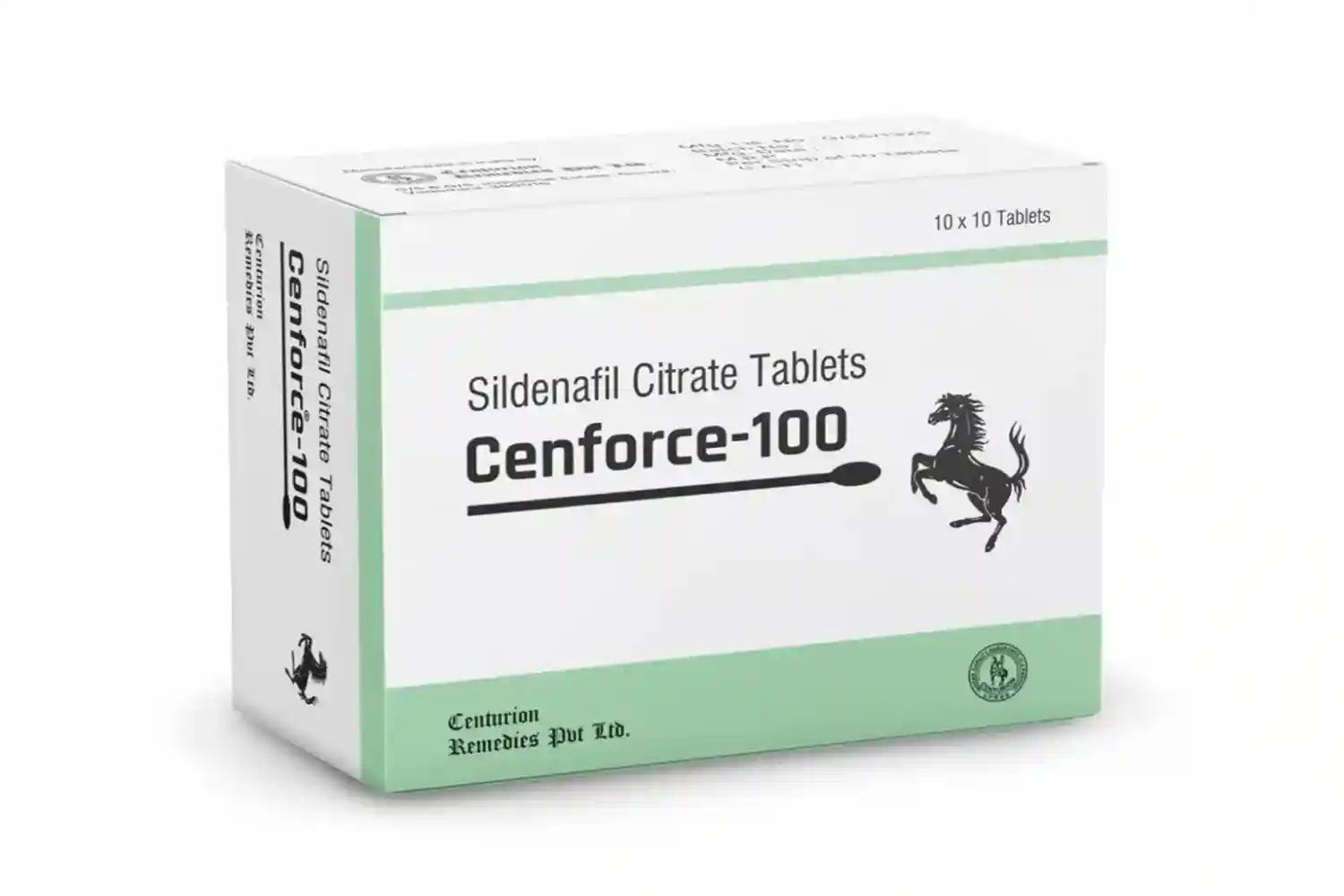
Cenforce 100 Mg
Cenforce$24.00 – $215.00Price range: $24.00 through $215.00Rated 5.00 out of 5Shop Now This product has multiple variants. The options may be chosen on the product page
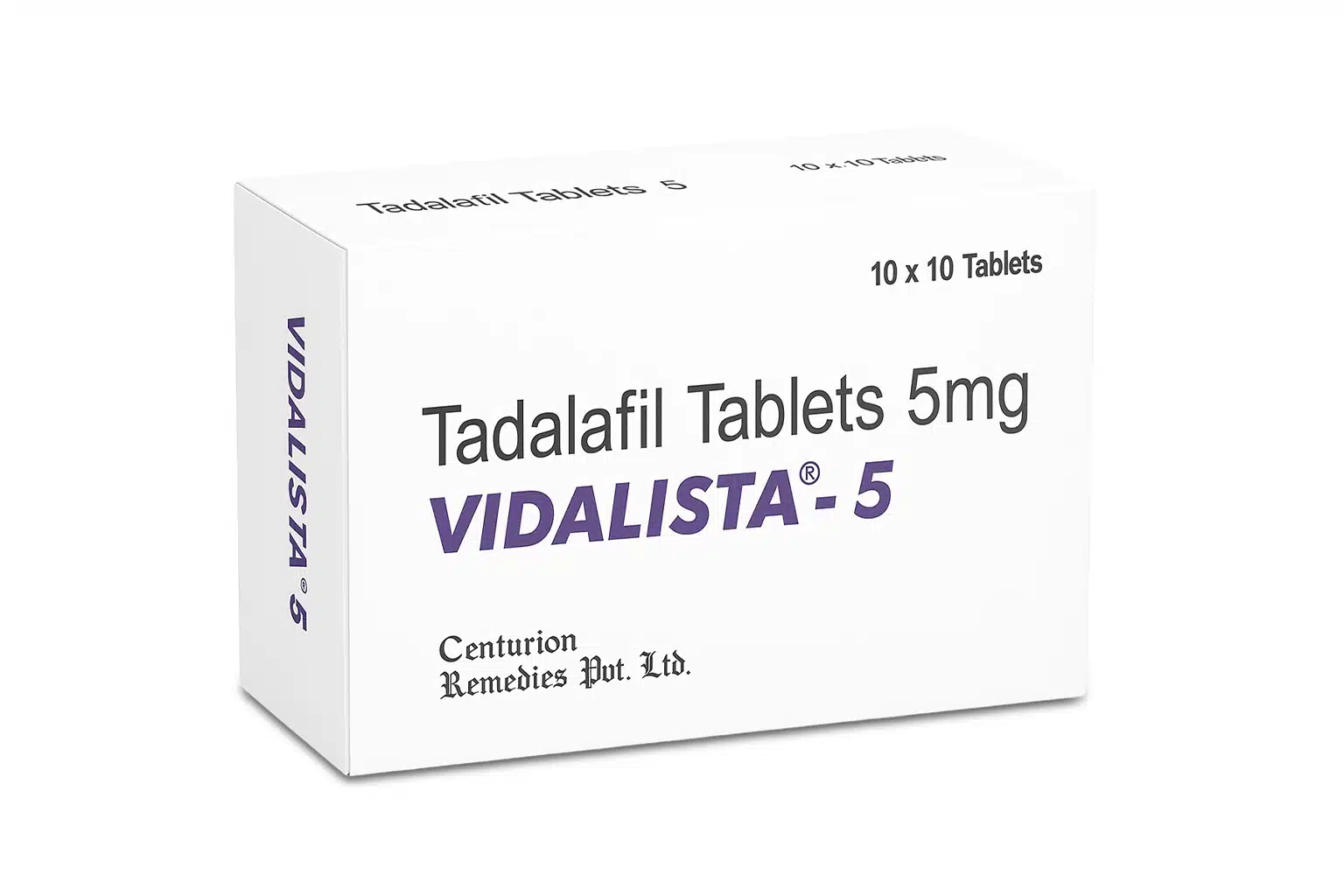
Vidalista 5 Mg
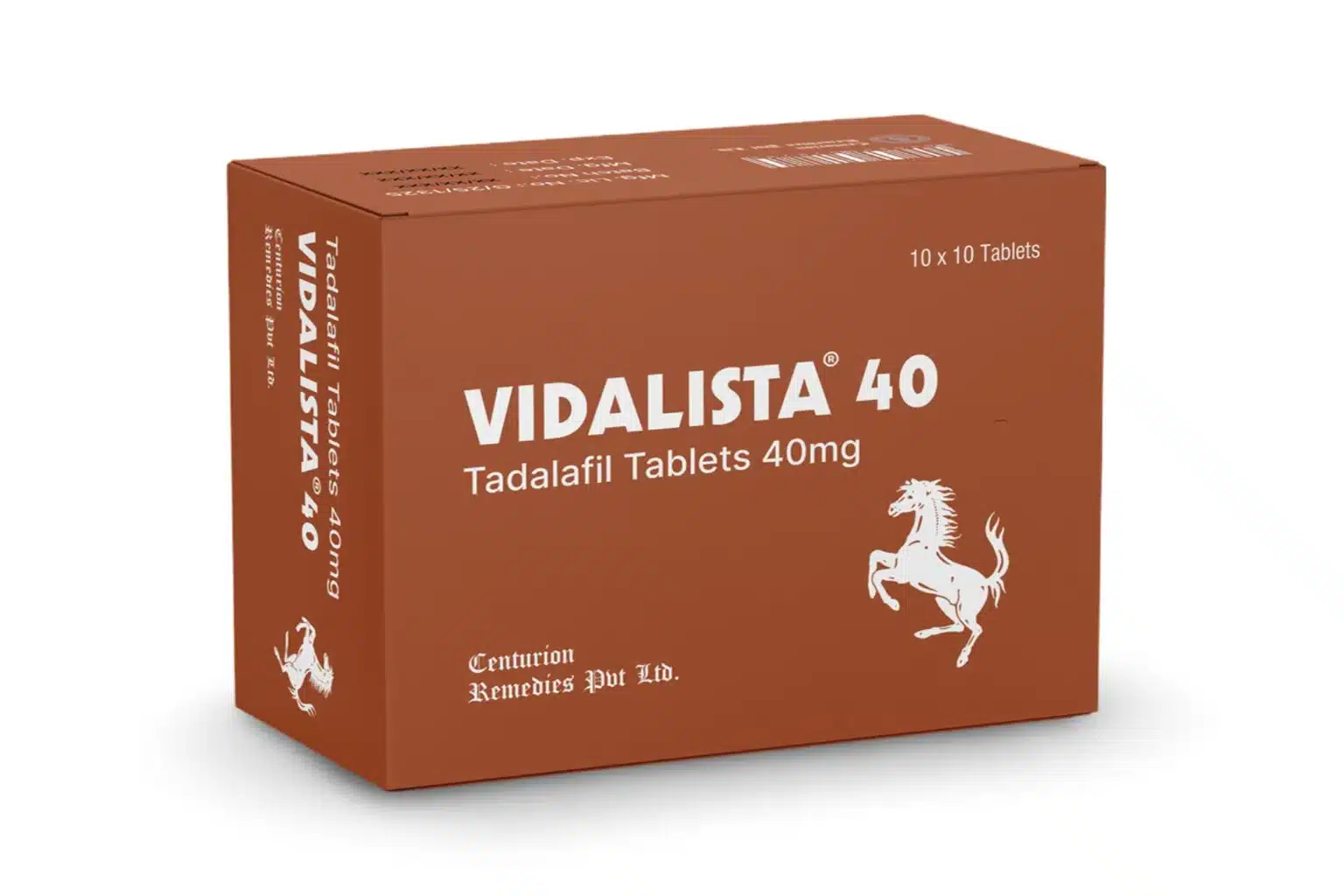
best sellers$18.00 – $182.00Price range: $18.00 through $182.00Rated 4.00 out of 5Shop Now This product has multiple variants. The options may be chosen on the product pageVidalista 40 Mg
Best Seller$28.00 – $276.00Price range: $28.00 through $276.00Rated 4.00 out of 5Shop Now This product has multiple variants. The options may be chosen on the product page
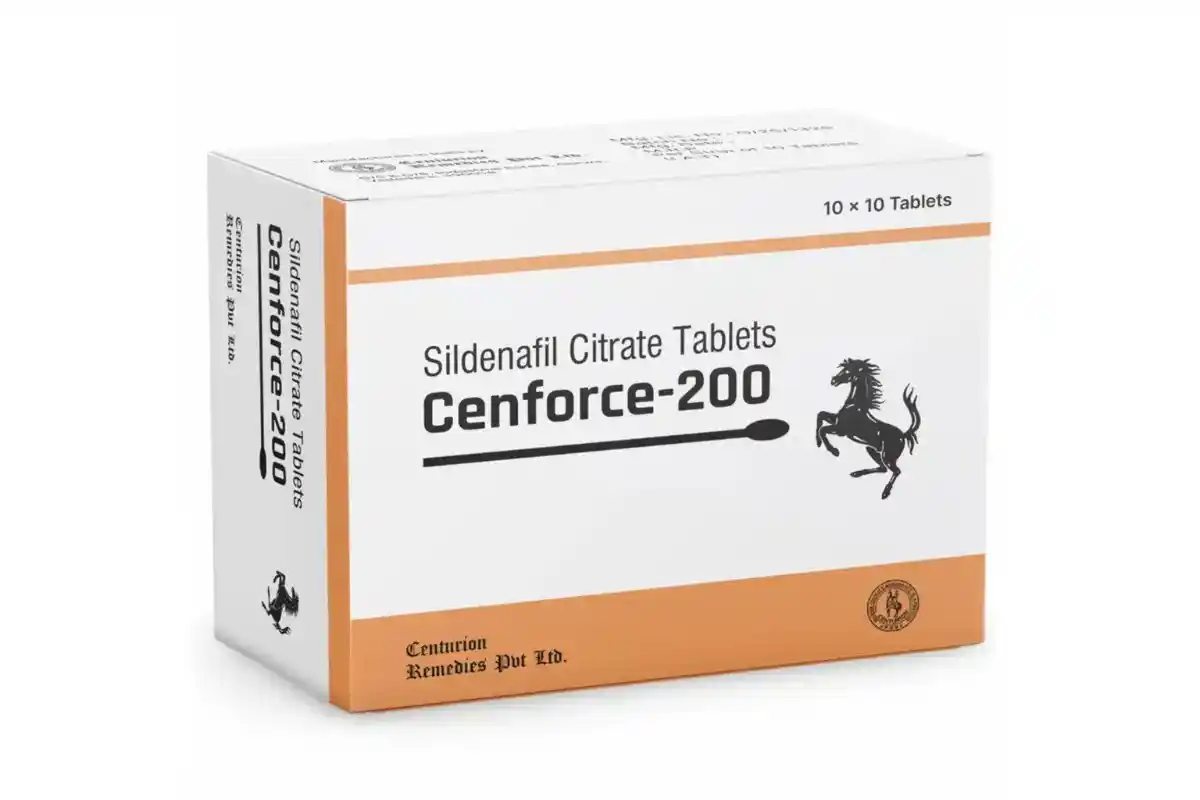
Cenforce 200 Mg
best sellers$31.00 – $335.00Price range: $31.00 through $335.00Rated 4.50 out of 5Shop Now This product has multiple variants. The options may be chosen on the product pageCenforce Fm
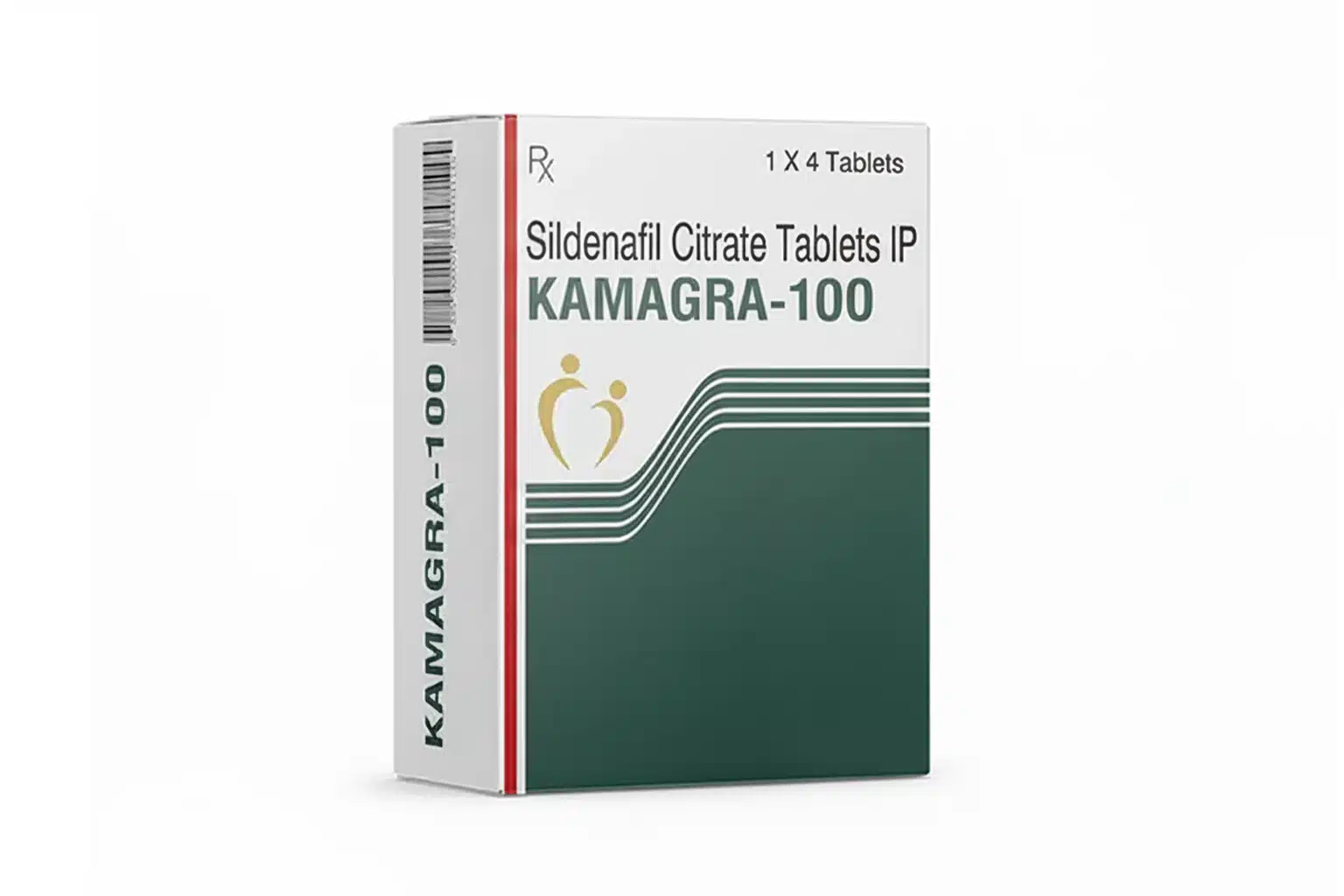
best sellers$33.00 – $218.00Price range: $33.00 through $218.00Rated 4.00 out of 5Shop Now This product has multiple variants. The options may be chosen on the product pageKamagra 100 mg
best sellers$24.00 – $125.00Price range: $24.00 through $125.00Rated 5.00 out of 5Shop Now This product has multiple variants. The options may be chosen on the product pageFildena 100 mg
best sellers$24.00 – $244.00Price range: $24.00 through $244.00Rated 4.00 out of 5Shop Now This product has multiple variants. The options may be chosen on the product pageMalegra Oral Jelly 100 Mg
best sellers$8.00 – $44.00Price range: $8.00 through $44.00Rated 5.00 out of 5Shop Now This product has multiple variants. The options may be chosen on the product pageSuper Kamagra Oral Jelly
best sellers$25.00 – $120.00Price range: $25.00 through $120.00Rated 4.00 out of 5Shop Now This product has multiple variants. The options may be chosen on the product page
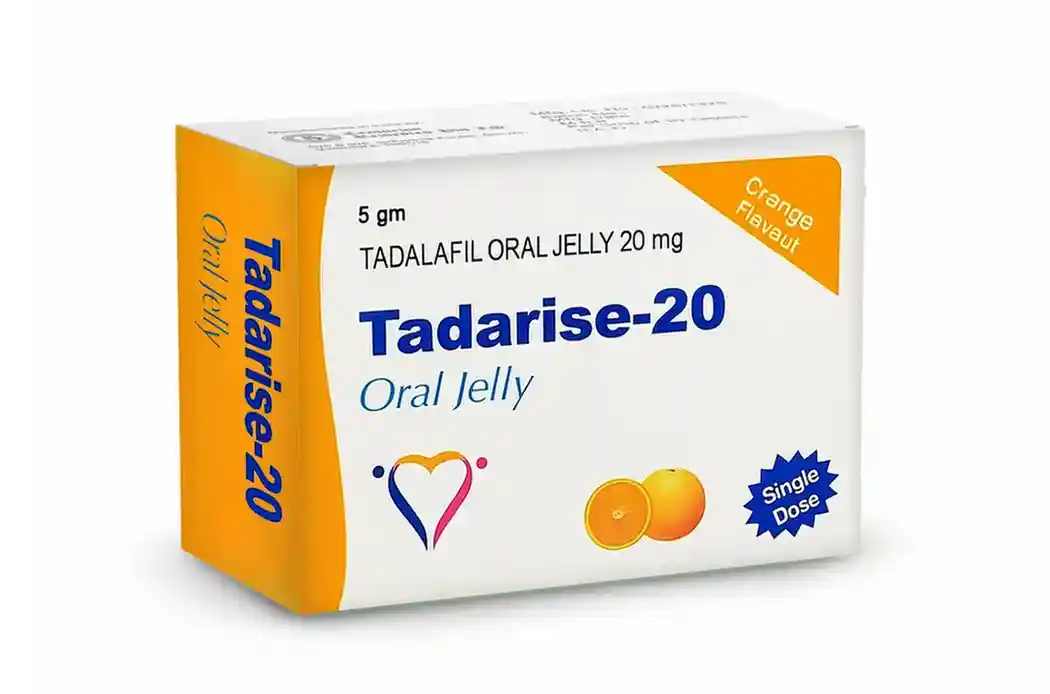
Tadarise Oral Jelly
best sellers$19.00 – $72.00Price range: $19.00 through $72.00Rated 4.00 out of 5Shop Now This product has multiple variants. The options may be chosen on the product page
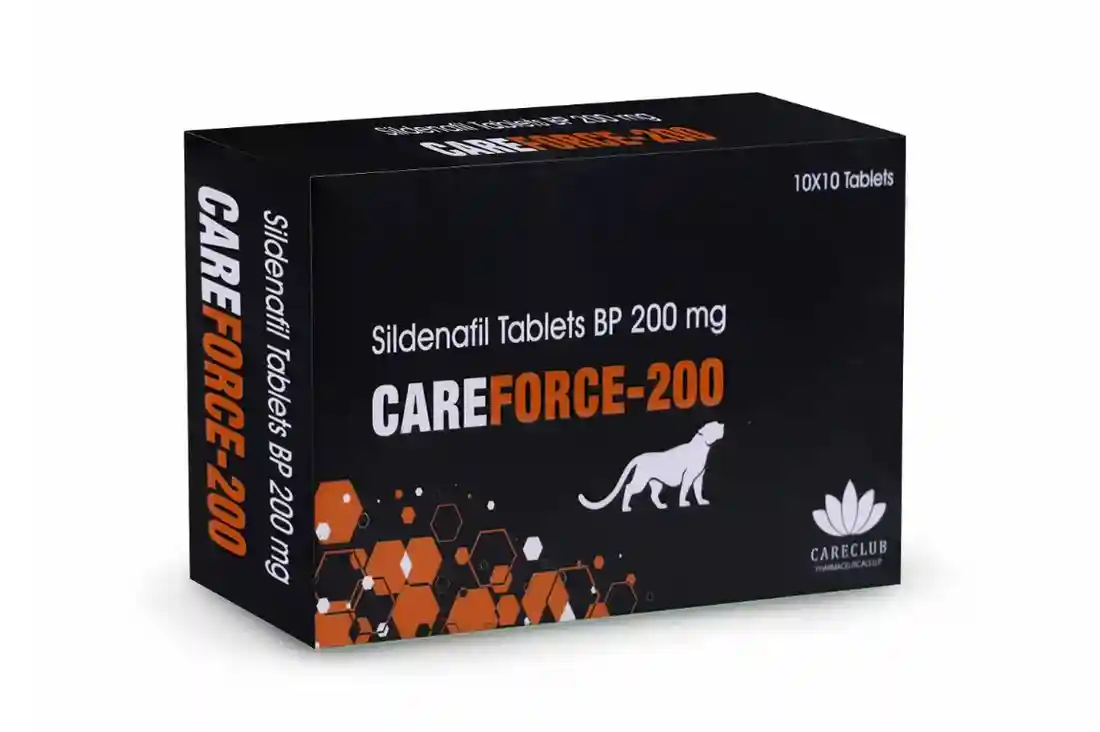
Careforce 200 Mg
best sellers$29.00 – $332.00Price range: $29.00 through $332.00Rated 5.00 out of 5Shop Now This product has multiple variants. The options may be chosen on the product page
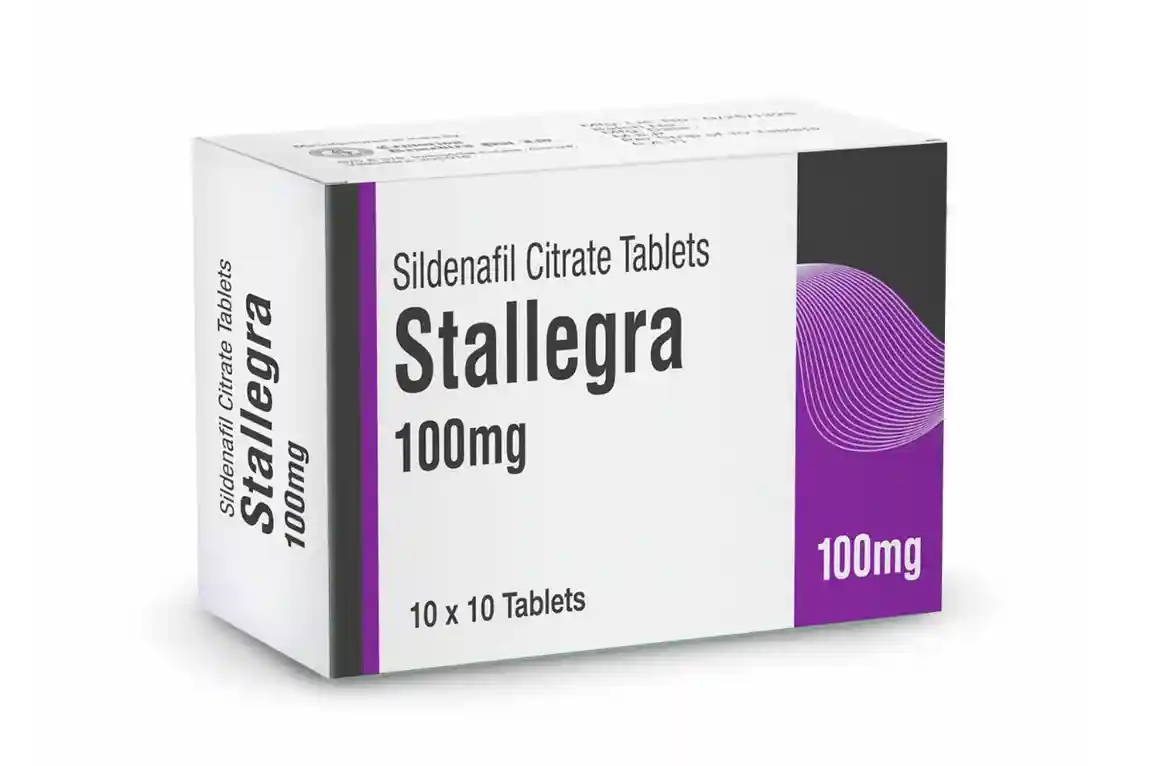
Stallegra 100 Mg
best sellers$88.00 – $224.00Price range: $88.00 through $224.00Rated 5.00 out of 5Shop Now This product has multiple variants. The options may be chosen on the product page- Exclusive
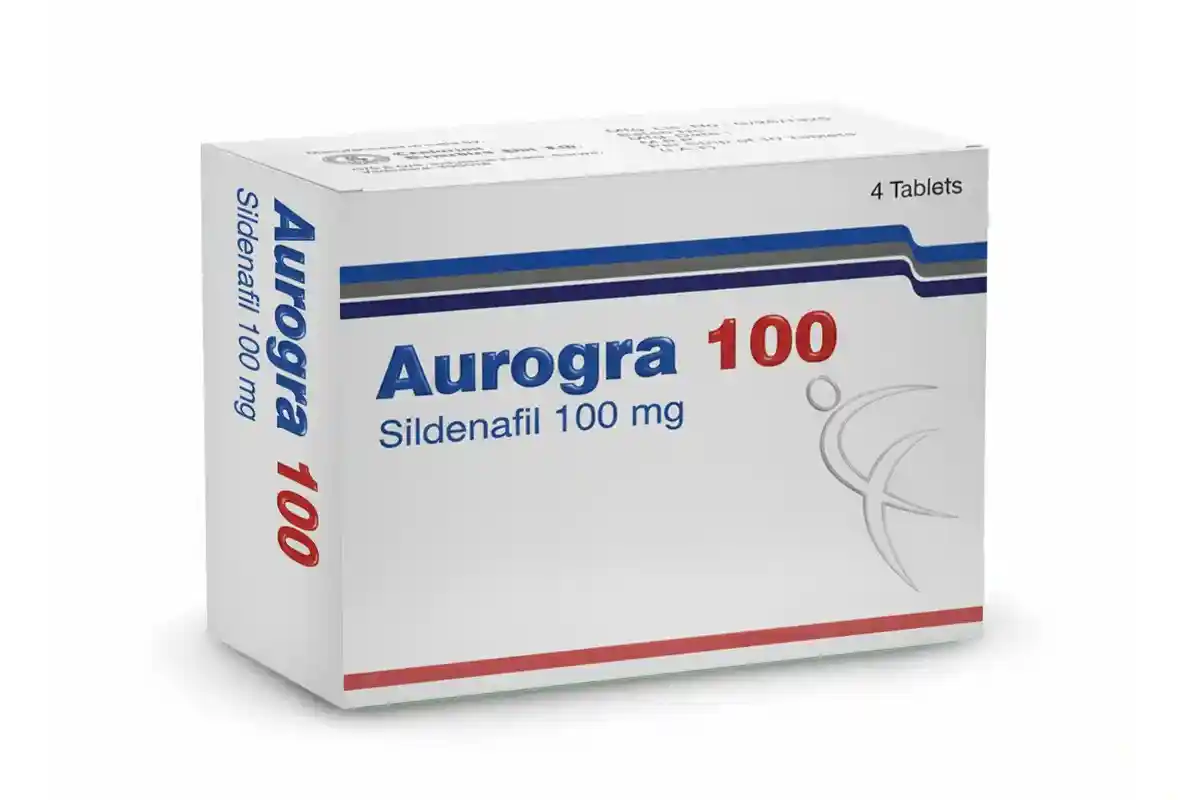
Aurogra 100 Mg
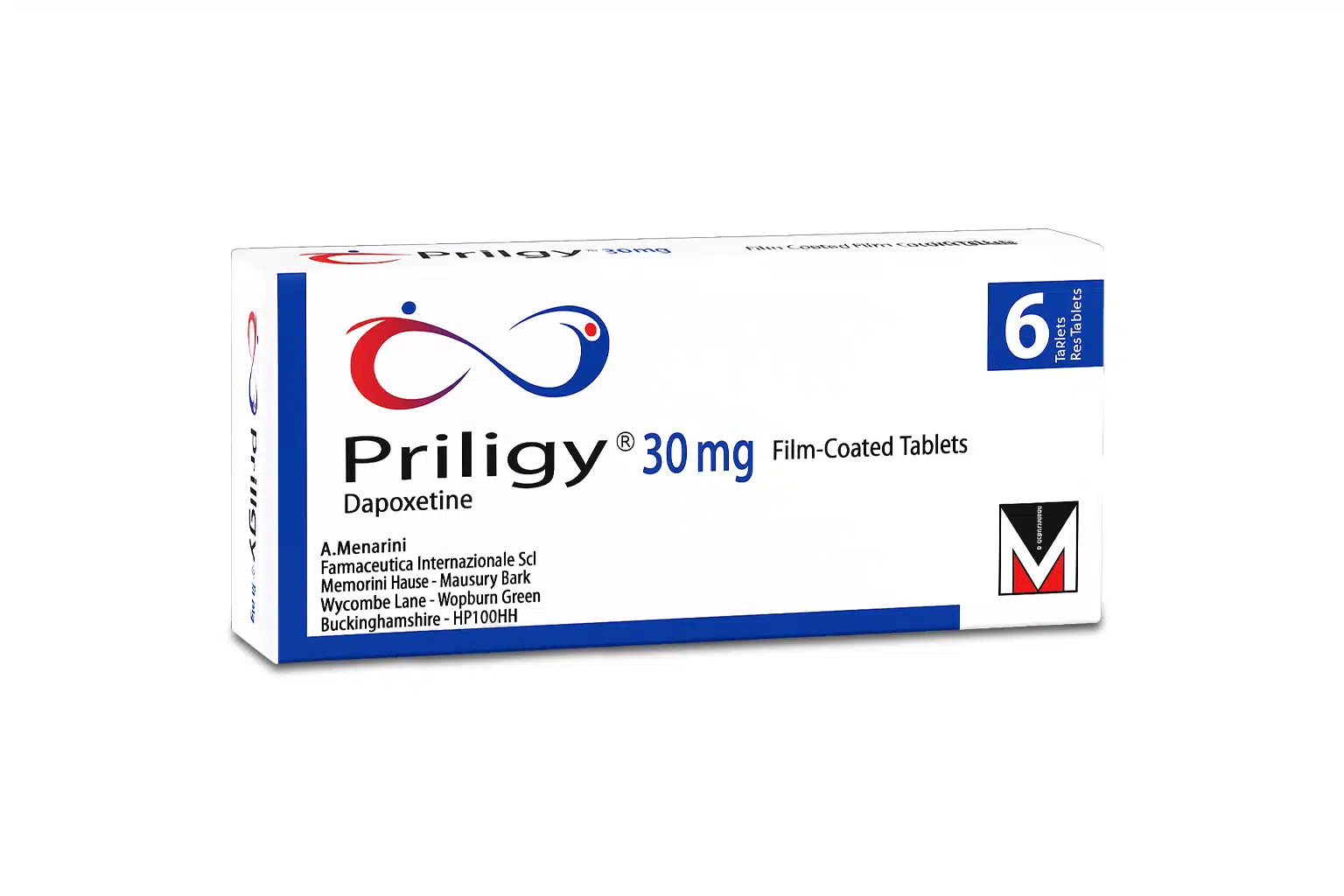
best sellers$29.00 – $76.00Price range: $29.00 through $76.00Rated 4.00 out of 5Shop Now This product has multiple variants. The options may be chosen on the product page Priligy 30 mg
best sellers$22.00 – $156.00Price range: $22.00 through $156.00Rated 4.00 out of 5Shop Now This product has multiple variants. The options may be chosen on the product page



Psychological Causes Behind ED
Stress, anxiety, money trouble, work trouble, and relationship trouble can all negatively impact an individual’s mental state. The mind is part of the whole system, so when it’s loud, the body sometimes goes quiet.
Performance anxiety is the classic one. A man has a bad night, maybe from too much beer or too little sleep, and then spends the next week worrying about it. Next time, he’s watching himself instead of being there. Which makes it more likely to happen again. Round and round.
The psychological impacts of erectile dysfunction can get heavy, too. Embarrassment, avoiding intimacy, snapping at a partner who is only trying to help. Some men go quiet for months. Depression and low confidence tend to show up alongside, and it’s hard to say which came first.
In younger men, especially under 40, the mental side is more likely to be the main thing. Not always, though.
Lifestyle Habits & Medications
Lifestyle habits get blamed a lot, and fairly. Smoking narrows blood vessels. Heavy drinking dulls the whole system. Factors like sitting around all day, extra weight, bad sleep, and recreational drugs don’t help at all.
Medications can be part of it as well. Some blood pressure pills, antidepressants, antihistamines, and ulcer medicines are known to interfere. Nobody should stop a prescribed tablet on their own because of this, though. That’s a conversation with a doctor first.
Age gets mentioned a lot when people talk about risk factors for erectile dysfunction. It’s more common as men get older, sure, but age by itself isn’t really the cause. The conditions that pile up with age are.
What leads to erectile dysfunction is usually a mix. A bit of blood vessel wear, a bit of stress, maybe a medication, maybe a few too many years of smoking. Rarely just one thing.
That’s actually the useful part. Because a mix can be worked on from several sides. Better sleep, moving more, cutting back on alcohol, getting blood sugar and blood pressure under control, talking to someone about the anxiety. Small stuff, but it counts.
When Should You Go For ED Medications?
Then there are medications for ED, which is what most men think of first, usually after erectile dysfunction has been bugging them for a while.
The common group is PDE5 inhibitors. They help the blood vessels relax so more blood flow reaches the penis when a man is aroused. They don’t create desire out of nothing, and they don’t fix the underlying cause. They just make the mechanism work better.
Vardenafil is one of these. Vilitra is a brand built around it, sold in 20 mg, 40 mg, and 60 mg strengths, and these vilitra medications are usually taken about 30 to 60 minutes before sex. Valif 20 mg is another vardenafil option, and it works in much the same way, with effects that tend to last around four to five hours.
Which strength should you take? That’s for your urologist to decide. Not a forum, not a friend, and definitely not a stranger online promising a miracle. The dose depends on health, other medicines, and how the body responds.
Side effects are usually mild, like a headache, a flushed face, a blocked nose, or an upset stomach. One serious thing to know: vardenafil should never be mixed with nitrate medicines, the kind sometimes recommended for chest pain, because blood pressure can drop dangerously.
FAQs
1. Is erectile dysfunction only an older man's problem?
2.Can stress alone cause erectile dysfunction?
3. Does diabetes make ED a likelier outcome?
4. Can lifestyle changes help?
5. Is erectile dysfunction permanent?

Dr. Lucifier is a men’s health specialist with over 12 years of experience in sexual wellness and ED treatment. He holds an MBBS, MD in Internal Medicine, and DM in Urology, and focuses on safe, personalized care using proven therapies like Sildenafil and Tadalafil.